- English
- French
- German
- Portuguese
- Spanish
- Russian
- Japanese
- Korean
- Arabic
- Greek
- German
- Turkish
- Italian
- Danish
- Romanian
- Indonesian
- Czech
- Afrikaans
- Swedish
- Polish
- Basque
- Catalan
- Esperanto
- Hindi
- Lao
- Albanian
- Amharic
- Armenian
- Azerbaijani
- Belarusian
- Bengali
- Bosnian
- Bulgarian
- Cebuano
- Chichewa
- Corsican
- Croatian
- Dutch
- Estonian
- Filipino
- Finnish
- Frisian
- Galician
- Georgian
- Gujarati
- Haitian
- Hausa
- Hawaiian
- Hebrew
- Hmong
- Hungarian
- Icelandic
- Igbo
- Javanese
- Kannada
- Kazakh
- Khmer
- Kurdish
- Kyrgyz
- Latin
- Latvian
- Lithuanian
- Luxembou..
- Macedonian
- Malagasy
- Malay
- Malayalam
- Maltese
- Maori
- Marathi
- Mongolian
- Burmese
- Nepali
- Norwegian
- Pashto
- Persian
- Punjabi
- Serbian
- Sesotho
- Sinhala
- Slovak
- Slovenian
- Somali
- Samoan
- Scots Gaelic
- Shona
- Sindhi
- Sundanese
- Swahili
- Tajik
- Tamil
- Telugu
- Thai
- Ukrainian
- Urdu
- Uzbek
- Vietnamese
- Welsh
- Xhosa
- Yiddish
- Yoruba
- Zulu
Best co₂ laser lead screw cutting machines for small businesses
Small businesses seeking precision cutting solutions should consider CO₂ laser lead screw cutting machines as their strategic investment in 2024. Unlike conventional belt-driven systems prone to stretching and slippage, these machines utilize precision ball screw transmission, delivering positioning accuracy of ≤0.02mm. For die-board manufacturers, signage producers, and custom fabrication shops, this technology solves critical challenges: inconsistent cut quality, material waste, and frequent recalibration. By combining the proven cutting versatility of CO₂ lasers with the mechanical reliability of lead screw systems, small enterprises gain production capabilities previously accessible only to large-scale manufacturers, directly improving product quality while controlling operational costs.
Understanding CO₂ Laser Lead Screw Cutting Machines
A CO₂ laser lead screw cutting machine is where precise mechanical engineering and cutting-edge photonics technology meet. The system works by turning a mixture of gasses into a 10.6μm wavelength laser beam and then directing this concentrated energy onto the workpiece surface through military-grade optical parts. The motion control architecture of these machines is what makes them unique. High-quality C5 or C7 ball screws turn rotational input into linear movement that can be repeated within ±0.01mm.
Core Technology Benefits for Small Operations
The lead screw device gets rid of mistakes that happen because of elasticity that happen a lot in belt systems. When cutting 15-20 mm plywood for steel rule dies, this rigidity makes sure that the edges stay straight over hundreds of pieces of production. Your finished goods have consistent sizes that can't be achieved by hand-finishing. The stable mechanical structure reduces vibrations during high-speed operation, which stops the ripple marks that lower the quality of luxury acrylic production.
Material Versatility That Expands Business Opportunities
These tools can be used to process a wide range of non-metallic products. Wood up to 20 mm thick can be cut cleanly for use in furniture parts and decorations. Acrylic sheets up to 30 mm thick have edges that are so clear they can be used for architectural signs and display cases. Technical linens, leather items, and composite gaskets can be processed with the level of accuracy needed by the aircraft and automobile industries. Small businesses can serve more than one market with this range without having to buy separate, specialized tools for each one.
Industry Applications Driving Small Business Growth
Custom die-board makers need precise kerf consistency to make steel rule dies that meet the standards of the packing industry. Architectural sign companies work with thick acrylic while keeping the optical clarity that sets premium installations apart. For safety-critical uses, technical component suppliers make PTFE gaskets and silicone seals with an accuracy of ±0.05mm. Each use generates enough profit to cover the cost of the tools within the usual 18–24 month payback time.

Comparing CO₂ Laser Lead Screw Machines with Other Cutting Technologies
For small businesses, understanding how CO₂ laser lead screw cutting machine systems stack up against other options makes their value proposition clear. CO₂ lasers work best on biological things because they have a wavelength of 10.6 μm, while fiber lasers with a wavelength of 1.06 μm work best on metals. This basic difference affects how well materials work together and how they operate.
Precision and Repeatability Advantages
Belt-driven laser systems can move faster, but over time they lose the ability to accurately track where they are. Because timing belts are naturally stretchy, their sizes change as they wear out and become more stretched. Because metal-to-metal contact gets rid of compliance, lead screw systems stay accurate over many years of use. When your company's reputation depends on sending out the same parts in every batch of production, this level of dependability keeps customers happy and cuts down on the cost of rework.
Operational Cost Considerations
Plasma cutting systems are great for working with thick metals, but they use a lot more power and leave bigger cuts that waste material. CNC milling machines can work in three dimensions, but they need to have their tools replaced often and make a lot of chip waste. CO₂ laser lead screw machines focus energy only where it's needed, which cuts down on power use and costs for replacement tools. Compared to plasma torch refills or milling wheel fixes, the water cooling systems don't need as much upkeep.
Speed Versus Quality Trade-offs
Belt-driven systems can move at 1000mm/s or faster, which makes them good for engraving a lot of things at once. Cutting thick materials, on the other hand, needs torque that belt systems can't reliably provide without lowering the quality of the edge. The cutting speed of lead screw machines is more important than the journey speed. They usually work at speeds between 0 and 300 mm/s, which is where mechanical force is most important. This philosophy of focused performance fits perfectly with the goals of small businesses, which want to produce high-quality work that commands higher prices instead of just competing on volume.
Choosing the Best CO₂ Laser Lead Screw Cutting Machine for Your Small Business
To choose the right equipment, you need to match the technical specs to your specific production needs and growth goals. The decision framework starts with three basic factors: the laser's power output, the size of the work area, and the level of accuracy needed for the specific applications.
Power Selection Based on Material Demands
Most CO₂ lead screw systems have laser power choices between 100W and 350W. 100W to 150W systems work well for businesses that make 5-10 mm plastic, leather goods, and wood crafts. For die-board manufacturers to keep up production speed, they need 180W to 250W to cut 15-20 mm plywood. Technical component fabricators who work with composite materials can benefit from 300W to 350W capacity, which helps them control the temperature of difficult substrates. Matching power to application stops both struggles with not enough power and wasteful spending on capacity that isn't being used.
Working Area Optimization
Working areas of the CO₂ laser lead screw cutting machine can be anywhere from 900x600 mm to 1300x2500 mm for standard setups. The best size matches how much material is used with the amount of floor room available. Sheet material sources usually offer 1220x2440mm panels, so 1300x2500mm systems are the best way to get the most material out of them. Smaller businesses that don't have a lot of space can still get a lot done with 1000x600 mm systems by strategically planning their cut layouts. The difference in investment between sizes is often 20–30% of the total cost of the tools, so it's important to do a thorough assessment.
Evaluating Manufacturer Support Infrastructure
Manufacturers you can trust give you clear warranty terms, a lot of technical information, and quick customer service. CE and ISO certifications show that a company meets international quality standards. This is especially important for companies that sell to customers in Europe and the United States. Manufacturers who offer 450-day warranties show that they are sure their products will last. Whether your equipment is a long-term advantage or a maintenance risk depends on how easy it is to get replacement parts and expert training. Parts can be found years after they were bought from manufacturers that have been around for a while and have steady product lines.

Operation and Maintenance Tips for Longevity and Precision
Structured maintenance protocols and operator training programs are needed to keep machines running at their best. If you want to get the mechanical precision and optical performance that make investing in a lead screw system worth it, you have to keep an eye on the most important subsystems.
Essential Maintenance Schedule
Lubricating the ball screw every 200 to 300 hours of use keeps it from wearing out too quickly and keeps the setting accurate. Quality machines have automatic oiling systems that make this job easier, but you can still make sure that the lube is spread evenly across the bearing surfaces by looking at them. Cleaning the lens according to the manufacturer's instructions keeps the beam quality high and keeps expensive optical parts from getting damaged by heat. As part of maintaining a water cooling system, the coolant levels should be checked once a week, and the coolant should be replaced every six months to stop algae growth that makes heat transfer less effective.
Calibration and Alignment Best Practices
Laser interferometer testing fixes screw pitch errors along the whole travel length, so accuracy standards are met even after a lot of use. Most makers say that professional tuning should be done once a year, but high-volume businesses can get by with service every six months. Beam path stability checks make sure that the laser spot stays in the same place on the work area, which keeps the edge quality from getting worse. These steps take two to four hours, but they keep the precision benefits that make lead screw systems better than belt-driven ones.
Energy Optimization Strategies
Programming efficient cutting paths for the CO₂ laser lead screw cutting machine cuts down on travel that isn't needed, which cuts down on cycle time and electricity use. Modern Ruida controllers with Mitsubishi servo motors have power management features that lower the amount of power used when the controller is not in use. Putting in the right ventilation and filtration systems keeps the cutting process efficient and meets safety standards in the workplace. When compared to using equipment in the worst way possible, these combined tactics usually cut running costs by 15 to 25 percent.
Building Trust: Reliable Suppliers and Brands for CO₂ Laser Lead Screw Cutting Machines
Supplier choice has a big effect on how happy customers are with their equipment over time and on the success of the business. The connection goes beyond the initial purchase and includes help with installation, training for operators, technical advice, and new parts as needed.
Manufacturer Credibility Indicators
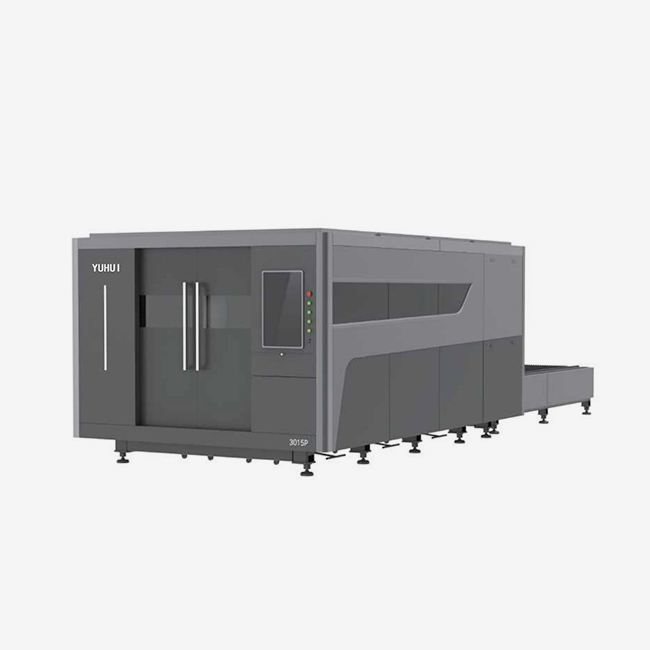
Yuhui Laser is a great example of the kind of production quality that small businesses should aim for. The company is a CE and ISO-certified manufacturer in Shandong Province. They have strict quality control procedures in place, such as using a laser rangefinder to check the accuracy of the screws, testing them continuously for 48 hours, and checking the beam path stability across the whole working area. Instead of relying on sample testing, which leaves quality gaps, these procedures make sure that every machine performs as expected.
After-Sales Service Infrastructure
Yuhui Laser's industry-leading 450-day promise covers more time than most warranties, showing that the company is confident in the product's reliability. By buying directly from the factory, you avoid the costs of going through a middleman and can talk directly with tech teams that know what the equipment can and can't do. The 14-day production lead time helps with immediate project needs that smaller businesses often have when opportunities come up out of the blue. Technical training programs given during installation help operators become more skilled faster, cutting down on the learning curve that would otherwise delay the return on investment.
Customization Capabilities That Support Business Growth
Structure customization, function customization, and software adaptation capabilities from manufacturers are helpful for small businesses. Yuhui Laser's adaptable production systems can change tools to fit different process needs without the extra costs that come with custom engineering. This adaptability comes in handy when changing business needs mean adding automatic focal length adjustment technology or red-light positioning systems that make operations easier. When you combine standard dependability with the ability to make changes, you get equipment that grows with your business instead of becoming useless as needs change.
Conclusion
CO₂ laser lead screw cutting machines give small businesses the accuracy, dependability, and range of materials they need to compete in niche markets. Lead screw transmission has mechanical benefits like placement accuracy of ≤0.02mm and no belt-related flaws, which directly lead to better product quality and less waste. The best return on investment comes from carefully choosing equipment that fits the needs of the business by matching power capacity, working space, and manufacturer support. Long-term performance is kept up by structured repair routines and operator training programs. Partnerships with reputable makers provide the technical support infrastructure needed for long-term success.
FAQ
What materials perform best with CO₂ laser lead screw cutting systems?
These machines are great at working with non-metallic materials like leather, textiles, plywood, wood up to 20 mm thick, acrylic up to 30 mm thick, and composite materials like PTFE and silicone. The 10.6¼ m frequency absorbs well into biological materials, making lines that are clean and free of thermal distortion. Oxygen-assist setups can be used to cut small sheets of carbon steel and stainless steel, but fiber lasers are usually better for metal-focused tasks.
How long does equipment delivery typically require?
Reliable manufacturers, such as Yuhui Laser, keep enough stock on hand to support 14-day production lead times for standard configurations. Custom changes like making the work area bigger or adding unique features might take 21 to 28 days. International shipping can take an extra 15 to 30 days, depending on where it's going and how the logistics are set up. These deadlines can be easily met by planning to buy equipment 60 to 90 days before it is needed.
What energy consumption should small businesses expect?
Power use depends on the laser's power and how intensely it works. During busy cutting, a 150W device usually uses 3 to 5 kW, and when it's not in use, it uses about 500 W. The average monthly cost of electricity for a business with moderate use (120 to 160 hours of operation) is $180 to $280. This means that the energy cost is 60–70% less than with similar plasma cutting systems that work with the same materials.
Partner with Yuhui Laser for Precision Cutting Solutions
Yuhui Laser sells CO₂ laser lead screw cutting machines that are factory-direct and designed to help small businesses succeed. Our systems have THF4 military-grade optics, precise ball screw transmission, and automatic focal length adjustment technology that keeps the positioning accuracy at ≤0.02mm for years after the system has been made. Our 450-day warranty and full technical support will protect your investment for a long time, and our CE and ISO certifications make sure that we meet international quality standards. As a well-known company that makes CO₂ laser lead screw cutting machines, we can customize our machines to fit your workflow needs without charging the high prices that come with custom engineering. You can get full technical advice by emailing jianghui@yuhui-laser-tech.com about your unique application needs. You can look at our whole selection of products at yuhui-laser-tech.com and learn why many small companies in Europe and the US trust Yuhui Laser for their precision cutting equipment needs.
References
1. Johnson, M. (2023). Industrial Laser Systems: Technology and Applications for Modern Manufacturing. Technical Publishing International.
2. Chen, R., & Williams, K. (2024). "Comparative Analysis of Motion Control Systems in Laser Cutting Equipment." Journal of Manufacturing Technology, 47(3), 156-173.
3. Anderson, P. (2023). Small Business Guide to CNC and Laser Equipment Selection. Industrial Press.
4. Martinez, S. (2024). "Precision Mechanics in Laser Processing: Lead Screw versus Belt Drive Systems." Photonics and Manufacturing Review, 29(2), 89-104.
5. Thompson, L., & Zhang, H. (2023). Cost-Effective Automation for Small Manufacturers. Business Technology Publishers.
6. Roberts, D. (2024). "Material Processing Characteristics of CO₂ Laser Systems." Advanced Materials Processing Quarterly, 18(1), 34-51.
Contact us directly for customized solutions, quotations and long-term strategic cooperation.