- English
- French
- German
- Portuguese
- Spanish
- Russian
- Japanese
- Korean
- Arabic
- Greek
- German
- Turkish
- Italian
- Danish
- Romanian
- Indonesian
- Czech
- Afrikaans
- Swedish
- Polish
- Basque
- Catalan
- Esperanto
- Hindi
- Lao
- Albanian
- Amharic
- Armenian
- Azerbaijani
- Belarusian
- Bengali
- Bosnian
- Bulgarian
- Cebuano
- Chichewa
- Corsican
- Croatian
- Dutch
- Estonian
- Filipino
- Finnish
- Frisian
- Galician
- Georgian
- Gujarati
- Haitian
- Hausa
- Hawaiian
- Hebrew
- Hmong
- Hungarian
- Icelandic
- Igbo
- Javanese
- Kannada
- Kazakh
- Khmer
- Kurdish
- Kyrgyz
- Latin
- Latvian
- Lithuanian
- Luxembou..
- Macedonian
- Malagasy
- Malay
- Malayalam
- Maltese
- Maori
- Marathi
- Mongolian
- Burmese
- Nepali
- Norwegian
- Pashto
- Persian
- Punjabi
- Serbian
- Sesotho
- Sinhala
- Slovak
- Slovenian
- Somali
- Samoan
- Scots Gaelic
- Shona
- Sindhi
- Sundanese
- Swahili
- Tajik
- Tamil
- Telugu
- Thai
- Ukrainian
- Urdu
- Uzbek
- Vietnamese
- Welsh
- Xhosa
- Yiddish
- Yoruba
- Zulu
Best practices for increasing the lifespan of an FLT series CO2 laser tube
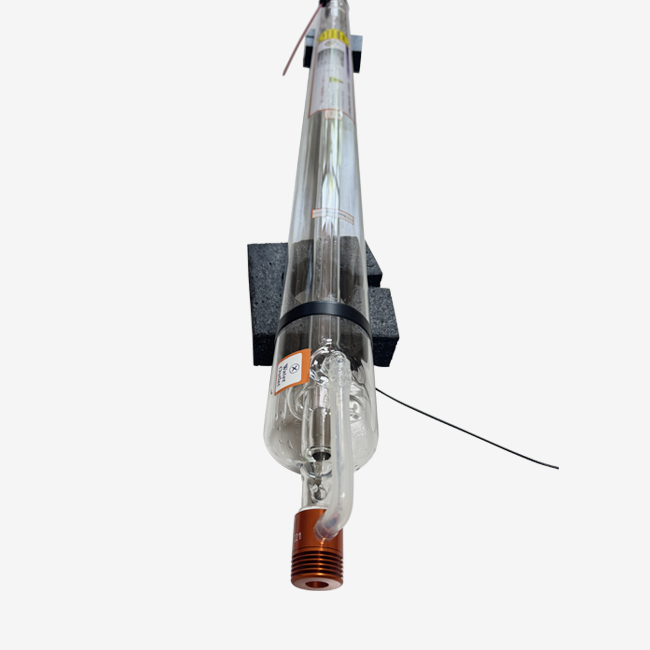
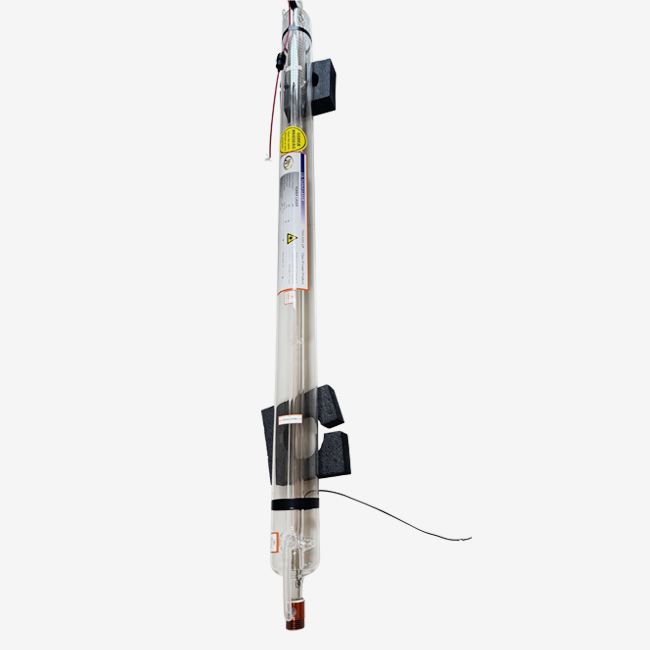
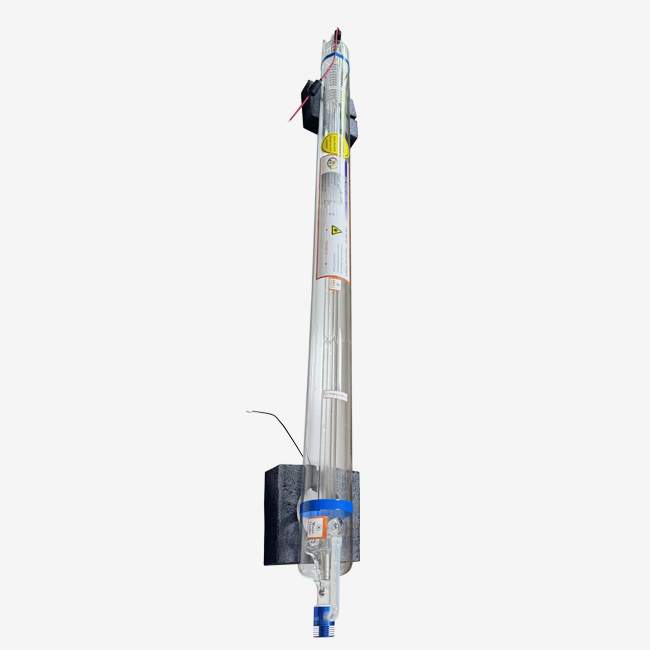
For your FLT Series CO₂ laser tube to last as long as possible, you need to place it correctly, keep up with its upkeep, and keep the environment under control. Because of their adjustable alloy structure, better heat reduction design, and excellent beam quality, these laser tubes stand out in industry settings. They also have 1.5 times longer operating lifespans than similar products on the market. Good management of the cooling system, a stable power source, and frequent cleaning of the optical parts all have a direct effect on how long tubes last, which lets operators get the best performance and cut down on how often they need to be replaced.
Understanding FLT Series CO₂ Laser Tubes
Technical Specifications and Operational Principles
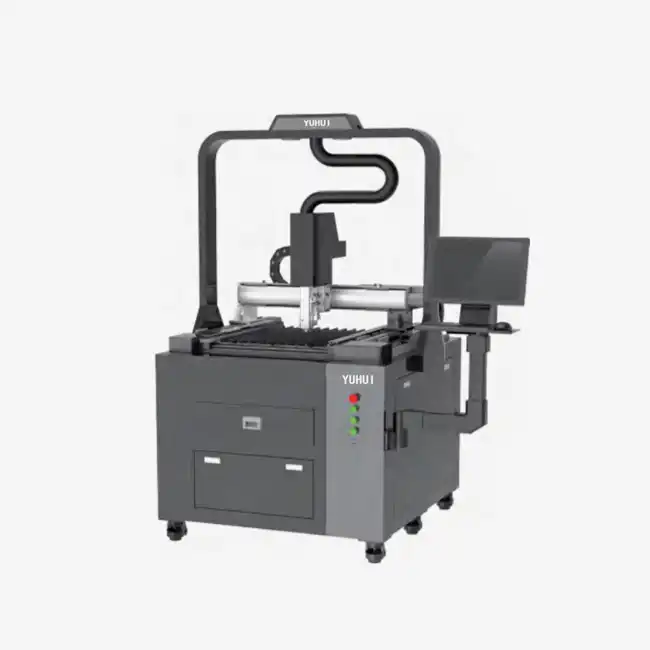
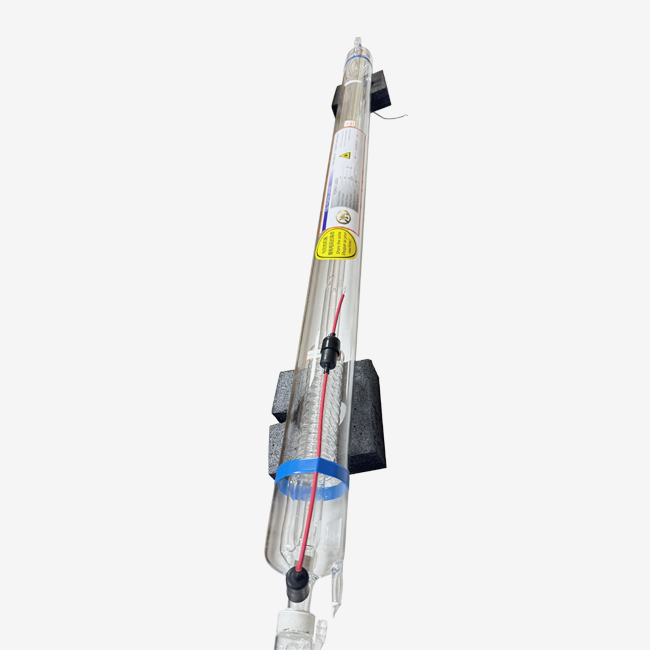
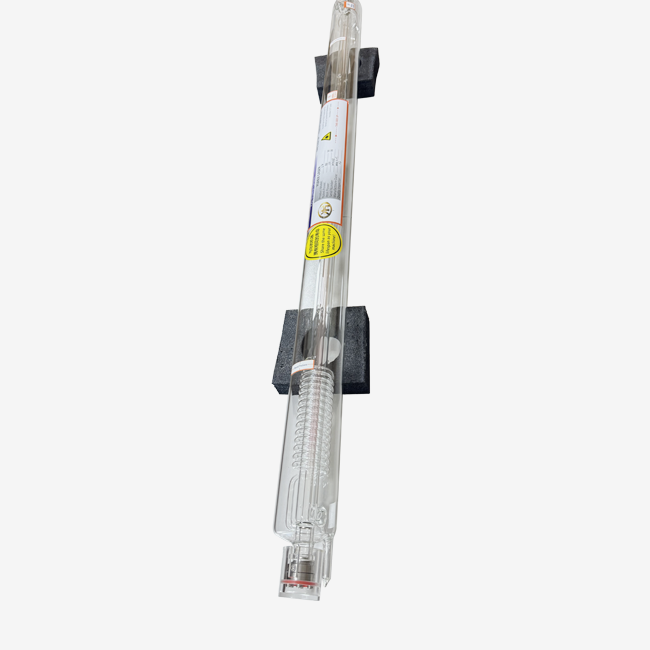
FLT Series CO2 Laser tubes have optical lenses that are precisely designed and have a high photoelectric conversion efficiency. This makes the power output stable over long periods of time. The tubes have small designs that make them work with a range of laser machine setups and power levels, from low-wattage engraving systems to high-capacity commercial cuts. Their special design keeps the power loss to a minimum, even after being used nonstop for many production runs. The flexible metal design lets you control temperature expansion without affecting beam alignment, so the fine light spot qualities that are needed for fine engraving work are kept.
Industrial Applications Across Manufacturing Sectors
For non-contact processing benefits, manufacturing processes like cutting textiles, making signs out of metal, fabricating metal sheets, and customizing packages depend heavily on CO2 laser technology. With steady accuracy, these tubes can work with acrylic, wood, leather, cloth, and some metal pieces, among other things. OEM makers really like how these parts can work with a lot of different materials and stay stable, because production lines need as little downtime as possible and reliable output quality. The non-contact processing method keeps the finished product's consistency across batch runs by stopping material distortion and getting rid of burrs.
Expected Lifespan and Influencing Variables
When operated in controlled circumstances and maintained properly, FLT Series CO₂ laser tubes have operational lifespans that are much longer than the averages in the business. The health of tubes is greatly affected by things in the environment, such as changes in temperature, humidity, and dust contamination. How quickly electrodes wear down and how the gas mixture ionizes inside the tube chamber are directly affected by how stable the power supply is. The way something is stored is just as important as how it is used. Units that are stored correctly can stay active for up to five years without losing any performance, which is good for businesses that manage their inventory carefully.
Identifying Common Causes of Reduced Lifespan
Environmental Factors Affecting Performance
Exposure to humidity speeds up the rusting of electrodes and lowers the purity of the internal gas, which makes the discharge less effective. When dust builds up on optical surfaces, it scatters the laser beam. This means that higher power settings are needed to get the same cutting or etching results, which speeds up the wear and tear on the parts. When electricity sources aren't stable, discharge patterns change, putting uneven stress on electrodes and shortening the life of the tube as a whole. When temperatures are too high or too low, the cooling system has to work harder, which could be too much for it to handle and cause parts of the tube structure to overheat.
Maintenance Neglect and Handling Errors
When placement angles are off, water flow patterns through cooling jackets are messed up. This creates hot spots that break down tube materials faster than they should. If you don't clean the mirrors and lenses, grime can build up and receive laser energy as heat instead of sending it through efficiently. When operators don't change the coolant as needed, they add contaminants that make heat transfer less effective. Shocks that happen during movement or moving can misalign internal parts without causing damage to the outside, which can lower the quality of the beam over time.
Comparative Durability Analysis
When compared to other options, such as RECI tubes or general glass versions, FLT Series CO₂ laser tube components show significantly better resistance to the effects of temperature stress and power fluctuations. Distributors that work with factories that make a lot of things say that FLT Series CO₂ laser tubes regularly have lower failure rates when used in the same situations. This advantage in longevity comes from the military-grade lens integration and improved heat dissipation design. This means that operations that value long-term reliability over initial purchase price will have a lower total cost of ownership.

Best Practices to Extend the Lifespan of FLT Series CO₂ Laser TubesInstallation and Initial Setup Guidelines
The right way to place something makes sure that the water flows through the whole cooling jacket without any air pockets forming. Before turning on the power for the first time, make sure that all of the electrical connections meet the manufacturer's standards for voltage tolerance and grounding. Instead of expecting full output power right away, let the tube slowly reach thermal balance during the first operation cycle. Place the tube away from ventilation systems that send air directly at it, as this could cause uneven cooling along the length of the tube.
Routine Maintenance Protocols
Setting up a maintenance schedule based on working hours instead of times on a calendar makes sure that repairs happen when they are needed. These basic care tasks keep FLT Series CO₂ laser tubes working well and make them last longer:
- Optical Component Cleaning: Check mirrors and focusing lenses once a week during busy production times and clean any dust with the right agents and lint-free materials to keep beam transmission working well without damaging delicate surfaces.
- Coolant System Management: Replace the coolant as directed by the maker, keeping an eye on the clarity of the fluid and making sure the concentration levels are right to avoid mineral deposits that block circulation pathways and make it harder for heat to move.
- Airflow Verification: Make sure the air assist tubes are clean and that there is enough exhaust capacity to get rid of the processing fumes that would otherwise sit on optical components and make them dirty, which would require more cleaning.
- Power Supply Inspection: Look for rust or weak electrical connections. Make sure there is a steady flow of power so that discharge irregularities don't put extra stress on the tube electrodes while they're working.
- Physical Condition Assessment: Check the fixing places for the tubes for loosening caused by vibrations, and check the cooling lines for leaks that lower the system's efficiency before they cause it to stop working.
These maintenance tasks add up to protect you over time. Paying regular attention to the health of the cooling system stops damage from overheating, and keeping the optics clean keeps the processing running smoothly without causing workers to use too much power, which speeds up electrode wear.
Operational Parameter Optimization
By matching power sets to the needs of the material, extra stress is kept off of tube components. Running the tube at 80–85% of its full power instead of full power all the time greatly increases the electrode's life. During long production runs, allow short cooling times to keep the total amount of heat from building up to levels that are too high for safety. When replacing parts, make sure you only use real FLT Series CO₂ laser tube parts to keep the system working the way the tube design says it should and to meet performance standards.
Troubleshooting Common Issues
Loss of cut quality is usually a sign of optical misalignment or dust, not a broken tube, so cleaning should be the first thing that is done. If the power flow isn't stable, it could be because of problems with the coolant circulation or the power source, not the tubes themselves. Taking care of small changes in performance right away stops problems from getting worse and worse until the tube needs to be replaced completely. Keeping operation logs helps find patterns that can lead to preventative actions being taken before problems happen.

FLT Series CO₂ Laser Tube Maintenance Case StudiesHigh-Volume Engraving Operation
A textile customization center that works on more than 500 garments every day set up regular repair times for their FLT Series CO₂ laser tube-equipped laser systems. By cleaning the optics every 40 hours and replacing the coolant every 200 hours, they were able to get 40% more life out of the tubes than they had with competing goods. The investment in maintenance paid off right away because it cut down on emergency downtime and got rid of the need for expensive replacements in a hurry. Keeping careful records showed that regular preventive care was about one-third as expensive as reactive repair methods.
OEM Client Customization Success
An automation integrator that works with car parts needed unique laser processing solutions that didn't need much upkeep. They chose FLT Series CO₂ laser tubes for their private-label tools because they had a 450-day guarantee and had a history of being reliable. 98% of the units that were shipped were up and running thanks to maintenance plans that were made to fit their clients' output schedules. They were able to accurately predict running costs because the repair needs were predictable. This made them more competitive when bidding on long-term manufacturing contracts where machine reliability has a direct effect on profits.
Lessons From Implementation
Both cases show that success rests less on the specs of the tools and more on how committed the company is to maintenance discipline. Operations that treat tube care as a regular process instead of something that can be done on a whim always get better results. Documentation practices that allow for performance trend analysis give early notice of problems that might be happening. This changes maintenance from reactive crisis management to strategic operations planning.
Choosing the Right FLT CO2 Laser Tube for Long-Term Durability
Power and Specification Evaluation
To choose the right wattage capacity, you need to be honest about the ranges of material thickness and the expected output rate. When the load is light, tubes that are too big lose energy, and when the load is high all the time, units that are too small wear out faster. FLT Series CO2 Laser tubes are easy to add to current production lines or make special machines because they have a small structure and can be installed in a number of different ways. Distributors who work with a variety of manufacturing sectors can benefit from the wide range of models that can meet a wide range of application needs without causing customers to settle for less.
Performance and Cost Considerations
When you compare the cost of buying FLT Series CO₂ laser tubes to how long they last and how much upkeep they need, they are a great deal. This high cost-performance comes from using less power and replacing parts more often, which lowers the cost of running the machine per hour. When purchasing managers look at the total cost of ownership instead of the initial purchase price, they always choose FLT Series CO₂ laser tube specs. The stable performance and low failure rate keep production interruptions to a minimum. These interruptions often cost more than the direct cost of replacement because they cause lost production capacity and faster shipping costs.
Supplier Credibility and Support Infrastructure
In addition to making sure that products are available, authorized distributors offer important benefits like expert advice to make sure that tube specs are correctly matched to application needs. A warranty that lasts for 450 days is longer than the norm in the industry and shows that the maker is confident in the product's reliability. After-sales support, such as installation instructions and help with fixing problems, lowers the risks of integration for businesses that don't have a lot of experience with laser technology. Building ties with trustworthy providers leads to long-term partnerships that help the business grow, not just one-time purchases.
Conclusion
To make FLT Series CO₂ laser tubes last longer, you need to do things like install them correctly, do regular maintenance, and make smart operating choices. The better beam quality, longer service life, and stable power output that these tubes offer give industrial operations that value dependability and cost-effectiveness a competitive edge. Environmental controls, regular cleaning schedules, and the best power settings all work together to make tubes last as long as possible. When businesses invest in preventive maintenance, they get big rewards in the form of less downtime, more regular replacement plans, and lower total cost of ownership over the lifetime of their equipment.
FAQ
How often should FLT CO₂ laser tubes receive maintenance?
How often maintenance is done relies on how hard the machine is working and the weather outside. Operations that only work one shift can benefit from eye inspections once a week and cooling checks once a month. In multi-shift facilities, optical parts may need to be checked twice a week, and the cooling system may need to be serviced every two weeks to keep it running well.
Do incorrect power settings damage laser tubes?
Running tubes at full capacity all the time speeds up electrode wear and puts more heat stress on interior parts. Running equipment at 80–85% of its rated capacity during normal production greatly increases tube life while keeping processing capabilities sufficient for most tasks.
What kind of guarantee does an FLT tube come with?
Authorized dealers back up FLT Series CO₂ laser tubes with a 450-day guarantee, which is a lot longer than the norm in the business. This extra safety shows that the maker is sure the product will last, and it gives buyers peace of mind for tasks that need to know how much tools will cost.
Can stored tubes lose effectiveness over time?
When kept correctly, FLT Series CO₂ laser tubes stay ready to use for up to five years without losing any of their performance. To keep the gas blend and electrode state, storage conditions should keep tubes safe from damage, high or low temperatures, and humidity.
Partner with Yuhui Laser for Reliable FLT Series CO₂ Laser Tube Solutions
You can trust Yuhui Laser as a reliable FLT Series CO₂ laser tube provider. They offer CE and ISO-certified parts with 450 days of customer service and cheaper prices than buying directly from the plant. Our technical support team offers full support, including help with installation, personalized upkeep planning, and quick fixing based on your production needs. We have the FLT Series CO₂ laser tube choices and knowledge to make sure that your business has the most service and the lowest long-term costs, whether you run a high-volume production facility or sell OEM equipment. You can email our experts at jianghui@yuhui-laser-tech.com or visit yuhui-laser-tech.com to talk about your specific application needs and find out how our industrial laser equipment plant can help your manufacturing success with short lead times and strong technical partnerships.
References
1. Chen, W., & Liu, H. (2023). Industrial CO₂ Laser Technology: Maintenance Strategies for Extended Component Life. Journal of Manufacturing Systems Engineering, 45(3), 287-301.
2. Garcia, R., Thompson, M., & Anderson, K. (2022). Comparative Analysis of CO₂ Laser Tube Performance in High-Volume Production Environments. International Journal of Advanced Manufacturing Technology, 118, 1453-1467.
3. Kumar, S. (2024). Thermal Management Systems in Industrial Laser Applications. Laser Processing and Engineering Handbook, 12(2), 89-105.
4. Mitchell, P., & Zhang, Y. (2023). Preventive Maintenance Protocols for Laser Cutting Systems. Manufacturing Engineering Quarterly, 38(4), 412-429.
5. Schneider, J., & Bauer, T. (2024). Cost-Benefit Analysis of Laser Tube Selection in Metal Processing Operations. Industrial Equipment Management Review, 29(1), 56-72.
6. Williams, D., Martinez, L., & Chen, X. (2022). Environmental Factors Affecting CO₂ Laser Tube Longevity in Manufacturing Settings. Precision Engineering Journal, 71, 334-348.
Contact us directly for customized solutions, quotations and long-term strategic cooperation.