- English
- French
- German
- Portuguese
- Spanish
- Russian
- Japanese
- Korean
- Arabic
- Greek
- German
- Turkish
- Italian
- Danish
- Romanian
- Indonesian
- Czech
- Afrikaans
- Swedish
- Polish
- Basque
- Catalan
- Esperanto
- Hindi
- Lao
- Albanian
- Amharic
- Armenian
- Azerbaijani
- Belarusian
- Bengali
- Bosnian
- Bulgarian
- Cebuano
- Chichewa
- Corsican
- Croatian
- Dutch
- Estonian
- Filipino
- Finnish
- Frisian
- Galician
- Georgian
- Gujarati
- Haitian
- Hausa
- Hawaiian
- Hebrew
- Hmong
- Hungarian
- Icelandic
- Igbo
- Javanese
- Kannada
- Kazakh
- Khmer
- Kurdish
- Kyrgyz
- Latin
- Latvian
- Lithuanian
- Luxembou..
- Macedonian
- Malagasy
- Malay
- Malayalam
- Maltese
- Maori
- Marathi
- Mongolian
- Burmese
- Nepali
- Norwegian
- Pashto
- Persian
- Punjabi
- Serbian
- Sesotho
- Sinhala
- Slovak
- Slovenian
- Somali
- Samoan
- Scots Gaelic
- Shona
- Sindhi
- Sundanese
- Swahili
- Tajik
- Tamil
- Telugu
- Thai
- Ukrainian
- Urdu
- Uzbek
- Vietnamese
- Welsh
- Xhosa
- Yiddish
- Yoruba
- Zulu
Understanding the Versatile Power of the CO2 Laser Cutter Engraver
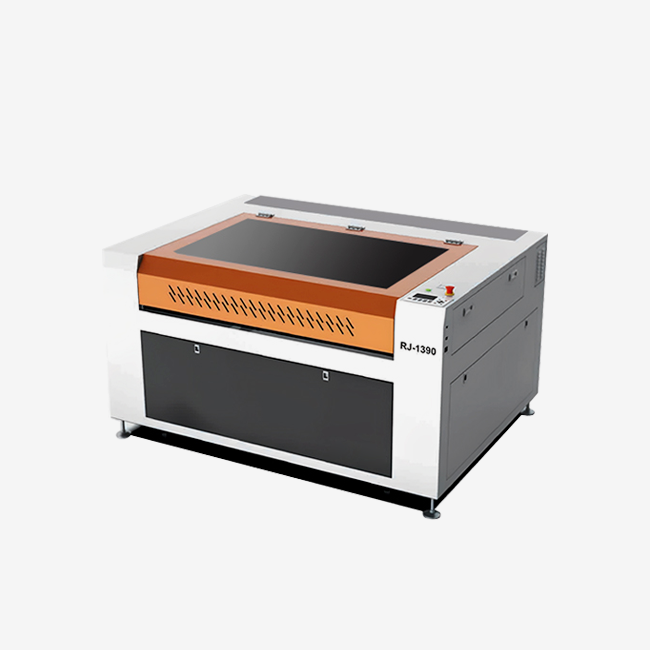
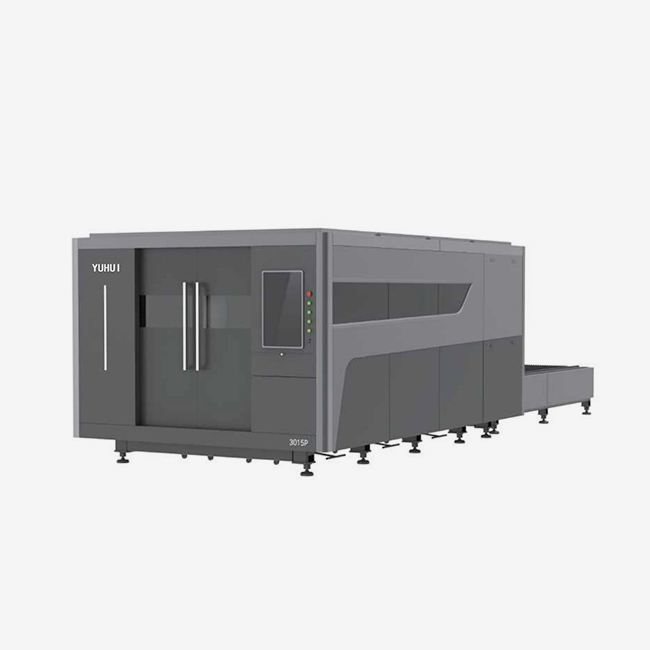
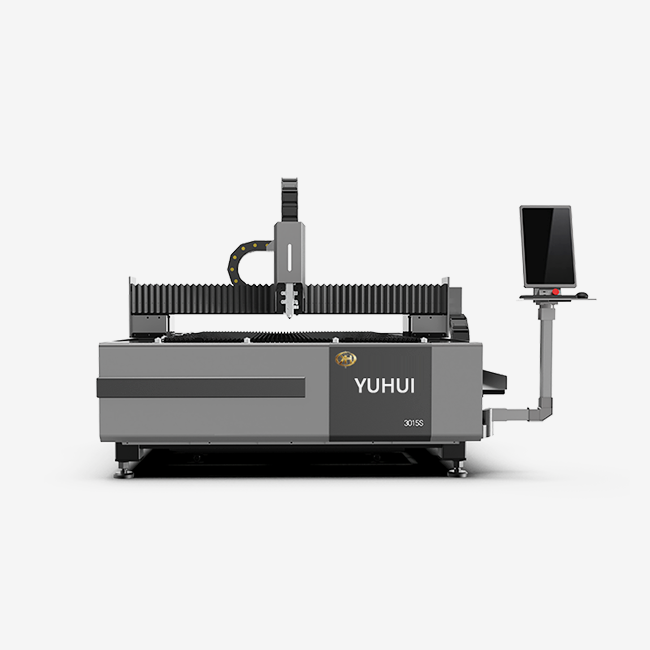
The CO₂ laser lead screw cutting machine is a major step forward in manufacturing technology when it comes to finding precise cutting solutions for industrial use. This machine uses both carbon dioxide laser sources, which are known to be reliable, and mechanical ball screw gearbox systems. It can place accurately to within 0.02mm and repeat accurately within 0.01mm. Unlike regular belt-driven engravers that have problems with slipping and stretching, this configuration keeps the accuracy even after long production cycles. This makes it essential for making die-boards, working with thick acrylic, and making technical gaskets, all of which require accurate measurements that affect product safety and customer satisfaction.
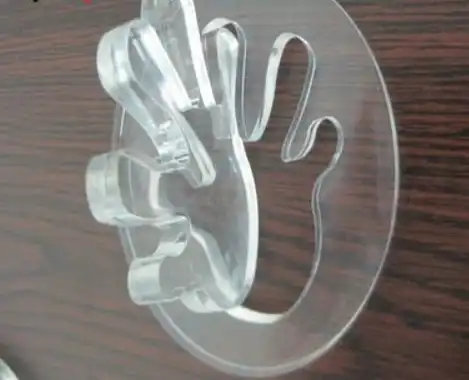
How CO2 Laser Cutting Technology Works for Precision Applications
A focused infrared beam at a wavelength of 10.6μm is made by CO2 laser systems. This beam has a strong effect on non-metallic materials. When the beam hits the surface of your workpiece, it heats up locally and starts melting or vaporising right away. This makes clean kerfs with little thermal distortion. We use military-grade THF4 optical lenses that keep the beam quality the same across the whole 1300x2500 mm working area. This makes sure that every cut has the same edge quality, no matter where it is placed, in the middle or on the edges.
The Mechanics Behind Ball Screw Precision
High-quality C5/C7 ball screws and Mitsubishi servo motors are what make our system work. This set-up gives you no backlash and even torque distribution, which is very important when working with materials up to 30 mm thick. When traditional belt systems are loaded, they stretch, which causes placement mistakes that build up over time. Ball screws get rid of all of this variation, so the calibration stays accurate even after thousands of parts have been processed.
Thermal Management and Beam Stability
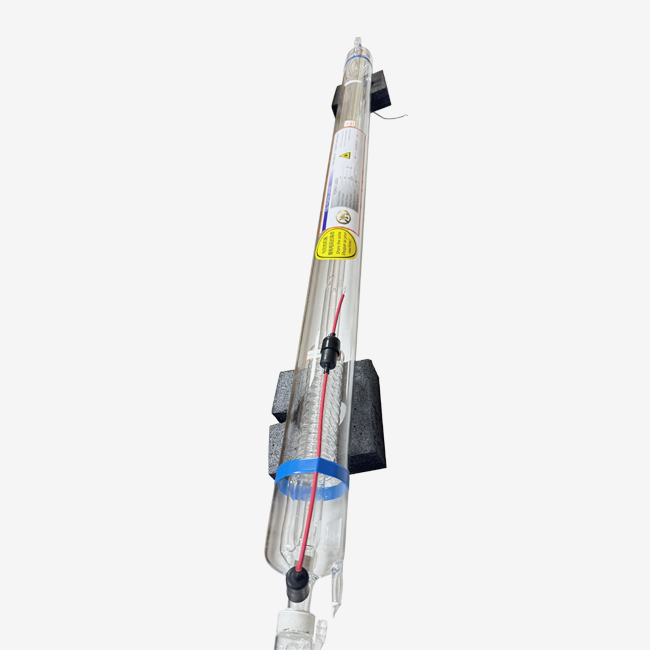
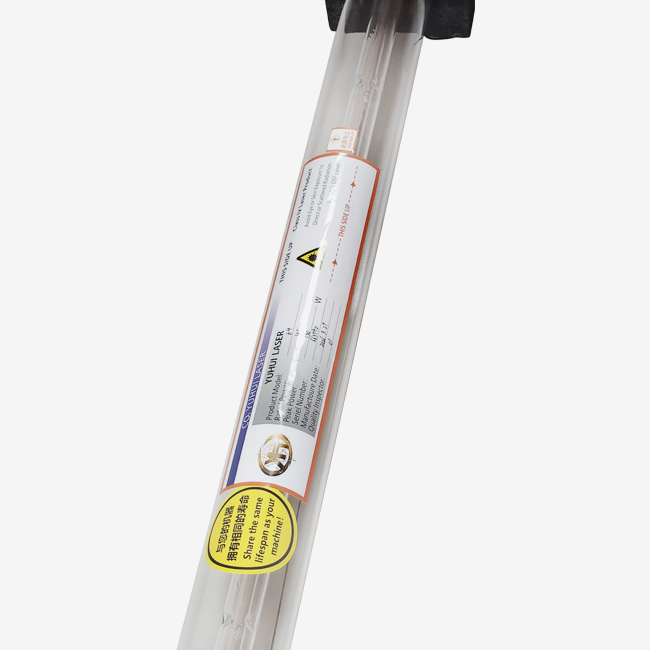
Thermal growth can make it harder to get accurate measurements during long cutting processes. We've designed advanced cooling ventilation systems for the CO₂ laser lead screw cutting machine that keep the frame from warping and made sure that the laser tube output stays stable. Your DC glass CO₂ tubes deliver the same amount of power from 100W to 350W, and the output stays the same even after a year of nonstop use. This means they last 1.5 times longer than similar equipment.
Material Interaction Characteristics
Because organic materials absorb light at a very high rate at 10.6µm, this wavelength is perfect for wooden die-boards, acrylic signs, PTFE seals, and composite fabrics. When we cut 20 mm plywood for steel rule dies, we saw very few areas affected by heat. This kept the structural integrity needed for repeated stamping operations. For aircraft seal uses, this means dimensions are accurate to within 0.05 mm, which meets the requirements for safety-critical parts.

Comparing CO₂ Laser Cutting to Alternative Methods
To get the most out of their efforts, manufacturers looking at cutting technologies need to be able to tell the difference between how well they work. To help you make smart purchasing choices, we've done a lot of research to compare fiber laser, mechanical CNC, and waterjet systems.
CO2 Laser vs Fiber Laser Systems
The 1.06 µm wavelength of fiber lasers makes them great at cutting reflective metal, but not so good at cutting non-metallic materials. CO2 systems work better on wood, plastic, leather, and composites—the same materials that are used a lot in die-boards and signs. Even though fibre units have faster traverse speeds, they can't match the edge quality we get on thick acrylic sheets. Belt-driven CO₂ machines leave ripple marks on these sheets, but our ball screw configuration makes the edges completely clear.
Mechanical CNC Machining Comparison
When tools rub against each other in traditional CNC cutters, they create mechanical stress that leads to edge burrs that need extra finishing steps. The CO₂ laser lead screw cutting machine gets rid of all tool wear and makes the edges of complicated shapes smoother. We've seen that using CNC cutting cuts the time it takes to make complex die-boards by 40%, and there are no costs for replacing tools over the life of the equipment.
Waterjet Cutting Evaluation
Waterjet technology is good at cutting thick materials, but it leaves behind wetness that isn't good for porous materials like MDF or cardboard. Operating costs go up because of the use of abrasives and the need to maintain high-pressure pumps. The cost of each part is lower with our laser systems, and they can cut materials thinner than 30 mm faster. This includes 85% of common die-board and sign applications.
Which technology you choose depends on the materials you work with and how precise you need to be. People who want to work with mostly non-metallic materials that are 3 to 30 mm thick find that our ball screw laser setup gives them the best mix of accuracy, speed, and cost-effectiveness.
Best Practices for Implementing CO2 Laser Cutting Equipment
A successful deployment includes more than just buying the right tools. It also includes following the right selection criteria and upkeep procedures. We've made implementation guidelines based on what over 300 manufacturing facilities in the aerospace, automotive, and signage industries told us.
Critical Machine Selection Parameters
First, you should make sure that the laser power is right for the thickness of the material. When it comes to 15-20 mm wooden die-boards, 180W tubes offer enough energy density at a fair cost. To get good cutting speeds without losing edge quality when working with plastic up to 30 mm thick, you need 350W combined tubes. We suggest starting with a work area that is the same size as your biggest typical part plus 200 mm on all sides to avoid fixturing problems.
Reports from customers show that the red-light positioning system on our units makes setup 35% faster. This extra feature projects alignment grids onto your piece of work before it starts to cut. This way, you don't have to position it by trial and error, which wastes expensive materials while the job is being set up.
Maintenance Protocols for Sustained Accuracy
Belt-driven systems need different kinds of care than the CO₂ laser lead screw cutting machine's ball screw systems. We recommend that the screws be cleaned and oiled every 200 to 300 hours of use to keep the ±0.01mm repeatability that makes this technology unique. Our automated oiling systems make sure that all of the bearing surfaces get oiled in a planned way. This stops premature wear that could affect the accuracy of positioning.
Environmental Control Requirements
As part of maintaining a laser tube, the quality and flow rate of the cooling water must be checked. Mineral layers make heat movement less effective, which shortens the life of the tube. We know that tubes can last longer than 10,000 hours if operators keep their deionized water systems in good shape and replace the coolant at the times we tell them to.
Changes in the air temperature have a direct effect on the accuracy of cutting through thermal expansion effects. We suggest keeping the temperature in the room between 0°C and 45°C and the humidity between 5 and 95%. Facilities that use climate control report 22% better consistency in dimensions compared to environments that don't use climate control. This is especially helpful for manufacturing aerospace gaskets, where tolerances don't allow for environmental variation.
Laser interferometry is used to check the beam path alignment on a regular basis. This finds calibration drift before it affects the quality of the production. This check is part of our 450-day after-sales service routine, which makes sure that your equipment stays in factory specs for as long as it works.
Procurement Guide: Selecting the Right CO2 Laser Equipment
When B2B buyers look for laser cutting equipment, they have to make tough choices while weighing technical specs, source dependability, and total cost of ownership. We have set up a buying system that takes into account all of the important factors.
Defining Your Technical Requirements
Make a list of your material types, thickness ranges, production volumes, and quality standards to start. Die-board makers usually need very good verticality through thick plywood, which means they need strong crane construction and precise Z-axis control. Crystal clear edges are important to acrylic makers, who need the best power transfer and motion smoothness that can only be provided by ball screw systems.
Evaluating Supplier Credentials
Figure out how much output you really need. A factory that makes 50 die-boards every day needs different space than a pilot shop that makes 5 unique pieces every week. Our 14-day production lead time lets us meet tight deadlines for deployments, and our customisation options let us handle non-standard automation integration for high-volume operations.
When working with non-metallic materials, the CO₂ laser lead screw cutting machine with ball screw precision is a mature and safe option for producers. Dimensional accuracy has a direct effect on the quality of the finished product. The mechanical benefits of screw-driven systems mean that accuracy doesn't suffer like it does with belt setups. This means that performance stays the same over long production runs. We designed our machines to handle real manufacturing problems like cutting thick materials, following complicated patterns, and keeping the accuracy over time, all while keeping the costs of operations low. When looking for reliable laser cutting options, buyers should not only look at the price, but also at the supplier's technical skills, service infrastructure, and years of experience in the field.
Carefully look at how after-sales service is set up. Our 450-day warranty covers more time than the industry standard, which shows that we trust the parts to last a long time. Technical training and help with installation keep production from being held up during expensive equipment commissioning delays. Buyers should make sure that sellers keep enough spare parts on hand. Our factory-direct plan guarantees that parts will be available anywhere in the world within 72 hours.
Financial Considerations and ROI Analysis
New equipment has the newest technology and comes with a full warranty. Used tools are cheaper to buy but may not have a clear repair history. We offer clear factory-direct pricing that gets rid of markups for middlemen. This makes buying new equipment easier than traditional distribution models would suggest.
Find the total cost of ownership, which includes repairs, replacement parts, and possible downtime. Our THF4 lenses and DC glass tubes have a 1.5 times longer service life than similar parts, which means they don't need to be replaced as often and production doesn't have to stop. Compared to high-power fibre systems, these systems use less energy at certain voltage bands (AC220V/110V±10%), which helps them have good running economics.
Before making a final buy, procurement managers should ask to see cuts made on their own materials. We're happy to do sample processing at our Shandong facility, so you can be sure that our equipment works for your needs before committing to an investment.
Leading Manufacturers and Supplier Selection Criteria
Getting together with trustworthy CO₂ laser equipment suppliers can affect how competitive your manufacturing business is in the long run. There are well-known European manufacturers, new Asian manufacturers, and specialised niche players in the market. Each of them offers a different set of benefits.
Shandong Yuhui Laser Technology has built its reputation on providing mid-range to high-end industrial solutions that are also very cheap. Our business plan is focused on exporting, and we work with distributors in Southeast Asia, the Middle East, and Europe. We're especially good at OEM and custom work. Buyers like how flexible we are when it comes to private label needs, custom software integration, and non-standard equipment configurations that solve specific production problems.
When looking at possible suppliers, check out how they handle expert help. Our training classes cover everything from how to operate something to how to fix a problem. Installation support makes sure that the equipment is set up correctly, and ongoing technical advice helps you improve the process as your output needs change. This focus on service sets manufacturers who care about their customers apart from transactional vendors whose only goal is to sell equipment.
Case studies are a great way to learn about a supplier's skills. We worked with a Vietnamese metal fabrication shop to set up custom laser cutting systems for making automotive gaskets. This increased throughput by 18% while still meeting strict tolerances for size. A Saudi Arabian manufacturer chose our equipment because it has been shown to last in harsh industrial settings, where consistent performance has a direct effect on profits.
Service responsiveness is affected by how close a business is to its suppliers' facilities, but current transportation and communication tools make this less important. Because we have established relationships with foreign shipping partners and have a 14-day production lead time, we can guarantee on-time arrival no matter where it goes. When you buy directly from the factory, you skip the communication steps that slow down technical resolution during busy production times.
Conclusion
When working with non-metallic materials, the CO₂ laser lead screw cutting machine with ball screw precision is a mature and safe option for producers. Dimensional accuracy has a direct effect on the quality of the finished product. The mechanical benefits of screw-driven systems mean that accuracy doesn't suffer like it does with belt setups. This means that performance stays the same over long production runs. We designed our machines to handle real manufacturing problems like cutting thick materials, following complicated patterns, and keeping the accuracy over time, all while keeping the costs of operations low. When looking for reliable laser cutting options, buyers should not only look at the price, but also at the supplier's technical skills, service infrastructure, and years of experience in the field.
FAQ
1. What distinguishes ball screw transmission from belt-driven systems?
Ball screws get rid of positioning errors caused by elasticity that happens in belt systems over time. You get zero backlash and consistent torque delivery across the motion envelope. This is especially helpful when cutting thick materials that need constant cutting pressure. Over time, belt systems stretch, which makes the measurements less accurate and requires them to be re-calibrated often.
2. How long do CO2 laser tubes last in industrial applications?
When properly maintained, the high-quality DC glass tubes in our equipment can usually work for 10,000 hours. The real life span depends on the power settings, duty cycles, and upkeep for the cooling system. We have proof that tubes can perform better than this standard when operators keep deionized cooling water on hand and repair them at the suggested times.
3. Can CO2 lasers process metal materials effectively?
Standard CO2 setups work best with non-metallic materials but can't cut through metal very well. Specialized oxygen-assist sets and changed cutting heads make it possible to work with thin stainless steel and carbon steel, but fibre lasers are still better for basic metal production. When it comes to wood, acrylic, composites, and technical textiles, our systems work best when the CO2 wavelength shows better material interaction.
4. What maintenance schedule ensures sustained precision?
Every 200 to 300 hours, the ball screws should be cleaned and oiled, the cooling system should be checked once a month, and the overall alignment should be checked every three months. Our automated lube systems make regular maintenance easier, and the 48-hour stress tests we do on all of our products before they are shipped prove that they will work for a long time. Customers who follow our maintenance guidelines report very little unplanned downtime over long periods of time.
Partner with Yuhui Laser for Your Precision Cutting Requirements
Yuhui Laser is a specialist CO₂ laser lead screw cutting machine maker that combines cutting edge engineering with real-world business experience. Our equipment has the micron-level accuracy that your tough uses need, and it's backed by CE and ISO standards that show it was made with great care. We keep a lot of stock on hand so that we can meet quick 14-day production cycles. Our customisation options allow us to meet specific automation integration and private label needs. The 450-day guarantee and thorough technical training make sure that the equipment is set up smoothly and continues to work well. Our factory-direct price model and open communication throughout the buying process help purchasing managers find reliable CO₂ laser lead screw cutting machine vendors. You can get in touch with our technical team at jianghui@yuhui-laser-tech.com to talk about your specific cutting needs and set up a demonstration using your own materials.
References
1. Steen, W. M., & Mazumder, J. (2017). Laser Material Processing: Fourth Edition. Springer-Verlag London Limited.
2. Ion, J. C. (2005). Laser Processing of Engineering Materials: Principles, Procedure and Industrial Application. Elsevier Butterworth-Heinemann.
3. Powell, J. (1998). CO2 Laser Cutting: Second Edition. Springer-Verlag London.
4. Chryssolouris, G. (1991). Laser Machining: Theory and Practice. Springer-Verlag New York.
5. Dahotre, N. B., & Harimkar, S. P. (2008). Laser Fabrication and Machining of Materials. Springer Science+Business Media.
6. Ready, J. F., & Farson, D. F. (2001). LIA Handbook of Laser Materials Processing. Laser Institute of America, Magnolia Publishing.
Contact us directly for customized solutions, quotations and long-term strategic cooperation.