- English
- French
- German
- Portuguese
- Spanish
- Russian
- Japanese
- Korean
- Arabic
- Greek
- German
- Turkish
- Italian
- Danish
- Romanian
- Indonesian
- Czech
- Afrikaans
- Swedish
- Polish
- Basque
- Catalan
- Esperanto
- Hindi
- Lao
- Albanian
- Amharic
- Armenian
- Azerbaijani
- Belarusian
- Bengali
- Bosnian
- Bulgarian
- Cebuano
- Chichewa
- Corsican
- Croatian
- Dutch
- Estonian
- Filipino
- Finnish
- Frisian
- Galician
- Georgian
- Gujarati
- Haitian
- Hausa
- Hawaiian
- Hebrew
- Hmong
- Hungarian
- Icelandic
- Igbo
- Javanese
- Kannada
- Kazakh
- Khmer
- Kurdish
- Kyrgyz
- Latin
- Latvian
- Lithuanian
- Luxembou..
- Macedonian
- Malagasy
- Malay
- Malayalam
- Maltese
- Maori
- Marathi
- Mongolian
- Burmese
- Nepali
- Norwegian
- Pashto
- Persian
- Punjabi
- Serbian
- Sesotho
- Sinhala
- Slovak
- Slovenian
- Somali
- Samoan
- Scots Gaelic
- Shona
- Sindhi
- Sundanese
- Swahili
- Tajik
- Tamil
- Telugu
- Thai
- Ukrainian
- Urdu
- Uzbek
- Vietnamese
- Welsh
- Xhosa
- Yiddish
- Yoruba
- Zulu
Best fiber laser cutting machines for tube and plate applications
Looking for the best fiber laser cutting machines for tube and plate jobs? The HT Model Tube and Plate Fiber Laser Cutting Machine stands out as an industrial option that can be used for both tube and plate jobs, meeting the needs of modern metal fabrication plants. This integrated system, made by Shandong Yuhui Laser Technology Co., Ltd., gets rid of the need for different tools for sheets and tubes. This saves money on capital and makes better use of production floor space. The HT Model is a cost-effective way for B2B buyers in the automotive parts manufacturing, construction equipment production, and metal processing industries to do precise metal processing. It has a heavy-duty welded bed structure that goes through rigorous thermal treatment and an intelligent control system designed for seamless mode switching.
Introduction
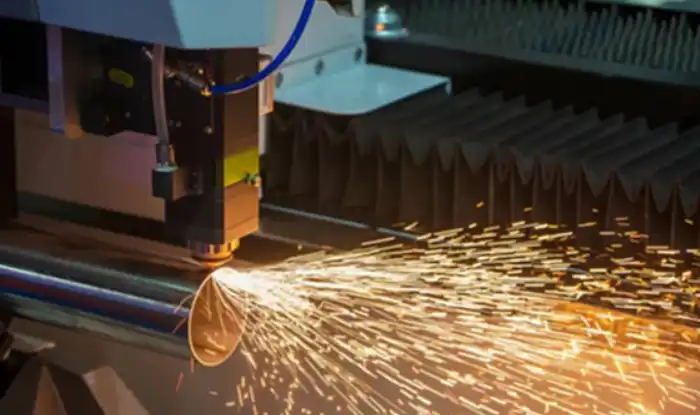
Over the past ten years, metal manufacturing has changed a lot, mostly because of improvements in fiber laser cutting technology. Manufacturers today are under more and more pressure to make accurate parts faster and cheaper than ever before. No longer is choosing the right fiber laser cutting system just a scientific matter; it has a direct effect on your ability to meet customers' ever-higher standards, your ability to stay competitive, and your running costs.
The HT Model Tube and Plate Fiber Laser Cutting Machine is designed to meet the needs of B2B procurement workers who need to mix cost-effectiveness with performance. On a single base, this system can handle both flat sheet metal and different pipe shapes, such as round, square, rectangular, and custom-shaped tubes. By combining two machines that used to be separate, producers can greatly reduce the amount of space their equipment takes up, make it easier to move materials, and avoid the problems that come with setting up multiple machines at the same time.
You can use our detailed buying guide to learn about the technical aspects, performance standards, and useful evaluation factors that you need to make a smart investment choice that will last for years.
Understanding Fiber Laser Cutting Machines for Tubes and Plates
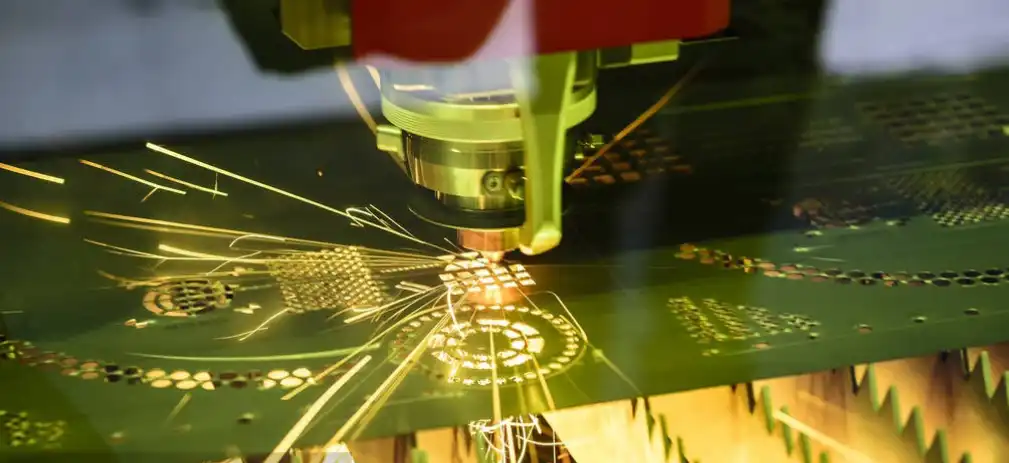
A very focused stream of light is sent through fiber optic lines to make fiber laser cutting technology work. This beam melts or vaporizes metal along a predetermined path. Fiber lasers send the beam directly to the cutting head, which makes them much more efficient and less likely to need repair than older CO₂ laser systems that need complicated mirror arrangements and regular adjustment.
Why Separate Considerations for Tubes and Plates Matter
Cutting tubular materials requires different machinery setups than working with flat metal pieces. Plate cutting systems have big flat worktables with fast crane systems that move the cutting head across material that isn't moving. To cut tubes, you need rotary chuck systems that can hold and spin cylinder-shaped pieces of work while the laser head makes complicated patterns around the outside. Because of these basic differences in how things work, most manufacturers have always bought separate tools for each job. The HT Model Tube and Plate Fiber Laser Cutting Machine eliminates this need for dual equipment investments.
The engineering task is to make a single machine that can work with both geometries without slowing things down. The YH3015HT–8025HT line solves this problem with a design that lets the worktable be swapped out. This lets workers switch between plate and tube modes in less than two minutes by making simple software changes. This adaptability is very helpful for job shops and contract makers who work on a wide range of projects.
Performance Advantages That Drive ROI
It is possible to measure the benefits of fiber laser devices, which directly lead to higher profits. Cutting speeds of up to 60 meters per minute are possible on thin-gauge materials, which makes cycle times much shorter than with plasma or waterjet. With repeat setting accuracy of ±0.03 mm, precise tolerances make sure that parts fit together perfectly during assembly, lowering the number of repairs and scrap that eat away at profits.
The ability to save energy is another important benefit. Fiber lasers are about three times more efficient than CO₂ systems at turning electricity into laser output. This lowers running costs and supports sustainability efforts that are becoming more important to business buyers. Less heat also means less bending, which is especially helpful when working with aluminum and other metals that are sensitive to heat.
Comparing Fiber Laser Cutting Machines: What to Consider Before Buying
When making a purchase choice, you need to carefully consider more than just the original purchase price. Knowing how different machine configurations fit with your unique production needs can help you avoid costly problems that happen when equipment capabilities don't match up with working needs.
Tube vs. Plate Specialization
Tube-cutting tools are very good at making cylinder-shaped parts with complicated cuts, mitered ends, and intersection joints that are needed for building frames. They have special spinning chucks, pneumatic clamping systems, and software that is made for setting motions that happen on more than one axis. Plate-only machines focus on having big work areas and fast linear motion systems that are good for making things out of sheet metal. The HT Model Tube and Plate Fiber Laser Cutting Machine bridges this gap effectively.
Dual-purpose machines like the HT Model give up a little speed improvement in exchange for being able to do so many things. The YH-3015HT to YH-8025HT range can handle plate sizes ranging from 3000x1500mm to 8000x2500mm and tube widths ranging from 20mm to 225mm. This range covers about 85% of what a normal fabrication shop needs, so companies other than the biggest specialized ones can use combined systems.
Fiber Laser vs. CO₂ Technology Comparison
For decades, CO₂ lasers were the best way to cut metal. But now, fiber technology is better in most ways that matter to commercial buyers. Fiber systems can get focus spots that are smaller, which lets you work on fine details and group parts more tightly to get the most out of your materials. Since fiber lasers don't have mirrors that need to be aligned or replaced, maintenance times are much longer. This cuts down on downtime and the cost of expert labor.
An analysis of running costs shows that fiber lasers use 50–70% less energy per hour of operation and produce a lot less waste heat, which means that buildings don't need to be cooled as much. Because of these things, return times are usually less than three years, even when fiber systems have higher starting capital costs.
Critical Performance Specifications to Evaluate
Choosing the right laser power has a direct effect on how fast and how much can be cut. Power levels in the YH-3015HT line can be changed from 3000W to 80000W, so buyers can find the right machine for their material thickness needs. Up to 20 mm of mild steel and 12 mm of stainless steel can be processed easily by a 6000W system, which is enough for most basic fabrication work.
Acceleration rates control how fast the cutting head gets to its working speed. This is especially important when working with parts that have a lot of short pieces and changes in direction. The HT Model's 1.0 G acceleration cuts down on non-cutting time, which makes it easier to cut complicated shapes. Maximum cutting speeds of 60 meters per minute make it easy to work quickly with thin materials that are often used for ornamental purposes, casings, and braces.
Spotlight on HT Model Tube and Plate Fiber Laser Cutting Machine
The YH3015HT–8025HT series is Yuhui Laser's engineering answer to the market's need for cutting solutions that are flexible, take up little room, and keep high performance standards. The strong mechanical design and smart software controls of this combined platform work together to give reliable results in a wide range of uses.
Engineering Excellence in Machine Construction
At the base is a heavy-duty welded steel bed that was heated to 600°C and then aged by vibrations for 24 hours. This multi-stage stress release process makes sure that the dimensions stay stable over time, which stops lighter-duty machines from losing accuracy over time. Vibrations are kept to a minimum during high-speed operation by the rigid base structure. This helps achieve repeat placement accuracy of ±0.03mm, which allows for tight-tolerance production.
The lightweight yet strong crossbeam unit of the HT Model Tube and Plate Fiber Laser Cutting Machine incorporates high-end motion parts, such as Japanese Yaskawa servo motors and German Atlanta precision rack-and-pinion drive systems. This mix gives you the quick acceleration and smooth motion profiles you need to keep the quality of the edge at the fastest cutting speeds. The control system uses special CypCut software for working with plates and CypTube software for working with pipes. Operators can switch between modes using easy-to-use touchscreens.
Dual-Purpose Capability in Action
The design of the swappable worktables allows for ongoing production processes with little downtime for changeovers. When working with flat sheets, workers put the materials on a standard flatbed that has air clamping and support bars that keep the sheets from deforming. To switch to tube cutting, you just need to add the rotary chuck assembly and load the software settings. This doesn't require any special tools or a lot of training.
Chucks can turn up to 100 times per minute, which makes it easy to work on long production runs. The basic configuration of the system can handle tubes up to 6 meters long. Custom extensions are available for 9- or 12-meter workpieces that are needed in the making of structural steel and mechanical equipment. Businesses that want to serve a lot of different types of customers without having to keep separate production lines will find this freedom very useful.
Real-World Performance in Manufacturing Environments
There have been big gains reported by manufacturers of exercise equipment, farm equipment, and ornamental metalwork after using the HT Model. A Tennessee-based company that makes exercise equipment cut production time by 34% by combining different plate and tube machines into a single YH-6020HT system. This also made the parts more consistent. Getting rid of the need to move materials between different tools cut down on damage from handling and made quality control easier.
Fabricators of construction equipment like that can work with both heavy-gauge structure plates and the thick-wall square tubes that are needed for excavator arms and loader frames. The THF4 military-grade lens keeps its focus even when cutting through oxidized or mill-scale-covered materials that are common in structural steel uses. This means that you don't have to clean it as often and you can get more done.
Procurement Guide: How to Choose the Best Fiber Laser Cutting Machine
In order to make the right equipment investment, you need to carefully consider your business needs, income, and long-term growth goals. When people rush to buy things, the powers of the machines don't match up with what they need to make, which costs a lot of money.
Assessing Your Production Requirements
First, look at your present and planned amounts of material processing. Write down the different types of materials, sizes, and part shapes that you usually make. Sheet metal makers who work with thin-gauge aluminum and stainless steel need different rules than structural steel shops that cut heavy plate. Look at the types of jobs you have to see if a system that can do two things is really useful or if specialized tools would be better for those jobs.
Think about the limitations of the building, such as the amount of floor room that is accessible, the power that can be used, and the infrastructure for moving things. The YH-3015HT's 3000x1500mm working area is good for small shops, while the YH-8025HT's 8000x2500mm area may be better for high-volume activities. Make sure that the electricity service can provide the AC 380V three-phase power at a high enough current for the laser power level you have chosen.
Budget Considerations and Financing Options
The cost of buying equipment is only one part of the total prices of owning it. Figure out the operational costs, such as the amount of power and gas used, how often consumables need to be replaced, and how much upkeep is expected to cost. Fiber laser systems usually have lower running costs than CO2 systems, but units with more power make energy costs go up.
Yuhui Laser has factory-direct prices that don't include markups for distributors. This saves buyers money, which is especially important for those who want to save money. The 14-day production lead time lets the product be put into use quickly, without having to wait for long periods of time that slow down income creation. Buyers should ask for thorough quotes that include installation help, training for operators, and the full 450-day after-sales service program, which is much longer than the normal warranty time in the industry.
Evaluating Supplier Credentials and Support
Make sure that the companies that sell you tools have the right licenses for your market. The HT model has CE approval, which means it meets European safety and quality standards. This is important for businesses that sell to customers in other countries. The manufacturer's ISO9001 certification shows that they use organized quality control methods throughout the whole production process.
Support after the sale is often more important than price differences at first. Yuhui Laser gives its operators technical training to make sure they know the best cutting settings, how to do regular upkeep, and how to fix problems. Support workers can look into performance problems without having to make expensive site visits thanks to remote diagnostics. This cuts down on downtime when problems happen.
Fiber Laser Cutting Machine Maintenance and Optimization Tips
Good repair habits have a direct effect on how reliable equipment is, how well it cuts, and how long it lasts. Setting up regular maintenance plans keeps machines from breaking down without warning, which can throw off production schedules and lead to expensive emergency repairs.
Daily and Weekly Maintenance Routines
When operators start their shifts, they should clean any spatter or other debris that builds up on the safety windows on the cutting head. Optics that are contaminated lower the quality of the beam, which can damage expensive parts by making the sides rough. Scratches that forever lower performance can be avoided by using the right lens cleaning products and lint-free cloths.
As part of the weekly maintenance, the assist gas filter is checked for damage, air lines are checked for leaks, and the chiller system's water levels are checked. Compared to CO₂ systems, the fiber laser source itself doesn't need much care, but the parts around it do need to be checked on a regular basis. To keep them from wearing out too quickly, lubrication points on linear guides and rack-and-pinion drives should be changed at times recommended by the maker.
Troubleshooting Common Issues
Most of the time, problems with edge quality are caused by wrong cutting settings rather than technical problems. If there are too many burrs, it means that either the helper gas pressure needs to be changed or the cutting speed is too fast for the thickness of the material. If the edges are rough or wavy, it means that the focus point needs to be adjusted or the lens needs to be cleaned.
Cutting depths that aren't the same across the working area could be caused by problems with leveling the bed or mechanical play in motion systems. These worries are lessened by the HT model's rigid construction, but users should use precision measuring tools to check the accuracy of the machine on a regular basis. Taking care of small differences early on keeps problems from getting worse and needing a lot of recalibration in the end.
Performance Optimization Strategies
Cutting factors that are optimized for certain materials and thicknesses make both the process faster and the quality of the final part better. Spending time on parameter development pays off over time with shorter run times and lower costs for consumables. The CypCut control program comes with large libraries of materials that can be used as starting points. However, to get the best results, you should make small changes based on your unique material suppliers and quality needs.
Energy management features, such as automatic sleep modes, lower energy costs when the machine is not in use without slowing it down when it starts up again. The right nesting software makes the best use of material by placing parts in the best way to reduce waste. This is especially important when working with expensive metals like titanium or Inconel.
Conclusion
Buying the right fiber laser cutting machine is a long-term investment that will affect how you run your business for years to come. The HT Model Tube and Plate Fiber Laser Cutting Machine has the versatility, accuracy, and dependability that rising producers need to stay ahead in today's market. Its integrated design saves money and room by not needing to maintain different pieces of equipment. Its heavy-duty construction also guarantees accuracy over the course of its useful life. With CE approval, full after-sales support, and factory-direct price, this system is a great deal for businesses of all sizes, from local fabricators to foreign distributors looking for reliable, low-cost fiber laser cutting options.
FAQ
What materials can the HT model process effectively?
Mild steel, stainless steel, aluminum, brass, copper, and titanium are just some of the typical industry metals that the system can work with. The fiber laser source has anti-reflection technology built in that makes it safe to work with materials like brass and aluminum that reflect light, which was a problem with older laser systems. The laser's cutting power affects the thickness of the material it can cut. At 6000W, it can cut up to 20 mm of mild steel, 12 mm of stainless steel, and 8 mm of aluminum.
How does the machine transition between plate and tube cutting modes?
Using the control system's program to change modes takes less than two minutes. For tube work, operators physically set up the rotary chuck unit and then load the relevant software setting. The system changes the cutting head's height offsets and motion settings so that they work with the mode that was chosen. For this switching process, you don't need any special tools or a lot of scientific knowledge.
What kind of training and support does Yuhui Laser provide?
The 450-day after-sales service program includes full training for the user on how to use the machine, how to optimize its parameters, how to do regular maintenance, and how to fix basic problems. Technical help is still available by phone and email, and problems can be looked at by support staff without having to visit the site. For best efficiency from the start, installation help makes sure that everything is set up correctly and calibrated correctly.
Partner with Yuhui Laser for Your Fiber Laser Cutting Needs
Yuhui Laser is an expert at providing reliable, high-performance fiber laser cutting solutions that are specifically designed to meet the needs of workers who work with metal. As a well-known HT model tube and plate fiber laser cutting machine provider, we keep a lot of stock on hand. This lets us offer a 14-day production wait time that gets your equipment up and running quickly. Our factory-direct business plan gets rid of markups that aren't needed, and our CE and ISO certifications show that we follow international quality standards. The Yuhui edge is open to all, whether you're an area distributor, a contract maker, or an automation integrator. For more information, application help, and cheap quotes, email our expert sales team at jianghui@yuhui-laser-tech.com. You can look at our whole product line at yuhui-laser-tech.com and learn how our THF4 military-grade lasers and smart control systems can give your business the accuracy and dependability it needs.
References
1. Chen, W. and Zhang, L. (2023). "Comparative Analysis of Fiber Laser and CO2 Laser Cutting Systems in Industrial Manufacturing." Journal of Advanced Manufacturing Technology, Volume 128, pp. 1847-1862.
2. Industrial Laser Solutions Editorial Team (2024). " Dual-Purpose Laser Cutting Systems: Market Trends and Technology Assessment." Industrial Laser Solutions Magazine, March 2024 Edition, pp. 22-29.
3. Robertson, J. (2023). "Total Cost of Ownership Analysis for Modern Laser Cutting Equipment." Fabricating and Metalworking Journal, Volume 45, Number 8, pp. 34-41.
4. European Committee for Standardization (2022). "Safety Requirements for Laser Processing Machines: EN ISO 11553 Compliance Guidelines." Brussels: CEN Publications.
5. Manufacturing Technology Institute (2024). "Fiber Laser Cutting Performance Benchmarks: Industry Standards and Best Practices." Detroit: MTI Research Division Technical Report TR-2024-07.
6. Wang, S., Liu, H., and Anderson, K. (2023). "Integrated Tube and Plate Laser Cutting Systems: Engineering Considerations and Application Case Studies." International Journal of Machine Tools and Manufacture, Volume 186, Article 104012.
Contact us directly for customized solutions, quotations and long-term strategic cooperation.