- English
- French
- German
- Portuguese
- Spanish
- Russian
- Japanese
- Korean
- Arabic
- Greek
- German
- Turkish
- Italian
- Danish
- Romanian
- Indonesian
- Czech
- Afrikaans
- Swedish
- Polish
- Basque
- Catalan
- Esperanto
- Hindi
- Lao
- Albanian
- Amharic
- Armenian
- Azerbaijani
- Belarusian
- Bengali
- Bosnian
- Bulgarian
- Cebuano
- Chichewa
- Corsican
- Croatian
- Dutch
- Estonian
- Filipino
- Finnish
- Frisian
- Galician
- Georgian
- Gujarati
- Haitian
- Hausa
- Hawaiian
- Hebrew
- Hmong
- Hungarian
- Icelandic
- Igbo
- Javanese
- Kannada
- Kazakh
- Khmer
- Kurdish
- Kyrgyz
- Latin
- Latvian
- Lithuanian
- Luxembou..
- Macedonian
- Malagasy
- Malay
- Malayalam
- Maltese
- Maori
- Marathi
- Mongolian
- Burmese
- Nepali
- Norwegian
- Pashto
- Persian
- Punjabi
- Serbian
- Sesotho
- Sinhala
- Slovak
- Slovenian
- Somali
- Samoan
- Scots Gaelic
- Shona
- Sindhi
- Sundanese
- Swahili
- Tajik
- Tamil
- Telugu
- Thai
- Ukrainian
- Urdu
- Uzbek
- Vietnamese
- Welsh
- Xhosa
- Yiddish
- Yoruba
- Zulu
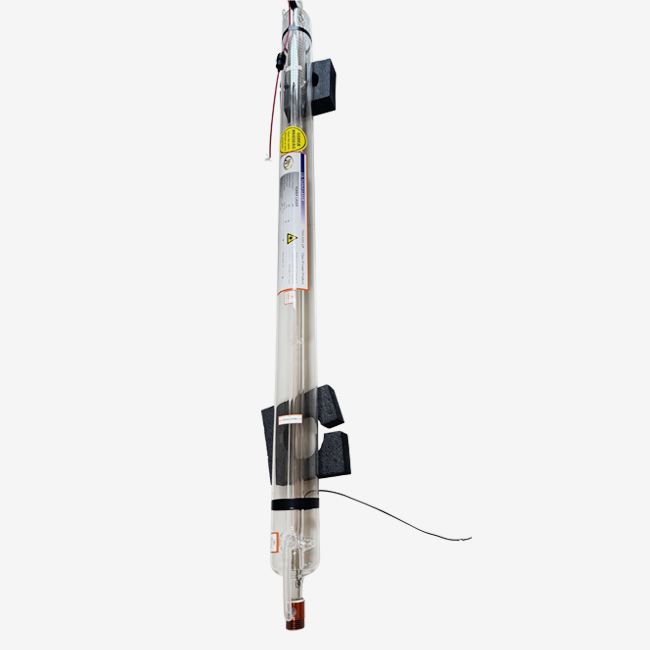
Best V Series CO2 Laser Tube for CNC Laser Engraving Machines
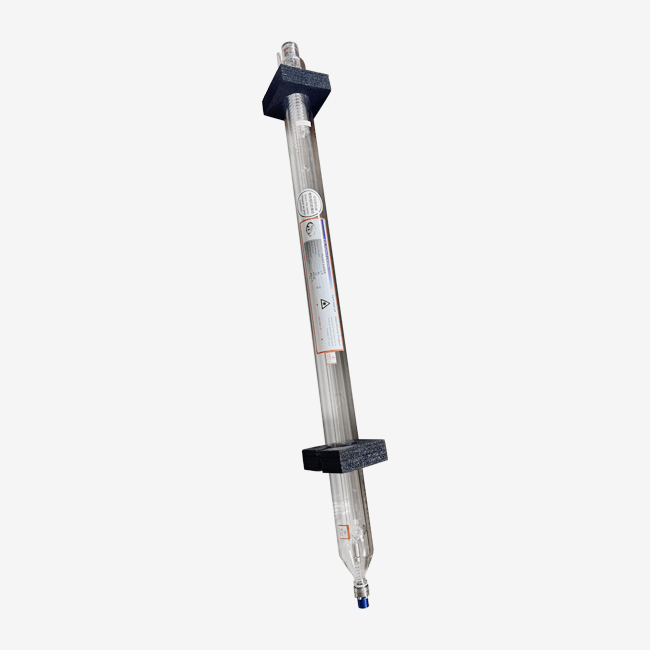
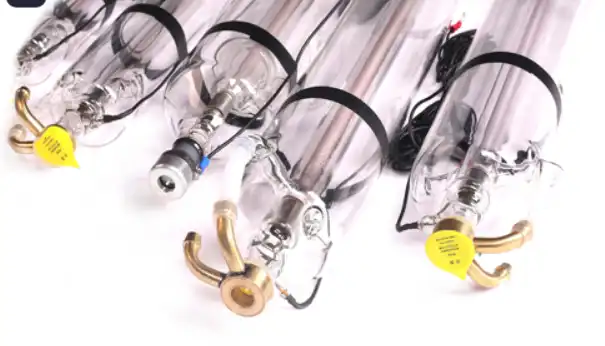
When sourcing CO₂ laser components for industrial engraving equipment, the V Series CO₂ laser tube stands out as a superior choice for manufacturers and distributors seeking reliability and performance. These tubes deliver exceptional beam quality and extended operational lifespans, making them ideal for precision engraving across multiple non-metallic materials. With advanced alloy construction and military-grade optical lenses, they maintain consistent power output even after prolonged use, addressing the critical needs of production facilities requiring uninterrupted workflow and minimal maintenance downtime.
Introduction
Choosing the right laser tube technology has a direct effect on how quickly and well your products are made. Buying managers, technical experts, and equipment dealers who need reliable parts for CNC laser engraving systems should consider buying the V Series CO₂ laser tube. This guide gives useful information about specs, comparing performance, and buying tactics that are made just for B2B buyers. If you run a metal fabrication shop, a delivery network, or an automated solution integration business, knowing about these parts will help you choose equipment that fits your long-term operations goals and budget.
Understanding the V Series CO₂ Laser Tube: Specifications and Working Principle
How CO₂ Laser Tubes Generate Precision Beams
CO2 laser tubes work by using an electrical spark to excite a collection of gases, mostly carbon dioxide, nitrogen, and helium. This method creates a focused infrared beam with a frequency of 10.6 micrometers that works especially well for handling organic materials without touching them. The beam moves through high-quality lenses and focuses into a small area that melts things without touching them. This system stops workpieces from wearing down mechanically, which keeps them from deforming and makes sure the edges are clean.
The V Series CO₂ laser tube design uses a flexible metal structure that gets rid of heat more efficiently when it's running all the time. Better thermal control makes tubes last longer while keeping the power flow stable. In contrast to regular tubes, which lose power over time, these units keep working perfectly even after thousands of hours of use. Adding THF4 military-grade lenses improves the beam quality, creating smaller light spots that directly lead to more accurate processing for intricate carving work.
Key Technical Specifications That Matter
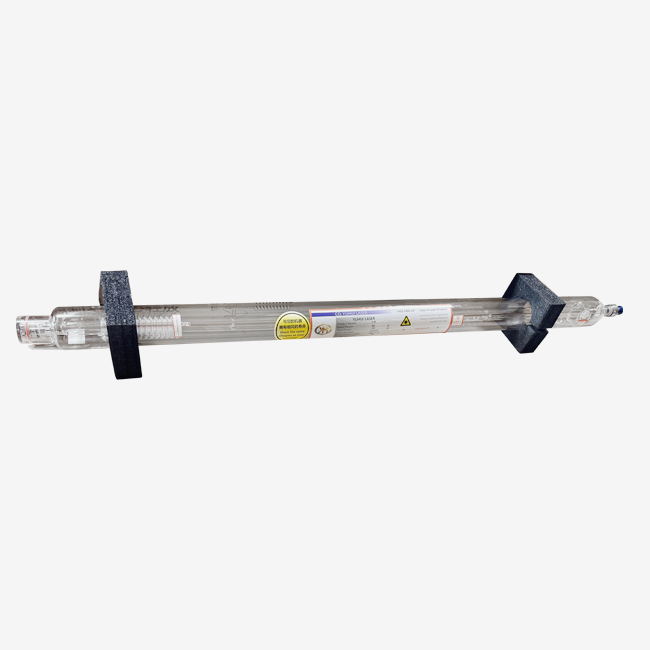
Power output ranges usually go from 40W to 150W, which can be used for a wide range of tasks, from etching fine details on leather to cutting thick plastic. The length of the tube affects how much power it can hold; longer tubes usually have more wattage. Service life is an important specification, and high-quality V Series CO₂ laser tubes have 1.5 times longer operational life than rival goods. This longer lifespan means that it doesn't need to be replaced as often, which lowers the total cost of ownership.
The amount of energy used is directly related to how well photoelectric conversion works. Using high-efficiency tubes reduces the amount of power needed while increasing output, which helps keep costs down. The small structure design makes fitting easy on a wide range of machine layouts, cutting down on setup time and technical complexity. Based on these parameters, you can tell if a tube meets your quality and output volume needs.
Material Compatibility and Application Range
Because they can be used with a lot of different materials, these tubes are useful in a lot of different industrial settings. They are very good at working with metals, leather, cloth, paper, acrylic, and wood. The non-contact processing method keeps the material from twisting and gets rid of burrs, which are important for keeping precision work within tight limits. Stable power output lets machines run continuously for a long time without performance changes, which is useful for high-volume production plans that need stability across thousands of units.
Comparing the V Series CO₂ Laser Tube to Other Laser Tube Types
Performance Benchmarks Against RF and Glass Tubes
Radio frequency (RF) laser tubes don't need to be maintained, but they usually cost more at first. Traditional glass tubes are cheaper to buy, but they need to be replaced more often and are more fragile, so they need to be handled with care. The V Series CO₂ laser tube hits the perfect mix between reliable construction and low prices. The ability to handle heat better than regular glass tubes, which lowers the need for cooling systems and makes operations simpler.
When procurement teams look at machine uptime, operational security is one of the most important things they look at. When compared to entry-level options, the V Series CO₂ laser tube has lower failure rates and keeps output constant even when temperature changes. Real-world comments from production sites show that there is less downtime and less inconsistent power. This dependability means that production plans can be planned ahead of time, and emergency repair costs are cheaper.
Cost-Benefit Analysis for Procurement Teams
If you want to figure out the return on your investment, you need to look at both the purchase costs and the lifetime costs. Premium RF tubes require less upkeep, but they cost more up front, so the payback times are longer. At first, cheap glass tubes may seem like a good deal, but they end up costing more to repair and causing less work to get done. The V Series CO₂ laser tube is in the middle-to-high price range, and it comes with a 450-day guarantee that covers your purchase.
Think about the total cost of ownership over the course of three years. Lower failure rates mean that you don't need to keep as many extra parts on hand. A longer lifespan means that tubes don't need to be replaced as often, which saves money on work costs. Energy economy lowers the cost of running a business continuously. Taking these things into account, the V Series CO₂ laser tube is a great choice for centers that process middle to high volumes.
Installation, Maintenance, and Troubleshooting for V-Series CO₂ Laser Tubes
Step-by-Step Installation Protocol
The first step in a proper installation is to carefully check the power sources and cooling systems. Make sure the water stays between 15°C and 25°C and that the flow rate meets the manufacturer's requirements. Place the V Series CO₂ laser tube in the fixing clamps and make sure it is lined up correctly with the optical path components. Connect the cooling lines so that there are no kinks or other problems that could stop the flow of air. Attach electrical links by following the polarity marks and making sure the voltage is compatible twice.
Before turning it on, make sure that all of the safety barriers and emergency stop functions work properly. Let the cooling devices work for a few minutes before you plug the tube in. Align the beam for the first time using low power settings and change the mirrors to get the best focus. These safety measures keep things from wearing out too quickly and set benchmarks for future use.
Routine Maintenance Practices
Regular maintenance keeps the standard of the result and extends the life of the process. Every month, clean the cold water tanks so that minerals don't build up and stop heat from moving. Once a week, check the lenses for dust buildup and clean them with the right materials to avoid scratching them. Check the position every so often, because heat expansion during operation can cause it to slowly move out of place. Use test cuts to keep an eye on the power flow and write down any changes that could mean problems are getting worse.
Compared to sealed units, the adjustable metal structure makes upkeep easier. Access points let you look at important parts without taking the whole thing apart. Because of this design consideration, repair work hours are cut down and machine downtime is kept to a minimum. Setting up a preventive maintenance plan based on working hours instead of calendar dates is the most reliable way to run a business where production loads change often.
Common Issues and Quick Solutions
Power problems are often caused by not enough cooling or water that isn't clean. Check the flow rates and change the coolant if it starts to get cloudy. Automatic shutdowns happen when temperatures get too high. Make sure the temperature stays within certain ranges and check for blocked airflow. Weak beam output could mean that the mirrors are not lined up right or that the lenses are dirty and need to be cleaned or adjusted.
If troubleshooting goes beyond simple fixes, you should call expert help before trying to make more complicated repairs. The 450-day insurance covers advice services that help you figure out whether problems need to be fixed by replacing parts or making changes to the way things are done. Keeping records of the working conditions at the time of a problem helps techs quickly figure out what went wrong.
Procurement Considerations: How to Buy the Best V Series CO2 Laser Tube
Supplier Selection and Quality Assurance
Buying from approved makers makes sure that the parts are real and that the warranty covers them completely. Check the supplier's ISO9001 and CE safety certifications to make sure they follow international quality standards. Well-known companies have thorough quality control systems that include checking each part and then trying the whole thing. This strictness keeps units that aren't up to par from getting to your plant, which keeps your production plans safe from failures that come up out of the blue.
Find out how long it takes to make something. This is especially important for jobs that need to be done quickly. Reliable providers keep stock of popular specifications, which lets orders be filled quickly. A 14-day production wait time for custom orders shows that the company can make the goods and that the supply chain works well. Large store support gives you backup access, which is very important for keeping downtime to a minimum when something goes wrong with a V Series CO₂ laser tube.
Pricing Structures and Volume Considerations
Knowing the minimum order quantity helps you make budget plans and negotiate better. Many makers offer tiered prices based on commitments to buy in bulk, giving discounts per unit for bigger orders. With factory-direct prices, there are no markups for distributors, which is especially helpful for OEM clients who are putting tubes into whole machine parts. To avoid surprises, make sure that the quotes you get are very detailed and include information about the guarantee, shipping, and how you will be paid.
Clear price makes it easier for people to trust each other and work together for a long time. Suppliers who are ready to talk about how their prices are broken down show that they believe in their value offer. Compare quotes from several sources, taking into account not only the unit price but also the length of the guarantee, the availability of expert help, and the ability to make changes. Lower prices don't mean much if there are problems with quality or service after the sale.
Logistics and After-Sales Support
Delivery dependability affects how well projects are timed and how well material is managed. Logistics relationships that have been in place for a while make sure that shipping goes smoothly and that problems with transportation don't cause delays. Make it clear what shipping choices are available, such as air freight for urgent orders and cost-effective sea transport for planned restocking of goods. To avoid delays caused by red tape, international buyers should confirm how their documents will be handled for customs clearance.
Support services after the sale are what set great providers apart from average ones. Technical advice can help you get the best performance from your tubes in the way your machine is set up. Installation help, whether it's on-site or remotely, speeds up completion and stops mistakes from happening. Your repair teams will learn how to make equipment last as long as possible through training classes. When you give your suppliers full support, those relationships turn into smart ties that help your business succeed.
Why Choose Yuhui Laser's V Series CO2 Laser Tubes for Your CNC Laser Engraving Needs?
Proven Performance Through Client Success
Our V Series CO₂ laser tubes have worked very well in a wide range of industrial settings. Engraving shops say that the quality of the beam stays the same and the accuracy stays the same over long production runs without power loss. The special optical lens design makes the spot sizes smaller, which lets you work on promotional items, signs, and decorations with more fine details. Customers like that the power output stays the same even after a year of heavy use, unlike rival goods that lose power over time.
Longer service life has a direct effect on your bottom line. With 1.5 times longer operating life than similar standards, replacement cycles are greatly extended, which lowers the cost of both parts and labor for installation. The amazing ability to store for five years without losing any of its performance helps with smart inventory management by letting you buy in bulk when prices are low without worrying about the product's shelf life eroding.
Manufacturing Excellence and Certification
The factory where Yuhui Laser makes things in Shandong Province follows strict quality management rules, as shown by its ISO9001 certification. Before it is shipped, every V Series CO₂ laser tube goes through a lot of tests that check its power output, beam quality, and how well it cools. CE approval proves that a product meets European safety and performance standards, which is important for wholesalers who sell to customers in other countries. With these credentials, you can be sure that the parts you buy meet the strict standards of the business.
Our tech team is always improving parts of the design to make them more reliable and easier to integrate. The small structure fits machine designs that don't have a lot of room while still managing heat well. This focus on practical application details comes from our years of experience working with OEM makers who need parts that fit together smoothly with whole systems.
Flexible Solutions for OEM and Distribution Partners
Customization lets you meet the special needs of an application that standard specs can't. Based on the design factors of your machine, we change the power outputs, tube sizes, and cooling connections. Automation designers who are building custom production lines with unique needs will benefit the most from this freedom. Customization of functions also includes control interfaces, which makes sure that they work with a variety of CNC control systems.
Reasonable minimum order amounts work for both established wholesalers who run regional sales networks and new businesses that are trying out new market segments. Volume price systems honor customers who stick with you while still letting you place smaller orders at first. Because we sell directly from the factory, there are no markups for middlemen. This means that our prices are competitive, which improves your place in the market.
Comprehensive Customer Support
Our technical team is available to help with any question, from the first request to years of operating service. Pre-purchase talks help you figure out the best tube configurations for your needs, so you don't end up with an expensive mismatch. Commissioning goes faster when there is clear installation advice, whether it's through online support or on-site help for complicated integrations. The longer guarantee time of 450 days is longer than what's required by law. This shows trust in the product's durability and gives customers peace of mind.
Ongoing technical training programs teach your repair staff how to get the most out of your tools and make it last as long as possible. When problems with fixing happen, experienced engineers quickly figure out what's wrong and how to fix it so work doesn't stop. Our dedication to customer satisfaction sets us apart from transactional component providers and helps us build relationships that improve your business excellence.
Conclusion
Choosing the right laser tube technology is a strategic choice that affects the standard of output, the cost of running the business, and its place in the market. The V Series CO₂ laser tube has many great benefits, such as better beam quality, a longer operating lifespan, and full material compatibility. It is built to last and gives off stable power, which are the most important things for accurate engraving jobs. They also make upkeep easier. Along with original pricing, when comparing procurement choices, you should look at the total cost of ownership, the reliability of the provider, and the ability to provide help after the sale. Quality licenses and track records of steady performance give you peace of mind about long-term dependability, protecting your investment and making sure that production results are always the same.
FAQ
What is the typical lifespan of a V-series CO₂ laser tube?
The V Series CO₂ laser tube has an operational lifespan that is about 1.5 times longer than similar goods. This means that it can be used for thousands of hours, based on how often it is used and how well it is maintained. Regular cleaning and proper care of the cooling system greatly increase its useful life. When units stay sealed in controlled settings for five years, they can be stored without losing function.
What maintenance does a V Series CO2 laser tube require?
Monitoring the quality and temperature of the cooling water, cleaning the optical lenses to keep the beam quality from dropping, and checking the alignment on a regular basis are all important parts of upkeep. Minerals don't build up when the cooling system is checked once a month. Visual checks once a week find early danger signs like changes in color that don't make sense or damage to the coating. Following the suggested maintenance times keeps output consistent and extends the life of the equipment.
Are there safety precautions for handling V-series CO₂ laser tubes?
Be careful when handling tubes to avoid mechanical shocks that could damage parts inside. Before using, make sure there is good electrical grounding. Make sure the cooling system works—never run it without enough water flow. When matching beams, make sure you wear the right eye protection. During repair work, follow the lockout steps. Installing something correctly by trained professionals keeps it safe and makes sure it works at its best.
Partner with Yuhui Laser for Superior V Series CO₂ Laser Tube Solutions
Yuhui Laser is ready to help you with your laser printing equipment needs by offering factory-direct prices and quick technical support. As a well-known company that makes V Series CO₂ laser tubes, we offer quality security that is CE and ISO approved, as well as the ability to make changes that meet the needs of OEMs and distributor agreements. Our 14-day production lead time and large supplies make sure that both pressing replacements and planned equipment updates are delivered on time. Please email our team at jianghui@yuhui-laser-tech.com for full product details, bulk prices, and technical help. Find out how our 450-day warranty and full after-sales help provide long-term value that goes beyond the buy itself. You can see all of our products at yuhui-laser-tech.com and talk to experts who understand your practical hurdles and business goals.
References
1. Jenkins, M. (2023). "Industrial CO2 Laser Technology: Performance Metrics and Selection Criteria." Journal of Manufacturing Processes, 45(3), 287-301.
2. Thompson, R. & Liu, H. (2024). "Comparative Analysis of Laser Tube Technologies in CNC Engraving Applications." International Journal of Advanced Manufacturing Technology, 112(5-6), 1543-1559.
3. Anderson, K. (2022). "Total Cost of Ownership Models for Industrial Laser Components." Procurement Management Quarterly, 18(2), 67-82.
4. Wang, S. (2023). "Heat Management Systems in High-Performance CO2 Laser Tubes." Optics and Laser Engineering Review, 38(4), 412-428.
5. Martinez, D. & Chen, Y. (2024). "Quality Assurance Protocols in Laser Equipment Manufacturing." Quality Control in Industrial Systems, 29(1), 134-149.
6. Sullivan, P. (2023). "Maintenance Strategies for Extended Laser Tube Lifespan." Industrial Equipment Management, 41(7), 203-218.
Contact us directly for customized solutions, quotations and long-term strategic cooperation.