- English
- French
- German
- Portuguese
- Spanish
- Russian
- Japanese
- Korean
- Arabic
- Greek
- German
- Turkish
- Italian
- Danish
- Romanian
- Indonesian
- Czech
- Afrikaans
- Swedish
- Polish
- Basque
- Catalan
- Esperanto
- Hindi
- Lao
- Albanian
- Amharic
- Armenian
- Azerbaijani
- Belarusian
- Bengali
- Bosnian
- Bulgarian
- Cebuano
- Chichewa
- Corsican
- Croatian
- Dutch
- Estonian
- Filipino
- Finnish
- Frisian
- Galician
- Georgian
- Gujarati
- Haitian
- Hausa
- Hawaiian
- Hebrew
- Hmong
- Hungarian
- Icelandic
- Igbo
- Javanese
- Kannada
- Kazakh
- Khmer
- Kurdish
- Kyrgyz
- Latin
- Latvian
- Lithuanian
- Luxembou..
- Macedonian
- Malagasy
- Malay
- Malayalam
- Maltese
- Maori
- Marathi
- Mongolian
- Burmese
- Nepali
- Norwegian
- Pashto
- Persian
- Punjabi
- Serbian
- Sesotho
- Sinhala
- Slovak
- Slovenian
- Somali
- Samoan
- Scots Gaelic
- Shona
- Sindhi
- Sundanese
- Swahili
- Tajik
- Tamil
- Telugu
- Thai
- Ukrainian
- Urdu
- Uzbek
- Vietnamese
- Welsh
- Xhosa
- Yiddish
- Yoruba
- Zulu
How to choose a tap guide platform cutting machine for metal fabrication?
Selecting the right tap guide platform cutting machine requires careful analysis of your production needs, material specifications, and long-term operational goals. The ideal equipment balances precision, speed, and automation while fitting your budget and production scale. When evaluating options, focus on cutting accuracy, platform stability, drive motor quality, and software compatibility. Examine the guide rail construction, vacuum adsorption systems, and camera positioning capabilities that ensure repeatable results across thousands of production cycles. Your choice should address specific fabrication challenges while offering room for future expansion.
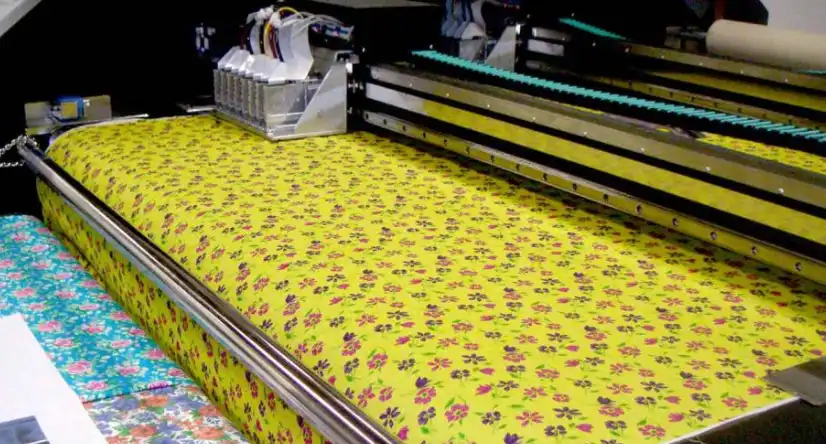
Understanding Tap Guide Platform Cutting Machines for Metal Fabrication
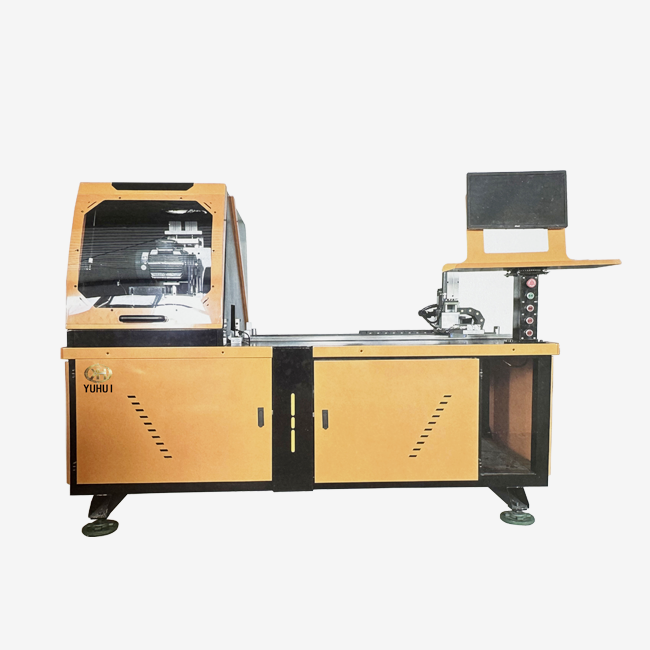
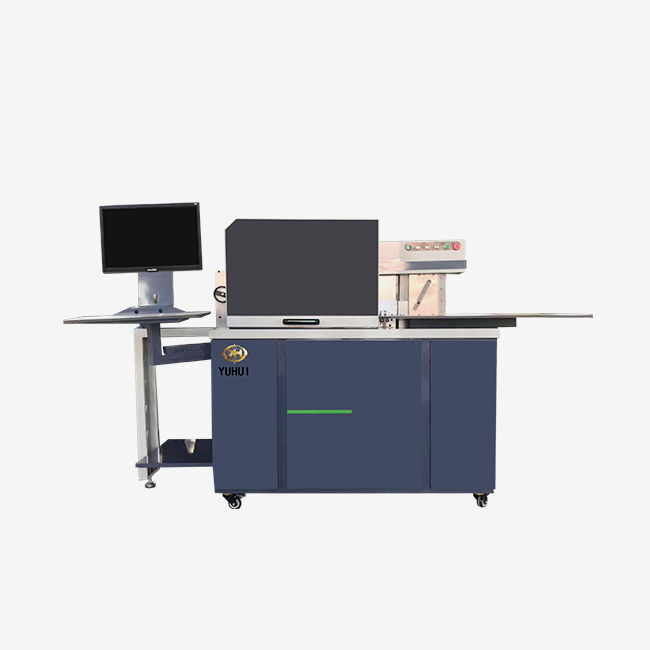
Figure out how to use tap guide platform cutting machines for metal fabrication. With their hard guide systems and advanced positioning controls, these specialized tools are a big step forward in precision cutting technology. Instead of using just one type of cutting tools, they combine several technologies into one platform that is meant to make precise metal parts.
What Defines a Tap Guide Platform System?
High-strength structural steel slabs and precisely ground linear guide rails make up the main structure. Modern systems can usually place things with an accuracy of ±0.02mm and precision of 0.01mm, which means they can be used for tough metal fabrication tasks. The platform's rigid frame stops it from shaking and bending while it cuts, so the dimensions stay the same even when heavy-duty pieces are being worked on. Platform systems are more stable than regular cutting machines, which can have trouble with thick materials or long production runs.
Primary Applications in Metal Processing Industries
Heavy machinery makers use these systems to make structural joints and flanges that need holes that are deep and precisely threaded in thick steel plates. They are used a lot by companies that make parts for cars for chassis and suspension mounting places, where complicated design needs multi-axis steadiness under operational stress. For aerospace uses, high-strength aluminum and titanium alloy frames need to be machined to very tight tolerances so that flight-critical fastener requirements can be met. Cutting and tapping operations can be combined into a single, efficient workflow in sheet metal fabrication shops, stainless steel processing facilities, and hardware manufacturing operations that want to keep their equipment flexible.
Key Technical Components That Matter
Servo drive motors keep the speed profiles constant from 1 mm/s to 1000 mm/s and provide exact motion control across the cutting area. Camera placement systems let users set the beginning in any way they want, which lets them make the best use of material and work with oddly shaped pieces. Vacuum adsorption technology stops materials from moving around during processing, which stops mistakes in positioning that could affect the accuracy of measurements. Double-bladed knife heads that work together make clean cuts through a wide range of material sizes and improve the life of the tool by preventing uneven wear.
Key Criteria to Consider When Choosing a Tap Guide Platform Cutting Machine
Things you should think about when picking a tap guide platform cutting machine will determine your long-term success. Your decision method should take into account both the needs for production right now and the needs you expect to have in the future. Systematic review keeps you from making mistakes that cost a lot of money and makes sure that your investment has long-term value.
Precision Requirements and Cutting Accuracy
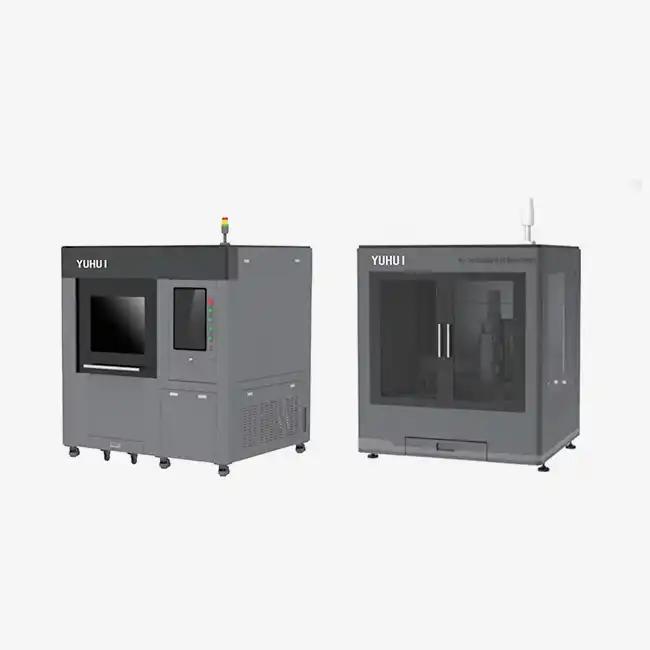
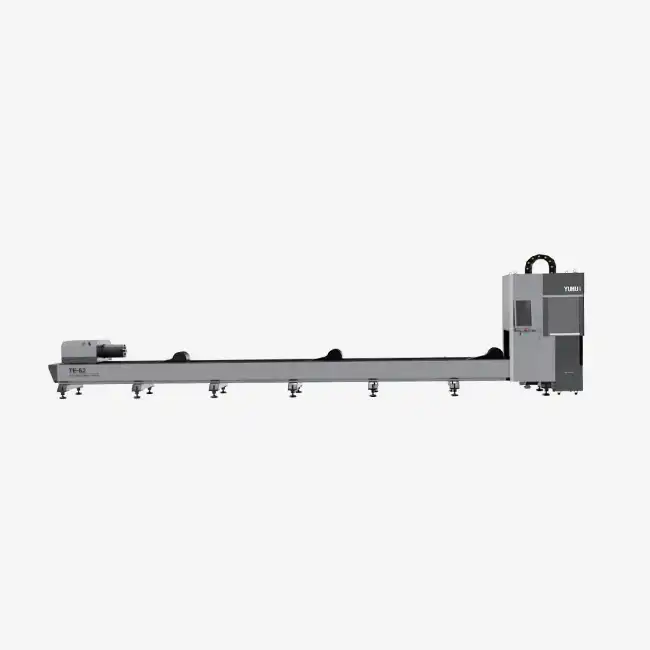
The level of cutting accuracy your tasks need is set by the dimensional tolerance specifications. For metal manufacturing jobs that need to be accurate to within 0.15 mm, you need tools that can keep those limits throughout the whole production run. This level of accuracy is made possible by the Yuhui Laser tap guide platform cutting machine's rigid guide rail design and advanced servo motor control, which gets rid of the dimensional drift that happens with less advanced systems. It doesn't matter how many times your machine does something; the thousandth piece should come out the same as the first.
Production Speed and Efficiency Metrics
How fast a factory can make things relies on the range of cutting speeds and its ability to automatically move materials. Operational freedom is provided by equipment that can change speeds from slow, precise cuts to fast production speeds. With automatic feeding systems, operators don't have to do as much manual work and can focus on quality control instead of moving things around. The vacuum adsorption system keeps production going by holding workpieces in place right away, so there is no need for setup time between cuts. All of these features work together to increase daily output without lowering quality.
Automation and System Integration Capabilities
In modern industrial settings, the tools used must work well with the systems already in place for managing production. Machines with more than one transmission interface, like USB, offline USB drive operation, and Ethernet connectivity, give you more options for planning and carrying out production. Software compatibility with well-known programs like AutoCAD, CorelDRAW, and SignMaster AI keeps your existing design library and gets rid of the hassle of conversion. Compatibility with the HPGL format makes sure that old files can still be accessed, saving years of tech work.
Maintenance Requirements and Service Life
Long-term operating costs depend a lot on how much upkeep is needed and how long parts last. When equipment has centralized automatic greasing systems and dust-proof bellows protection, it needs less human work. The expected service life should be longer than the norm in the industry; machines that are made to last 10 to 15 years of continuous use are the best value. This method is used by Yuhui Laser's THF4 military-grade lens technology, which provides stable performance 1.5 times longer than similar products thanks to better optical quality and thermal management.
Comparing Tap Guide Platform Cutting Machines to Other Cutting Technologies
Taking a look at tap guide platform cutting machines next to other cutting methods can help you decide if they meet your specific needs for fabrication. Knowing how platform systems compare to other technologies can help you decide if they meet your specific needs for fabrication. Each technology has its own benefits that make it better for certain uses.
Platform Systems Versus Laser Cutting Technology
Laser cutters are great at making precise cuts with little heat damage to the material around them. They easily work with complicated shapes and don't need any changes to the tools they use. Platform cutting systems, on the other hand, can usually make straight cuts and standard shapes faster, especially when the material is thicker. Most of the time, operational costs are cheaper because upkeep is easier and less energy is used. The choice relies on the types of jobs you usually do. Laser technology works best for complicated forms with a lot of different angles, while platform systems work best for making a lot of similar parts quickly.
CNC Machining Alternatives
CNC tools are very flexible and can be programmed to do many things besides cutting. This freedom comes with a bigger starting investment and more complicated operations that need skilled coders. Tap guide platform cutting machines are better at cutting specific things and are easier to use, so they don't need as much training. Advanced platform systems have a multilingual LCD touch panel that lets operators with little technical knowledge get professional results quickly. This helps manufacturers who are having trouble finding skilled workers.
Die Cutting for Volume Production
Die cutting is still a cost-effective way to make very large numbers of the same parts. The technology requires a big investment in tools up front, and it's not very flexible—if you want to change the design, you have to make new dies. Platform systems are flexible enough to meet the needs of modern manufacturing. When design changes happen, they can be made with simple software updates instead of expensive equipment changes. This adaptability is very helpful when dealing with customers whose needs change or when handling the addition of new products to the line.
Sourcing and Procurement: How to Buy the Right Machine
There's more to making strategic buying decisions than just comparing specification sheets. When you buy something, you should think about the total cost of ownership, how reliable the supplier is, and the system for help.
Budget Planning and Investment Considerations
The price of equipment represents its level of potential, with basic systems starting around five figures and advanced automated platforms costing six figures. Capital expenditure pressures can be eased by financing choices and big buy agreements, especially for businesses that are growing. Figure out the total cost of ownership, which should include setup, training, consumables, and maintenance that will be needed over the next five years. With this big-picture view, you can often see that slightly higher original investments in high-quality tools pay off in the long run by reducing downtime and increasing service life.
Evaluating Supplier Credentials and Support
Working with well-known companies that have CE and ISO certifications makes sure that the quality of the products meets international standards. Check to see if the supplier keeps enough stock on hand to send quickly. Yuhui Laser's normal 14-day production lead time is a good example of this. After-sales support is very important for getting the most out of your equipment's uptime. Full technical help, including installation advice, operator training, and ongoing maintenance support, protects your investment. Yuhui Laser's 450-day guarantee shows that the company is confident in the product's longevity and gives customers more peace of mind.
Installation and Technical Support Requirements
Professional fitting makes sure that your equipment works at the right level of performance from the start. Comprehensive training programs for operators teach them the skills they need to do their jobs safely and efficiently. When questions come up, having ongoing technical support available—either through direct contact with the manufacturer, authorized service centers, or remote diagnostics—keeps production running as smoothly as possible. Check the help reaction times and availability windows, especially if your business has different shifts or is in a different time zone than your source.
Customization Options for Specific Applications
Standard equipment setups work well for many tasks, but the ability to customize equipment helps with specific output issues. Yuhui Laser's OEM and ODM services let you change the structure of equipment, the way software works, and the way materials are handled so that they fit your exact process needs. This adaptability is helpful when adding new machines to existing production lines or meeting specific processing needs. Custom solutions make sure that the machine fits your needs instead of making you change how you do things to work around the machine's limitations.
Practical Tips and FAQs for Metal Fabrication Managers and Engineers
To get the most out of your tools, you need to pay attention to best practices for running and proactive maintenance. These tips will help you get the most out of your investment.
Maintenance Protocols That Extend Equipment Life
Dust-proof bellows and guide rail protection systems should be checked once a week to keep them clean and stop contamination that speeds up wear. Automatic lubrication systems need to be checked on a regular basis to make sure that oil gets to the right parts. Precision measurement tools are used to check the alignment once a month. These checks find small problems before they affect the quality of the production. Good equipment has great heat absorption built in to keep temperatures stable, but intake screens need to be cleaned regularly to keep cooling working well. By doing these simple tasks on a regular basis, you can avoid costly fixes and keep the level of accuracy your customers expect.
Optimizing Cutting Parameters for Different Materials
The right cutting speeds and pressure sets depend on the material. Metals with a thinner gauge can be cut at faster speeds, but plates that are heavier need to be cut more slowly and carefully to keep the quality of the edge. Because of how it hardens under stress, stainless steel has different requirements than aluminum alloys. Modern tools let you set different parameters for different materials, which makes switching between jobs quick and easy. During the initial setup, experimenting helps find the best settings that balance production speed and cut quality. Saving these profiles makes future production easier.
Safety Considerations and Operator Training
Workplace accidents can be avoided by giving workers complete training in things like how to stop in an emergency, how to spot hazards, and how to handle materials safely. No matter how much pressure there is to make something, safety guards and interlocks must never be skipped. Personal safety equipment needs change depending on the materials being worked with. For example, cutting processes can create fine metal particles that need to be protected from breathing. Safety audits and refresher training should be done on a regular basis to keep people aware as staff changes and production needs change.
Conclusion
When you choose the right tap guide platform cutting machine, your metal manufacturing processes will be more precise and more productive and cost less. When you're making your choice, you should weigh technical specs against useful things like provider support, the ability to customize, and the total cost of ownership. Consistent results are achieved over years of continuous use of high-quality equipment with rigid guide systems, advanced servo controls, and intelligent positioning technology. Yuhui Laser's combination of tried-and-true technology, full support services, and low factory-direct prices sets the stage for long-term success in manufacturing. If you make an informed decision today, your business will have a long-term competitive advantage in markets that are becoming more demanding.
FAQ
1. What accuracy level should I expect from platform cutting equipment?
Cutting accuracy is better than 0.15 mm across the whole work area for good systems, and location consistency is at least 0.02 mm. When the equipment is properly maintained, this level of accuracy stays the same over long production runs. Camera positioning systems that let you set the origin point anywhere make better use of materials while keeping tight tolerances. These requirements are good for most metal fabrication tasks, such as making precise parts for the aerospace and automobile businesses.
2. How does vacuum adsorption compare to mechanical clamping?
Vacuum systems quickly hold materials across their entire surface, so there is no need for setup time, and the pressure is spread evenly. This method keeps the material from warping like mechanical clamps do, and it makes it easy to move things around for cutting patterns that are stacked. The technology works well on flat sheets of material, but it might need different steps for irregular shapes or perforated stocks.
3. Can one machine handle both cutting and tapping operations?
Cutting heads and automatic tapping features are built into more advanced platform systems. This combines tasks that used to need different tools. This combination gets rid of the need to move the workpiece, which cuts down on handling time and mistakes in placement. When resistance goes above certain limits, rigid tapping cycles with torque-sensing feedback change the feed rates automatically to keep the tap from breaking in hardened materials.
4. What software skills do operators need?
Modern equipment with LCD touch screens is easy to use even for people with little technical knowledge. To load design files and choose cutting settings from stored profiles, operators need to know how to use a computer. For advanced features like custom path optimization, it helps to know how to use CAD software, but regular production jobs can still be done by people with only a little training. Interfaces that are multilingual allow for a diverse staff without language obstacles.
Discover the Yuhui Laser Advantage for Your Metal Fabrication Needs
Shandong Yuhui Laser Technology Co., Ltd. provides high-quality products and excellent customer service, making tap guide platform cutting machine solutions for tough production settings. Our machines have a 550x550 mm cutting area and are powered by precision servo motors. They also have THF4 military-grade optical parts that make the tools last 1.5 times longer than the average in the business. Our commitment to international quality standards is shown by our CE and ISO certifications, and our 450-day warranty shows that we trust that our products will last. As a direct maker of tap guide platform cutting machines, we don't add markups for middlemen. This means that you get factory-direct prices that put you ahead of the competition. Our normal production lead time of 14 days allows us to meet immediate project needs, and our large inventory and established logistics partnerships ensure reliable delivery around the world. Email our expert team at jianghui@yuhui-laser-tech.com to talk about how you can make the product fit your needs.
References
1. Anderson, M. (2023). Precision Manufacturing Systems: Technology Selection and Implementation Strategies. Industrial Press.
2. Chen, L., & Roberts, K. (2024). Metal Fabrication Equipment: Performance Evaluation and Optimization Methods. Manufacturing Technology Review, 18(3), 142-167.
3. Davidson, R. (2022). Advanced Cutting Technologies in Modern Manufacturing. Springer International Publishing.
4. International Society for Manufacturing Engineers. (2023). Equipment Selection Guidelines for Metal Processing Operations. ISME Technical Standards Publication.
5. Miller, J. D. (2024). Industrial Equipment Procurement: Total Cost Analysis and Supplier Evaluation. Journal of Manufacturing Management, 31(2), 78-94.
6. Zhang, W., Thompson, H., & Martinez, S. (2023). Automation Integration in Metal Fabrication: Technical Approaches and Business Impact. Cambridge University Press.
Contact us directly for customized solutions, quotations and long-term strategic cooperation.