- English
- French
- German
- Portuguese
- Spanish
- Russian
- Japanese
- Korean
- Arabic
- Greek
- German
- Turkish
- Italian
- Danish
- Romanian
- Indonesian
- Czech
- Afrikaans
- Swedish
- Polish
- Basque
- Catalan
- Esperanto
- Hindi
- Lao
- Albanian
- Amharic
- Armenian
- Azerbaijani
- Belarusian
- Bengali
- Bosnian
- Bulgarian
- Cebuano
- Chichewa
- Corsican
- Croatian
- Dutch
- Estonian
- Filipino
- Finnish
- Frisian
- Galician
- Georgian
- Gujarati
- Haitian
- Hausa
- Hawaiian
- Hebrew
- Hmong
- Hungarian
- Icelandic
- Igbo
- Javanese
- Kannada
- Kazakh
- Khmer
- Kurdish
- Kyrgyz
- Latin
- Latvian
- Lithuanian
- Luxembou..
- Macedonian
- Malagasy
- Malay
- Malayalam
- Maltese
- Maori
- Marathi
- Mongolian
- Burmese
- Nepali
- Norwegian
- Pashto
- Persian
- Punjabi
- Serbian
- Sesotho
- Sinhala
- Slovak
- Slovenian
- Somali
- Samoan
- Scots Gaelic
- Shona
- Sindhi
- Sundanese
- Swahili
- Tajik
- Tamil
- Telugu
- Thai
- Ukrainian
- Urdu
- Uzbek
- Vietnamese
- Welsh
- Xhosa
- Yiddish
- Yoruba
- Zulu
Best double blade platform engraving machines for small business use
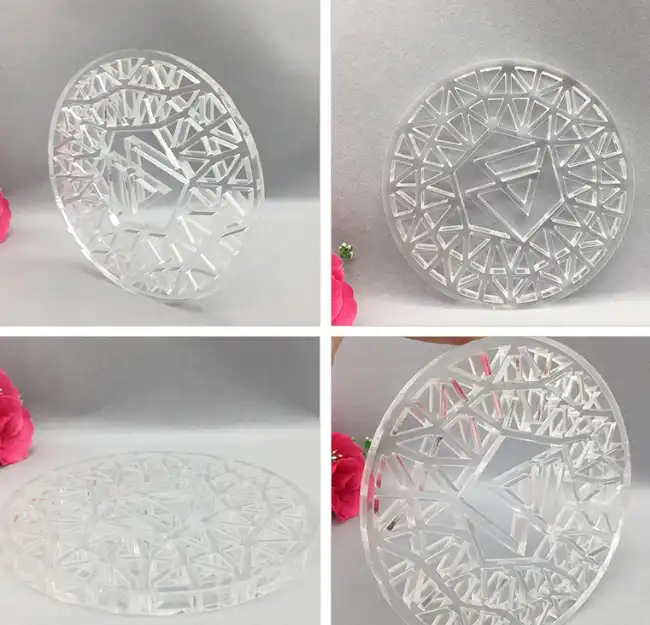
When selecting the best double-blade platform engraving machines for small business use, operations must prioritize precision, efficiency, and cost-effectiveness. A double-blade platform engraving machine features dual synchronized cutting heads mounted on a stable flatbed structure, enabling simultaneous processing that doubles throughput without requiring additional floor space. These systems typically offer cutting precision within ±0.15mm, vacuum adsorption for secure material positioning, and compatibility with various substrates, including vinyl, acrylic, and thin metals—making them ideal for signage shops, custom fabrication businesses, and small-scale manufacturing operations seeking reliable production equipment.
Introduction
Small businesses that make things or do customization are always under pressure to make more while keeping costs down. Choices about equipment have a direct effect on how profitable, productive, and effective a business is. Companies that handle moderate to high volumes of orders but don't want to spend a lot of money on multiple single-head machines can benefit from dual-blade cutting technology. These platform-style systems solve certain practical problems, like inconsistent cutting quality during busy production times, long setup times between jobs, and the limited room that comes with running a small facility.
To choose the right engraving tools, you need to know both the technical details and the real business issues that come up. Material suitability affects how flexible a project can be. Precision levels determine the quality of the finish and the amount of waste. Uptime and long-term running costs are affected by how available a service is. This study looks at some of the most important things that procurement professionals think about when they buy dual blade systems. The results help them make smart buying decisions and help their businesses grow in the long term.
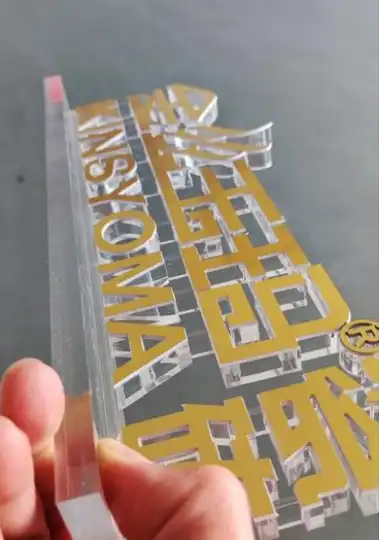
Understanding Double Blade Platform Engraving Machines
The basic idea behind these systems is that they have two cutting heads that can be handled separately and work on the same rigid base. This setup lets you work on mirrored designs at the same time or make identical parts at the same time. Single-head units finish one piece before starting the next. Dual blade systems, on the other hand, cut processing time by a large amount—usually 40–50%, depending on the complexity of the design and the properties of the material.
Cutting precision is based on how stable the platform is. Heavy-duty welded steel frames are heated to get rid of internal stress, which keeps the frames' dimensions from changing while they're in use. Linear guide rails that are made to exacting standards keep their position accuracy over thousands of processing cycles. Together, these mechanical parts make it possible to achieve repeated accuracy within ±0.05mm. This meets the quality standards for business signs, decorative panels, and prototype development.
Core Technological Features
Fixturing the material has a direct effect on the quality of the edges and the regularity of production. Modern vacuum retention systems hold the material evenly on the whole work area, so it doesn't move around during high-speed cutting. Before processing starts, cameras built into positioning systems look at registration lines. This way, any differences in where the materials are placed are instantly taken into account. This automation cuts down on the work that needs to be done by hand and on mistakes in setup that waste materials.
Software compatibility decides how easy it is to integrate workflows. Modern double-blade platform engraving machines can read standard file types from design programs like CorelDRAW, AutoCAD, and Adobe Illustrator. Touchscreen control screens that can read multiple languages make it easier for staff with different levels of technical knowledge to use. USB ports, Ethernet connections, and removable storage are all types of connections that can be used in a variety of production settings and IT infrastructure setups.
Operational Benefits for Small Businesses
Improving processing speed directly leads to more work being done each day. Small businesses that have to deal with rush orders or yearly demand spikes can benefit from having equipment that keeps quality standards high even when production plans are sped up. The two blades work together to make advertising screens, decorative parts, and special parts quickly enough to keep delivery vows without having to pay extra for overtime.
Being able to use a variety of materials lets you offer more services and make more money. Up to 1.2 mm thick, these platforms can work with materials ranging from flexible vinyl sheets to hard composite panels. With a single investment in tools, businesses can work on a wide range of projects, such as car graphics, indoor signs, product samples, and architectural elements. Because of this, you don't need as many specialized machines, which helps you make the best use of your capital as your business grows.
Top Double-Blade Platform Engraving Machines Suitable for Small Businesses in 2024
To choose the best tools, you need to look at a lot of different performance factors. The size of the cutting area needs to be able to fit most projects while still taking up as little floor room as possible. Both the speed of processing and the accuracy of upkeep are affected by motor power and drive systems. Long-term dependability and how often upkeep is done depend on the quality of the build. The total cost of ownership and operational continuity are both affected by the availability of services.
Essential Selection Criteria
When equipment is being evaluated, precise specifications should be given a lot of thought. Cutting accuracy of ±0.15mm is good enough for most business uses, and consistency of ±0.05mm makes sure that the results are the same from one production run to the next. These requirements are especially important for companies that make parts with very tight tolerances or multi-layer systems where part placement impacts the quality of the end product.
Ongoing operating costs are affected by how much power is used and how efficiently operations are run. Systems that use 1.1 KW for vacuum adsorption and stepper motor drives that are very efficient balance performance with energy costs. Small companies that keep track of their cost per unit created can benefit from cutting-edge double-blade platform engraving machines that do their job without using too much energy during long shifts.
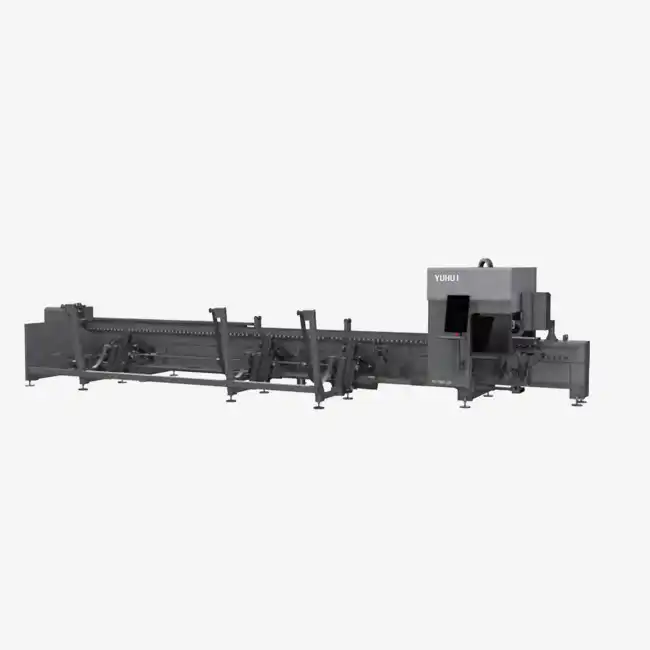
Yuhui Laser Double Blade Platform Solution
Shandong Yuhui Laser Technology offers a business-level system designed to meet the output needs of small businesses. The platform has a 500x700mm cutting area that works for standard-sized signs and medium-sized projects. Two blades that work together at speeds ranging from 1 mm/s to 800 mm/s give you options for different types of materials and more complicated designs. Even when outline cutting at high speeds, the 1.1KW vacuum retention system keeps the material in place.
Technical specs show the standards for quality in making. THF4 optical components are made to be used by the military and have consistent beam traits over long periods of time. Their service life specs show that they last 1.5 times as long as regular components. With CE and ISO certifications, you can be sure that you are following foreign standards for safety and quality control. These credentials are especially important for companies that work in regulated industries or serve clients who need proof of equipment qualifications.
Support for installation and training takes care of common execution issues. Technical teams help with setup on-site, train operators, and optimize parameters based on the application. Documentation and control interfaces that are available in more than one language can accommodate a diverse workforce. This complete support framework shortens the time it takes to learn and increases the return on investment by making it easier to build up production capabilities more quickly.
Comparing Double Blade Platform Engraving Machines to Alternatives
When deciding what equipment to buy, it helps to compare the different technologies in a structured way. Laser engraving systems allow for non-contact processing and fine details, but they need more money up front and special training for operators. Rotary engravers can cut circular items in three dimensions, but they are slower than double-blade platform engraving machines when working with flat sheets. Knowing these differences helps buyers match the skills of tools to the needs of the production.
Precision and Speed Analysis
When cutting materials that are the right width, dual-blade platforms can cut with the same level of accuracy as laser systems. When vinyl, plastic, and composite materials are cut mechanically, the edges are clean and there are no heat-affected zones, which can happen with thermal cutting. Processing speeds rely on how complicated the design is. Simple outlines finish quickly, but complex patterns with lots of direction changes need slower feed rates to keep the quality of the edges.
Blade systems are better because they can work with a wider range of materials and are easier to use. Laser equipment needs to have its parameters changed for each type of substrate. Blade platforms, on the other hand, work the same way with any material because they only need simple settings for pressure and speed. This makes it easier to use and lessens the chance of operator mistake, which is important for small businesses that don't have a lot of expert staff or who hire new employees often.
Cost Structure and Return Calculations
Initial equipment costs for dual-blade platforms are usually a lot less than those for similar laser cutting systems. Small businesses that don't have a lot of money to spend on capital can get professional-level processing power without having to pay a lot of money up front. Blade systems also have lower operational costs—replacing cutting blades is a relatively cheap item compared to replacing laser tubes or maintaining optical parts.
When figuring out the return on an investment, you should include both the potential for increased production and increased revenue. Businesses can take on more orders or cut down on wait times when they have equipment that doubles processing speed. Both of these methods help the business make more money. Better cutting accuracy cuts down on trash, which directly lowers the cost per unit made. Over the life of the equipment, these financial benefits add up, so the original purchase price is only one part of a full value study.
Maintenance and Safety Guidelines for Double-Blade Platform Engraving Machines
Schedules for preventative maintenance make equipment last longer and keep processing accurate. Every day, cleaning routines get rid of the material that has built up on the cutting areas and guide rails. Weekly inspections check the sharpness of the blades, the performance of the vacuum system, and the tightness of the drive belt. Every month, calibration processes make sure that the placement is correct and find any technical problems that are starting to happen before they stop production.
Routine Care Procedures
The most important upkeep task for consumables is replacing the blades. Bad cutting quality, shown by rough edges or more material tearing, is a sign that the blade is getting dull. Changing blades usually takes 15 to 20 minutes per blade and only needs basic hand tools. Keeping spare blades on hand keeps production from being held up when replacements need to be made while jobs are still going on.
Operator Safety Protocols
Proper training methods set up safe ways to do things at work and lower the risk of accidents. During repair tasks, operators need to know how to stop in an emergency, how to properly load materials, and how to avoid blade exposure dangers. During high-speed cutting operations, safety glasses and other personal protective equipment keep you safe from flying objects.
Troubleshooting common operational problems cuts down on maintenance costs and downtime. Changes in cutting accuracy are often caused by mechanical connections that aren't tight enough, dirty guide rails, or worn-out drive parts in the double-blade platform engraving machines. Control system errors could mean that there are problems with the software setup or with the connection. Knowing basic diagnostic methods helps workers fix small problems on their own while also knowing when they need help from technical support.
Procurement and Supplier Selection Guide for B2B Buyers
Buying channels have a big effect on how much equipment costs, how long it takes to deliver, and how much support is available. Direct connections with manufacturers offer the best prices and customizable options, but they may require longer contact cycles and the organization of foreign operations. Authorized distributors offer local help and faster shipping, but their prices are usually higher than those from the plant. Online business-to-business (B2B) tools make it easy to compare vendors, but they also need careful seller verification.
Evaluating Supplier Credentials
Certifications from manufacturers show that their quality control methods and products meet certain standards. ISO9001 approval checks that quality methods were followed during the planning, production, and testing stages. When an item has the CE mark, it means it meets European safety and electromagnetic compatibility standards. This is very important for companies that do business with other countries or in regulated markets. These credentials lower the risk of buying something because they show that the manufacturer is committed to quality standards.
Total operating costs are greatly affected by warranty terms and after-sales support systems. Longer warranty periods, like 450 days of coverage, show that the manufacturer trusts the product's dependability and lower the costs of repairs early in the ownership cycle. Technical support through multiple lines of contact makes sure that people can get help when practical problems happen. Installation support and operator training services speed up the process of implementation and lower the costs of the learning curve.
Understanding Pricing and Delivery
Clear price systems help buyers figure out how much equipment really costs. With factory-direct pricing, there are no markups for distributors, which means that prices may be 20–30% lower than through local dealer channels. When considering the total delivered price across different methods of procurement, buyers need to think about the costs of shipping, customs taxes, and possible installation costs.
Lead times for production affect how projects are planned and when capacity is increased. Fast shipping is possible because manufacturers keep stock on hand—usually 14 business days for basic configurations. Custom changes that make lead times longer mean that you need to plan ahead to make sure that the supply of tools matches the capacity needs of the business. Planning for implementation goes more smoothly when there is clear communication about delivery times and shipping tracking.
Conclusion
Double-blade platform engraving machines help small businesses that are trying to balance their need for production capacity with their limited capital in real ways. These systems are twice as fast at working as single-head options while still meeting the high standards for accuracy needed in business settings. To choose the right tools, you need to compare technical specs to real production needs, know what the total ownership costs are that go beyond the purchase price, and choose suppliers that offer a full support system. Companies that buy the right equipment have an edge over their competitors because they can turn jobs around faster, make sure the quality is consistent, and offer more services. This helps them make more money in competitive markets.
FAQ
1. What materials work best with dual-blade engraving platforms?
These systems are great at working with vinyl, acrylic sheets, cardboard, thin plastics, and composite materials that are less than 1.2 mm thick. Cutting quality is affected by the surface characteristics of the material. For example, edges that are smooth and uniform produce better results than those that are textured or uneven. Before buying equipment, businesses should ask for free processing tests with their own materials to make sure the equipment will work with their materials and get good results.
2. How difficult is operation for staff without technical backgrounds?
Modern systems have easy-to-use touchscreen displays that show you how to do things, which makes them easier to use. For staff who already know how to use a computer, basic training that includes loading materials, importing files, and starting a job usually takes two to three hours. More training is needed for advanced features like custom parameter adjustment, but normal production tasks can still be done by workers with little technical knowledge.
3. What typical delivery timeframes should buyers expect?
Standard configuration equipment from well-known brands usually ships 14 to 21 business days after the order is confirmed. This can take an extra 7–15 days, based on where the package is going and how long it takes to clear customs. Lead times may go up by 10 to 20 days if you need to make custom changes. During talks with suppliers, buyers should be clear about when they need things delivered so that suppliers can keep their promises.
Partner with Yuhui Laser for Your Dual Blade Platform Engraving Machine Needs
Yuhui Laser specializes in manufacturing cost-effective double-blade platform engraving machines designed specifically for small business production environments. Our equipment combines precision engineering with practical features that address real-world problems—vacuum adsorption platforms that secure diverse materials, camera positioning systems that reduce setup time, and THF4 military-grade components that deliver consistent long-term performance. As a CE- and ISO-certified manufacturer, we maintain strict quality standards throughout production while offering factory-direct pricing that maximizes your equipment investment value.
Our customization capabilities support unique business requirements through flexible OEM and ODM services. Whether your operation needs modified cutting areas, specialized software integration, or custom platform configurations, our engineering team develops tailored solutions. Comprehensive support includes installation assistance, operator training, and responsive technical service backed by our industry-leading 450-day warranty. Contact our team at jianghui@yuhui-laser-tech.com to discuss your specific production requirements and receive detailed specifications. Visit yuhui-laser-tech.com to explore our complete product range and discover how the right equipment partnership accelerates your business growth.
References
1. Manufacturing Technology Association (2023). "Industrial Engraving Systems: Performance Standards and Selection Criteria for Small Manufacturing Operations." Industrial Equipment Quarterly, Volume 47, Issue 3.
2. Chen, L. & Rodriguez, M. (2024). "Comparative Analysis of Mechanical versus Laser Cutting Technologies in Commercial Signage Production." Journal of Manufacturing Processes and Equipment, Volume 19, Pages 245-267.
3. European Committee for Standardization (2023). "Safety Requirements for Computer Numerically Controlled Platform Cutting Equipment." EN ISO 12100:2023 Technical Specification Document.
4. Small Business Manufacturing Council (2024). "Equipment Investment ROI Analysis: Cost-Benefit Assessment Framework for Processing Technology Adoption." SBMC Research Publication Series, Report #2024-08.
5. International Association of Engraving Professionals (2023). "Precision Specifications and Quality Metrics for Commercial Engraving Applications. "IAEP Technical Standards Manual, 8th Edition.
6. Williams, J., Thompson, K., & Patel, R. (2024). "Maintenance Protocols and Longevity Factors in Industrial Cutting Systems: A Five-Year Operational Study." Machinery Maintenance and Reliability Journal, Volume 31, Issue 2, Pages 112-134.
Contact us directly for customized solutions, quotations and long-term strategic cooperation.