- English
- French
- German
- Portuguese
- Spanish
- Russian
- Japanese
- Korean
- Arabic
- Greek
- German
- Turkish
- Italian
- Danish
- Romanian
- Indonesian
- Czech
- Afrikaans
- Swedish
- Polish
- Basque
- Catalan
- Esperanto
- Hindi
- Lao
- Albanian
- Amharic
- Armenian
- Azerbaijani
- Belarusian
- Bengali
- Bosnian
- Bulgarian
- Cebuano
- Chichewa
- Corsican
- Croatian
- Dutch
- Estonian
- Filipino
- Finnish
- Frisian
- Galician
- Georgian
- Gujarati
- Haitian
- Hausa
- Hawaiian
- Hebrew
- Hmong
- Hungarian
- Icelandic
- Igbo
- Javanese
- Kannada
- Kazakh
- Khmer
- Kurdish
- Kyrgyz
- Latin
- Latvian
- Lithuanian
- Luxembou..
- Macedonian
- Malagasy
- Malay
- Malayalam
- Maltese
- Maori
- Marathi
- Mongolian
- Burmese
- Nepali
- Norwegian
- Pashto
- Persian
- Punjabi
- Serbian
- Sesotho
- Sinhala
- Slovak
- Slovenian
- Somali
- Samoan
- Scots Gaelic
- Shona
- Sindhi
- Sundanese
- Swahili
- Tajik
- Tamil
- Telugu
- Thai
- Ukrainian
- Urdu
- Uzbek
- Vietnamese
- Welsh
- Xhosa
- Yiddish
- Yoruba
- Zulu
Handheld Laser Marking Machine: Industrial Applications and Buying Guide
When you need to mark heavy machinery parts, oversized metal structures, or installed infrastructure without dismantling them, a mini handheld fiber laser marking machine becomes your most practical solution. These portable devices combine fiber laser precision with ergonomic design, allowing operators to bring the marking system directly to the workpiece rather than the other way around. This flexibility transforms how modern manufacturers approach traceability, compliance marking, and product identification across diverse industrial settings. Whether you're a procurement manager evaluating equipment for a metal fabrication shop or a distributor seeking reliable OEM partners, understanding the capabilities and selection criteria of handheld laser markers helps you make informed purchasing decisions that directly impact operational efficiency and bottom-line profitability.
Understanding Mini Handheld Fiber Laser Marking Machines
What Makes Fiber Laser Technology Superior
Fiber laser markers use a solid-state laser source with a wavelength of 1064nm to send focused energy through an optical fiber. Because it doesn't have the big resonator cavities that CO₂ systems do, this design makes equipment that is naturally small and good for handheld use. Higher electro-optical conversion efficiency—usually more than 30%—is possible with this technology. This means that less power is used and costs are lower. Yuhui Laser's mini handheld fiber laser marking machine has an optical isolator that blocks reflected light. This keeps the laser stable even when marking on polished metal or brass, which reflect light a lot. The high beam quality focuses energy into a focused spot with a diameter of as little as 0.01mm. This makes it possible to get fine, clear, and high-definition results that can be read for the life of the product.
Core Technical Specifications That Matter
When testing portable laser markers, real-world success is based on a number of factors. Most industrial uses a laser with 20W to 30W of power. Higher wattage allows for deeper engraving on harder materials. The marking area, which is usually 100x100mm on portable models, tells you the biggest names, serial numbers, or barcodes you can make at once. Marking a line speed of up to 5000 mm/s promises high output without lowering quality, and the repeatability accuracy of ±0.04mm makes sure that thousands of marks are all placed in the same place. The THF4 military-grade lens in our tools keeps these tight tolerances even in tough production settings. The integrated air cooling system gets rid of the need for a water chiller, which reduces the size of the equipment and the amount of maintenance that needs to be done. It also keeps the total power use to a manageable 400W.
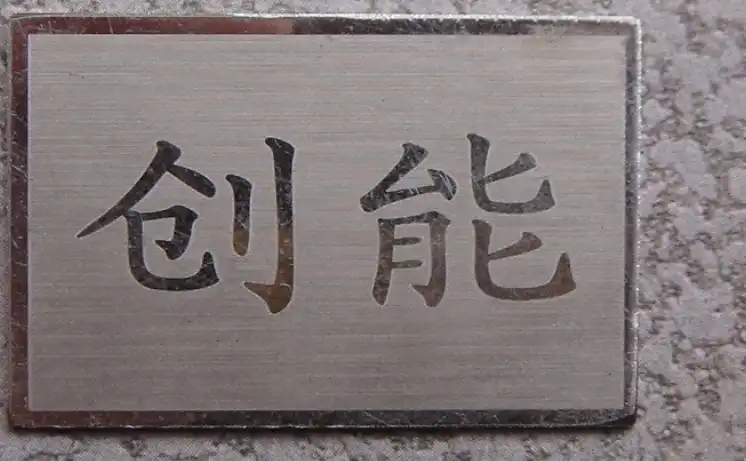
Material Compatibility and Safety Considerations
Fiber lasers are great at leaving marks on metals like stainless steel, aluminum, titanium, brass, and many alloys that are used for making cars, planes, and other things. If the laser settings and the qualities of the material allow it, you can get lasting contrast by annealing the surface, carving it, or changing its color. Fiber laser writing also works well on high-density plastics like ABS and PVC, which means it can be used on more things, like electronics housings and consumer goods. Laser safety glasses with an OD4+ rating are required for 1064nm wavelength protection, and most systems have safety interlocks that stop the laser from firing by mistake. Because handheld markers are portable, operators need to pay extra attention to beam path awareness. This is why they need to be trained before they can be used on active production floors.
Industrial Applications of Handheld Laser Marking Machines
Heavy Industrial Manufacturing Solutions
When making cars or heavy machinery, being able to mark big parts while they're in place cuts down on expensive material handling and production delays. Our clients use mini handheld fiber laser marking machines to engrave VIN numbers directly onto vehicle chassis frames without having to remove them from assembly jigs. When adding traceability numbers to heavy engine blocks, pressure tanks, or bridge steel structures, the portability is very helpful. With traditional fixed-position marks, you would need high cranes and special marking posts, which would slow down work. One manufacturing shop in the Midwest said that moving to handheld systems cut marking cycle time by 40%. This was because the team could mark parts during breaks in the welding process instead of doing it separately.
Telecommunications and Utility Infrastructure
Field service teams that are in charge of installing infrastructure have their own marking problems to solve. Transmission towers, utility poles, and installed pipe systems need to be permanently marked so that maintenance can be tracked and rules are followed, but these things can't be moved to a workshop. Standard work cars with portable generators or battery chargers power handheld laser markers that are taken to remote job sites. At the heights of cell towers, telecom workers label antenna mounts and waveguide systems with weatherproof barcodes and serial numbers that can last for years even when exposed to UV light and changing temperatures. Our units' DC24V power supply compatibility makes it easier to connect them to field equipment, and the built-in control system gets rid of the need for tethered computers, which aren't useful outside.
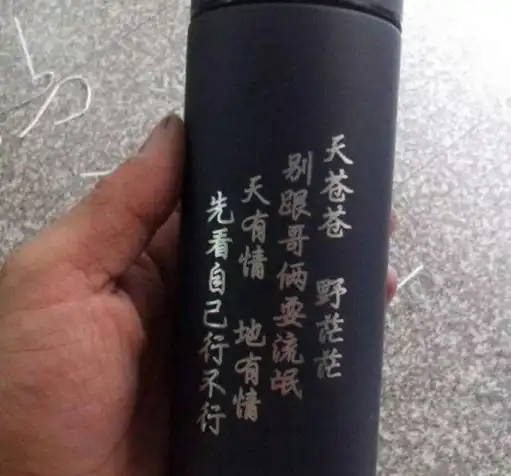
Custom Retail and Personalization Services
The retail personalization market has grown beyond standard printing shops to include stores where customers can see their purchases being personalized. High-end jewelry stores use portable fiber laser markers to engrave watches, rings, and other high-end accessories on demand. This turns a back-office task into a chance to interact with customers. These systems are good for places with customers because they are quiet and don't take up much space. They also don't need special airflow. At trade shows and events, pop-up kiosks let customers instantly personalize corporate gifts, promotional items, or commemorative plaques. While customers wait, the kiosk staff writes on the items. This application takes advantage of the machine's quick start-up time and ease of use, so store workers often don't need much technical training to get professional results.
Aerospace and Medical Device Traceability
Industries with a lot of rules need markings that last and can be read by machines, even in tough settings and after being sterilized. Manufacturers of aerospace parts use handheld systems to mark part numbers and batch codes directly on titanium structural elements and aluminum housings. This meets AS9100 traceability requirements without the risk of ink or chemical etching getting on the parts. Medical device makers also put UDI numbers on surgery tools, implant parts, and diagnostic equipment housings that can stand up to multiple autoclave cycles. Laser marking doesn't involve touching the surface, which is important for parts that are sensitive to wear in aircraft and medical devices that are biocompatible. Inspection data shows that laser-marked markers can still be read 100% of the time after being tested in harsh environments for 10 years or more.
How to Choose the Best Mini Handheld Fiber Laser Marking Machine
Analyzing Your Specific Application Requirements
Write down exactly what you need to mark to start your evaluation. The type of material affects how much laser power is needed. 20W systems work well for marking soft metals like aluminum, while 30W systems work better for deep carving or hardened steel. Think about what the standard character size is for your use. For most industrial serial numbers and date codes, a minimum character height of 0.15mm is fine, but systems that need to have better beam quality and focusing accuracy are needed for smaller text. Environmental factors are very important. For example, optical systems and housings that can handle heavy dust or wetness must be sealed and strong in workshops. If you're writing outside or in a place that isn't warm, make sure that the equipment's working temperature range works with the conditions. The amount of work you do affects whether you need the fastest marking speeds or can put other features ahead of them.
Evaluating Brand Reputation and Technical Support
When you buy laser marking equipment, it's an investment that will last for many years, and how well the manufacturer supports it is very important. Find out what kind of track record possible suppliers have in your business. For example, automakers need partners who know how to meet IATF 16949 requirements, and medical device makers need partners who know how to meet FDA quality system rules. Make sure that the maker provides complete technical paperwork in your language and quick technical help during the times that you need it. Lead time is important, especially for projects that need to be finished quickly. At Yuhui Laser, our 14-day production lead time works with tight project plans without forcing us to keep too much inventory on hand. The portfolio of certificates shows the quality standards for production. For example, CE and ISO 9001 certifications show systematic quality management, which means that tools will always work well and last a long time.
Comparing Performance and Total Cost of Ownership
The purchase price is only one part of the total cost of ownership. Figure out the estimated running cost per marked part by taking into account things like energy use, consumables, and repairs. Fiber laser sources usually have an operating life of 100,000 hours, which is about 11 years of constant use with little performance degradation. This means that they are much cheaper in the long run than lamp-based systems that need to be replaced often. The length of the warranty has a big effect on the total cost. At Yuhui Laser, our 450-day warranty period is longer than the industry standard and shows that we trust our equipment to work well. Check to see if the supplier includes operator training in the price or if it's an extra cost. Full training cuts down on mistakes that could damage expensive pieces of work. For buyers from wholesalers and original equipment manufacturers (OEMs), look into customization options like private labels, changing the software interface, and special fixtures that make your product stand out in crowded markets.
OEM and Customization Options for Distributors
If you're a distributor who wants to sell under your own name, OEM skills are very important. We offer private label solutions that let you sell mini handheld fiber laser marking machines with your company's logo, custom software interfaces, and user guides that are made just for your products. Customizing the structure takes into account the needs of each market. For example, European customers often want equipment that meets certain comfort standards, while Asian markets may value small sizes for workshops that don't have a lot of room. Customizing the equipment's functions lets it do more in specific situations. For example, it can add barcode verification systems or automatic marking sequence programming. Our technical R&D support for production line integration projects, such as custom mounting solutions and PLC communication protocols, is useful for distributors who work with automation integrators. With these customization services and open production options, you can set your product apart from others in the market and earn a higher price.
Maintenance Tips and Troubleshooting for Handheld Fiber Laser Marking Machines
Routine Preventive Maintenance Protocols
To keep the quality of the markings constant, you need to pay regular attention to key equipment parts. Once a week, use anhydrous ethanol and lint-free wipes to clean the protective lens. This will get rid of dust and processing residue that can spread the beam and make writing less clear. Once a month, check the optical path by making test marks and comparing the results to baseline samples. Gradual quality loss often shows that the lens is dirty or not aligned correctly before it is noticeable while the system is running. Manufacturer updates to software sometimes include better marking methods or bigger libraries of materials. Check for updates every three months and apply them during regular repair windows. The sealed fiber laser module doesn't need any upkeep on the inside, but make sure that the cooling air vents aren't blocked and that the temperature inside stays within the working ranges.
Common Issues and Diagnostic Approaches
When the quality of the writing gets worse, thorough troubleshooting quickly finds the root causes. Most of the time, an unstable power supply or thermal problems cause the laser output to be inconsistent. Check the input voltage stability and make sure that debris isn't blocking the flow of cooling air. Mark decline with missing letters or less contrast is often a sign of an issue with the focus distance. Use the provided gauge to re-calibrate the working distance and make test marks to make sure the focus is correct. Most of the time, problems connecting the handheld marker to the control unit are caused by damaged cables or contaminated connector pins. Check the cables for kinks or scratches and clean the pins on the connectors with an electronics-grade contact cleaner. The integrated control system keeps track of operational data that helps with diagnosis. Looking at error codes and marking parameters can help find patterns that are linked to quality problems. Our technical support team at Yuhui Laser can help with diagnostics remotely, which means that problems are often fixed without having to take the equipment offline for on-site service.
Extending Equipment Lifespan Through Proper Care
In addition to solving immediate problems, strategic practices extend the useful life of your investment. When not in use, keep the mini handheld fiber laser marking machine head in its safe case. This will keep the optical component from coming into contact with workshop dirt. To keep the wires from getting stressed, make sure they are routed with enough service loops to keep them from bending sharply when they are working normally. Write down all of your maintenance tasks and the results of any quality checks in an equipment logbook. This past data can help you figure out the best times for preventative maintenance and is useful if you need guaranteed service. Operator training has a big effect on how long equipment lasts, so make sure that everyone who works with it knows how to handle it correctly and can spot problems early on. Many of our long-term users say that by following these steps, they were able to get the full 5-year storage without any performance degradation. This proves that our product has a 1.5-times longer service life than competing goods.
Purchasing and Procurement Insights for B2B Buyers
Evaluating Sourcing Channels and Pricing Models
B2B buyers have to make smart choices about how to source products and services that affect both the cost of the purchase and the quality of long-term assistance. Online marketplaces make it easy to compare prices, but they might not have the technical support that is needed for complicated apps. Authorized distributors offer local support and demonstration services, but depending on the region, they may charge 30–40% more than the factory-direct price. When you buy directly from well-known factories like Yuhui Laser, you can get competitive prices. Our factory-direct model cuts out the middlemen and keeps full support through dedicated export teams that know how to serve foreign customers. Know the total landed cost, which includes shipping, customs taxes, and any local licensing needs. The terms CIF or DDP make these costs clear from the start. When you buy in bulk, you can often get even bigger discounts. Buyers who need a lot of units or who want to make annual purchases should ask for volume pricing when they first start negotiating.
Hidden Costs and Budget Considerations
The initial cost of the technology is the most obvious cost, but a full budget takes into account all of its costs, both to buy and to run. Shipping industrial laser equipment internationally can cost anywhere from 5 to 12 percent of the equipment's value, based on where it's going and how it's being shipped. Import taxes are very different from one country to the next. For example, the US currently charges 0-5.3% on laser marking equipment based on HTS codes, while EU countries may charge different amounts. You should set aside money for training for operators, which can be done through programs offered by the supplier or by technical schools outside of the seller. Proper training cuts down on expensive marking mistakes and increases production throughput. Having extra parts on hand for things like protective glasses and wires keeps things running smoothly. It's a good idea to set aside 10 to 15 percent of the value of the equipment as initial spares. Getting insurance for shipping and the first year of use will protect your investment in case something goes wrong. Many people who work in procurement find that when they do a full cost study, these factors make the total-cost benefit of direct factory buying even stronger for a mini handheld fiber laser marking machine.
Conclusion
The handheld laser marking technology solves the practical problems of marking big, fixed, or oddly shaped things that traditional fixed-position systems can't handle well. The mini handheld fiber laser marking machine has industrial-grade performance in a portable package. It can be used for marking on-site for heavy manufacturing, infrastructure projects, and personalization services for customers. To choose the right tools, you need to make sure that the technical specs match your materials and production needs, and you should look at makers' certifications, support options, and ability to make changes. The useful life of your investment is extended by proper upkeep and operator training. The total cost of ownership is minimized by smart procurement methods, especially direct factory sourcing. As manufacturing moves toward more flexible and adaptable systems, portable laser marking equipment is a strategic tool that improves traceability, operational efficiency, and competitive positioning in a wide range of industrial settings.
FAQ
1. What materials can a mini handheld fiber laser marking machine process effectively?
Handheld fiber laser markers work great on stainless steel, aluminum, titanium, brass, copper, and many other popular industrial metals. The 1064nm range creates lasting contrast by annealing, engraving, or ablation of the surface, based on the power settings and the qualities of the material. Fiber laser marking works well on high-density plastics like ABS and PVC as well. For wood, glass, and organic objects, CO2 or UV laser devices are usually better. Thickness of the material doesn't matter because marking only affects the top layer. You can mark sheet metal that is as thin as 0.3 mm or structural parts that are several centimeters thick and still get good results with a mini handheld fiber laser marking machine.
2. How does marking depth capability compare to traditional engraving methods?
Depending on the laser power, number of passes, and hardness of the object, fiber laser markers can usually mark thicknesses between 0.01mm and 0.5mm. This depth range works well for most industrial identification tasks where permanent marks need to be able to withstand handling and the elements without being too deep to weaken the structure. Traditional mechanical engraving can go deeper, but it wears down tools, needs to be changed out often, and the cutting forces can damage the piece being engraved. Chemical etching gets to the same depths, but it takes longer and uses dangerous chemicals. Laser marking doesn't touch the workpiece, so it doesn't put any mechanical stress on it. It also gives you accurate depth control even when the geometry is complicated.
3. What safety measures should operators follow when using handheld laser markers?
To protect their eyes from direct and reflected beams, operators must wear laser safety glasses with an optical density of 4+ or higher and a wavelength of 1064nm. In the work area, there should be the right kind of warning signs that say "active laser operations." Most current handheld systems have safety features like distance monitors that stop the laser from firing if the marking head isn't properly positioned against the object. Keep an eye on the beam path and make sure that people who are not working are not in the theoretical danger zone. Regular training on safe handling methods and how to shut down in an emergency makes sure that operations are safe in busy production areas where many things are going on at once.
4. Can these machines integrate with existing production management systems?
Handheld laser markers today usually work with standard industrial communication protocols, like USB, Ethernet, and serial interfaces, which let them connect to manufacturing execution systems and enterprise resource planning software. Systems can be set up to get marking information from central databases, which can instantly raise serial numbers or pull in variable data based on production plans. Some models allow you to use a barcode scanner to enter part identifiers, which starts marking patterns and reduces mistakes made by the user. Our Yuhui Laser equipment has an integrated control system that can be changed to meet specific data sharing needs. This is especially useful for automation integrators who are setting up full solutions for watching and tracking production lines.
Ready to Transform Your Marking Operations with Yuhui Laser
Shandong Yuhui Laser Technology Co., Ltd. has been specialized in laser technology for over six years and has advanced production skills. They offer mini handheld fiber laser marking machine solutions that meet the strict needs of industry customers around the world. Our gear comes with CE and ISO standards, THF4 military-grade lenses, and stable output performance that comes from a lot of testing. The 14-day wait time works for projects that need to be done quickly, and our factory-direct prices offer great value without sacrificing quality. We offer OEM and private labeling services for distributors who want to get a foothold in the market. Our customization services include making changes to the structure, adding new functions, and integrating smart automation. Get in touch with our export team at jianghui@yuhui-laser-tech.com to talk about your unique needs and get a quote for mini handheld fiber laser marking machine systems that are made to fit them.
References
1. Dahotre, N. B., & Harimkar, S. P. (2008). Laser Fabrication and Machining of Materials. Springer Science & Business Media.
2. Ion, J. C. (2005). Laser Processing of Engineering Materials: Principles, Procedure and Industrial Application. Elsevier Butterworth-Heinemann.
3. Steen, W. M., & Mazumder, J. (2010). Laser Material Processing (4th ed.). Springer-Verlag London Limited.
4. Migliore, L. (2016). Laser Materials Processing. CRC Press, Taylor & Francis Group.
5. Ready, J. F., & Farson, D. F. (Eds.). (2001). LIA Handbook of Laser Materials Processing. Laser Institute of America, Magnolia Publishing.
6. Kannatey-Asibu, E. (2009). Principles of Laser Materials Processing. John Wiley & Sons, Inc.
Contact us directly for customized solutions, quotations and long-term strategic cooperation.