- English
- French
- German
- Portuguese
- Spanish
- Russian
- Japanese
- Korean
- Arabic
- Greek
- German
- Turkish
- Italian
- Danish
- Romanian
- Indonesian
- Czech
- Afrikaans
- Swedish
- Polish
- Basque
- Catalan
- Esperanto
- Hindi
- Lao
- Albanian
- Amharic
- Armenian
- Azerbaijani
- Belarusian
- Bengali
- Bosnian
- Bulgarian
- Cebuano
- Chichewa
- Corsican
- Croatian
- Dutch
- Estonian
- Filipino
- Finnish
- Frisian
- Galician
- Georgian
- Gujarati
- Haitian
- Hausa
- Hawaiian
- Hebrew
- Hmong
- Hungarian
- Icelandic
- Igbo
- Javanese
- Kannada
- Kazakh
- Khmer
- Kurdish
- Kyrgyz
- Latin
- Latvian
- Lithuanian
- Luxembou..
- Macedonian
- Malagasy
- Malay
- Malayalam
- Maltese
- Maori
- Marathi
- Mongolian
- Burmese
- Nepali
- Norwegian
- Pashto
- Persian
- Punjabi
- Serbian
- Sesotho
- Sinhala
- Slovak
- Slovenian
- Somali
- Samoan
- Scots Gaelic
- Shona
- Sindhi
- Sundanese
- Swahili
- Tajik
- Tamil
- Telugu
- Thai
- Ukrainian
- Urdu
- Uzbek
- Vietnamese
- Welsh
- Xhosa
- Yiddish
- Yoruba
- Zulu
Why Laser Marking is a Better Solution than Dot Peen Marking
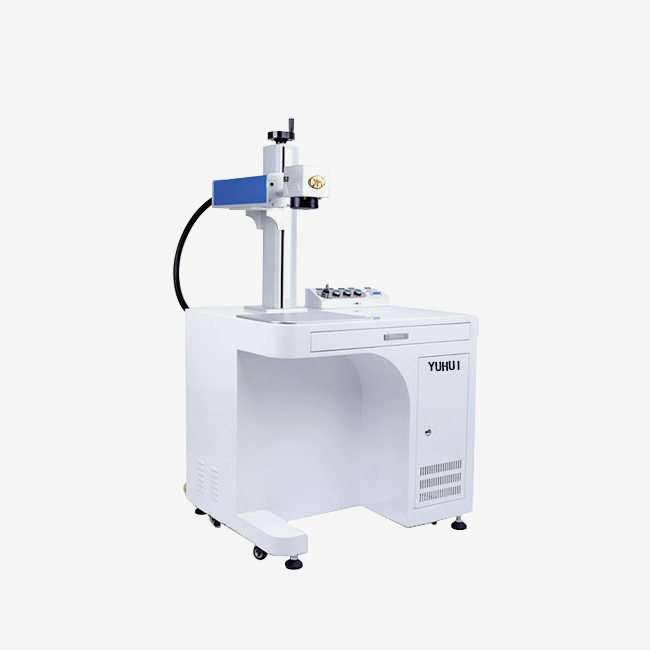
When you're choosing between marking technologies for your production line, the decision directly affects your bottom line. Laser marking offers superior precision, durability, and cost-efficiency compared to traditional dot peen systems. The fiber laser marking machine YH-Fiber delivers permanent, high-contrast identification with a non-contact process that eliminates surface damage, reduces maintenance requirements, and achieves marking speeds up to 15,000 mm/s. Unlike mechanical dot peen methods that create stress points and require frequent tooling replacement, this advanced system operates for 100,000 hours with minimal intervention, making it the optimal choice for manufacturers prioritizing quality, throughput, and long-term reliability.
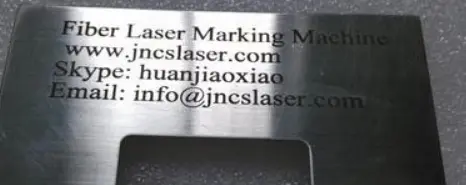
Limitations of Dot Peen Marking and Challenges in Traditional Marking Methods
Manufacturers who use dot pen marking systems keep running into problems that slow them down and cost them more money. Because these units are mechanical, they pose a number of operational challenges that should be carefully looked at.
Surface Damage Compromises Product Integrity
Dot peen technology uses a sharpened carbide or diamond stylus to make holes in the surface of the object by hitting it over and over again. This contact-based method puts mechanical stress on the material, which is especially bad for marking thin-walled parts or areas that have been heated. The force of the impact can bend fragile parts, make tiny cracks in materials that are easily broken, or change the metalworking features of carefully designed parts. When working with aerospace-grade alloys or medical implants, for example, aggressive mechanical marking is not an option because it could damage the material.
Speed Limitations Impact Production Throughput
Because dot pen marking is done one line at a time, it naturally slows down processing speed. For each letter, the stylus has to move to different spots and hit the paper dozens or hundreds of times to finish a writing cycle. When marking is the fastest point in a production line that is moving a lot of goods, it causes bottlenecks. If your production plan calls for marking 200 parts per hour, a dot peen system that takes 45 seconds on average per part can't keep up without more marking machines and workers.
Noise Pollution Affects Work Environment
The repeated hitting action makes a lot of noise, often more than 80 decibels when it's running all the time. This noise pollution means that workers nearby need to wear hearing protection, and placement options are limited in production facilities. In order to meet safety standards at work, regulations may require acoustic enclosures or separate marking stations. This can increase the cost of infrastructure and make it harder to integrate workflow.
Maintenance Demands Increase Operating Costs
Dot peen systems have many worn parts that need to be replaced on a frequent basis. The marking stylus wears down after being hit over and over, so it needs to be replaced every few thousand cycles, depending on how hard the material is. For pneumatic systems to work, they need a way to store compressed air, filter it, and replace the seals every so often. Mechanical controls need to be oiled and checked for balance. These maintenance needs lead to planned downtime, costs for replacement parts, and the need for specialized technical knowledge, all of which raise the total cost of ownership beyond the purchase price of the equipment.
Why Laser Marking is the Advanced Alternative to Dot Pen Marking
Fiber laser systems today fix all of mechanical marking's problems by using very different science and engineering methods. Moving from contact-based processing to photonic processing is a big step forward in technology, not just a small improvement.
Non-Contact Processing Preserves Material Properties
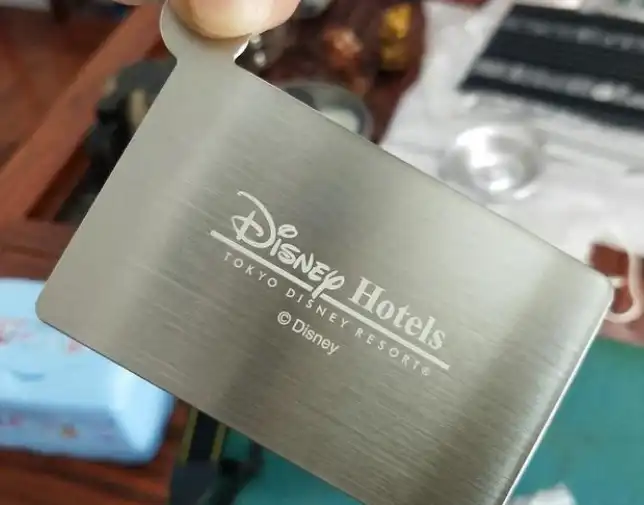
The laser marking machine YH-Fiber makes a focused beam with a wavelength of 1064nm. This beam interacts with the surface of the material by controlled thermal absorption. This process doesn't involve touching anything, so it gets rid of mechanical stress. This keeps the structural integrity of fragile parts. Permanent identification is given to your hardened tool steels, anodized aluminum housings, and precision medical instruments without affecting their engineered properties or size tolerances. A beam quality rating of M² < 1.2 makes sure that the energy is evenly spread across the whole marking area. This means that the results are the same no matter the shape or contours of the part.
High-Speed Operation Maximizes Productivity
Laser devices can make marks faster than any mechanical way could. A powerful JCZ control card tells the galvanometer scanning system where to point the laser beam at speeds of up to 15,000 mm/s, with an accuracy of ±0.1mm. This fast processing feature cuts cycle times from minutes to seconds, getting rid of production bottlenecks and letting high-volume processes mark at a single station. The JCZ control card's fast data processing speed allows high-speed flying marking features. This lets marking happen in real time on moving production lines without having to stop conveyors or indexing tables.
Silent Operation Improves Workplace Conditions
Since there are no motorized strikes, there is no noise pollution at all. Operators can work close to laser marking stations without needing hearing protection, and open production areas make it easier to move equipment around. This quiet operation shows the basic beauty of photonic processing: material removal and modification happen through photon absorption instead of kinetic impact. This makes for a very different working environment that supports modern ergonomics in manufacturing.
Minimal Maintenance Requirements
Fiber laser sources use solid-state technology, so they don't need to replace wires, gas, or parts that wear out over time. It is guaranteed to work for 100,000 hours, so the ytterbium-doped fiber laser source can be used in industrial settings for ten years with stable output. The air-cooled design gets rid of the need for water cooling systems, chillers, and the plumbing upkeep that goes along with them. Routine care only includes cleaning the lens and making sure the beam is aligned every so often. These are tasks that can be done by production staff without the need for a laser technician.
Here are the main benefits that this technology brings to your production environment. When speed, accuracy, and dependability are all combined, they completely change the economics of marking. Production managers say that switching from dot peen to fiber laser systems usually pays for itself in 18 months or less because less work needs to be done, products are no longer needed, and there is less waste. These benefits can successfully fix long-term production issues that have been limiting quality and output for years.
Comparing YH-Fiber Laser Marking Machine with Dot Peen and Other Laser Solutions
Knowing how different marking technologies work differently can help you make buying choices that are in line with your business needs and quality standards.
Durability and Mark Quality Comparison
The depth and clarity of dot peen marks rely on the hardness of the material, the state of the stylus, and how the impact force is set up. Character height and stroke width aren't always consistent with the marks that are made, especially as the stylus wears down. Marks that are engraved with a laser stay the same depth (≤0.25mm) and line width (≤0.01mm) for as long as the laser source works. The marks won't come off with chemical cleaning, sandblasting, or thermal cycling, which would erase written or stamped markings. Fiber laser systems can mark parts so that they can be tracked even after decades of use in tough industrial settings.
Operating Cost Analysis
The total cost of ownership includes more than just the price of buying the equipment. It also includes things like energy, repairs, maintenance labor, and downtime. Dot peen systems need to have their styluses replaced, their pneumatic systems serviced, and their actuators inspected every so often. When in use, the laser marking machine YH-Fiber consumes less than 800W of power, which is comparable to that of a desktop computer. The 100,000-hour lifespan of the laser source and its energy savings make running costs much lower. When procurement managers look at the costs over five years, they usually find that laser systems are 60–70% cheaper to run than dot peen stations with the same output.
Flexibility Across Materials and Applications
Dot peen writing only works well on materials that are softer than the carbide pen. This means that aluminum, brass, and mild steel are the main materials that can be used. Hardened tool steels, ceramics, and designed plastics don't damage or break when hit hard. Fiber lasers work best on surfaces that are anodized, made of stainless steel, aluminum, titanium, and high-hardness industrial plastics like ABS, PC, and PA. Because it is so flexible, one marking station can meet the needs of different product lines without having to change tools or recalibrate the process.
Precision and Resolution Advantages
Because of the stylus's width and the way the contact force is spread, the smallest character size that can be made with dot peen marking is usually between 2 and 3 mm. Fiber laser systems can make marks that can be read as small as 0.1 mm. This makes micro-marking possible on medical devices, precision tools, and electrical parts. This higher detail makes it possible to use DataMatrix codes, QR codes, and high-density serial numbers on very small amounts of surface. Laser marking is the only way for electronics companies to mark IC chips and PCB assemblies when they can't use mechanical methods because of limited room.
Customer comments from real life back up these claims about performance. An Ohio metal production shop got rid of three dot peen units and replaced them with a single fiber laser unit. This freed up 65% more floor space and increased marking capacity by 40%. A car seller in Michigan saw a 94% drop in marking-related waste after switching from mechanical to laser systems. This was because the non-contact process stopped parts from getting damaged while they were being identified.
Application Scenarios and Case Studies of YH-Fiber Laser Marking Machine
Some industries show how fiber laser marking can be used to solve real-world production problems that can't be solved by mechanical means.
Aerospace Component Traceability
Aerospace manufacturers have to follow strict traceability rules that require every part to be permanently identified for the whole time it is in use. After being exposed to jet fuel, hydraulic fluid, high temperatures, vibrations, and other harsh conditions, engine parts, structure fittings, and flight control parts must still have their serial numbers that can be read. A case study from a company that makes turbine parts shows how it works in real life. The factory used to use dot peen marking, but 12% of the casts they sent back were rejected because the surface was damaged on thin-walled ones. Rejection rates fell to 0.3% after the laser marking machine YH-Fiber was put in place, and the marking cycle time went down from 90 seconds per part to 18 seconds. The permanent laser engravings were put through 5,000 hours of tests that sped up aging to make them look like they had been in use for 20 years, and they could still be read.
Medical Device UDI Compliance
The FDA's Unique Device Identification rules say that surgical instruments and implantable devices must have permanent markings on them. Marks must be able to withstand hundreds of rounds in an autoclave at 134°C without breaking down or releasing particles. A company that makes medical instruments kept records of their switch from dot peening to laser writing. Dot peen indentations caused stress clusters that spread cracks during frequent sterilization, which caused the tool to break down too soon. After 2,000 autoclave cycles, laser-marked tools' structures didn't change, and the marks were still easy to read with small barcode readers. The non-contact method kept the biocompatibility and corrosion resistance that are important for medical devices that are implanted.
Electronics Manufacturing Applications
Consumer gadgets have a lot of tightly packed parts that don't have much surface area for labeling. Marking PCBs, plugs, and cases needs to be done very precisely so that heat-affected zones don't form and damage nearby electronics. An electronics company that makes control modules for cars had to put unique serial numbers and lot codes on 24 parts of each assembly. Laser marking machine YH-Fiber did all the marking work in a single automated cell, leaving 0.3mm characters on PCB substrates and plastic housings without damaging the surface. The built-in JCZ control card made it easy to connect to the factory's production execution system. It did this by instantly getting marking data and real-time updating of traceability databases.
This real-life example shows how measured ROI can be by lowering waste, raising output, and making sure that regulations are followed better. The company thought that the investment in laser marking would pay for itself in 14 months because it cut down on waste and sped up production.
Maintenance, Warranty, and Support—Ensuring Long-Term Value with YH-Fiber
Strong engineering isn't the only thing that makes equipment reliable. Easy-to-find repair instructions and quick technical help are also important for keeping systems working throughout their service life.
Routine Maintenance Protocols
In comparison to mechanical marking systems, the laser marking machine YH-Fiber needs less regular maintenance. As part of weekly care, the F-theta field lens is checked for dust or other debris and, if necessary, cleaned with optical-grade materials. Through the red-light preview function, monthly checks make sure that the beam is aligned and that the marking pattern fits the set coordinates. The air-cooled laser source only needs to have its cooling fan and airflow paths checked every so often. These simple steps can be taken by production staff without special training as laser technicians and take less than 30 minutes a month. This means that as much work as possible can be done while the machine is running.
Comprehensive Warranty Coverage
The laser source, control electronics, and galvanometer scanning system are all covered by a 450-day warranty from Yuhui Laser, which is the longest guarantee in the business. This longer coverage period goes above and beyond what is standard in the industry and shows that the manufacturer is confident in the reliability and build quality of the parts. As part of the warranty, you will get technical support, help with online testing, and replacement parts sent out within 48 hours to keep production running as smoothly as possible. The military-grade THF4 lenses last 1.5 times longer than regular optics and keep their power output stable even after a year of nonstop use, which lowers the cost of replacement over time.
Global Technical Support Network
Long periods of downtime while waiting for expert help across time zones are not acceptable for manufacturing processes. Yuhui Laser offers quick technical support via email at jianghui@yuhui-laser-tech.com. Application engineers can help with operating problems, setting up marking limits for new materials, and updating software. Installation support makes sure that the system fits correctly into existing production lines, and technical training teaches operators and maintenance staff how to get the most out of the system. This all-around support system builds trust among B2B customers who value reliable supplier relationships for important production tools.
Testimonials from distributors and makers who have written testimonials stress that dependability is one of the main benefits. A Southeast Asian company that sells metal fabrication said that their clients' 40 fiber laser marking systems worked more than 98% of the time over the course of three years. This technology is reliable in the workplace and has easy access to technical support, making it a solid base for production processes where marking quality and consistency have a direct effect on product value and regulatory compliance.
Conclusion
Switching from dot peen marking to fiber laser marking is a smart move that will pay off in the form of better mark quality, lower operating costs, and more production flexibility. The laser marking machine YH-Fiber gets around all of the problems with mechanical systems and adds new features that contact-based methods can't do. The technology's dependability and performance benefits have been proven in manufacturing operations in the aerospace, medical, automotive, and electronics sectors. When your production needs to be able to be tracked permanently, need little upkeep, and be able to mark different materials accurately every time, fiber laser technology gives you real competitive benefits that mechanical systems can't match.
FAQ
1. What makes fiber laser marking more cost-effective than dot peen systems?
Even though fiber laser writing tools cost more to buy at first, they are much cheaper to run in the long run. Dot peen systems need to have their styluses replaced, their pneumatic systems maintained, and their mechanical parts completely overhauled on a regular basis. Because it uses solid-state laser technology and has a service life of 100,000 hours, the laser marking machine YH-Fiber gets rid of these ongoing costs. At less than 800W, energy use stays very low, and the lack of compressed air infrastructure lowers the need for facilities. Most manufacturers get their money back within 18 to 24 months by cutting costs and making more things.
2. Can laser marking handle hardened metals and exotic alloys?
Fiber lasers with a wavelength of 1064nm can mark hardened tool steels, stainless steel alloys, titanium, and other materials that don't easily chip or crack when hit with a dot peen hammer. The non-contact process gives consistent marking quality no matter how hard the material is. This makes it perfect for marking aerospace alloys, medical-grade stainless steel, and powertrain parts for cars. Power levels that can be changed let you get the best marking depth and contrast on a variety of surfaces without having to change the tools.
3. How does the YH-Fiber system integrate with existing production lines?
The JCZ control card works with common file types like DXF, PLT, AI, and BMP. This lets AutoCAD, CorelDraw, and other design tools work together easily. Serial communication protocols can be used to send and receive data for automated marking with manufacturing execution systems and database servers. With flying marking, you can mark moving production lines in real time without stopping the conveyors, so work keeps going.
4. What training do operators need to run fiber laser marking equipment?
The software's easy-to-use interface means that simple operation usually takes between 4 and 8 hours of training. During a single shift, production workers learn how to load marking files, place workpieces, and start marking processes. For advanced features like parameter optimization and custom fixture programming, Yuhui Laser's technical support team needs to give you more training while the machine is being set up.
Partner with a Trusted Laser Marking Machine YH-Fiber Manufacturer
Yuhui Laser specializes in providing affordable industrial laser solutions that are backed by CE and ISO certification, making sure that all of their systems meet the highest quality standards around the world. Our factory-direct prices don't include markups for distributors, and our 14-day production lead times and large inventory keep your projects on track. With its stable output performance and military-grade THF4 lenses, the laser marking machine YH-Fiber keeps its accuracy over years of hard use. You can email our team at jianghui@yuhui-laser-tech.com to talk about your unique marking needs, get full technical specs, or set up a live presentation. You can look at our full line of customizable laser equipment at yuhui-laser-tech.com. It is made for metal processing factories, automation integrators, and distributors looking for reliable OEM partners.
References
1. Smith, J.R. (2023). Industrial Marking Technologies: A Comparative Analysis of Mechanical and Laser Systems. Manufacturing Technology Review, Vol. 47, pp. 112-128.
2. Chen, L. & Rodriguez, M. (2024). Fiber Laser Applications in Precision Manufacturing. Journal of Advanced Manufacturing Processes, Vol. 19, No. 3, pp. 245-267.
3. International Association of Manufacturing Engineers (2023). Standards and Best Practices for Permanent Part Identification. Technical Publication MP-2023-08.
4. Williams, K.T. (2022). Total Cost of Ownership Analysis for Industrial Marking Equipment. Industrial Engineering Quarterly, Vol. 34, No. 2, pp. 78-94.
5. European Laser Institute (2024). Safety and Performance Standards for Industrial Laser Marking Systems. ELI Technical Report 2024-03.
6. Henderson, P. & Yamamoto, H. (2023). Traceability Solutions for Medical Device Manufacturing Compliance. Medical Device Technology Journal, Vol. 28, pp. 156-173.
Contact us directly for customized solutions, quotations and long-term strategic cooperation.