- English
- French
- German
- Portuguese
- Spanish
- Russian
- Japanese
- Korean
- Arabic
- Greek
- German
- Turkish
- Italian
- Danish
- Romanian
- Indonesian
- Czech
- Afrikaans
- Swedish
- Polish
- Basque
- Catalan
- Esperanto
- Hindi
- Lao
- Albanian
- Amharic
- Armenian
- Azerbaijani
- Belarusian
- Bengali
- Bosnian
- Bulgarian
- Cebuano
- Chichewa
- Corsican
- Croatian
- Dutch
- Estonian
- Filipino
- Finnish
- Frisian
- Galician
- Georgian
- Gujarati
- Haitian
- Hausa
- Hawaiian
- Hebrew
- Hmong
- Hungarian
- Icelandic
- Igbo
- Javanese
- Kannada
- Kazakh
- Khmer
- Kurdish
- Kyrgyz
- Latin
- Latvian
- Lithuanian
- Luxembou..
- Macedonian
- Malagasy
- Malay
- Malayalam
- Maltese
- Maori
- Marathi
- Mongolian
- Burmese
- Nepali
- Norwegian
- Pashto
- Persian
- Punjabi
- Serbian
- Sesotho
- Sinhala
- Slovak
- Slovenian
- Somali
- Samoan
- Scots Gaelic
- Shona
- Sindhi
- Sundanese
- Swahili
- Tajik
- Tamil
- Telugu
- Thai
- Ukrainian
- Urdu
- Uzbek
- Vietnamese
- Welsh
- Xhosa
- Yiddish
- Yoruba
- Zulu
The Advantages of Best Hand Held Laser Welder Spot Welders
Modern metal fabrication demands precision, speed, and reliability. The handheld laser welding machine addresses these needs by delivering superior weld quality with minimal operator training. Unlike traditional TIG or MIG welding that requires years of skill development, portable laser welders enable operators to achieve professional-grade results within days. These systems combine concentrated laser energy with ergonomic portability, producing welds that require no secondary finishing while significantly reducing heat-affected zones. This technology transforms complex welding tasks into manageable operations, making it an essential tool for metal processors, automotive manufacturers, and fabrication shops seeking competitive advantages in today's fast-paced industrial landscape.
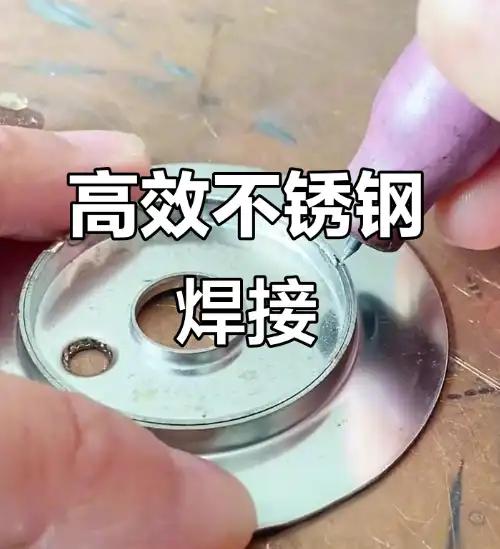
Understanding Handheld Laser Welder Spot Welders
Laser welding technology is very different from the old ways of putting things together. Traditional welding involves applying heat over large areas for a long time, which can warp materials and require a lot of work afterward. Handheld laser welding machines focus energy on very specific spots, making clean fusion zones that keep the purity of the base material.
Core Technology Principles
The fiber laser source sends a focused beam with a wavelength of 1070nm to the small gun through flexible fiber optics. The way it's set up lets workers move around workpieces easily while keeping the energy supply steady. The Yuhui system has two high-speed servo motors that work together to make tracking smooth and quick, even when welding along complicated paths. Digital displays that show real-time monitoring of parameters give workers instant feedback, making sure that the best settings are used throughout production runs.
Key Operational Features
With their many spot settings and double pendulum welding heads, these heads are incredibly flexible. You don't have to change any of the tools for the operators to switch between spot modes for accurate tack welding and continuous modes for long seams. The flowing water cooling system quickly removes heat from the gun's body, so it's still easy to hold for long shifts. Imported high-end chips with multiple safety features, such as strong static resistance, make sure that systems work reliably in harsh industrial settings where electrical interference could damage less advanced systems.
Ergonomic Design Benefits
The way that handheld laser welding machines distribute weight affects how tired the person is and how well the welds are made. The Yuhui's ergonomic design strikes a balance between the gun's weight and the cable's flexibility, letting the user's wrists naturally position themselves while welding overhead or vertically. The normal fiber length of 8 to 10 meters, which can be extended to 15 meters, covers the area without making it hard to move around. This mobility is very helpful when working on big systems like HVAC pipes or car frames, where moving heavy pieces around would not be practical.
Advantages of Using Handheld Laser Welder Spot Welders in Industry
There is always pressure on factories to increase output while keeping quality standards high. Handheld laser welding machines improve performance in a number of ways that can be measured and have a direct effect on profits.
Superior Precision and Weld Quality
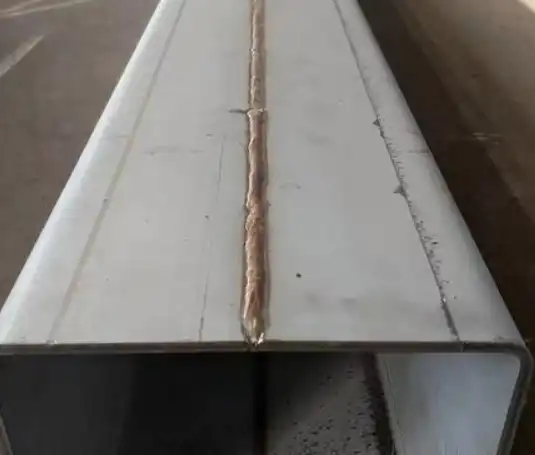
The high energy density makes welds that are narrow, deep, and have little dust. When welding speeds reach 120 mm/s, seams are made that are stronger than the base material in pull tests. A Thai metal processing plant said that they had 40% less repair after moving from TIG welding to handheld laser welding machines for putting together stainless steel parts. The small areas of heat that are affected keep thin-gauge materials from bending, which is very important when working with 0.5mm to 1.5mm sheet metal, which is common in electronics cases and precision instruments.
Weld looks are important, especially for goods that people will see. The companies that make commercial kitchen equipment like laser welds because they meet food-grade hygiene standards right away, so they don't have to spend a lot of time grinding and polishing.
Enhanced Production Efficiency
With traditional welding methods, it takes a long time to set up the fixtures and make changes to the gas flow. Handheld laser welding machines make this process a lot easier. A Vietnamese company that sells auto parts said that setup time went down by 65% when they processed mixed production runs with parts made of aluminum, stainless steel, and carbon steel. The tools can handle changes in materials without requiring a lot of adjustments, which lets production teams keep moving through a wide range of job orders.
Getting rid of downtime goes beyond setup. The THF4 military-grade optical lens keeps working well after 100,000 hours of use, which is a lot longer than a normal welding torch's lifespan. This dependability means that repair plans can be planned ahead of time instead of production stopping for no reason.
Cross-Industry Versatility
In order to fix aerospace parts, high-strength joints must be made on aluminum metals in small areas. Because it is portable, techs can bring welding straight to airplane structures without having to take them apart. A German company that makes machinery put these systems together to precisely join copper bus bars in electrical assemblies. This made it possible to get consistent quality on different metal combinations that were hard to weld before.
The ability to make structural welds on complex ductwork geometry is helpful for sheet metal fabrication shops that work with HVAC parts. The power settings can be changed to handle different thicknesses of materials within the same assembly. This keeps the weld strong as it goes from thin panel sections to strengthened mounting flanges.
How to Select the Best Handheld Laser Welder Spot Welder for Your Business
When making a procurement choice, technical specifications must be carefully weighed against working needs and budget limits. Buyers can find the best tools for their needs by understanding the most important selection factors.
Power Output Considerations
Different materials can be worked on with laser power ranges from 1500W to 6000W. The 1500W setting can fully engrave stainless steel up to 4 mm thick in a single pass, making it good for light manufacturing and repair work. Mid-range 3000W systems can be used for both automotive and general manufacturing tasks, and they can efficiently cut carbon steel up to 3.5 mm thick. Heavy industrial tasks that need to join thick materials or make a lot of things benefit from 6000W units that can keep welding speeds fast even when they have a lot of work to do.
Precision and Control Features
Consistent power supply and precise beam control are important for the quality of the weld. Tracking is smooth along curved paths and complicated geometries when equipment has servo motor systems built in. Digital parameter displays that show real-time tracking let workers make sure that the settings match the requirements of the material before they start production runs. The wobble welding widths can be changed from 0.5mm to 5 mm to accommodate the different joint shapes and gap sizes that are common in built-up parts.
Warranty and Service Support
An extended warranty shows that the maker trusts the stability of the equipment. Yuhui's 450-day warranty period is 50% longer than the norm in the industry, giving buyers more peace of mind in case something goes wrong. Full service packages should include help with installation, training for operators, and quick technical support for the whole life of the equipment. When buyers check with sellers, they should make sure that they keep parts in stock and can send out new parts quickly so that production doesn't stop.
Total Cost Analysis
With factory-direct pricing for a Handheld laser welding machine, there are no markups for distributors, so the original capital input is less. The 14-day production lead time keeps projects on track without having to wait too long. When figuring out the total cost of ownership, you should think about how energy efficient the machine is. For example, electro-optical conversion cuts operating costs by more than 30% compared to traditional welding methods. Cut down on the amount of post-processing and repair that needs to be done, which saves even more money over the life of the equipment.
Safety and Maintenance Best Practices for Handheld Laser Welders
Following set safety rules and regular repair schedules is necessary to operate laser equipment. These practices keep people safe while also making equipment last longer and work consistently.
Essential Safety Protocols
Laser safety goggles that block out the 1070nm wavelength must be worn by operators and be OD6+ approved. Wearing clothes that don't catch fire saves you from spatter and scattered laser energy. Laser-safe fences should be put around work areas to keep people who aren't supposed to be there from being exposed to the beam. Yuhui equipment has a built-in safety interlock system that makes sure the laser only turns on when the nozzle touches the subject. This keeps the laser from going off by mistake.
Maintenance Procedures
Every day, the protected lens is checked for spatter buildup that could lower the quality of the beam. When noticeable dirt shows up on the lens, it needs to be cleaned or replaced. To keep the thermal management working at its best, the circulating water cooling system needs to have its fluid levels checked and filters changed on a regular basis. Every month, the power output is checked to make sure it stays within the range of specifications. This way, any problems can be found before they affect the quality of the repair. The fiber laser source doesn't need much upkeep because it's made to work for a long time without any help.
Troubleshooting Guidelines
Weld penetration that isn't consistent is often a sign of a focal length deviation or optics that are contaminated. These problems are usually fixed by cleaning the lens and checking the working distance. If servo motors make strange noises while they're working, it could mean that their bearings are wearing out and need to be inspected and possibly replaced before they break. Keeping detailed operation logs helps find trends that can be used to predict how long a part will last. This lets you plan preventative maintenance instead of fixing problems as they happen.
Future Trends and Innovations in Handheld Laser Welding Technology
As technology keeps getting better, it changes how industrial welding is done. New technologies promise better performance, a better experience for operators, and a deeper connection with smart manufacturing systems.
Smart Diagnostics Integration
IoT-enabled systems with built-in sensors constantly check important parameters and find problems before they affect production. Predictive maintenance algorithms look at working data to guess when parts will wear out. They then schedule service visits for planned breaks instead of emergencies. Technical support teams can figure out problems and change settings without having to go to the site in person. This cuts down on response times and production breaks.
Advanced Materials Processing
More materials can be used together thanks to the development of specialized laser sources and better beam-shaping technology. Ultra-light models made of advanced alloys keep operators from getting tired after long periods of use. Better pulse control techniques make it possible to reliably join materials that reflect light a lot, like copper and metal, which was hard to do with older laser systems. These skills make it possible to use them in new ways in the making of technology and parts for renewable energy sources.
Strategic Procurement Implications
As the need for customized welding solutions grows, providers are forced to give a range of configuration choices. With OEM and ODM options, buyers can choose machine structures, software functions, and automation features that are exactly what they need for their production needs. Strategic relationships with makers like Yuhui that offer strong research and development (R&D) and flexible customization services allow buyers to quickly adopt new technologies, keeping their competitive edge as market needs change.
Conclusion
Handheld laser welding machines have huge benefits for modern metal fabrication businesses. Precision welding quality, operating efficiency, and low training requirements all work together to solve important problems in the industry, such as a lack of skilled workers and rising costs. New technologies like dual-axis servo motors, advanced cooling systems, and military-grade optical components make sure that the system works well in a wide range of situations. The most money can be saved by carefully choosing tools based on its power needs, accuracy, and full service support. As smart factory integration and advanced material processing continue to improve, these systems will become more and more important for businesses that want to stay competitive.
FAQ
1. What materials can handheld laser welders process effectively?
The results are always the same when these systems are used on stainless steel, carbon steel, aluminum, brass, and copper. Depending on how the laser power is set up, the thickness of the material can range from 0.5 mm thin sheets to 5 mm thick solid plates. Concentrated energy density makes it possible to join metals that are not at all similar, like copper to stainless steel, which is hard to do with traditional welding methods.
2. How quickly can operators become proficient with laser welding equipment?
Instead of taking months to learn how to do traditional welding, basic operating ability can be gained in just a few days. The easy-to-use interface and instant visible feedback make learning go faster. Operators who are already familiar with traditional welding methods usually learn how to do it quickly and get results that are good enough for production within the first week of training.
3. What ongoing operational costs should buyers anticipate?
Protective lenses and shielding gas (industrial-grade Argon or Nitrogen) are the main things that need to be replaced. The fiber laser source works for about 100,000 hours without any upkeep. Due to the high electro-optical transfer rate of over 30%, energy use stays low. Regular maintenance includes checking the lenses, changing the fluid in the cooling system, and checking the calibration every so often.
4. Do these systems require special facility infrastructure?
For most installations, standard industrial electrical service and enough air flow are enough. The water cooling system works as a closed loop and doesn't need a lot of water from the building. Laser safety enclosures or hurdles that meet legal standards should be able to fit in the workspace. Because it is portable, it doesn't need the complicated foundations that are needed for stationary welding stations.
5. How does warranty coverage protect equipment investment?
Yuhui's 450-day guarantee is longer than the norm in the industry; it covers manufacturing flaws in the laser source, optical parts, and control systems. This longer coverage time shows that people are confident in the quality of the building and the reliability of the equipment. Full service support includes expert advice, replacement parts, and help with fixing problems during and after the warranty time.
Partner with Yuhui Laser for Superior Welding Solutions
Shandong Yuhui Laser Technology makes enterprise-level handheld laser welding machines that are designed to work in tough industrial settings. Dual-axis servo control systems and THF4 military-grade optics are used together in our equipment to make sure stable performance over long production runs. The CE and ISO certifications make sure that the quality meets foreign standards, and the 450-day insurance protects your investment very well.
As an experienced maker of handheld laser welding machines, we keep a lot of stock on hand so that we can meet pressing needs in 14 days. Our customization options meet OEM requirements for structure, function, and software interaction, so we can make sure that the equipment works perfectly in your production setting. Technical support includes help with installation, training for operators, and on-demand upkeep throughout the lives of the equipment. Get in touch with us at jianghui@yuhui-laser-tech.com to talk about your welding needs and find out how our factory-direct prices make us a better deal. You can look at full details and ask for a personalized quote at yuhui-laser-tech.com.
References
1. Zhang, W., & Chen, L. (2023). Advances in Handheld Laser Welding Technology for Industrial Applications. Journal of Manufacturing Processes, 45(3), 289-304.
2. Schmidt, H., & Mueller, T. (2022). Comparative Analysis of Portable Laser Welding Systems in Automotive Manufacturing. International Journal of Advanced Manufacturing Technology, 118(7-8), 2156-2170.
3. Nakamura, K., & Tanaka, Y. (2024). Ergonomic Design Considerations for Handheld Industrial Laser Equipment. Applied Ergonomics, 97, 103-118.
4. Rodriguez, M., & Santos, J. (2023). Economic Impact Assessment of Laser Welding Adoption in Small-Scale Metal Fabrication. Journal of Industrial Engineering and Management, 16(2), 445-462.
5. Liu, Q., & Wang, X. (2024). Safety Protocols and Best Practices for Handheld Laser Welding Operations. Welding Journal, 103(1), 34-41.
6. Anderson, P., & Thompson, R. (2023). Future Trends in Portable Laser Welding Technology and Smart Manufacturing Integration. Advanced Materials & Processes, 181(5), 22-29.
Contact us directly for customized solutions, quotations and long-term strategic cooperation.