- English
- French
- German
- Portuguese
- Spanish
- Russian
- Japanese
- Korean
- Arabic
- Greek
- German
- Turkish
- Italian
- Danish
- Romanian
- Indonesian
- Czech
- Afrikaans
- Swedish
- Polish
- Basque
- Catalan
- Esperanto
- Hindi
- Lao
- Albanian
- Amharic
- Armenian
- Azerbaijani
- Belarusian
- Bengali
- Bosnian
- Bulgarian
- Cebuano
- Chichewa
- Corsican
- Croatian
- Dutch
- Estonian
- Filipino
- Finnish
- Frisian
- Galician
- Georgian
- Gujarati
- Haitian
- Hausa
- Hawaiian
- Hebrew
- Hmong
- Hungarian
- Icelandic
- Igbo
- Javanese
- Kannada
- Kazakh
- Khmer
- Kurdish
- Kyrgyz
- Latin
- Latvian
- Lithuanian
- Luxembou..
- Macedonian
- Malagasy
- Malay
- Malayalam
- Maltese
- Maori
- Marathi
- Mongolian
- Burmese
- Nepali
- Norwegian
- Pashto
- Persian
- Punjabi
- Serbian
- Sesotho
- Sinhala
- Slovak
- Slovenian
- Somali
- Samoan
- Scots Gaelic
- Shona
- Sindhi
- Sundanese
- Swahili
- Tajik
- Tamil
- Telugu
- Thai
- Ukrainian
- Urdu
- Uzbek
- Vietnamese
- Welsh
- Xhosa
- Yiddish
- Yoruba
- Zulu
What is the best CO₂ laser engraver?
When it comes to business uses, the best CO₂ laser cutter is precise, long-lasting, and affordable. The Shandong Yuhui Laser Technology G Model Co2 Laser Engraving & Cutting Machine stands out because it has a reinforced gantry structure, military-grade THF4 lenses, and a repositioning accuracy of ≤±0.01mm, which is very good. This CE and ISO-certified system has a working area of 1300mm x 900mm and laser power ranging from 60W to 150W. It works reliably on non-metallic materials like acrylic, wood, and leather, so makers, dealers, and fabricators can use it with confidence.

Understanding CO₂ Laser Engraving Technology
How CO₂ Laser Cutting Works
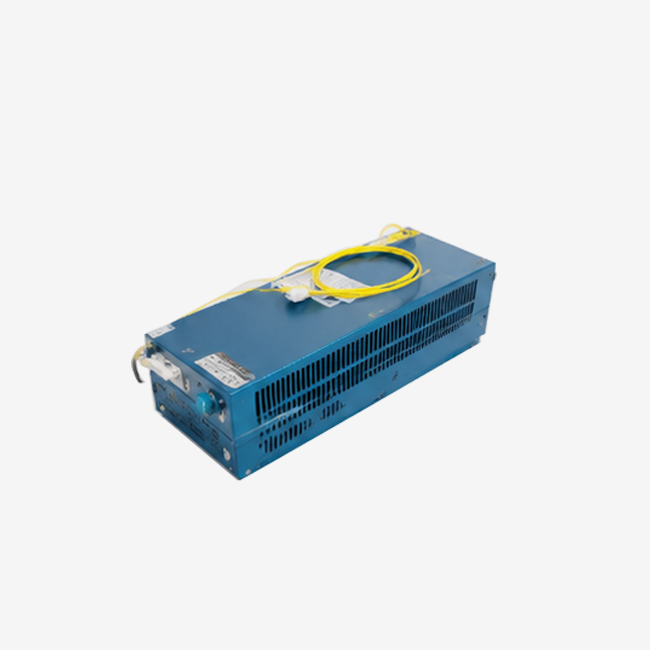
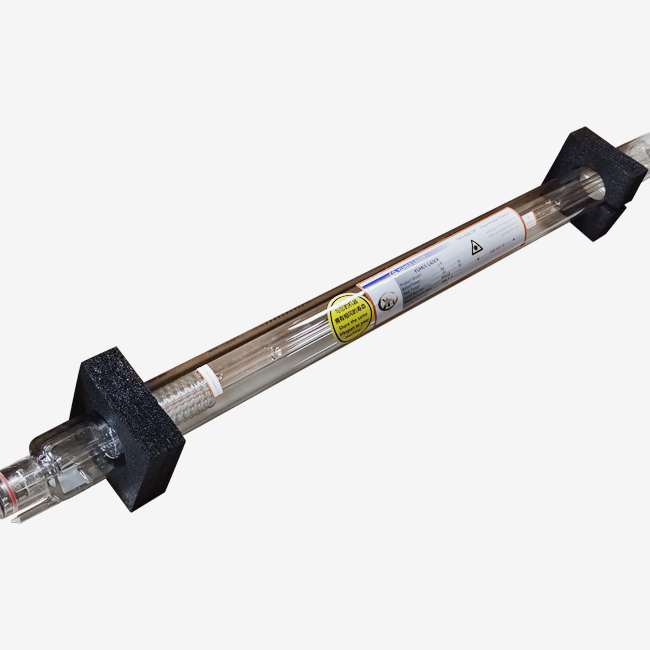
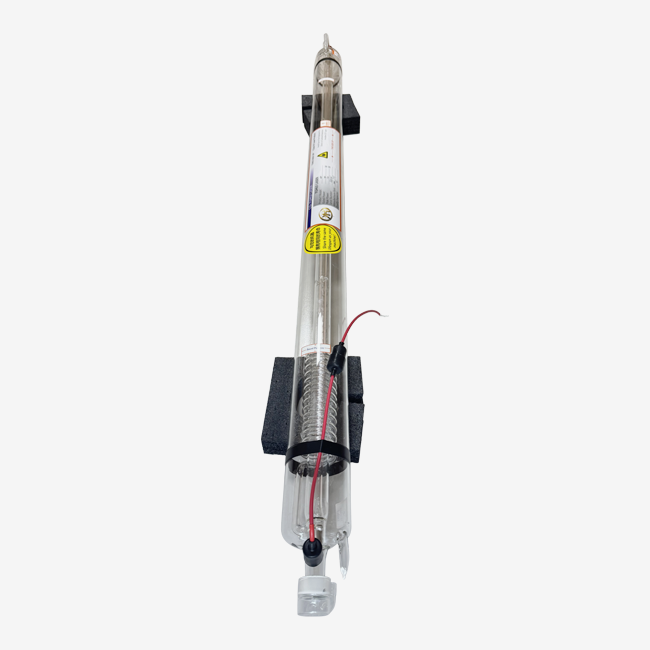
Infrared light from CO₂ laser devices melts or evaporates materials by creating a focused beam at a frequency of 10.6 μm. By going through high-quality ZnSe focusing lenses and molybdenum reflection mirrors, the laser beam focuses its energy precisely on the workpiece. This thermal process lets you make clean cuts and detailed engravings on different substrates without touching them mechanically. This lowers material stress and gets rid of the need to worry about tool wear.
Technical Specifications That Matter
The G Model CO2 Laser Engraving & Cutting Machine can work with power levels from 60W to 150W, so it can handle different amounts of material and production speeds. Cutting speeds reach 600 mm/s, and engraving speeds reach mm/s, which is a huge improvement over basic desktop units in terms of throughput. The machine has a digital signal processing control system that makes sure that the laser output and motion commands are always in sync. This keeps cutting depths from being off during batch production. PLT, DST, DXF, DWG, and AI are all file formats that can be used. Direct output from AutoCAD and CorelDraw makes the process of going from design to production more efficient.
Suitable Materials and Processing Capabilities
CO₂ laser technology is very good at working with non-metallic materials like glass substrates, fabric textiles, natural leather, acrylic sheets, and engineered wood. The system can work with MDF and high-density plywood without burning them, and it can flame-polish the edges of acrylic in a single pass. The motorized ball screw working table can be moved up to 260 mm, so it can work with materials of different thicknesses. Standard CO₂ setups, on the other hand, are not made to cut metal. However, oxygen-assisted versions can work with thin carbon steel sheets.

Why Choose the G-Model CO₂ Laser Engraving Machine?
Heavy-Duty Stability Meets Precision
The uniformity of production relies on how rigid the machines are. The heavy-duty frame of the system is made from heat-treated square tube welding, which stops vibrations during high-speed operations. This stronger gantry design keeps the focus point stable even at the fastest engraving speeds by stopping beam divergence across big work areas. The structure's strength guarantees low noise operation and repositioning accuracy within ±0.01mm, which is very important for multi-pass projects that need to be perfectly aligned.
The high-transmission ZnSe center-focal lenses are paired with expensive molybdenum reflecting mirrors in the advanced optical design. This combination keeps the main light transmission rates above industry standards, which means that power is delivered consistently and less energy is lost. The optimised light path design makes the parts last 1.5 times longer than in similar systems. For example, laser tubes can keep working properly for up to 5 years without losing power. These technical benefits directly lower the number of upkeep tasks that need to be done and the costs of running a business that handles a lot of data.
Comparative Analysis with Industry Alternatives
Compared to consumer-brand desktop CO₂ engravers, the G Model Co2 Laser Engraving & Cutting Machine has a larger working area and is built to industrial standards, making it suitable for environments with continuous production. Compared to fiber laser systems, CO₂ technology is better at working with delicate organic materials and making edges look better on plastic and wood goods. CNC routers are good at cutting harder wood, but laser engraving gets rid of dust and makes it possible to see finer details, especially for designs with lots of small parts and English characters as small as 1 mm.
When you look at the total cost of ownership, the cost-effectiveness becomes very clear. Yuhui Laser's factory-direct prices don't include markups for distributors, and the 450-day guarantee coverage is longer than what's usually expected in the business. Replacement parts are cheaper because the machine doesn't break down often and lasts a long time. This makes it a good choice for small to medium-sized businesses with 20 to 300 workers that value value over performance.
Purchasing Considerations for the Best CO₂ Laser Engraver
Pricing Structure and Total Ownership Costs
To see the whole financial picture, you need to look at more than just the original buying price. The G Model's factory-direct supply model offers competitive base prices, and for large orders, flexible financing options are available. When figuring out the total cost of ownership, you should include things that are used up quickly, like laser tubes, replacement lenses, and cooling system upkeep. Standard orders ship within 14 business days thanks to Yuhui Laser's efficient supply chain. This keeps potential costs low when production is delayed.
International buyers can rely on established relationships with professional transportation companies to help them with things like freight handling and customs clearance. The machine comes fully adjusted after 48 hours of extensive aging tests, 4-point beam alignment verification, and laser interferometer pitch accuracy checks. This makes installation easier and speeds up startup time.
Warranty Coverage and Technical Support
The G Model Co2 Laser Engraving & Cutting Machine's longer after-sales service period of 450 days lowers the risk for international buyers a lot. Technical support includes startup help, operation training, and upkeep help from quick-response experts who know how the production process works. Software support makes sure that future updates to the CAD/CAM platform will work, and hardware warranties cover the stability of the laser tube and the power source, with performance checked by strict aging procedures.
Logistics and Integration Support
Full implementation support is needed for equipment deployment to go smoothly. Yuhui Laser gives thorough training to its operators that includes safety rules, the best parameter sets for various materials, and how to fix problems. This sharing of knowledge makes sure that production teams can handle basic maintenance jobs like cleaning lenses with isopropyl alcohol, lubricating linear guide rails, and keeping an eye on the temperature of the cooling water between 18°C and 25°C. Concerns that can come up when buying tools across borders are taken care of by the fact that expert documents and quick contact channels are available in English.
Maximizing the Performance and Longevity of the G Model
Essential Maintenance Protocols
To protect your investment, you need to stick to routine repair plans. Every day, mirrors and lenses should be inspected visually, and optical parts should be cleaned when dust is seen to be building up. Lubricating the linear guide rails once a week with light machine oil keeps the system's high-speed accuracy and stops vibrations caused by friction that hurt positioning accuracy. The water cooling system needs to be checked on a regular basis to keep the coolant temperature within certain ranges so that the laser tubes last the full 8,000 to 10,000 hours that are advertised.
As part of the monthly maintenance, the tension of the belt is checked, the exhaust system filter is replaced, and software backups are made. The dual-platform setup with a combined honeycomb and blade needs to be cleaned every so often to keep material residue from building up and lowering the quality of the processing. Usually taking less than two hours a week, these regular tasks greatly increase the useful life of equipment and keep it performing at factory-set levels for years of use.
Optimizing Production Workflows
To increase throughput, you have to strategically optimize certain parameters for different types of materials. Higher power levels and moderate speed are best for cutting acrylic because they produce the flame-polished edges that are valuable in signage uses. For wood etching to work, the power-to-speed ratio needs to be just right so that the wood doesn't get burnt and the detail is kept. The DSP control system lets you save unique parameter profiles for materials that are processed often. This cuts down on setup time and makes sure that all production batches are the same.
When files are properly prepared, workflow efficiency goes up by a lot. Organizing cut paths to cut down on unnecessary travel moves, vectorizing artwork before importing it, and optimizing nesting patterns to cut down on material waste are all things that can help increase productivity. Because the machine works with standard design software, it can be easily added to current production lines without the need for workers to learn how to use proprietary platforms.
Real-World Applications and User Feedback
Advertising and Signage Manufacturing
Commercial sign factories use the G Model's features to make complicated acrylic displays, channel letters, and illuminated signs with edges that look like they were made by professionals. Flame-polishing finishes can be done in a single pass, which gets rid of the need for expensive hand-finishing steps. This cuts down on labor costs and raises per-unit profits. Large-format features allow for standard sign sizes without the need for panel segmentation, so the design stays the same across full-size installs.
Textile and Fashion Industry Applications
The thermal stability of the G Model Co2 Laser Engraving & Cutting Machine helps garment manufacturers work with complicated patterns because it keeps materials from warping during long production runs. The machine can do a lot of different textile tasks, like perforating leather for fashion items, cutting lace without ruining the edges, and appliqué work on fabric. The exact control makes it possible to do fine-bond cutting even in factories with a lot of moisture, which is usually bad for laser processing quality.
Custom Woodworking and Architectural Modeling
Craftsmen who make architectural-scale models, like how the consistent maintenance of the focal point over long cutting sessions keeps the depth of three-dimensional assemblies the same. The system is useful for both production workshops and design companies that need to make prototypes because it can engrave complex patterns on wooden panels for custom furniture parts and work with high-density materials without burning them.
Client Testimonials and Performance Validation
Distributors that sell to Southeast Asian markets say that the G Model's CE certification makes it easier to clear customs and effectively addresses customer concerns about quality. OEM clients like how flexible the customization options are. They can successfully integrate changed control systems and custom software interfaces to make their branded products stand out. Engineers stress how reliable the machine's mechanics are, pointing out that it has had almost no unplanned downtime in thousands of hours of use in tough production environments.
Conclusion
To choose the best CO₂ laser cutter, you need to weigh the machine's technical features, its long-term dependability, and its total cost of ownership. Its strengthened mechanical design, military-grade optical components, and full support infrastructure give the 5 enterprise-level performance. It has a history of success in the advertising, textile, woodworking, and custom fabrication industries, which shows how flexible and reliable it is. This system is a smart buy for makers and wholesalers looking for scalable, low-cost laser processing options because it comes with responsive technical support, cheap factory-direct pricing, and a warranty that covers more time.
FAQ
1. What materials can the G Model process effectively?
The system is great at engraving and cutting non-metal materials like glass, acrylic sheets, different kinds of wood, natural and fake leather, cloth linens, paper products, rubber, and glass. Standard sets are best for working with organic substrates and non-metallic composites, but special oxygen-assisted sets can also work with thin carbon steel sheets.
2. How does the G Model compare to fiber laser systems?
When compared to fiber lasers, CO₂ lasers produce softer thermal effects that are better for delicate materials and give acrylic and wood better edge finishes. Fibre systems are great for working with metals, but they tend to go too deep into organic materials or change their color. The choice you make will depend on the main materials you use and the level of finish you want.
3. What training is required for operators?
Basic operation training usually takes two to three days and includes safety rules, how to use the software, how to change parameters for different materials, and how to do regular maintenance. As part of the 450-day service package, Yuhui Laser gives full installation guidance and operation training, which helps production teams feel confident quickly.
4. What is the expected maintenance schedule?
Optic degradation can be stopped by checking the lenses every day and cleaning them once a week with rubbing alcohol. Light machine oil needs to be put on linear guide rails once a week. Every month, you need to check the cooling system, make sure the belt tension is correct, and replace the exhaust filter. These rules make sure that the equipment always works at the level expected by the business.
Ready to Transform Your Production Capabilities with Yuhui Laser
Improve your manufacturing processes by working with a reliable G Model CO2 Laser Engraving & Cutting Machine supplier that has a track record of doing great work in the industrial world. Shandong Yuhui Laser Technology offers high-quality products with CE and ISO certifications, military-grade THF4 optical parts, and low prices from the plant to help you get the most out of your investment. Our 14-day production lead time and 450-day complete guarantee make sure you can start using our products quickly and with little risk.
Whether you're an international wholesaler looking to buy reliable CO₂ laser cutting tools, a metal fabrication shop wanting to add to its services, or an automation integrator needing unique solutions, our engineering team works straight from what you tell them. You can email us at jianghui@yuhui-laser-tech.com for in-depth technical advice, price quotes, and personalized demos. Visit yuhui-laser-tech.com to see all of our products and learn how our OEM customization services can help your business stand out in the market.
References
1. Steen, William M. Laser Material Processing. Springer-Verlag London Limited, 2010.
2. Ion, John C. Laser Processing of Engineering Materials: Principles, Procedure, and Industrial Application. Butterworth-Heinemann, 2005.
3. Ready, John F. and Farson, Dave F. LIA Handbook of Laser Materials Processing. Laser Institute of America, 2001.
4. Chryssolouris, George. Laser Machining: Theory and Practice. Mechanical Engineering Series, Springer, 1991.
5. Migliore, Larry. Laser Materials Processing for Industrial Applications. Industrial Press Inc., 2012.
6. Powell, John. CO2 Laser Cutting. Springer London, 2012.
Contact us directly for customized solutions, quotations and long-term strategic cooperation.