- English
- French
- German
- Portuguese
- Spanish
- Russian
- Japanese
- Korean
- Arabic
- Greek
- German
- Turkish
- Italian
- Danish
- Romanian
- Indonesian
- Czech
- Afrikaans
- Swedish
- Polish
- Basque
- Catalan
- Esperanto
- Hindi
- Lao
- Albanian
- Amharic
- Armenian
- Azerbaijani
- Belarusian
- Bengali
- Bosnian
- Bulgarian
- Cebuano
- Chichewa
- Corsican
- Croatian
- Dutch
- Estonian
- Filipino
- Finnish
- Frisian
- Galician
- Georgian
- Gujarati
- Haitian
- Hausa
- Hawaiian
- Hebrew
- Hmong
- Hungarian
- Icelandic
- Igbo
- Javanese
- Kannada
- Kazakh
- Khmer
- Kurdish
- Kyrgyz
- Latin
- Latvian
- Lithuanian
- Luxembou..
- Macedonian
- Malagasy
- Malay
- Malayalam
- Maltese
- Maori
- Marathi
- Mongolian
- Burmese
- Nepali
- Norwegian
- Pashto
- Persian
- Punjabi
- Serbian
- Sesotho
- Sinhala
- Slovak
- Slovenian
- Somali
- Samoan
- Scots Gaelic
- Shona
- Sindhi
- Sundanese
- Swahili
- Tajik
- Tamil
- Telugu
- Thai
- Ukrainian
- Urdu
- Uzbek
- Vietnamese
- Welsh
- Xhosa
- Yiddish
- Yoruba
- Zulu
How to install a flt series CO2 laser tube in a cutting machine?
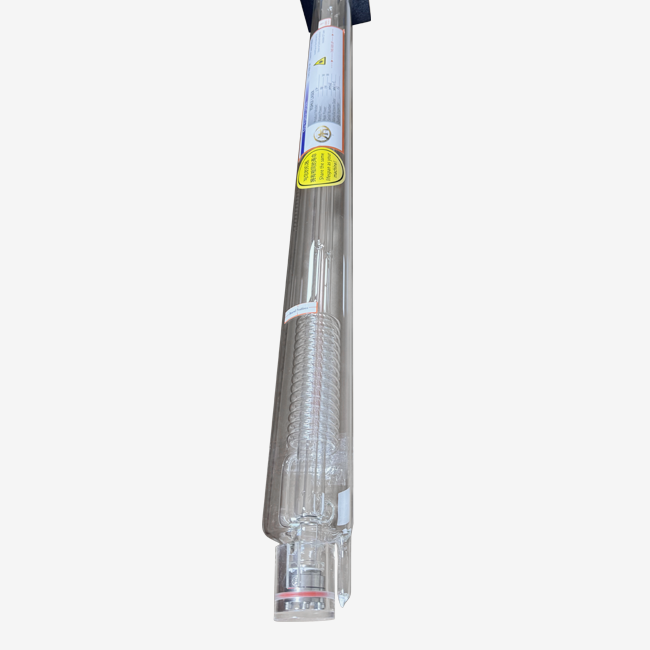
It might seem hard to put in an FLT Series CO₂ laser tube in your cutting machine, but it doesn't have to be. To get the best results and keep everyone safe, the process needs close attention to detail and the right way to handle things. When placed properly, this high-precision laser tube gives you a great beam and stable power output, which has a direct effect on how accurately you cut and how quickly you make things. The FLT Series is unique because it has a changeable alloy structure and a great heat-absorption design. This makes it a reliable choice for cutting and engraving non-metallic materials such as acrylic, wood, leather, fabric, and plastics in industrial settings.
Understanding the FLT Series CO2 Laser Tube and Its Role in Cutting Machines
The most important part of any laser cutting device is the CO2 laser tube, which turns electricity into focused light beams that cut and etch materials very precisely. The FLT Series CO₂ laser tubes make this basic process even better by adding high-tech features.
Technical Specifications That Matter
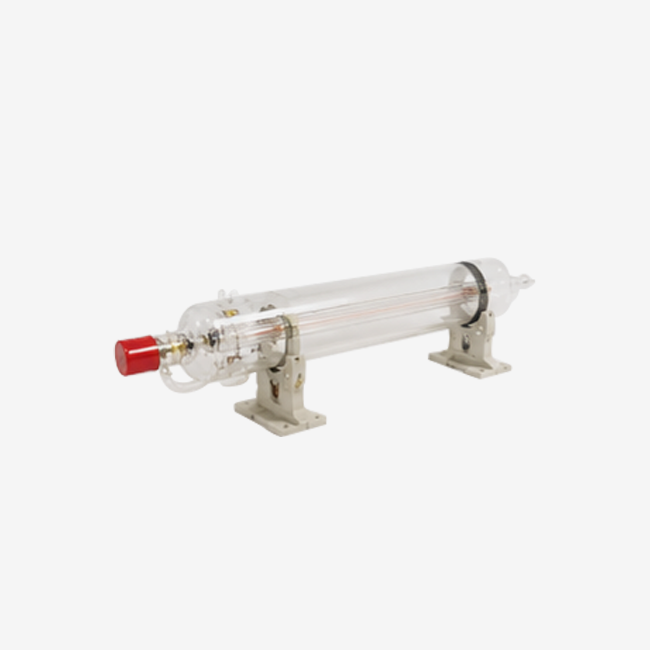
The FLT Series uses optimized resonator and optical component design to improve beam quality and create smaller focal spots, which makes processing very accurate. The tube is designed to maintain stable power output over extended operating periods with proper maintenance. These tubes are designed for extended service life compared with many standard CO₂ laser tubes on the market. When stored properly under recommended environmental conditions, the tubes can maintain stable performance for long periods before use. This trust is backed up by a 450-day warranty, which is much longer than the norm in the business.
Operational Advantages in Real-World Applications
The FLT Series is unique because you can use it with a lot of different materials. No matter if you're working with plastic, wood, leather, or fabric, the tube keeps its power output fixed over long periods of time. The high photoelectric conversion rate means that you will save energy and use less power, which will lower your long-term costs. It's easy to install and work with different laser machine types because the structure is small. This makes it a great choice for OEM uses and custom equipment builds. Non-contact processing keeps edges smooth and materials from deforming, which is important for keeping product quality high in tough production settings.
How It Compares to Market Alternatives
When compared to well-known names, the FLT Series' value offering is forceful. The cost-performance number stands out because it shows that lower purchase and upkeep costs do not sacrifice quality. Stable performance and a low failure rate cause less downtime and service calls. This is especially helpful for foreign wholesalers and mid-sized makers who need reliable equipment that doesn't require constant technical help.
Preparing for Installation: Essential Checks and Tools
You can avoid most installation problems by being well-prepared. It saves hours of fixing later if you take the time to check the parts and get the tools you need.
Pre-Installation Inspection Checklist
Check the shipping box for damage before you open it and start using your new laser tube. Once the tube is open, carefully check it for chips, cracks, or other physical flaws. Make sure that the tube comes with proof of paperwork, such as a power test report with a serial number verification. Compare the power level of the tube to the specs of your machine to ensure it will work. The FLT Series has different power levels, and making sure you match the right model to your cutting machine's electrical system will keep it running smoothly and avoid damage to the machine.
Required Tools and Safety Equipment
Before you start installing, make sure you have the following tools: an Allen key set, adjustable wrenches, screwdrivers (both sharp and Phillips), soft lint-free cloths, and clear water for the cooling system. Wearing safety glasses that are marked for laser wavelengths, thermal-resistant gloves when handling the tube, and anti-static wrist straps when working near electrical parts is a must. Make sure the machine is set up on a stable, level surface and that the work area is clean and well lit.
Compatibility Verification
Read the technical instructions for your laser cutting machine to learn how to set up the fixing brackets and what electricity it needs. The FLT Series CO₂ laser tubes have a small design that makes them compatible with most standard laser machine frames. However, to avoid last-minute problems, it is important to double-check the mounting hole alignment and gap dimensions. Check the power supply's specs, especially the voltage and current limits, to make sure they meet the needs of the tube. Please ensure that your cooling system can handle the tube's heat control needs.
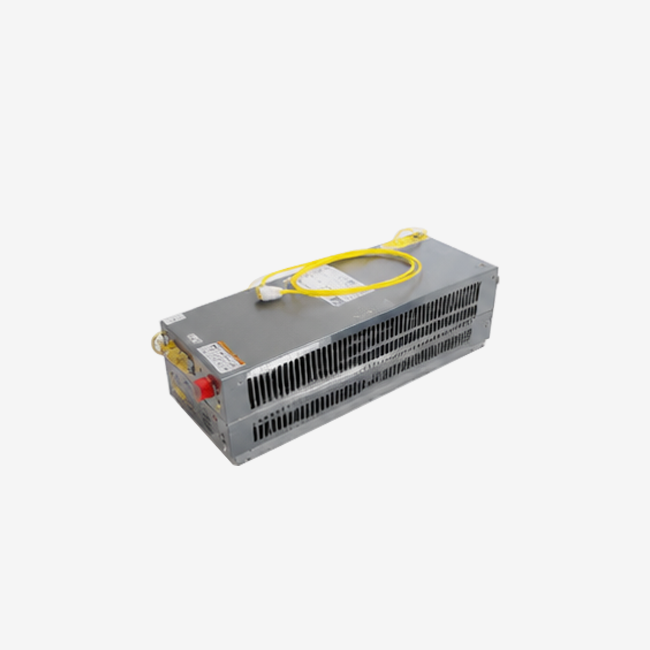
Step-by-Step Installation Process for FLT Series CO₂ Laser Tube
This step-by-step guide covers every important part of fitting so that your laser tube works correctly from the start.
Safety Shutdown and Preparation
Don't just turn off the power switch; disconnect the machine from the main breaker as well. Mark the switch to prevent it from being accidentally turned back on while you're working. If your machine's power source has capacitors, make sure they have enough time to discharge—usually at least 15 minutes. Use a voltmeter to make sure there is no power before moving on. Drain the cooling system if you're changing an old tube and put the coolant in a clean container if you want to use it again.
Removing the Old Tube (If Applicable)
Before you unhook anything, take a picture of where the current tube is and how it is connected. During reassembly, these reference pictures are very helpful. Carefully separate the water lines for cooling, and have absorbent cloths ready to soak up any water that is left over. Before you take off an electrical link, mark it with a label that includes the orientation information if needed. During the process, support the weight of the tube while you remove the fixing bolts or clamps. Because they are expensive and easily broken, CO2 laser tubes should never sit on hard surfaces or take shock hits.
Positioning and Mounting the New FLT Series Tube
Carefully place the new FLT Series CO₂ laser tube in the mounting frames while wearing clean gloves to keep your skin oils from getting on the tube. The adjustable metal structure lets you move it around a bit, but it will always stay in the position that the maker recommends. Don't overtighten the fixing clamps; doing so can create stress points that cause the tube to crack. Allow a small space for heat growth while the machine is running.
Achieving Precise Beam Alignment
Cutting quality is mostly determined by how well the beams are aligned. Place the tube so that the beam goes through the focusing lens and the middle of all the mirrors. At each mirror point, use alignment markers or thermal paper to make sure the beam is centered. The FLT Series' great heat-dissipation design helps keep alignment stable when temperatures change, but accuracy during initial setup is still very important. Small changes should be made to the mounting clamps, and the alignment should be checked again after each change.
Connecting Electrical and Cooling Systems
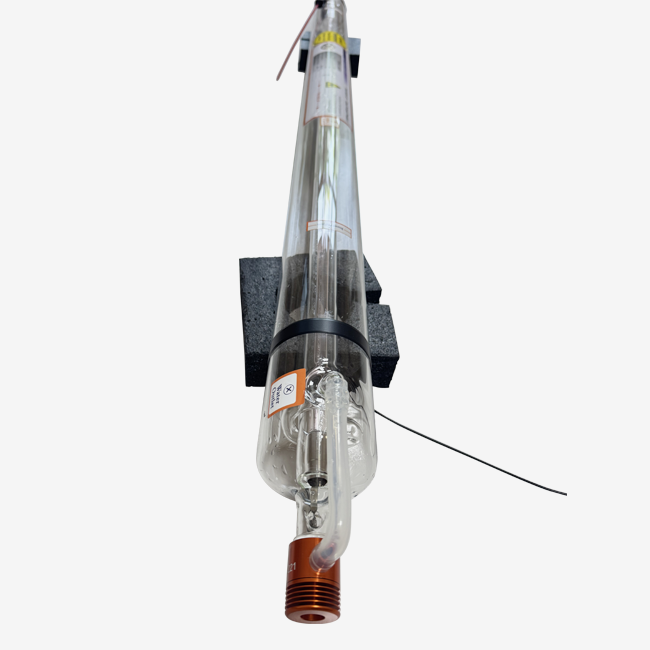
Connect the high-voltage power source cables to the tube electrodes, making sure that the polarity is right as shown on the tube and in the instructions that came with your machine. Arcing can hurt both the tube and the power source, so make sure the connections are tight. Wires should be run away from moving parts and sharp ends. Follow the arrows on the tube that show the direction of flow when connecting the cooling water lines to the right entry and exit ports. For best efficiency and durability, the FLT Series CO₂ laser tubes need constant coolant movement. To keep minerals from building up inside the cooling jacket, only use pure or deionized water. Before turning on the electricity, use the cooling pump to pressurize the system and look for leaks in all the connections.
Initial Testing and Calibration
After making sure all the connections are correct, turn on the power again and start the cooling system. Before turning on the laser tube, let the coolant flow for a few minutes. Keep an eye on the coolant temperature and keep it between 15°C and 25°C for best efficiency. Slowly raise the laser's power from its lowest level to its working level while watching how the beam behaves. When the FLT Series CO₂ laser tube is installed correctly, it can produce a stable and well-focused beam spot with smooth edges. Make test cuts on scrap material to check the quality of the cuts and change the power settings as needed for the sizes and materials you are working with.
Maintenance Tips for Extending the Lifespan of Your FLT Series CO2 Laser Tube
With regular upkeep, you can get the most out of your investment because the tube will last as long as it can and keep working well.
Routine Inspection and Cleaning
Inspections once a week find problems early, when they are easiest and least expensive to fix. Check the quality of the beam output by looking at the cut sides of your workpieces. If you see any wear and tear, that could mean there are problems. Check the cooling system to make sure the flow rate is right and the temperature stays stable. Use soft, lint-free cloths and the right cleaning solutions to clean the outside of the tubes. Don't use rough materials that can scratch the protection coats. The special optical lenses in the FLT Series should be cleaned by a professional every three months to keep their high-beam quality.
Monitoring Performance Indicators
Use a maintenance log to keep track of key efficiency data. Write down any changes in the cutting speed needed to get the same quality, any power settings that need to be raised to get the same results, or any strange noises that happen while the machine is running. The FLT Series CO₂ laser tubes keep their power output steady for long periods of time, so big drops in performance mean there are problems that need to be fixed. To keep electricity from leaking through the cooling jacket, check the conductivity of the coolant once a month and replace it if the numbers are higher than what the maker recommends.
Troubleshooting Common Issues
Power changes are often caused by cooling water that isn't clean or electrical connections that aren't tight. Before you blame the tube itself if the quality of the cuts suddenly gets worse, make sure the mirror is clean and the beam is aligned correctly. Problems with the cooling system show up as warming alerts or noticeable condensation on the outside of the tube. Take care of these right away, because heat stress makes tubes age faster. Misalignment of beams can happen over time due to regular shaking and temperature changes. Quality problems don't get worse over time when alignment checks are done every three months.
When to Contact Professional Service
Routine repair is something that most operators can do, but there are times when they need to call an expert. If the power keeps going out, the tube or wires look broken, the cooling jacket leaks, or there are any electrical arcs, you should call an authorized service center. The 450-day warranty that comes with FLT Series CO₂ laser tubes covers problems with the way they were made and equipment breaking down before it should if it is put and kept correctly. If you try to fix something without permission, you might lose the guarantee and put yourself in danger.
Conclusion
To properly install an FLT Series CO₂ laser tube, you need to pay close attention to safety rules, handle parts correctly, and use precise alignment methods. Taking the time to fix things the right way pays off in the long run by making the tools last longer, cutting better every time, and cutting down on maintenance costs. Superior engineering, such as a great design for removing heat, stable power output, and a wide range of material compatibility, makes the FLT Series CO₂ laser tubes a great deal. When these tubes are maintained regularly and their performance is checked, they give solid service that proves why they are the first choice for makers who want to save money while still getting good results. Yuhui Laser offers full insurance support and expert help to lower risk even more and make sure long-term operation goes smoothly.
FAQ
How long does installation typically take?
Installation by skilled workers takes two to four hours, which includes checking and making sure everything is lined up correctly. During the first update, it may take longer because you need to get used to the process. However, replacements that follow written steps go more quickly.
What safety protocols must I follow during installation?
Always turn off the power at the main switch and make sure there is no energy before you start working. Make sure you have the right safety gear on, like laser safety glasses, heated gloves, and anti-static protection. Never look straight into the direction of the laser beam or let reflections hit eyes that aren't covered. Make sure your workplace has enough airflow and fire extinguishers are easy to get to.
Can I upgrade my existing cutting machine with an FLT Series tube?
As long as the power ratings and physical measurements are the same, most standard laser cutting tools can directly replace or update to FLT Series CO₂ laser tubes. The small size and standard fitting design make it easy to connect to a variety of machine types. Before you buy, make sure that your machine's power source voltage and current capacity meet the tube's needs.
Partner with Yuhui Laser for Reliable CO₂ Laser Solutions
Yuhui Laser focuses on making high-quality, low-cost laser tools with the best customer service in the business. Our FLT Series CO₂ laser tube manufacturing process combines strict quality control with high-quality optical lens technology to ensure stable output performance. With a large inventory and a quick 14-business-day production wait time, we can meet tight project deadlines and support unique production based on your needs. Our long-term logistics relationships make sure that deliveries get to your site on time, no matter where in the world you do business. With 450 days of after-sales service, you can get expert help that keeps your equipment working well long after it was installed. By cutting out the middleman, factory-direct pricing helps reduce procurement costs while maintaining product quality standards. You can email our team at jianghui@yuhui-laser-tech.com to talk about your laser cutting needs, get more information, or set up a trial of our equipment. You can look through our full product list at yuhui-laser-tech.com and learn why makers, wholesalers, and automation developers around the world choose Yuhui Laser as their main provider.
References
1. Steen, W. M., & Mazumder, J. (2010). Laser Material Processing (4th ed.). Springer-Verlag London Limited.
2. Ready, J. F., & Farson, D. F. (Eds.). (2001). LIA Handbook of Laser Materials Processing. Laser Institute of America and Magnolia Publishing.
3. Powell, J. (1998). CO2 Laser Cutting (2nd ed.). Springer-Verlag London Limited.
4. Migliore, L. (1996). Laser Materials Processing. Marcel Dekker Inc.
5. Chryssolouris, G. (1991). Laser Machining: Theory and Practice. Springer-Verlag New York Inc.
6. Ion, J. C. (2005). Laser Processing of Engineering Materials: Principles, Procedures, and Industrial Application. Elsevier Butterworth-Heinemann.
Contact us directly for customized solutions, quotations and long-term strategic cooperation.