- English
- French
- German
- Portuguese
- Spanish
- Russian
- Japanese
- Korean
- Arabic
- Greek
- German
- Turkish
- Italian
- Danish
- Romanian
- Indonesian
- Czech
- Afrikaans
- Swedish
- Polish
- Basque
- Catalan
- Esperanto
- Hindi
- Lao
- Albanian
- Amharic
- Armenian
- Azerbaijani
- Belarusian
- Bengali
- Bosnian
- Bulgarian
- Cebuano
- Chichewa
- Corsican
- Croatian
- Dutch
- Estonian
- Filipino
- Finnish
- Frisian
- Galician
- Georgian
- Gujarati
- Haitian
- Hausa
- Hawaiian
- Hebrew
- Hmong
- Hungarian
- Icelandic
- Igbo
- Javanese
- Kannada
- Kazakh
- Khmer
- Kurdish
- Kyrgyz
- Latin
- Latvian
- Lithuanian
- Luxembou..
- Macedonian
- Malagasy
- Malay
- Malayalam
- Maltese
- Maori
- Marathi
- Mongolian
- Burmese
- Nepali
- Norwegian
- Pashto
- Persian
- Punjabi
- Serbian
- Sesotho
- Sinhala
- Slovak
- Slovenian
- Somali
- Samoan
- Scots Gaelic
- Shona
- Sindhi
- Sundanese
- Swahili
- Tajik
- Tamil
- Telugu
- Thai
- Ukrainian
- Urdu
- Uzbek
- Vietnamese
- Welsh
- Xhosa
- Yiddish
- Yoruba
- Zulu
How to know when a CO2 laser tube is bad?
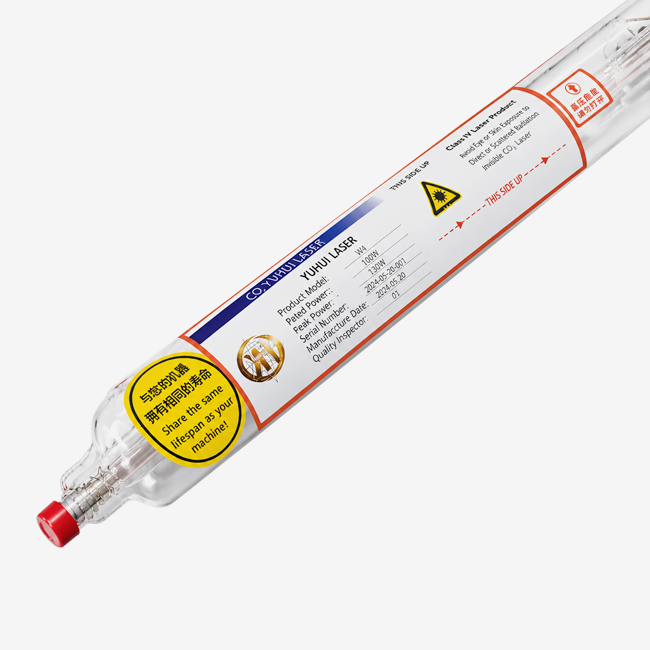
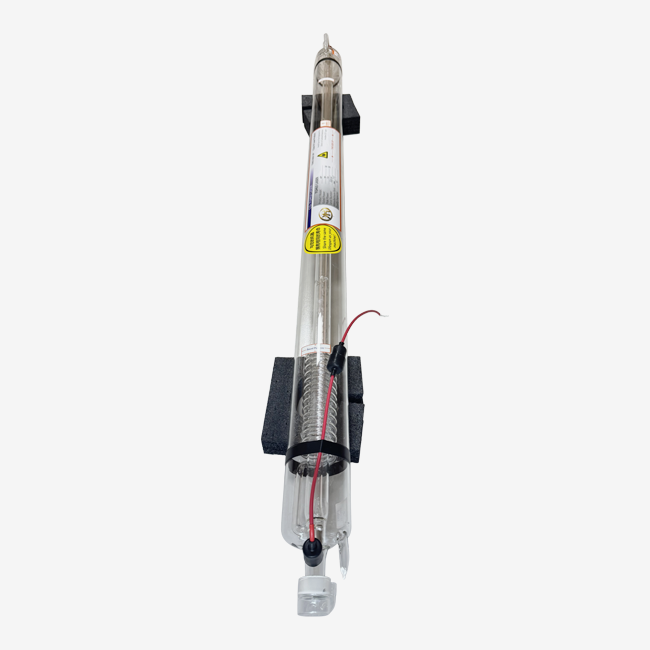
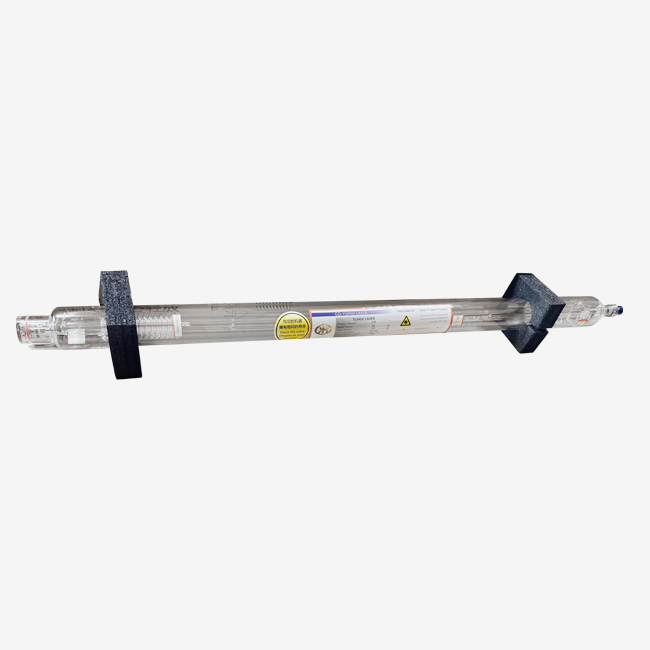
Maintaining production efficiency and avoiding costly downtime requires identifying CO2 laser tube failures. Reduced power output, uneven beam quality, frequent ignition failures, or obvious damage indicates a defective CO₂ laser tube. Advanced catalyst coatings and precision-engineered discharge tubes make the Z Series CO₂ laser tube's diagnostic indications crisper than regular tubes. Power drops below rated specs or engraving quality drops abruptly, indicating your laser tube needs repair or replacement.
Understanding the Problem: What Does a Bad CO₂ Laser Tube Mean?
A broken CO₂ laser tube disrupts manufacturing. A "bad" laser tube lacks the power, stability, and beam quality needed for precise processing.
Common Signs of Laser Tube Failure
Reduced laser power is the first sign. Your machine may struggle to cut previously easy materials. Processing speeds must be slowed due to irregular engraving depth. Instead of a round profile, the laser point may be uneven or extended.
Unstable operation is another indicator. The tube may flicker, take many efforts to start, or take longer to ignite. These signs indicate tube electrode wear or gas mixture deterioration.
Operational Impact on Production
Downstream impacts affect your whole manufacturing process. Charring or partial penetration on cutting edges increases quality control rejections. Mid-shift machine modifications or unplanned maintenance delay production. Operators spend more time troubleshooting than producing, raising labor expenses.
Root Causes of Tube Degradation
Natural wear is inevitable. Carbon dioxide, nitrogen, and helium gases are precisely mixed in CO₂ laser tubes. Without catalysts, discharge destroys these compounds over time. The Z Series CO₂ laser tube's unique catalyst coatings extend chemical equilibrium for a long time.
Ecological factors increase deterioration. High ambient temperatures exceeding 30°C stress glass and interior components. High humidity can taint gas mixtures with moisture. Scale accumulation in the cooling jacket causes hot patches that fracture glass due to poor cooling water quality.
Bad installations induce premature failure. Poor installation that doesn't support the tube at quarter-points causes mechanical stress. Wiring errors cause incorrect current levels, scorching electrodes more quickly. Air bubbles from water flow direction errors induce localized warming.
How to Diagnose When Your Z Series CO2 Laser Tube Is Bad
Systematic diagnosis reduces guessing and speeds resolution. The Z Series CO₂ laser tube design simplifies troubleshooting compared to generics.
Performance Indicator Assessment
Compare real power output against rated specs. A damaged 80W tube yields 50W at maximum current. The adaptable alloy construction and good heat dissipation design keep the Z Series CO₂ laser tube producing even after lengthy operation.
Check cut quality regularly. Sample your usual materials using established test patterns and compare findings to baseline samples from when the tube was new. Tube performance declines with increased kerf width, heat-affected zones, or incomplete cuts at typical speeds.
Keep track of ignition. When triggered, healthy tubes ignite within 2-3 seconds. Extended ignition delays or many fire attempts indicate electrode deterioration or gas pressure issues.
Visual Inspection Protocol
Check the tube's outside. Check the glass envelope for fractures, chips, or clouding. Examine the rear total reflector and front output coupler for damage. Even little optical junk greatly affects power transmission.
Check the discharge area while the tube is off. The gas within should be clean and reddish. Milky cloudiness or black deposits on interior walls indicate gas pollution.
Electrical Testing Procedures
Use an ammeter to measure operational current. The Z Series CO₂ laser tube works well at 26-28 mA. Tube deterioration has advanced if cutting performance requires current above 30 mA.
Verify voltage during operation. Gas depletion or electrode wear increases internal resistance in tubes that need high voltage to discharge. However, low-voltage tubes may contain internal shorts.
Software Diagnostic Tools
Diagnostic data from modern laser controllers is useful. Look for recurring power fluctuations, temperature alerts, and ignition failures in error logs. These patterns identify tube or supporting system issues, including power supply and cooling circuits.
Comparison: Z Series CO₂ Laser Tube vs Other Laser Tubes in Detecting Failures
Considering comparative benefits helps procurement teams choose equipment.
Durability and Lifespan Differences
Standard glass CO₂ tubes last 1,500–3,000 hours before power output drops. This operating lifespan is 1.5 times longer with the Z Series CO₂ laser tube's catalyst-enhanced gas mixture stability. One year of continuous use does not degrade power output.
RF-excited metal tubes last longer but cost more. The Z Series CO₂ laser tube fills this gap with increased durability at mid-sized manufacturer prices.
Failure Mode Characteristics
Glass tubes without catalysts lose power gradually and unpredictably. Operators may not detect deterioration until cutting quality is poor. More linear, predictable deterioration curves are in the Z Series CO₂ laser tube. Maintenance staff may arrange replacements proactively rather than after failures.
RF tubes usually fail abruptly. Although this prevents quality deterioration, it increases production interruption risk. The Z Series CO₂ laser tube provides extended steady operation and an unambiguous replacement warning.
Diagnostic Accessibility
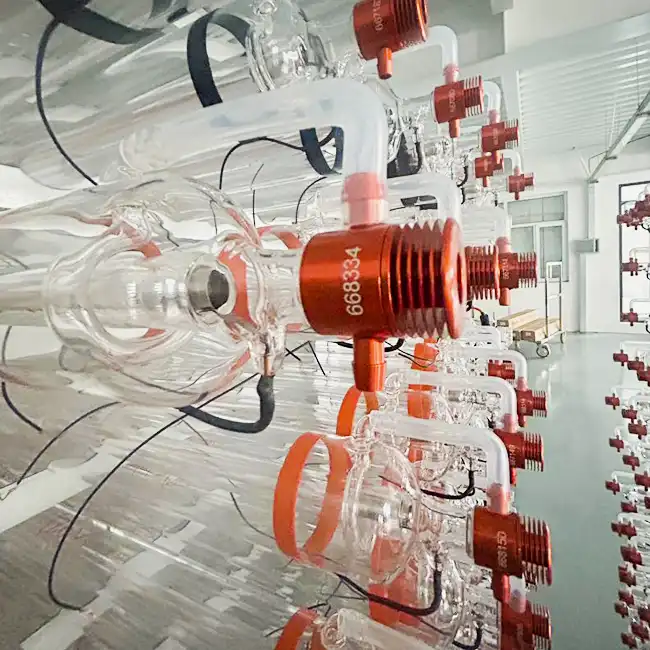
The Z Series CO₂ laser tube's small design and standard installation simplify physical examination. Cleaning optical surfaces requires minimal disassembly. Electrical connection points are industry-standard, so maintenance professionals know them.
Customer reviews praise the Z Series CO2 laser tube's easy troubleshooting. Distributors say clients want comprehensive documentation and simple diagnostic techniques that decrease technician need.
Maintenance and Prevention: Extending the Lifespan of Your Z Series CO2 Laser Tube
Laser tube investment returns are best with proactive maintenance.
Proper Installation Guidelines
Attach cushioned brackets at quarter-points along the tube. Weight is uniformly distributed, and mechanical stress is avoided. Face the water exit upward to release air bubbles during the first filling and prevent hot spots.
Connect bottom and top cooling water inlets and outlets. A natural convection orientation improves heat management. For gas mixture stability, use industrial-grade chillers with 20-25°C water temperatures.
Routine Maintenance Practices
Use anhydrous ethanol and lint-free cloths to clean optical surfaces weekly. Minimal contamination lowers power transfer efficiency. Regularly test cooling water. If water is murky or mineralized, replace it. Use distilled water to reduce scale.
Monitor laser machine surroundings. Keep room temperature at 30°C and humidity below 60% to avoid condensation and thermal stress. Ventilate to eliminate ozone and processing fumes that can taint optical components.
Preventative Troubleshooting
Quarterly inspect electrical connections for arcing, discoloration, and looseness. Check that the power source provides a steady 26-28 mA current. Excess current promotes electrode deterioration despite momentarily maintaining cutting performance.
Check cooling flow rates routinely. Reduced flow from pump wear or line blockages raises unsafe temperatures. Only when cooling water circulates effectively does the Z Series CO₂ laser tube's outstanding heat dissipation design optimize thermal management efficiency.
Report performance monthly. Monitor cutting speeds, power, and quality. The historical data shows slow changes that could go undiscovered until issues become serious.
Making Procurement Decisions: Buying and Replacing Z Series CO₂ Laser Tubes
Strategic buying meets current and long-term operating demands.
Selecting Appropriate Power Specifications
Match tube power to main uses. A 60W tube effectively engraves and cuts thin material. Processing thicker materials or needing greater throughput benefits with 80W or higher ratings. The Z Series CO₂ laser tube's consistent power output allows larger wattage options for long-term manufacturing runs.
Consider manufacturing growth. A somewhat bigger capacity gives your business operating space as it expands. This investment plan is appealing because of the Z Series CO₂ laser tube's excellent cost performance and cheap maintenance.
Verifying Authentic Products
Use only authorized dealers with serial numbers and manufacturer test results. Fake tubes lack the Z Series CO₂ laser tube's performance benefits of catalytic coatings and excellent optical components.
Obtain CE and ISO certifications. Yuhui Laser maintains quality certifications across all product lines to ensure consistent manufacture and performance. The THF4 military-grade lens in authentic units outperforms generics.
After-Sales Service Considerations
Carefully assess warranty coverage. The Z Series CO₂ laser tube has an industry-leading 450-day warranty. This extended coverage shows manufacturing confidence and safeguards your investment.
Check spare parts and technical help. Yuhui Laser has a big inventory for fast component replacement.
Real-World Procurement Benefits
Mid-sized distributors say working with established manufacturers streamlines their supply chain. Yuhui Laser's 14-day lead time helps distributors achieve client delivery requirements with reduced inventory. Factory-direct pricing boosts local competitiveness.
Automation integrators like customization. Instead of selling components, they provide full solutions through software updates, intelligent control system integration, and non-standard equipment combinations.
Conclusion
Know when to replace a CO₂ laser tube to maintain production quality and avoid costly downtime. Monitoring power output, assessing physical condition, testing electrical parameters, and tracking operating trends are viable early warning systems. Tube lifespan is greatly extended by cooling, optical cleaning, and environmental management. When replacement is needed, choose quality components from certified manufacturers for authentic items and assistance. Modern CO2 laser tubes are durable and easy to diagnose, making them excellent industrial workhorses.
FAQ
What is the typical lifespan of a Z Series CO₂ laser tube?
The Z Series CO₂ laser tube operates for 4,500–6,000 hours, 1.5 times longer than CO₂ tubes. Operating circumstances, maintenance, and duty cycle affect longevity. Continuous-shift machines naturally collect hours quicker but shouldn't degrade if cooling and electrical characteristics are within specs.
Can I replace a CO₂ laser tube myself, or do I need professional help?
Careful handling and optical alignment are needed to change tubes. Self-installation is possible with laser system technical competence, clear manufacturer instructions, and necessary equipment. Precision in optical path alignment is needed for best beam quality. Professional installation assures mirror orientation and electrical connections, eliminating danger to the new tube and surrounding components.
What warranty coverage should I expect when purchasing?
CO2 laser tubes from good manufacturers have 12-18 month guarantees. The Z Series CO₂ laser tube's 450-day guarantee covers manufacturing faults and premature failure, making it stand out. Proper installation, operation, and maintenance are usually required for warranties. Keep purchase dates and serial numbers for warranty claims.
Partner with a Reliable Z Series CO₂ Laser Tube Manufacturer
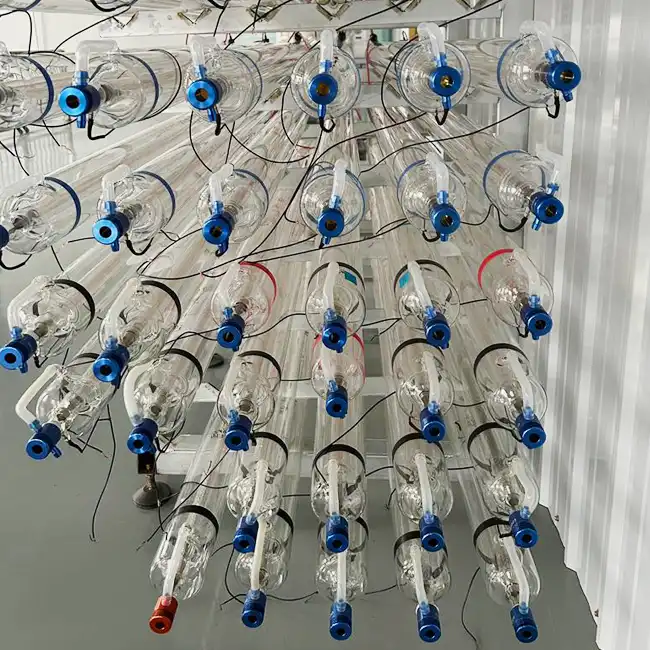
Yuhui Laser crafts industrial laser systems that combine performance, dependability, and affordability. We use customizable metal constructions, military-grade optical components, and superior heat dissipation engineering in our Z Series CO₂ laser tube. These qualities ensure beam quality, long lifespans, and little maintenance. We provide significant customization for specific applications and 14-day lead times on common setups due to our large inventory. You get more than equipment—you get a dedicated manufacturing partner with CE and ISO certifications on every component and 450-day warranty coverage. Talk to our technical staff at jianghui@yuhui-laser-tech.com about your laser processing needs and how our factory-direct pricing benefits Z Series CO₂ laser tube supplier agreements.
References
1. Chen, M., & Wang, L. (2023). Industrial CO2 Laser Technology: Principles and Applications in Modern Manufacturing. Optical Engineering Press.
2. Rodriguez, A. (2022). "Diagnostic Methods for CO2 Laser Tube Performance Assessment." Journal of Laser Applications, 34(4), 042015.
3. Thompson, R., & Kumar, S. (2024). Laser Maintenance and Troubleshooting: A Practical Guide for Industrial Operations. Manufacturing Technology Publishers.
4. Williams, J. (2023). "Comparative Analysis of CO₂ Laser Tube Technologies for Mid-Range Industrial Applications." International Journal of Advanced Manufacturing Technology, 127, 3421-3435.
5. Zhang, H., & Liu, Q. (2024). Quality Control Standards for CO₂ Laser Equipment in Export Manufacturing. Beijing: Industrial Standards Press.
6. European Laser Safety Association. (2023). Best Practices for CO₂ Laser System Installation and Maintenance. ELSA Technical Bulletin 2023-07.
Contact us directly for customized solutions, quotations and long-term strategic cooperation.