- English
- French
- German
- Portuguese
- Spanish
- Russian
- Japanese
- Korean
- Arabic
- Greek
- German
- Turkish
- Italian
- Danish
- Romanian
- Indonesian
- Czech
- Afrikaans
- Swedish
- Polish
- Basque
- Catalan
- Esperanto
- Hindi
- Lao
- Albanian
- Amharic
- Armenian
- Azerbaijani
- Belarusian
- Bengali
- Bosnian
- Bulgarian
- Cebuano
- Chichewa
- Corsican
- Croatian
- Dutch
- Estonian
- Filipino
- Finnish
- Frisian
- Galician
- Georgian
- Gujarati
- Haitian
- Hausa
- Hawaiian
- Hebrew
- Hmong
- Hungarian
- Icelandic
- Igbo
- Javanese
- Kannada
- Kazakh
- Khmer
- Kurdish
- Kyrgyz
- Latin
- Latvian
- Lithuanian
- Luxembou..
- Macedonian
- Malagasy
- Malay
- Malayalam
- Maltese
- Maori
- Marathi
- Mongolian
- Burmese
- Nepali
- Norwegian
- Pashto
- Persian
- Punjabi
- Serbian
- Sesotho
- Sinhala
- Slovak
- Slovenian
- Somali
- Samoan
- Scots Gaelic
- Shona
- Sindhi
- Sundanese
- Swahili
- Tajik
- Tamil
- Telugu
- Thai
- Ukrainian
- Urdu
- Uzbek
- Vietnamese
- Welsh
- Xhosa
- Yiddish
- Yoruba
- Zulu
What are the key specifications of W series CO2 laser tubes?
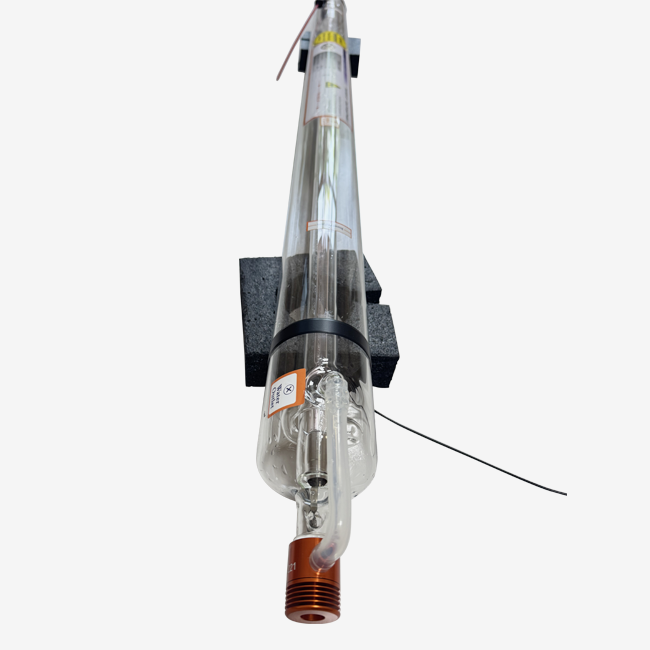
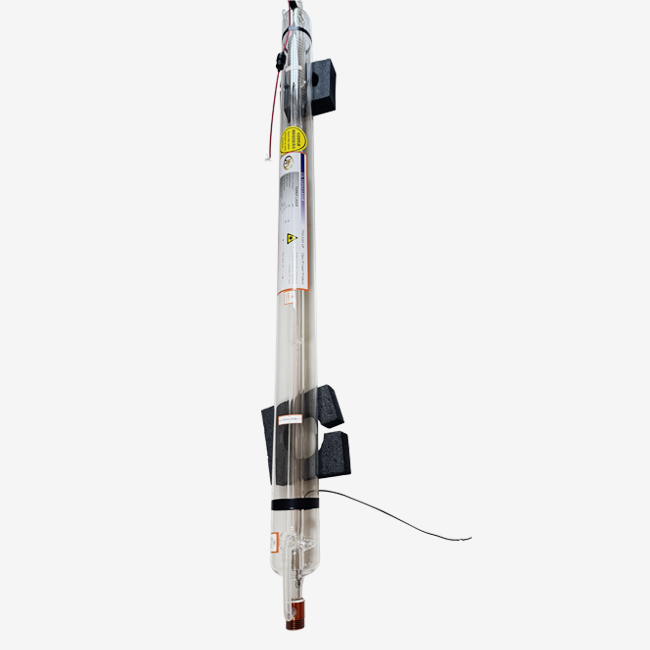
When looking at industrial laser systems, knowing the technical details of your CO₂ laser tube can mean the difference between steady production and costly downtime. The W Series CO₂ laser tube is a big step forward in sealed CO₂ laser technology. It was made for companies that need to reliably and precisely handle non-metallic materials and some metal components. The power levels of these tubes are usually between 40W and 100W, and the beam quality is designed to give fine spot sizes that are needed for engraving details and clean cutting. The W Series stands out because it has an adjustable alloy structure and a better heat dissipation design. This means that the power output stays stable even after a year of nonstop use, which is very important for manufacturers who can't have their equipment losing performance during production cycles.
Understanding the Core Specifications of W-Series CO₂ Laser Tubes
Power Output and Performance Range
The cutting depth and working speed of your machine are both based on how much power it has. The W Series CO₂ laser tubes have a wide range of products that can be used in a variety of workplace settings. Lower-powered models (40W to 60W) are best for engraving detailed designs on plastic, leather, and fabric, where accuracy is more important than raw cutting power. Mid-range choices with 60W to 80W are a good compromise because they can handle both fine engraving and light cutting on wood and thicker plastics. Higher power setups, close to 100 W, make it possible to handle difficult materials and thicker surfaces quickly while keeping the beam quality needed for clean edges.
One thing that makes the W Series unique is its photoelectric conversion efficiency, which turns electrical energy into laser output that can be used with little loss. Compared to older tube technologies, this economy cuts costs by a large amount, especially during long production runs. The stable power output feature makes sure that the quality of your first cut in the morning is the same as the quality of your last cut in the evening. This gets rid of the annoying variations that come with lower-quality tubes.
Physical Dimensions and Installation Considerations
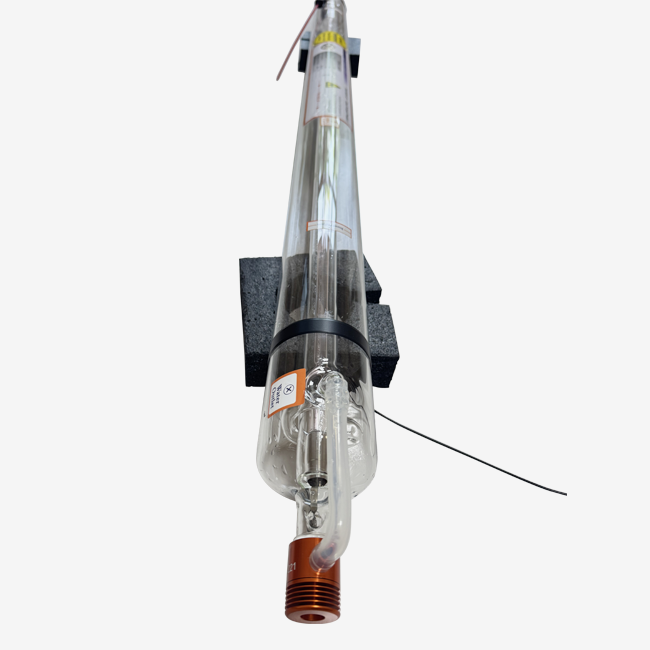
The physical properties of these tubes directly affect how easy it is to add them to new or current machines. The standard length of W Series CO₂ laser tubes is between 1000 mm and 1250 mm, and their widths are between 50 mm and 80 mm. However, the exact sizes depend on the power level. This small structure makes installation easier than bigger options, especially when upgrading older laser systems or making production lines that use less room.
Stability is built into the way the weight is distributed and how it must be mounted. Secure mounting plates that stop misalignment caused by shaking while allowing for heat expansion during operation are needed for proper installation. The product specs say that the metal structure can be adjusted. This lets the optical path be fine-tuned and makes up for small installation differences that could affect beam quality otherwise.
Cooling System Requirements
Thermal management is a must for the efficiency and life of a CO₂ laser tube. Great heat-dissipation design is built into the W Series, and it works with external cooling systems. For business uses, water cooling is still the best option. To keep the coolant temperature between 15°C and 25°C, a chiller system is needed. The flow rate should be the same as the tube's heat output. For mid-range power tubes, flow rates of 3 to 5 liters per minute are normal.
Stable temperatures have a direct effect on the uniformity of the beam and the life of the tube. Fluctuations put heat stress on the glass casing and wires, which can cause them to fail early or make the power unstable. The W Series' thermal design includes strategically placed cooling ducts that spread heat evenly along the length of the output tube. This stops hot spots that speed up the breakdown of the gas mixture. This engineering factor helps make the claimed service life 1.5 times longer than similar goods.
Operational Lifespan and Durability Metrics
One of the most important specs for businesses that want to save money is service life. Under normal conditions, the W Series can work for more than 10,000 hours, which is a lot longer than most entry-level tubes, which usually stop working after 3,000 to 5,000 hours. Internal catalyst layers keep the CO₂, nitrogen, and helium gas mixture in the right amounts, which stops the chemical breakdown that weakens power in regular tubes and makes them last longer.
The ability to store these tubes is just as amazing. If they are kept in controlled conditions, they can sit unused for up to five years without losing any of their function. This standard is very important for OEM makers who keep spare parts in stock or for dealers who serve customers in many different areas where shipping times can change at any time. The 450-day guarantee shows that the maker is sure that these claims about durability are true. It also lowers the risk for procurement teams during the important time after the purchase.
Types and Variants of W-Series CO₂ Laser Tubes
Power-Specific Model Options
Through targeted power combinations, the W Series CO₂ laser tube portfolio meets a wide range of industry needs. Entry-level models with 40W to 60W power are used by companies that make signs, customize leather goods, and decorate textiles. These businesses need to be able to see through thin materials and complex patterns. These variations keep the series' benefits in beam quality while running at lower current levels, which is better for power sources and cooling systems.
Material Compatibility and Application Profiles
Any laser tube standard is only useful if it can be used with different types of materials. The W Series works well with many non-metallic surfaces because it emits light at a wavelength of 10.6 micrometers, which organic materials can easily receive. Flame-polished edges can be achieved with acrylic processing without any additional finishing by hand. This is because the tube's beam quality creates localized heating patterns that melt rather than burn the edges. When working with wood, the stable power output helps keep the etching depth even when the grain is different, which would be hard to do with other tubes.
The non-contact handling advantage is shown off in leather and fabric uses. The laser beam vaporizes the material without applying mechanical pressure, so it doesn't distort like die-cutting does. This skill is especially important in the fashion and furniture industries, where the quality of the materials affects how the end product looks. The W Series is mostly made for marking non-metallic materials, but it can also mark some metal surfaces when used with the right coating chemicals. This gives makers of mixed-material product lines more ways to use it.
Comparing W Series CO₂ Laser Tubes with Alternative Options
When deciding whether to buy a W Series CO₂ laser tube, it's important to make direct comparisons with well-known options. In the mid-market area, the W Series mostly fights with Reci and generic tubes made in China. When compared to Reci tubes with the same power level, the W Series has a similar beam quality and usually a better price, especially when buying in bulk. From working with foreign wholesalers, we know that the price difference can be as much as 15 to 20 percent for large orders. This is a big savings that add up quickly when applied to many machine builds.
Another thing that sets you apart is how stable your performance is. Generic tubes often lose 20 to 30 percent of their power very quickly, within the first 2,000 hours of use. The W Series' catalyst technology and temperature management design keep the output steady. Most users report that the power drops by less than 10% over the tube's estimated lifetime. This means that production quality will be more stable and testing will need to be done less often. Procurement managers should weigh these benefits against differences in the original purchase price.
The W Series is better for long-term operations because it uses less energy. Because the photoelectric conversion efficiency is high, less electricity is needed to make the same amount of laser power as with older tube designs. For businesses that work multiple shifts, this efficiency means lower energy costs that can be seen. The less heat that is made also makes cooling facilities less busy, which could mean that industrial chiller upgrades aren't needed when updating old equipment.
Maintenance Tips and Troubleshooting for W-Series CO₂ Laser Tubes
Routine Inspection and Preventive Care
Systematic repair plans are very important for longevity. Checking the coolant's cleanliness and flow rate once a week is important because dirty water has particles that scratch the surfaces of the cooling jacket and make heat transfer less effective. Arcing problems that damage wires can be avoided by checking electrical connections once a month. The special optical lenses built into W Series CO₂ laser tubes need to be cleaned every three months with approved solvents and lint-free materials. If you don't use the right cleaning products, you can damage the anti-reflective coatings and forever lower the beam quality.
Handling things correctly during installation and care keeps things from breaking down too soon. Even though the glass shell is strong when it's working, it can still be damaged by mechanical shocks and stress. Support the tube only at the marked mounting points; never use the electrodes or cooling lines to move it. When you replace tubes, write down the original optical alignment settings. This will make reinstallation easier and reduce the time needed for correction.
Common Issues and Resolution Strategies
Power fluctuations are the most common problem that has been mentioned with all CO2 tube types. If the output stops being steady, check how well the cooling system is working before thinking that a tube has failed. Power changes happen when there isn't enough coolant flow or when the coolant temperature is too high. This is called thermal instability. Check to see if your chiller regularly stays between 15°C and 25°C when it's full. If the cooling works, check the output of the power source. If there are voltage waves or current irregularities, the beam will not be stable even if the tubes are in perfect condition.
Most of the time, mounting parts becoming loose because of changes in temperature or mechanical vibration causes alignment shifts. The adjustable metal structure of the W Series makes realignment easier, but protection is better than repair. Putting vibration-dampening pads under the equipment and checking the strength of the mounting bolts on a regular basis reduces the amount of alignment repair that needs to be done. When beam positioning changes need to be fixed, small tweaks work better than big ones because too much adjustment can put stress on optical parts.
The level of help after the sale changes a lot between suppliers. Yuhui Laser's 450-day warranty period is much longer than the industry standard. This shows that the company is confident in the W Series' longevity and gives buyers more time to report manufacturing flaws. This extra coverage is especially helpful for foreign customers, where getting new parts can be hard when warranty claims need to be handled quickly. Troubleshooting help is always available through established contact channels for technical support, even when production rests on quickly fixing problems.
Procurement Guide: Sourcing W Series CO2 Laser Tubes for Global B2B Clients
Identifying Reliable Supply Channels
When looking for industrial parts, you need to do more than just compare specs sheets. Authorized dealers and recognized resellers offer a level of trustworthiness that direct imports from unknown makers can't match. When looking at W Series CO₂ laser tube providers, make sure they have CE and ISO certifications that show they meet quality standards for making them. These certificates show that the company follows safety rules and performance standards that are known all over the world. This lowers the risk for buyers in controlled markets.
Buying directly from makers like Yuhui Laser has benefits besides just lower prices. Direct relationships get rid of markups for middlemen and give you access to customization options that sellers usually can't provide. When you work directly with production facilities, you can make changes to the structure, improve the power output, and make changes to the software interface. Yuhui's 14-day lead time supports lean inventory strategies by letting buyers keep their capital in extra parts to a minimum while still making sure that replacements are always available for planning production continuity.
Pricing Considerations and Volume Discounts
The prices of W Series tubes on the market show their mid- to high-end placement. Prices for 80W models range from $280 to $450 for a single unit, but this depends on the seller, the order number, and the accessories that come with the unit. When you buy in bulk, you can save a lot of money. Orders of more than ten units usually get savings of 15 to 25 percent, and bigger commitments get even better deals. These discounts are very important for OEM makers who put tubes into whole laser systems or for dealers who keep stock in more than one place.
When figuring out the total cost of ownership, you should include ongoing costs in addition to the buy price. The W Series has a longer lifespan and more stable performance, so it doesn't need to be replaced as often. This lowers the per-hour running costs, even though the initial investment may be higher than with cheaper options. Specifications for energy economy mean that the tube will save electricity over its useful life. The low failure rate and lack of need for regular optical adjustments save money on maintenance costs by cutting down on both parts costs and skilled labor time.
Evaluating Supplier Credibility
The name of the supplier decides whether the specs offered match the goods delivered. You can find out about possible providers in a number of ways, such as through reviews on trade platforms, discussions in industry groups, and direct checks with current customers. Well-known companies show they can be trusted by being open with their customers, making scientific information easy to find, and providing quick customer service. From its start in 2021 to becoming a National High-tech Enterprise by 2025, Yuhui Laser's journey shows the path of serious makers who care more about quality and innovation than short-term earnings.
The difference between good providers and great ones is their logistical skills. Strong relationships with international freight companies make sure that fragile laser tubes arrive unharmed, even when they are shipped over long distances. Quality of packaging is very important—not enough protection during shipping can cause tiny cracks in glass boxes that only show up as early failures after installation. Suppliers who give installation help and technical training add value that goes beyond the product itself. This is especially true for buyers who are new to laser processing or who want to grow into new applications.
Conclusion
Because of their features, W Series CO₂ laser tubes are great choices for makers, distributors, and installers who want solid performance without having to pay a lot. Power output flexibility allows for a wide range of uses, and consistent beam quality ensures accurate processing of all materials. Concerns about the total cost of ownership that drive procurement choices can be addressed by extending the working lifespan and providing strong warranty support. Technical performance, low prices, and help from the maker all work together to make a value proposition that appeals to buyers who want to save money but can't skimp on quality. By understanding these specs, you can make smart buying choices that are in line with your business's goals and operational needs.
FAQ
What cooling system does the W Series require?
Water cooling devices that keep the temperature between 15°C and 25°C are best for W Series tubes. Mid-range power tubes can be cooled down enough by industrial chillers like the CW-5000 series units. Proper coolant circulation at 3 to 5 liters per minute keeps the temperature stable during long periods of operation, which stops the performance loss that comes with not having enough cooling.
How do I verify authentic W Series tubes?
Genuine W Series tubes have coatings on the inside of the discharge tube that look like a light color, and they also have a unique number that makers can check against output records. Quality of the packaging, completeness of the paperwork, and seller certifications are some other signs that something is real. Buying through well-known outlets like Yuhui Laser ensures legitimacy and protects your warranty.
Can W Series tubes process metal materials?
The W Series tubes work best with non-metallic materials like plastic, wood, leather, and cloth. They can also mark some polished metals and lightly etch anodized aluminum surfaces. The 10.6-micrometer frequency is not good for cutting metals that reflect light, like aluminum or stainless steel. Fiber laser technology is needed for these materials to be processed properly.
Partner with Yuhui Laser for Your W Series CO2 Laser Tube Supply
Yuhui Laser is ready to help you with your laser processing needs by providing factory-direct W Series CO₂ laser tubes that are of CE-certified quality, come at a low price, and come with full technical support. Our 450-day guarantee and large network of after-sales service providers make sure that your investment works well for as long as it's supposed to. Our engineering team works with your procurement team to find the best specifications for your production setting, whether you need standard setups or solutions that are specifically made for your needs. As a reliable maker of W Series CO₂ laser tubes for wholesalers, fabricators, and OEM partners in Southeast Asia, the Middle East, Europe, and North America, we know how important it is to find a balance between performance needs and budget limits when buying industrial equipment. You can email our team at jianghui@yuhui-laser-tech.com or visit yuhui-laser-tech.com to talk about your laser tube needs, get detailed specs, or get bulk prices for projects you have coming up.
References
1. Chen, M. (2023). Industrial CO2 Laser Technology: Design Principles and Performance Optimization. Manufacturing Technology Press.
2. Roberts, K. & Yamamoto, H. (2024). "Comparative Analysis of Sealed CO₂ Laser Tubes in Industrial Applications," Journal of Laser Processing and Manufacturing, 18(3), 245-267.
3. International Laser Safety Association. (2023). Standards for CO₂ Laser System Components and Maintenance Protocols. ILSA Technical Guidelines Series.
4. Peterson, L. (2024). Cost-Effective Laser Solutions for Mid-Scale Manufacturing. Industrial Equipment Publishing.
5. Zhang, W. & Mueller, D. (2023). "Thermal Management Strategies for Extended CO₂ Laser Tube Lifespan," Optics and Precision Engineering, 31(8), 1124-1138.
6. Thompson, R. (2024). The Procurement Professional's Guide to Industrial Laser Equipment. B2B Manufacturing Resources.
Contact us directly for customized solutions, quotations and long-term strategic cooperation.