- English
- French
- German
- Portuguese
- Spanish
- Russian
- Japanese
- Korean
- Arabic
- Greek
- German
- Turkish
- Italian
- Danish
- Romanian
- Indonesian
- Czech
- Afrikaans
- Swedish
- Polish
- Basque
- Catalan
- Esperanto
- Hindi
- Lao
- Albanian
- Amharic
- Armenian
- Azerbaijani
- Belarusian
- Bengali
- Bosnian
- Bulgarian
- Cebuano
- Chichewa
- Corsican
- Croatian
- Dutch
- Estonian
- Filipino
- Finnish
- Frisian
- Galician
- Georgian
- Gujarati
- Haitian
- Hausa
- Hawaiian
- Hebrew
- Hmong
- Hungarian
- Icelandic
- Igbo
- Javanese
- Kannada
- Kazakh
- Khmer
- Kurdish
- Kyrgyz
- Latin
- Latvian
- Lithuanian
- Luxembou..
- Macedonian
- Malagasy
- Malay
- Malayalam
- Maltese
- Maori
- Marathi
- Mongolian
- Burmese
- Nepali
- Norwegian
- Pashto
- Persian
- Punjabi
- Serbian
- Sesotho
- Sinhala
- Slovak
- Slovenian
- Somali
- Samoan
- Scots Gaelic
- Shona
- Sindhi
- Sundanese
- Swahili
- Tajik
- Tamil
- Telugu
- Thai
- Ukrainian
- Urdu
- Uzbek
- Vietnamese
- Welsh
- Xhosa
- Yiddish
- Yoruba
- Zulu
A Clear Look at Focus Lenses for Laser Cutters
When it comes to getting precise results when laser cutting, laser focus lenses are the hidden stars of the system. These optical parts focus the laser beam on a very specific point. They turn the raw laser energy into controlled, high-density power that can cut metal sheets, engrave complex designs, and mark goods with tiny accuracy. Even the most powerful laser system won't work well if the laser focus lenses aren't chosen and kept properly. This can cause uneven cuts, lost materials, and expensive downtime. This guide tells procurement managers, engineers, distributors, and OEM buyers everything they need to know about laser focus lenses in order to make smart buying choices that affect the quality of production and the speed of operations.
Understanding Laser Focus Lenses: Technology and Applications
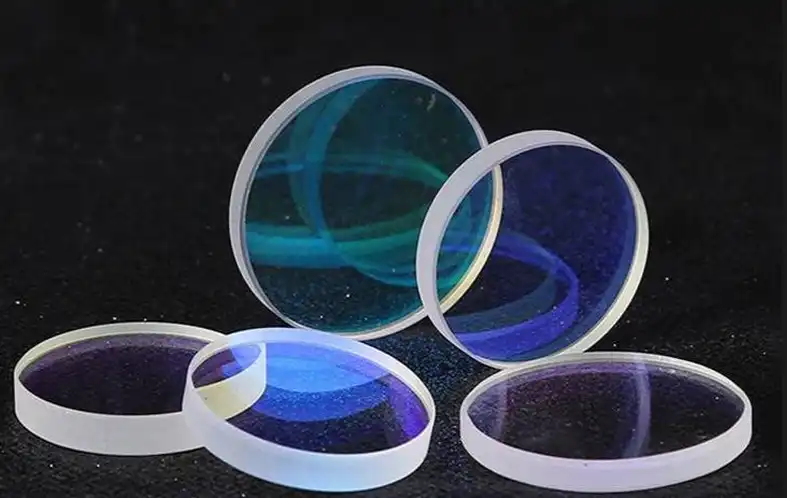
The main job of laser focus lenses is very different from the main job of optical parts found in cameras and binoculars. These special lenses can handle very high energy levels and keep the beam's purity for thousands of hours of use. They work because of precisely ground optical materials and high-tech anti-reflective layers that are designed to reduce absorption and increase transmission at certain wavelengths.
How Laser Focus Lenses Work in Industrial Settings
The main job is to focus different laser beams into a small spot, which can be anywhere from 0.1mm to 0.5mm in size based on the focal length and the needs of the application. This concentration makes the energy level that is needed for things to communicate. When a 1 kW fiber laser beam passes through properly matched laser focus lenses, the focused power density can reach millions to tens of millions of watts per square centimeter, depending on spot size and beam quality. This is strong enough to melt steel or precisely etch metal parts. The lens does this by carefully calculating its curvature, which bends incoming parallel rays so that they meet at a set focus distance. This is where the material of the item sits while it is being processed.
Material Science Behind High-Performance Optics
Modern laser focus lenses are made of materials that were chosen based on how well they work with certain wavelengths. Zinc Selenide (ZnSe) is the most common material used in CO₂ lasers that work at 10.6 micrometers because it lets more than 99% of infrared light through and is more stable at high temperatures. These yellow-tinted crystalline lenses offer low absorption and good thermal stability, helping reduce thermal lensing effects during extended high-power operation. The wear-resistant qualities and smooth surface finish ensure uniform performance even in places where backspatter or debris is present sometimes.
Industry Applications Driving Demand
Metal production shops use these lenses to cut stainless steel sheets up to 25 mm thick with edges that are good enough to be put together right away. Electronics companies use lenses with lower focal lengths to engrave serial numbers on smartphone parts without hurting the circuits underneath. Laser focus lenses are added by companies that make parts for cars to automatic welding cells. This is where body panels are joined with precision spot welding. When cutting titanium metals for structural parts, aerospace workers need lenses that can keep very close tolerances. Different uses have different heat loads, pollution risks, and accuracy needs that affect how lenses are chosen.
Comparing Laser Focus Lenses with Other Lens Types
When you know the differences between industrial laser focus lenses and market optical goods, you can avoid making mistakes that cost a lot of money when you buy things. A camera's autofocus lens moves to get clear pictures, but laser focus lenses stay in one place and can handle energy levels that are thousands of times higher than those used in photography.
Thermal Management and Coating Technology
When exposed to a laser, normal camera lenses break right away because their coats soak up infrared energy, which speeds up the breakdown process. Laser-specific coatings have damage limits higher than 10 kW/cm² and use multilayer dielectric stacks that are designed for narrow wavelength bands. This heat resistance lets the device work continuously without focus drift that can happen when the temperature changes the refractive index. The layer also stops the beam from yellowing and clouding, which would happen within weeks of placement without it.
Durability and Lifespan Considerations
Consumer glasses try to be as light and cheap as possible, so their service lives are measured in years of occasional use. Industrial laser focus lenses made by reputable companies can maintain stable performance for extended periods under proper operating and maintenance conditions. Yuhui Laser states that its ZnSe focus lenses are designed for extended service life in demanding industrial applications. They keep their power output constant even after a year of daily high-power cutting operations. This longer toughness comes from using a more pure base and more advanced coating application methods that make molecular bonds stronger.
Price-Performance Analysis for 2024
Teams in charge of buying things sometimes look at cheaper options, but data on performance shows that these choices don't save money in the long run. A $180 luxury ZnSe lens that lasts 18 months works better than a $90 economy lens that needs to be replaced every six months, saving 50% of the cost when replacement labor and production breaks are taken into account. Modern anti-reflective coatings can significantly reduce transmission losses and improve overall cutting efficiency. This directly leads to better cutting speed and edge quality that can be seen and felt.
How to Choose the Right Laser Focus Lens for Your Procurement Needs
To choose the right laser focus lenses, you need to make sure that a number of technical factors match your laser system and application needs. When specs don't meet, the focus is bad, the lens can't cut as well, and it breaks down faster.
Focal Length and Spot Size Relationships
The focal length affects the working distance and the largest spot size that can be used. This means that there are trade-offs between accuracy and ease of use. A 5-inch (127 mm) focal length lens makes smaller spots that are great for cutting thin materials and etching details, but the gap distance needs to be kept exact. Longer lenses, like 7.5-inch (190mm) or 10-inch (254mm), give you more room to work with three-dimensional parts or thick materials, but they also make it harder to focus. The connection is based on the idea that shorter focus lengths compress energy into smaller areas, which raises the power density and makes cutting thin materials faster.
Compatibility with Laser Source Wavelengths
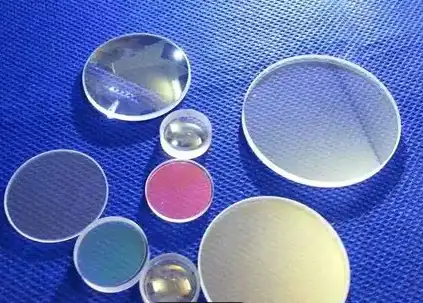
For fiber lasers that work at 1.06 micrometers, you need fused silica lenses. For CO₂ systems that work at 10.6 micrometers, you need ZnSe optics. If you use the wrong lens material for your range, it will absorb too much light, heat up quickly, and could be dangerous. Yuhui Laser's Laser Focus Lenses have coatings that are designed for specific wavelengths. These coatings keep high infrared transmittance and low light loss, so the subject gets the most energy possible. This compatibility makes parts last longer and stops the speed loss that happens when glasses don't match.
Evaluating Supplier Credentials and Support
Verifying suppliers is the first step in lowering procurement risk. Companies that have ISO9001 and CE certifications show that they are dedicated to quality control systems and safety standards for their products. The fact that Yuhui Laser is a national high-tech company and that the warranty lasts for 450 days gives procurement teams faith in the long-term dependability of the products they buy. The guarantee covers problems with the way the product was made and performance loss. This keeps buyers safe from early failures that mess up production plans. It's also important to have access to technical support. Suppliers who give installation instructions, cleaning guidelines, and fixing help lower the total cost of ownership by reducing the number of interruptions to operations.
Material Processing Requirements
Different materials have different temperature and absorption qualities that affect which lens to choose. When cutting stainless steel, shorter focal lengths are better because they increase power efficiency and make a clean kerf. Because aluminum is highly reflective, optimized coatings and proper system settings are important to reduce back-reflection risks and maintain stable processing performance. Copper handling needs special coats that can handle the heavy back-spatter that this material is known for. When you match the lens specs to your main materials, you get the best processing results and can go longer between maintenance visits.
Maintenance and Troubleshooting of Laser Focus Lenses
Proper care instructions have a direct effect on how well laser focus lenses work and how long they last. This is why repair methods are so important for operations staff to know. Optics that aren't taken care of get dirty, which absorbs laser energy and creates heated hot spots that speed up the damage process.
Cleaning Procedures and Best Practices
Lenses that are dirty lead to a number of issues, such as less cutting power, bad edge quality, and more heat on the laser source. Dust contamination, coating damage, and visible wear can significantly reduce laser energy transmission and cutting performance. This means that operators have to raise the power settings, which speeds up lens degradation and tube wear. For proper cleaning, use lint-free optical paper and high-purity isopropyl alcohol or acetone to make smooth radial strokes from the center to the edge. When you wipe, don't use circle motions because they trap dirt and make scratches. Cleaning how often relies on the surroundings. For example, a clean room may need care once a month, while a metal fabrication shop would benefit from inspection and cleaning once a week.
Identifying Performance Degradation Signals
Operators with a lot of experience can spot warning signs before the Laser Focus Lenses fail completely. Less ability to cut things that were previously easy to work with shows that the lens isn't working as well. Pits that can be seen, cloudy spots that won't come clean, or coloring that goes beyond standard ZnSe yellowing indicate that the device needs to be replaced. Thermal lensing shows up as focal point drift during long cutting runs. This is because contamination heats up the lens material, causing it to absorb more light. By keeping an eye on trends in cutting quality, you can change parts before they break in a way that delays production.
Warranty Protection and After-Sales Support
Choosing sellers with full warranty coverage saves the money you spend on purchases. Yuhui Laser offers 450 days of after-sales service that includes technical training for maintenance staff, help with installation during the first setup of the system, and quick fixing when problems happen. This longer coverage time goes above and beyond what is required by law and shows that the maker is confident in the product's durability. The guarantee covers replacement for problems with the way the product was made, but not damage from poor cleaning or accidental impact. This makes it clear who is responsible, which is good for everyone.
Purchasing Laser Focus Lenses: Procurement and Logistics Considerations
Strategic methods to buying lower the total cost of purchase while ensuring the reliability of the supply chain. B2B sellers face problems like proving the product's authenticity, coordinating logistics, and managing relationships with suppliers that are very different from those faced by consumers.
Authenticity Verification and Quality Assurance
In the market for industrial lasers, fake optical parts are a big problem. Low-quality lenses that are made with bad base materials or coatings break down early and could damage expensive laser sources by reflecting too much light backwards. The credentials of the seller, such as manufacturing certificates and quality management records, are the first thing that are checked. When you buy directly from makers like Yuhui Laser, you avoid the risks of going through middlemen and make sure you get real goods with factory warranties. The company's CE and ISO licenses show that it meets international quality standards. The THF4 military-grade lens specification shows that it uses advanced optical technology that can handle tough industrial uses.
Bulk Ordering and Inventory Management
Long-term supply deals help buyers who buy a lot of goods get better prices. With Yuhui Laser's factory-direct pricing plan, there are no distributor margins. This means that the factory-direct pricing can help reduce procurement costs compared with multi-tier distribution channels. The company keeps a lot of stock on hand to support 14-day lead times for common configurations. This means that even big orders can be filled quickly. This production capacity is very useful for original equipment manufacturers (OEMs) who want to add laser focus lenses to whole laser systems or for wholesalers who serve regional markets where demand changes all the time.
International Shipping and Customs Considerations
For global buying to work, you need to know a lot about operations, like how to deal with customs rules, shipping insurance, and delivery times. Because Yuhui Laser has long-term relationships with foreign logistics companies, shipping to markets in Southeast Asia, the Middle East, Europe, and North America is always reliable. Express shipping choices help with urgent substitute needs, and cheap ocean freight can handle bigger orders to restock. Having the right paperwork, like business invoices, certificates of origin, and quality inspection reports, makes it easier to get goods through customs and cuts down on delays at the border that can make wait times longer.
Building Strategic Supplier Relationships
Long-term relationships have perks that go beyond lowering unit prices. Customers who are considered "preferred" get first choice when supplies are low, early notice when new products come out, and custom solutions for unique uses. Customization options at Yuhui Laser include changing the focal length, making the coatings work better with certain bands, and making unique packages for OEM integration. Distributors get help with co-marketing and professional training that makes it easier for them to serve end customers well. Over time, these relationship benefits add up, giving buyers who invest in supplier ties instead of just transactional buying strategies a competitive edge.
Conclusion
Laser focus lenses are important investments that have a direct effect on the quality of production, the speed of operations, and the life of equipment in many industry sectors, such as metal casting, electronics manufacturing, car production, and many more. When buying teams understand the optical principles, material science, and application-specific needs, they can make smart sourcing decisions that improve performance while keeping prices low. Following the right maintenance procedures will make parts last longer and keep their cutting quality. Choosing a strategic provider will also make sure that you get real goods with full warranties and quick technical support. The market for laser focus lenses is always changing as new coatings and better base materials come out. This means that buyers who want to stay ahead of the competition through better optical performance need to keep learning.
FAQ
How can I verify lens compatibility with my specific laser cutter model?
To make sure something is compatible, you need to check three important specs: the wavelength must match between your laser source and lens material, the focal length must match the design of your cutting head, and the thread width must match the mounting assembly. Check the manual for your laser system to see what the focal length range and lens width should be. Then, make sure that the lens material fits your wavelength. For fiber lasers, this is fused silica at 1.06 micrometers, and for CO₂ systems, it's ZnSe at 10.6 micrometers.
What are some signs that my focus lens needs replacement?
Several signs show that the lens needs to be replaced: less cutting power that needs higher power settings to get the same results as before; damage that can be seen, like pits or scratches on the lens surface; cloudy areas that don't go away after being cleaned properly; or noticeable focal point drift during long cutting operations. Cutting quality loss shows up as rougher edges, less full penetration, or more dross formation on parts that used to cut neatly.
Can damaged focus lenses be repaired, or must they be replaced?
Minor surface contamination can be cleaned with optical-grade chemicals and lint-free materials, but scratches, pits, or film delamination are signs of physical damage that require a new lens. If you try to use lenses that are already broken, they could get worse; back rays could damage the laser source, and the cutting quality would be lower, which would waste material and production time. Replacing something costs less than trying to fix it and failing to bring back the original visual performance.
Partner with a Trusted Laser Focus Lens Manufacturer
Yuhui Laser specializes in providing high-performance optical options that are both affordable and well-suited to tough industrial uses. Our ZnSe laser focus lenses have military-grade THF4 optical quality and a service life that is 1.5 times longer than similar goods. This means that they will keep cutting smoothly for the whole time they are working. Every part comes with CE and ISO certifications, a 450-day guarantee, and a factory-direct price, which means you don't have to worry about buying anything, and the total cost of ownership is lower.
We can customize our products to meet the needs of OEMs, such as by changing the focus length and adding special finishes for specific wavelength uses. Because we keep a lot of stock on hand, we can meet 14-day wait times for even large orders, and our established logistics partnerships make sure that foreign delivery goes smoothly. Whether you're a metal production shop looking for replacement lenses, a distributor building up your stock, or an equipment maker looking for laser system parts, our technical team can help you match the right specs to your needs.
Contact our sales team at jianghui@yuhui-laser-tech.com to talk about your laser focus lens needs and find out why top makers in Southeast Asia, the Middle East, and Europe choose Yuhui Laser as their main source for optical parts. You can look at our whole line of products and get specific information for your needs by going to yuhui-laser-tech.com.
References
1. Steen, W.M., and Mazumder, J. (2010). Laser Material Processing, 4th Edition. Springer-Verlag London Limited.
2. Ready, J.F., and Farson, D.F. (2001). LIA Handbook of Laser Materials Processing. Laser Institute of America and Magnolia Publishing.
3. Ion, J.C. (2005). Laser Processing of Engineering Materials: Principles, Procedures, and Industrial Applications. Elsevier Butterworth-Heinemann.
4. Dahotre, N.B., and Harimkar, S.P. (2008). Laser Fabrication and Machining of Materials. Springer Science+Business Media.
5. Migliore, L. (2013). Laser Materials Processing. CRC Press, Taylor & Francis Group.
6. Powell, J. (1998). CO₂ Laser Cutting, 2nd Edition. Springer-Verlag London Limited.
Contact us directly for customized solutions, quotations and long-term strategic cooperation.