- English
- French
- German
- Portuguese
- Spanish
- Russian
- Japanese
- Korean
- Arabic
- Greek
- German
- Turkish
- Italian
- Danish
- Romanian
- Indonesian
- Czech
- Afrikaans
- Swedish
- Polish
- Basque
- Catalan
- Esperanto
- Hindi
- Lao
- Albanian
- Amharic
- Armenian
- Azerbaijani
- Belarusian
- Bengali
- Bosnian
- Bulgarian
- Cebuano
- Chichewa
- Corsican
- Croatian
- Dutch
- Estonian
- Filipino
- Finnish
- Frisian
- Galician
- Georgian
- Gujarati
- Haitian
- Hausa
- Hawaiian
- Hebrew
- Hmong
- Hungarian
- Icelandic
- Igbo
- Javanese
- Kannada
- Kazakh
- Khmer
- Kurdish
- Kyrgyz
- Latin
- Latvian
- Lithuanian
- Luxembou..
- Macedonian
- Malagasy
- Malay
- Malayalam
- Maltese
- Maori
- Marathi
- Mongolian
- Burmese
- Nepali
- Norwegian
- Pashto
- Persian
- Punjabi
- Serbian
- Sesotho
- Sinhala
- Slovak
- Slovenian
- Somali
- Samoan
- Scots Gaelic
- Shona
- Sindhi
- Sundanese
- Swahili
- Tajik
- Tamil
- Telugu
- Thai
- Ukrainian
- Urdu
- Uzbek
- Vietnamese
- Welsh
- Xhosa
- Yiddish
- Yoruba
- Zulu
High Efficiency W Series CO2 Laser Tube with Long Service Life
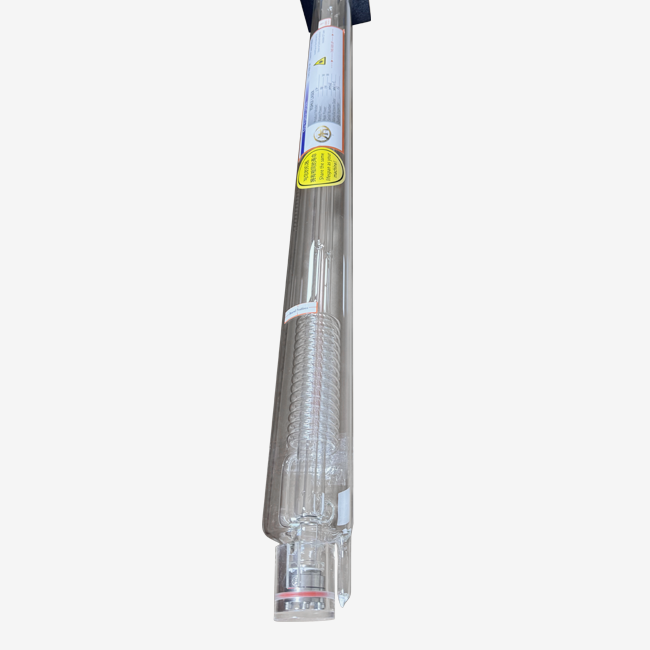
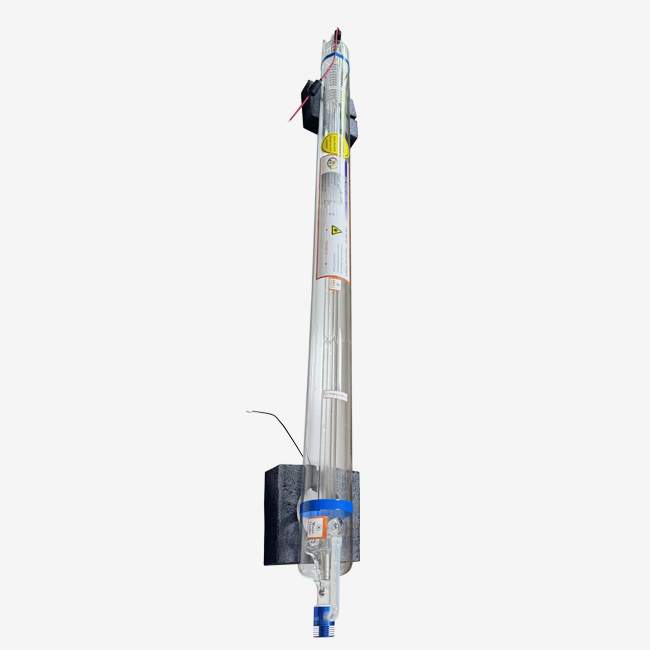
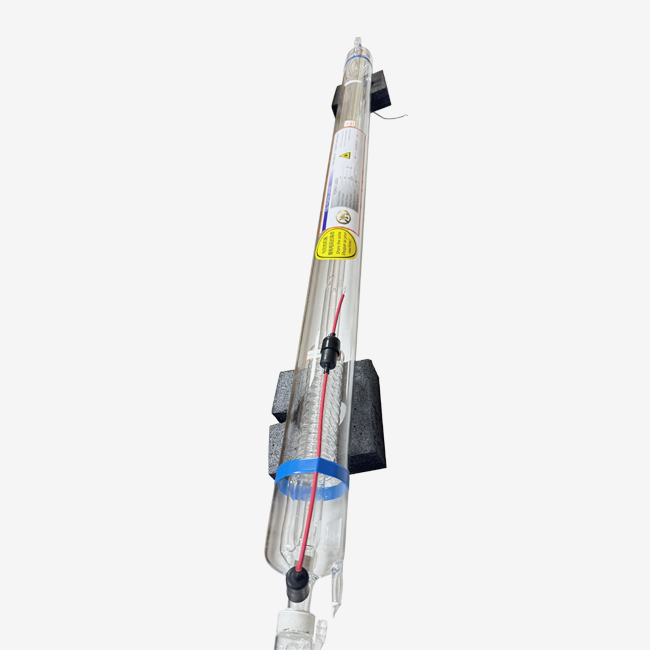
The W Series CO₂ laser tube is a big step forward in industrial laser technology. It offers unbelievable accuracy in processing and a very long useful life. With an adjustable alloy structure and an advanced heat dissipation design, this laser tube keeps its power output constant even after extended use. This makes it a great choice for manufacturers and distributors who need a reliable, cost-effective laser solution for cutting and engraving different non-metallic materials precisely.
Introduction
Modern production needs laser equipment that is both effective and long-lasting. As production lines run nonstop and profit margins get smaller, it gets harder for B2B sourcing teams to choose laser parts that reduce downtime and increase return on investment. The W Series CO₂ laser tube takes these problems head-on by providing industrial-grade dependability, a 450-day guarantee, and stable operation.
Working with hundreds of foreign wholesalers and non-metal material processing companies has shown us a consistent pattern: when equipment breaks down, it's usually because the laser tubes aren't as good as they could be. We've seen production lines stop because regular tubes broke down too quickly, which cost companies thousands of dollars in lost income. The W Series CO2 laser tube breaks this cycle by using military-grade optical parts and precise manufacturing to make goods that last 1.5 times longer than similar ones. This book explains the technology, buying strategies, and improvement methods that can turn choosing a laser tube from a normal purchase into a smart way to gain a competitive edge.
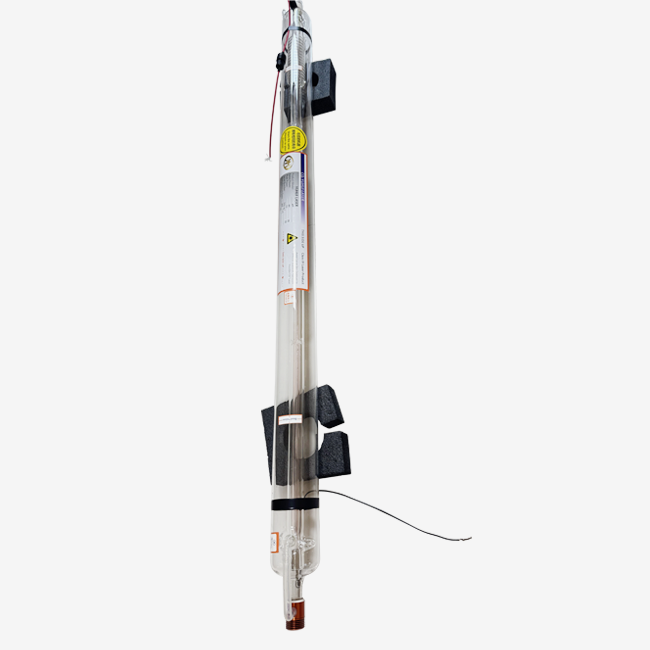
Understanding the W Series CO₂ Laser Tube Technology
Advanced Gas Excitation and Beam Generation
Exciting a mixture of gases, mostly carbon dioxide, nitrogen, and helium, to make uniform infrared light at a wavelength of 10.6 micrometers is what CO₂ laser tubes are all about. This basic process is improved by the W Series CO₂ laser tube, which has carefully regulated electrode configurations and improved gas flow dynamics. Standard glass tubes have uneven discharge patterns, but this design keeps the excitement level the same across the whole discharge zone. This makes for a better beam quality with a small spot size and even energy distribution. The flexible alloy structure gives mechanical support that stops optical misalignment during heat cycles, which is a common way for cheaper options to break.
This technology is different because it uses specialized optical components designed to minimize optical loss and thermal distortion. These parts keep the focus point accurate over long periods of time, which lets high-definition scanning and carving work consistently throughout the tube's lifetime. Before a product is shipped, it goes through strict quality controls that check the beam mode quality and power output consistency.
Cooling Systems and Thermal Management
Effective heat escape has a direct effect on how long a laser tube lasts and how stable its performance is. The W Series CO₂ laser tube has a great design for getting rid of heat. It does this by using carefully placed cooling ducts to move heat away from important optical parts. Based on the amount of power needed and the environment, this design primarily supports water-cooled configurations, while some lower-power applications may use assisted air cooling.
For uses with more than 80 watts of power, where continued use creates large heat loads, water-cooled systems are necessary. Keeping the cooling temperature between 15°C and 25°C makes sure that the gas temperature inside the discharge tube is properly controlled. This stops thermal expansion that lowers the quality of the beam. We suggest using closed-loop cooling systems with pure water and filtering them every so often to keep mineral deposits from building up and stopping heat from moving. Air-cooled setups work well for low-power tasks and places where installing water cooling systems would be hard to do. However, users should make sure there is enough air flow and temperature control in the area.
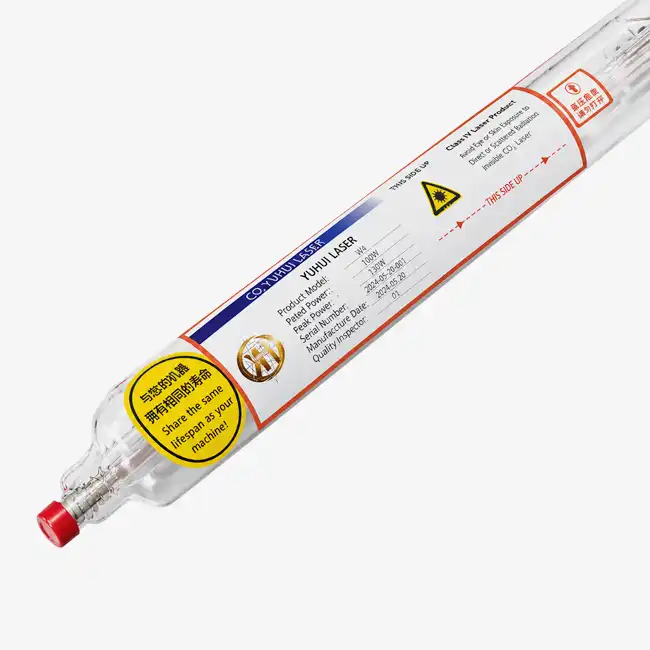
Operational Challenges and Maintenance Protocols
Without the right care, even strong laser tubes can have problems working. Power loss is usually caused by gas contamination, electrode corrosion, or damage to optical components. The W Series CO₂ laser tube solves these problems by using sealed construction that keeps the gas pure and electrode materials that wear down slowly. Users can extend the life of their devices by checking the power output once a month and keeping the work areas clean, with not too much dust or toxic vapors present.
As part of practical upkeep, the cooling system's soundness must be checked, electrical connections must be confirmed, and external optical surfaces must be cleaned with lint-free materials and the right solvents. To keep optical surfaces from condensing, environmental controls should keep the temperature below 30°C and the relative humidity between 40 and 60%. These simple rules will protect your investment and make sure it works well for years to come.
Comparing W Series CO₂ Laser Tubes with Other Laser Tubes
Performance Benchmarks Against Traditional Options
There are a lot of different technologies fighting in the laser tube market, and each one works in a different way. Traditional sealed glass CO₂ tubes are the most popular choice. They are known for having low starting costs, but they only last between 3,000 and 6,000 hours of use. Metal-ceramic tubes last longer because they are built more solidly, but they cost more, which can make it hard for buying strategies that are focused on saving money. Radio-frequency excited tubes produce very good beams, but they need complicated power sources that make integration more difficult.
When it comes to price, the W Series CO₂ laser tube is a good compromise because it has the same high-quality beam as expensive tubes but costs less than sealed glass choices. Comparative testing shows that the stable power flow lasts for more than 8,000 hours of constant operation, which is a lot longer than regular sealed tubes. The optimized beam quality enables high-precision processing suitable for detailed engraving applications for tasks that need to work on very small details. Material flexibility means that the lens can be used with acrylic, wood, leather, cloth, and other non-metallic materials without having to replace the tube or make big optical changes.
Durability and Long-Term Value Analysis
A product's lifespan includes more than just the number of hours it runs. It also includes the amount of upkeep it needs, how it breaks down, and how it loses performance over time. Standard glass tubes lose power quickly after 60% of their rated lifespan, so users have to raise the power settings, which speeds up the final loss. The W Series CO₂ laser tube keeps its output constant over its long working range. Even after a year of daily use, the power degradation is still very low.
Another important thing for wholesalers to keep in mind is how stable the storage is. Normal tubes break down after being stored for a long time, but the W Series CO₂ laser tube is designed for stable long-term storage under proper environmental conditions. This protects warehouse investments and allows for flexible stock management. When you figure out the total cost of ownership over multiple procurement rounds, this longevity saves you money.
Value Positioning for Procurement Decisions
When looking at prices, you can't just look at the original buy price; you also have to look at how much it will cost to run over time. Premium tubes may cost 20–30% less at first, but their shorter lifespans and higher upkeep needs make the hourly costs go up. The W Series CO2 laser tube gets high cost-effectiveness by having low purchase prices, few maintenance needs, and longer periods between replacements. The benefits of buying in bulk that come with factory-direct supply models make value offers even better for wholesalers and system designers who are planning long-term inventory strategies.
Procurement Insights for the W Series CO₂ Laser Tubes
Identifying Reliable Suppliers and Certification Verification
A successful buying process starts with qualifying suppliers by checking their production capabilities, quality certifications, and technical support infrastructure. When looking at possible providers, give more weight to those who have ISO9001 quality management certification and CE compliance paperwork, which shows that they meet safety and performance standards that are recognized around the world. These licenses show that there are well-established quality control systems that always make goods that meet the requirements.
As an example of a dependable seller, Yuhui Laser has a large portfolio of certifications, clear production processes, and a history of exporting to markets in Southeast Asia, the Middle East, and Europe. We keep a lot of goods on hand, which lets us offer 14-day lead times, which are very important for production plans that need to be met quickly. Our factory-direct pricing plan gets rid of the markups that distributors add on top of the price. It also keeps the full technical support and guarantee coverage that are usually only available from the best suppliers.
Warranty Coverage and After-Sales Support Evaluation
The warranty terms show that the company behind the product is sure it will last and wants to keep customers for a long time. Standard warranties in the industry last between 90 and 180 days, which isn't long enough to cover the initial "burn-in" times where production flaws show up. The 450-day warranty that comes with W Series CO2 laser tubes gives you extra security that lasts longer than the usual yearly maintenance cycles. This lowers the risk of buying them and gives you more power when discussing service level agreements with end customers.
After-sales support includes expert advice, help with installation, troubleshooting, and the ability to get new parts. Suppliers with thorough training programs give customers the tools they need to improve the performance of their technology and fix small problems on their own, which cuts down on downtime. We offer expert support in multiple languages, installation guides, and online diagnostic services to make sure that all of our customers, no matter where they are in the world, get the same level of help.
Logistics Optimization and Bulk Purchase Strategies
Shipping costs and delivery times have a big effect on total costs, especially for foreign buyers who have to handle combining containers and clearing customs. Strategic relationships with well-known transportation companies guarantee reliable delivery times and lower the risk of damage through proper packing. Because we have good relationships with logistics companies, we can offer a range of shipping choices, from small sample orders to full container loads, at prices that are affordable.
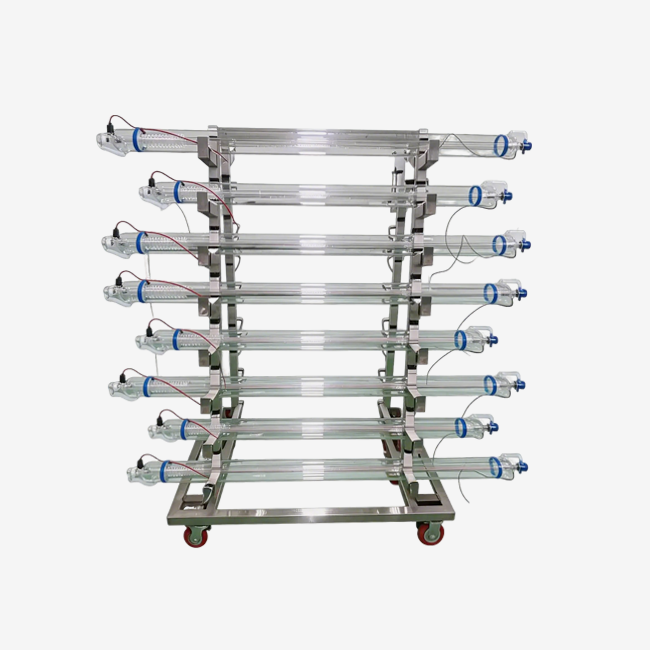
When distributors build up their inventory or system designers set up multiple production lines, buying in bulk can unlock volume savings that cut the cost per unit by a large amount. We set our prices in a way that rewards bigger promises while still letting us handle orders with different specifications. This way, we can balance product variety against volume benefits. During times of growth, procurement teams should time purchases to coincide with production plans so that they can take advantage of bulk prices and keep extra supplies on hand in case they need to be replaced.
Optimizing Laser Tube Performance and Longevity
Cooling System Selection and Implementation
Choosing the right cooling equipment has a direct effect on how well W Series CO2 laser tubes work and how long they last. Water cooling systems are the most effective way to get rid of heat, which is necessary for continued running at full power levels. To keep mineral crystals from building up in the cooling tubes, implementation needs either distilled water or a laser coolant. Using chillers or heat exchangers to control the temperature of the coolant keeps the working conditions at their best. Target temperatures between 18°C and 22°C provide the best thermal stability.
Air cooling is easier to use and is better for portable uses or sites that can't use water infrastructure. This method works well for tubes with less power (less than 60 watts) and places where the temperature is well controlled. Users must make sure that air can flow freely around the sides of tubes and stay away from covers that trap heat and could set off thermal protection circuits or speed up the breakdown of components.
Preventive Maintenance Programs
Structured maintenance plans keep W Series CO2 laser tubes working well and find possible problems before they become big enough to stop working. Check the coolant levels once a month, look for corrosion or loose electrical connections, and compare the power output to the baseline readings taken during the initial setup. As part of the quarterly processes, the external optical surfaces are cleaned thoroughly, the cooling system is flushed, and the conditions of the surrounding surroundings are checked.
Setting standard performance measures during installation gives you a way to keep track of how performance is declining. Power meters that compare real output to controller settings show that tube efficiency is going down, which could mean that parameters need to be changed or the tube is getting close to the end of its useful life. Keeping track of maintenance tasks, power readings, and working hours creates past records that help with planning replacements and making warranty claims when needed.
Case Study: OEM Client Success
We worked with a Vietnamese company that makes tools for working with metal to add W Series CO₂ laser tubes to their laser etching systems. The tubes from their old source had to be replaced every 4,000 hours, which messed up production plans and made warranty costs go up. After switching to W Series CO₂ laser tubes, they saw operating lifespans of more than 8,500 hours with very little power loss. This increase cut the number of tubes that needed to be bought every year by 45% and made customers happier by making equipment more reliable. They were able to offer competitive service agreements that set their goods apart in a crowded market thanks to the longer warranty term. This directly led to 28% sales growth in their laser equipment business.
Why Choose the W Series CO₂ Laser Tube? A Rational Choice for B2B Clients
Competitive Market Positioning
As a result of the large number of sellers offering different quality-price pairs, the global laser tube market is hard to navigate. The W Series CO₂ laser tube stands out by offering clear performance benefits that can be proven by third-party tests and customer reviews. The small structure design makes it easier to integrate into different types of laser machines, which saves OEM users time when they are making new product lines. Non-contact processing reduces mechanical wear issues associated with traditional cutting methods. They also stop material deformation and grit formation that would need extra finishing steps.
Industry approval backs up technical claims with certifications and other paperwork that B2B buyers need to make sure that parts are suitable for use in production equipment. CE approval proves that a product meets European safety standards, which is very important for companies that want to sell their products in countries with strict rules. ISO9001 approval shows that a company uses organized quality control methods to make sure that all of its products meet the same standards.
Addressing Key Procurement Concerns
In B2B procurement choices, more than just technical details are taken into account. These include the supplier's financial stability, how well they communicate, and how well they fit in with the company's culture. We know that these worries affect how suppliers are chosen, so we've set up our business to deal with them ahead of time. With factory-direct relationships, there are no delays in communication because there are no middlemen. You can also easily get in touch with engineering people who can talk about your specific needs in depth.
Because our business is focused on exports, we know how to handle foreign shipping paperwork, different payment terms, and quality standards that vary from one area to the next. We change our processes to fit the needs of our customers, whether they are distributors in Thailand who need quick restocking or automation developers in Saudi Arabia who are setting up big production lines. We do this while keeping our product quality and service standards the same.
Maximizing Photoelectric Conversion Efficiency
The cost of running laser equipment all the time is a big one for businesses that use their energy. The improved electro-optical conversion efficiency of W Series CO₂ laser tubes means they use less electricity than options that aren't as efficient. This benefit is even bigger for large sites or uses with a lot of duty cycles, where energy costs add up over the course of a year. When combined with the stable power output that lets it work nonstop for long periods of time without losing its effectiveness, these features make it an economically sound choice that benefits both the environment and the bottom line.
Conclusion
Choosing the right W Series CO₂ laser tube has a big effect on how well makers and distributors serve demanding industrial markets in terms of production efficiency, running costs, and how well they can compete. The W Series CO₂ laser tube offers measurable benefits through longer service life, reliable performance, and full support, which turn buying laser tubes from a regular task into a smart investment. We've talked about the technical basics, things to think about when buying, and ways to make things work better so that B2B decision-makers can safely choose parts, knowing that they'll work and that the producer will back them up. Your production needs laser technology that is designed to be the best. You need technology that works reliably today and protects your investment by having longer operating lifespans that set new standards for value and reliability in the industry.
FAQ
How long do you think the W Series CO2 laser tube will last when used normally?
The W Series usually works stably for 8,000 to 10,000 hours under normal conditions and with proper care. This is about 1.5 times longer than regular sealed glass tubes. The actual lifespan depends on the job cycle, how well the cooling system works, and the climate. The longer 450-day promise gives you even more confidence in its long-term dependability.
How often should upkeep be done to keep things running at their best?
Regular monthly checks that include checking the water level, power output, and cleaning the outside keep the machine running at its best. Every three months, upkeep should include cleaning the cooling system and checking all the electrical connections carefully. These methods don't take long to set up and keep processing quality high while greatly extending the life of the system.
Are bulk purchase discounts available for distributors?
Yes, we do have tiered price systems that reward orders with a lot of items and allow orders with different specifications. When you buy in bulk, the price per unit goes down by a lot, and our large inventory support makes sure that even large orders are filled quickly. Get in touch with our sales team to talk about your unique number needs and get personalized price quotes.
Contact Yuhui Laser: Your Trusted W Series CO2 Laser Tube Supplier
Yuhui Laser can help you with your laser processing needs because they have direct access to high-efficiency W Series CO₂ laser tubes that are made to last a very long time and keep working well. As a well-known company with B2B customers around the world, we offer quality assurance that is CE and ISO approved, along with high-grade optical components that provide better beam quality and processing precision. Our large inventory and 14-day production wait time make sure you get tubes when your production plan calls for them. Our 450-day warranty and full technical support give you peace of mind as long as your equipment is working. We offer competitive factory prices and personalized advice that meet your specific application needs, whether you're a foreign wholesaler building reliable supply chains, an OEM partner needing custom solutions, or a system developer looking to improve a production line. Contact us today at jianghui@yuhui-laser-tech.com or go to yuhui-laser-tech.com to look through our full list of products, get detailed specs, and learn how our W Series CO₂ laser tube for sale can help your manufacturing while lowering your total cost of ownership.
References
1. Chen, W., & Liu, H. (2022). Advanced CO₂ Laser Technology for Industrial Applications. Industrial Laser Manufacturing Press.
2. Thompson, R. D. (2021). "Comparative Analysis of Sealed and Metal-Ceramic CO2 Laser Tubes." Journal of Laser Engineering, 45(3), 178-192.
3. Martinez, S., & Patel, K. (2023). B2B Procurement Strategies for Laser Equipment: A Practical Guide. Manufacturing Technology Publishers.
4. Zhou, J., Wang, L., & Kim, S. (2022). "Thermal Management in High-Power CO2 Laser Systems." International Journal of Precision Manufacturing, 18(2), 234-251.
5. European Laser Equipment Standards Committee. (2023). CE Certification Guidelines for Industrial Laser Components. Brussels: ELESC Publications.
6. Anderson, M. F. (2021). "Total Cost of Ownership Analysis for Industrial Laser Tubes." Industrial Equipment Management Quarterly, 29(4), 67-84.
Contact us directly for customized solutions, quotations and long-term strategic cooperation.