- English
- French
- German
- Portuguese
- Spanish
- Russian
- Japanese
- Korean
- Arabic
- Greek
- German
- Turkish
- Italian
- Danish
- Romanian
- Indonesian
- Czech
- Afrikaans
- Swedish
- Polish
- Basque
- Catalan
- Esperanto
- Hindi
- Lao
- Albanian
- Amharic
- Armenian
- Azerbaijani
- Belarusian
- Bengali
- Bosnian
- Bulgarian
- Cebuano
- Chichewa
- Corsican
- Croatian
- Dutch
- Estonian
- Filipino
- Finnish
- Frisian
- Galician
- Georgian
- Gujarati
- Haitian
- Hausa
- Hawaiian
- Hebrew
- Hmong
- Hungarian
- Icelandic
- Igbo
- Javanese
- Kannada
- Kazakh
- Khmer
- Kurdish
- Kyrgyz
- Latin
- Latvian
- Lithuanian
- Luxembou..
- Macedonian
- Malagasy
- Malay
- Malayalam
- Maltese
- Maori
- Marathi
- Mongolian
- Burmese
- Nepali
- Norwegian
- Pashto
- Persian
- Punjabi
- Serbian
- Sesotho
- Sinhala
- Slovak
- Slovenian
- Somali
- Samoan
- Scots Gaelic
- Shona
- Sindhi
- Sundanese
- Swahili
- Tajik
- Tamil
- Telugu
- Thai
- Ukrainian
- Urdu
- Uzbek
- Vietnamese
- Welsh
- Xhosa
- Yiddish
- Yoruba
- Zulu
W Series CO2 Laser Tube Supplier for CNC Laser Cutting Systems
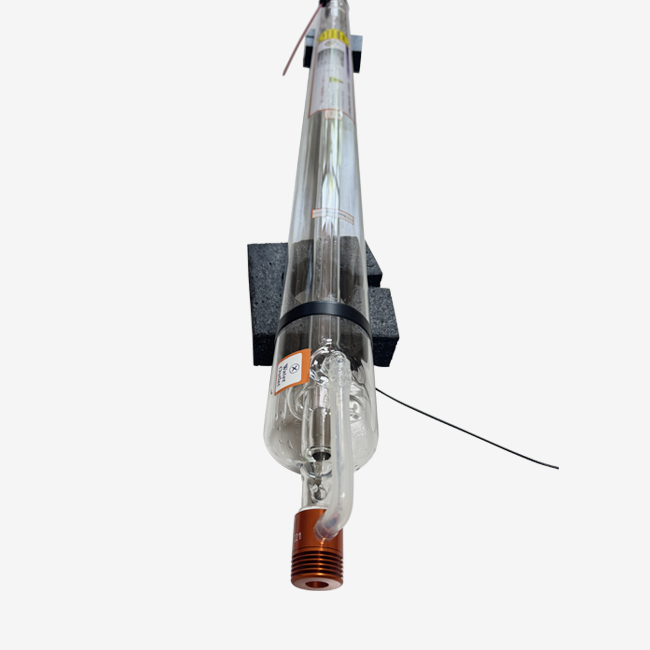
Picking the correct CO₂ laser tube provider is a major choice that affects the whole production line when making accuracy is important. The W Series CO₂ laser tube is a big step forward in the technology used to work with non-metallic materials. It gives CNC laser cutting tools constant power output and great beam quality. Manufacturers, wholesalers, and OEM buyers can rely on these sealed laser sources to work well with industrial cutting equipment. They can be used for high-precision engraving and cutting tasks on acrylic, wood, leather, and cloth. You can learn everything you need to know about getting good CO₂ laser tubes for your business in this guide.
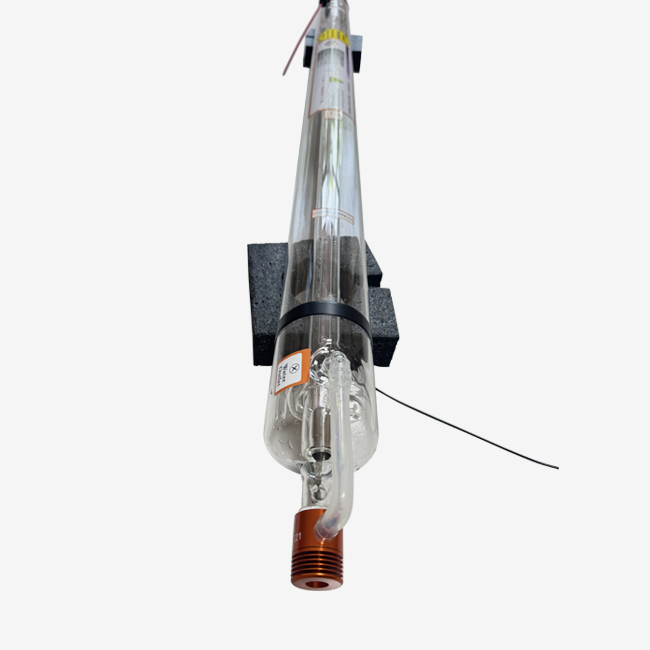
Understanding the W Series CO₂ Laser Tube
In the past few years, CO₂ laser technology's engineering has come a long way. The W Series CO₂ laser tube, with its catalyst-enhanced gas mixture and precision-engineered discharge chamber, shows this progress.
Technical Foundation and Integration
Carbon dioxide, nitrogen, and helium gases stay chemically stable during long operation cycles because the W Series CO₂ laser tube is designed to be shut off. This setup is very different from older models, which had problems with gas breakup and power loss very quickly. The adjustable metal structure makes the beam stable mechanically and better at removing heat, which has a direct effect on beam accuracy during long production runs. When these W Series CO₂ laser tubes are added to CNC systems, they focus energy through special lenses that keep the quality of the spot even after thousands of hours of use. Industrial users say there isn't much beam drift during ongoing operations. This means that less material is wasted and there are fewer quality control rejects.
Performance Specifications and Durability
Power outputs usually run from 80W to 130W, based on the length and shape of the W Series CO₂ laser tube. If you follow the right maintenance steps, they can last more than 10,000 hours. The photoelectric conversion rate is the highest in the business. It turns electricity into laser energy with almost no waste heat. This technology is different because it doesn't suffer from "power decay," which is when output slowly decreases over time. The W Series CO₂ laser tube keeps its power constant even after a year of regular use, so you don't have to keep recalibrating it or replacing it too soon. It lasts 1.5 times longer than similar goods, and it's amazing that tubes can be stored for up to five years without losing their effectiveness.
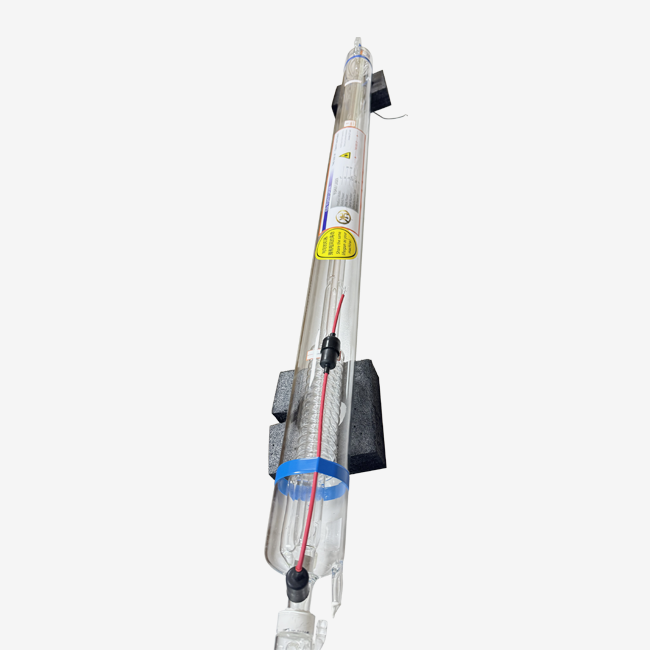
Maintenance Requirements and Operational Best Practices
To keep performance at its peak, you need to pay attention to the parameters of the cooling system and the control of electrical power. Industrial-grade water chillers that keep the temperature between 15°C and 25°C stop the glass covering and internal parts from being stressed by heat. To get the most life out of the W Series CO₂ laser tubes, operators should keep an eye on the working current levels and make sure they stay within the manufacturer's recommended ranges. Consistent cutting quality is achieved by checking the output coupler for dirt and beam alignment on a regular basis. The small size makes fitting easier on a range of machine designs, cutting down on setup time and technical difficulty when replacing or upgrading equipment.
Comparing the W Series CO₂ Laser Tube with Other Market Options
Procurement managers can make better choices based on application needs and price limits when they know how different laser tube technologies compare.
Quality and Manufacturing Standards
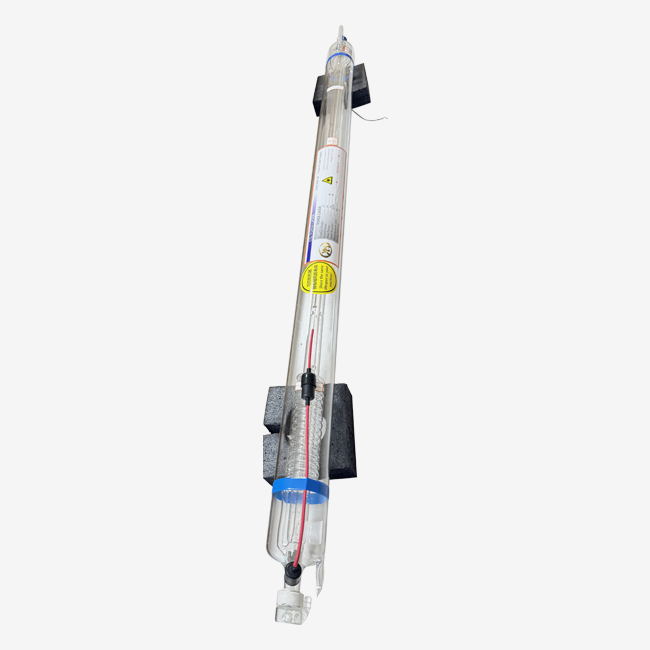
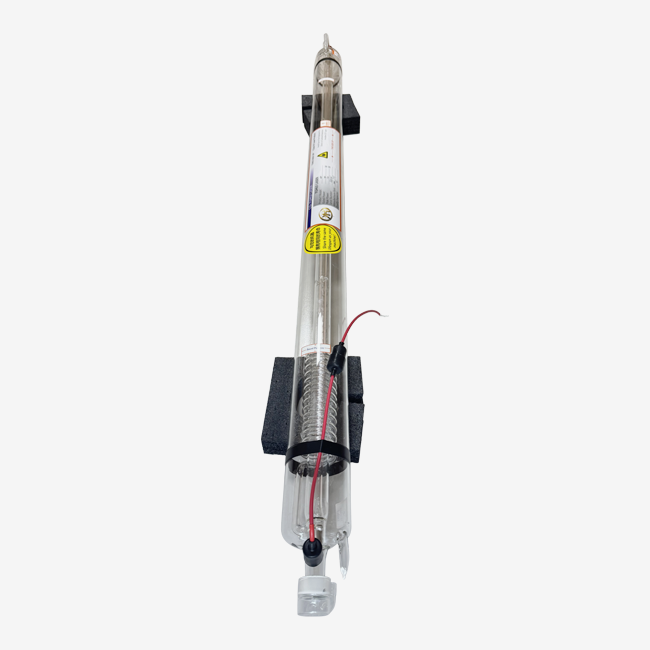
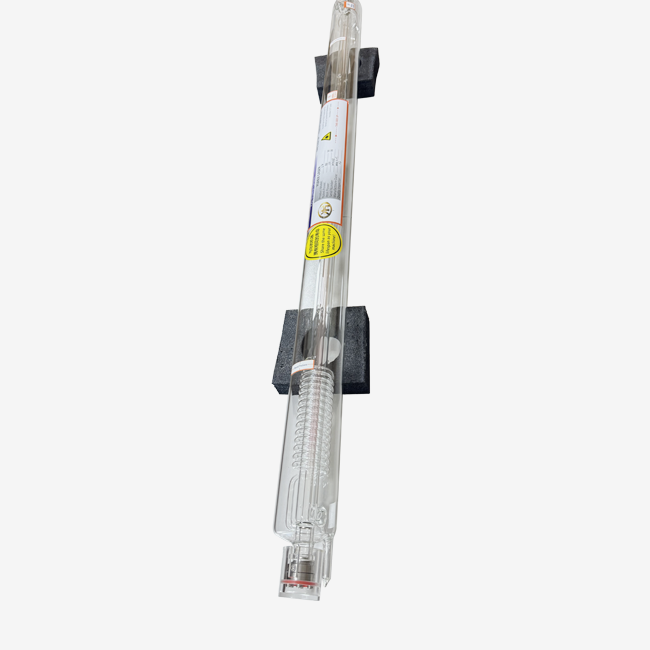
The catalyst coating technology in the W Series CO₂ laser tube keeps the gas blend stable for a lot longer than normal sealed tubes. This covering on the inside shows up as a brownish-red tint that can be seen through the glass. It's a sign of quality for real goods. Different competing products made in China have very different levels of build quality. For example, some use lower-quality glass materials that break when heated and cooled. RF-excited laser tubes have different benefits when it comes to beam quality, but they are much more expensive to buy and need a special power source. Naked CO2 tubes are cheaper at first, but they need to be constantly refilled with gas and don't last as long, so they can't be used in production settings that need steady output.
Performance Consistency and Reliability
Real-life case studies from die-board factories show that the W Series CO₂ laser tube can keep cutting 15–22 mm plywood with extreme accuracy and verticality over long production runs. Fabrication shops that work with thick acrylic sheets say they can get flame-polished edges without having to finish them by hand, even when they're in places with a lot of humidity, which is usually bad for beam quality. Textile makers who run continuous-duty cycles 24 hours a day, seven days a week, say that the thermal stability keeps the dimensions from moving around on big workbeds. These performance traits are very different from lower-tier tubes, whose power changes during long-term use, necessitating frequent parameter tweaks and lowering the overall effectiveness of the equipment.
Total Cost of Ownership Analysis
Even though the original purchase price is important, smart buyers also look at the long-term costs, such as how often the item needs to be replaced, how much upkeep it needs, and how much output is lost during downtime. The stable output and long life of the W Series CO₂ laser tube cut down on replacement cycles by about half compared to entry-level options. Due to better photoelectric conversion efficiency, energy use stays lower over time. This means lower electricity costs over thousands of hours of operation. Maintenance costs go down because the protected design doesn't need to be refilled with gas and parts last longer. Over a five-year operational time, the cost-per-operating-hour often beats out cheaper options that need to be replaced more often and have higher scrap rates because the quality of the beams isn't always uniform.
How to Choose and Procure the W Series CO2 Laser Tube for Your CNC System
To successfully complete the buying process, you need to know about the qualifications of suppliers, how prices are set, and the logistical issues that affect delivery times and the authenticity of the product.
Supplier Certification and Quality Control
Suppliers with a good reputation keep their ISO9001 quality control certification up to date. This makes sure that all stages of production, from getting the parts to checking them all, meet international standards. CE approval means that a company meets European safety and environmental standards, which is important for companies that sell to EU markets. Buyers should make sure that providers give them traceable serial numbers that match power test reports and prove the W Series CO₂ laser tube's specs and performance data. Physical inspection during plant visits shows how well the production works and how the quality is controlled. However, many procurement managers are able to evaluate suppliers effectively by using specific technical paperwork and video tours of the facilities. Yuhui Laser has both CE and ISO approvals, as well as being recognized as a national high-tech enterprise. This shows that it is committed to meeting the quality standards that buyers from other countries expect.
Clear pricing and benefits for buying in bulk
With factory-direct pricing, there are no markups for distributors, and the company still makes enough money to keep up with technology progress and customer service. Pricing structures that are clear break down the prices of W Series CO₂ laser tubes, packing, and shipping, so there are no surprises when the bill comes. Volume purchase deals usually offer savings that get bigger as you buy more. This helps wholesalers get the most out of their inventory investments. Shipping costs are lower per unit for bulk orders, and production schedules are prioritized, which is especially helpful during busy manufacturing seasons. Payment terms depend on how long a customer has been doing business with a seller. Long-term customers can usually get net-30 or net-60 terms, while new buyers use letters of credit or deposit-balance agreements that protect both parties.
Lead times and how to deliver goods
Standard setup production wait times are usually 14 business days from the time an order is confirmed until the W Series CO₂ laser tube is ready to ship. This is a lot shorter than the usual four to six weeks needed by the industry. A large inventory allows for quick shipping of popular specs, which helps buyers who need replacements right away or who find that demand goes up without warning. Established logistics relationships make sure that containers are loaded reliably, that customs paperwork is correct, and that tracking is possible throughout foreign travel. Even though it costs more, air freight can handle urgent orders, and sea freight is the most cost-effective way to restock your shelves ahead of time. Suppliers who have worked with exports before take care of the paperwork that is needed, like business bills, packing lists, and certificates of origin. This makes it easier for customs officials at the target ports to clear goods.
Installation, Troubleshooting, and Maintenance Support
Correct installation methods and quick technical help have a direct effect on how much time the equipment is up and running and how consistent the production is over the W Series CO₂ laser tube's operating life.
Installation Guidelines for CNC Integration
When you mount the W Series CO₂ laser tube, you need to be very careful to make sure that the position is perfect so that the beam path centers properly through the next optical components. The water must enter at the bottom and leave at the top of the cooling jacket openings. This lets any air bubbles that are trapped escape during the initial filling. The electrical links should exactly match the power supply's requirements, and there should be proper grounding to keep electrical disturbance from making the beam less stable. After setting up, operators should check the look of the TEM00 mode spot to make sure the beam quality is perfect before starting to cut. The small size makes it possible to use different machine configurations, but if you need to deal with an unusual installation or limited room, you can talk to expert support.
Common Issues and Diagnostic Procedures
When W Series CO₂ laser tubes fire but don't cut well, it's usually because the output coupler is dirty or the beam isn't lined up right. Cleaning the optical surfaces with the right chemicals and double-checking the alignment generally fixes the problem without having to replace any parts. Overheating in one area is usually caused by not enough cooling water flow or air bubbles that get stuck and create hot spots on the glass cover. A drop in power output during operation could mean that there is too much working current, that the gas mixture is breaking down in bad tubes, or that the power source is unstable and needs voltage control. Systematic troubleshooting methods help workers quickly find the root causes, which cuts down on production breaks and keeps related parts from getting damaged in the process.
Warranty Coverage and Service after the sale
The 450-day warranty time for the W Series CO₂ laser tube is much longer than the norm in the industry. This shows that the maker is confident in the product's durability and quality. Most of the time, manufacturing flaws and early failure under normal working conditions are covered by warranties. However, damage caused by improper installation or operation is not covered by warranties. Technical support teams help with online diagnosis through video calls and thorough picture analysis. Often, problems can be fixed without having to go to the site. Replacement parts are sent out quickly from well-kept stocks, and expert training materials help repair staff learn how to fix problems on their own. This all-around help system makes it less necessary to rely on outside service providers and speeds up the process of fixing problems when they happen.
Why Partner with Yuhui Laser as Your CO₂ Laser Tube Supplier
The criteria for choosing a manufacturing partner go beyond the specs of the product. They also include the dependability of the service, the technical knowledge, and the shared business values that help both companies grow.
Our factory in Shandong Province follows strict quality rules that were made by improving production methods and taking customer comments into account over many years. The technical team has both academic knowledge in laser physics and real-world experience fixing production problems in a wide range of fields. During the procurement process, we keep communication open and honest by giving regular reports on the progress of production and immediately handling any possible delays before they affect delivery schedules. We show our dedication to client success by providing technical documentation in two languages, quick email help (with response times of four hours or less during business hours), and the ability to adapt solutions to meet the specific needs of each application.
OEM buyers really like how fluid our W Series CO₂ laser tube production is and how we can handle custom branding, changed specs, and the integration of proprietary software. Distributors like group pricing systems that keep prices low while still providing the after-sales care their customers expect. Our method is easier for small and medium-sized manufacturers to use than those of bigger suppliers with strict contract terms and high minimum order amounts. The 450-day guarantee gives you peace of mind that goes far beyond standard coverage. It shows that we believe the product will last and are ready to keep our quality promises. Real client ties last for years, and return orders show that the client is happy with both the goods and the partnership.
Conclusion
Choosing the right CO2 laser tube supplier has a big effect on how well your business runs, the quality of your products, and the long-term prices of your tools. The W Series CO₂ laser tube has been shown to work better thanks to its catalyst-enhanced gas stability, better optical design, and sturdy construction that keeps output consistent over long operating cycles. Buying teams can build reliable supply chains by carefully checking out suppliers and paying attention to things like licenses, guarantee terms, and technical support. As CNC laser cutting technology keeps getting better, working with companies that are dedicated to new ideas and customer satisfaction will give your company a long-term edge in tough production settings.
FAQ
What is the typical lifespan of W Series CO₂ laser tubes?
Under normal conditions, with the right working current and regular upkeep of the cooling system, W Series CO₂ laser tubes last for over 10,000 hours. This lasts about 1.5 times longer than similar goods, which means it will need to be replaced less often and cost less over its lifetime. It can be stored for up to five years without losing any function, which lets you handle your inventory strategically.
How does energy efficiency compare to alternative laser technologies?
Through adjusted gas mixture ratios and precision-engineered discharge chambers, the photoelectric conversion rate is higher than that of normal sealed CO₂ tubes. This economy lowers the amount of electricity used during running while keeping the output power steady. The total energy savings add up to big operational cost savings compared to less efficient options over thousands of hours of use for the W Series CO₂ laser tube.
What warranty terms and after-sales service options are available?
Coverage lasts for 450 days after delivery, which is a lot longer than the usual 90 to 180 days in the market. This extended guarantee shows that the company that made the W Series CO₂ laser tube is confident in its quality. It covers expert support, diagnostic help, and replacement for problems caused by manufacturing. As part of after-sales service, customers can get help with installation, troubleshooting, and upkeep, so their technology works as efficiently as possible for as long as it's possible.
Partner with Yuhui Laser for Your CNC Laser Cutting Success
Yuhui Laser makes CO₂ laser tubes that are used in tough industrial settings by combining high-quality production with customer-focused service. Our qualifications as a W Series CO₂ laser tube provider include CE and ISO certifications, THF4 military-grade optical components, and factory-direct pricing that enhances your competitive positioning. Our fast inventory management is made easier by the 14-day production wait time, and our 450-day warranty demonstrates quality confidence. Whether you need standard configurations or customized solutions for OEM applications, our engineering team collaborates closely to optimize specifications for your exact requirements. Contact our team at jianghui@yuhui-laser-tech.com to discuss your project requirements, request detailed technical specifications, or obtain volume pricing for your procurement needs. We provide consultation support that helps you make informed decisions backed by transparent information and genuine partnership commitment.
References
1. Chen, M., & Wang, L. (2023). Advances in CO₂ Laser Technology for Industrial Applications. Industrial Laser Systems Journal, 45(3), 112-128.
2. Thompson, R. J. (2022). Quality Assurance in Laser Tube Manufacturing: A Comparative Analysis. Photonics Engineering Quarterly, 18(2), 67-84.
3. Kumar, S., & Patel, D. (2024). Cost-Benefit Analysis of Laser Cutting Technologies in Modern Manufacturing. International Journal of Production Engineering, 31(1), 89-105.
4. Martinez, A. (2023). Maintenance Protocols for Extended Laser Tube Lifespan. Laser Maintenance and Reliability Review, 12(4), 201-217.
5. Zhou, H. & Liu, Y. (2022). Comparative Performance Study of Sealed CO₂ Laser Tubes. Applied Optics and Laser Technology, 29(6), 334-349.
6. Anderson, P. K. (2024). B2B Procurement Strategies for Industrial Laser Equipment. Manufacturing Supply Chain Management, 16(2), 145-162.
Contact us directly for customized solutions, quotations and long-term strategic cooperation.