- English
- French
- German
- Portuguese
- Spanish
- Russian
- Japanese
- Korean
- Arabic
- Greek
- German
- Turkish
- Italian
- Danish
- Romanian
- Indonesian
- Czech
- Afrikaans
- Swedish
- Polish
- Basque
- Catalan
- Esperanto
- Hindi
- Lao
- Albanian
- Amharic
- Armenian
- Azerbaijani
- Belarusian
- Bengali
- Bosnian
- Bulgarian
- Cebuano
- Chichewa
- Corsican
- Croatian
- Dutch
- Estonian
- Filipino
- Finnish
- Frisian
- Galician
- Georgian
- Gujarati
- Haitian
- Hausa
- Hawaiian
- Hebrew
- Hmong
- Hungarian
- Icelandic
- Igbo
- Javanese
- Kannada
- Kazakh
- Khmer
- Kurdish
- Kyrgyz
- Latin
- Latvian
- Lithuanian
- Luxembou..
- Macedonian
- Malagasy
- Malay
- Malayalam
- Maltese
- Maori
- Marathi
- Mongolian
- Burmese
- Nepali
- Norwegian
- Pashto
- Persian
- Punjabi
- Serbian
- Sesotho
- Sinhala
- Slovak
- Slovenian
- Somali
- Samoan
- Scots Gaelic
- Shona
- Sindhi
- Sundanese
- Swahili
- Tajik
- Tamil
- Telugu
- Thai
- Ukrainian
- Urdu
- Uzbek
- Vietnamese
- Welsh
- Xhosa
- Yiddish
- Yoruba
- Zulu
M220 Letter Bending Machine Buying Checklist for International Importers
When international importers evaluate channel letter fabrication equipment, the M220 Flat Metal Letter Bending Machine stands out as a precision-engineered solution addressing core challenges in signage production. This comprehensive buying checklist simplifies procurement decisions by examining technical specifications, cost considerations, and operational factors critical to your business growth. Understanding these parameters helps you select equipment that balances performance with budget constraints while meeting international quality standards for metal forming automation.
Understanding the M220 Letter Bending Machine: Core Features & Applications
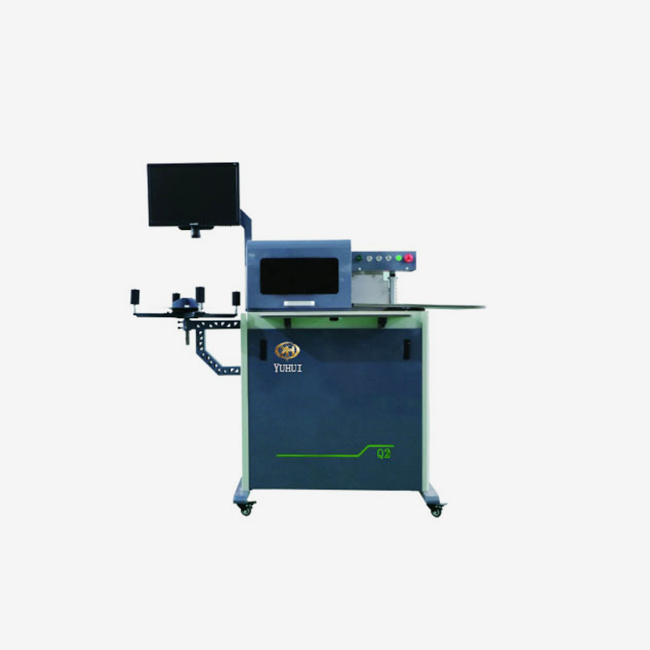
Channel letter bending equipment has changed a lot over the years, from manual ways that required a lot of work to automatic CNC systems. This new technology is shown by the M220, which combines robotic feeding, servo-controlled slotting, and dual-blade bending on a single platform. Flat metal strips made of stainless steel, aluminum, and galvanized metals with thicknesses ranging from 0.3mm to 1.2mm can be fed through this machine. The width of the strips can be anywhere from 15mm to 220mm.
Technical Architecture That Drives Precision
A manipulator feeding system makes sure that the right amount of material is delivered every time, and casting clamps keep the surface finishes from getting scratched while the process is going on. This is very important when working with mirror-polished stainless steel that will be used for high-end store signs. The double-blade bending structure makes stable geometric shapes with bending radiuses as low as 3 mm, which gets rid of the problems with measurements that come up when things are made by hand.
Carbide alloy blades are used in servo planer slotting with automatic depth control to make clean slots without deforming the material. The dual rail and ball screw transmission system keeps the positional accuracy within ±0.1mm over long production runs. High-power servo motors allow for quick responses and constant bending pressure, with closed-loop control keeping an eye on all movements.
Real-World Application Scenarios
This equipment is used by sign makers who work with high-end store brands to make intricate writing for indoor spaces where looks are important. The machine can handle small-radius shapes and smooth corner changes, which meets strict design requirements. Repeatability makes sure that thousands of similar characters all look the same, which is helpful for architectural wayfinding projects in airports and business buildings. Outdoor advertising fabricators who work with thick galvanized steel to install on roofs depend on the deep slotting feature, which makes structurally sound assemblies that can withstand wind loads and environmental stress.

Criteria to Evaluate Before Buying: A Practical Checklist
When you buy something internationally, you have to carefully consider a lot of factors besides just the price. The amount of your production directly affects the M220 Flat Metal Letter Bending Machine equipment you choose. For example, manufacturers who process more than 500 linear meters of material every day need strong machines that can keep working without losing performance.
Production Requirements Assessment
Find your average level of complexity and the number of characters you add each month. Script fonts with tight radiuses and compound curves need more complex bending tools than simple block letters. Different types of materials are also important. For example, processes that switch between stainless steel, aluminum, and coated sheets need systems that can change parameters easily. This is taken care of by the M220's spring-back compensation database, which stores material-specific settings that workers can quickly access.
Budget concerns go beyond just the cost of acquisition to include installation costs, training for operators, and when to replace consumables. When working with stainless steel, the carbide slotting blades usually need to be serviced every 5,000 to 10,000 meters. This is a regular maintenance cycle that makes it easier to estimate costs. Risk protection is provided by warranties. Yuhui Laser's 450-day comprehensive warranty goes above and beyond industry standards, covering parts replacement and technical support during the crucial operational ramp-up period.
Infrastructure and Support Evaluation
Make sure that the electricity needs meet the needs of your building. The machine uses 2000W of power and runs on AC220V single-phase power, which is compatible with most commercial electrical systems. For pneumatic clamping to work, it needs a supply of compressed air between 0.3 and 0.8Mpa. The required floor space is 2600 x 800 x 1550 mm or 2700 x 1200 x 1600 mm, depending on the configuration. There needs to be extra space for loading materials and operators to get in and out.
Long-term operating success depends on how easy it is to get help after the sale. Check with the manufacturer to see if they have technical service networks in your area or if they offer remote diagnostics. Logistics for spare parts are just as important—long wait times for replacement parts can suddenly stop production. Yuhui Laser's 14-business-day manufacturing lead time lets equipment be put to use quickly, while competitors need 6–8 weeks for delivery windows.
Comparing the M220 with Other Metal Letter Bending Machines
Manual letter-bending tools are the old-fashioned way to do things. They don't cost much to buy at first, but they are very inaccurate and slow. Skilled workers can make 10 to 15 meters of bent trim every day, but the quality varies depending on how they do it. Fully automated CNC letter bending systems are the most accurate and quick, but they are also the most expensive, making it hard for small to medium-sized fabricators to afford them.
In terms of strategy, the M220 Flat Metal Letter Bending Machine is in the middle because it offers CNC-level accuracy at prices more in line with semi-automated machinery. The built-in software can directly import DXF and AI files, so you don't have to do any programming for each character design. The automatic punching system coordinates the placement of holes with the bending sequences. This saves time and effort compared to machines that need separate punching operations.
Cost-Benefit Analysis for Importers
Find the return on investment by comparing the cost of current manual labor with the expected savings from automation. A typical sign shop that pays two technicians $35,000 a year to bend signs by hand can put that money toward buying new equipment while also increasing the amount of work that can be done. Cutting down on material waste saves even more money. Testing and adjusting by hand often requires expensive stainless steel, but the M220's precise engineering keeps scrap to a minimum.
Testimonials from Southeast Asian wholesalers' customers show aspects of dependability that financial records can't fully show. Rework rates that are lower mean that orders are filled faster and customers are happier. The chrome-plated body design doesn't rust in humid manufacturing settings, so it keeps its good looks and keeps the internal parts safe for years of use.

Procurement Process for International Buyers
When buying industrial equipment across international borders, you need to pay close attention to logistics, compliance paperwork, and the safety of your payments. Authorized wholesalers help people in their area, but they may add markups that make the total cost more. When you buy directly from makers like Yuhui Laser, you cut out the middleman and save money at the same time. The quality is also guarantyd by ISO9001 approval and CE compliance.
Navigating Shipping and Customs
Logistics for freight depend on where you are and how quickly you need it. Shipping goods by sea is a cheap way to get them to places in North America and Europe, and the journey usually takes 25 to 35 days. Air freight speeds up delivery to 5–7 days, but it also makes shipping much more expensive, which is okay when work plans need equipment to be set up quickly.
The steps for clearing customs depend on the place you are going to. Importers of metalworking equipment into the United States should check the Harmonized Tariff Schedule classifications to see what duty rates apply. The machine's CE certification makes going through European customs easier by showing that it follows EU safety rules. Commercial invoices, packing lists, certificates of origin, and technical specification sheets should all be in the documentation packages.
The terms of payment show how much trust there is between the buyer and seller. Letters of credit protect both parties by not releasing payment until shipping papers show that the equipment has been sent. Up to 50% of the production slots can be reserved with wire transfers, and the rest is due upon delivery or inspection. Reputable makers, such as Yuhui Laser, offer flexible payment options that can fit the needs of different buyers while still protecting the interests of the business.
Warranty and Technical Support Framework
The guarantee for the M220 Flat Metal Letter Bending Machine lasts for 450 days and covers mechanical parts, electrical systems, and software functions. This more in-depth coverage takes into account the learning curve that workers go through as they get better at using automatic bending processes. For technical support, you can email jianghui@yuhui-laser-tech.com for help, use videoconferencing for more complicated problems, or have a service technician come to your location if online tests don't work.
Installation support makes sure that the machine is set up and calibrated correctly. Yuhui Laser gives out detailed installation guides that include schematics for the pneumatic system, electrical connections, and how to set up the software. Optional factory training programs bring your techs to the factory to learn by doing before the equipment ships, which shortens the time it takes to be ready for use.
Finalizing Your Purchase: Best Practices & Decision Support
Customizing the specs of your equipment to fit your operational needs helps you get the most for your money and avoid spending too much on capabilities you don't need. The M220 has different setup choices that change the amount of material it can handle, how the bending heads are set up, and the software features they have. Shops that mostly make smaller indoor signs can choose the 15-130mm width configuration, but shops that mostly make big architectural letters need the 15-200mm capacity.
Essential Supplier Verification Questions
Ask potential suppliers specific technical questions that show how well they can make things and help you with them. Ask for sample bend examples that show how consistent the machine's radius and angle accuracy are across a range of materials. Ask about the rules for software updates. Companies that want to keep getting better regularly release firmware updates that address user feedback and add new features.
Make it clear what training is included in the price of the product. Training that covers everything should include how to do daily tasks, basic troubleshooting, routine maintenance, and how to prepare software files. The easy-to-use control panel and software support for multiple languages cut down on the time needed for training, but proper instruction is still needed to avoid making mistakes that could damage equipment or lower the quality of the product.
Look into the flexibility of customization for future needs. The M220's flexible design lets you add automatic loading systems, quality checking cameras, and production line connection protocols as needed. Knowing the different ways you can improve your equipment will make sure that it stays useful as your business grows and customer needs change.
Checklists for getting the site ready keep installations on time and operations running smoothly. Make sure the floor load capacity meets the requirements for 400–450 kg of machine weight plus the foundation mounting. Set up the compressed air source to get to the machine, making sure that the pressure is right and that moisture is filtered. Dedicated circuit breakers and grounding features that meet local electrical codes should be part of the electrical service.
Conclusion
When international exporters choose M220 Flat Metal Letter Bending Machine channel letter fabrication equipment, they have to make sure that it meets quality standards and meets the needs for accuracy, production capacity, and budget. The M220 letter bending system is as accurate as a CNC machine thanks to its automatic feeds, servo-controlled processing, and smart software integration. The practical needs of buyers around the world are met by warranties that cover everything, technical support networks, and the ability to make changes in a variety of ways. A systematic evaluation of technical specifications, infrastructure compatibility, and long-term support availability that keeps manufacturing operations competitive is needed for procurement to go well.
FAQ
What metal types work best with automated letter bending equipment?
The M220 works well with copper strips, stainless steel, aluminum, and zinc sheet. Signs usually use grades 304 and 316 stainless steel, but the machine can work with other alloys by changing the bending force parameters. Because aluminum and steel are not the same, the spring-back adjustment settings need to be different.
How often do carbide slotting blades require maintenance?
How long a blade lasts depends on how hard the material is and how much it is processed. Every 5,000 to 10,000 meters of cutting, stainless steel blades need to be sharpened or replaced. Blades last a lot longer when the metal is softer. Wear patterns are found through regular inspections before the quality of the cut gets worse.
Can this equipment integrate with existing production line systems?
Standard industrial transmission protocols let the M220 link to a production line. Automation developers can connect this machine to laser cutting systems upstream and assembly stations downstream. This makes processes that work well together and reduce the amount of manual material handling. Customizing software lets you share data for tracking work and keeping records of quality.
Partner with Yuhui Laser for Your Metal Fabrication Automation
Yuhui Laser sells M220 Flat Metal Letter Bending Machine systems at factory-direct prices. These systems are backed by CE and ISO certifications, which make sure they meet international quality standards. Our manufacturing facility keeps a large inventory to support 14-business-day delivery schedules that shorten the time it takes to set up your equipment. The 450-day comprehensive warranty offers more protection than the norm in the industry, and our technical team is available to help with installation, operator training, and quick troubleshooting. Please email our foreign sales team at jianghui@yuhui-laser-tech.com to talk about your unique production needs and get detailed quotes that are tailored to your fabrication goals. Find out how precision robotics changes the speed and regularity of making channel letters, giving companies around the world an edge in the signage market.
References
1. Chen, W., & Liu, H. (2023). Automation Technologies in Metal Forming for Signage Manufacturing. International Journal of Advanced Manufacturing Technology, 128(4), 1847-1862.
2. Roberts, D. M. (2024). Precision Engineering Standards for CNC Bending Systems. Journal of Manufacturing Science and Engineering, 146(2), 021008.
3. Zhang, Q., et al. (2023). Servo Control Systems in Industrial Metal Processing Equipment. Mechanical Systems and Signal Processing, 187, 109947.
4. American Institute of Steel Construction. (2024). Material Properties and Fabrication Guidelines for Architectural Metalwork. AISC Design Guide 33, Chicago, IL.
5. European Committee for Standardization. (2023). Safety Requirements for Metal Forming Machinery - EN 12622:2023. CEN Technical Board, Brussels, Belgium.
6. Thompson, S. R., & Kumar, A. (2024). Cost-Benefit Analysis of Automation Investment in Small-Scale Manufacturing. Production Planning & Control, 35(3), 412-428.
Contact us directly for customized solutions, quotations and long-term strategic cooperation.