- English
- French
- German
- Portuguese
- Spanish
- Russian
- Japanese
- Korean
- Arabic
- Greek
- German
- Turkish
- Italian
- Danish
- Romanian
- Indonesian
- Czech
- Afrikaans
- Swedish
- Polish
- Basque
- Catalan
- Esperanto
- Hindi
- Lao
- Albanian
- Amharic
- Armenian
- Azerbaijani
- Belarusian
- Bengali
- Bosnian
- Bulgarian
- Cebuano
- Chichewa
- Corsican
- Croatian
- Dutch
- Estonian
- Filipino
- Finnish
- Frisian
- Galician
- Georgian
- Gujarati
- Haitian
- Hausa
- Hawaiian
- Hebrew
- Hmong
- Hungarian
- Icelandic
- Igbo
- Javanese
- Kannada
- Kazakh
- Khmer
- Kurdish
- Kyrgyz
- Latin
- Latvian
- Lithuanian
- Luxembou..
- Macedonian
- Malagasy
- Malay
- Malayalam
- Maltese
- Maori
- Marathi
- Mongolian
- Burmese
- Nepali
- Norwegian
- Pashto
- Persian
- Punjabi
- Serbian
- Sesotho
- Sinhala
- Slovak
- Slovenian
- Somali
- Samoan
- Scots Gaelic
- Shona
- Sindhi
- Sundanese
- Swahili
- Tajik
- Tamil
- Telugu
- Thai
- Ukrainian
- Urdu
- Uzbek
- Vietnamese
- Welsh
- Xhosa
- Yiddish
- Yoruba
- Zulu
The Best Laser Engravers to Up Your Small Business Game (2026)
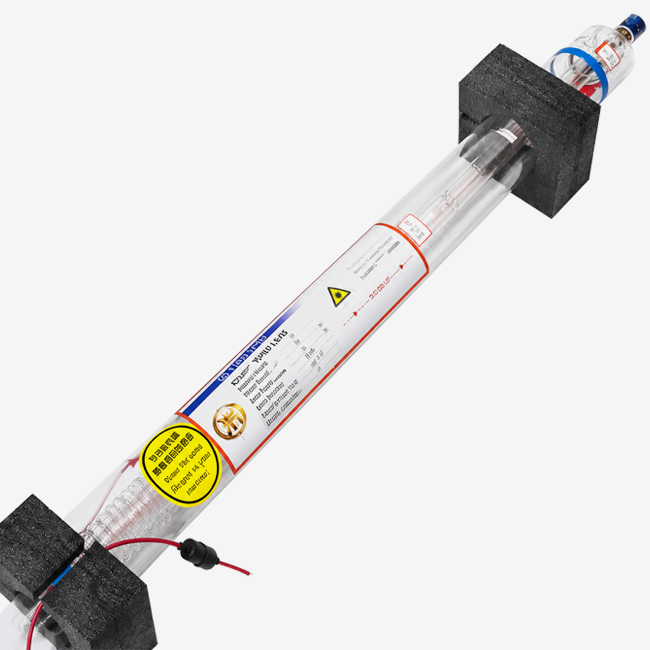
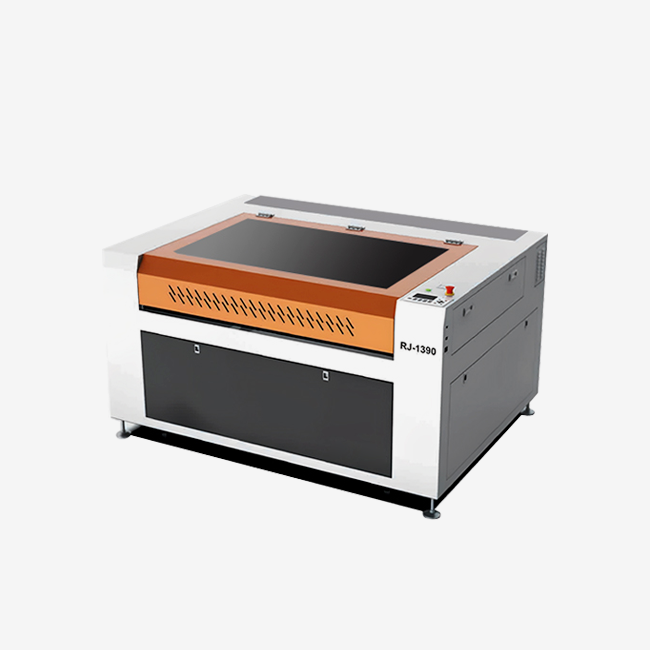
When you're looking to scale your small business with precision engraving technology, the Small and Medium Format Laser Engraving Machine represents the sweet spot between desktop hobbyist tools and industrial-scale gantries. These machines typically feature working areas between 600x400mm and 1600x900mm, delivering professional-grade accuracy without overwhelming your workshop space or budget. With CO2 laser tubes ranging from 60W to 150W, they handle diverse materials from acrylic signage to leather goods, with positioning accuracy reaching ±0.01 mm. This equipment class addresses the critical challenge many growing businesses face: achieving consistent industrial quality while maintaining the flexibility and affordability essential to competitive operations.

Understanding Laser Engraving Equipment for Growing Businesses
What Defines Compact Industrial Engravers?
Laser engraving has changed a lot, especially for businesses that are in the middle of starting up and going full industrial scale. The best thing about compact industrial engravers is that they make good use of space and can handle a lot of work. Unlike desktop units that can only be used sometimes, these machines have industrial-grade parts like RUIDA control systems and sealed CO2 laser tubes that can work nonstop. The cooling systems, which are usually built on water and can precisely control the temperature, keep the beam stable during long production cycles. This stability means that the etching level and edge quality will be the same from batch to batch, which is very important when you have contracts that need exact copies.

Technical Capabilities That Matter
Processing speed is an important measure of success. Modern CO2 etching tools can engrave at speeds of up to 500 mm/s and cut at speeds of 100 mm/s, which greatly cuts down on production time compared to older technology. The RUIDA control system works with complicated vector files from AutoCAD and CorelDRAW without losing any of their detail. This keeps the purity of the design from the idea stage to the finished result. Positioning accuracy of ±0.01mm lets you work on small details, like carving English letters that are 1mm tall and easy to read. With stepless control from 0 to 100%, the power adjustment feature lets operators fine-tune the energy delivery for different types and thicknesses of material without having to waste time trying different things and seeing what works.
Comparing Work Area Options
Choosing the right work area depends on the size of your typical projects and how you want to grow in the future. A 600x400mm bed is good for marking jewellery and making small signs, while a 1600x900mm bed is good for building models and big advertising displays. The versatility of Small and Medium Format Laser Engraving Machines is something that many distributors value. They can handle both big projects and lots of small things at once without having to buy extra equipment. The height of the worktable can be changed by hand, and it usually has 100 mm of vertical travel. This means that it can work with a wide range of materials, from thin leather to thick wood panels, so custom jigs or fixtures aren't needed in many situations.
Choosing the Right Laser Engraver for Your Small Business: A Decision Support Guide
Matching Machine Specifications to Business Needs
Your business plan has a big impact on what tools you need. When working with coated aluminum or anodized steel, companies that process metal put speed and power stability at the top of their list of priorities. When distributors bring in equipment to sell under their own name, they need machines that have been tested and proven to be reliable. Machines with CE marking and ISO9001 compliance show that they are ready for sale in Europe and North America. To make their products stand out, OEM buyers often need the ability to customise both the way machines look and how software works. Automation integrators look for open architecture that lets them connect to other control systems for production lines easily.
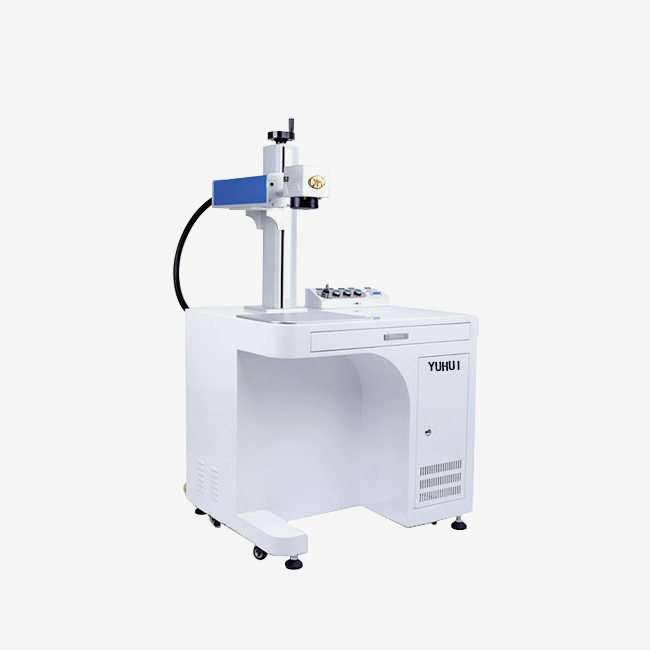
Choosing between CO₂ and fiber laser technology for a small- and medium-format laser engraving machine has a big effect on how well they work and what materials they can be used with. CO2 lasers are great for cutting and engraving organic materials like wood, plastic, leather, and fabrics because they make clean, smooth cuts and surfaces. Their 10.6μm wavelength interacts strongly with these substrates, vaporising material efficiently without burning it too much when set up correctly. On the other hand, fibre lasers are used to process metals like aluminium, stainless steel, and brass because they absorb energy better. Knowing this basic difference keeps you from having expensive problems when your equipment doesn't meet your output needs.
Evaluating Core Performance Factors
Accuracy in a machine goes beyond precise positioning and includes repeatability. For example, can the engraver get the same results over hundreds of cycles? High-quality stiff frame construction and linear guide systems keep the frame from deflecting when the direction changes quickly, keeping the geometric accuracy. High-performance stepper motors and leadshine drivers work together to make this reliable by improving torque curves and lowering vibration gearbox. These parts, which aren't shown in marketing materials very often, decide whether your machine stays in specification after months of daily use or slowly breaks down and needs to be re-calibrated more often.
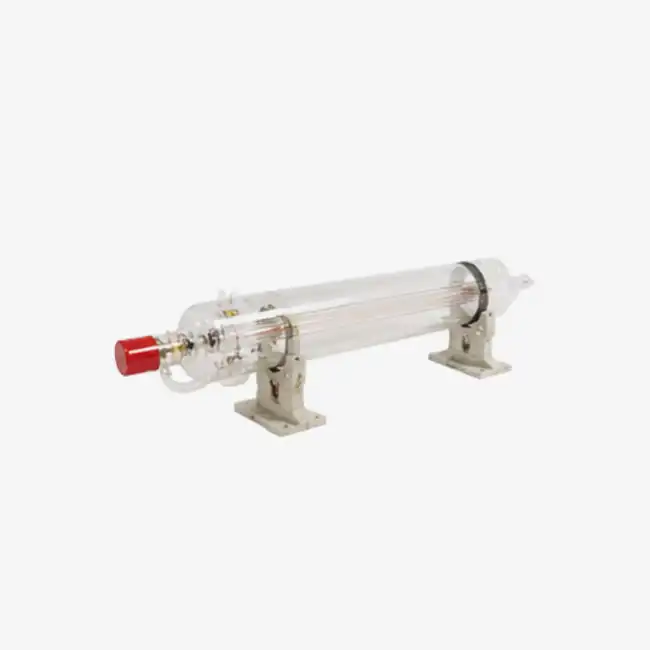
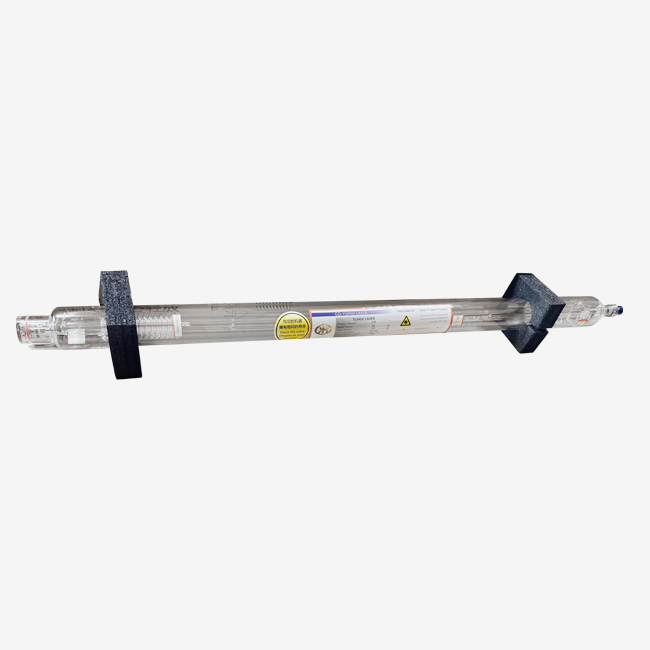
When judging durability, you should look at how long consumables last and how easy it is to get replacements. Sealed CO₂ laser tubes from reputable manufacturers usually last between 8,000 and 10,000 hours of use before they need to be replaced. Filtration and temperature control in the cooling system have a direct effect on how long the tube lasts. If the cooling system isn't working right, electrode degradation and output power loss happen faster. Procurement professionals should check to see if replacement parts keep a wide range of compatibility or force buyers to buy from a single supplier, which can cost more and take longer to deliver.
Software Integration and Operational Efficiency
How well operators can turn designs into machine instructions depends a lot on how efficiently they can make things. Support for common file types like PLT, DST, DXF, BMP, and AI files gets rid of the need to convert files, which can be error-prone and take time. Direct plugin compatibility with AutoCAD and CorelDRAW lets designers work in environments they already know instead of having to learn new software that doesn't do what they need it to do. The debugging-free design method means that machines come pre-calibrated and ready to go into production. This cuts down on setup time and the need for specialised knowledge, which is a big problem for smaller businesses.
Red-light placement systems, which may seem like small features, keep materials from going to waste by letting workers check alignment before committing to the cutting path. Automatic focal length adjustment gets rid of another source of mistake and speeds up job setup. Instead of measuring and changing lens height by hand, operators can just place the material and start processing. These small changes add up to big gains in productivity over the course of a production day, especially when doing a lot of different types of work and switching between them often.
Maximizing Performance and Longevity: Maintenance and Safety Best Practices
Establishing Routine Maintenance Protocols
Regular repair schedules are closely linked to how long equipment lasts and how well it works. Every day, the cooling water should be checked to make sure it is clear and the temperature stays stable. A contaminated coolant makes heat transfer less effective and could damage the tubes. Focus lenses and mirrors need to be checked for buildup of vaporised material residue—even thin layers of contamination can scatter the beam and lower the quality of the edges. Cleaning with anhydrous alcohol and lint-free optical tissue makes the gearbox work again without damaging the coatings. The static pressure test of the exhaust system shows that enough fumes are being removed, protecting both the health of the operator and the optical components from being exposed to corrosive vapours.
Calibration and Software Updates
Checking for geometric accuracy with test patterns should happen once a week in Small and Medium Format Laser Engraving Machine production settings. By engraving an exact grid design, problems with axis squareness, backlash in drive systems, or uneven belt tension can be found before they affect customer orders. Modern control systems get software changes on a regular basis that make motion algorithms work better and make more file formats compatible. These updates, which you can get from the manufacturer's support channels, usually fix small problems with how things work and make them run more smoothly without requiring any hardware changes.
Safety Compliance and Operator Protection
Safety rules at work require certain safety gear to be worn when using laser tools. Proper ventilation systems must keep the negative pressure inside the cutting room so that fumes don't escape into the work area. Operators need to be taught how to shut down in an emergency and how to recognize sounds that aren't normal that mean there are technical problems. Protective glasses rated for the specific laser frequency is required when the machine is in use, though this risk is lessened when the system is properly contained. Checking the electrical grounding on a regular basis stops static electricity from building up, which could harm sensitive control electronics or pose a shock risk.
Top Applications and Materials for Laser Engraving in 2026
Material Compatibility Across Industries
Wood carving is still a key part of making signs and building models, and different types of wood react differently to laser energy. Controlled charring of hard woods like cherry and walnut creates rich contrast, while careful power adjustment is needed to keep soft pine from burning too much. Cast acrylic engraves with frosted white contrast and cuts with flame-polished edges that don't need any extra processing. This makes acrylic processing the most common way to make promoted items. Precision perforation is used by leather goods companies to add patterns and designs to high-end backpacks and car seats. The 10.6 μm CO₂ wavelength seals the cut edges to keep them from tearing.
Small and Medium Format Laser Engraving Machines are being used more and more for metal marking tasks, especially to engrave serial numbers on anodised aluminium parts used in electronics manufacturing. The laser takes off the anodized coating layer, showing the contrasting base metal below. The results are solid and won't change when chemicals are used on them. Stainless steel marking uses special coats or changes to parameters to make oxidation-based contrast that works with medical tools and food processing equipment that needs to be able to be sterilized.
Emerging Applications Driving 2026 Adoption
Product personalisation keeps growing as more and more people want goods that are made just for them. With an engraver, you can make personalized gifts, promotional items, and small batches of custom products whenever you need them, without having to pay for the setup costs that traditional manufacturing needs. This flexibility is especially helpful for distributors who work with a wide range of customers whose orders have different quantities and requirements. Another area of growth is prototype development. This is because design firms and product developers need to be able to make changes quickly before committing to injection molding or other high-volume methods. Making working samples from digital files within hours shortens the time it takes to get a product to market and speeds up the development process.
Making the Purchase: Where and How to Buy Laser Engraving Equipment?
Supplier Evaluation Criteria
Suppliers who can be trusted stand out by having clear working histories and certificates that can be checked. CE approval shows that a product meets European safety and electromagnetic compatibility standards, which is important for companies that sell to customers in other countries. ISO9001 certification shows that quality management is used throughout the whole production process, from finding parts to checking them at the end. When looking at Chinese makers, checking these certificates through official databases keeps you from coming across fake paperwork that could put you at risk of being sued.
A manufacturing capability assessment for a small- and medium-format laser engraving machine looks at more than just certifications. It also looks at the factory's ability to make things and its technical support system. Quick fulfilment is possible because suppliers keep a lot of stock on hand. Lead times of 14 days from order to shipment are not caused by delays in making custom orders, but by established production efficiency. Factory-direct pricing gets rid of the markups that distributors add on top of the prices. This is especially helpful for businesses that are buying multiple units or looking to grow their fleet. Access to technical support, such as startup help and operator training, decides how quickly your team can start working efficiently or how long it takes them to learn new skills.
Financial Considerations and Support Services
The prices of mid-range CO2 laser engravers usually depend on how much power they have, how big their work area is, and how well-made their parts are. Machines with working areas of 1300x900mm and 80 W to W are the best for volume because they balance ability with investment. Costs like shipping, installation, starting refills, and operator training should be included in procurement budgets. Longer guarantee terms, like the 450-day after-sales service that some makers offer, show that the company is confident in the product's reliability and lower the risk of owning it for a long time.
When planning logistics for international purchases, you need to work with freight partners who are experienced and know how to handle laser equipment. Using the right packaging keeps the optics from getting out of alignment while it's being shipped. Reliable suppliers use custom crating with vibration isolation for fragile parts. Shipping goods by sea to North American ports usually takes 30 to 45 days, and the time it takes to clear customs depends on how complete the paperwork is. Setting these goals during negotiations keeps production planning from getting thrown off by equipment that doesn't show up on time.
Conclusion
Selecting laser engraving equipment that genuinely elevates your business requires balancing technical capabilities against operational realities and growth trajectories. The machines profiled here deliver industrial-grade performance without the spatial and financial overhead larger systems demand. Positioning accuracy of up to ±0.01mm, processing speeds of up to 500mm/s, and the ability to work with a wide range of materials, from wood to coated metals, give growing businesses the flexibility they need. When evaluating suppliers, make sure they have verified certifications, clear technical support, and can show they can produce by having stock on hand and reasonable lead times. These things together will determine whether your laser cutter is a tool that helps you make money or one that causes you a lot of trouble and costs you didn't expect.
FAQ
What materials can these laser engravers process effectively?
CO2 laser engravers can work with a lot of different materials, like metals, wood, acrylic, leather, fabric, paper, and coated metals. The wavelength of 10.6μm effectively vaporises organic materials, making clean cuts and fine etching. For contrast growth, metal writing needs special coatings or anodized surfaces. The thickness of the material that can be cut depends on the laser's power. 80W systems can cut up to 10 mm of acrylic, while 150W systems can cut up to 15 mm of wood and 20 mm of acrylic, giving you options for a wide range of projects.
How does positioning accuracy affect production quality?
An accuracy of ±0.01mm in positioning lets you see small features clearly, like 1mm text characters. This level of accuracy makes sure that the sizes of each part are the same, which is very important for assemblies that need to fit together tightly. Lower levels of accuracy cause obvious differences in repeated designs and make it impossible to process complex patterns correctly, which has a direct effect on the quality of the product and the happiness of customers in professional settings.
What maintenance schedule should operators follow?
Every day, tasks include checking the level of the cooling water, looking for residue on optical parts, and making sure the exhaust system works. Every week, standard patterns are used for calibration testing, which finds mechanical problems before they get worse. Deep cleaning of the exhaust path and a careful inspection of the lenses once a month keep the system running at its best. Laser tubes that are sealed usually need to be replaced after 8,000 hours of use, which is about two years of single-shift operation.
Get Started with Yuhui Laser's Precision Engraving Solutions
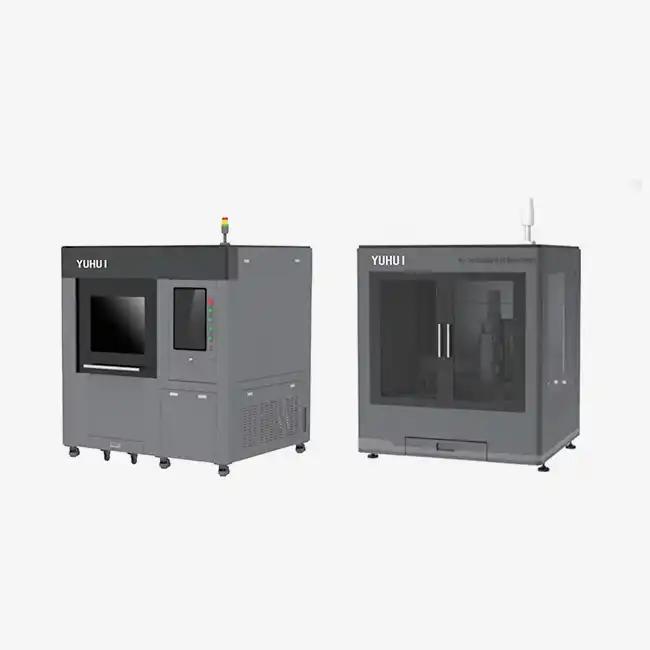
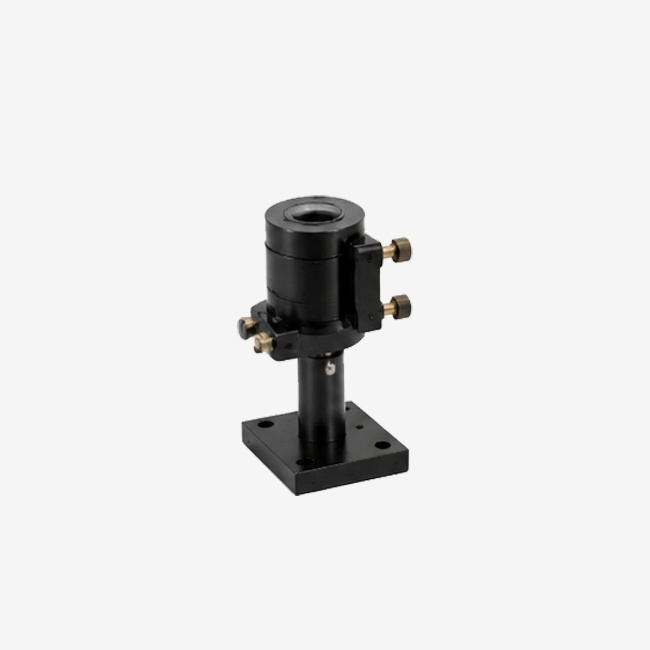
Yuhui Laser focuses on making mid-range to high-end industrial laser engraving systems that are designed to meet the needs of businesses that need reliable, low-cost production tools. Our Small and Medium Format Laser Engraving Machine line includes five models, YH-6040P through YH-1590P, with power ranges from 60W to 150W. All of them have CE and ISO certifications, which show that they meet international quality standards. The THF4 military-grade lens system has a great beam quality for working on small details, and our 14-day production lead time and large supplies keep your operational schedule on track. As a reputable maker of small- and medium-format laser engraving machines, we offer 450 days of after-sales service that goes above and beyond what is expected in the industry. This includes technical training and installation help that gets your team up and running quickly. The prices we offer are factory-direct, so there are no middle-man fees. We can also customise equipment to fit your brand and functionality needs. Email our team at jianghui@yuhui-laser-tech.com to talk about how our laser printing services can help you reach your business goals and get specific information that fits your needs.
References
1. Anderson, M. (2025). Industrial Laser Processing: Technology and Applications for Modern Manufacturing. Technical Press International.
2. Chen, L., & Rodriguez, K. (2025). Precision Motion Control Systems in CNC Laser Equipment. Journal of Manufacturing Technology, 18(3), 234-251.
3. European Laser Safety Consortium. (2024). Compliance Guidelines for Commercial Laser Processing Equipment. Brussels: ELSC Publications.
4. Harrison, J. (2026). Material Interaction Characteristics with 10.6 μm CO₂ Laser Radiation. Applied Optics and Laser Engineering, 42(1), 78-95.
5. Thompson, R., & Wu, S. (2025). Small Business Manufacturing: Technology Investment Strategies for Growth. Cambridge Business Review Press.
6. United States Laser Industry Association. (2025). Market Analysis: Laser Engraving Equipment Adoption Trends 2024-2026. Washington, DC: USLIA Research Division.
Contact us directly for customized solutions, quotations and long-term strategic cooperation.