- English
- French
- German
- Portuguese
- Spanish
- Russian
- Japanese
- Korean
- Arabic
- Greek
- German
- Turkish
- Italian
- Danish
- Romanian
- Indonesian
- Czech
- Afrikaans
- Swedish
- Polish
- Basque
- Catalan
- Esperanto
- Hindi
- Lao
- Albanian
- Amharic
- Armenian
- Azerbaijani
- Belarusian
- Bengali
- Bosnian
- Bulgarian
- Cebuano
- Chichewa
- Corsican
- Croatian
- Dutch
- Estonian
- Filipino
- Finnish
- Frisian
- Galician
- Georgian
- Gujarati
- Haitian
- Hausa
- Hawaiian
- Hebrew
- Hmong
- Hungarian
- Icelandic
- Igbo
- Javanese
- Kannada
- Kazakh
- Khmer
- Kurdish
- Kyrgyz
- Latin
- Latvian
- Lithuanian
- Luxembou..
- Macedonian
- Malagasy
- Malay
- Malayalam
- Maltese
- Maori
- Marathi
- Mongolian
- Burmese
- Nepali
- Norwegian
- Pashto
- Persian
- Punjabi
- Serbian
- Sesotho
- Sinhala
- Slovak
- Slovenian
- Somali
- Samoan
- Scots Gaelic
- Shona
- Sindhi
- Sundanese
- Swahili
- Tajik
- Tamil
- Telugu
- Thai
- Ukrainian
- Urdu
- Uzbek
- Vietnamese
- Welsh
- Xhosa
- Yiddish
- Yoruba
- Zulu
How to choose a marble CNC router for commercial use?
Choosing the right stone processing equipment transforms your fabrication business. A Marble CNC Router represents a specialized computer-controlled machining system engineered to handle natural stone's demanding processing requirements. Unlike standard woodworking routers, these machines feature reinforced structures, high-torque water-cooled spindles, and comprehensive waterproofing to handle marble's density and the wet processing environment. When selecting commercial stone routing equipment, you're investing in precision, throughput capacity, and long-term operational reliability that directly impacts your shop's profitability and competitive position in architectural fabrication, monumental masonry, and custom surface manufacturing markets.
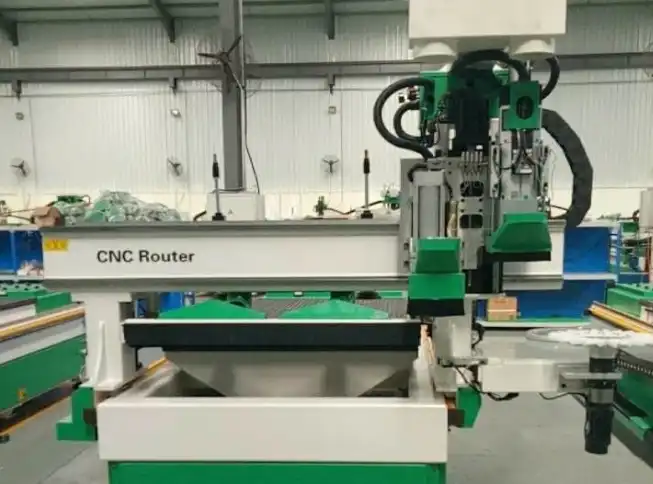
Understanding Marble CNC Routers and Their Commercial Value
Stone production shops are under more and more pressure to meet tighter standards and complicated designs while keeping labour costs low. These problems can be solved by advanced CNC routing systems, which automate and repeat tasks in a way that manual methods can't.
What Makes Stone Routing Technology Different?
Industrial-grade controls, specialised spindle systems, and multi-axis placement are all built into Marble CNC Routers. The controller reads G-code instructions and turns digital designs into precise movements of the tools. Spindles that are cooled by water keep their temperatures stable during long operations. This keeps weak stone surfaces from being stressed by heat and greatly increases the life of diamond tools.
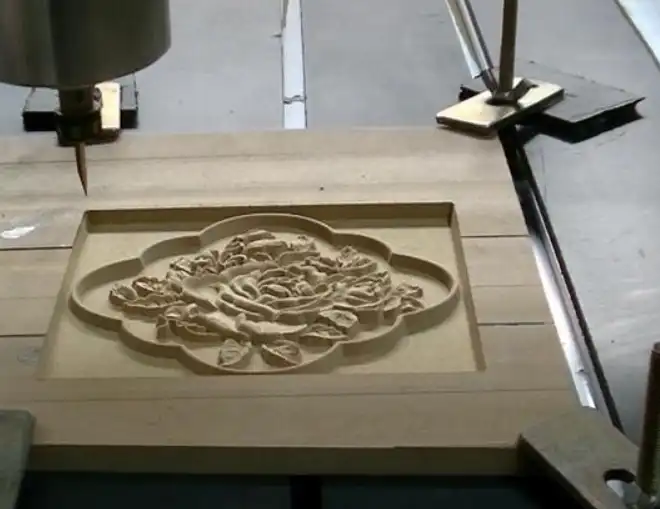
The strong crane design can handle the strong forces that are created when cutting hard natural stone. Linear square guide rails can hold a lot of weight and keep the machinery in the right place across the whole work area. This structural rigidity gets rid of the shaking that damages finished pieces by chipping and leaving marks on the surface.
Commercial Applications That Drive ROI
Stone CNC technology helps production settings make money in a number of ways. Architects use architectural manufacturing shops to make complicated 3D wall panels and decorative columns for high-end homes and hotels. The precise control lets you make intricate floor inlays that always meet architect specifications. The large work area can fit full slabs to get the most out of the materials you use.
Monumental masonry uses the technology to engrave headstones and holy structures with great accuracy. The tools are very good at working with high-density stone, and they can make memorial pieces with clear text and lifelike 3D photographic reliefs that families expect. Smooth surfaces come out without chips, which cuts down on finishing work by a huge amount.
Custom kitchen and bath makers make marble countertops that come with sinks, drain holes, and bullnose edge profiles all in one piece. This level of uniformity can't be achieved by hand in high-volume production settings. This lets shops offer high-end goods faster while keeping the high-end finishes.
Key Factors to Consider When Choosing a Marble CNC Router
When choosing the right stone working equipment, you need to compare the technical specs to your business's needs and growth goals.
Machine Precision and Structural Integrity
The accuracy of your machining decides whether your final parts meet quality standards without needing a lot of extra work. Professional Marble CNC Routers can keep the dimensions of big panels the same across 300 mm lengths with errors of less than 0.05 mm. The high accuracy rack gear transmission on the X and Y axes and ball screw systems for vertical positioning make this possible.
Imported square linear guide rails give stone grinding the mechanical steadiness it needs to work well. These parts are strong enough to hold a lot of weight and last a long time. They stay accurate even after years of steady use. The strong frame design can handle the strong cutting forces without deformation, which would lower the quality of the surface.
Spindle Power and Cooling Systems
When working with stone, you need spindles with a lot of torque that can keep putting out power even when you're deep engraving. A 5.5KW water-cooling wheel is the standard for industrial marble work. It generates enough force for depths of up to 150 mm while keeping heat under control.
Water-cooling systems work well with wet working needs that keep dangerous stone dust from flying around. The cooling circuit keeps the stone surfaces from getting too hot, which would damage them, and it also keeps the bearing assemblies from wearing out too quickly. With proper care, good ceramic-bearing spindles can work for 5,000 to 8,000 hours, which has a direct effect on your long-term operating costs.
Work Envelope and Processing Speed
The largest piece size you can work with at once depends on the size of your work area. A 1325x2500x300mm envelope can hold normal building panels and countertop pieces without having to be placed more than once, which can lead to alignment mistakes.
Processing speed strikes a balance between surface quality and output. Maximum engraving speeds of up to 8000mm/min speed up production on simple profiles. For complex 3D reliefs where surface finish is more important than cycle time, the control system lets operators slow down the machine.
Software Compatibility and Control Systems
CAD/CAM merging is used in modern stone casting to speed up the process from design to production. ArtCAM, Type3, and specialised stone modelling tools can all work with equipment that accepts standard G-code formats. This makes it possible for designers to make complicated 3D models and toolpaths without having to use proprietary software that limits their ability to do their job.
Interfaces that are easy for operators to use cut down on training time and code mistakes that waste expensive materials. Visualising toolpaths clearly and being able to simulate them help operators check programs before they cut valuable stone slabs.
Comparing Marble CNC Routers with Alternative Stone Cutting Technologies
Understanding the trade-offs between technologies helps buying teams choose tools that works best for their needs and the materials they use.
CNC Routers Versus Water Jet Systems
Water jet cutters use high-pressure abrasive streams to cut through marble and other materials with little heat impact. This method completely gets rid of heat stress, but for most profile work, it works more slowly than mechanical routing. Abrasive media and high-pressure pump upkeep are also big costs that come up over time with water jet systems.
Controlled spindle speeds and special diamond tools make Marble CNC Routers the best way to get a smooth edge on marble. The mechanical cutting action makes smooth surfaces that need less finishing work, especially on complicated 3D shapes that are hard for a water jet to follow.
Routing Compared to Laser Processing
Laser cutting systems work best with thin materials, but marble's width and bulk make them less useful for cutting. The energy needed to ablate stone creates too much heat, which damages the stone around the cut edges by creating tiny cracks and changing the colour. The initial and ongoing prices of laser systems are also much higher than those of mechanical routing options.
Stone routing equipment can easily work with thick slabs and keep the edge quality needed for architectural uses. Specialised cutting technologies can't match the operating freedom of being able to do drilling, profiling, and 3D engraving in the same setting.
Marble Versus Granite Processing Requirements
Because granite is harder than marble, the equipment needs to be changed to work with it. To handle the higher cutting forces, granite-specific machines usually have stronger gearbox systems, higher spinning power, and more durable ways to change the tools.
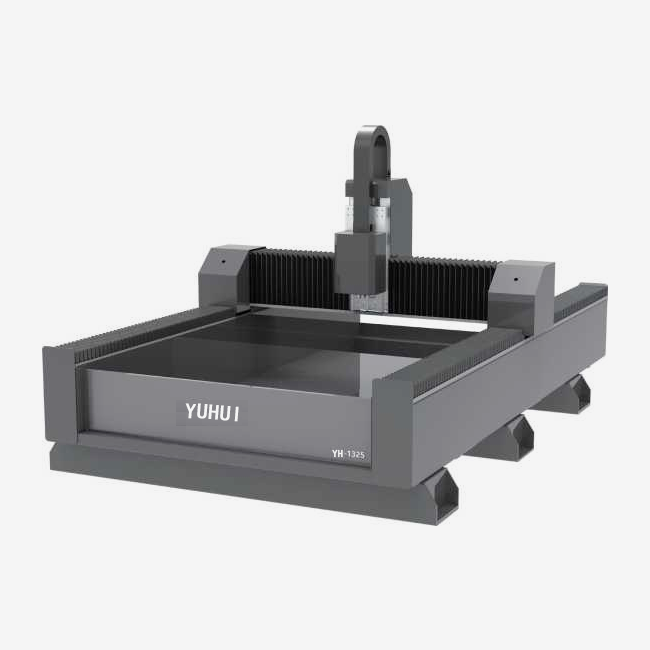
The YH-1325 and other marble processing equipment are good at working with limestone and softer stones because they have parameters that are optimised to get the most work done without over-engineering the parts. Shops that work with a variety of materials should choose machines that can handle their hardest stones, while also knowing that machines designed specifically for marble work better in specific situations.
Procurement Considerations for Commercial Buyers
Strategic buying choices include more than just the initial cost of the tools. They also include the total costs of ownership and the ties with suppliers.
Budget Planning and Financing Strategies
There are different types of commercial Marble CNC Routers, from simple machines that are good for small shops to complex industrial systems that can handle a lot of work. Figuring out the right amount of capability without spending too much on features you won't use depends on how much work you do and how complicated the project is.
With factory-direct purchasing, you don't have to pay markups to distributors, and the quality standards are still met. Through direct relationships, manufacturers like Shandong Yuhui can offer competitive prices. Production lead times are usually within 14 business days, and urgent project needs can be met.
Leasing and financing choices help businesses better control their cash flow by letting them buy the tools they need while keeping their working capital for things like inventory and running costs. To properly compare choices, it's helpful to look at the total cost of ownership, which includes things like energy use, replacement parts, and repairs.
Supplier Selection and Certification Requirements
Finding well-known makers with a history of success will protect your investment. Production facilities that are CE and ISO certified show that they follow international quality management standards during the whole process of designing, making, and testing the products.
Make sure that the tools you're selling meets the rules for the places you want to reach. CE certification makes sure that the product meets the safety, health, and environmental protection standards of the European Union. For some regions or uses, you may need extra certifications as well.
When normal configurations don't work for your process, it's important that the supplier can make changes. OEM and ODM services let you change the structure, make changes to the software, and get custom processing solutions that are made to fit your materials, output volume, and facility plan.
Installation Support and Operator Training
Professional installation instructions make sure that your stone cutter is properly calibrated and set up for safety so that it can be used right away. Comprehensive operator training makes the most of the equipment's capabilities from the start, cutting down on the time-consuming and expensive learning curve that slows down project delivery.
The quality of the technical documentation for the Marble CNC Router affects how well your team can do simple troubleshooting and regular upkeep on their own. Shops can keep equipment running longer and have less downtime when they have clear manuals with detailed diagrams and maintenance schedules.
After-Sales Service and Parts Availability
When production problems happen, quick technical support is very important. Suppliers who offer longer guarantee periods show that they are confident in the quality of their products. Yuhui Laser's 450-day after-sales service goes above and beyond what's required by the industry. It provides extra security and expert support that keeps your business running.
The length of downtime during fixes is directly related to the supply of parts. Manufacturers who keep a lot of parts in stock can quickly replace broken parts, and established logistics partnerships guarantee reliable delivery times no matter where you are in the world.
Practical Tips and Best Practices for Maximizing ROI on Your Marble CNC Router
Strategic organisational practices turn investments in tools into long-term benefits over competitors.
Matching Capabilities to Production Requirements
Align the machine's specs with what you actually need to process, not what you'd like it to be able to do. Shops that mostly do flat etching and profiling don't need as much multi-axis complexity as shops that make complex 3D models. Cost-performance rates are best when investments are the right size for your Marble CNC Router.
Scalable solutions allow businesses to grow without having to buy all new equipment. Modular designs that can be upgraded to add new features protect your original investment and give you ways to grow as the complexity of your project rises.
Preventive Maintenance Programs
Unexpected failures that throw off production schedules happen much less often when maintenance is done on a regular basis. Stone dust is removed from guide rails and gearbox parts every day, and moving parts are oiled once a week to keep them from wearing out too quickly. Inspections of the spindle once a month find problems with the bearings before they cause major failures.
Maintenance on a water cooling system stops it from getting too hot and corroding. Changing the coolant and filters on a regular basis keeps the temperature management system working well, which has a direct effect on the spindle's life and the quality of the work it does.
Operator Skill Development
Comprehensive training programs help workers know what the machine can and can't do. Skilled workers choose the best feed rates and tools for each type of stone, which increases throughput while keeping standards for surface quality.
Shops can take on bigger and more complicated projects when they have more advanced training on how to integrate CAM software. By using smart material removal sequences, understanding toolpath optimisation strategies can cut down on cycle times and make cutting tools last longer.
Process Optimization and Tooling Selection
Diamond-brazed and PCD tools can handle high temperatures and last a long time, which is important for commercial stone processing. The higher initial prices of the tools are more than covered by the longer service life these premium bits offer compared to standard carbide options.
The exposure to silica dust, which is very bad for your health, is controlled by wet processing integration. Proper water supply systems keep particles out of the air, improve cutting performance, and extend tool life by keeping the tool cool and removing chips all the time.
Conclusion
When choosing commercial stone routing equipment, you have to weigh the technical features against the needs of the business and your budget. Whether you're making architectural elements, memory statues, or custom surfaces, professional Marble CNC Routers provide the accuracy, speed, and dependability that revolutionise manufacturing operations. Marble is hard to work with, but equipment with strong frames, precise gearbox systems and water cooling systems can handle the challenges and keep production running smoothly for a long time. Selecting a provider strategically by focusing on certification, customisation options, and full after-sales support will protect your investment and give you a long-term edge in tough business applications.
FAQ
What accuracy should I expect from commercial stone CNC equipment?
Professional marble routing systems can keep the accuracy of their work below 0.05mm over 300mm spans, which is good enough for architectural parts that need to be very accurate in terms of size. High-quality linear guide rails and rack gear motion systems that get rid of slack are what make this possible. As long as the equipment is properly maintained and calibrated on a regular basis, it will stay accurate.
How do water-cooling systems benefit stone processing operations?
Water-cooling spindles control the heat that is made during long cutting operations and meet the needs for reducing dust in wet processing. The constant cooling keeps the stone surfaces from cracking under heat stress and keeps bearing systems from breaking too soon. Because of these two uses, water cooling is not an option for serious commercial stone fabrication.
Can the same machine process both marble and granite effectively?
Machines that are designed to work with marble can easily handle softer stones, but they might need to have their parameters and tools changed every once in a while to work with granite. Businesses that often work with a variety of materials should make sure that the equipment they buy has enough spinning power and structural support to handle the hardest stones they work with. However, special granite machines have stronger specs that are better for working with granite's higher density.
Partner With a Trusted Stone CNC Router Manufacturer
Ever since 2018, Shandong Yuhui Laser Technology has helped stone producers in Southeast Asia, the Middle East, and Europe with accurate CNC cutting solutions. Our YH-1325 model is built to last in an industrial setting and has been specially designed to work best with marble processing problems. The large 1325x2500x300mm work area is very accurate thanks to the imported square linear guide rails and high-precision rack gearbox system. The 5.5KW water-cooling spindle keeps the power output steady even during busy production times.
In addition to cheap factory-direct prices, we offer a wide range of customisation services to meet the specific needs of your process. These range from making changes to the structure to integrating software to support intelligent automation. Our quick technical support team and 450-day guarantee make sure that your Marble CNC Router works reliably year after year. Get in touch with us at jianghui@yuhui-laser-tech.com to talk about your stone processing needs and find out how working with an experienced stone CNC router supplier can change the way you make things.
References
1. Kalpakjian, S. & Schmid, S.R. (2014). Manufacturing Engineering and Technology (7th ed.). Pearson Education.
2. Groover, M.P. (2015). Fundamentals of Modern Manufacturing: Materials, Processes, and Systems (6th ed.). John Wiley & Sons.
3. Ratnasingam, J. & Ioras, F. (2013). CNC Technology in Furniture Manufacturing: Principles and Applications. Springer International Publishing.
4. Youssef, H.A. & El-Hofy, H. (2008). Machining Technology: Machine Tools and Operations. CRC Press.
5. López de Lacalle, L.N. & Lamikiz, A. (2009). Machine Tools for High Performance Machining. Springer-Verlag London.
6. Stephenson, D.A. & Agapiou, J.S. (2016). Metal Cutting Theory and Practice (3rd ed.). CRC Press.
Contact us directly for customized solutions, quotations and long-term strategic cooperation.