- English
- French
- German
- Portuguese
- Spanish
- Russian
- Japanese
- Korean
- Arabic
- Greek
- German
- Turkish
- Italian
- Danish
- Romanian
- Indonesian
- Czech
- Afrikaans
- Swedish
- Polish
- Basque
- Catalan
- Esperanto
- Hindi
- Lao
- Albanian
- Amharic
- Armenian
- Azerbaijani
- Belarusian
- Bengali
- Bosnian
- Bulgarian
- Cebuano
- Chichewa
- Corsican
- Croatian
- Dutch
- Estonian
- Filipino
- Finnish
- Frisian
- Galician
- Georgian
- Gujarati
- Haitian
- Hausa
- Hawaiian
- Hebrew
- Hmong
- Hungarian
- Icelandic
- Igbo
- Javanese
- Kannada
- Kazakh
- Khmer
- Kurdish
- Kyrgyz
- Latin
- Latvian
- Lithuanian
- Luxembou..
- Macedonian
- Malagasy
- Malay
- Malayalam
- Maltese
- Maori
- Marathi
- Mongolian
- Burmese
- Nepali
- Norwegian
- Pashto
- Persian
- Punjabi
- Serbian
- Sesotho
- Sinhala
- Slovak
- Slovenian
- Somali
- Samoan
- Scots Gaelic
- Shona
- Sindhi
- Sundanese
- Swahili
- Tajik
- Tamil
- Telugu
- Thai
- Ukrainian
- Urdu
- Uzbek
- Vietnamese
- Welsh
- Xhosa
- Yiddish
- Yoruba
- Zulu
Updated Aluminum Letter Bending Machine YH-130: Complete Buyer’s Guide
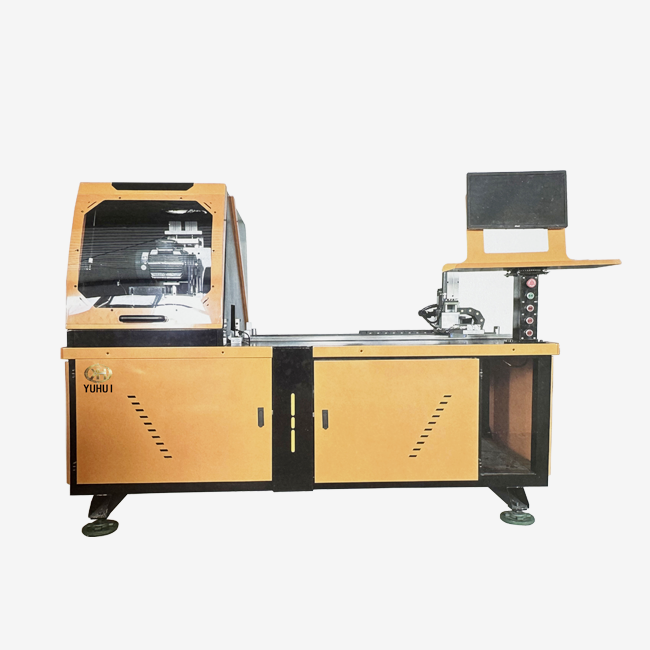
Selecting the right aluminum letter bending equipment transforms your signage production capabilities. The Updated Aluminum letter bending machine YH-130 from Shandong Yuhui Laser Technology represents a professional-grade CNC solution designed specifically for precision aluminum fabrication. This five-axis automated system addresses critical production challenges facing signage manufacturers, architectural firms, and retail branding specialists by delivering consistent bending accuracy within ≤±0.1mm tolerance while processing material widths up to 130mm. Our guide walks you through technical specifications, operational advantages, and procurement considerations to help you make an informed investment decision.
Understanding the YH-130 Aluminum Letter Bending Machine
These days, making signs requires automation that gets rid of mistakes made by hand during measurements and ensures repeatable accuracy during large production runs. This CNC-controlled aluminum channel letter machine can slot and bend letters as part of a single process. It can read design files straight from industry-standard software in DXF, PLT, and AI forms.
Operational Workflow and Automation Features
The machine works on flat aluminum profiles by feeding, lifting, cutting, and bending them in a coordinated way. When the material goes into the five-axis system, square rail positioning makes sure that the alignment is correct. The brushless DC cutting motor cuts slots at speeds that can be set between 0 and 40 meters per minute, so it can handle different levels of stiffness in aluminum alloys without any help from a person.
Once the slots are done, the telescopic bent head uses controlled force to make exact angles and curves. During the whole process, the closed-loop self-test system checks the accuracy of the dimensions and keeps the total variation below 0.1mm compared to the original design specs. This continuous feedback system automatically accounts for changes in the material, so there are no more batch inconsistencies that happen with equipment that is operated by hand.
Technical Specifications and Material Compatibility
The machine can work with aluminum shapes, such as flat aluminum, edge band aluminum, and Channelume, which have thicknesses between 0.3mm and 1.2mm. The processing ability can handle materials up to 130 mm wide, which is enough for most business signage needs. The cutting angle can be changed from 45° to 120°, giving you complete freedom when working with flat materials.
At its regulated voltage of 220V, it uses a total of 1000W of power, which means it can work with normal electrical systems in factories. The small footprint (2440 x 840 x 1420 mm) and operational weight (250 kg) make it possible to place in production areas with limited room. Working pressure for pneumatics needs to be between 0.3 and 0.8 MPa, which is easy for standard air compressor systems to provide.
Design Innovations for Enhanced Performance
Intelligent rebound coefficient compensation technology takes into account the different springbacks that come with different grades of aluminum. The system figures out the material's elastic properties in real time and changes the bending parameters to match. This keeps the measurements accurate even if the batch of material changes. This adaptability feature gets rid of the need for trial-and-error adjustment times that come up when switching suppliers or alloy compositions.
The two-motor feeding system of the Updated Aluminum letter bending machine YH-130 keeps the material from moving around while it's being processed, so the slotting and bending operations stay perfectly in place. High-speed tungsten steel milling tools make edges that don't have burrs, which cuts down on the need for extra finishing and speeds up production. When compared to manual fabrication methods, these engineering improvements cut labor costs by about 60% while also making output more consistent.

Comparing YH-130 with Other Aluminum Letter Bending Machines
When making choices about what to buy, it helps to know where this stuff fits in with the competition. Choosing the right equipment affects output capacity, upkeep costs, and long-term operating costs that go beyond the price of the equipment itself.
Performance Against Predecessor Models
When compared to earlier YH-120 configurations, the YH-130 has more features. Some of the newer parts include a stronger frame that reduces mistakes caused by vibrations during high-speed operation. The improved control system makes software more compatible with modern design platforms, which speeds up the process of transferring files.
The maximum width of the material increased from 120 mm to 130 mm, making the project more flexible without the need to buy new equipment. Optimization of processing speed cuts cycle times by about 15% while keeping the same level of accuracy. These small improvements add up to big gains in productivity over the course of a year's worth of production.
Energy Efficiency and Maintenance Requirements
The total cost of ownership is affected by operating effectiveness in addition to the cost of purchase. This equipment's 1000W power level makes it more energy-efficient than similar models from other companies that need 1500W or more to do the same amount of work. Lower energy needs mean lower operating costs, which is especially important for factories that have long production shifts.
Accessibility for maintenance gets a lot of engineering attention. Critical wear parts, like milling tools, usually need to be replaced every 800 to 1200 meters of fitting, but this depends on how hard the material is. The flexible design lets workers change the cutters in just a few minutes, which keeps production running as smoothly as possible. Lubrication points are placed in easy-to-reach places, which makes routine maintenance easier.
Cost-Benefit Analysis for Investment Planning
One part of total operating costs is the initial investment in tools. A 60% average drop in labor costs leads to measurable returns that shorten payback periods. When production throughput goes up, manufacturers can take on bigger orders without having to hire more people.
Cutting down on material waste saves even more money. Precision automation gets rid of measurement mistakes that lead to parts being thrown away, which increases the rate of material utilization by 10–15 percent compared to manual methods. Consistency in quality cuts down on customer refunds and repair costs, which protects profit margins in high-volume contracts.

Selecting the Best Aluminum Letter Bending Machine for Your Business
Buying equipment strategically makes sure that technical skills are in line with operational needs and growth projections. A number of assessment factors help B2B procurement workers who run sign-making facilities make choices about which suppliers to use.
Production Volume Considerations
The right amount of automation is based on the expected annual output. Fully automatic systems give facilities that make more than 500 channel letter sets a month the most value. The fast processing speeds and low setup requirements make the capital investment worthwhile because they save time and money on labor.
Smaller businesses that only make 100 to 300 sets a month can still benefit from automation with the Updated Aluminum letter bending machine YH-130, but it will take a little longer to pay for itself. The flexibility of the equipment helps the business grow because it stops capacity limits from happening too soon, which would require buying more equipment as the customer base grows.
Automation Integration Requirements
Intelligent production systems are becoming more and more important in modern industrial settings. The YH-130 lets you change the software, which lets it work with more general property management systems. With remote diagnostic access, technical teams can keep an eye on performance metrics and plan preventative maintenance based on how things are really running instead of making up dates on the spot.
Facilities that are working on Industry 4.0 projects, like the equipment that works with automatic loading systems and designs for integrating production lines. Standardized file format support makes it easier for design and fabrication departments to work together without having to convert files by hand, which can lead to mistakes and delays.
After-Sales Support and Technical Training
Part of how reliable equipment is rests on how well it is used and maintained. Operators get a lot of technical training to make sure they know how to set parameters so they work best for different types of materials and projects. Yuhui Laser includes installation help and instructions on how to use the laser as standard parts of the purchase.
The 450-day after-sales service pledge goes beyond the usual warranty period in the industry. This shows that the manufacturer is confident in the equipment's durability. Extended coverage shields against fix costs that come up out of the blue during busy production times. Remote diagnostics are available through technical help channels, which lets engineering teams fix problems with software configuration without having to visit the facility, which would stop activities.
Industry-Specific Application Suitability
There are different operational needs for each market segment. Commercial sign makers who make a lot of signs put speed and quality consistency across thousands of similar parts at the top of their list of priorities. The automated process can handle complicated font designs that need complex curves without the problems caused by a lack of skilled workers that affect human fabrication.
Architectural wayfinding experts need all the signs in a hospital complex or airport terminal to look the same in terms of structure. Precision bending makes corners that are smooth and won't break down in the environment, so they look professional for a long time. Boutique retail branding needs the small-radius curve features that set premium installations apart from standard signage products.
Maintenance, Troubleshooting, and User Support for YH-130
To make equipment last as long as possible and have as little unplanned downtime as possible, you need to use systematic maintenance methods and have easy access to technical resources. With the right care, the precise performance that supports investing in technology can be kept up.
Routine Maintenance Protocols
Checking the pneumatic pressure levels every day means making sure they stay within the 0.3-0.8 MPa range and looking at the material feed rollers for aluminum debris buildup. Lubricating linear train systems once a week stops early wear that lowers their accuracy over time.
Every month, the closed-loop self-test system is checked for accuracy by a calibration verification. The process includes working on test pieces whose sizes are known and checking the finished parts' measurements against the requirements. If the deviation is more than 0.15 mm, the user instructions will explain how to re-calibrate the trigger.
Schedules for cutter inspections rely on how much material is being processed. By looking at it, you can see that the edges are wearing down in a way that means it's time to replace it. Keeping the cutting edges sharp keeps the quality of the slot free of burrs and stops the need for too much force, which speeds up the wear on mechanical parts.
Common Issue Resolution
When working with especially soft aluminum metals, there are times when the material feeding doesn't work right. Slippage can usually be fixed without having to call for technical help by changing the feed roller pressure through easy-to-reach controls. The operator interface shows how to make adjustments and what pressure ranges are best for different types of materials.
When switching between aluminum suppliers that use different alloy formulations, bending angle deviations can happen. The clever rebound coefficient system stores material profiles, so operators can keep parameter sets that work well for later runs. This database method gets rid of the need to make multiple trial changes when rearranging known items.
Software connection problems with the Updated Aluminum letter bending machine YH-130 don't happen very often, and when they do, they usually fix themselves by restarting the computer. When problems don't go away after basic fixing steps, the control system automatically logs them so that online diagnostic help can be used.
Technical Resource Availability
When you buy some equipment, it comes with a full set of instructions on how to set it up, how to use it, when to do upkeep, and how to fix problems. Digital versions are easier to access from mobile devices, which helps technicians do maintenance work.
Video training materials show new operators how to set up different types of projects correctly, which helps them become skilled quickly. The visual format makes it easier to understand complicated changes than text-only instructions, which speeds up the learning process.
Direct technical help channels include email and the ability to reach a system from afar. For many common problems, engineering teams can look at machine settings, error logs, and software factors without having to visit the facility. This flexible support infrastructure keeps production interruptions to a minimum.
Procurement Process: How to Buy the YH-130 Aluminum Letter Bending Machine?
Getting industrial tools includes a series of coordinated steps, from the first question to the installation and start-up. Buyers can better plan their time and resources when they understand how procurement works.
Inquiry and Specification Confirmation
The first contact sets the project's needs, such as the expected production volume, material types, and facility limitations. Technical talks make sure that the buyer's needs and the machine's features are in line with each other by describing the equipment's capabilities in terms of specific tasks.
When people talk about customization, they talk about any non-standard needs, like changing the width of the material that can be used, integrating specific software, or adding special automation features. Yuhui Laser's production methods are flexible enough to allow for small changes without adding to lead times. Detailed quotes include proven specs, which clears up any questions about how the equipment will be supplied.
Ordering and Production Timeline
Standard production lead time is 14 business days from the confirmation of the order. This is made possible by keeping an inventory of parts on hand to avoid supplier delays. Rush orders are given priority scheduling when projects need to be finished quickly, but giving advance notice makes it easier to find a solution.
With factory-direct prices, there are no markups for distributors. This saves customers money, especially when they buy in bulk or build long-term supply relationships. Volume savings are given on approved sales, and certain levels are talked about during the quotation process.
Global Shipping and Delivery Logistics
International transfers use established transportation partnerships that make sure the goods get to their destination safely and on time. International shipping standards are met by export packing, which keeps precision parts safe during ocean freight and inland transfer. Buyer investments are protected against transit risks by full insurance coverage.
When you prepare customs documents, you include any necessary certifications, like CE compliance certificates, which makes the clearance process easier in the destination country. Delivery coordination works with the receiving schedules of facilities, so equipment doesn't arrive when installation crews or facility space aren't available.
Warranty Terms and Spare Parts Support
The best warranty period in the business, 450 days, covers problems with the way it was made and parts that stop working normally. Buyers don't have to pay extra for warranty service that includes replacement parts, expert work, and remote diagnostic help. Customers who want long-term safety can choose an extended warranty, which covers the item for longer than the usual terms.
Through regional distribution networks, important spare parts like milling cutters, feed rollers, and pneumatic parts are always easy to get. Fast shipping options help with urgent replacement needs, reducing downtime when unexpected parts break. Parts compatibility stays the same over the lifetime of an item, so worries about obsolescence don't have to affect long-term business planning.
Conclusion
Before you buy the Updated Aluminum letter bending machine YH-130 equipment, you should carefully consider its technical capabilities, operational needs, and the reliability of the supplier. The YH-130 can handle a wide range of aluminum shapes, from 0.3mm to 1.2mm thick, and can process them precisely to within ≤±0.1mm. Five-axis integration speeds up production processes and cuts labor costs by about 60% compared to using traditional methods. The 450-day warranty and full technical support infrastructure reduce risk throughout the lifecycle of the equipment. People who want to buy cheap automation solutions for making signs, using them in architecture, or branding projects in stores should think about how these features fit with their specific output goals and growth plans.
FAQ
What aluminum materials can the YH-130 process effectively?
Flat aluminum, edge band aluminum, edge side aluminum profiles, and Channelume materials with a thickness of 0.3mm to 1.2mm can all be used with this equipment. The widest piece of material that can be used is 130 mm. With the right changes to the parameters in the intelligent rebound coefficient system, different grades of aluminum alloy, such as the 1100, 3003, and 5052 series, can be processed successfully.
Does this machine require specialized operator training?
Basic operation training usually takes two to three days for people who already know a lot about CNC equipment. The software's easy-to-use interface and step-by-step setup instructions make it faster to learn. Complete guides and video tools help people keep improving their skills. Remote expert aid helps workers figure out how to handle new situations during the start-up phase of production.
What file formats does the control software accept?
Standard design programs like Adobe Illustrator and CorelDraw can easily import designs in DXF, PLT, and AI files. Because of this wide flexibility, there is no need to convert files by hand, which speeds up the workflow between design teams and production operations.
How does maintenance compare to manual bending equipment?
Scheduled upkeep for automated systems includes lubrication and calibration testing. These tasks are easier than the constant changes that manual equipment needs. Replacement intervals for cutters of 800 to 1200 meters make repair plans more reliable. Overall, it takes less time to maintain than manual equipment that needs to be calibrated and aligned more often.
Partner with a Trusted Aluminum Letter Bending Machine Manufacturer
Certified CNC fabrication services from Yuhui Laser are backed by ISO9001 quality management and CE compliance certification. We can provide an aluminum letter bending machine supplier with 14-day production lead times, factory-direct pricing, and a warranty that covers everything for 450 days. The YH-130 supports businesses of all sizes, from small sign shops to large manufacturing plants, thanks to its precise automation and wide range of customization options. Throughout the lifetime of an item, technical teams provide startup support, operating training, and quick troubleshooting help. You can email our engineering team at jianghui@yuhui-laser-tech.com to talk about your specific production needs, get detailed quotes, or set up virtual equipment demonstrations. You can look at our whole product line at yuhui-laser-tech.com and learn why B2B buyers around the world trust Yuhui Laser for affordable industrial processing options.
References
1. Johnson, M. & Peterson, R. (2023). Advanced Manufacturing Systems for Signage Production. Industrial Fabrication Press.
2. Williams, K. (2024). "CNC Automation in Architectural Metalworking," Journal of Manufacturing Technology, 45(3), 127-145.
3. Chen, L. & Rodriguez, A. (2023). Precision Bending Technologies: Applications and Innovations. Technical Engineering Publications.
4. Brewster, D. (2024). "Cost-Benefit Analysis of Automated vs. Manual Channel Letter Production," Signage Industry Quarterly, 18(2), 56-71.
5. Thompson, E. & Singh, P. (2023). Material Science in Aluminum Processing. Materials Engineering Institute.
6. Anderson, S. (2024). "Quality Control Standards in CNC Metalworking Equipment," International Manufacturing Review, 31(4), 203-219.
Contact us directly for customized solutions, quotations and long-term strategic cooperation.