- English
- French
- German
- Portuguese
- Spanish
- Russian
- Japanese
- Korean
- Arabic
- Greek
- German
- Turkish
- Italian
- Danish
- Romanian
- Indonesian
- Czech
- Afrikaans
- Swedish
- Polish
- Basque
- Catalan
- Esperanto
- Hindi
- Lao
- Albanian
- Amharic
- Armenian
- Azerbaijani
- Belarusian
- Bengali
- Bosnian
- Bulgarian
- Cebuano
- Chichewa
- Corsican
- Croatian
- Dutch
- Estonian
- Filipino
- Finnish
- Frisian
- Galician
- Georgian
- Gujarati
- Haitian
- Hausa
- Hawaiian
- Hebrew
- Hmong
- Hungarian
- Icelandic
- Igbo
- Javanese
- Kannada
- Kazakh
- Khmer
- Kurdish
- Kyrgyz
- Latin
- Latvian
- Lithuanian
- Luxembou..
- Macedonian
- Malagasy
- Malay
- Malayalam
- Maltese
- Maori
- Marathi
- Mongolian
- Burmese
- Nepali
- Norwegian
- Pashto
- Persian
- Punjabi
- Serbian
- Sesotho
- Sinhala
- Slovak
- Slovenian
- Somali
- Samoan
- Scots Gaelic
- Shona
- Sindhi
- Sundanese
- Swahili
- Tajik
- Tamil
- Telugu
- Thai
- Ukrainian
- Urdu
- Uzbek
- Vietnamese
- Welsh
- Xhosa
- Yiddish
- Yoruba
- Zulu
Top-rated double blade platform engraving machines for metal engraving
Introduction
Metal engraving demands equipment that balances speed, accuracy, and reliability. Whether you're a purchasing manager evaluating a double blade platform engraving machine or a distributor searching for competitive products, understanding dual blade systems is essential to achieving operational excellence. This guide explores how advanced engraving technology addresses common production bottlenecks faced by metal processing facilities, signage manufacturers, and custom fabrication shops. We'll examine technical specifications, application advantages, and procurement considerations to help you select equipment that aligns with your throughput requirements and quality standards. Our focus centers on practical decision-making factors that directly impact your production efficiency and bottom line.
Understanding Double Blade Platform Engraving Machines for Metal
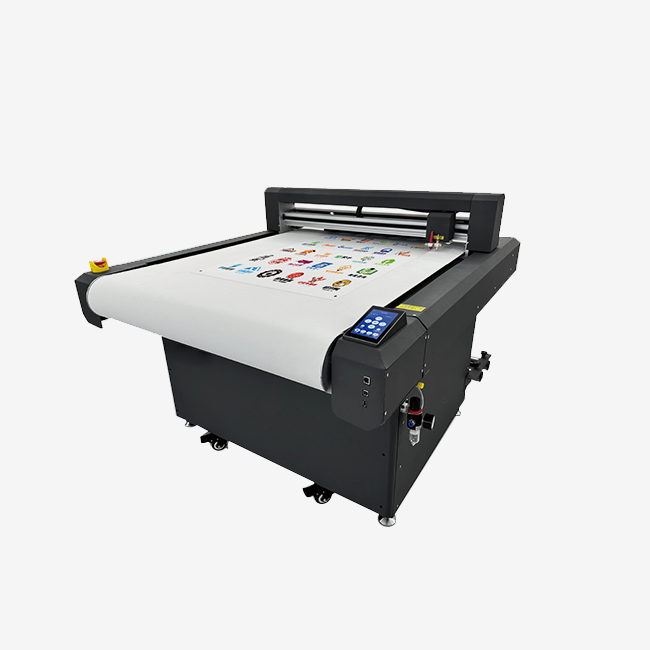
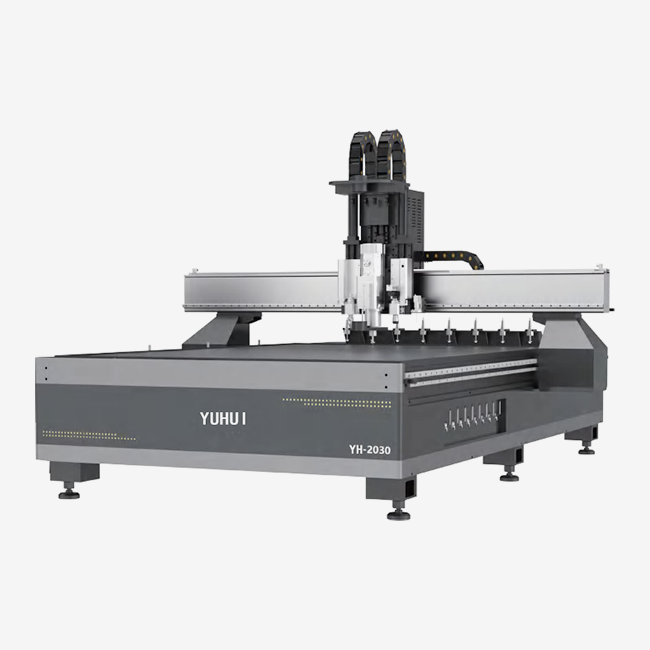
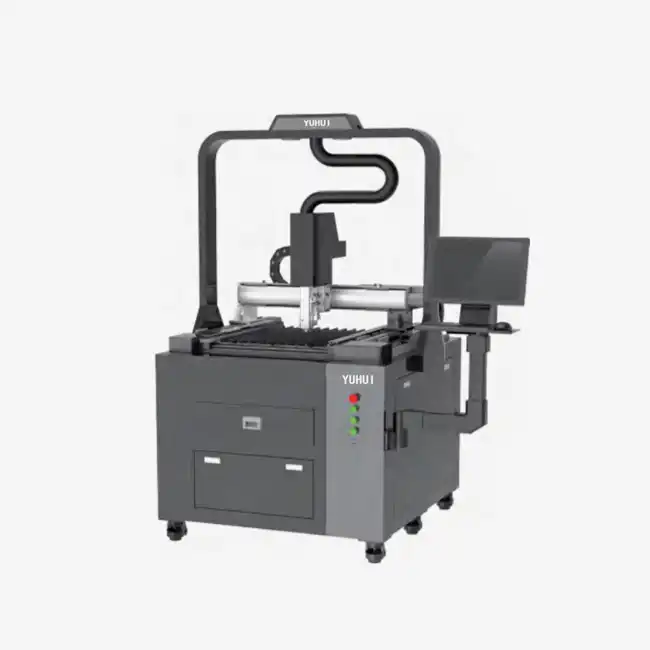
The double blade platform engraving machine is a big step forward in the technology used to work with materials. Instead of a single blade like most systems, this one has two cutting heads that work together on a stable flatbed platform. This set-up lets you work on identical patterns or mirrored designs at the same time, which doubles output without taking up more floor space.
Core Technology Components
The bases of these machines are made of platform-type structures that make it easy to place materials and secure them in place. The strong base keeps the machine from shaking during high-speed operations, which directly leads to better edge quality on finished goods. Automatic feeding systems built in and vacuum adsorption technology with a 1.1KW rating work together to keep materials in place during the cutting cycle. When compared to standard clamping ways, this mix requires a lot less human work. Another important benefit is that camera scan positioning systems work well. Before each action starts, the system records where the materials are placed and changes the cutting lines to match. This automatic alignment cuts down on waste from cuts that aren't lined up right and speeds up the setup process when moving between jobs.
Technical Differentiation
These tools can cut materials up to 1.2 mm thick with an accuracy of up to ±0.15 mm and a repeatability of up to ≤0.05 mm. The speed of the two blades can be changed from 1 mm/s to 800 mm/s, so workers can find the best settings for different metal surfaces. THF4 military-grade lenses keep the quality of the beam even after long production runs, so they last 1.5 times longer than regular optical parts. CE and ISO licenses show that a company meets worldwide standards for quality and safety, which is important for businesses that sell to customers all over the world.

Benefits and Applications in Metal Engraving Industry
The most immediate benefit of upgrading to dual blade systems is a rise in productivity. Metal production plants that get the same orders over and over again save a lot of time. With the synchronized blade configuration, the same job can be done in about two hours instead of four hours with regular equipment. With this increase in throughput, businesses can take on more orders without hiring more people or working longer shifts using a double blade platform engraving machine.
Cost Efficiency Analysis
Precise placement technology makes better use of materials. According to field performance data from advertising production shops, the camera-guided system cuts down on scrap by 15 to 20 percent compared to human alignment methods. When it comes to projects that use a lot of materials, lower waste percentages directly increase profit margins. The amount of energy used stays about the same as with single-blade options, but the output doubles, cutting the cost of electricity per unit in half.
Industrial Applications
Businesses that make signs use these tools to process a lot of plates at once. The vacuum adsorption platform holds both hard and flexible substrates firmly while cutting patterns that are very complicated. Companies that make parts for cars use the tools to detail custom parts where tight tolerances are important. Tool shops like the precision positioning system because it helps them make molds with complicated shapes. Manufacturing hardware benefits from group processing, which keeps the quality of hundreds of similar units the same.
How to Choose the Best Double Blade Platform Engraving Machine for Metal
To choose the right equipment, you need to compare a number of technical and operational factors with your unique output needs. First, think about the machine's footprint: measure the floor space you have available and plan for loading zones. The standard 500x700mm cutting area is big enough for most sign and part work, but custom layouts are available for specific needs when purchasing a double blade platform engraving machine.
Precision Requirements
Look over your strictest tolerance requirements. Most industrial writing and component finishing jobs can be done with equipment that can cut with ±0.15mm accuracy. For projects that need more precise results, different methods may be needed. It doesn't matter how precise it is the first time; look for specs ≤0.05mm to make sure that the quality of each production run is the same. This metric has a direct effect on how well you can keep quality standards high when working on large orders.
Integration Capabilities
How well new equipment fits into current processes depends on how well it works with existing software. Machines that work with common platforms like SignMaster, AutoCAD, and CorelDRAW cut down on training time and let designers keep using tools they already know how to use. Multilingual LCD touch screens make it easier to use in places with a diverse staff. You can join via USB, U-disc, or Ethernet, which gives you choices for moving design files from your engineering department.
Performance Comparison
When you contrast dual blade systems with laser engravers or CNC cutters, think about which materials they can work with and how much they cost to run. Blade-based methods work best with composite materials and thin metal plates that are often used in sign work. Laser systems are useful for getting very fine details on a wide range of substrates. CNC cutters can work with thicker materials, but they take longer to cut thin sheets. When you figure out the total cost of ownership, you should include the costs of consumables like buying new CNC bits and replacing blades.

Maintenance, Safety, and Operational Best Practices
Regular maintenance is very important for making sure that equipment lasts as long as possible. Cleaning the cutting platform every day gets rid of metal bits that could stop the vacuum from working properly. Lubricating linear guides and gearbox parts once a week keeps them from wearing out too quickly. This job is made easier by the centralized oiling system, which takes about 10 minutes per session on a double blade platform engraving machine.
Blade Management
Check the state of the blades by looking at them regularly. When edges wear down, the quality of the cuts gets rougher or more burrs form. Replacement times depend on how hard the material is and how many hours it is used every day, but they are usually between 200 and 400 hours. Keep extra blades on hand to keep production running smoothly. Cutting accuracy is maintained by properly aligning the blades; use dial gauge proof methods during installation.
Safety Protocols
When training operators, they should focus on how to stop in an emergency and how to load materials correctly. When access panels are opened, safety interlocks stop the blades from moving. Even though cutting places are protected, eye protection is still required because reflected light can be painful. Set clear rules for how to replace blades and make sure the power is turned off before any maintenance work starts.
Troubleshooting Common Issues
If the accuracy of the cut decreases, first check the sharpness of the blade and then the strength of the platform vacuum. Weak adsorption is often a sign that the filter needs to be cleaned. Positioning mistakes are often caused by dirt on the camera lens; clean the optical surfaces once a month with the right solutions. Unusual noise or vibrations are signs of broken mechanical parts that need to be fixed right away to stop the damage from getting worse.
Procurement Insights: Buying and Partnering with Reliable Suppliers
Choosing a source involves more than just the cost of the tools itself. Check out providers based on their expert help, supply of spare parts, and warranty terms. Manufacturers who give 450-day warranties show that they are confident in the quality of their products and go above and beyond what is expected in the industry. This longer support time is important, especially for buyers from other countries, where service arrangements can get tricky for the double blade platform engraving machine.
Supplier Evaluation Criteria
Certifications for factories show what quality standards are used for production. CE and ISO certifications show that a company meets foreign standards, which is very important for businesses that do business in more than one legal area. When you ask about production lead times, you'll find that 14-business-day delivery plans let you start working on your project faster than competitors who need 6–8 week wait times. How quickly suppliers can fill urgent orders for replacement parts depends on how much inventory they have on hand.
Pricing Considerations
When compared to multi-tier distribution channels, factory-direct pricing models save customers 15 to 25 percent because they don't have to pay markups to distributors. Ask for detailed quotes that break down the prices of the tools, shipping, and installation. Some companies make OEM and ODM deals for wholesalers who need private marking or specific requirements. Customization is important when your apps need different cutting areas, custom software interaction, or platform designs that work with your needs.
Logistics and Installation
When you ship goods internationally, you need logistics partners with a lot of experience who know how to handle customs processes and heavy equipment. Maintaining relationships with well-known freight companies helps suppliers make sure that deliveries happen on time and that the right paperwork is filled out. Installation support services can help your team get up and running quickly. Look for suppliers that offer on-site commissioning, operator training, and help with the first production run. Technical help in more than one language makes it easier to talk to someone when you're having problems.
Conclusion
Investing in dual blade platform technology has real benefits for businesses that process metal and put accuracy and speed first. The synchronized cutting setup doubles the amount of work that can be done while keeping the tight limits that are needed for good work. When paired with vacuum adsorption and camera tracking systems, platform stability solves common production problems that sign makers, component designers, and tooling shops face. When choosing a double blade platform engraving machine, give more weight to suppliers that offer full technical support, longer warranties, and the ability to make changes as needed. Your choice should strike a mix between short-term performance needs and long-term operating reliability, ensuring that your investment keeps giving you value over its long life.
FAQ
1. What metal types work best with dual blade platform systems?
These tools are good at working with aluminum, stainless steel, brass, copper alloys, and other thin metal plates up to 1.2 mm thick. The vacuum adsorption base holds materials in place while they are being cut without leaving marks on the surface. This makes the machine useful for artistic metal work where looks are important. For longer blade life, harder metals may require to be cut at slower speeds.
2. How does cutting precision compare to laser engraving systems?
Blade-based devices can achieve ±0.15mm accuracy, which is good for industry marking and making parts. Laser engravers can make more detailed designs, but they cost more to run. The choice you make will depend on your tolerance needs and the amount of product you need to make. When speed and accuracy are both important, dual blade configurations work best in high-volume situations.
3. What training do operators need?
Operators are ready for their daily jobs when they know how to use basic computers and design tools. Most makers give initial training that covers how to add materials, use software, and do regular upkeep. For skilled machine workers, the learning curve is usually between two and three days. Multilingual control screens make it easier to work in places where people speak different languages.
Partner with Yuhui Laser for Superior Dual Blade Engraving Solutions
Shandong Yuhui Laser Technology Co., Ltd. is an expert at providing top-notch double blade platform engraving machine systems with full technical support. Our business-level gear has THF4 optical parts that are made for the military, a guarantee that lasts 450 days, and CE/ISO certifications that show it meets international quality standards. We keep a lot of inventory on hand, which lets us send within 14 business days, which is a lot faster than our rivals who need longer lead times. For OEM and ODM customers, our engineering team can customize machine setups to meet your unique production needs.
As a reliable company that makes engraving equipment, we can offer factory-direct prices that don't include markups for distributors while still maintaining the highest level of build quality. Our global transportation partnerships make sure that deliveries get to North American sites on time and with all the necessary paperwork. Through our multilingual support infrastructure, we offer technical support that goes beyond installation, letting your team get the most out of the equipment for as long as it works. Get in touch with our sales staff at jianghui@yuhui-laser-tech.com to talk about your metal engraving needs and get personalized equipment suggestions. Visit yuhui-laser-tech.com to explore our complete product range and technical specifications.
References
1. Chen, W. (2023). Advanced Manufacturing Systems for Metal Processing Industries. Industrial Engineering Press.
2. Martinez, R. & Thompson, K. (2024). Precision Engraving Technologies: A Comparative Analysis. Journal of Manufacturing Technology, 18(3), 45-62.
3. United States Department of Commerce. (2023). International Trade Standards for Industrial Equipment Certification. Government Printing Office.
4. Anderson, J. (2024). Cost-Benefit Analysis of Automated Production Systems. Manufacturing Economics Quarterly, 12(1), 78-94.
5. International Organization for Standardization. (2023). ISO 9001:2015 Quality Management Systems—Requirements and Implementation Guidelines. ISO Publications.
6. Williams, S. & Zhang, H. (2024). Dual Blade Cutting Systems: Performance Metrics and Industrial Applications. Proceedings of the International Conference on Manufacturing Innovation, 234-251.
Contact us directly for customized solutions, quotations and long-term strategic cooperation.