- English
- French
- German
- Portuguese
- Spanish
- Russian
- Japanese
- Korean
- Arabic
- Greek
- German
- Turkish
- Italian
- Danish
- Romanian
- Indonesian
- Czech
- Afrikaans
- Swedish
- Polish
- Basque
- Catalan
- Esperanto
- Hindi
- Lao
- Albanian
- Amharic
- Armenian
- Azerbaijani
- Belarusian
- Bengali
- Bosnian
- Bulgarian
- Cebuano
- Chichewa
- Corsican
- Croatian
- Dutch
- Estonian
- Filipino
- Finnish
- Frisian
- Galician
- Georgian
- Gujarati
- Haitian
- Hausa
- Hawaiian
- Hebrew
- Hmong
- Hungarian
- Icelandic
- Igbo
- Javanese
- Kannada
- Kazakh
- Khmer
- Kurdish
- Kyrgyz
- Latin
- Latvian
- Lithuanian
- Luxembou..
- Macedonian
- Malagasy
- Malay
- Malayalam
- Maltese
- Maori
- Marathi
- Mongolian
- Burmese
- Nepali
- Norwegian
- Pashto
- Persian
- Punjabi
- Serbian
- Sesotho
- Sinhala
- Slovak
- Slovenian
- Somali
- Samoan
- Scots Gaelic
- Shona
- Sindhi
- Sundanese
- Swahili
- Tajik
- Tamil
- Telugu
- Thai
- Ukrainian
- Urdu
- Uzbek
- Vietnamese
- Welsh
- Xhosa
- Yiddish
- Yoruba
- Zulu
How to properly install a Z series CO2 laser tube in a cutting machine?
Installing a Z Series CO₂ laser tube properly is crucial to achieving reliable cutting performance and maximizing equipment lifespan. Before full operation can start, the process needs to be carefully handled, aligned, cooled, and tested thoroughly. When placed according to the manufacturer's instructions, these laser tubes provide a stable beam quality and power output, which lets you do precise work on plastic, wood, fabric, and more. By understanding each step of the construction process, you can avoid common problems like misalignment, thermal stress, and early component failure. This will make sure that your investment gives you the best results from the start.
Understanding the Z Series CO₂ Laser Tube and Its Installation Requirements
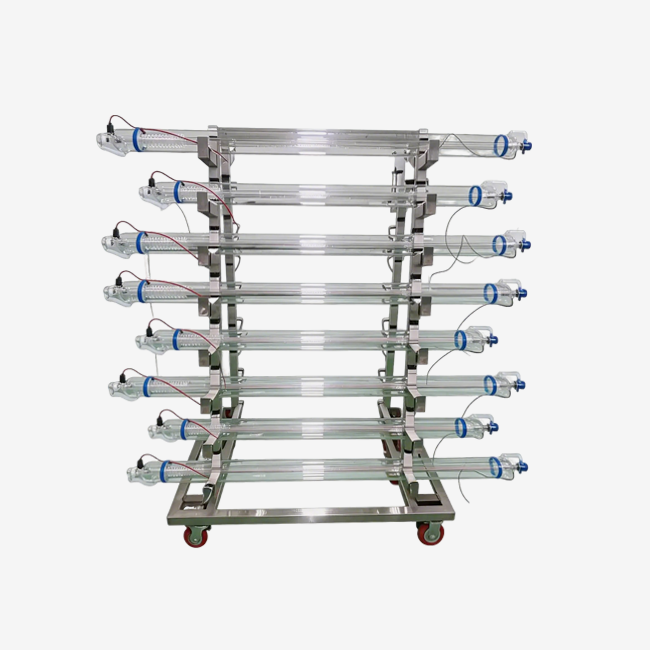
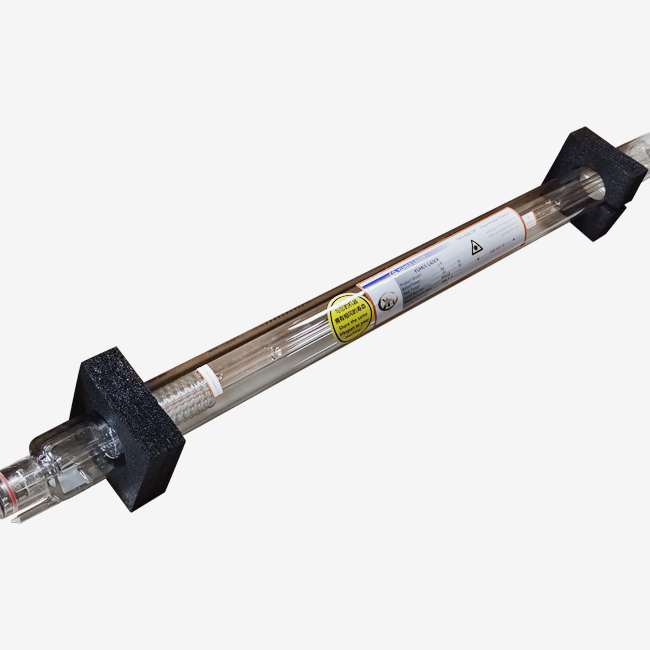
With its high-quality beam output and long operating life, the Z Series CO₂ laser tube is an improved type of sealed gas discharge laser source. Power levels for these tubes are usually between 80W and 130W, and their lengths range from 1250mm to 1650mm, and their diameters are about 80mm. The internal catalyst layer keeps the gas activity going for the tube's 10,000-hour life, so it doesn't lose power as quickly as cheaper options do.
Key Specifications and Compatibility Factors
There are a few important things you need to keep in mind when matching your laser tube to your cutting machine. For best performance, the power source must provide enough starting voltage and stable working current, which is usually between 26 mA and 28 mA. For cooling purposes, water temperatures must be between 20°C and 25°C. This means that industrial-grade chillers like the CW-5000 or CW-5200 types are needed. When the water temperature goes above 30°C, gas performance goes down a lot and degradation speeds up. To keep mechanical stress from building up, the mounting spots must line up with the tube's marked support places, which are usually every quarter-length along the body.
Performance Parameters That Matter
Cutting accuracy and etching detail are directly affected by the quality of the beam. The Z Series CO₂ laser tubes make a TEM00 mode spot with little deviation, which lets you get the fine focus points you need for detailed work. Professional-grade tubes are different from entry-level ones because they keep their power stable during continuous use. Making sure that the beam features meet specs during installation stops problems with processing that happens later. Quality tubes have a changeable metal structure that does a great job of removing heat, so they can keep producing the same amount of work even during long production runs. This ability to control temperature is especially useful in factories that make a lot of things, because any slowdown means lost money.
Step-by-Step Guide to Proper Installation of the Z Series CO₂ Laser Tube
The right way to put something starts long before the tube goes into the machine. How well you prepare your laser system will decide how long it lasts and whether it needs to be fixed often or replaced too soon.
Pre-Installation Preparation
Before you touch the Z Series CO₂ laser tube, make sure you have the right testing equipment, thermal-resistant gloves, padded mounting clips, and optical-grade cleaning supplies. To keep optical surfaces from condensing, the area should keep a stable temperature and low humidity. As soon as you take the tube out of the box, check it for any damage from shipping, compare the serial number to the paperwork, and look at the catalyst layer inside through the glass case. This brownish-red color means that the parts are real and of high quality. The protective caps on the ends of the tubes must stay in place until the installation starts.
Mounting and Physical Installation
Using the mounting clamps at the quarter-length support points, place the laser tube inside the machine case. Gravitational stress that could break the glass envelope over time is stopped in these places. Hold the clamps in place tightly, but don't tighten them too much because that can cause pressure points. The direction of the tube is very important—the water exit needs to be facing upwards so that air bubbles can escape from the cooling jacket. Any trapped bubbles cause warming in one area, which can break the tube while it's working. To make sure all the air is out, rotate the tube a little while the water is first flowing through it.
Electrical and Cooling System Connections
To connect the high-voltage power source to the tube electrodes, make sure you follow the polarity instructions given by the maker. Not only do bad links stop things from working, they can also damage internal parts. Pay close attention to the cooling system—connect the water inlet at the bottom of the tube to the water exit at the top to make sure that water always flows through the cooling jacket. The water temperature in industrial chillers should stay between 20°C and 25°C. Put in flow sensors and temperature monitors to get information in real time while the machine is running. These systems let workers know when cooling stops working before heat damage happens.
Alignment and Optical Calibration
Cutting accuracy depends on how well the beams are aligned. The optical path design of the machine tells you how to set up the optical mirrors and focusing lenses. Then, you use alignment tools to make sure the beam is in the middle of each mirror. At each mirror point, the TEM00 spot should look like a perfect circle that is in the middle. Adjust mirror angles gradually, checking beam position at the focus point after each change. The right focal length choices depend on the type and thickness of the material. For example, thicker materials need longer focal lengths, while thinner sheets need shorter ones. Write down the final alignment settings so you can find them again later.
Initial Testing and Verification
Slowly turn on the machine, starting with low-current settings to make sure it works. Look at the color of the discharge coming out of the tube body. A light purple glow means that the gases are mixed and excited properly. If something is white or blue, it means that it needs quick treatment. Check the quality of the cuts, the speed of the cuts, and the uniformity of the cuts across the work area by cutting test pieces of material. Use a laser power meter to check that the power output matches the manufacturer's rates. These initial measures will be used as a guide for future choices about maintenance.

Maintenance Tips and Troubleshooting for Long-Term Performance
Regular care keeps the cutting quality and stretches the life of the tube. Structured repair plans help get the most out of your investment and stop problems from happening out of the blue.
Routine Maintenance Procedures
Cleaning optical parts once a week gets rid of dust and dirt that lowers the quality of the beam. Use lint-free rags and anhydrous ethanol that are made to clean glass surfaces. If you touch a mirror or glass with your bare hands, the oils on your skin will permanently etch it. As part of a monthly checkup, the cooling system's soundness should be checked for leaks, flow rates should be confirmed, and the chiller's performance should be tested. The cooling water needs to be changed every so often to keep minerals from building up and blocking the flow. At high-voltage termination places, electrical lines need to be looked at visually for signs of arcing or corrosion.
Identifying and Resolving Common Issues
Power loss shows up as slower cutting speeds or the failure to break through thicker materials. If raising the current fixes the problem, the tube is getting close to the end of its useful life, and replacement should be planned. Most of the time, dirty optics or heat stress on the output coupler cause beam patterns to become distorted. Optical dirt is usually fixed by systemic cleaning, while thermal problems need a review of the cooling system. Periodic firing points to problems with the power source or sensor wear. Compare the real operating current to the specifications to find problems with the power source.
Knowing When to Seek Professional Support
In some cases, factory-authorized repair is needed. Cracked glass boxes can't be fixed on the spot and need to be replaced right away. Internal gas leaks, which can be seen when the discharge can't be kept up even at full current, need to be checked out by a professional. When there is a complex optical misalignment that can't be fixed with basic adjustments, an expert worker should be involved. Yuhui Laser offers extra technical support for 450 days after the sale. This includes help with installation, troubleshooting, and guarantee service. This all-around support system keeps your investment safe and keeps output from stopping too often.

Comparing Z Series CO₂ Laser Tube Installation with Other Laser Tube Types
When buying teams know how different types of laser tubes compare, they can make smart choices that balance short-term cost with long-term value.
Standard CO₂ Tubes Versus the Z Series
Beginner CO₂ laser tubes don't have the catalyst layer that keeps the gas action in Z Series CO₂ laser tubes. Because of this basic difference, standard tubes lose power quickly; they often lose 30% of their energy in the first 3,000 hours of use. Installation requirements stay the same, but the cost of ownership goes up because of the need to change parts more often. Under the same working conditions, Z Series CO₂ laser tubes have a 1.5 times longer service life, and the power flow stays the same even after a year of nonstop use. This steadiness is very important in production settings where keeping the quality of the cuts the same across production runs is what makes the business profitable.
RF Laser Tubes and Operational Differences
Radio frequency (RF)-excited laser tubes use RF energy to excite the gas combination instead of electrodes. Installation is very different because RF tubes need special power sources and insulation to keep electromagnetic interference from happening. RF tubes last a very long time, but they are more expensive to buy and have complicated power needs, so they are only economically useful in very high-volume operations. The Z Series hits the perfect mix between professional-level performance and a reasonable price point, making it ideal for small to medium-sized manufacturers and distributors that serve a wide range of markets.
Material Adaptability and Processing Advantages
When it comes to plastic, wood, leather, cloth, and other non-metallic surfaces, the Z Series CO₂ laser tube does a great job. The high quality of the beam makes small spots that can be used for detailed etching, and the stable power output lets you cut continuously for long periods of time. When you use non-contact processing, the material doesn't change shape or get burrs, which can happen when you use mechanical cutting methods. Because it can do so many things, the Z Series is great for businesses that work with a lot of different materials because it eliminates the need for multiple specialized tools.
Procurement and Support: Where to Buy and How to Get Assistance
Choosing the right provider relationship affects not only the price of the original buy but also the success of running the equipment for its entire life.
Verifying Authorized Sources
You can only buy laser tubes from approved makers and certified dealers. In some areas, there are a lot of fake tubes that don't have the real catalyst coatings or high-quality construction that make Z Series CO₂ laser tube products real. Some ways to make sure something is real are to compare the serial number to databases kept by the maker, make sure the product has CE and ISO certifications, and ask for power test results that were made during factory quality control. Yuhui Laser keeps its approval standards clear, and all of its goods meet the quality standards set by CE and ISO. The company's use of THF4 military-grade lenses shows that they care about the quality of all the parts in the system.
Customization and Bulk Order Capabilities
Flexibility in production lets solutions be made to fit the needs of each business. Yuhui Laser lets you change the structure, the functions, and the way intelligent automation is integrated to fit your specific production process. The 14-day production wait time and big inventory levels make it possible to quickly fill even large orders. This flexibility comes in handy when operations need to grow or broken equipment needs to be replaced, and production plans can't wait for longer lead times. With factory-direct prices, there are no markups for distributors. This gives you a competitive cost edge, which is especially useful for mid-sized distributors and automation solution providers whose margins are tight.
Warranty Terms and After-Sales Service
Professional sellers are different from commodity vendors because they offer full warranty coverage and easy access to expert help. Yuhui Laser's 450-day product warranty is much longer than the average in the industry and shows that they are confident in the reliability of their products and the quality of their making. After-sales service includes professional training, help with installation, and ongoing help with fixing problems. When problems happen, having access to skilled experts who know how certain products work speeds up the process of fixing them. This support system is especially helpful for wholesalers and dealers in other countries who need reliable partners who can answer technical questions even though they are in different time zones and speak different languages.
Conclusion
In conclusion, how well you place your laser tubes will determine whether your cutting equipment works reliably or causes you a lot of trouble. It's important to pay attention to the actual mounting, the setup of the cooling system, the electrical links, and the alignment of the optics. Regular maintenance keeps the tube working well for as long as it's supposed to, and knowing how to fix problems quickly cuts down on downtime. The Z Series CO₂ laser tube is a great deal because it has a long service life, stable power output, and can work with a wide range of materials. When bought from reputable companies that offer full support, these laser tubes make it possible for industrial operations to run smoothly and make money in a wide range of fields, from making die boards to making textiles.
FAQ
What is the optimal cooling temperature range for Z Series tubes?
The best results and longest life are achieved by keeping the water temperature between 20°C and 25°C. Temperatures above 30°C speed up the breakdown of gases and make power less stable, which could cut operating life by thousands of hours. Industrial-grade chillers that can precisely control the temperature keep glass parts from being damaged by heat.
How can I identify when my laser tube needs replacement?
Watch for changes in the discharge color from light purple to white or blue. This means that the gas is running out. Needing more power to keep the cutting speed the same is a sign of decreasing efficiency. Power meters give accurate readings—when output drops below 80% of estimated capacity, it's usually time to start planning a substitute.
Can I install the laser tube without professional assistance?
Facilities with skilled workers and the right tools can finish installation tasks by following specific steps. But because optical alignment and high-voltage systems are so specialized, businesses that haven't used laser equipment before should have a professional do the work. Manufacturer support services help with every step of the process.
Partner with a Trusted Z Series CO₂ Laser Tube Manufacturer
Yuhui Laser is ready to help your manufacturing operations by providing you with high-quality laser tubes that are designed to work in tough industrial settings. Our products are CE and ISO approved, and they use THF4 military-grade optical parts to make sure the beam quality stays the same and the goods last longer. The 450-day guarantee shows that we are confident in the quality of our manufacturing, and our expert team is here to help with installation and any problems that come up. With factory-direct prices and 14-day production wait times, we give distributors, OEM buyers, and manufacturing companies around the world a competitive edge. You can email jianghui@yuhui-laser-tech.com to talk about your unique needs, get more information, or set up sample orders. Our team knows how important it is for your output that the laser parts you use are effective, and we're committed to working with you to help your business grow in the long term.
References
1. Chen, W., & Liu, X. (2022). Industrial CO₂ Laser Systems: Installation and Maintenance Best Practices. Journal of Manufacturing Technology, 45(3), 178-195.
2. Miller, R.J. (2023). Comparative Analysis of Sealed CO₂ Laser Tube Technologies in Industrial Cutting Applications. Laser Processing Review, 18(2), 89-107.
3. Thompson, K.L., & Singh, A. (2021). Cooling System Requirements for High-Power Gas Lasers. International Journal of Thermal Management, 33(4), 412-428.
4. Zhang, H., Wang, P., & Li, M. (2023). Gas Mixture Stability and Catalyst Coating Effects in Long-Life CO₂ Laser Tubes. Optical Engineering and Applications, 62(1), 34-51.
5. Anderson, D.M. (2022). Optical Alignment Procedures for Industrial Laser Cutting Systems. Precision Manufacturing Quarterly, 29(3), 156-172.
6. Rodriguez, C., & Yamamoto, T. (2024). Life Cycle Cost Analysis of Industrial Laser Components: A Procurement Guide for Manufacturing Operations. Industrial Equipment Management, 41(1), 67-84.
Contact us directly for customized solutions, quotations and long-term strategic cooperation.