- English
- French
- German
- Portuguese
- Spanish
- Russian
- Japanese
- Korean
- Arabic
- Greek
- German
- Turkish
- Italian
- Danish
- Romanian
- Indonesian
- Czech
- Afrikaans
- Swedish
- Polish
- Basque
- Catalan
- Esperanto
- Hindi
- Lao
- Albanian
- Amharic
- Armenian
- Azerbaijani
- Belarusian
- Bengali
- Bosnian
- Bulgarian
- Cebuano
- Chichewa
- Corsican
- Croatian
- Dutch
- Estonian
- Filipino
- Finnish
- Frisian
- Galician
- Georgian
- Gujarati
- Haitian
- Hausa
- Hawaiian
- Hebrew
- Hmong
- Hungarian
- Icelandic
- Igbo
- Javanese
- Kannada
- Kazakh
- Khmer
- Kurdish
- Kyrgyz
- Latin
- Latvian
- Lithuanian
- Luxembou..
- Macedonian
- Malagasy
- Malay
- Malayalam
- Maltese
- Maori
- Marathi
- Mongolian
- Burmese
- Nepali
- Norwegian
- Pashto
- Persian
- Punjabi
- Serbian
- Sesotho
- Sinhala
- Slovak
- Slovenian
- Somali
- Samoan
- Scots Gaelic
- Shona
- Sindhi
- Sundanese
- Swahili
- Tajik
- Tamil
- Telugu
- Thai
- Ukrainian
- Urdu
- Uzbek
- Vietnamese
- Welsh
- Xhosa
- Yiddish
- Yoruba
- Zulu
How to Use a Fiber Laser Cutting Machine?
To effectively use a fiber laser cutting machine, you need to know both the science and the steps that need to be taken. For accurate cutting in a wide range of situations, the S Model Plate Fiber Laser Cutting Machine is a cost-effective option built specifically for working with metal sheets. This equipment's small size and design that saves room make it perfect for workshops that don't have a lot of floor space. It also works reliably and is easy to use. We will go over everything you need to know about how to use these tools well in your work setting in this guide.
Understanding Fiber Laser Cutting Machines for Metal Plates
Fiber laser cutting technology has changed the way metal is made by using very focused laser rays to make clean, exact cuts in many materials. There is a solid-state fiber laser source in the middle of these devices that sends a beam with a wavelength of about 1070 nm to the cutting head through flexible fiber optic wires. Older CO2 lasers had complicated mirror systems that this design gets rid of. This makes the lasers more reliable and less likely to break down.
Core Components and Working Principles
The design of the machine is made up of several important parts that work together. The beam is made by the fiber laser source, and very precise CNC control systems handle the motion patterns. A focused lens narrows the beam down to a very small spot, which creates energy levels high enough to melt metal. With accuracy measured in microns, galvanometer sensors or gantry-based motion systems move the cutting head into place. Water cooling systems keep the machine at the best temperature, which stops thermal shifts that could lower the quality of the cuts.
Material Compatibility and Power Requirements
Laser processing works in different ways on different metals. Because of its good oxidation processes, carbon steel cuts smoothly at lower power levels. Stainless steel, on the other hand, needs more energy to get smooth edges. Aluminum and copper are hard to work with because they reflect light, but current fiber lasers can handle them well with the right setting changes. The S Model series has power choices from 1500W to 6000W, so it can work with materials ranging from thin gauge sheets to plates with a medium thickness. A 3000W system can usually cut 10 mm of carbon steel quickly and easily, while a 6000W system can easily cut steel 20 mm thick or more.
Machine Specifications and Capabilities
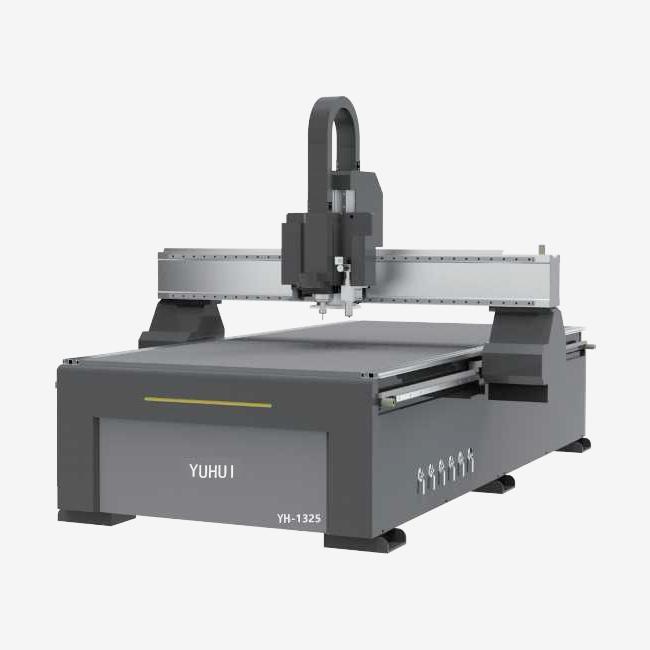
The S Model Plate Fiber Laser Cutting Machine has a variety of working area layouts to meet the needs of any production. The YH-1313S has a small 1300x1300mm workspace that is good for smaller parts, while the YH-6020S has a big 6000x2000mm workplace that is good for processing large formats. All types can cut at speeds of up to 60 meters per minute on thin materials, which makes cycle times much shorter than with mechanical methods. It can work with both 380V and 110V power sources and is compatible with both 50Hz and 60Hz frequencies, so it can be used anywhere in the world without worrying about the electrical infrastructure.
Step-by-Step Guide to Using a Metal Plate Fiber Laser Cutting Machine
The laser needs to be set up correctly before it fires. Knowing how each step of the process works will ensure regular results and safe handling.
Pre-Operation Workspace Preparation
Getting your workspace set up right will keep you from having problems in the future. Make sure the machine bed is level and free of anything that could get in the way of placing the material. Make sure there is enough air flow because cutting creates fumes that need to be extracted. To keep the beam quality stable, make sure the water heater stays within the temperature range given, which is usually between 18°C and 22°C. Check the protected lenses for dirt or damage, and if they need to be cleaned, do so gently with approved cleaners.
Machine Calibration and Parameter Setup
The coordinate method that the machine uses for pointing is set up during calibration. The majority of current systems have built-in routines that automatically calibrate and find reference spots on the bed. Do a focus test on some scrap material to make sure the laser is pointing in the right direction. Cutting at different heights will show you the best gap distance for getting the best cuts. Before you load your cutting file into the CNC controller, look over the toolpath for any clear mistakes or moves that aren't necessary and could lose material.
The type of material and its width have a lot to do with choosing the parameters. When cutting thinner sheets, you need to go faster but use less power so that you don't heat the material too much and bend it. For full entry, slower speeds and higher power levels are needed for thicker plates. The choice of assist gas is also important. Oxygen speeds up the cutting of carbon steel through exothermic processes, while nitrogen makes lines on stainless steel without oxides. Gas pressure is usually between 0.8 and 2.0 bar, but it can be higher or lower based on the need.
Material Loading and Securing
Make sure there are no holes or twisting in the metal sheet when you lay it flat on the support bed. During cutting, magnetic clamps or vacuum tables keep the material in place so that it doesn't move, which would ruin the accuracy. Depending on your nesting strategy, place the sheet so that it makes the best use of the material and there is as little waste as possible while keeping efficient cutting lines that cut down on time spent not working.
Active Monitoring During Operation
As soon as the cutting starts, pay close attention for the first few minutes. If you hear strange sounds, it means there are problems with the mechanics or you chose the wrong parameters. Keep an eye on the cutting zone for signs of incomplete entry, too much dross buildup, or material damage from the heat. Modern machines show power output, cutting speed, and system data in real time, which helps workers find problems quickly.
Post-Cutting Handling and Quality Inspection
After cutting, let the parts cool down before touching them. This is especially important when working with thicker materials that keep heat in. Carefully take off finished parts so that you don't hurt yourself on the sharp edges. Check the quality of the cut by comparing the requirements for edge roughness, squareness, and measurement accuracy. It is normal for carbon steel blades to have some dross on the bottom edge, but it should be easy to remove. Too much garbage means that the parameters need to be changed.
The heavy-duty design of S Model Plate Fiber Laser Cutting Machines, with rectangular tubes with a 6mm wall diameter and a total body weight of 3,000 kg, keeps the bed from deforming even after years of heavy use. This structural stability keeps the cutting accurate over the life of the equipment, which is very important for companies that need stable part quality.

Maintenance Tips to Ensure Longevity and Performance
Fiber laser cuts work at their best when they get regular repair, which also makes parts last longer. Not giving something regular care can cause it to work less well and need expensive fixes.
Daily and Weekly Maintenance Routines
Check the protected screens on the cutting head for dirt and grime every day before use. Even a small amount of dust can lower the quality of the beam and damage the lens. Use lint-free wipes and approved cleaning products to clean the glasses. Start in the middle and work your way out in gentle circles. Check the amount of help gas that is available and make sure there are no gas line leaks that could affect how well the cutter works.
As part of weekly tasks, checking the state of blades is necessary because they wear out over time and need to be replaced when the quality of the cuts gets worse. Check the machine bed for any buildup of dirt that could damage materials or get in the way of motion systems. Make sure that all of the wire links are still tight, especially the ones that will be moving during use. Check the amount of grease in the linear guides and ball screws and add more grease as directed by the maker.
Troubleshooting Common Issues
Some reasons why cuts might not go all the way through are not enough laser power, the wrong focus position, or glasses that are contaminated and stop the beam from traveling. When the quality of the cuts isn't the same across the working area, it's usually because the bed isn't level or the machine's shape is being changed by heat expansion. Too much noise when moving means that there are problems with greasing or old mechanical parts that need to be fixed before they break.
Sourcing Genuine Parts and Service Support
Using original new parts keeps the system running well and protects the guarantee. Yuhui Laser's 450-day after-sales service program offers more technical help than is usual in the industry. This gives buyers trust in the long-term performance of their equipment. Our service network offers help with installation, training for operators, and repairs, so your team can get the most out of your tools.
Comparing Fiber Laser and CO₂ Laser Cutting Machines for Metal Plates
Learning about the differences between laser technologies helps companies choose the right tools for their production needs.
Speed and Precision Advantages
Fiber lasers can cut metals that are thin to medium thickness very quickly, often twice as fast as CO₂ systems. Because fiber lasers have shorter wavelengths, metals absorb them more effectively. This means that less power is needed to get the same cutting ability. Because the beam shape is small and has less of an effect on the surrounding material, precision stays high. In the past, CO2 lasers were the best way to cut thicker materials, but improvements in fiber technology have made this difference much smaller.
Energy Consumption and Operating Costs
Fiber systems use a lot less energy than CO₂ lasers. For example, wall-plug savings for fiber systems are over 30%, while for gas lasers they are only about 10%. This directly leads to lower running costs, which is especially important in places where a lot of things need to be made. Fiber lasers also get rid of the need for beam path mirrors that need to be aligned and replaced on a regular basis. This cuts down on the cost of consumables and the time needed for upkeep.
Cost-Benefit Analysis for Different Business Scales
Fiber laser usage is best for small to medium-sized businesses because it makes the technology easy to use without lowering its capabilities. The S Model Plate Fiber Laser Cutting Machine's small size makes it ideal for businesses with limited floor space, but it still performs at an industrial level. Larger businesses that work with a wide range of thicknesses and types of materials may choose higher power setups or more than one machine to get the best yield across all of their product lines.

How to Choose the Right Fiber Laser Cutting Machine for Your Business
To choose the right tools, you need to carefully look at your operational needs, your growth forecasts, and your budget.
Assessing Production Volume and Material Types
Figure out how many cuts you need to make each month based on the types of materials, sizes, and complexity of the parts. 3000W units are a great mix between capability and cost for businesses that mostly work with thin sheets of aluminum and stainless steel. 6000W or higher power levels help operations that work with thicker structure parts stay productive when they're working with tough materials.
Evaluating Machine Footprint and Features
The S Model series has four different working area layouts, which let companies match the size of their tools to the usual size of a part. Smaller workshops that work with a lot of different small parts need the YH-1313S, while companies that make big screens or structural parts need the YH-6020S's large 6000x2000mm area. Advanced features like systems that change the nozzles automatically, combined material handling, and the ability to program machines even when they're not online increase efficiency but also raise the initial investment.
Vendor Evaluation and Procurement Considerations
In addition to the specifications of the tools, the skills of the vendor have a big effect on long-term happiness. The CE and ISO certifications that Yuhui Laser has show that it meets foreign quality standards, which is very important for companies that do business in controlled markets. Our 14-day production lead time and large inventory help keep wait times between placing an order and having it installed to a minimum. With factory-direct prices, there are no markups for distributors, so you get a good deal without sacrificing quality. To get an idea of the total cost of ownership, when you're looking at providers, make sure you get specific quotes that include installation, training, and service agreements.
Conclusion
To master how to use a fiber laser cutting machine, you need both technical understanding and hands-on practice. When it comes to cost-effective performance, the S Model Plate Fiber Laser Cutting Machine is perfect for small- to medium-sized industrial businesses. It can run smoothly and handle a wide range of metal production tasks. Its sturdy build means it will work well for decades, and the controls are easy to use, so operators don't need to be trained as much. Regular repair protects your production schedule and profits by keeping the quality of your cuts high and avoiding unplanned downtime. As manufacturing moves toward more efficiency and accuracy, investing in laser cutting technology that has been shown to work will help your business stay competitive in tough markets.
FAQ
What safety protocols should operators follow when using fiber laser cutting machines?
Fiber lasers can damage eyes permanently, so operators must wear laser safety glasses with a 1070 nm wavelength rating. Make sure there is enough air flow to get rid of the fumes that are made when you cut, especially when you are working with protected or metal materials. Set up shutdown measures to keep machines from being turned on by people who aren't supposed to during maintenance. In training, people should learn how to shut down in an emergency and how to safely handle cut parts with sharp edges.
Can fiber lasers cut non-metallic materials effectively?
Fiber lasers are great at working with metals, but they don't work well with non-metals because of how they absorb light. The 1070nm beam is not well absorbed by materials like wood, plastic, and cloth. This means that CO₂ lasers are better for these uses. Fiber systems, on the other hand, work well with hybrid materials that have metal layers, which increases their usefulness.
How often should preventive maintenance be performed on laser cutting equipment?
Most problems can be avoided by checking the lenses and gas sources every day. Weekly checkups that include cleaning, calibration, and full checks of all mechanical parts keep the machine running at its best. A thorough system evaluation, including laser source check and alignment verification, should be scheduled once a year by a professional. This will ensure long-term stability and keep the manufacturer's guarantee valid.
Partner with Yuhui Laser for Your Metal Cutting Solutions
Your business success depends on how well you choose the S-model plate fiber laser cutting machine maker. Yuhui Laser offers tools with THF4 military-grade lenses for better beam quality and performance steadiness. Their cutting-edge technology is paired with excellent customer service. Our low factory-direct prices give you great value, and our quick 14-day production times keep your projects on track. We understand that buying commercial laser equipment is a big investment that needs a trustworthy partner. Our expert team offers full installation support, user training, and ongoing advice to help you get the most out of your cutting processes. Our customization services can change machines to fit your needs, whether you're adding new production powers or improving old ones. This includes making changes to the software, the structure, and the merging of automation. Get in touch with our experts right away at jianghui@yuhui-laser-tech.com to talk about your metal cutting needs and get a custom quote. Find out how our network of S-model plate fiber laser cutting machine suppliers helps companies all over North America by providing quick service and original substitute parts. You can see our full line of products and customer success stories that show how they've worked in a variety of businesses by going to yuhui-laser-tech.com.
References
1. Powell, J. (2021). CO2 Laser Cutting: Principles and Industrial Applications. Springer Series in Materials Science.
2. Steen, W.M., & Mazumder, J. (2020). Laser Material Processing: Fourth Edition. Springer-Verlag London.
3. Ion, J.C. (2019). Laser Processing of Engineering Materials: Principles, Procedures, and Industrial Application. Elsevier Butterworth-Heinemann.
4. Chryssolouris, G. (2018). Laser Machining: Theory and Practice. Mechanical Engineering Series, Springer.
5. Dahotre, N.B., & Harimkar, S.P. (2022). Laser Fabrication and Machining of Materials. Springer Science & Business Media.
6. Ready, J.F., & Farson, D.F. (2020). LIA Handbook of Laser Materials Processing. Laser Institute of America, Magnolia Publishing.
Contact us directly for customized solutions, quotations and long-term strategic cooperation.