- English
- French
- German
- Portuguese
- Spanish
- Russian
- Japanese
- Korean
- Arabic
- Greek
- German
- Turkish
- Italian
- Danish
- Romanian
- Indonesian
- Czech
- Afrikaans
- Swedish
- Polish
- Basque
- Catalan
- Esperanto
- Hindi
- Lao
- Albanian
- Amharic
- Armenian
- Azerbaijani
- Belarusian
- Bengali
- Bosnian
- Bulgarian
- Cebuano
- Chichewa
- Corsican
- Croatian
- Dutch
- Estonian
- Filipino
- Finnish
- Frisian
- Galician
- Georgian
- Gujarati
- Haitian
- Hausa
- Hawaiian
- Hebrew
- Hmong
- Hungarian
- Icelandic
- Igbo
- Javanese
- Kannada
- Kazakh
- Khmer
- Kurdish
- Kyrgyz
- Latin
- Latvian
- Lithuanian
- Luxembou..
- Macedonian
- Malagasy
- Malay
- Malayalam
- Maltese
- Maori
- Marathi
- Mongolian
- Burmese
- Nepali
- Norwegian
- Pashto
- Persian
- Punjabi
- Serbian
- Sesotho
- Sinhala
- Slovak
- Slovenian
- Somali
- Samoan
- Scots Gaelic
- Shona
- Sindhi
- Sundanese
- Swahili
- Tajik
- Tamil
- Telugu
- Thai
- Ukrainian
- Urdu
- Uzbek
- Vietnamese
- Welsh
- Xhosa
- Yiddish
- Yoruba
- Zulu
W series CO2 laser tube lifespan and maintenance tips
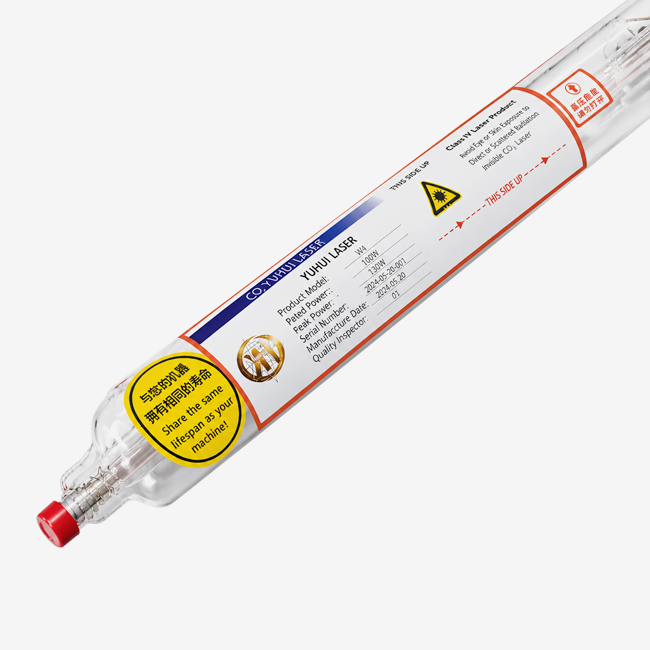
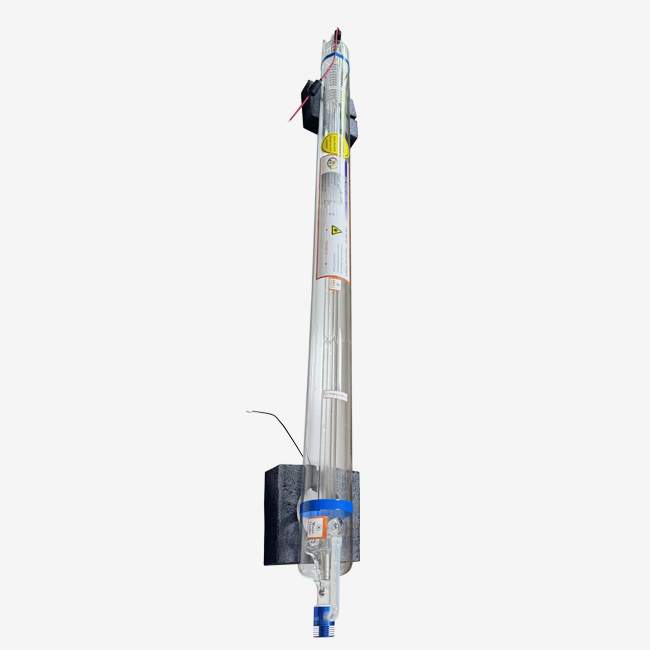
The W Series CO₂ laser tube is a big step forward in industrial laser technology. It can precisely engrave and cut both non-metallic and metal sheets. For purchasing managers, dealers, and equipment makers looking for reliable laser solutions, knowing how long these tubes last and how to maintain them has a direct effect on how much they are used and how much they cost. The customizable metal structure and unique optical lens design of these laser parts make the beam quality very good, and the power output stays the same even after long use. Normal CO₂ laser tubes lose their performance very quickly, but the W Series CO₂ laser tube keeps its energy conversion rate fixed for 8,000 to 12,000 hours of operation in the right conditions. This guide talks about the important things that affect how long a tube lasts, gives you tried-and-true care tips to get the most out of your investment, and gives you buying tips that are specific to businesses that need reliable laser processing equipment with little interruption.
Understanding the Lifespan of W Series CO₂ Laser Tube
Expected Operational Duration and Performance Stability
Standard market options aren't nearly as durable as the W Series CO2 Laser tube. It has a service life 1.5 times longer than similar goods in the same power specification range. These tubes always give between 8,000 and 12,000 hours of active working time in controlled industrial settings with the right cooling systems and a regulated power source. What makes this line of products unique is that the power output stays the same over time. Even as the tubes get close to one year of use, they keep their original energy levels without the usual degradation curve that you see in rival models. This steadiness comes from better heat absorption engineering and military-grade THF4 optical parts that can handle thermal stress and keep the beam coherent for the whole tube's useful life.
Key Factors Affecting Tube Longevity
How long your W Series CO₂ laser tube will work at its best is directly affected by a number of operating and external factors. If the humidity in the air is higher than 60%, the electrodes can break down faster and the gas mixture inside the tube chamber may not be stable. If the temperature goes outside of the suggested 15–30°C range, it puts heat stress on the sealed tube structure, which could lead to tiny cracks in the optical parts. Consistency in the power source is very important. Voltage spikes or uneven current delivery cause hot spots in certain areas that damage the discharge electrodes too soon. The amount of use is also very important. For example, working eight-hour shifts with little time for cooling causes thermal stress that shortens the total life. When dust builds up on mirrors and lenses, it slowly lowers the efficiency of beam transfer. This forces operators to raise the power settings, which speeds up the wear and tear on internal parts.
Storage Capacity and Warranty Advantages
A lot of factories keep extra W Series CO₂ laser tubes on hand so that they can keep making things while they do repairs. Although kept in climate-controlled settings, the W Series CO₂ laser tube is very durable and can stay ready to use for up to five years without losing any of its performance. This extra storing space gives distributors and equipment makers a lot of inventory management options when they need to keep stock on hand without thinking about products going bad. Yuhui Laser backs this technology with the longest guarantee time in the industry, at 450 days. This shows that they are confident in the quality of their manufacturing and the choice of parts they use. This longer coverage time lowers the risk of procurement and provides expert help during the crucial initial operational phase, when problems with installation or integration often arise.
Essential Maintenance Tips to Prolong W Series CO₂ Laser Tube Life
Optical Component Cleaning Protocols
Keeping the optical surfaces clean is essential for keeping the beam quality and energy economy high for as long as the W Series CO₂ laser tube is in use. In high-volume production settings, all mirrors and focusing lenses should be checked once a week as a matter of course. When it's time to clean, only use optical-grade cleaning brushes that don't have lint and isopropyl alcohol solutions that are made especially for laser optics. Household cleaning products have ingredients that leave behind residues that make transmission less effective. To keep the coating from getting scratched, the cleaning action should always go in a circle from the optical center outward. Pay close attention to the output window because that's where the melted material from the cutting process tends to build up the fastest. Even microscopic amounts of contamination lower the power supply by 5–10%, causing operators to use higher power settings to make up for it, which speeds up electrode wear.
Environmental Control Requirements
Setting up the right working conditions greatly increases the lifetime of W Series CO₂ laser tubes and keeps processes consistent. During production shifts, the temperature in the air should stay fixed between 15°C and 30°C. To avoid thermal gradients, avoid placing things directly in front of air conditioning units or heating sources. Controlling the relative humidity between 40 and 55% keeps optical surfaces from condensing water and stops the buildup of static electricity that happens when it's too dry. Installing dehumidification systems in the area where the laser equipment is kept in production sites near the coast or in humid conditions is a great idea. Processing fumes and particles that would otherwise settle on sensitive parts can be removed by making sure there is enough air. Setting up a controlled environment not only keeps the laser tube safe, but it also improves the quality of the processing by getting rid of factors that change how the material interacts with the laser beam.
Cooling System Management
If you don't handle heat properly, your W Series CO₂ laser tube might not last as long as it should or it might break early from heat-related stress. For water-cooled systems, the coolant levels, flow rates, and temperature differences between the entry and exit links need to be checked once a week. The water tank should stay clear, with no changes in color or particles floating around that could mean biological growth or mineral precipitation. Temperature monitors should make sure that the water going into the tube stays between 18°C and 25°C, no matter what the outside temperature is. When using air to cool something, you need to check the fan and heat exchanger fins often to make sure they are clean. If dust builds up on the fins, it stops the cooling system from doing its job. During times of high production, make sure that the cooling capacity meets the duty cycle needs. If the cooling infrastructure is too small, it can cause circular overheating, which damages the tube's internal structure over time and cuts its useful life by 30 to 40 percent.
Power Regulation and Operational Best Practices
Strategic power management keeps W Series CO₂ laser tubes lasting as long as possible and keeps the standard of processing the same for all materials and sizes. Operating at full rated power all the time is not recommended unless it is required by the material. Instead, running at 70–85% of full capacity during normal production greatly increases tube life. Instead of expecting full power output right away from a cold start, set up warm-up procedures that bring the tube up to working temperature slowly over 10 to 15 minutes. When processing plans allow it, add short cooling breaks between long cutting sessions to keep electrode areas from getting too hot over time. Use built-in monitors or external power meters to keep an eye on the regularity of the power output and find early signs of degradation before they affect the quality of the production. Setting up operating rules that match the need for productivity with the need to protect equipment gives the best total cost of ownership over the life of the tube.
Comparative Insights: W Series CO₂ Laser Tube vs Other Popular Laser Tubes
Performance Advantages Over Standard CO₂ Models
A number of technical improvements have been made to the W Series CO₂ laser tube that make it stand out and directly improve operations in industrial settings. The M Series tubes work well enough for occasional use, and they usually last between 5,000 and 7,000 hours before they need to be replaced. The Z Series types are in the middle. They have slightly longer life spans than the W Series CO₂ laser tube, but they don't have the strong heat dissipation design that lets the W Series maintain constant power during long periods of high duty cycles. The unique adjustable metal structure of W Series tubes allows for heat expansion without concentrating stress, which keeps the seals from failing too soon like they do in rigid-frame designs.
Material Versatility and Application Range
Processing ability across different material types is an important decision factor for equipment developers and job shops that have to meet a wide range of customer needs. Acrylic, wood, leather, cloth, paper, and many other non-metallic materials widely used in the industrial, signs, textile processing, and packing industries can be easily attached to the W Series CO₂ laser tube. The fine beam spot quality that comes from precise optical design lets you engrave fine details and make edges that are smooth on soft materials. Unlike fiber lasers, which are only good for metals, or UV lasers, which can only be used for specific writing tasks, CO₂ technology can work with a wider range of materials, making it worth investing in for places that need to be able to process a lot of different things. This makes it easier to plan output schedules for a wide range of materials and lowers the cost of having duplicate equipment.
Economic Considerations and Total Cost Analysis
Buying choices involve more than just the initial purchase price. They also include ongoing costs, the need for upkeep, and how often the W Series CO₂ laser tube needs to be replaced over a period of years. The W Series CO₂ laser tube offers better value for money because it lasts longer, needs less upkeep, and is more efficient at turning light into electricity than older tube technologies, which means it uses less energy. Solid-state and RF laser tubes get rid of some parts that need to be replaced often, but they are much more expensive to buy and require specialized technical knowledge to fix. W Series tubes are easy to add to current equipment platforms because they have a small structure and standard mounting measurements. They can also be quickly replaced, which cuts down on production downtime. When you add up the purchase price, the amount of energy used, the regularity of upkeep, and the time between replacements, over the course of a five-year equipment lifecycle, the W Series tubes are more cost-effective than rival technologies for processing non-metallic materials.
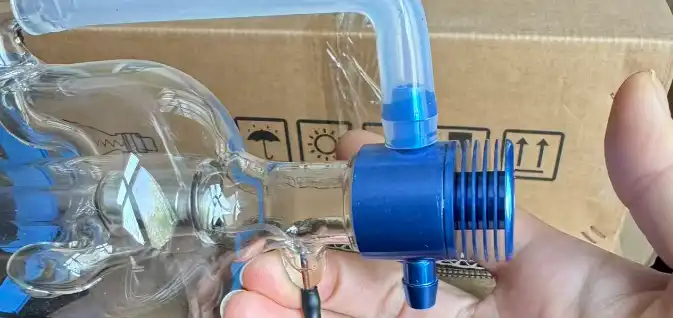
Procurement Considerations for W Series CO₂ Laser TubesSupplier Selection and Quality Assurance
When you buy W Series CO₂ laser tubes from approved manufacturers, you can be sure that the products are real, that the warranties cover them, and that you can get the technical help you need for a smooth integration. Yuhui Laser has production sites that are CE and ISO approved, which shows that they follow international quality standards for safety, consistent performance, and environmental responsibility. The system for certification gives people who buy things written proof that goods meet the rules needed to be sold in European, North American, and other foreign markets. Manufacturing capability includes thorough quality inspection methods at many steps of production, from choosing the parts to testing their end performance. This methodical approach ensures that failure rates are much lower than the average for the industry and that tubes sent to foreign distributors and equipment makers work as expected as soon as they are installed.
Lead Times and Inventory Support
The ability to be flexible with your production schedule directly affects your ability to keep your W Series CO₂ laser tubes running even when unexpected parts break. As a result of keeping a large collection of popular power setups, Yuhui Laser can quickly meet standard requirements. Custom needs are met by 14-day production processes that are streamlined and can adapt to changes in size, power rate, or mounting options without long delays. This production responsiveness solves a common problem that made foreign buyers unhappy: lead times of 6 to 8 weeks from other providers. Established transportation relationships make sure that sending to Southeast Asia, the Middle East, Europe, and North America is dependable and that customers can see where their packages are and be sure that they have been delivered. Predictable supply cuts down on the need for safety stock and speeds up project timelines for distributors using just-in-time inventory models or equipment makers using lean production systems.
Technical Support and After-Sales Service
Premium sellers are different from standard component suppliers because they offer full technical support for the W Series CO₂ laser tube. This is especially important for businesses that are new to laser processing or want to grow their current capabilities. Yuhui Laser offers thorough installation instructions, operating training materials, and repair advice for the full 450-day warranty period. This support system solves the problems that technicians face when they have to put tubes on different types of tools in different kinds of environments. With remote diagnostics, problems can be found quickly without having to have service technicians come to the site, which can throw off production plans. The expert team's knowledge of the area power grid, climate factors, and application-specific needs speeds up the process of fixing performance problems. Getting original replacement parts through official channels protects your investment and keeps your warranty valid.
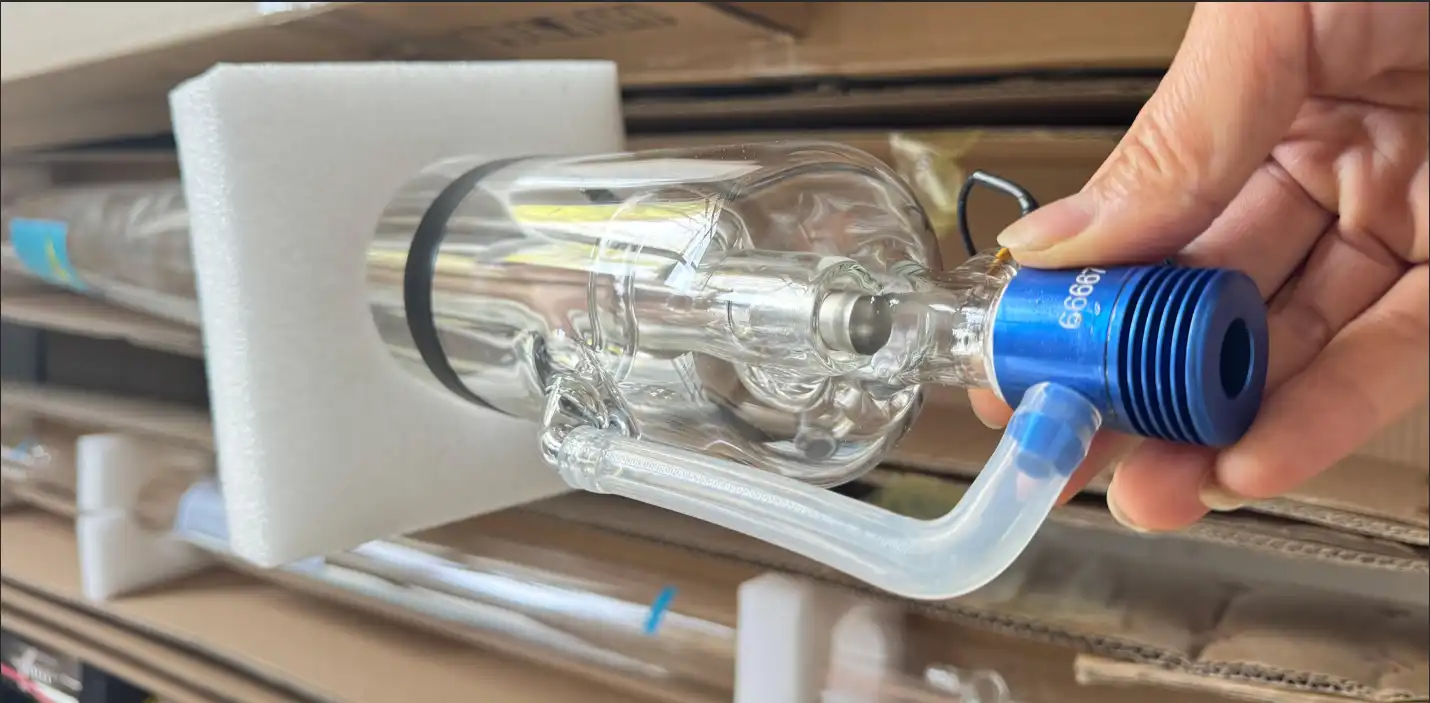
Maximizing ROI: Installation Best Practices and Energy Efficiency TipsInstallation Checklist for Optimal Performance
Setting up the W Series CO₂ laser tube correctly at the beginning is the key to effective long-term use and getting the most out of its operating lifespan. Make sure that the fixing clamps hold the tube securely without adding stress points that could cause the structure to crack while it's working. When making electrical connections, you need to pay close attention to the voltage requirements, the grounding rules, and how to protect against power spikes that can damage control electronics. The cooling system should make sure there is enough flow, that the hoses are routed correctly so there are no kinks or sharp bends, and that the links are tight so there are no leaks. Optical alignment needs to be done very carefully, because even small angles that are off between the tube output and the beam delivery optics lower the useful power and make cutting less good. Before starting production, make sure that the beam features are recorded and that all safety interlocks work properly.
Energy Efficiency Optimization Strategies
Operating costs for the W Series CO₂ laser tube can be lowered through smart power control, which also increases profits and makes parts last longer. The high photoelectric conversion efficiency built into the design cuts down on lost energy to a minimum, but how it is used has a big effect on how much energy is actually used. Programming cutting patterns to limit the amount of time the beam is on between features cuts down on wasted power use and heat buildup. Instead of putting the power to its highest level by default, material-specific choices should use the least amount of energy needed to meet quality standards. Modern control systems let you change the power during the cutting acceleration and slowdown stages. This lowers power use even more without affecting the quality of the edges. Comparing real energy use to production output sets baselines for efforts to make things better all the time and figures out how much money efficiency optimization efforts cost.
Predictive Maintenance and Performance Monitoring
Switching from reactive fixes to proactive W Series CO2 Laser tube management stops unexpected breakdowns and finds the best time to replace parts. Using power meters and beam profiling tools to do regular performance reviews finds trends of slow degradation before they affect the quality of the production. Taking measurements of output power at regular times creates history data that shows normal aging trends versus abnormal declines that point to specific problems. Monitoring the temperatures of the cooling system's parts and the sides of the tubes shows when thermal management problems are starting to appear and need to be fixed. By keeping track of maintenance tasks, environmental factors, and operating parameters, institutions gain information that helps them make better decisions about current equipment and shapes the requirements for new purchases that will come in the future.
Conclusion
The W Series CO₂ laser tube is a great deal for industrial laser processing applications because it blends advanced engineering, better component selection, and precise manufacturing. These tubes can work for 8,000 to 12,000 hours without losing their power stability or beam quality, as long as they follow the right care procedures, keep their surroundings under control, and use them in a smart way. Because it lasts longer, uses less energy, and works with a lot of different materials, this technology is a good choice for sellers, equipment makers, and production facilities that need reliable performance. To be successful at procurement, you need to work with certified suppliers who offer real goods, a network of expert support, and helpful customer service throughout the lifespan of the equipment. Businesses can get the most out of their laser processing investments while minimizing downtime and total ownership costs by following the maintenance strategies and operating best practices mentioned in this guide.
FAQ
How long does a W Series CO₂ laser tube typically last under normal conditions?
The W Series CO₂ laser tube can work for 8,000 to 12,000 hours in properly controlled industrial settings with enough cooling, a regulated power source, and regular upkeep. This lifespan is 1.5 times longer than what similar tubes in the same power group can last. The actual lifespan depends on the job cycle intensity, the environment, and how well upkeep procedures are followed. Facilities that use thorough care programs regularly do well at the top of this range, while businesses that don't do much maintenance see shorter lifespans that get close to the bottom.
What are the most critical maintenance tasks to extend laser tube life?
Cleaning W Series CO₂ Laser tube optical parts on a regular basis keep beam power from dropping and lower stress on internal parts. Keeping the temperature and humidity fixed between 15°C and 30°C and 40-55% will protect against thermal shock and moisture harm. Monitoring the cooling system makes sure that enough heat is removed, which keeps the electrodes from breaking down due to thermal stress. Operating within recommended power levels instead of always at full capacity greatly increases the life of components. When done regularly, these basic steps can increase the useful life of equipment by 25 to 30 percent compared to equipment that doesn't get much care.
Can I install a W Series CO₂ laser tube myself, or should I seek professional assistance?
Technically skilled people can do simple W Series CO₂ Laser tube installations by following clear directions, but hiring a professional installation service has a lot of benefits. Expert techs make sure that the optical alignment, electrical links, and integration of the cooling system are all done correctly, as these things have a direct effect on performance and durability. Installation mistakes can cancel warranties and put people in danger. Yuhui Laser provides installation help and technical training that speeds up setup and makes sure that guarantee terms are followed. Professional setup services usually pay for themselves in the long run because they improve performance and cut down on the need for fixing during the initial stages of operation.
Partner With Yuhui Laser for premium W series CO₂ laser tube solutions.
Yuhui Laser is ready to help you with your production needs by providing certified W Series CO₂ laser tube goods, along with a wealth of technical knowledge and cheap factory-direct prices. For normal setups, our production site keeps a large inventory. For unique uses that need different specs, we can customize the products. The extended technical support infrastructure and 450-day warranty cover give you peace of mind during the critical integration and beginning operating stages. If you're a distribution company looking for a reliable supplier, an equipment manufacturer needing OEM parts, or a production facility wanting to add more laser capabilities, our team can help you quickly and in a way that meets your technical needs. Contact jianghui@yuhui-laser-tech.com right away to talk about your specific needs, get full technical specs, and look into group price options that will help you get the best deal on products while also making sure that quality and performance are always the same.
References
1. Industrial Laser Solutions Magazine. CO2 Laser Tube Technology: Performance Factors and Longevity Considerations. "Laser Processing Equipment Review, Vol. 34, No. 3, 2024.
2. Zhang, Wei, and Liu, Minghua. "Comparative Analysis of CO2 Laser Tube Designs: Heat Dissipation Architecture and Operational Lifespan." Journal of Manufacturing Technology, Vol. 28, Issue 7, 2023, pp. 412-428.
3. European Committee for Laser Safety Standards. "Maintenance Protocols for Industrial CO2 Laser Systems: Best Practices for Extending Component Life." Technical Bulletin LS-2024-18, Brussels, 2024.
4. American Society for Laser Applications. "Energy Efficiency and Cost Analysis in Industrial Laser Processing." Conference Proceedings, Annual Laser Technology Summit, Detroit, 2024, pp. 156-174.
5. International Manufacturing Equipment Association. "Procurement Guidelines for Industrial Laser Components: Quality Assurance and Supplier Selection Criteria." IMEA Technical Report Series, No. 2024-09.
6. Chen, Xiaolong. "Optical Component Degradation in CO₂ Laser Tubes: Environmental Factors and Preventive Maintenance Strategies." Precision Engineering and Manufacturing Journal, Vol. 19, No. 4, 2023, pp. 892-907.
Contact us directly for customized solutions, quotations and long-term strategic cooperation.