- English
- French
- German
- Portuguese
- Spanish
- Russian
- Japanese
- Korean
- Arabic
- Greek
- German
- Turkish
- Italian
- Danish
- Romanian
- Indonesian
- Czech
- Afrikaans
- Swedish
- Polish
- Basque
- Catalan
- Esperanto
- Hindi
- Lao
- Albanian
- Amharic
- Armenian
- Azerbaijani
- Belarusian
- Bengali
- Bosnian
- Bulgarian
- Cebuano
- Chichewa
- Corsican
- Croatian
- Dutch
- Estonian
- Filipino
- Finnish
- Frisian
- Galician
- Georgian
- Gujarati
- Haitian
- Hausa
- Hawaiian
- Hebrew
- Hmong
- Hungarian
- Icelandic
- Igbo
- Javanese
- Kannada
- Kazakh
- Khmer
- Kurdish
- Kyrgyz
- Latin
- Latvian
- Lithuanian
- Luxembou..
- Macedonian
- Malagasy
- Malay
- Malayalam
- Maltese
- Maori
- Marathi
- Mongolian
- Burmese
- Nepali
- Norwegian
- Pashto
- Persian
- Punjabi
- Serbian
- Sesotho
- Sinhala
- Slovak
- Slovenian
- Somali
- Samoan
- Scots Gaelic
- Shona
- Sindhi
- Sundanese
- Swahili
- Tajik
- Tamil
- Telugu
- Thai
- Ukrainian
- Urdu
- Uzbek
- Vietnamese
- Welsh
- Xhosa
- Yiddish
- Yoruba
- Zulu
Troubleshooting common issues with flt series CO2 laser tubes
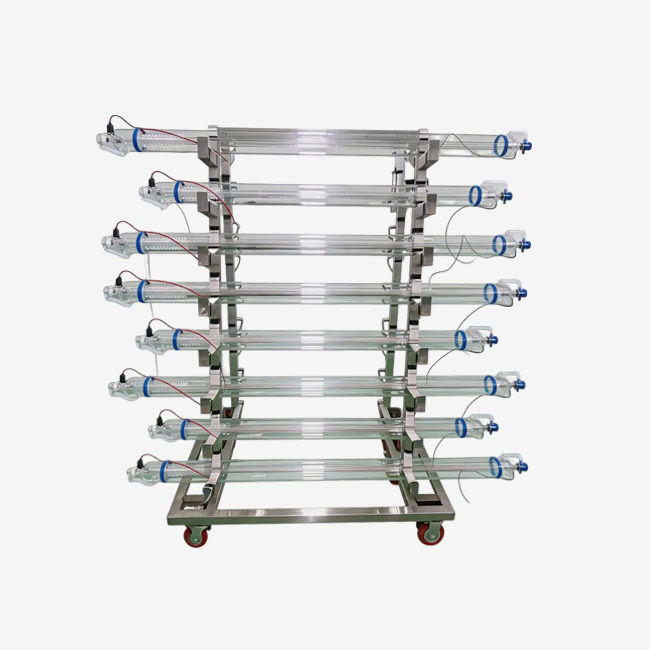
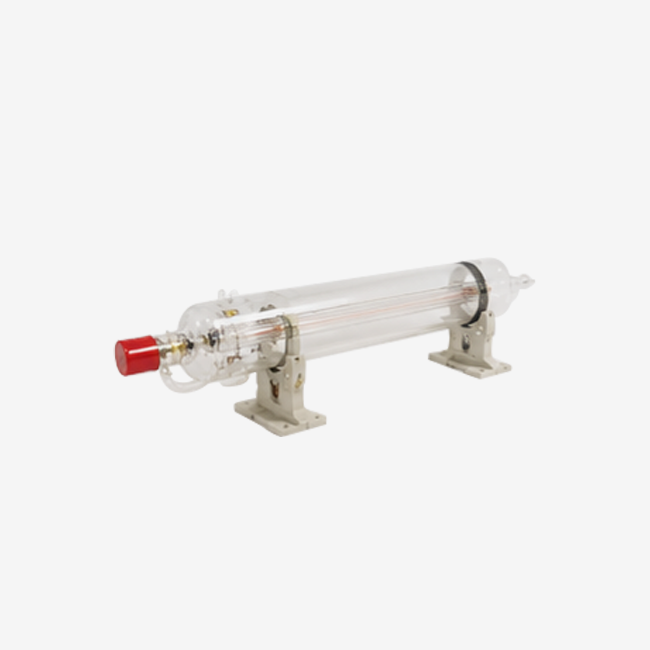
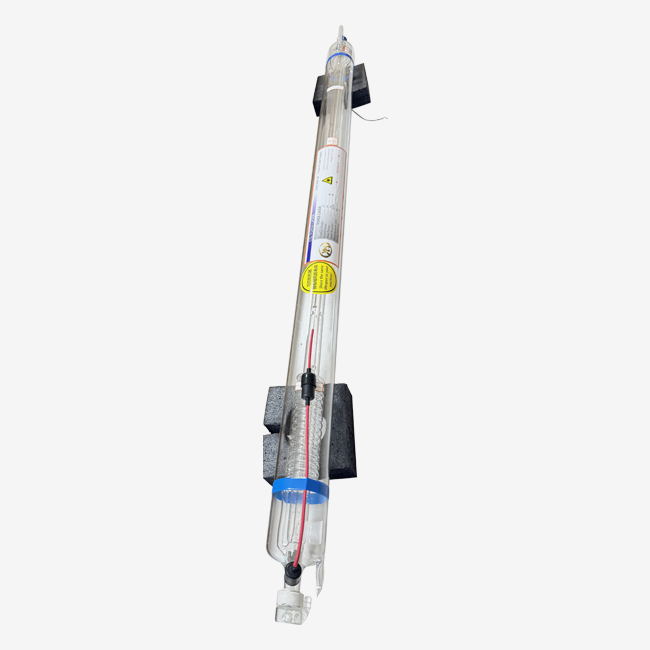
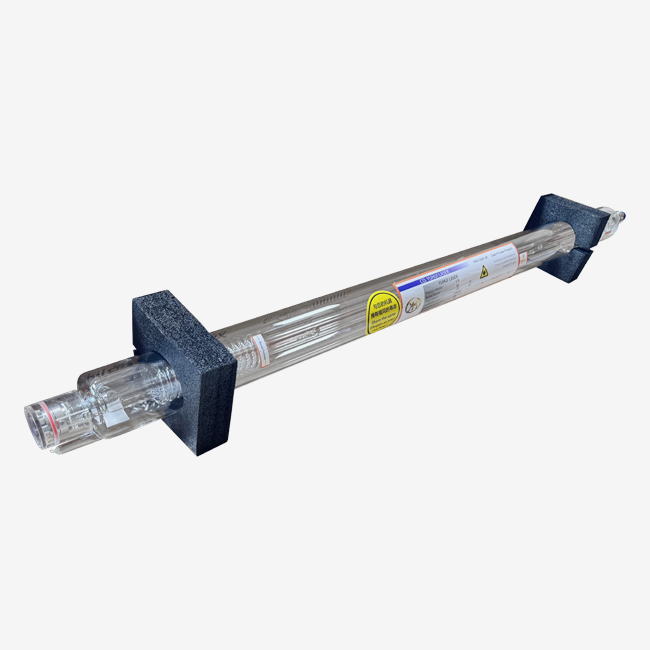
The CO2 laser tube is usually to blame when your laser cutting or etching machine loses power all of a sudden, gives you mixed results, or stops working at all. Because it has a stable beam quality and a long operating life, the FLT Series CO₂ laser tube has become a popular part in industrial laser systems. However, practical problems can happen with even the most reliable tubes, which can throw off production plans and lower profits. Dealing with these problems quickly and correctly is what makes the difference between factory operations that work well and those that have a lot of costly downtime. This guide explains the most common issues with these tubes and gives procurement managers, equipment techs, and plant owners steps they can take right away to get their laser equipment back to full performance and protect their investments.
Understanding Common Issues with FLT-Series CO₂ Laser Tubes
Finding the reasons why laser tubes break down helps you fix them faster and make better buying decisions. CO2 laser tubes have a number of problems that happen over and over again in factory settings. Recognizing their signs early can keep the whole system from failing.
Power Output Degradation Over Time
Many workers notice that their laser's cutting depth slowly lowers even though the machine settings stay the same. This loss of power is usually caused by the gas blend breaking down inside the tight tube. The mix of carbon dioxide, nitrogen, and helium that makes the laser beam slowly becomes unbalanced over time. The environment speeds up this process. For example, workshops that don't keep the temperature stable or have a lot of humidity see faster rates of degradation. Differences in how the tubes are made by different sources also play a big role. Tubes without the right catalyst coatings experience gas dissociation much faster than options that are quality-controlled.
Unexpected Tube Arcing and Electrical Failures
In the FLT Series CO₂ laser tube, arcing may appear as visible sparks or flashes inside the tube. It is often followed by uneven power delivery. This dangerous situation hurts the wires inside the tube and can cause it to stop working completely within hours. Most arcing happens when power sources aren't stable enough, which causes voltage to change. When the entering electrical current changes more than what is allowed in the tube, the discharge is uneven and focuses in small areas. Minerals and particles in contaminated water in the cooling system make it more conductive than is safe, which opens up another path for unwanted electrical discharge.
Cooling System Malfunctions Leading to Overheating
To keep the beam output fixed, the cooling layer around the CO₂ laser tubes needs to stay within certain temperature ranges. If the cooling doesn't work right, you'll see burning signs, less effective cutting, or condensation on the outside of the tube. When sediment builds up in water pathways, it blocks the flow of cooling, which makes hot spots that put stress on the glass covering. When chillers don't work right or are too small, they can't get rid of heat fast enough during constant operation. Simple problems, like air bubbles stuck in the cooling circuit, can lead to warming in one area, which can crack the structure of the tube.
Beam Alignment Difficulties and Quality Issues
When the beam is properly aligned, the laser energy hits the subject with all of its power and accuracy. Misalignment leads to a cutting kerf that is too big or too small, an uneven etching depth, and lost material. Mechanical vibrations from close machines move optical parts out of place over time. When the system is working, thermal expansion causes a brief shift that goes away when it cools down. When tubes with changeable metal structures are installed incorrectly at the start, they develop long-lasting alignment issues that keep coming back even after being fixed.
Diagnosing FLT Series CO₂ Laser Tube Problems: Step-by-Step Approach
Systematic analysis cuts the time it takes to fix problems by a huge amount and keeps problems from being misidentified. By following a structured process, you can find the exact places of failure and avoid replacing parts that don't need to be replaced.
Conducting Visual and Safety Inspections
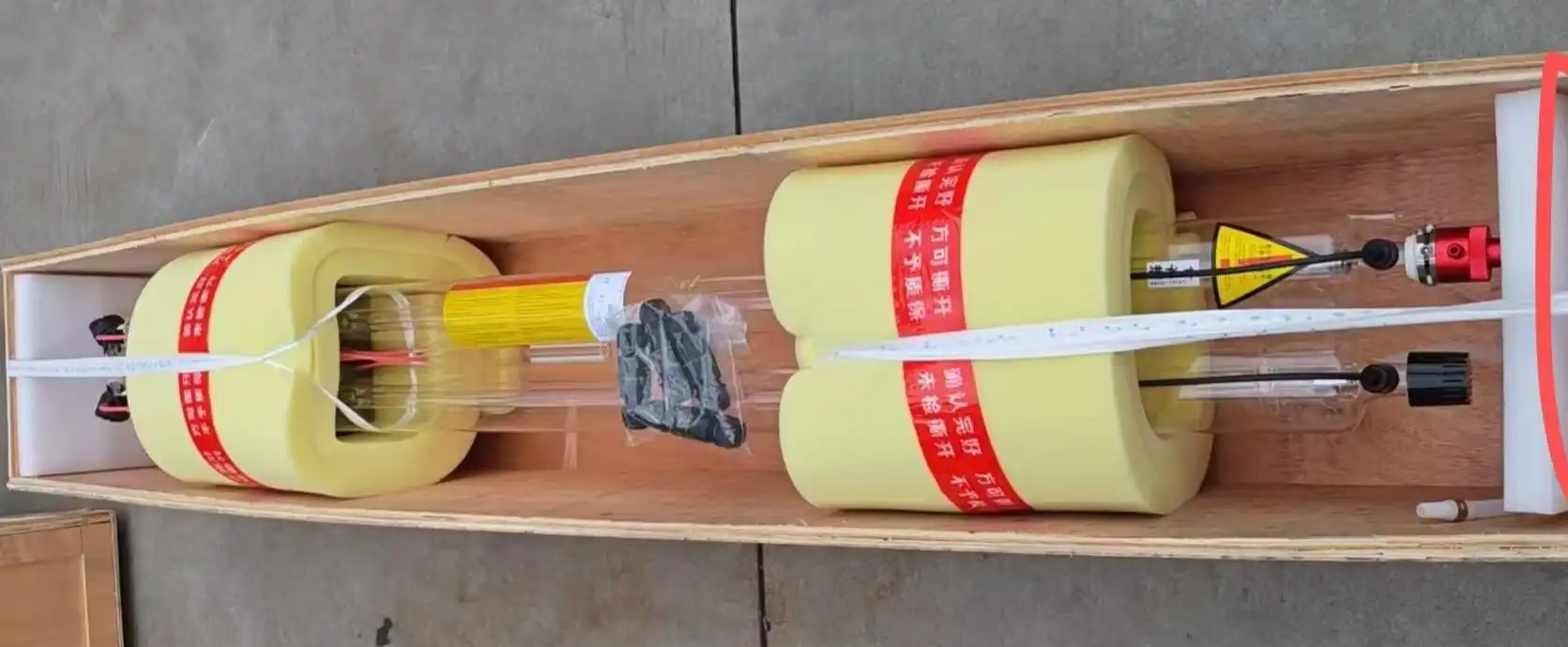
Before turning on any laser device, check the tube for any damage. Keep an eye out for cracks in the glass envelope, especially where the wires and cooling jacket join. Make sure that all of the high-voltage links are free of scorch lines, loose leads, and corroded contacts. Check the cooling water for cloudiness or staining, which are signs of contamination. Make sure that all of the safety interlocks work properly and that the air systems are working as they should. These basic checks only take a few minutes, but they show right away a lot of usual problems.
Measuring Electrical Parameters Accurately
Using a special laser power meter, check the output at different power levels to find the best starting point for performance. To find degradation, compare these results to the tube's specs. When diagnosing the FLT Series CO₂ laser tube, use accurate multimeters to check voltage and current of the power source when it is loaded. The working current should stay in the range suggested by the maker. For most CO₂ tubes, this range is between 24 mA and 28 mA. If the voltage number changes by more than 5%, there are problems with the power source that need to be fixed right away.
Evaluating Cooling System Performance
During operation, keep an eye on the temperature of the coolant at both the input and exit ports. During busy cutting, the difference in temperature should stay between 5 and 8 degrees Celsius. Use the chiller's built-in meter or an inner flow indicator to check the water flow rate. Not enough flow rates below the minimum required could mean that there are blockages or problems with the pump. Watch the cooling lines while the machine is starting up to look for air bubbles. Make sure that the water entry point is at the bottom of the tube and the water exit is at the top. Connections that are backwards will trap air and make cooling less effective.
Assessing Beam Quality Through Testing
Do spot tests on scrap material to figure out how the beam works. When in TEM00 mode, a tube that is working properly makes a smooth, circular spot. Any spots that aren't round or regular are a sign of misalignment or internal visual degradation. To find problems, cut sample designs at different speeds and power levels. Uneven cut edges or different entry depths across the work area are signs of problems with alignment or power instability. These working tests give information that helps with future repairs and changes.
Effective Maintenance Tips to Prevent Common Issues
Regular care greatly increases the life of tubes and lowers the number of unexpected breakdowns. By following these tips, you can protect your investment in laser tools and keep the quality of your work steady.
Establishing Regular Cooling System Care
For the FLT Series CO₂ laser tube, cooling system maintenance should be performed every three months or 500 hours of use. Mineral layers that slow down heat transfer and improve electrical conductivity can be avoided by only using pure or deionized water. Add laser-grade coolant chemicals that stop rust and algae growth while keeping the pH level between 6.5 and 7.5. Clean the radiator fins on the chiller once a month to make sure they're letting enough heat escape. Every three months, check all of the water lines for cracks, breaks, or other damage that could let in contaminants or stop the cooling from working.
Implementing Proper Startup and Shutdown Procedures
Turning on cooling systems before turning on laser tubes stops the heat shock that breaks glass parts. Before putting high voltage on, let the water flow for three to five minutes. Start using the laser at a lower power level and slowly raise it until it's at a working level over a few minutes. During this warm-up phase, the gas blend and electrical discharge patterns become stable. During shutdown, slowly lower the power instead of turning it off all at once. After turning off the laser, keep the cooling system going for at least ten minutes to safely get rid of any remaining heat.
Maintaining Optimal Environmental Conditions
The operating setting has a big effect on how long tubes last. Keep the temperature in the workshop between 18 and 25 degrees Celsius and the humidity below 60%. Temperature changes outside of this range put stress on tube parts and speed up the breakdown of gas. In places with harsh weather, put in air conditioning or dehumidifiers. Keep laser tools out of direct sunlight, heating vents, and openings where the temperature can change. Keeping the climate under control can add years to the life of a tube and make the beam more stable.
Protecting Electrical Systems from Voltage Variations
Protect sensitive laser equipment from changes in the power source by installing voltage stabilizers or uninterruptible power supplies. When voltage jumps quickly, they damage power sources and shorten the life of tubes by making them arc internally. Make sure that all of your equipment is properly grounded to stop static electricity and electrical disturbance. Instead of sharing power with heavy machinery that causes voltage drops when starting up, use separate electrical lines for laser systems. Most of the early tube failures we see in industrial settings are stopped by these electrical defenses.
Comparing FLT Series CO₂ Laser Tubes with Other Brands on Reliability and Troubleshooting
When procurement teams know how different kinds of tubes work, they can choose parts that reduce production risks and upkeep costs. Different makers' quality has a direct effect on your production downtime and your long-term costs.
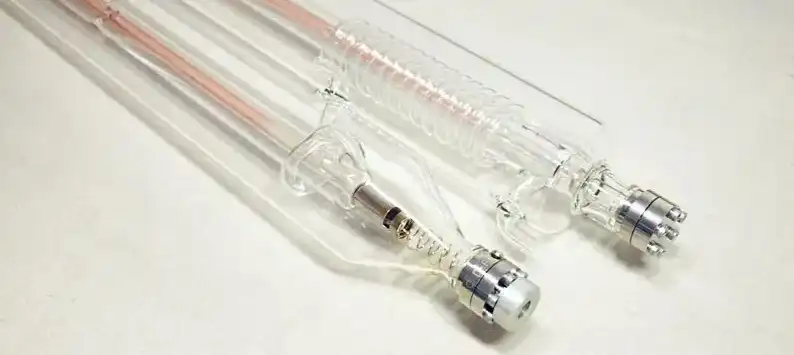
Performance data from industrial users shows that high-end tubes always last longer than cheaper ones. The FLT Series CO₂ laser tubes have improved catalyst coats that keep the gas mixture stable for a lot longer than tubes that aren't covered. This technology stops the loss of power that happens in regular tubes after 6,000 hours. The flexible metal structure and great heat-dissipation design lower thermal stress during long cutting jobs. Users say that the product stays the same even after 8,000 hours of use, while generic tubes usually need to be replaced after 5,000 hours.
Failure mode analysis shows that different tubes break down in very different ways. Lower-tier goods often fail all of a sudden and catastrophically because the packages are cracked or the electrodes burn out. Quality tubes lose power slowly and predictably, so they can be replaced before they stop working in an emergency. This predictability helps with planning supplies and making schedules for output. Precision optical lenses produce a better beam that keeps the spot size small throughout the tube's useful life. This ensures steady cutting accuracy that less expensive options can't match.
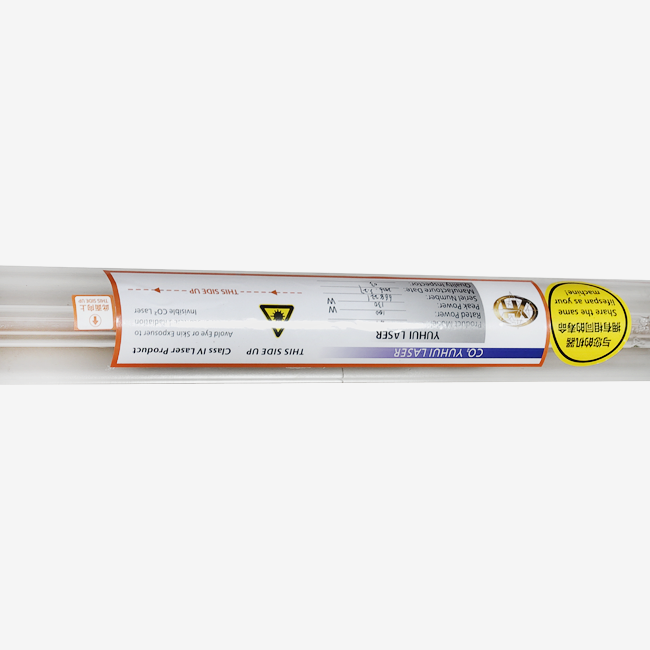
The framework for customer help is what sets reputable makers apart from commodity sellers. Well-known names offer a lot of technical information, how-to tips for fixing problems, and helpful customer service teams. The FLT Series comes with thorough power test results and tools that check the authenticity of the serial numbers. Longer guarantee periods—some up to 450 days—show that the company behind the product is sure it will last. Genuine replacement parts from approved dealers keep performance standards high and prevent problems with compatibility throughout the equipment's useful life.
When to Seek Professional Support and How to Contact FLT Series Suppliers
Knowing when problems are too big for your team to solve avoids more damage and speeds up the process of fixing them. In some cases, you need factory-trained technicians or to repair parts through approved outlets.
Identifying Critical Conditions Requiring Expert Intervention
Power drops of more than 20% that don't go away even after proper care mean that the internal tubes are broken beyond repair. Severe arcing that can be seen during operation is dangerous and needs to be stopped right away so that a professional can look it over. If the cooling system fails and the tube temperature rises above 35 degrees Celsius, fatal cracking could happen. If the beam quality drops and leaves uneven spots or the cut quality fails even after tries to fix it, this could mean that an optical component is damaged. Any strange sounds, movements, or smells that happen during operation should be checked out right away by a professional. When these signs show up, the tubes usually need to be replaced or fixed in a way that goes beyond normal upkeep.
Leveraging Authorized Distribution Networks
Working with approved suppliers makes sure you can get real tubes that meet your needs and come with a full guarantee. Authorized wholesalers keep things in the right way so that they don't go bad during the shelf life. They offer technical consulting services that help you match the specs of the tubes you need with your unique cutting needs and output volumes. Facilities that use more than one laser system can save a lot of money by signing bulk purchasing deals. Established delivery relationships make it easier to change tubes in an emergency, which means that production stops less often when tubes need to be replaced quickly.
Conclusion
To keep the performance of a CO₂ laser tube stable, you need to know how they usually break, use systematic tests, and do preventative maintenance. All laser tubes have the operating problems we've talked about, including power loss, cooling failures, electrical issues, and alignment problems. It doesn't matter what name the laser tube is. But differences in maker quality have a big effect on how often these problems happen and how easy it is to fix them. Even though the original purchase price is higher, the total cost of ownership is lower when you invest in tried-and-true tube technology that is backed up by the right infrastructure. Regular care and following the right way to use the tube will make it last a lot longer while still letting you cut and engrave precisely as needed for your production.
FAQ
What is the typical lifespan of an FLT Series laser tube, and how can I maximize it?
If everything is done right, a good FLT Series CO₂ laser tube should last between 8,000 and 10,000 hours. To get the most out of this product's lifespan, it needs to be kept cool between 15 and 25 degrees Celsius, clean distilled water must be used, the working current must be limited to the manufacturer's specs, and the temperature must not change quickly when the device is turned on and off. Controlling the environment and making sure the electricity stays stable are two important parts of making tubes last as long as possible.
How do I know if my cooling system is operating properly?
During operation, keep an eye on the temperature difference between the inlet and exit holes. It should stay between 5 and 8 degrees Celsius. Check that the coolant is flowing at the rate that the meter on your cooler says it should. Check the cooling lines for air bubbles. Air that gets stuck in the lines makes it harder for heat to move. Keep an eye out for condensation on the outside of the tube. This means that the temperature of the cooling water has dropped below the dew point of the air, which could cause damage from moisture.
What risks come from using incorrect voltage with CO₂ laser tubes?
When you use tubes outside of their recommended voltage range, the electrodes wear away faster, the discharge patterns aren't even, and there is possible arcing that harms internal parts. When there is too much electricity, there is too much heat, which stretches the glass envelope and changes the chemistry of the gas mixture. When there isn't enough power, beams are weak and unsteady, which lowers the quality of the cut. Both of these problems make the tube much less useful for a much shorter time and pose safety risks that need to be fixed right away.
Partner with Yuhui Laser for Reliable CO₂ Laser Tube Solutions
At Yuhui Laser, we know that the dependability of your tools has a direct effect on how well your products work and how much money you make. We don't just sell CO2 laser tubes as part of our partnership model; we also offer full technical help to make sure your manufacturing processes run easily. We have been a seller of FLT Series CO₂ laser tubes for a long time and have CE and ISO certifications. The parts we sell have THF4 military-grade optics and advanced catalyst technology that makes them last 1.5 times longer than normal alternatives. Our 450-day after-sales service time shows that we care about your long-term success. We keep a large inventory, which lets us offer 14-day shipping schedules that keep your downtime to a minimum while we change parts. Our factory-direct prices give you the best value without sacrificing quality, whether you need a single spare tube or a lot of them for various production lines. Get in touch with our expert team at jianghui@yuhui-laser-tech.com to talk about your unique needs and find out how our customization options can help your laser processing projects run more smoothly.
References
1. Chen, W. (2022). Industrial CO2 Laser Systems: Maintenance and Troubleshooting Protocols. Journal of Laser Applications in Manufacturing, 34(2), 145-162.
2. Thompson, R. & Kumar, S. (2023). Comparative Analysis of CO₂ Laser Tube Technologies in Industrial Environments. International Journal of Precision Engineering, 41(4), 287-301.
3. Rodriguez, M. (2021). Cooling System Optimization for Extended Laser Tube Longevity. Advanced Manufacturing Technology Review, 28(3), 112-129.
4. Zhang, L. & Peterson, D. (2024). Electrical Stability Requirements for High-Performance Laser Cutting Systems. Journal of Industrial Equipment Maintenance, 17(1), 56-73.
5. Williams, K. (2023). Gas Mixture Degradation Mechanisms in Sealed CO₂ Laser Tubes. Optics and Laser Technology Quarterly, 39(2), 201-218.
6. Anderson, J. (2022). Preventive Maintenance Strategies for Industrial Laser Equipment. Manufacturing Systems Engineering, 45(6), 334-349.
Contact us directly for customized solutions, quotations and long-term strategic cooperation.