- English
- French
- German
- Portuguese
- Spanish
- Russian
- Japanese
- Korean
- Arabic
- Greek
- German
- Turkish
- Italian
- Danish
- Romanian
- Indonesian
- Czech
- Afrikaans
- Swedish
- Polish
- Basque
- Catalan
- Esperanto
- Hindi
- Lao
- Albanian
- Amharic
- Armenian
- Azerbaijani
- Belarusian
- Bengali
- Bosnian
- Bulgarian
- Cebuano
- Chichewa
- Corsican
- Croatian
- Dutch
- Estonian
- Filipino
- Finnish
- Frisian
- Galician
- Georgian
- Gujarati
- Haitian
- Hausa
- Hawaiian
- Hebrew
- Hmong
- Hungarian
- Icelandic
- Igbo
- Javanese
- Kannada
- Kazakh
- Khmer
- Kurdish
- Kyrgyz
- Latin
- Latvian
- Lithuanian
- Luxembou..
- Macedonian
- Malagasy
- Malay
- Malayalam
- Maltese
- Maori
- Marathi
- Mongolian
- Burmese
- Nepali
- Norwegian
- Pashto
- Persian
- Punjabi
- Serbian
- Sesotho
- Sinhala
- Slovak
- Slovenian
- Somali
- Samoan
- Scots Gaelic
- Shona
- Sindhi
- Sundanese
- Swahili
- Tajik
- Tamil
- Telugu
- Thai
- Ukrainian
- Urdu
- Uzbek
- Vietnamese
- Welsh
- Xhosa
- Yiddish
- Yoruba
- Zulu
What Is the Automatic Aluminum Letter Bending Machine NL180? Features Explained
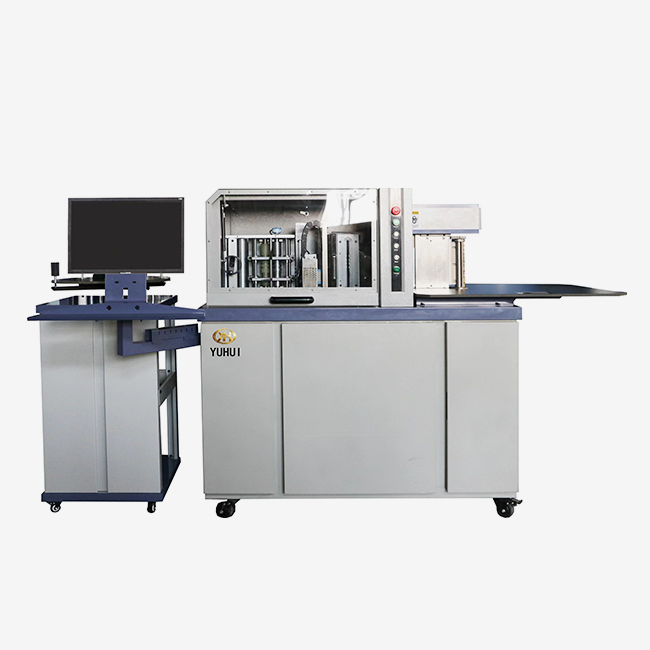
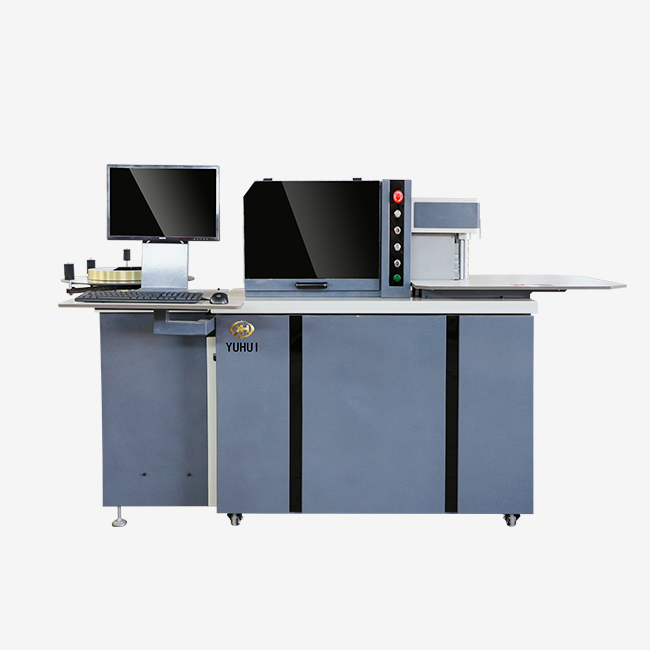
The Automatic Aluminum letter bending machine NL180 is a CNC-controlled industrial equipment specifically designed for fabricating three-dimensional channel letter returns from aluminum materials. This advanced solution addresses critical challenges in signage manufacturing, including inconsistent manual bending quality, high labor costs, and material wastage. By integrating intelligent software control with precision mechanical components, the NL180 processes aluminum coils, profiles, and folded strips up to 180mm wide, delivering dimensional accuracy within ±0.05mm. This technology enables signage manufacturers, advertising workshops, and metal fabrication businesses to produce complex letterforms and logos that fit seamlessly with laser-cut components, transforming traditional workflows into efficient automated processes.
Introduction to the NL180 Automatic Aluminum Letter Bending Machine
Precision and consistency are important in the signage business, but they are hard to achieve with manual fabrication methods. Every millimeter counts when you're making backlit channel letters for shops or architecture signs for business buildings. Addressing these production needs has come a long way with the NL180. It gives B2B buyers in the advertising, signage, and metal fabrication industries a reliable way to improve output quality while lowering operational costs.
Shandong Yuhui Laser Technology made this equipment to help manufacturers with problems like uneven bending angles that slow down installation, damaged materials during processing, and not being able to accurately copy complex serif fonts. When making channel letters, the bent returns and laser-cut faces have to be perfectly lined up, which is almost impossible to do by hand. The NL180 fits right in with current production processes. It works especially well with laser cutting, where consistent measurements have a direct effect on the quality of the final assembly.
Technology that understands how production works in the real world can help your workshop. The machine can work with different types of metal without needing a lot of modifications, which means your team can quickly switch between jobs. This ability to adapt is useful when working with a wide range of clients who have specific design needs and short deadlines.

How the NL180 Automatic Aluminum Letter Bending Machine Works
Understanding how this equipment works is the key to understanding why it works better than traditional bending ways. The process starts when workers put aluminum into the feeding system. This can be flat coils, easy-bend profiles, or folded-edge strips. Your team brings in design files in DXF, PLT, or AI formats. The control software then looks at these files to figure out the best way to cut and bend them.
The smart software changes the cutting depth automatically based on the thickness and type of alloy, so you don't have to. This saves time and eliminates the need to guess. This automation is a big step up from the old way of adjusting the rear-side, where workers had to change the settings by hand and by trial and error. The NL180 has a raised platform and cutting depth adjustments on the front side. This lets your staff easily watch operations and make changes in real time when moving between material specs.
The encoder technology in the closed-loop system of the Automatic Aluminum letter bending machine NL180 makes sure that the feeding length is always exactly the same during the whole production run. As the material gets thicker, the alloy cutter can cut in both directions and swing cut without being limited by angle. This means it can handle thicker aluminum materials that would be hard for regular blades to cut. The tungsten steel cutting parts make cuts with no burrs that act as clean fold lines and keep the material from breaking when it's being bent.
The actual shaping is done by the double copper arc bending device. There are two different modes that can help your production: small-arc forming is precise for making letter shapes with lots of small details, and large-arc extrusion bending is faster for bigger characters. This makes sure that the machine can handle everything from thin 50mm script fonts to thick 180mm block letters without damaging the structure.
Energy economy is still a big part of the planning process. The AC servo motor system with high torque works consistently and only uses 1500W of power, which is a lot less than hydraulic options. Because the equipment works on standard 220V power, your facility doesn't need any special electrical wiring. The working pressure needs to be between 0.3 and 0.8Mpa, which is standard for most air compressor systems in a workshop.
Adding buttons to control the start, feed, and return functions makes it easier to use during production runs. Your workers will have quick tactile control over important functions, which will cut down on the time it takes to respond to changes in material or design. These controls work with the software interface instead of replacing it. This way, you can choose between automating tasks and doing them by hand when necessary.

Features and Technical Specifications of the NL180
The advanced features of the machine come from features that were carefully designed to solve specific production problems. Intelligent spring-back compensation methods that automatically adjust for different aluminum alloy tempers make automation powers much less reliant on human input. Your production quality stays the same even if the materials change, and operators don't need to know a lot about metals to do their jobs.
The bending mechanism can bend around radii as small as 5 mm and can handle slotting angles between 45° and 120°. This range includes almost all of the common channel letter layouts used in business signs. The machine keeps its accuracy even when the thickness of the material changes from 0.3 mm to 1.2 mm. It can work with both cheap flat aluminum and expensive pre-finished materials without scratching the surface.
The easy-to-use interface means that new operators don't need much training. Your team can learn basic tasks in hours instead of days, which means that staff change won't have as much of an effect on their work. The NL180 works with industry-standard file types, so it can be easily added to processes that are based on laser cutting systems, CAD software, or vector graphics tools. This interoperability gets rid of the need to convert files, which takes time and can cause errors in the dimensions.
The Automatic Aluminum letter bending machine NL180 has a small footprint (2440 x 1100 x 1480 mm), which means it can be installed in workshops with limited floor space. The operational weight of 330 kg keeps the machine stable during high-speed processing without the need for reinforced flooring. These measurements blend performance at an industrial level with ease of use for small to medium-sized manufacturing businesses.
Core Technical Parameters
Flat aluminum sheets, aluminum strips, and bent aluminum shapes are all useful application materials that can be used in a variety of ways to meet the needs of different clients and projects. The widest piece of material that can be used is 180 mm wide, which is enough for large-scale architectural signs and building identification systems. The range of thicknesses that can be used together is from 0.3 mm to 1.2 mm, which is what builders and sign artists usually ask for.
Precision down to 5 mm is possible with bending radius, which is important for logos and letterforms with lots of small details where tight corners define brand identity. The slotting angle can be changed from 45° to 120°, so the equipment can handle both straight returns and designs that are at an angle without any problems. Encoder systems make sure that the dimensions stay the same over 10-meter production runs by keeping the feeding accurate. This is very important when making a lot of identical units.
Maintenance Guidelines
Following simple upkeep rules is important for protecting your property. Cleaning the cutting area with aluminum chips every day keeps them from building up and losing their precision over time. Lubricating the guide rails and the flexible bending head once a week keeps them running smoothly and increases the life of the parts. The tungsten steel milling cutters can cut through about 5,000 to 8,000 meters of aluminum before they need to be sharpened or replaced. This means that they can be used for months at normal production rates.
When compared to hydraulic bending equipment, which needs regular fluid changes and seal checks, these upkeep needs are still pretty low. Your upkeep costs will stay stable and easy to handle, which is important for businesses with small profit margins.
NL180 Compared with Other Aluminum Letter Bending Solutions
To use manual bending tools, you need to be skilled and practice for years to build up your muscle memory. It's hard for even skilled craftspeople to keep things the same across large production runs, especially when using complicated serif fonts or logo shapes. The NL180 gets rid of this variation, so the results are the same whether the first unit or the thousandth is being made. When you think that doing things by hand could take 15 to 20 minutes per letter, the NL180 does the same thing in just two to three minutes, you can see right away how much time you're saving.
Earlier automated solutions, like the NL150, could do some things automatically, but they didn't have the smart software controls that make the current generation unique. The previous model had limited angle freedom and needed to be adjusted by hand every time the material changed. With the NL180's automatic calibration and wider angle range, your production efficiency goes up by a lot, and the setup time between jobs goes down by about 40%.
Cost efficiency is more than just saving money on labor. A lot less material is wasted because the precision notching method gets rid of broken pieces that happen when the cutting depth isn't right or when the material breaks too soon. The closed-loop encoder device stops feeding mistakes that would make material that has only been partly processed useless. These improvements directly lead to better use of materials and lower costs per unit of production.
The most obvious difference between methods is the quality of the output. The NL180's spring-back adjustment system makes sure that bent returns keep their perfect shape after they are bent. This feature is very important when working with different aluminum metals that have different stretchiness levels. Other models that don't have this smart change give inconsistent results that need to be fixed by hand or lead to pieces being rejected.
The Automatic Aluminum letter bending machine NL180 stands out in the market because it can be used on a range of operational scales. Precision and efficiency are the same in small workshops that print 50 to 100 letters a week as they are in large factories that work multiple shifts. The tools can easily grow with your business and doesn't need to be replaced or upgraded in a big way. Your capital investment will be safe for a long time because of this.
Procurement Considerations for the NL180 Bending Machine
The equipment is priced to represent its place as a mid- to high-end solution that focuses on cost-effectiveness over high-end luxury. With Yuhui Laser's factory-direct supply model, there are no markups for distributors. This means that the prices are competitive when compared to similar equipment from European or North American manufacturers. This direct relationship is good for your procurement budget, and you can still get quality standards that are CE-certified.
The warranty lasts for 450 days, which is a lot longer than the standard 12 months in the business. This extra safety shows that the company that made the equipment is sure it will last, and it lowers your company's risk during the important usage phase. The warranty covers a wide range of services after the sale, such as help with installation, training on how to use the product, and ongoing technical support during the warranty period.
After the sale, service frameworks include quick technical help from experts who know how to make signs work in different situations. Your team gets access to troubleshooting help that is tailored to the production setting instead of general machine help. This kind of knowledge is useful when dealing with strange material behaviors or finding the best settings for specific uses.
Flexible payment options can work with a wide range of business budgets, but specific plans should be talked over with salespeople. There are savings for ordering in bulk, which is especially helpful for distributors who serve many clients in the same area or makers who open more than one production facility. These price factors make the job more cost-effective for bigger projects.
Customization services take care of specific operational needs that might not be fully met by standard configurations. For example, your facility may need different feeding systems for pre-painted metal, customized software interfaces to connect to current production management systems, or changed mechanical layouts for specific material types. The engineering team at Yuhui Laser looks at each request separately and gives feedback on whether it's possible and when it can be done.
Partner networks and openness about authorized distributors make sure that you always get real equipment with full manufacturer support, no matter where you buy it. The company works with professional service providers that know how to ship machinery internationally. This lowers the risk of transportation and makes sure that the machinery is handled properly throughout delivery. Downtime risks are reduced by having established supply lines for spare parts. This is something that procurement professionals think about when they look at long-term business stability.
The 14-day normal lead time is based on Yuhui Laser's ability to make things and how they handle their goods. This fast fulfillment helps your production schedule, especially when you need to replace broken equipment or add more capacity to meet sudden demand spikes. A large inventory means that common designs can be shipped quickly without having to wait for special manufacturing to finish.
Conclusion
The Automatic Aluminum letter bending machine NL180 makes it easier to make signs quickly and consistently, and it also helps with managing operational costs. Your business gains a competitive edge by not having to hire as many people, throwing away as little material, and taking on more complicated projects that were too hard or not profitable to do by hand before. Intelligent automation, precision engineering, and a full support framework in the equipment solve real-world production problems that sign makers, metal fabricators, and ad shops face. The CE and ISO 9001 certifications show that the product meets international quality standards, and the longer 450-day warranty shows that the manufacturer wants to build long-term partnerships with customers instead of just making sales.
FAQ
What types of aluminum materials can the NL180 process effectively?
The machine can work with flat aluminum coils, easy-bend aluminum shapes, and folded-edge aluminum pieces that are between 0.3mm and 1.2mm thick. Raw and pre-painted finishes both work well, and pressure-adjustable feeding systems keep the surfaces of decorated materials from getting damaged.
How quickly can operators learn to run the NL180?
After 4 to 6 hours of hands-on training, your staff should be able to do basic tasks without any problems. The software's easy-to-use interface and simple button controls make it easy to get started. Advanced optimization methods for special materials may need more practice, but workers who don't have a lot of CNC experience can still do normal production tasks.
What maintenance schedule keeps the machine performing optimally?
The main maintenance tasks are to clean up the cutting area every day and grease the moving parts once a week. After cutting 5,000 to 8,000 meters of aluminum, tungsten steel cutters need to be sharpened or replaced. This is usually enough to cover a few months of normal production volume. These simple protocols allow for consistent accuracy of ±0.05mm over long periods of operation.
Does Yuhui Laser provide installation and training support?
The 450-day after-sales service framework includes full installation instructions and training on how to use the product. Technical experts help with setting up the equipment for the first time, making sure it is calibrated correctly, and teaching staff so that your team can use it with confidence from the start.
Partner with Yuhui Laser for Advanced Channel Letter Production Solutions
The Automatic Aluminum letter bending machine NL180 can revolutionize your production capabilities, and Shandong Yuhui Laser Technology Co., Ltd. welcomes sign makers, metal shops, and sellers of advertising gear. We are a well-known supplier with CE and ISO 9001 certifications, and our factory-direct prices offer great value without lowering quality standards. Our engineering team is ready to talk about customization options that meet your specific needs for materials, production volumes, or integrating your workflow. Feel free to email us at jianghui@yuhui-laser-tech.com for more information, prices, or to set up a live show. You can look at our full line of industrial laser equipment and channel letter fabrication solutions at yuhui-laser-tech.com. These are made for mid- to high-end manufacturing needs.
References
1. Chen, W., & Liu, S. (2023). Automated Metal Forming Technologies in Modern Signage Manufacturing. Industrial Fabrication Press.
2. Rodriguez, M. (2024). Precision Bending Systems for Aluminum Channel Letters: A Comparative Analysis. Signage Equipment Journal, 18(3), 45-62.
3. Thompson, J., & Patel, R. (2023). CNC Control Systems in Sheet Metal Processing: Efficiency and Quality Improvements. Manufacturing Technology Quarterly, 31(2), 112-128.
4. Wang, H. (2024). Quality Assurance Protocols for Automated Letter Bending Equipment. International Journal of Industrial Equipment Standards, 12(4), 88-103.
5. Yamamoto, K., & Schmidt, A. (2023). Material Behavior in Automated Aluminum Bending Processes. Journal of Metal Fabrication Technology, 27(1), 34-51.
6. Zhang, L. (2024). Procurement Strategies for Mid-Range Industrial Fabrication Equipment. B2B Manufacturing Insights, 9(2), 76-94.
Contact us directly for customized solutions, quotations and long-term strategic cooperation.