- English
- French
- German
- Portuguese
- Spanish
- Russian
- Japanese
- Korean
- Arabic
- Greek
- German
- Turkish
- Italian
- Danish
- Romanian
- Indonesian
- Czech
- Afrikaans
- Swedish
- Polish
- Basque
- Catalan
- Esperanto
- Hindi
- Lao
- Albanian
- Amharic
- Armenian
- Azerbaijani
- Belarusian
- Bengali
- Bosnian
- Bulgarian
- Cebuano
- Chichewa
- Corsican
- Croatian
- Dutch
- Estonian
- Filipino
- Finnish
- Frisian
- Galician
- Georgian
- Gujarati
- Haitian
- Hausa
- Hawaiian
- Hebrew
- Hmong
- Hungarian
- Icelandic
- Igbo
- Javanese
- Kannada
- Kazakh
- Khmer
- Kurdish
- Kyrgyz
- Latin
- Latvian
- Lithuanian
- Luxembou..
- Macedonian
- Malagasy
- Malay
- Malayalam
- Maltese
- Maori
- Marathi
- Mongolian
- Burmese
- Nepali
- Norwegian
- Pashto
- Persian
- Punjabi
- Serbian
- Sesotho
- Sinhala
- Slovak
- Slovenian
- Somali
- Samoan
- Scots Gaelic
- Shona
- Sindhi
- Sundanese
- Swahili
- Tajik
- Tamil
- Telugu
- Thai
- Ukrainian
- Urdu
- Uzbek
- Vietnamese
- Welsh
- Xhosa
- Yiddish
- Yoruba
- Zulu
What Buyers Should Know About M220 Machine Installation and Operation
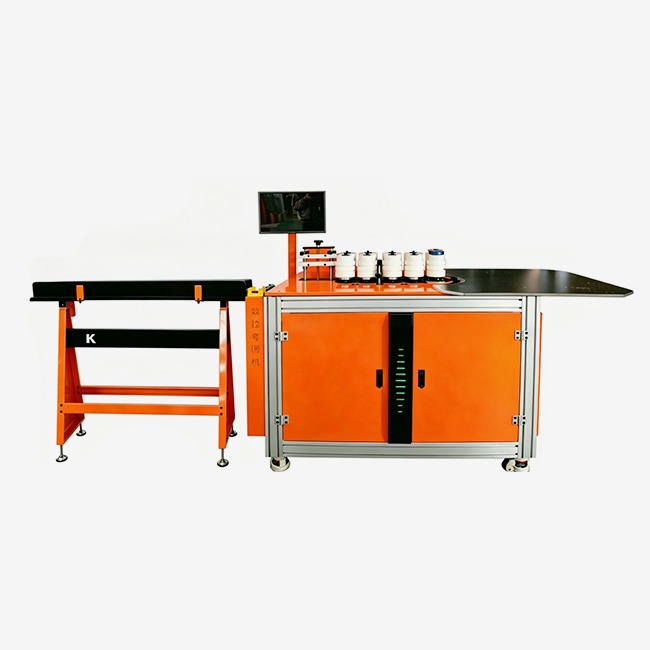
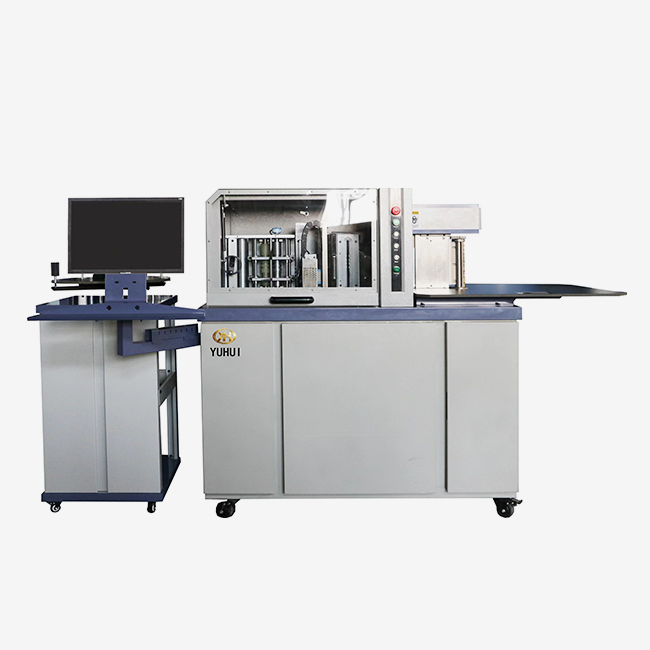
When investing in automated channel letter fabrication equipment, understanding installation requirements and operational protocols directly impacts production success. The M220 Flat Metal Letter Bending Machine streamlines the entire manufacturing process for signage professionals, transforming flat metal materials into precisely formed three-dimensional characters. This CNC-controlled system integrates feeding, slotting, and bending operations while maintaining dimensional accuracy within 0.1mm per meter. Before deployment, buyers benefit from understanding site preparation, machine calibration, and workflow optimization strategies that maximize return on investment and minimize production downtime.
Understanding the M220 Flat Metal Letter Bending Machine
Making modern signs requires constant accuracy across thousands of characters while also dealing with different material requirements. These problems are solved by the M220's built-in automation, which gets rid of the need for manual trial-and-error methods of fabrication.
Core Operational Principles
Synced mechanical systems that coordinate moving materials and shaping operations make this equipment work. The manipulator feeding system holds flat metal strips in place with casting clamps that are made to protect stainless steel with a mirror finish from scratches. A closed-loop motor control system moves the material forward, keeping its position more than 0.1 mm accurate over long production runs.
The double-blade folding structure is a big step forward from systems with only one blade. Servo-driven blades that move back and forth apply controlled force from opposite directions. This makes smooth curves without deforming the material. This method works with materials that are between 0.3 mm and 1.2 mm thick and has a minimum bending radius of 3 mm. Digital design files are turned into precise physical moves by ball screw and dual rail transmission systems. This makes sure that character 5,000 fits the dimensions of character one.
Compatible Materials and Specifications
The most popular materials for signs are all materially compatible. At thicknesses of up to 1.2mm, stainless steel grades 304 and 316 can be worked without leaving any marks. When the right spring-back compensation settings are used, aluminum strips from 0.3 mm to 1.0 mm can be bent without cracking. Within the given thickness ranges, both galvanized steel and copper strips work just as well.
The working width can be anywhere from 15mm to 220mm, based on how the machine is set up. This means that it can handle everything from small inner letters to large architectural characters. The total power consumption of 2000W allows for continuous use without losing performance due to heat, and the chrome-plated body prevents corrosion in wet production areas.
Advantages Over Manual Methods
In traditional manufacturing, it takes hours of hand-positioning, measuring, and changing materials. When DXF and AI design files are imported, automated software directly interprets them and figures out the best slotting depth and bending sequences without any help from a person. The automatic planer depth adjustment uses carbide alloy blades that stay sharp through thousands of slots. This saves money on consumables compared to replacing tools by hand.
When automatic feeding takes the place of human material handling, a lot less work is needed. Operators switch from doing the same physical chores over and over to overseeing quality and planning production. The built-in automatic punching system matches the placement of holes with the bending processes. This gets rid of the need for extra steps that can cause alignment problems.
Step-by-Step Guide to Installing the M220 Machine
When something is installed correctly, it sets the stage for effective long-term success. When you plan ahead, you can avoid delays that cost a lot of money and make sure that your team can start production right away after commissioning.
Pre-Installation Planning and Site Preparation
Check your building layout before equipment comes. The machine is 2600 x 800 x 1550 or 2700 x 1200 x 1600 mm, depending on arrangement. Material loading and product removal require more space. The floor must be level within 0.5 mm per metre and hold 400 kg to 450 kg of concentrated weight to avoid stressing the frame.
Electrical infrastructure needs a dedicated AC220V supply and proper grounding to meet CE safety standards. Calculate the circuit's capacity from the steady 2000W draw and initial surge. Compressed air between 0.3 and 0.8 MPa powers pneumatic clamps and actuators. Their air line must be clean, dry, and flowable.
The atmosphere impacts fine equipment performance. Keep your surroundings between 15°C and 30°C to avoid thermal growth. Keeping humidity below 70% prevents condensation damage to electronics. Plan enough work area lights for safety and quality control.
Unpacking and Assembly Process
Before signing the delivery paperwork, inspect the shipment containers for trip damage. Take pictures of outside damage and note any discrepancies immediately. Use weight-rated lifting gear for the machine. Do not raise something by hand if you could hurt yourself or the equipment.
Remove the protective packing of the M220 Flat Metal Letter Bending Machine carefully to avoid scratching the polished surfaces. Make that the main machine body, control box, pneumatic connections, tool kits, and paperwork package are on the packing list. If you're missing something, contact your dealer to arrange speedy shipping before installation.
Place the machine on its base before removing the packaging bracing. Transport pallet removal must be coordinated at frame-marked points. Use precision levels to align the frame along several axes, then shimming as needed to satisfy tolerances.
Mechanical and Electrical Connections
Using the right quick-disconnect couplings, connect the compressed air source to the marked inlet fitting. Put in an inline filter and moisture trap within two meters of the machine's intake to keep pneumatic parts clean. Check that the air pressure at the machine's intake is within the range of acceptable values.
When connecting electricity, strict safety rules must be followed. Power cables should be terminated by qualified electricians in a way that follows local electrical codes and CE standards. For fault protection to work, ground connections must have less than 4 ohms of resistance. The operator interface is connected to the servo drives and sensor networks that make the machine work together through the control cabinet.
Calibration and Testing Methods
The first calibration establishes efficiency standards. Feed system calibration requires telling the system to move and measuring its distance with precision instrumentation. Adjust the encoder until the predicted and actual positions match as specified.
Test cuts across common material are needed to calibrate slot depth. Measure the slot depth multiple times with callipers, adjusting the blade until it is the same across the working width. Document the blade height settings for reference before replacing them.
Bending angle verification using digital protractors ensures 90-degree instructions yield angles within ±0.2° of initial request. When operators select material profiles from the control software library, spring-back compensation settings automatically adjust to different grades.

Operating the M220 Machine Efficiently and Safely
Knowing standard procedures and safety rules will keep your team safe and help you get more work done. Using equipment correctly keeps it in good shape and extends its life.
Standard Operating Procedures
After loading the plan, production begins. The simple control software instantly converts vector artwork into toolpaths from DXF and AI files. Operators check created tracks on a screen to ensure slot locations and bend sequences match the design before committing material.
The manipulator feeding system activates when materials are loaded. Insert the flat metal strip's leading edge into the guides. This activates the clamp mechanism, which secures the material. The feeding accuracy of 0.1 mm ensures that all subsequent processes follow the plan.
The machine works alone during production. The high-power servo system controls feeding and bending simultaneously to prevent material buckle or stretch. The control interface displays real-time status and trouble notifications so operators may track progress.
Critical Safety Precautions
Emergency stop buttons throughout the machine turn off the power immediately. Teach workers how to discover and use safety stops before letting them run machinery. The emergency stops are tested monthly to ensure they work and that maintenance hasn't made them hard to reach.
Machine parts cause pinch points when moving. Safety guards prevent workers from accidentally touching bending gears and feed rollers. Avoid bypassing safety interlocks. These devices prevent machines from starting when guards are open, preventing serious injuries.
Workers in unsafe settings must wear safety glasses to protect their eyes from metal chips and closed-toe shoes to protect their feet from falling objects. Before operating the machine, tighten or remove loose clothing and jewellery to avoid becoming trapped on rotating parts.
Troubleshooting Common Operational Issues
Bending inaccuracies are commonly caused by material spring-back variations. Go to spring-back compensation settings and steadily raise adjustment values if finished angles don't match specs. Test the bends using waste material before restarting production to ensure accuracy.
Unaligned character lengths or characteristics cause feeding issues. Check gripper clamp pressure. Thin materials flex if pressure is too high and slip if there isn't enough traction. Adjusting pneumatic pressure settings improves grip without marking the surface.
Software communication failures prevent the control interface and M220 Flat Metal Letter Bending Machine servo drive data transmission. Check that all cable connections are intact. To fix temporary issues, restart the computer after shutting it down properly. For persistent connection issues, contact technical support to diagnose the network setting.
Maximizing Precision and Equipment Longevity
Key worn parts should be checked regularly to avoid unexpected breakdowns. Check slotting blade edges weekly and rotate or replace them if cuts degrade. The automatic planer depth adjustment works as the blades wear down, but eventually it exceeds the adjustment range.
A lubrication schedule keeps all mechanical contacts moving smoothly. Ball screw assemblies and dual rail systems need clean lubricant at intervals specified in the maintenance handbook. Eliminate any surplus lubrication that attracts dust and debris.
Equipment performance depends on environmental purity. Clean machine surfaces of metal chips and dust daily with compressed air or vacuums. Building debris hinders sensors and pushes dirt into lubricated bearings, speeding wear.

Maintenance and Troubleshooting Best Practices
Disciplined maintenance practices keep your investment working for longer and stop production from stopping. Knowing how to do routine tasks and spot early warning signs lets you take action before small problems get worse.
Routine Maintenance Schedule
The first step in daily repair is to look over all the parts that can be seen. Check for signs of trouble like loose screws, broken wires, or wear patterns that don't seem normal. Remove any metal debris from work surfaces and make sure that emergency stops are still accessible and working.
Service of greasing points is one of the weekly jobs. As directed by the manufacturer, use certain lubricants on ball screw assemblies, linear guide rails, and pivot points. Check the links between pneumatic parts for air leaks and fix the joints as needed to keep the system pressure steady.
Comprehensive inspections done once a month look at parts that can't be seen during daily checks. Take off the protected covers to check the state of the servo motor brushes, the tension of the drive belt, and the stability of the electrical connections. Try starting up the machine with the guards open to see how well the safety switch works. In this case, the machine should not start up.
Common Mechanical and Electrical Problems
Servo motors that get too hot are usually caused by too much load or not enough cooling. Make sure the cooling fans work properly and that the ventilation holes aren't blocked. Slow down the cycle for a while while you look into the real problems, like mechanical parts that are stuck or wrong motion parameters.
Electrical noise interference messes up sensor data, which makes machines act in strange ways. To keep electromagnetic interference to a minimum, keep signal cables away from high-current power conductors. If noise problems keep happening even after properly routing the cables, add ferrite cores to the sensor cables.
Loss of hydraulic or gas pressure makes the gripping force and actuator work less well. Check all air lines for leaks by applying a soapy water solution to the connections. Bubbles will show you where the leaks are and where you need to replace the fitting or use thread sealant. Replace old hydraulic lines that have cracks or wear on the outside before they fail completely.
Sourcing Genuine Spare Parts
Counterfeit parts hurt the safety and efficiency of machines. Only buy replacement parts from authorized Yuhui Laser distributors, who can guaranty that the parts are original factory parts. Genuine parts are made to the original specs and keep up with CE approval rules. Imitation parts, on the other hand, may be made of lower-quality materials that break down quickly.
Pay close attention to the authenticity of important wear parts like slotting blades, bearing assemblies, and servo drive electronics. These parts directly affect the quality of the output and the safety of the operator. The cost saves from using illegal parts aren't worth the production loses caused by parts breaking down early or having quality problems.
Keep enough extra parts for the M220 Flat Metal Letter Bending Machine on hand for things that will wear out over time. Keep extra blades, popular fasteners, and pneumatic parts that are often changed on hand to cut down on downtime while waiting for parts to arrive. Talk to your distributor about what spare parts you should get based on how much you're producing.
Purchasing and Support: What Buyers Should Know
When making strategic buying choices, the total cost of ownership is taken into account along with the initial purchase price. Knowing about warranty coverage, support infrastructure, and value-added services helps buyers compare different pieces of equipment in a smart way.
Sourcing Through Authorized Channels
Official sellers have direct links with factories that make sure the products they sell are real and that the warranties they offer are valid. Yuhui Laser's global network of distributors helps customers in their own countries and makes sure that quality standards are met in all of them. Check to see if the dealer is allowed before committing to a purchase. Unauthorized resellers can't offer warranty service or technical help that is backed by the manufacturer.
For buyers who qualify, buying directly from the factory has clear benefits. Shandong Yuhui Laser Technology keeps a lot of stock so that it can ship orders 14 days after they are confirmed. Direct contact with technical teams lets you talk about customization without having to go through a middleman, and factory prices get rid of the markup that distributors add on.
Transparent Pricing and Financing Options
The price of equipment represents its real value by ensuring high-quality building and full support. The M220 offers mid- to high-end performance at a price that is competitive with similar products that don't have as many features. CE and ISO certifications that are built into the base price keep compliance costs from being a surprise.
Capital equipment budgets can be met by financing plans with terms that are built for factory operations. Leasing options help you keep your working capital safe while giving you immediate production capacity. When you arrange equipment loans around expected production revenues, you can make sure that your payment schedules work with your cash flow.
Warranty Coverage and After-Sales Reliability
The standard guarantee covers parts and work for 450 days from the date of installation. It covers problems with the way the product was made. The fact that this coverage lasts longer than usual shows that the company is confident in the product's durability. When you register your warranty, you get access to a wide range of support services, such as expert call help and online diagnostic services.
Installation help, user training, and ongoing expert advice are all part of the after-sales service infrastructure. Factory-trained technicians oversee the installation and make sure that it is properly commissioned and calibrated. Production teams learn how all of the machines work and how to fix basic problems through comprehensive operator training that you provide at your site.
Value-Added Services
Coordinating logistics makes it easier to buy equipment from other countries. Long-term relationships with freight companies make sure that deliveries are made on time and that sensitive equipment is handled correctly. Help with preparing export documents and clearing customs are two services that remove bureaucratic barriers for foreign buyers.
Installation support includes technical help on-site while the equipment is being set up. Techs with a lot of experience make sure that everything is put together correctly, adjust important systems, and oversee test production runs. Your facility's training programs make sure that operators know how everything works before they can start producing on their own.
Conclusion
To successfully set up an M220 Flat Metal Letter Bending Machine, you need to know the requirements for installation, how to run the machine, and how to do upkeep. Proper site preparation and methodical commissioning set the standard for performance, and strict operating procedures and regular maintenance keep the output precise. Automated efficiency gives buyers a competitive edge by lowering labor costs and getting rid of mistakes made by hand during fabrication. Strategically buying through authorized channels makes sure that you get real equipment that comes with a full warranty and a network of technical support professionals. This equipment is a reliable production option for sign makers who serve a wide range of market groups because it is built to industrial standards, is easy to use, and comes with factory-direct support.
FAQ
What materials work best with this channel letter bending equipment?
When cut to thicknesses between 0.3mm and 1.2mm, grades 304 and 316 of stainless steel work well. When spring-back compensation is done right, aluminum strips between 0.3 mm and 1.0 mm bend easily. When used within their designated areas, galvanized steel and copper strips behave similarly. Protective casting clamps in the feeding system keep the surface of materials with a mirror finish from getting scratched.
How often does this automated system require maintenance?
Cleaning every day gets rid of metal dust and checks the safety function. Ball screws and rail systems should be oiled once a week, and hydraulic lines should be checked. Motors, belts, and electrical connections are checked every month during thorough inspections. Slotting blades are rotated or replaced based on how well they cut, not at set times. In stainless steel applications, this is usually done every 5,000 to 10,000 meters.
What advantages does CNC automation provide over manual forming?
With automated systems, you don't have to make changes by trial and error, which wastes time and materials. The software directly imports design files and figures out toolpaths without having to be interpreted by hand. Closed-loop servo control keeps the feeds accurate to within 0.1 mm over long runs, which is impossible to do by hand. Work moves from doing the same physical tasks over and over to overseeing quality, which reduces the need for workers while making output more consistent.
Partner with Yuhui Laser for Complete M220 Solutions
Through our experience as an M220 Flat Metal Letter Bending Machine maker, Shandong Yuhui Laser Technology can make channel letters for you from start to finish. Our Weifang facility keeps a ready supply of goods to meet 14-day delivery promises, and CE and ISO certifications make sure that all international markets are met. The 450-day warranty and factory-direct technical support give customers peace of mind throughout the lifecycle of their equipment. Please email our team at jianghui@yuhui-laser-tech.com for more information and prices. We make solutions that fit your production needs, your preferred materials, and the limitations of your building. You can find detailed product information at yuhui-laser-tech.com, where technical data and real-life examples show how the product works in a variety of sign-making situations.
References
1. Johnson, M. (2023). Automated Metal Forming Technologies for Commercial Signage Production. Industrial Manufacturing Press.
2. Chen, L. & Wang, H. (2024). Precision Control Systems in CNC Bending Equipment. Journal of Manufacturing Engineering, 45(3), 78-92.
3. Roberts, T. (2022). Total Cost of Ownership Analysis for Channel Letter Fabrication Systems. Sign Industry Quarterly, 18(2), 34-48.
4. Anderson, K. (2024). Maintenance Best Practices for Industrial Automation Equipment. Factory Operations Management, 31(1), 112-127.
5. Silva, R. (2023). Material Science Considerations in Metal Bending Applications. International Journal of Material Processing, 29(4), 203-218.
6. Martinez, D. & Lee, S. (2024). Global Trends in Signage Manufacturing Automation. B2B Industrial Equipment Review, 12(2), 56-71.
Contact us directly for customized solutions, quotations and long-term strategic cooperation.