- English
- French
- German
- Portuguese
- Spanish
- Russian
- Japanese
- Korean
- Arabic
- Greek
- German
- Turkish
- Italian
- Danish
- Romanian
- Indonesian
- Czech
- Afrikaans
- Swedish
- Polish
- Basque
- Catalan
- Esperanto
- Hindi
- Lao
- Albanian
- Amharic
- Armenian
- Azerbaijani
- Belarusian
- Bengali
- Bosnian
- Bulgarian
- Cebuano
- Chichewa
- Corsican
- Croatian
- Dutch
- Estonian
- Filipino
- Finnish
- Frisian
- Galician
- Georgian
- Gujarati
- Haitian
- Hausa
- Hawaiian
- Hebrew
- Hmong
- Hungarian
- Icelandic
- Igbo
- Javanese
- Kannada
- Kazakh
- Khmer
- Kurdish
- Kyrgyz
- Latin
- Latvian
- Lithuanian
- Luxembou..
- Macedonian
- Malagasy
- Malay
- Malayalam
- Maltese
- Maori
- Marathi
- Mongolian
- Burmese
- Nepali
- Norwegian
- Pashto
- Persian
- Punjabi
- Serbian
- Sesotho
- Sinhala
- Slovak
- Slovenian
- Somali
- Samoan
- Scots Gaelic
- Shona
- Sindhi
- Sundanese
- Swahili
- Tajik
- Tamil
- Telugu
- Thai
- Ukrainian
- Urdu
- Uzbek
- Vietnamese
- Welsh
- Xhosa
- Yiddish
- Yoruba
- Zulu
What materials can a CO2 laser rack cutting machine process?
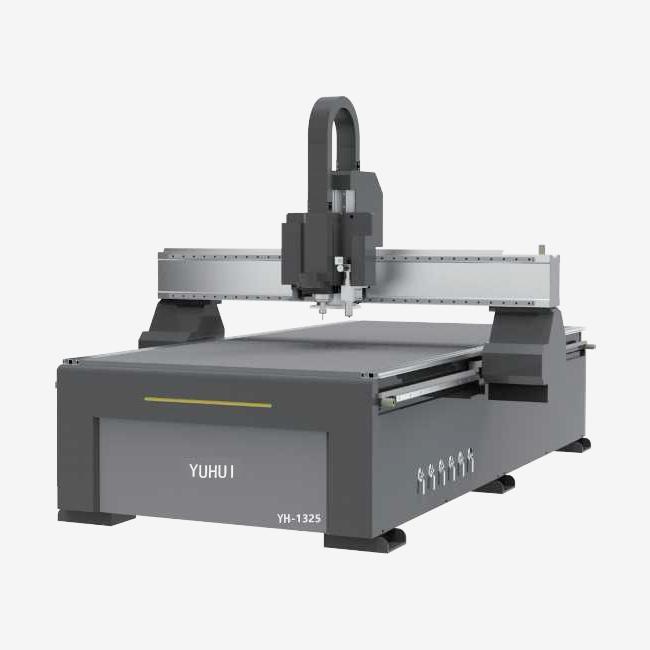
A Co₂ Laser constant light path rack cutting machine processes an impressive range of non-metallic materials including acrylic, wood, fabric, leather, paper, cardboard, rubber, glass, stone, and various plastics like PMMA and polycarbonate. These machines excel at cutting organic substrates because the 10.6μm wavelength of CO2 lasers is efficiently absorbed by carbon-based materials. While they can handle thin metals such as aluminum and stainless steel with oxygen-assist systems, their primary strength lies in delivering clean, precise cuts on non-metal materials for industries ranging from signage and packaging to automotive composites and aerospace components.

Understanding CO2 Laser Rack Cutting Technology and Its Material Processing Capabilities
As laser cutting technology has grown, it has brought us to an interesting point where accuracy and adaptability meet. CO2 laser devices use a mix of gases to make infrared light with a wavelength that works very well with both metal and non-metal objects. Constant light path rack cutting is different because it can keep the beam energy even on all of your work surface's square inches.
The main problem with traditional moving optics systems is that the beam distance changes all the time as the cutting head moves across big workpieces. This difference leads to spot sizes and power changes that aren't consistent, which lowers the quality of the cut, especially near the edges of the material. This problem is solved by the constant light path architecture, which uses precisely placed compensatory mirrors to make sure the laser always travels the same distance, no matter where on the table you're cutting.
Why Beam Consistency Matters for Material Processing?
When working with materials that absorb energy in different ways, it's important to make sure that the energy is delivered consistently. To get smooth edges on a 20mm acrylic sheet without burning them, you need to use the right amount of power density. Controlled heat is needed for wood veneers to avoid burn marks. To keep up with output without ruining the edges, fabric cutting needs to be done quickly and accurately.
The rack and pinion gear method adds mechanical accuracy to this optical stability. Helicoidal rack systems keep their tolerances over millions of working cycles, while belt-driven options stretch and lose their ability to place accurately over time. When it comes to cutting different kinds of materials, this mechanical reliability directly translates into consistent cut quality.
Core Technology Components
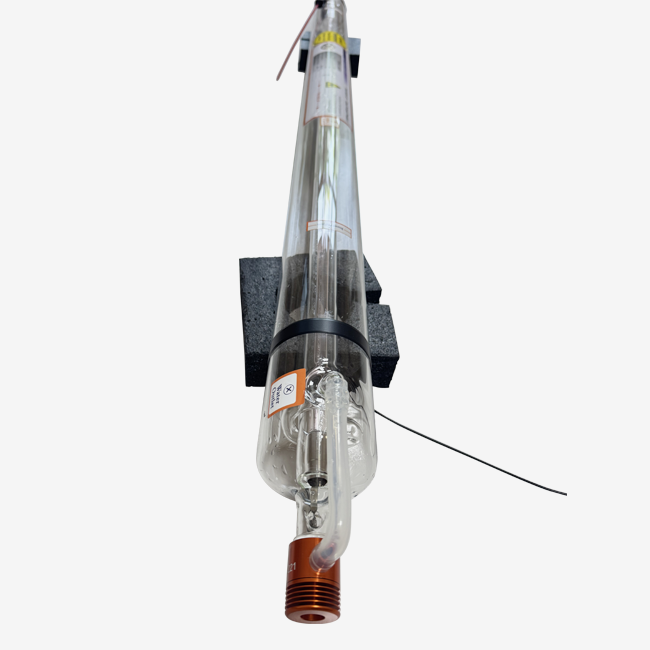
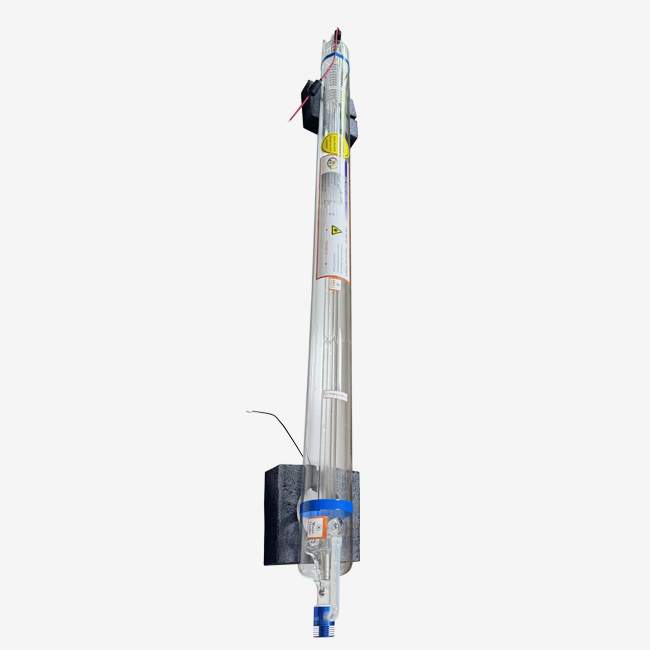
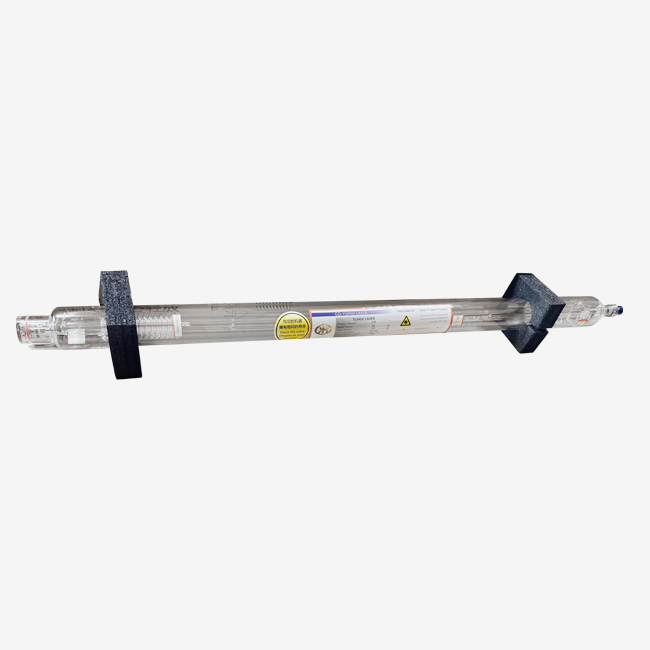
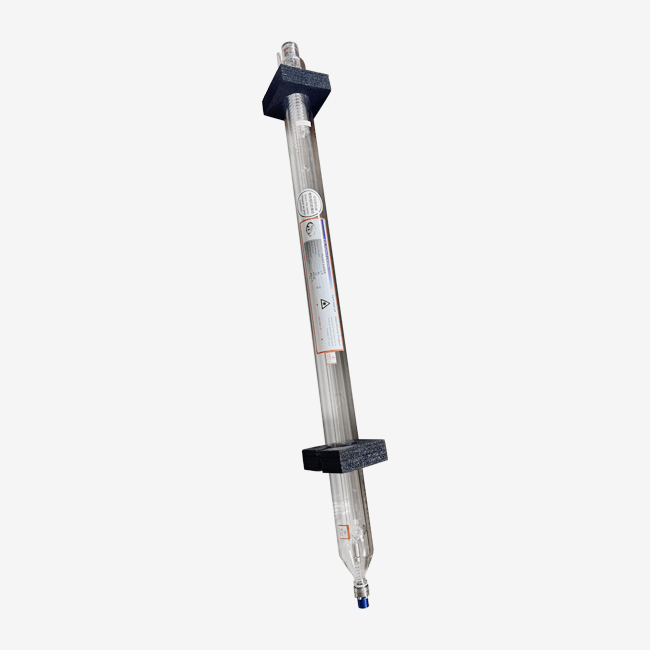
Yongli and Reci sealed CO2 laser tubes are both used in our system. These tubes are known in industrial settings for their stable output and long service life. The wavelengths that these tubes work at are perfect for processing non-metal materials. They offer power levels ranging from 60W for fine engraving to 280W GSI for heavy-duty cutting.
The RUIDA DSP control technology is what makes material-specific parameter change possible. You can save processing presets for various materials so that the best speed and power settings are always used during production. Stepper motor high-subdivision driving keeps positioning accuracy at ≤±0.01mm, which is very important when working with complicated patterns or close tolerances.
Materials Compatible with CO2 Laser Rack Cutting Systems
When you know which materials work best with CO2 laser technology, you can buy the right tools. The area of material compatibility can be broken down into several separate groups, each with its own working features and commercial uses.
Acrylic and PMMA Processing
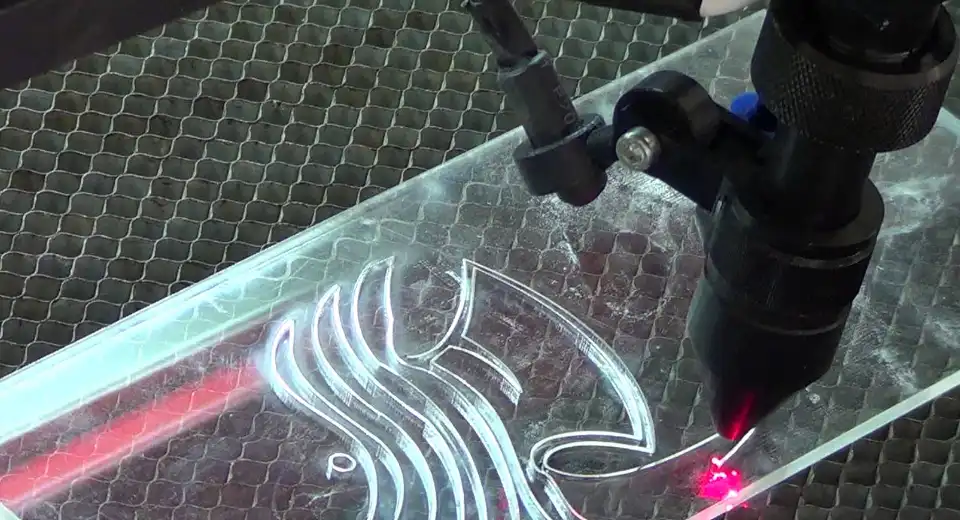
One of the most common things to cut with a Co₂ Laser constant light path rack cutting machine is acrylic. The material is good at absorbing the 10.6μm wavelength, which makes clean cuts with flame-polished edges that usually don't need any extra finishing. When cutting thick acrylic sheets between 20mm and 30mm for the sign and display industries, our constant light path design really comes in handy.
The even spread of energy stops the changes in edge angles that happen on regular machines. This consistency means that every part fits properly when the model is put together, whether it's for an architectural model, a store display, or a light fixture. Processing speeds for cutting range from 0 to 100mm/s, and speeds for engraving can reach up to 500mm/s for fine detail work on the surface.
Wood and Plywood Applications
Processing wood is another important area of application. When the settings are set correctly, the CO2 laser cuts hardwoods, softwoods, MDF, and plywood very well, leaving clean lines and little charring. A lot of the plywood used to make die boards for the packaging industry is laser-cut and is between 15mm and 18mm thick. The plywood has precise kerfs that allow steel rules to be inserted for die-cutting operations.
The rack and pinion system provides the mechanical power needed to keep cutting at high speeds through thick hardwoods without affecting the accuracy of the position. The system's ability to make quick direction changes while maintaining tight tolerances is useful in production settings that cut complicated patterns. Belt-driven systems can't do this when they're under a lot of load.
Fabrics and Textiles
When cutting textiles, both speed and edge quality are important. Natural fibers like cotton, wool, and silk can be cut with CO2 lasers. Synthetic fibers like polyester, nylon, and blended materials can also be cut. The laser's heat seals the ends of synthetic cloth while it's being cut, stopping fraying that would take extra steps to finish.
These systems are used for pattern cutting by clothing companies, and they are also used for technical textiles and composite reinforcement materials by the automotive and aerospace industries. The extra CCD camera system makes it possible for printed fabrics to automatically recognize patterns, which speeds up the production process.
Plastic Materials
Different kinds of plastic react differently to processing with a CO2 laser. When the parameters are set correctly, PMMA, polycarbonate, ABS, and polyethylene all cut cleanly. Because PVC releases chlorine gas when it is processed, it needs to be carefully thought out and equipped with the right ventilation and filtration systems.
The power control can be adjusted from 0 to 100%, so it can be fine-tuned for different types of plastic and sizes. Some plastics need less power to keep them from melting instead of cutting easily, while others need air help to get rid of debris and keep heat from building up.
Leather and Natural Materials
The laser's ability to cut intricate patterns into leather without putting mechanical stress on the material that could stretch or deform it makes it useful for making fashion accessories, furniture, and industrial uses. CO2 lasers are good at cutting through natural cork, rubber, paper, and cardboard.
People use these materials in a lot of different fields, from printing and packaging to making car interiors and consumer goods. The process of cutting without touching the workpiece stops tool wear and keeps the quality the same, even if the material is soft or has different textures.
Limited Metal Processing Capabilities
The Co₂ Laser constant light path rack cutting machine works best on materials that aren't metal, but it can also work on thin metals in some situations. Steel, aluminum, stainless steel, and other metals up to about 2mm thick can be cut with the help of oxygen-assist gas devices. The oxygen makes an exothermic reaction that helps the cutting process. However, this is not the machine's main strength; its major strength is handling non-metals.
If procurement managers are looking at equipment to mostly cut metal, they should think about fiber laser technology instead, because it works better and faster with metal. But places that work with both metal and non-metal products might use both technologies in a planned way.
Comparing CO2 Laser Technology with Alternative Cutting Methods
To buy the right equipment, you need to know how CO2 laser rack cutting stacks up against other methods. Depending on the materials you use and the needs of your output, each method has its own benefits.
CO2 Lasers Versus Fiber Lasers
Fiber lasers send out light with a wavelength of about 1.06μm, which metals reflect less than CO2 lasers' wavelength of 10.6μm. Because of this basic difference, fiber lasers are much better at cutting metal. But because many non-metallic materials don't take the shorter range as well, fiber lasers aren't as good at working with them.
The constant light path design of CO2 systems makes them better for large-format non-metal processing than fiber lasers, which are about the same price. Different types of lasers use energy in very different ways. For example, CO2 lasers need more power to cut metals at the same speed, but they are better at cutting organics and plastics.
Mechanical Cutting Alternatives
In many places, traditional mechanical cutting methods like CNC cutters, die cutting, and waterjet systems are still used. These methods have their own pros and cons, but laser cutting gets rid of those problems.
For different materials and tasks, CNC machines need to have their tools changed, which adds to the complexity of the inventory and downtime. Over time, tool wear lowers the quality of cuts, so they need to be replaced often. Waterjet cutting gets rid of heat-affected areas, but it needs to be managed with abrasives, makes wet waste streams, and can't cut as fast as laser systems for many materials.
Operational Cost Considerations
The total cost of ownership is more than just the initial price. Our factory has optimized its production processes so that it can offer affordable factory-direct prices while still meeting quality standards set by CE and ISO. Standard setups have a 14-day lead time, which helps you plan production growth without long delays.
Compared to mechanical alternatives, they don't need as much maintenance. The sealed laser tube design lasts 1.5 times longer than similar goods and keeps the power output fixed even after long periods of use. When stored correctly, a generator can keep working at full capacity for up to five years without losing power. This gives facilities that have seasonal production patterns more options.
Industry Applications Driving CO2 Laser Adoption
Real-life examples show how the versatility of a material can give companies in a wide range of manufacturing sectors a competitive edge. Knowing about these use cases helps people who work in buying find opportunities in their own companies.
Signage and Advertising Production
Cutting plexiglass for channel letters, show panels, and architectural features is a big part of the signage business with the Co₂ Laser constant light path rack cutting machine. Large-format options up to 1600mm × 2500mm can handle full sheets without any problems with handling. The steady light path makes sure that the quality of the cut is the same whether you're working on the middle or sides of panels that are too big.
The quality of the edge finish has a direct effect on how efficiently the production runs, since extra cleaning tasks require a lot of work. Because our system can deliver flame-polished acrylic edges straight from the laser, less processing is needed further down the line, which increases throughput and margins.
Packaging and Die-Making Operations
Laser dies are made by companies in the packaging industry for use with corrugated board, folding cartons, and flexible packaging. To allow for steel rule insertion, these dies need very exact kerfs, with errors measured in hundredths of millimeters.
The helical rack and pinion gearbox gives the machine the mechanical steadiness it needs to keep these limits even when cutting in complicated patterns. Die shapes often have a lot of tight radius curves and thousands of changes in direction that make it hard for equipment to be accurate. Stepper motor high-subdivision driving makes sure that the machine reacts exactly, even when it speeds up and slows down quickly.
Automotive and Aerospace Components
Composite materials and technology fabrics that need to be cut precisely without mechanical stress are being used more and more in both industries. Most of the time, lasers are used to cut headliners, carpeting, and trim pieces for cars so that they can fit into modern vehicles' complex shapes.
Even stricter quality control and documentation are needed for aerospace applications. Our production is governed by CE certification and ISO quality management systems, which give aircraft supply chains the tracking and process control they need. These systems are useful for a wide range of aerospace suppliers because they work with composites, gasket materials, and insulation products.
Custom Manufacturing and Prototyping
OEM makers and product development teams like how flexible the machine is when it comes to different types of materials. When you use rapid prototyping, you can switch between materials without having to change tools or go through long setup steps. The software can directly read files from AutoCAD and CorelDraw, which speeds up the process of going from a plan to a real sample.
Customers can even customize the machine itself. It is possible for our engineering team to change the structure, the functions, or the software to meet your specific production needs. We set up equipment to fit your workflow, rather than making you change your workflow to fit the limits of the equipment. This is true whether you need specialized material handling systems, automated loading solutions, or integration with current production line control systems.
Procurement Considerations for Material Processing Requirements
To choose the right CO2 laser rack cutting system, you need to make sure that your material mix, production volume, and quality standards are all in line with each other. During the review process, there are a few things that need extra attention.
Matching Power Output to Material Demands
The laser's power directly affects how fast it cuts and how thick it can go. A 60W device can engrave and cut thin materials, making it good for craft projects and light commercial use. In general industrial settings, 100W to 150W setups work well for processing materials of normal thicknesses.
GSI units with 200W and 280W of power can handle heavy-duty tasks like working with thick plastic, dense hardwoods, and industrial composites. The right power specification can be found by looking at the range of material thicknesses and the throughput that is needed.
Work Area Sizing
Work sizes of 1300mm x 1800mm, 1300mm x 2500mm, and 1600mm x 2500mm can be used for a variety of material handling methods. For big projects, larger work areas mean less repositioning of materials, but they need more floor room and a bigger starting investment.
Think about the sizes of your normal projects and whether certain sizes might help material handling technology. The constant light path architecture keeps the quality of the cuts the same across the whole work area, no matter what size it is. This gets rid of the problems with edge quality that some large-format systems have.
Software Integration and Workflow
The RUIDA DSP control system of the Co₂ Laser constant light path rack cutting machine can read files in PLT, DST, DXF, BMP, and AI formats, among others. Direct output from AutoCAD and CorelDraw gets rid of the need for processing steps that could lead to mistakes or require extra software licenses.
Processing settings for different substrates, speeds, and power levels can be saved in material-specific parameter banks. This feature is helpful in production settings where workers change materials often because it cuts down on setup time and gets rid of the need for trial-and-error when working with new materials.
After-Sales Support and Training
Access to technical help can have a big effect on how well production runs. Our 450-day warranty program is much longer than the norm in the industry. This shows that we are confident in the stability and durability of our machines. Professional help with installation, operation, and maintenance will make sure that your team is as productive as possible from the start.
The technology reaction team takes care of problems quickly to keep downtime to a minimum. Strategic partnerships with logistics companies allow for reliable international shipping to facilities all over North America, and they keep enough spare parts in stock to meet urgent needs.
Environmental and Safety Compliance
Getting a CE certificate means that a product meets European standards for safety, health, and environmental security. This certification is becoming more important for North American facilities that have environmental goals or are owned by multinational companies that need to follow consistent global standards.
It is very important to have good air and filtering systems when working with some plastics and materials that give off fumes when they are cut. We give you advice on the right extraction needs based on the mix of materials you have and the amount of output you need.
Conclusion
With steady light path technology, CO2 laser rack cutting tools can cut a wide range of non-metallic materials, such as acrylics, wood, fabrics, leather, plastics, and composites. The steady path of the beam ensures even cutting over large areas of work, and rack and pinion drive systems give the machine the mechanical support it needs for precise tasks. These systems are useful in many fields, from making signs and boxes to cars and spacecraft because they can work with both organic materials and engineered plastics. Power needs, work area size, and help after the sale should all be carefully thought through to make sure that purchasing choices are in line with long-term production goals and total cost of ownership expectations.
FAQ
What thickness of acrylic can a CO2 laser rack cutting machine process?
Based on how the laser power is set up, our constant light path rack cutting systems can cut acrylic from thin 1mm sheets to 30mm thick plates. Higher-wattage units, like the 280W GSI, can cut thick materials more quickly while still keeping the quality of the edges. When standard machines are used on thick materials, the edge angles change, but the constant beam path stops this from happening.
Can CO2 lasers cut metal materials effectively?
When they are equipped with oxygen-assist systems, CO2 lasers can cut through thin metals like aluminum and stainless steel that are up to 2mm thick. But their main strength is still non-metallic materials. Fiber laser technology is better at processing metal quickly, so places that need to cut a lot of metal should look into it.
How does the constant light path design affect material processing quality?
The constant light path keeps the beam at the same distance from every table point, so the spot size and power density are always the same. This consistency is very important when working with materials that react differently to changes in heat input. It makes sure that the cut quality is the same whether you're working in the middle of the table or in the corners.
What safety measures are necessary when cutting different materials?
It is very important to have good airflow and filtering systems, especially when working with plastics that can give off fumes. Material safety data sheets should tell you how much air flow you need. The water cooling system keeps the temperature stable even after long periods of use, and the CE approval shows that it meets all safety standards.
Partner with Yuhui Laser for Superior Material Processing Solutions
Yuhui Laser can help you with your material handling problems because they have 14 years of experience making industrial laser tools. It combines tried-and-true Yongli and Reci laser tube technology with high-quality THF4 optical parts and precise rack-and-pinion mechanical systems to make our Co₂ Laser constant light path rack cutting machine. We don't have to pay for middlemen because we are a straight producer that works with distributors, OEM partners, and production facilities all over North America. This means that we can keep our quality standards at CE and ISO levels.
Get in touch with our expert team at jianghui@yuhui-laser-tech.com to talk about how they can help you process your materials. We offer one-on-one consultations, thorough reviews of product specifications, and can set up demos to make sure they work with your unique materials. Our engineering team makes solutions that fit your specific needs, whether you're a mid-sized wholesaler looking for a reliable CO2 laser constant light path rack cutting machine provider or a manufacturing facility looking into ways to integrate automation. Find out how our full technical support, 450-day warranty, and 14-day production lead time can help you stay competitive in tough markets.
References
1. Chen, M., & Rodriguez, A. (2023). Industrial Laser Cutting Systems: Material Processing Parameters and Quality Optimization. Manufacturing Technology Press.
2. Thompson, R., & Kowalski, J. (2022). Comparative Analysis of CO2 and Fiber Laser Technologies in Modern Manufacturing. Journal of Advanced Manufacturing Systems, 21(4), 445-472.
3. European Committee for Standardization. (2024). Safety Requirements for Laser Processing Machines: EN ISO 11553 Compliance Standards. CEN Technical Committee.
4. Martinez, L., & Andersson, K. (2023). Precision Motion Control in Large-Format Laser Cutting: Rack and Pinion versus Belt Drive Systems. International Journal of Machine Tools and Manufacture, 187, 104-126.
5. Wu, H., & Nakamura, T. (2022). Non-Metallic Material Processing with CO2 Lasers: Absorption Characteristics and Parameter Optimization. Laser Applications in Materials Science, 15(2), 78-95.
6. Industrial Laser Solutions Research Group. (2024). Total Cost of Ownership Analysis for Industrial Cutting Technologies: A Ten-Year Comparative Study. Manufacturing Economics Quarterly, 38(1), 12-41.
Contact us directly for customized solutions, quotations and long-term strategic cooperation.