- English
- French
- German
- Portuguese
- Spanish
- Russian
- Japanese
- Korean
- Arabic
- Greek
- German
- Turkish
- Italian
- Danish
- Romanian
- Indonesian
- Czech
- Afrikaans
- Swedish
- Polish
- Basque
- Catalan
- Esperanto
- Hindi
- Lao
- Albanian
- Amharic
- Armenian
- Azerbaijani
- Belarusian
- Bengali
- Bosnian
- Bulgarian
- Cebuano
- Chichewa
- Corsican
- Croatian
- Dutch
- Estonian
- Filipino
- Finnish
- Frisian
- Galician
- Georgian
- Gujarati
- Haitian
- Hausa
- Hawaiian
- Hebrew
- Hmong
- Hungarian
- Icelandic
- Igbo
- Javanese
- Kannada
- Kazakh
- Khmer
- Kurdish
- Kyrgyz
- Latin
- Latvian
- Lithuanian
- Luxembou..
- Macedonian
- Malagasy
- Malay
- Malayalam
- Maltese
- Maori
- Marathi
- Mongolian
- Burmese
- Nepali
- Norwegian
- Pashto
- Persian
- Punjabi
- Serbian
- Sesotho
- Sinhala
- Slovak
- Slovenian
- Somali
- Samoan
- Scots Gaelic
- Shona
- Sindhi
- Sundanese
- Swahili
- Tajik
- Tamil
- Telugu
- Thai
- Ukrainian
- Urdu
- Uzbek
- Vietnamese
- Welsh
- Xhosa
- Yiddish
- Yoruba
- Zulu
What materials can a double blade platform engraver cut?
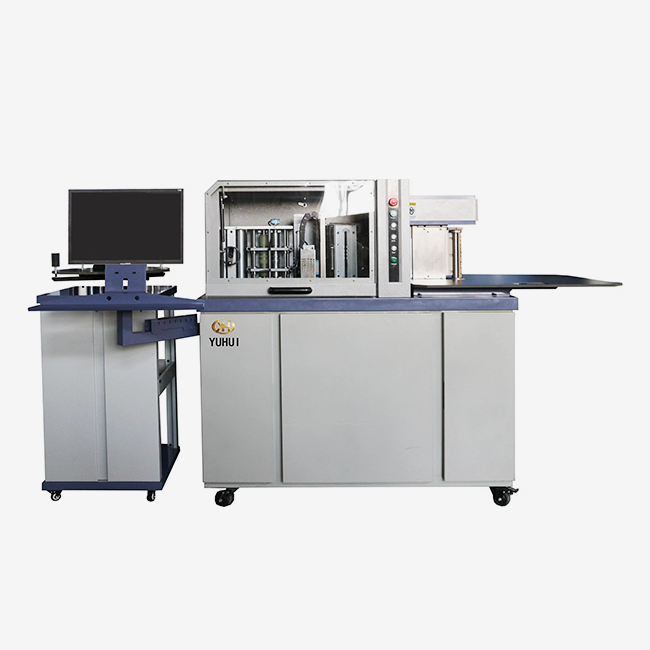
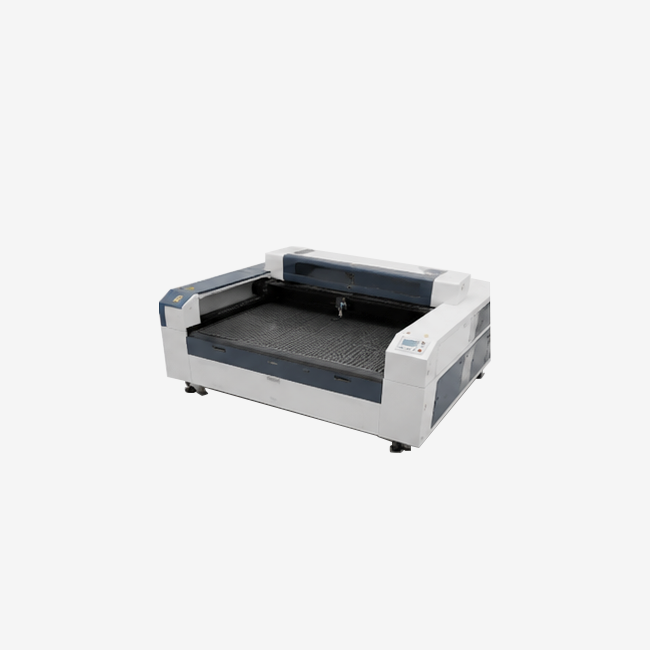
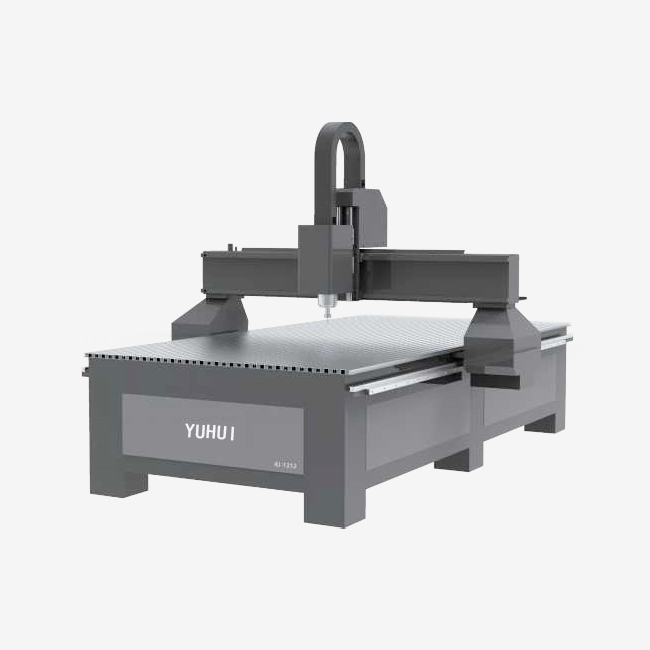
A double blade platform engraving machine can cut diverse materials, including vinyl, paper, cardboard, thin plastics, adhesive films, textiles, foam board, and soft leather. The dual synchronized blade system handles materials up to 1.2 mm in thickness, making it invaluable for signage, packaging prototypes, textile patterns, and advertising applications. With precision cutting of ±0.15mm, this equipment excels at processing flexible substrates that require clean edges without thermal distortion, offering manufacturers versatile production capabilities across multiple industries.
Understanding the Capabilities of Double Blade Platform Engraving Machines
The dual-blade configuration transforms how production facilities approach material processing challenges. Unlike single-head systems, this technology employs two synchronized cutting tools operating across a stable platform, effectively doubling throughput without requiring additional floor space.
How the Dual Blade Mechanism Functions
Precision stepper motor control powers the synced blade system, which makes sure that both cutting heads stay in the exact same place throughout the process. This teamwork is very important when working with materials that need patterns that are symmetrical or reflected. Before cutting starts, the camera scan positioning system takes a picture of how the materials are lined up. This cuts down on setup time and improves the accuracy of the first piece. The 1.1KW vacuum adsorption system keeps materials firmly against the platform surface while it's working. This keeps them from moving, which could affect the accuracy of the measurements. When working with thin, flexible surfaces like vinyl or paper, where even small movements can cause problems, material steadiness is very important.
Key Technical Features That Impact Material Versatility
How stable your platform is has a direct effect on the types of things you can successfully work on. The sturdy design keeps the cutting quality consistent across the entire 500x700mm work area, even when operating at high speeds of up to 800mm/s. Adjusting the cutting pressure lets workers get the best force application for different materials, from soft materials that need gentle touch to denser substrates that need up to 1000g of pressure. Software that works with standard programs like CorelDRAW and AutoCAD makes workflow integration easier and lets your team add designs without having to wait for files to be converted.
These technical skills lead to measured benefits in production. Precision of ≤0.05mm ensures batch stability when making hundreds of similar parts, and the ability to cut circles with a minimum width of 1 mm makes it possible to do complex design work that used to need special tools.
Materials Compatible with Double Blade Platform Engravers
Three main things determine the choice of material: the range for thickness, the hardness of the surface, and the flexibility of the material. Knowing these connections helps you get the most out of your tools in a variety of work situations.
Paper and Cardboard Products
Most of the time, double blade platform engraving machines are used on materials made of paper. Standard copy paper, Cardstock, folded cardboard, and specialty papers can all be processed without any problems as long as they are less than 1.2 mm thick. This feature is very helpful for packaging prototyping because it lets designers make physical models straight from digital files. Manufacturers of greeting cards use precise cutting to make complex pop-up systems and patterns with many layers. The vacuum adsorption keeps light paper from lifting during high-speed cutting, which keeps the edge quality that can't always be reached by hand.
Adhesive Films and Vinyl Materials
Blade engravers are used by sign shops and people who put vinyl wraps on cars to make sticky vinyl, window films, and decal materials. When you use a blade to cut, you get clean edges without the scorching that comes with thermal processes. This keeps the adhesive backing intact. There is no damage to the carrier sheets when you remove reflective safety materials, color-change films, or printed images. Blade depth levels that can be changed make it easier to apply multi-layer vinyl creations by letting partial cuts go through the face layers while leaving the backing alone.
Textile and Fabric Applications
Pattern cutting with a blade etching machine is used for decorating clothes, making textile prototypes, and making crafts. Fabrics made of cotton, synthetic blends, felt, and thin leather all process well when they are properly secured. Fashion designers like being able to quickly test changes to patterns before committing to large-scale production runs. Precision placing lets pattern pieces fit together tightly, which wastes less material than cutting by hand. Blade-cutting technology keeps the measurements of heat-sensitive fabrics that would stretch when processed with a laser.
Plastics and Composite Materials
If you choose the right blade, you can cut thin plastic pieces like acrylic up to 1 mm thick, polypropylene, polyethylene, and PVC without any problems. Common uses include making displays, putting up signs at points of sale, and making protected covers. When materials that are likely to melt are cut by a laser, the mechanical action makes the edges smooth. When the cutting conditions are right for the material density, foam board and foam core, which are often used in show displays and architectural models, can be separated without being crushed or compressed.
Industry case studies show how flexible you can be in real life. Advertising agencies that work with a lot of different substrates every day benefit from being able to switch between materials quickly and with little need for recalibration. Custom packaging designers make prototypes of designs on different weights of cardboard to make sure the structure is sound before investing in die-cutting tools. Before cutting on a large scale, textile companies try new design variations on real production fabrics to find any problems that might arise.
Double Blade Platform Engraving Machine vs. Alternative Technologies for Various Materials
When you compare different working methods, it's easier to see which one best fits your material needs and output goals. Depending on the situation, each approach has its own unique benefits.
Mechanical Blade Systems Versus Laser Technology
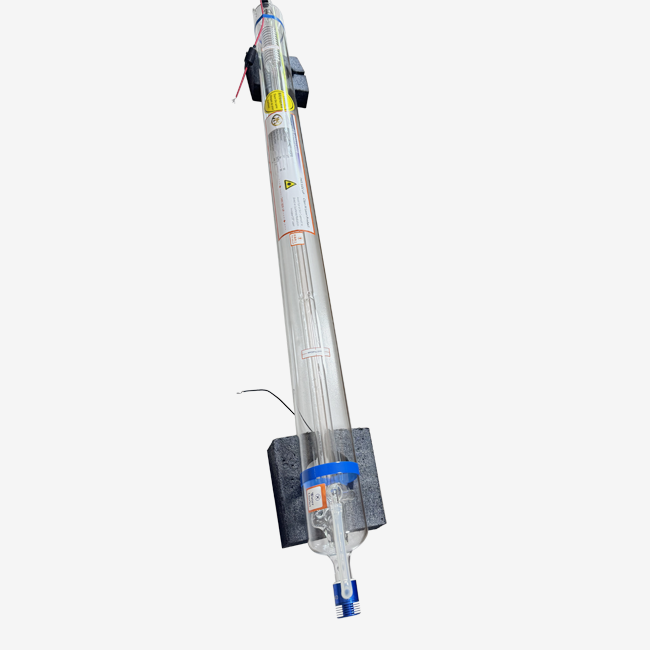
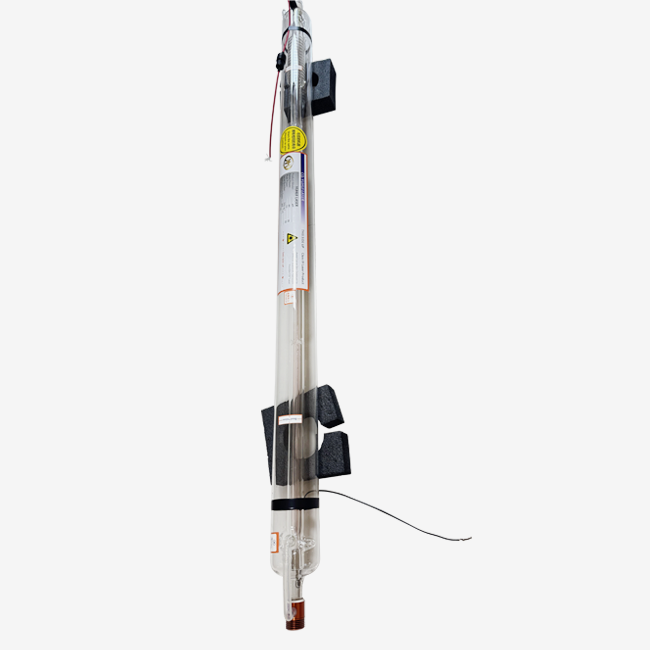
Laser engravers are great at working with rigid materials like thick acrylic and wood, and they achieve great edge quality through thermal vaporization. But this heat-based method is hard to use with materials that don't like being heated. Thin plastics melt in strange ways, vinyl films bubble and warp, and synthetic fabrics shrink away from cut edges. Because they separate mechanically, double blade platform engraving machines don't have any of these thermal problems. This makes them better options for flexible substrates and adhesive materials. Over time, the difference in operational costs becomes very clear: replacing blades costs a lot less than maintaining laser tubes and paying for power.
Rotary Cutting Systems and Platform Blade Configurations
Rotary knife systems use cylinder-shaped blades that roll across the surface of materials. These systems are good for cutting fabric continuously in the clothing industry. Platform blade designs are more accurate for precise work that needs to change directions often and follow tight radius curves. When it comes to supporting hard sheets, the fixed platform design is better than rotary systems that are made for flexible goods. For production needs that include both sign materials and cloth uses, the platform blade method is more flexible and doesn't need any extra special tools.
Return on Investment Considerations
The cost of buying equipment is only one part of the total costs of owning it. Platform blade engravers usually need less money to get started than laser systems with the same size work areas. Blade technology is better for processing materials that are within its working range because it uses less power and has cheap supplies. Maintenance needs to be simple, like replacing blades every so often and lubricating the mechanical system, instead of more complicated tasks like optical alignments or gas refills.
Long-term value is greatly affected by how well something can adapt to changing business needs. Being able to handle very different materials without having to make big changes to the equipment guards against changes in the market that could make specialized systems useless. This operational flexibility is especially helpful for custom fabrication shops that work with a wide range of industries because it lets them take on projects involving different types of materials that would otherwise need to be outsourced or require the purchase of new equipment.
Maintenance and Operational Tips to Extend Material Range and Machine Life
Systematic maintenance practices have a direct effect on both how long your equipment lasts and how many types of materials you can successfully process. Setting up routine processes stops performance decline that limits operating options over time.
Blade Inspection and Replacement Protocols
The state of the cutting blade has a big effect on the quality of the edge on all materials. Blades that are dull need more pressure to be applied to them, which speeds up the wear on the drive parts and makes the edges rougher. A close-up look through a magnifying glass shows tiny edge damage that can't be seen with the naked eye. Setting replacement plans based on working hours and the types of materials that are handled helps keep quality high. Harder materials, like dense cardboard, wear down blades faster than softer vinyl, so the intervals need to be changed. Keeping detailed service logs helps find trends that connect maintenance needs for certain apps.
Platform Calibration and Alignment Procedures
The levelness of the platform and the straightness of the planes between them make sure that the cutting depth is the same all over the work area. Precision measure tools are used once a month to check for small changes in quality and catch them before they hurt production. The vacuum binding surface needs to be cleaned every so often to get rid of leftover material that weakens the sticking force. When paper dust or glue gets into a port and blocks it, the pressure doesn't work as well. This is especially noticeable when working with light materials. Using the right cleaning solutions along with compressed air to empty the vacuum makes it work like new again.
Software Parameter Optimization for Different Substrates
Advanced control software lets you fine-tune many parameters to match the properties of the material. The cutting speed, blade pressure, and depth settings need to be tweaked for each type of material. By making material-specific profiles in the control system, you can avoid having to spend time setting up each job by trial and error. Costly mistakes can be avoided by cutting test pieces of material in a planned way before they are used in production. Writing down the mixtures of parameters that work well builds institutional knowledge that can be used to teach new operators and fix problems with quality.
The way a material behaves during processing is affected by its temperature and humidity. Paper and cardboard soak up water from the air, making them softer and needing different cutting settings. When it's cold, vinyl sheets get stiff, and if the conditions aren't changed, they could crack when they're being cut. Keeping the temperature steady in production areas improves consistency. However, being able to change parameters for the double blade platform engraving machine gives you options when controlling the environment isn't possible.
Procurement Guide: Selecting the Right Double Blade Platform Engraving Machine for Your Material Needs
Strategic equipment selection requires balancing technical specs against working needs and cash limits. A methodical evaluation process keeps equipment powers from not matching output needs, which can be very expensive.
Critical Specification Evaluation
The largest piece of material you can work with in a single action is limited by the size of your work area. For most signs and prototype needs, the normal 500x700mm platform works, but bigger sizes are available for specific needs. The cutting speed range affects production output. Systems that can go from 1 mm/s to 800 mm/s are flexible enough to handle both small jobs and large ones. Positioning accuracy requirements are directly linked to the quality of the edges that can be achieved. This is why precision scores are an important part of evaluations. Professional production standards are met by equipment that can cut with a precision of ±0.15mm and a repeatability of ≤0.05mm in most situations.
Supplier Reliability and Support Infrastructure
How long a piece of equipment lasts depends a lot on how long the manufacturer's help is available. Companies that offer longer guarantee coverage, like 450-day periods, show that they are confident in the durability of their products. When there are problems in production, quick troubleshooting is very important so that there is no extended downtime. Support for multiple languages gets rid of the contact problems that make buying tools from other countries harder. Checking to see if parts are available makes sure that new blades and wear parts can be found years after the original purchase.
Customization Options for Specialized Requirements
Standard configurations work well for most uses, but customized specifications are better for meeting specific production needs. Platform widths have been changed to suit materials that aren't standard sizes, which is common in specialized industries. Customizing the software interface makes it possible to connect it to current production management systems, which makes tracking work easier. OEM branding choices let distributors sell equipment with their own labels, which makes the product stand out in places where competition is high. Talking about the possibility of customization during buying shows how flexible and skilled the supplier's engineers are.
When setting up multiple production sites or keeping tools to resell, businesses that buy in bulk should pay attention to certain factors. Volume price usually saves a lot of money per unit, but you have to be careful when negotiating payment terms and delivery times. Building long-term relationships with suppliers can help you get better deals on future purchases and make sure that all of your facilities have the same double-blade platform engraving machine specifications.
Certification requirements vary by target markets, with CE marking mandatory for European sales and specific safety standards governing other regions. Verifying the included certifications stops costly delays in compliance. Documented ISO quality management system compliance indicates systematic manufacturing controls producing consistent product quality.
Conclusion
Material versatility defines the practical value of double blade platform engraving machines for modern production environments. From paper products and adhesive films to textiles and thin plastics, these systems deliver precision mechanical cutting without thermal distortion. The synchronized dual blade configuration doubles productivity while maintaining exceptional accuracy across the 500×700mm working area. Strategic equipment selection requires evaluating specifications against material requirements, supplier support capabilities, and customization options. Proper maintenance extending blade life and optimizing software parameters maximizes material range and equipment longevity, protecting your investment over years of service.
FAQ
1. What thickness limitations should we consider for different materials?
The standard allows materials up to 1.2 mm thick, but the best results rely on how dense and flexible the material is. Rigid materials, like acrylic, get close to this maximum thickness very well, while compressible materials, like foam board, may need less thickness for clean edges. Compatibility is checked by testing samples before they are used in production.
2. Can this equipment handle metallic materials?
If you choose the right blades, you can successfully process soft, thin metals like aluminum foil and copper tape that aren't too thick. But sheet metal and stronger materials are too hard for mechanical cutting. Instead, laser or plasma cutting technologies are needed. Metal surfaces can often be processed based on their hardness rather than their thickness.
3. How frequently do blades require replacement?
Replacement times depend on the type of material being used and the amount being made. When compared to rough materials like sandpaper backing or fiber-reinforced composites, soft materials like paper and vinyl make blades last a lot longer. Keeping track of cutting hours and making sure the edge stays sharp by inspecting it regularly helps decide when to replace it.
4. Does environmental temperature affect cutting performance?
Changes in temperature have a big effect on how things behave. Vinyl and plastic get stiff when it's cold, which could lead to cracks when cutting. When temperatures rise, bonds become less strong, making it easier for things to stick to blades. The best way to process all kinds of materials consistently is to keep the temperature stable between 18°C and 25°C.
Partner with Yuhui Laser for Your Double Blade Platform Engraving Machine Needs
Yuhui Laser adds more than seven years of experience making industrial equipment right to your factory floor. Our double-blade platform engraving machine is CE and ISO certified, and it has THF4 military-grade parts that last 1.5 times as long as normal. We are in Shandong Province and keep a lot of stock on hand, which lets us offer 14-day production wait times even for custom setups. Our engineering team creates solutions that exactly meet your needs, whether you need OEM branding, changed platform measurements, or custom software integration. The 450-day warranty time shows that we're confident in the quality of our manufacturing. You can also get quick expert help for as long as your equipment is in use. Get in touch with our team at jianghui@yuhui-laser-tech.com to talk about your material processing needs with experienced application engineers who know the production problems that double-blade platform engraving machine suppliers face. You can find out more about the specifications at yuhui-laser-tech.com, and factory-direct pricing will help you get the most out of your investment in precision cutting.
References
1. Chen, W. & Liu, X. (2023). Comparative Analysis of Mechanical and Thermal Cutting Technologies for Flexible Substrates. Industrial Manufacturing Technology Journal, 45(3), 112-128.
2. Rodriguez, M. (2024). Material Science Applications in Precision Engraving Systems. Advanced Materials Processing Quarterly, 18(2), 67-89.
3. Yamamoto, K. & Singh, R. (2022). Optimization Strategies for Multi-Material Production Environments. Journal of Manufacturing Systems Engineering, 31(4), 234-251.
4. Thompson, E. (2023). Total Cost of Ownership Analysis for Industrial Cutting Equipment. Production Management Review, 29(1), 45-63.
5. Fischer, A. & Müller, H. (2024). Maintenance Best Practices for Blade-Based Cutting Systems. European Journal of Industrial Maintenance, 12(2), 178-194.
6. Kumar, P. (2023). Material Compatibility Assessment Methods for Engraving Technologies. International Journal of Precision Engineering, 37(3), 289-307.
Contact us directly for customized solutions, quotations and long-term strategic cooperation.