- English
- French
- German
- Portuguese
- Spanish
- Russian
- Japanese
- Korean
- Arabic
- Greek
- German
- Turkish
- Italian
- Danish
- Romanian
- Indonesian
- Czech
- Afrikaans
- Swedish
- Polish
- Basque
- Catalan
- Esperanto
- Hindi
- Lao
- Albanian
- Amharic
- Armenian
- Azerbaijani
- Belarusian
- Bengali
- Bosnian
- Bulgarian
- Cebuano
- Chichewa
- Corsican
- Croatian
- Dutch
- Estonian
- Filipino
- Finnish
- Frisian
- Galician
- Georgian
- Gujarati
- Haitian
- Hausa
- Hawaiian
- Hebrew
- Hmong
- Hungarian
- Icelandic
- Igbo
- Javanese
- Kannada
- Kazakh
- Khmer
- Kurdish
- Kyrgyz
- Latin
- Latvian
- Lithuanian
- Luxembou..
- Macedonian
- Malagasy
- Malay
- Malayalam
- Maltese
- Maori
- Marathi
- Mongolian
- Burmese
- Nepali
- Norwegian
- Pashto
- Persian
- Punjabi
- Serbian
- Sesotho
- Sinhala
- Slovak
- Slovenian
- Somali
- Samoan
- Scots Gaelic
- Shona
- Sindhi
- Sundanese
- Swahili
- Tajik
- Tamil
- Telugu
- Thai
- Ukrainian
- Urdu
- Uzbek
- Vietnamese
- Welsh
- Xhosa
- Yiddish
- Yoruba
- Zulu
Portable Laser Marking Machine: What to Know Before You Buy
Portable laser marking machines have become indispensable in modern B2B procurement, offering versatile and efficient solutions across numerous industries. Among these innovations, the mini handheld fiber laser marking machine stands out by transforming sectors such as jewelry, electronics, automotive, and manufacturing. These devices enable on-the-spot, high-precision marking with exceptional portability, eliminating the traditional constraints of fixed workstations. This guide provides purchasing managers, engineers, distributors, and OEM clients with comprehensive insights into the technology, applications, and procurement considerations needed to select equipment that aligns with operational demands and business objectives.
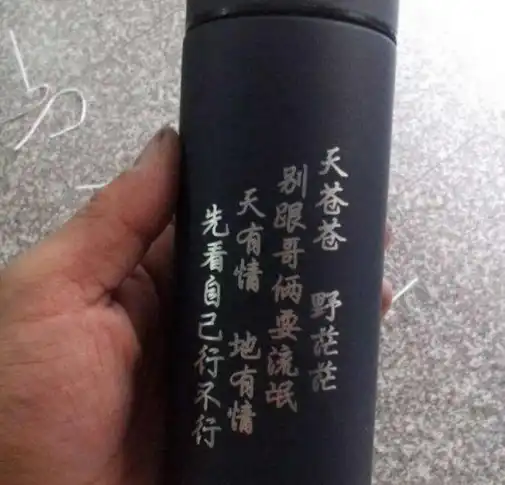
Understanding the Technology Behind Portable Laser Markers
Advanced fiber laser technology creates a very focused beam at a frequency of 1064nm, which is used by portable fiber laser marking devices. This concentrated energy source leaves marks on a wide range of materials that won't come off without damaging the surface. The small size includes important parts like the laser source, galvanometer reader, and control system that are made to be portable while still working at an industrial level.
The tools that we make at Yuhui Laser are very flexible and can mark things at speeds of up to 5000 mm/s. Because of this speed advantage, production cycle times are cut down directly. Customized marking solutions that make it easier to find things and cut down on downtime are useful in many fields, from jewelry etching to electronics labeling and car part identification. These measurable changes in the efficiency of work often pay for themselves in the first year of business.
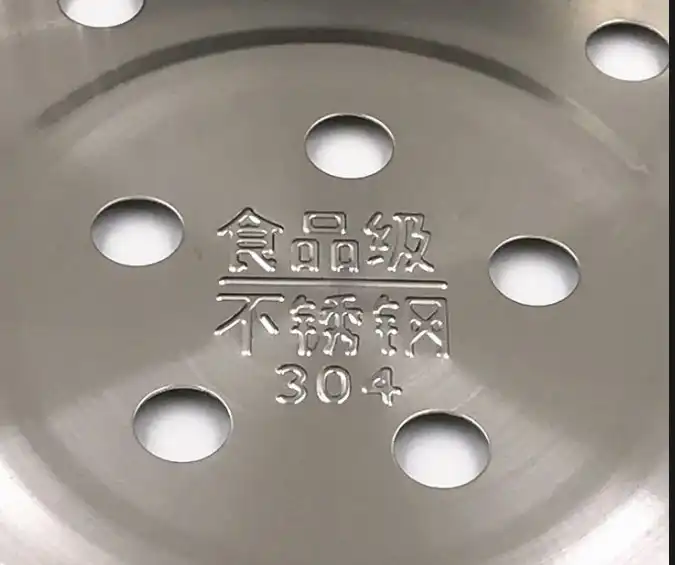
Core Technical Advantages
The Mini handheld fiber laser marking machine from Yuhui Laser has a number of technical features that set it apart from other options. There is an optical isolator in the equipment that successfully blocks reflected light, ensuring stable and reliable laser operation even in harsh industrial settings. This safety feature makes the laser source last about 100,000 hours longer, which greatly lowers the cost of replacing.
The beam quality shows an M² number below 1.5, which means that the energy is concentrated very well and can be used for accurate and effective processing. This better beam quality makes a small centered spot circle, which lets you make fine, clear, high-definition marks with a line width of as little as 0.01mm. The THF4 military-grade lens guarantees high accuracy with repeatability of ±0.04mm, making sure that the quality stays the same after thousands of marking operations.
Essential Factors to Consider Before Purchasing
To choose the right portable marking equipment, you need to carefully consider a number of important factors. Power levels for lasers usually range from 20W to 50W, and each level is best for a certain type of material and marking depth needs. The 20W configuration works well for most metal marking tasks, while the 30W units are more flexible and can be used for thicker materials or deeper engraving tasks.
Material suitability is another important thing to think about. Metals like steel, aluminum, titanium, brass, and copper can all be marked very well with fiber laser devices. They also work well on some high-density plastics, like ABS and PVC. Knowing these important limits stops costly mistakes from happening. The 1064nm range is best for absorbing light on metal surfaces, leaving marks that won't fade or come off when exposed to chemicals or the environment.
Safety and Maintenance Protocols
When using small laser tools, safety is the most important thing to think about. To keep from getting accidentally exposed, operators must wear laser safety goggles with an optical density grade of OD4 or higher. Most new units have safety interlocks and distance sensors that keep them from firing by accident when the marking head is not in the right place.
Because the fiber laser is sealed and cools itself with air, it doesn't need much maintenance. For the best beam sharpness, clean the f-theta lens once a week with dry ethanol and lint-free wipes, especially in dusty industrial settings. This easy-to-follow repair plan guarantees steady performance without the need for technical know-how. The built-in air cooling system gets rid of the need for big water chillers, which makes installation easier and lowers the cost of ongoing maintenance.
Comparing Different Laser Marking Technologies
Knowing the differences between the different types of laser marking technology helps people who work in procurement make smart choices. There are several important ways in which Mini handheld fiber laser marking machines differ from desktop units. Handheld models are designed to be mobile and flexible on-site, so workers can bring the tools straight to large workpieces that can't be moved to a set workplace. This portability is very helpful for adding VIN numbers to car frames or serial numbers to infrastructure parts that have already been installed.
Most desktop fiber laser systems have bigger writing areas and higher power settings, which makes them good for high-volume production settings where the sizes of the pieces being made are always the same. The main thing that determines whether a handheld or desktop setup is best is whether production freedom is more important than processing speed.
Fiber Laser Versus CO₂ Technology
When you compare fiber laser and CO₂ laser systems, you can see that they work differently and aren't compatible with all materials. Fiber lasers are great for marking metals and engineered plastics because they produce better edges and can see smaller details more clearly. At a frequency of 10,600nm, CO₂ lasers work better on organic things like leather, wood, glass, and some plastics.
There are more benefits to fiber laser technology, such as a higher electro-optical conversion efficiency (usually over 30% vs. about 10% for CO₂ systems). Because it is more efficient, it uses less power (often less than 400W total) and costs less to run. CO₂ systems need to have their gas tanks refilled and their mirrors aligned on a regular basis, while fiber lasers don't need any care.
Procurement Considerations and Cost Analysis
To make a budget for portable laser marking tools, you need to know the average price levels and the total cost of ownership. Handheld fiber laser pointers for beginners usually cost between $3,000 and $5,000. Professional-grade units with more features cost between $6,000 and $12,000. These price ranges show how different the laser's power, writing area, control system complexity, and build quality are.
Yuhui Laser offers factory-direct prices that cut out markups for middlemen, giving buyers who want to save money a better deal. Our large inventory and 14-business-day production lead time allow for quick deployment, which minimizes the opportunity cost of delaying implementation. Distributors and installers can save even more money by buying in bulk and customizing products made by OEMs.
Certification and Quality Assurance
Quality approvals are an important way to make sure that a Mini handheld fiber laser marking machine is reliable and follows the rules. Equipment should have a CE mark on it, which means it meets the safety, health, and environmental protection standards of the European Union. Getting ISO 9001 certification shows that you follow international standards for quality management during the whole design, development, and production process.
Both CE and ISO approvals have been given to Yuhui Laser's goods after they passed strict testing procedures. Our quality control steps include testing the laser's power stability to make sure that changes stay below ±1% over long periods of time, calibrating the galvanometer using standard grid tests to make sure the position is correct, analyzing the beam profile to make sure the focal spot size stays the same, and testing the vibrations in line with MIL-STD environmental standards. These thorough tests make sure that the equipment will work in real-life industrial settings.
Future Trends and Technological Innovations
Innovations in the portable laser marking business keep making it better by speeding up writing, making it easier to carry, and using less power. New features include connecting to mobile control apps via Bluetooth, which lets you move files and change parameters without being connected to a computer. This portable feature makes operations more flexible in situations where they are used in the field.
Sustainability improvements are having a bigger impact on purchasing decisions. Manufacturers are adding eco-friendly parts and making systems that make it easier to recycle old products. Following tighter safety rules makes businesses safer and less harmful to the environment. Long-term purchasing plans are affected by these trends because they help companies protect their investments for the future by buying tools with features that can be upgraded and software that works with Industry 4.0 standards.
Smart control systems are yet another big step forward. Integration with software for managing a production line lets you keep an eye on marking operations in real time, check the quality of the work, and get alerts for planned maintenance. These smart features help makers make their production more efficient and cut down on unnecessary downtime.
Conclusion
To choose the right portable laser marking equipment, you have to weigh the technical requirements, the operational needs, and your budget. Mini handheld fiber laser marking machines are very flexible and can be used by any business that needs to mark things on-site without sacrificing accuracy or the quality of the mark that will last. The technology has been shown to be reliable in a wide range of settings, from heavy industrial manufacturing to individual personalization in retail. This shows that it is a good investment.
Our THF4 military-grade lens, 450-day warranty, and full after-sales support show that Yuhui Laser is dedicated to quality. This means that your equipment investment will continue to work well. Our ability to customize meets the specific needs of each business, and our factory-direct price keeps the total cost of ownership low. Procurement professionals can make choices that improve business efficiency with confidence when they carefully consider how well materials work together, how safe they are, and how much maintenance they need.
FAQ
1. Can portable fiber laser markers work on non-metallic materials?
Metals like steel, aluminum, titanium, and brass work best with handheld fiber laser systems. Some high-density plastics, like ABS and PVC, can be marked successfully. Because they absorb wavelengths differently, organic materials like wood, leather, or regular glass usually need CO₂ or UV laser technology to work best.
2. What marking depth can these machines achieve?
Depending on the laser power, the hardness of the material, and the number of marking passes, the marking depth can be anywhere from 0.01 mm to 0.5 mm. For deeper etching, you can set the power higher and make more passes, which can be put into the control system. Through surface profile tests, the depth stays the same from one production run to the next.
3. How do operators maintain equipment in dusty environments?
The sealed fiber laser source design keeps the internal parts from getting dirty. To keep the beam clear and stop focal spot decline, the f-theta lens needs to be cleaned once a week with dry ethanol and lint-free wipes. Checking the writing head case on a regular basis makes sure that dust doesn't get in the way of the cooling airflow. These easy steps keep things running at their best in tough industrial settings.
4. What training do operators need?
After two to three hours of hands-on training, most workers are ready to go. The easy-to-use control panel and built-in safety features make it easier to use. Yuhui Laser offers in-depth technical training that includes how to use tools, how to optimize parameters, how to do regular maintenance, and how to fix common problems. This training will make sure that your team gets the most out of the tools right from the start.
Partner with Yuhui Laser for Your Mini Handheld Fiber Laser Marking Machine
Yuhui Laser is ready to help you with your needs for portable writing tools. Their products are made to be reliable and work well. As a well-known company that makes Mini handheld fiber laser marking machines, we combine cutting-edge technology with useful industrial design. Our equipment has quality assurance that is CE and ISO certified, and it has THF4 military-grade lenses that give stable output performance in a wide range of demanding situations.
The benefits go beyond what the product says. Our 14-business-day production lead time and factory-direct supply model make it possible to get products to customers quickly without lowering the quality. The full 450-day after-sales service package includes extra technical support, help with installation, and training for operators. Our tech team works together to come up with the best solutions, whether you need stock configurations or solutions that are tailored to your unique production needs.
Our flexible OEM capabilities, low wholesale prices, and reliable inventory support are all good for distributors. You can email us at jianghui@yuhui-laser-tech.com to talk about the needs of your project, get full technical specs, or set up product demonstrations. You can look at our full line of industrial laser solutions at yuhui-laser-tech.com. These solutions will help you make better products and stay ahead of the competition.
References
1. Industrial Laser Solutions Magazine. (2024). "Advances in Portable Fiber Laser Marking Technology for Manufacturing Applications." Annual Industrial Laser Review, Volume 39, Issue 4.
2. Smith, R. & Chen, L. (2023). "Comparative Analysis of Handheld and Desktop Laser Marking Systems in Automotive Manufacturing." Journal of Manufacturing Technology, Volume 28, Pages 156-174.
3. European Laser Safety Standards Committee. (2024). "Safety Guidelines for Handheld Laser Marking Equipment in Industrial Environments. "CE Certification Technical Documentation, Third Edition.
4. Anderson, K. (2023). "Total Cost of Ownership Analysis for Portable Laser Marking Equipment." B2B Industrial Equipment Procurement Quarterly, Volume 15, Issue 2, Pages 88-103.
5. International Society for Optics and Photonics. (2024). "Fiber Laser Technology: Recent Developments in Portability and Power Efficiency." SPIE Proceedings, Volume 12187.
6. Manufacturing Technology Research Institute. (2023). "Industry 4.0 Integration of Portable Laser Marking Systems: Case Studies and Best Practices." Industrial Automation Technical Report, Pages 45-67.
Contact us directly for customized solutions, quotations and long-term strategic cooperation.