- English
- French
- German
- Portuguese
- Spanish
- Russian
- Japanese
- Korean
- Arabic
- Greek
- German
- Turkish
- Italian
- Danish
- Romanian
- Indonesian
- Czech
- Afrikaans
- Swedish
- Polish
- Basque
- Catalan
- Esperanto
- Hindi
- Lao
- Albanian
- Amharic
- Armenian
- Azerbaijani
- Belarusian
- Bengali
- Bosnian
- Bulgarian
- Cebuano
- Chichewa
- Corsican
- Croatian
- Dutch
- Estonian
- Filipino
- Finnish
- Frisian
- Galician
- Georgian
- Gujarati
- Haitian
- Hausa
- Hawaiian
- Hebrew
- Hmong
- Hungarian
- Icelandic
- Igbo
- Javanese
- Kannada
- Kazakh
- Khmer
- Kurdish
- Kyrgyz
- Latin
- Latvian
- Lithuanian
- Luxembou..
- Macedonian
- Malagasy
- Malay
- Malayalam
- Maltese
- Maori
- Marathi
- Mongolian
- Burmese
- Nepali
- Norwegian
- Pashto
- Persian
- Punjabi
- Serbian
- Sesotho
- Sinhala
- Slovak
- Slovenian
- Somali
- Samoan
- Scots Gaelic
- Shona
- Sindhi
- Sundanese
- Swahili
- Tajik
- Tamil
- Telugu
- Thai
- Ukrainian
- Urdu
- Uzbek
- Vietnamese
- Welsh
- Xhosa
- Yiddish
- Yoruba
- Zulu
How is a fiber laser marking machine?
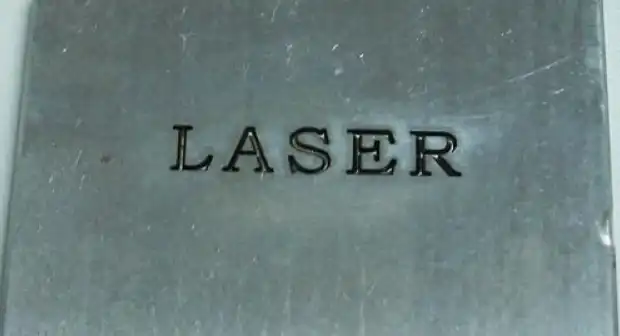
A fiber laser marking machine is an advanced industrial system that uses a fiber laser source doped with rare-earth elements like ytterbium to generate a focused 1064nm wavelength beam, creating permanent, high-contrast marks on metals and engineering plastics through a non-contact process. This technology operates by directing the laser beam through high-speed galvanometer scanning mirrors controlled by integrated software, achieving precision marking at speeds up to 5000 mm/s with repeatability of ±0.002mm. Designed for demanding B2B environments, these systems deliver zero-consumable operation, maintenance-free performance across 100,000-hour lifespans, and exceptional versatility across stainless steel, aluminum alloys, titanium, ABS plastics, and other substrates critical to automotive part serialization, medical device UDI compliance, and electronics micro-marking applications.
Introduction to Fiber Laser Marking Machines
Today's factories need ways to identify their goods that last longer than the items themselves. The standard for lasting marking in industry has become fiber laser marking technology. This is because it solves basic problems that older methods can't. When paint on car parts is cured at high temperatures or medical tools are sterilized over and over in an autoclave, marks made by inkjet or thermal transfer systems fade or disappear. Fiber laser writing gets rid of this weakness.
Core Functions and Industrial Relevance
Traceability of components is important for quality control and following the rules in many fields, from aircraft to electronics manufacturing. Fiber laser systems leave marks on things by changing a small area of the material without touching it or using consumables. This method makes sure that VIN numbers on hardened car metals can still be read after decades of use, that UDI codes on medical tools can last through hundreds of sterilization cycles, and that serial numbers on semiconductor components can handle the high humidity of cleanrooms.
Global B2B Applications
The technology is used in many different areas with different needs. Electronics makers need to be able to mark PCB parts with characters as small as 0.15 mm high so that heat doesn't damage sensitive electronics. Hardware fabricators need tool steel that can be deeply engraved and still stay clear after years of rough use. Medical device makers want surgical-grade stainless steel to have marks that keep it from rusting. Permanent marking, no consumables, and maintenance-free operation are the main benefits that apply to all applications. These benefits lower the total cost of ownership while increasing production efficiency.
How Does a Fiber Laser Marking Machine Work?
Understanding how the system works helps procurement workers compare its powers to specific output needs. The technology is made up of several carefully designed parts that work together to produce reliable, high-quality results.
Fundamental Operating Principles
The process begins with a fiber laser source. When diode lasers pump energy into an optical fiber doped with ytterbium, the fiber makes laser energy. This fiber-to-fiber design gets rid of the problems with optical synchronization that come up with lamp-pumped systems. The laser makes a beam with a wavelength of 1064nm and very high beam quality, usually getting M² values below 1.5. This means that focused spot sizes of less than 20 microns can be used for very fine detail work.
Key System Components
The laser source is linked to a galvanometer scanning device that has two high-speed mirrors that very precisely place the beam across the writing area. With positional accuracy of ±0.002mm, these galvos can reach linear speeds of more than 5000 mm/s. An F-theta field lens focuses the beam on the work surface so that the spot size stays the same across the whole writing area. All of the parts of the control system work together thanks to software that reads standard design files in formats like DXF, PLT, AI, and BMP. This makes it easy to connect to existing AutoCAD, CorelDraw, and Photoshop workflows.
Laser Modulation and Marking Techniques
The fiber laser marking machine makes marks by controlling how the materials interact with each other. Surface marking uses short pulse patterns to change the look of a surface without removing a lot of material. It's perfect for making high-contrast black marks on polished aluminum or stainless steel by oxidation. Higher power levels and multiple passes are used in deep engraving to remove material, leaving marks that can withstand rough machining. By changing the pulse frequency from 27.7 kHz to 62.5 kHz, users can get the best marking quality on a range of materials and at the right level.
Real-World Case Study: Automotive Component Marking
A company in the Midwest that makes car parts switched from dot peen methods to fiber laser marking on transmission housings. The non-contact method got rid of the mechanical stress that could sometimes lead to tiny cracks in the dot peen process. The time it took to mark each part went from 45 seconds to 8 seconds, and the marks were clearer after the powder coating process. The 100,000-hour diode life of the system got rid of the need to change the striker pins so often with the old system, which cut annual upkeep costs by 73%.
Advantages and Applications of Fiber Laser Marking Machines
There are measurable benefits to the technology that have a direct effect on the efficiency of production and the total cost of ownership. Understanding these benefits helps make cash investments more reasonable by letting you figure out the return on investment.
Technical Superiority Over Alternative Technologies
Fiber lasers are better at marking metal than CO₂ lasers that use 10,640nm wavelengths. This is because metal surfaces can receive the shorter 1064nm wavelength more easily. This means that marking can be done faster and with less power. Electro-optic systems are more than 30% efficient, while CO₂ systems are only about 10% efficient. This means that electro-optic systems use less energy while still performing better. The sealed fiber laser source doesn't need any mirror or gas refills, so it doesn't have the regular upkeep costs that CO₂ systems do.
While diode laser systems are cheaper to buy at first, they can't compare to fiber systems when it comes to beam quality and writing accuracy. Fiber lasers can focus more closely, which makes micro-marking possible that can't be done with diode lasers' wider spots. Diode systems also have shorter useful lives; the source usually needs to be replaced after 10,000 to 20,000 hours, while fiber lasers can last 100,000 hours.
Diverse Industry Applications
These skills can be used to make solutions that work in all manufacturing sectors. Fiber laser marking is used in aircraft production to permanently identify parts made of titanium. The marks must be readable after being exposed to jet fuel, hydraulic fluids, and high temperatures. Because it doesn't put any mechanical stress on the parts, the non-contact process keeps the fatigue strength of important structural parts.
Medical device makers use the technology to mark surgery tools with UDIs that are compliant with FDA rules. The black writing method makes codes with a lot of contrast without lowering the corrosion resistance that is needed for repeated cleaning. A company that makes cardiovascular instruments said that the marks didn't wear off after 500 autoclave cycles, whereas laser-etched marks from older UV laser systems only lasted 15 to 20 cycles.
Nanosecond pulse lengths have temperature properties that are useful for making electronics. The short energy delivery stops heat from moving to nearby areas, which lets marking happen on parts that are mounted close to temperature-sensitive parts. A semiconductor packing center was able to mark IC packages with 0.05mm characters without affecting solder joints that were only 0.2mm away.
Maintenance and Safety Considerations
The sealed fiber-to-fiber arrangement means that the fiber laser marking machine doesn't need any upkeep when things are normal. The F-theta field lens only needs to be cleaned with dry ethanol and lint-free cloths. Air cooling systems need to be checked on a regular basis to make sure that the cooling fan inlets don't get clogged with dust. These are very different from CO2 systems, which need to have their mirrors cleaned, their optical alignment checked, and their gas mixtures refilled on a frequent basis.
International safety standards, such as FDA 21 CFR 1040 and IEC 60825-1 Class 1 laser product classification, are followed when the right containers are used. When people work near open beam paths during setup, they need to wear protective glasses rated for Nd:YAG laser safety because of the 1064nm wavelength.
Comparing Fiber Laser Marking Machines to Other Engraving Solutions
To make smart decisions about what to buy, you need to know how different technologies meet the needs of different applications. The similarities below help match the powers of technology with the needs of production.
Fiber Laser vs. CO₂ Laser Systems
Material compatibility is what sets them apart from each other. Because the 10,640nm frequency is easily absorbed by organic materials like wood, paper, and plastic, CO2 lasers work very well on them. When it comes to marking metal, fiber lasers are the best choice because their 1064nm range makes absorption and writing more efficient. If you want to mark a stainless steel part with a 30W fiber laser, it will take 25 to 30 seconds with a similar 30W CO₂ setup, but the contrast will be worse.
The costs of running a business favor fiber technology. Because of its higher electrical efficiency, it uses about 60% less power to mark the same amount of material. Over the life of an item, changes in maintenance costs become important. A normal CO₂ system needs new mirrors every 18 to 24 months, which costs $800 to $1200 per set. The gas tubes need to be replaced every two to three years, which costs $2500 to $4000, and the optics need to be aligned once a year, which costs $500 to $800. Fiber solutions get rid of all of these ongoing costs.
Desktop vs. Portable Configurations
Desktop integrated systems work well in places where a lot of parts need to be marked up quickly. Larger marking areas, usually 100x100mm to 300x300mm, are available on these systems, which can also handle automated part handling. Fixed installations with built-in conveyors help production facilities mark between 500 and 5,000 parts every day, which increases throughput.
Portable handheld systems are useful for marking things in the field and working with big parts where moving them around would not be possible. A company that makes heavy equipment uses portable fiber laser marking machines to mark VIN plates on heavy machinery that has already been put together. With the handheld configuration, finished equipment doesn't have to be moved to a fixed marking station. This saves a lot of time and reduces the risk of damage during transport.
Investment Considerations: Pricing vs. Quality
Starting prices for 20W fiber laser marking machines from well-known brands are between $8,000 and $12,000. For marking 50 to 200 parts a day with standard materials like aluminum and stainless steel, these methods work well for low-volume jobs. Mid-range 30W systems that cost between $15,000 and $25,000 can mark things faster and do a better job on tough materials like hardened tool steels and titanium alloys. High-end models with MOPA technology that lets you change pulse lengths start at $28,000 to $45,000 and offer unique features like color marking on stainless steel and the best plastic writing without damaging the material.
Quality signs go beyond the price of the item itself. The brand of laser source has a big effect on how reliable it is in the long run. Systems that use IPG, Raycus, or Max photonics sources have been shown to work reliably in industrial settings. The quality of the galvanometer decides how accurately and quickly it can mark. The performance of Scanlab and Sino-Galvo scanning systems is better than that of generic alternatives. The complexity of the control system affects how well it works and how well it can be integrated. Connecting to a network, reading barcodes, and connecting to a database are all features of more advanced systems that cost more but make work much more efficient.
How to Procure the Right Fiber Laser Marking Machine for Your Business
To buy equipment successfully, you must first clearly define your needs and evaluate suppliers in a structured way. The outline below helps people make decisions about what to buy so that they get the best results.
Defining Your Marking Requirements
The right system setup is based on the amount of production. Manual filling systems may be cost-effective for facilities that mark less than 100 parts per day, while automatic part handling integration is better for facilities that mark more than 500 parts per day. The type of material affects the laser power choice. 20W systems work well for marking stainless steel, aluminum, and brass. But 30W to 50W systems are needed for marking hardened tool steels, titanium, and copper alloys.
Beam quality requirements are set by the need for precision. For applications that need letter heights below 0.3mm, M² numbers below 1.5 are needed to make the text clear. Standard identification writing with letters that are at least 1 mm wide can handle M² values up to 2.0 without losing quality that can be seen. If you are on a tight budget, you should look at the total cost of ownership, which includes installation, training, and ongoing operating costs, instead of just the initial buy price.
Evaluating Supplier Credentials
Manufacturers that have been around for a while and have ISO9001 approval show that they have a method for managing quality. When equipment has CE certification, it means it meets European safety and electromagnetic compatibility standards. This is very important for companies that want to sell marked parts in the EU. FDA approval is important for companies that make medical devices that need to use approved methods to follow the rules.
Long-term satisfaction is greatly affected by the ability to provide support after the sale. Suppliers that offer thorough technical training make sure that system users can get the most out of their fiber laser marking machines. Commissioning and installation support services shorten the time it takes to start making things and keep problems from happening during starting. Extra protection is provided by warranties that cover more than the standard 12 months. Top companies now offer warranties that last for 450 days, which shows that they are confident in the reliability of their tools.
Understanding Customization Options for OEM Clients
For OEM and private label needs, configurations are often very specific. Dealers can match the look of their tools to their brand by customizing the way cabinets look. Customizing the software interface lets dealers add their own logos and make control methods easier to use so they can fit the way each customer works. Specialized marking tools made for specific part shapes make marking more consistent and cut down on setup time. Suppliers with their own engineering teams can make custom solutions, such as vision systems that automatically line parts and changeable data marking that is driven by a database for serialization uses.
Procurement Timeline and Implementation
Manufacturers who have been around for a while and keep basic versions in stock usually offer delivery within 14 business days of receiving an order. Custom setups that need unique parts add 28 to 45 days to the delivery time, based on how complicated the customization is. International shipping takes an extra 7–14 days for ocean freight or 3–5 days for air freight. Clearing customs can take even longer, based on the rules in the target country.
For normal desktop systems, installation and commissioning take one to two days. For integrated production line setups, it takes three to five days. Operator training usually lasts two to three days and includes how to use the system, basic upkeep steps, and common problem-solving situations. Before they are officially accepted, production validation runs make sure that systems meet the quality standards for marking.
Conclusion
Fiber laser marking machine technology provides lasting labeling options that are necessary for modern industrial traceability, brand protection, and regulatory compliance. The fact that it doesn't need any upkeep, doesn't require any consumables, is very accurate, and works with a wide range of materials makes it very valuable in many fields, from aircraft and automotive to medical devices and electronics production. When you know about operational principles, comparative benefits, and buying issues, you can choose equipment that fits your business's needs. For implementation to go well, the system's powers must be matched to the needs of the application, and sellers must offer full help throughout the equipment's lifecycle.
FAQ
1. What materials can fiber laser systems effectively mark?
Metals that work great with fiber laser marking machines are stainless steel, aluminum, brass, copper, titanium, hardened tool steels, and even gold and silver. High-end models with anti-reflection isolators can safely work with materials that reflect light back at the laser source, which would damage it otherwise. Controlled carbonization writing works well on engineering plastics like ABS, polycarbonate, polyamide, and acetyl resins, giving high-contrast effects. The technology doesn't work well with clear plastic or organic materials like wood and paper because they need CO2 or UV laser bands to work best.
2. How long do these systems typically last?
Fiber laser sources are rated to work for about 100,000 hours, which is more than 11 years of nonstop use 24 hours a day, seven days a week, or more than 40 years of normal 8-hour daily commercial use. Most galvanometer scanning systems last more than 50,000 hours before they need to be serviced. The sealed fiber-to-fiber design stops optical alignment drift, so the quality of the marking stays the same over the whole life of the machine without any adjustments. Systems made by well-known companies usually last between 15 and 20 years of useful service with only basic upkeep like cleaning the lenses and checking the cooling system every so often.
3. What safety precautions are necessary?
When properly sealed, Class 1 laser product systems don't need any extra safety measures from the operator on top of normal machine safety rules. When working with open beam settings for setup or maintenance, you need to wear laser safety glasses that protect against 1064nm Nd: YAG light and have an optical density of 5 or higher. Work areas should have the right laser safety signs up and keep people who aren't supposed to be there from getting in while the laser is running. Having enough air flow gets rid of the fumes that are made when marking, especially when working with plastics or coated materials. Safety interlocks should be checked regularly to make sure that enclosure doors properly stop laser emission when they are opened during operation.
Partner with Yuhui Laser for Industrial Marking Excellence
Shandong Yuhui Laser Technology makes fiber laser marking systems with THF4 lenses that are strong enough for military use. These systems can repeat within ±0.002mm and have CE and ISO certifications to back them up. Our machines are very productive because they have laser sources that last 100,000 hours, built-in air cooling, and marking speeds of up to 5000 mm/s. We help distributors, OEM buyers, and production facilities that need reliable marking solutions by delivering in 14 business days, selling directly from the plant, and offering the longest guarantee period in the industry (450 days). Our engineering team can customize everything, from software interfaces to custom fixtures, to make sure that everything works perfectly with your production processes. Get in touch with our technical experts at jianghui@yuhui-laser-tech.com to talk about your marking needs and get full information on how to set up a fiber laser marking machine that will work best for you. You can look at all of our commercial laser tools at yuhui-laser-tech.com.
References
1. Dahotre, N.B., & Harimkar, S.P. (2008). Laser Fabrication and Machining of Materials. Springer Science & Business Media.
2. Steen, W.M., & Mazumder, J. (2010). Laser Material Processing (4th ed.). Springer-Verlag London Limited.
3. Ion, J.C. (2005). Laser Processing of Engineering Materials: Principles, Procedure, and Industrial Application. Elsevier Butterworth-Heinemann.
4. Ready, J.F., & Farson, D.F. (Eds.). (2001). LIA Handbook of Laser Materials Processing. Laser Institute of America/Magnolia Publishing.
5. Chryssolouris, G. (1991). Laser Machining: Theory and Practice. Mechanical Engineering Series, Springer-Verlag New York.
6. Migliore, L. (Ed.). (1996). Laser Materials Processing. Manufacturing Engineering and Materials Processing Series, CRC Press.
Contact us directly for customized solutions, quotations and long-term strategic cooperation.