- English
- French
- German
- Portuguese
- Spanish
- Russian
- Japanese
- Korean
- Arabic
- Greek
- German
- Turkish
- Italian
- Danish
- Romanian
- Indonesian
- Czech
- Afrikaans
- Swedish
- Polish
- Basque
- Catalan
- Esperanto
- Hindi
- Lao
- Albanian
- Amharic
- Armenian
- Azerbaijani
- Belarusian
- Bengali
- Bosnian
- Bulgarian
- Cebuano
- Chichewa
- Corsican
- Croatian
- Dutch
- Estonian
- Filipino
- Finnish
- Frisian
- Galician
- Georgian
- Gujarati
- Haitian
- Hausa
- Hawaiian
- Hebrew
- Hmong
- Hungarian
- Icelandic
- Igbo
- Javanese
- Kannada
- Kazakh
- Khmer
- Kurdish
- Kyrgyz
- Latin
- Latvian
- Lithuanian
- Luxembou..
- Macedonian
- Malagasy
- Malay
- Malayalam
- Maltese
- Maori
- Marathi
- Mongolian
- Burmese
- Nepali
- Norwegian
- Pashto
- Persian
- Punjabi
- Serbian
- Sesotho
- Sinhala
- Slovak
- Slovenian
- Somali
- Samoan
- Scots Gaelic
- Shona
- Sindhi
- Sundanese
- Swahili
- Tajik
- Tamil
- Telugu
- Thai
- Ukrainian
- Urdu
- Uzbek
- Vietnamese
- Welsh
- Xhosa
- Yiddish
- Yoruba
- Zulu
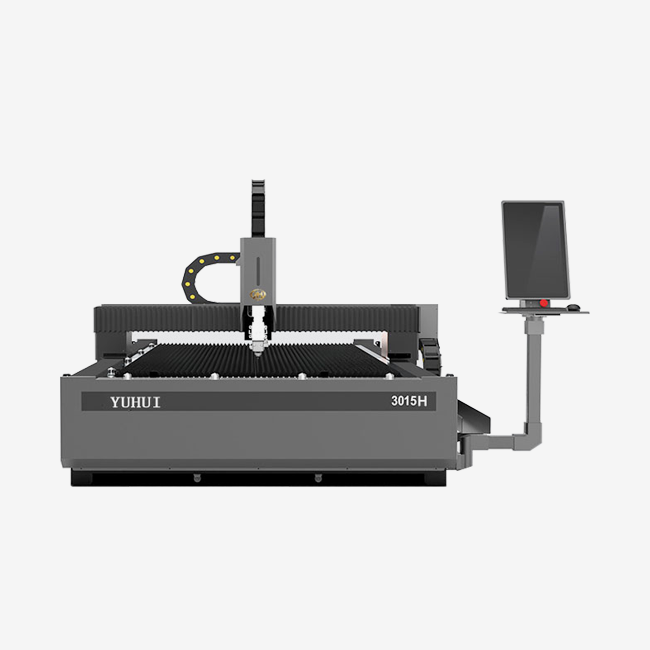
What Materials Can a High-Precision Fiber Laser Cutting Machine With Cover Process?
A High Precision Fiber Laser Cutting Machine With Cover can work with a lot of different metals, like titanium, copper, brass, aluminum, stainless steel, carbon steel, and specialized nickel-based alloys that are often used in aircraft and medical device production. The protective enclosure improves the quality of the cut by keeping dust in, stopping oxidation, and keeping the temperature stable. It also protects workers from the dangerous laser radiation. This high-tech equipment works especially well for making sheet metal parts, auto parts, and precise electronics parts. Depending on the laser power configuration, it can work with materials as thin as 0.5 mm foils and as thick as 25 mm plates.
Introduction to High-Precision Fiber Laser Cutting Machines with Cover
With the introduction of sealed High Precision Fiber Laser Cutting Machines with Cover, making things out of metal has changed a lot. With their secure housing and focused laser beam technology, these tools offer the highest level of accuracy in industrial manufacturing settings. At Yuhui Laser, we've witnessed how adding protective covers changes both safety rules and the way cuts are made in a wide range of production settings.
The main benefit is that the fiber laser can focus very strong energy on very small areas, making clean cuts with few areas damaged by heat. When paired with a safe cage, the system keeps the environment stable, which has a direct effect on how accurately it cuts. Industries from aircraft to car making count on this technology to keep up with rising quality standards and keep production speeds low enough to stay competitive.
Modern fiber laser cutters with covers can solve three important manufacturing problems at the same time. They keep metallic particles and poisonous fumes inside a controlled area, keep Class 4 laser radiation from reaching people directly, and keep outside contaminants from messing with sensitive optical parts. In demanding factory settings where accuracy can't be sacrificed, this all-around method guarantees reliable operation.
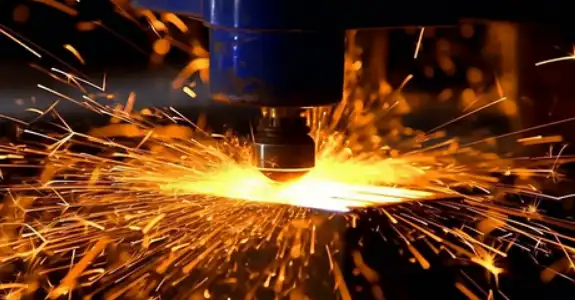
Materials Suitable for Processing by High-Precision Fiber Laser Cutting Machines with Cover
Common Metals and Their Processing Characteristics
High-precision fiber laser cutting machines with covers can work with the following materials:
Stainless steel is still the material that we work with the most in our factories. The Yuhui YH-2030 to YH-1309 models can handle stainless steel sheets that are between 0.5 mm and 20 mm thick and have very good edge quality. This range of the fiber laser works especially well on austenitic types like 304 and 316, making clean cuts with few burrs that mean less secondary finishing is needed.
The controlled environment inside covered tools is very helpful for working with carbon steel. The protective enclosure limits the amount of oxygen that can get to the cutting area, which keeps the cut edges from turning brown from oxidation. Our machines, which have 1500W to 3000W laser sources, can cut carbon steel plates that are up to 25 mm thick while keeping their positions within ±0.03 mm of each other across the whole work area.
Aluminum is hard to work with because it reflects light very well, but modern fiber lasers can get around this problem. The enclosed design keeps the laser source safe from back-reflection damage while working with aluminum metals that are often found in computer cases and car heat exchanges. The thickness of the material can be anywhere from 0.8 mm for complex artistic pieces to 12 mm for structural parts.
Specialty Alloys for High-Tech Applications
When working with titanium, you need to be very precise and keep an eye on the temperature. With a working area of 1300x900mm, the YH-1309 type can handle bigger titanium sheets that are used in aircraft. The protective cover keeps the cutting conditions fixed, which is important for this reactive material. It also keeps the material's qualities from being affected by air pollution, which could be a problem in important situations.
The fiber laser can cut reflective materials without hurting optical parts, which is useful for working with copper and brass. Our covered machines are used by electrical manufacturing facilities to make bus bars, connector parts, and decorative brass pieces with complex patterns. The sealed space keeps copper dust from building up on sensitive machine parts, which greatly increases the time between repair visits.
Special cutting rules are needed for nickel-based superalloys that are used in turbine parts and chemical processing equipment. The advanced control systems in our tools let us precisely change the laser power and cutting speed and help gas pressure to get clean cuts through these tough materials. When working with these expensive specialty metals, the protective cover keeps the operator safe.
Non-Metal Material Capabilities
In addition to metals, some designs of fiber lasers can also successfully work with certain non-metallic materials. Covered laser cutting systems can work with metals that are coated, laminates, and hybrid materials that have metal layers in them. When cutting materials that give off irritating fumes or fine particles during processing, the enclosed design comes in very handy.
How the Protective Cover Enhances Material Processing and Operational Safety
Safety Features and Compliance Standards
Our High-Precision Fiber Laser Cutting Machines with Cover have a protective enclosure that meets strict international safety standards, such as CE and FDA approval. Laser-rated viewing windows with OD4+ protection let workers watch the cutting process without being exposed to dangerous amounts of radiation. This design meets the safety standards for Class 1 lasers, which is the lowest risk group and doesn't need any extra safety gear for normal use.
The protective housing has built-in exhaust systems that connect to industrial dust collection units that can handle 3000 to 5000 m³/h of airflow. This two-circuit method gets rid of metal fumes and particles right at the cutting point, so they don't build up in the work chamber. This makes the work area cleaner and saves both the tools and the people working there from the breathing problems that come with working with metal.
When doors open suddenly or safety interlocks notice something is wrong, emergency shutdown systems built into the protective cover turn off the laser source right away. These features are in line with safety rules for workers in North America and Europe's industrial sectors. This makes it easier for site managers who are installing new equipment to keep up with compliance paperwork.
Impact on Cutting Quality and Machine Longevity
Maintaining thermal stability in tight cutting rooms has a direct effect on the accuracy of measurements across production runs. This idea is clearly shown by the Yuhui YH-6060 model, which has a 600x600mm work area that keeps the same temperature, which stops the machine bed from expanding during long operation cycles. This stability means that the machine can repeatably place parts with an accuracy of ±0.02mm, even when handling hundreds of parts at once.
Keeping dust and other dirt out of fine parts makes them last a lot longer. Linear guide rails, ball screws, and optical elements are kept safe from rough metal bits that would speed up wear patterns if they got to them. Based on our data on maintenance, covered machines last 40% longer between major service intervals than open-frame designs in the same production environments.
During cutting operations, especially when working with reactive metals like aluminum and titanium, oxidation is slowed down by the controlled atmosphere inside protective enclosures. Assist gas efficiency goes up because the enclosed space keeps the best gas flow patterns around the cutting head. This improvement makes the edges cleaner and less drossy, which means that parts don't need as many extra finishing steps, which add cost.
Comparative Advantages in Industrial Applications
The versatility of covered laser systems is very helpful for factories that work with a lot of different kinds of materials. A Michigan sheet metal manufacturing shop that we work with switched from an open-frame laser to our YH-8080 enclosed model and said that the better particulate control meant that they had to do 35% less upkeep on their ventilation system. Their production manager said that switching between processing stainless steel and aluminum was faster because the enclosed design kept the two types of material from getting dirty.
Noise reduction is another useful benefit that is often missed when specs are compared. The protective housing reduces the high-pitched noises that are common during laser cutting and helps the gas discharge. Sound levels at the operator positions are usually 10 to 15 decibels lower when machines are covered. This makes shared manufacturing spaces more comfortable places to work.
Improving Precision and Efficiency in Cutting Diverse Materials
Advanced Control Systems and Calibration Techniques
Yuhui's small High Precision Fiber Laser Cutting Machines with Cover have a CNC control platform that uses high-precision encoders on all three axes to give real-time position feedback. This closed-loop system constantly checks where the machine head is supposed to be compared to where it actually is. It then makes instant corrections that keep the required positioning accuracy of ±0.03mm even when cutting complex paths. The control software naturally accounts for acceleration forces and mechanical backlash, so the vehicle always works the same way even when it quickly changes directions.
During calibration processes, a laser interferometer is used to check the accuracy of linear positioning across the whole working area. During plant assembly, our quality control team fixes pitch errors by making custom adjustment tables that are kept in the controller of each machine. This careful method makes sure that a YH-2030 model that cuts complicated patterns in 1mm stainless steel works just as precisely as bigger machines that work at very different sizes.
The CCD edge cutting system that is available on Yuhui machines is a big step forward in how efficiently materials are used. This vision system instantly finds the edges of the material and changes the cutting paths to accommodate changes in the size and position of the sheets. When fabricators work with leftover materials or stock forms that aren't perfectly round, they cut down on waste by a large amount while still being able to make parts with full precision.
Recommended Maintenance Practices
Every day, before production shifts start, protective window inspections should be done. Operators look for dust buildup or small spots of discoloration that could mean the start of laser damage. Cleaning procedures that use approved optical-grade solutions keep the beam from distorting, which could lower the quality of the cutting. Depending on how much is cut and what kind of material is used, windows are usually replaced every 6 to 12 months.
The high-precision screw module structure used in all three directions needs to be lubricated on a regular basis, as directed by the maker. According to our care plan, linear guides and ball screws should be checked every 500 hours of use, and they should be fully lubricated every 1000 hours. This preventative method keeps the 30m/min travel speed and 0.5G acceleration that make these machines stand out in production settings.
As part of maintaining a laser source, the output power must be checked for steadiness, and any changes greater than 1% over a 24-hour time must be fixed. When the cooling systems are taken care of properly, Yuhui equipment's fiber laser units usually last between 30,000 and 50,000 hours of use. Thermal degradation can be avoided by checking the chiller fluid amounts, filter cleaning, and temperature setpoints once a week.
Real-World Performance Across Material Types
Our YH-1309 model is used by a company in Ohio that makes car parts to cut complicated bracket shapes from 3mm cold-rolled steel. The statistics from their output shows that the cycle time was 28% shorter than with their old plasma cutting method, and they were able to get tighter tolerances that got rid of the need for secondary machining. In their facility, where many manufacturing processes happen close to each other, the enclosed design was very important.
Our YH-6060 system is used by a precise electronics contract maker to make device casings out of 0.8 mm aluminum sheet. The small footprint fits perfectly into the production area next to the cleanroom, and the protective cover's ability to contain dust meets their strict particle control standards. They say that the quality of the edges stays the same across production runs of more than 10,000 parts per month.
Processing titanium to make parts for medical implants shows how flexible covered fiber laser systems are when it comes to materials. A specialized company cuts Grade 5 titanium alloy sheets to thicknesses between 1.5 mm and 4 mm, and the surface finish must meet strict standards for biocompatibility certification. The clean cutting area keeps things from getting dirty while meeting the size standards needed for FDA-approved medical devices.
Procurement Considerations for High-Precision Fiber Laser Cutting Machines with Cover
Selecting Equipment for Specific Production Requirements
The characteristics of the material and the expected production volume should guide the choice of a high-precision fiber laser cutting machine with a cover. With a 200x300mm work area, the YH-2030 model is perfect for companies that make small electronics parts, jewelry parts, or parts for medical instruments that need to be very accurate and compact. Its 800-3000W power range can handle the sizes of materials needed for these jobs while taking up as little floor room as possible.
The YH-8080 or YH-1309 configurations are better for sheet metal fabricators who work with bigger panels. The larger working areas can easily fit standard sheet sizes, which cuts down on the number of times that materials need to be moved and speeds up production. Even though these bigger machines have the same positioning accuracy requirements, they can handle both small precision parts and large panels during the same production shift.
At Yuhui Laser, customization options go beyond what's included in basic models. Our engineering team works with clients who need custom fixtures, the merging of material handling technology, or changed software interfaces. This adaptability is very helpful for OEM buyers who are making their own brand of equipment or for automation developers who are building whole production lines around laser cutting capabilities.
Pricing Structures and Support Services
When you buy from Yuhui Laser directly, you don't have to pay the distributors' markups, which usually add 25 to 35 percent to the cost of the equipment. Within the quoted amounts, our clear pricing model includes delivering the machine, giving you basic training on how to use it, and helping you set it up. Procurement managers like how clear this makes the budgeting and approval processes for capital equipment.
Yuhui's support method in the market for industrial laser tools is set apart by its 450-day after-sales service promise. This longer warranty period is longer than the norm in the industry, which shows that we trust the quality of the manufacturing and the dependability of the parts. Access to technical help includes online advice, the ability to do diagnostics remotely, and the ability to get spare parts from regional stock sites.
When projects to expand output have to be finished on time, lead time dependability is very important. Our 14-business-day production schedule for standard configurations and large stock of common parts make sure that delivery windows are always clear. There are options for rush production for urgent needs, but the best way to schedule production is to communicate early on during the quotation phase.
Evaluating Long-Term Investment Value
The total cost of ownership includes more than just the purchase price. It also includes maintenance costs and running costs. The THF4 military-grade lens that comes with Yuhui machines has a longer useful life than commercial-grade lenses, which means that over the equipment's lifetime, it will cost a lot less to replace parts. Fiber laser technology is 30–50% more energy efficient than CO₂ laser systems that can do the same amount of cutting.
Companies that rent out tools and producers who want to keep their production options open need to think about resale value. Covered fiber laser tools have higher leftover values because they protect their parts better and last longer. The CE and ISO certifications make it easier to sell goods in other countries if the needs of production change.
When planning for scalability, you should think about how production will grow and how materials will change in the future. Yuhui's flexible method lets small additions of features—like automation interfaces, material handling systems, or more advanced control functions—be made without changing the main machine platforms. This modular upgrade path saves original investments in capital while adapting to changing needs in manufacturing.
Conclusion
High-precision fiber laser cutting machines with covers are a tried-and-true way to meet a wide range of metal fabrication needs in all areas of global industry. These systems are important for production because they can work with a wide range of materials, from common metals to specialized alloys. They also have better safety features and better cutting quality. The main concerns of procurement professionals looking for reliable equipment partners are addressed by Yuhui Laser's dedication to customization, fast delivery, and long-term after-sales support. The small YH-series models offer high accuracy in forms that take up little room. They can be used in a wide range of settings, from factories that make specialized parts to large metalworking factories. Carefully comparing individual production needs with available configurations makes sure that the best equipment is chosen to meet both short-term needs and long-term manufacturing plans.
FAQ
1. What advantages do covered fiber laser cutting machines offer over open designs?
Enclosed are high-precision fiber laser cutting machines with covers offering Class 1 laser safety certification, which means there are no risks of radiation exposure during normal use. The safe housing holds poisonous fumes and metallic dust to make extraction work better, which improves the air quality in industrial areas. Thermal stability inside the box keeps the accuracy of the cuts the same over long production runs and keeps outside trash from getting into sensitive optical parts.
2. Can these machines process non-metallic materials effectively?
Fiber laser technology is mostly used on metals because that's where its energy works best. It is possible to handle some hybrid materials that have metallic layers or coats. The safe cover is useful for any cutting process that makes particles or fumes, no matter what the base material is made of.
3. What maintenance steps extend machine precision and operational life?
By checking the protected windows every day, you can keep dust from distorting the beam. Every 500 hours of use, precision screw modules need to be lubricated to keep the movement accurate. Consistent cutting performance is achieved by keeping an eye on the laser source's power stability and keeping the cooling system clean. When compared to reactive maintenance methods, these preventive measures usually greatly increase the time between major service intervals.
Partner With Yuhui Laser for Your Precision Cutting Needs
Yuhui Laser makes affordable fiber laser cutting solutions and has 14 years of experience making industrial equipment and can make any changes that are needed. Our YH-series compact machines have safety features that are CE-certified and military-grade optical performance. They are intended to work in harsh metal manufacturing settings. Our engineering team can help you whether you're a distributor looking for a dependable high-precision fiber laser cutting machine with cover, an automation integrator needing custom configurations, or a production facility wanting to improve its processing capabilities. We can make solutions that are exactly what you need. You can email us at jianghui@yuhui-laser-tech.com to talk about your application needs, get more information, or set up a virtual demonstration of our enclosed fiber laser systems. You can look at our whole product line at yuhui-laser-tech.com and learn how our factory-direct prices and 450-day after-sales service can save your manufacturing operations a lot of money.
References
1. Steen, W.M. and Mazumder, J. (2010). Laser Material Processing, 4th Edition. Springer-Verlag London Limited.
2. Ion, J.C. (2005). Laser Processing of Engineering Materials: Principles, Procedure, and Industrial Application. Elsevier Butterworth-Heinemann, Oxford.
3. Chryssolouris, G. (1991). Laser Machining: Theory and Practice. Mechanical Engineering Series, Springer-Verlag New York.
4. Ready, J.F. and Farson, D.F. (2001). LIA Handbook of Laser Materials Processing. Laser Institute of America, Magnolia Publishing.
5. Migliore, L. (1996). Laser Materials Processing. Manufacturing Engineering and Materials Processing Series, Marcel Dekker Inc.
6. Dubey, A.K. and Yadava, V. (2008). "Laser beam machining—A review," International Journal of Machine Tools and Manufacture, 48(6): 609-628.
Contact us directly for customized solutions, quotations and long-term strategic cooperation.