- English
- French
- German
- Portuguese
- Spanish
- Russian
- Japanese
- Korean
- Arabic
- Greek
- German
- Turkish
- Italian
- Danish
- Romanian
- Indonesian
- Czech
- Afrikaans
- Swedish
- Polish
- Basque
- Catalan
- Esperanto
- Hindi
- Lao
- Albanian
- Amharic
- Armenian
- Azerbaijani
- Belarusian
- Bengali
- Bosnian
- Bulgarian
- Cebuano
- Chichewa
- Corsican
- Croatian
- Dutch
- Estonian
- Filipino
- Finnish
- Frisian
- Galician
- Georgian
- Gujarati
- Haitian
- Hausa
- Hawaiian
- Hebrew
- Hmong
- Hungarian
- Icelandic
- Igbo
- Javanese
- Kannada
- Kazakh
- Khmer
- Kurdish
- Kyrgyz
- Latin
- Latvian
- Lithuanian
- Luxembou..
- Macedonian
- Malagasy
- Malay
- Malayalam
- Maltese
- Maori
- Marathi
- Mongolian
- Burmese
- Nepali
- Norwegian
- Pashto
- Persian
- Punjabi
- Serbian
- Sesotho
- Sinhala
- Slovak
- Slovenian
- Somali
- Samoan
- Scots Gaelic
- Shona
- Sindhi
- Sundanese
- Swahili
- Tajik
- Tamil
- Telugu
- Thai
- Ukrainian
- Urdu
- Uzbek
- Vietnamese
- Welsh
- Xhosa
- Yiddish
- Yoruba
- Zulu
2026 Top Laser Cutter Machine Reviews and Buying Guide
It is important to know what makes a high-precision fiber laser cutting machine with a cover stand out in 2026 when looking for the right industrial cutting option. These sealed systems are essential for modern metal production because they are very accurate and have strong safety features. While shielding workers from harmful radiation and controlling dust emissions, a high-precision fiber laser cutting machine with a cover provides positioning accuracy within 0.03 mm. This book tells purchasing managers, wholesalers, and companies that work with metal everything they need to know before they make this big purchase.
Introduction
Fiber laser cutting machines with covers are a big step forward in accurate manufacturing because they make work safer and more efficient. Within the last five years, there has been a huge change in the industry toward enclosed systems that improve cut quality and environmental control while also addressing safety issues in the workplace. This guide is made for procurement managers, engineers, and dealers who work with businesses and need to know more about the main features and benefits of these tools.
In modern laser cutting uses, it is very important to know how to balance high accuracy with safety at work. The contained design isn't just a shell to protect things; it completely changes how facilities handle noise levels, keep dangerous fumes inside, and keep temperatures stable around sensitive optical parts. People who read this complete resource will be able to make smart buying choices that are in line with strict industry standards and sourcing goals.
There is a growing need in the U.S. market for small, high-precision systems that can fit on current factory floors without making major changes to the building. Companies that make machines for sellers of car parts, makers of precise hardware, and fabricators of sheet metal need machines that are both powerful and small in size.
Understanding Fiber Laser Cutting Machines with Covers
Covered fiber laser cutting machines have a cutting chamber that is sealed off, which makes the surroundings safer and easier to control. This part talks about what makes these machines different from open systems, such as how the container makes noise reduction and pollution control better.
How Enclosed Systems Work
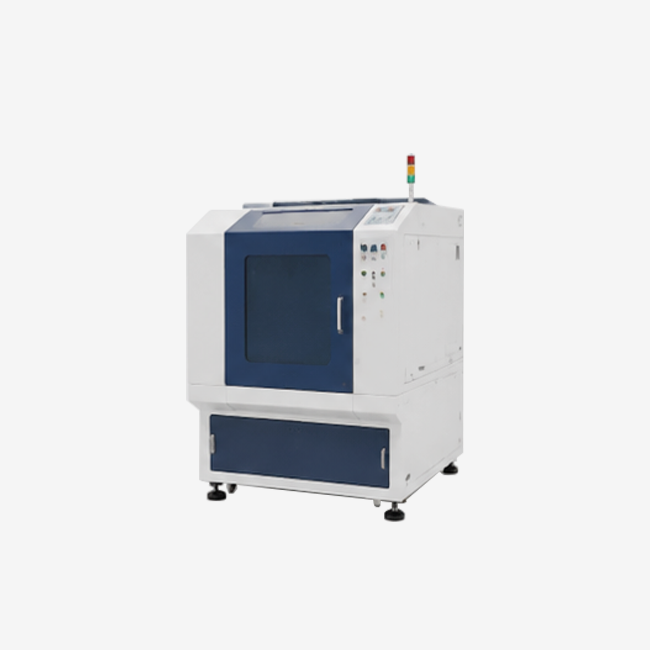
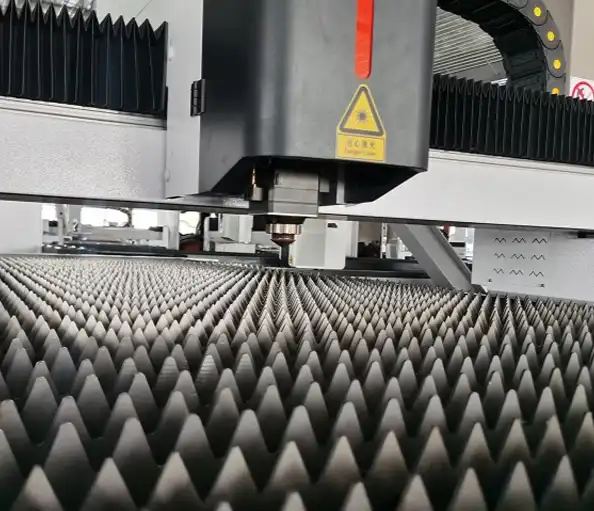
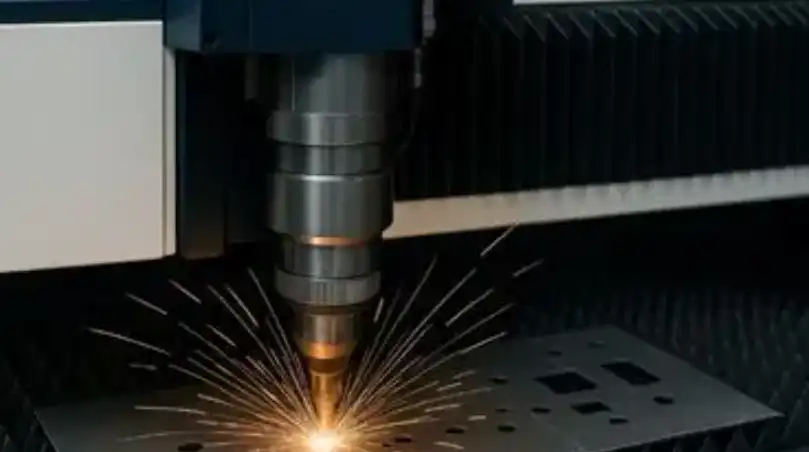
The secure cover makes a sealed space where the fiber laser beam is created and focused using high-tech lenses before hitting the workpiece. Helping gases like nitrogen or oxygen work with the laser energy inside this cylinder to make clean cuts in metals made of copper, carbon steel, stainless steel, and carbon steel. The enclosure keeps the laser radiation inside, which is why these tools have Class 1 safety grades that mean no one in the surrounding work areas needs to wear safety glasses.
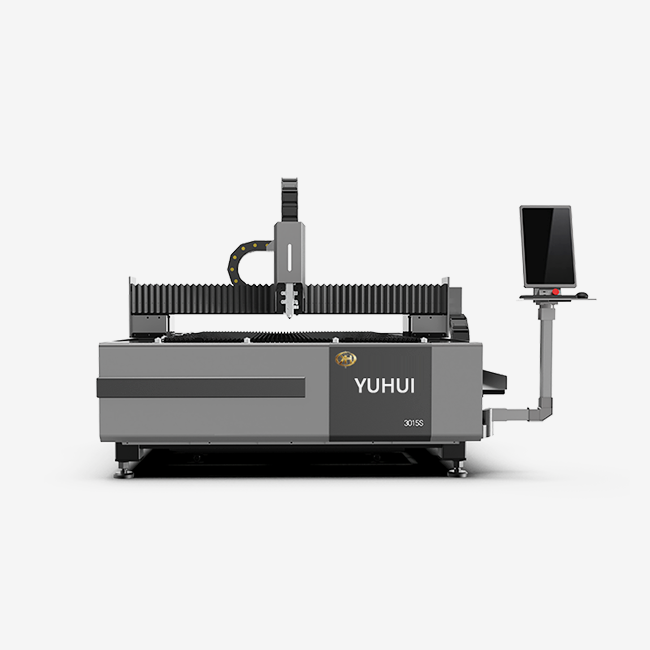
Stability at low and high temperatures is very important for keeping limits tight. The cover keeps air currents and dust out of the cutting zone, which could mess up the beam delivery. This controlled environment helps machines like Yuhui Laser's YH-series keep their repeat setting accuracy of ±0.02mm even during long production runs. The secure case has a dual-circuit cooling system that handles heat from both the laser source and the cutting head. This stops thermal drift, which could affect the accuracy of measurements on complicated parts.
Noise and Emission Management
There are strict rules about noise levels and air quality in industrial sites. Covered fiber laser devices deal with both problems at the same time. When compared to open setups, the enclosure lowers working noise levels by 15 to 20 decibels. This makes the workplace more relaxed and helps facilities meet OSHA standards. Integrated multi-zone dust removal exhaust systems collect metal particles and fumes where they come from and send them through filter systems before letting them out into the air. This method of containment keeps workers and close equipment safe from pollution that could lead to maintenance problems.
Comparing Fiber Laser Cutting Machines: With Cover vs Without Cover and Other Laser Types
Covered and open fiber laser cutting tools, as well as other options like CO2 lasers, must be weighed by business buyers. Covered machines have a lot of benefits when it comes to safety, noise reduction, and environmental compliance. They also often cut better and cost less.
Safety and Regulatory Compliance
Open fiber laser systems need safety measures at the building level, like laser-safe walls, warning systems, and everyone who works near the cutting area having to wear protective gear. Most of these rules don't have to be followed with covered systems because the danger is contained within the high-precision fiber laser cutting machine with cover itself. This difference is especially important for businesses that work in cities or shared industrial places where strict safety rules slow down workflow. Yuhui Laser's enclosed types have CE certification, which means they meet European safety standards. This makes the approval process easier for dealers who serve more than one market.
Performance Characteristics
In a number of ways, fiber laser technology is better than standard CO₂ lasers. Fiber systems are about 30–40% more efficient than CO₂ systems at turning electricity into laser output, which directly translates to lower running costs. Fiber lasers don't need as much upkeep as CO2 lasers do because they are solid-state. They don't need gas refills, mirror adjustments, or laser tube replacements. Newer fiber lasers with back-reflection safety units can safely cut reflective materials like aluminum and brass, while older technology often had trouble with these tough jobs.
The sealed form makes cutting thin materials better in particular. Covered systems get better edge finishes with less dross formation because they keep air from moving around the cutting zone. This benefit is very important when working with parts that will be used in medical device housings or computer casings, where extra finishing steps cost a lot.
Leading 2026 Models
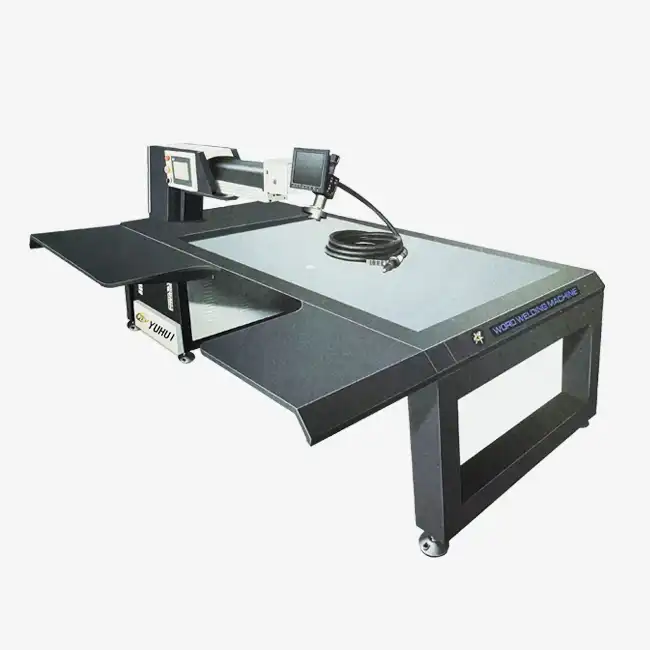
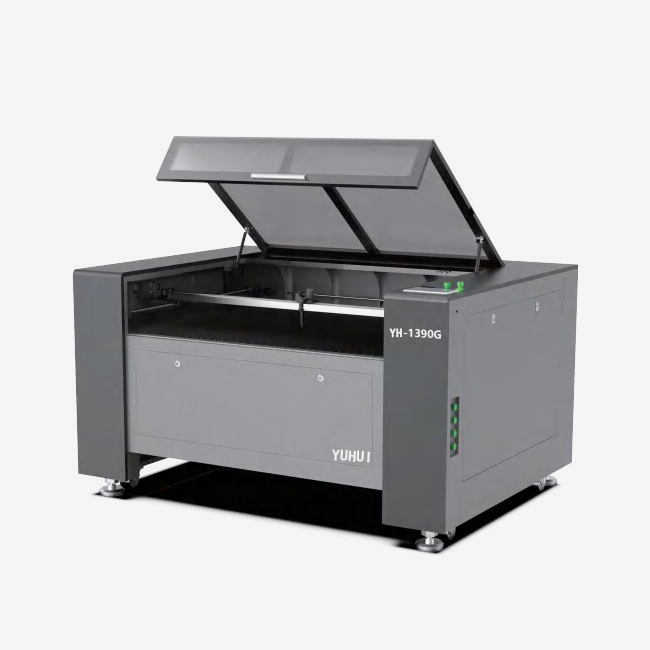
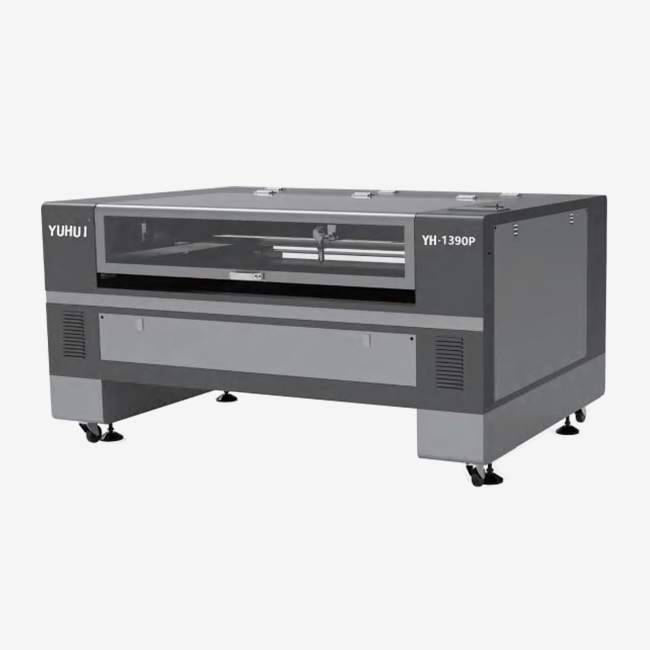
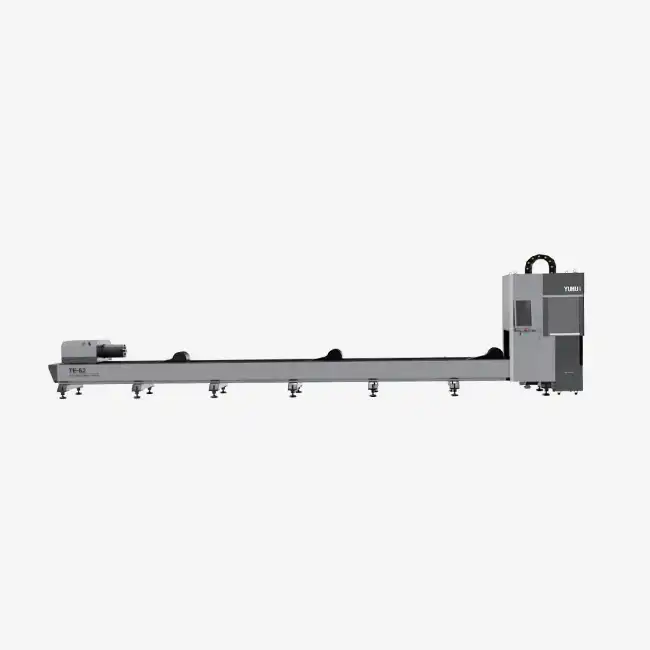
Several companies have made small, sealed fiber laser systems aimed at the precision production market. The YH-2030, YH-6060, YH-8080, and YH-1309 types from Yuhui Laser are great examples of this group. They have working areas ranging from 200x300mm to 1300x900mm and laser power from 800W to 3000W. These machines can move at 30m/min and can accelerate up to 0.5G. They have the speed and power to handle both complex designs and thicker materials. The three-axis high-precision screw module structure is what makes them so accurate, and the built-in CCD edge recognition system makes them more useful in a wider range of situations by automatically adjusting for changes in material placing.
Procurement Considerations: How to Choose and Buy the Right Fiber Laser Cutting Machine with Cover
To choose the best fiber laser cutting machine, you need to make sure that its technical specs match your business needs and safety standards. This part helps B2B buyers set clear guidelines for purchases to make sure operating efficiency and return on investment (ROI) are met.
Defining Technical Requirements
First, look at your output mix. The laser power and working area needed depend on the type of material, the range of thicknesses, and the complexity of the part. A 1000W fiber laser can easily cut 3mm stainless steel, but it has trouble with 10mm carbon steel. For that, a 3000W laser is needed. Small-format machines like the YH-2030 are good for places that make medical tools, electronics, or jewelry, where small details are more important than having a lot of plates. On the other hand, the YH-1309 model's 1300x900mm work envelope is good for car providers who need to cut battery trays or structural braces.
Pay close attention to the positioning precision requirements. Precision parts help Yuhui Laser achieve positioning accuracy of ±0.03mm and repeat positioning accuracy of ±0.02mm. This lets them make parts where measurement errors directly affect the quality of assembly. Hardware companies that make locks, latches, or locking systems need this level of accuracy to make sure that thousands of units all fit the same way.
Evaluating Supplier Reliability
Long-term success with workplace laser equipment depends a lot on how well the provider can support it. Look into the manufacturer's service system, such as how quickly expert help responds, whether spare parts are available, and whether there are training programs. Yuhui Laser's 450-day after-sales service time is longer than the norm in the industry. This gives customers more safety during the important production ramp-up phase, when operators get better and production processes settle down.
Yuhui Laser's 14-day lead time, which is made possible by its big inventory, solves a problem that many growing companies face. Long delivery delays mess up production plans and miss out on income possibilities when capacity is increased or old equipment is replaced. When you buy directly from the factory, you don't have to pay the markups that distributors do. You also get the latest technology instead of old stock that some middlemen might have.
Total Cost of Ownership Analysis
The price of buying something is only one part of how much it will cost over its lifetime. The amount of energy used changes a lot between models and makers. The fiber laser has a basic advantage in that it is more efficient, but there are differences in how the cooling system is designed, the control electronics, and the idle power usage. To make accurate cost estimates, you should ask for real details on how much power is used in each operating mode.
Consumables like protected glasses, nozzles, and assist gases add to the ongoing costs. Enclosed systems usually have longer useful lives because they keep parts from getting contaminated by the surroundings. The THF4 military-grade lens that Yuhui Laser uses shows the level of quality that affects how often it needs to be replaced and how well it works every time.
Maintaining and Optimizing Your Fiber Laser Cutting Machine with Cover
High-precision fiber laser cutting machines with covers need careful maintenance to keep working well and last a long time. This part talks about important maintenance tasks that can be done to cut down on downtime and expensive fixes.
Daily and Weekly Maintenance Tasks
Every day, operators should check the protected windows for dust buildup or burn spots that mean the beam isn't aligned correctly. The sealed design keeps cutting waste in known places, which makes cleaning easier than with open systems, where waste is spread out over more space. As part of weekly checks, the gas pressure settings should be confirmed, the cutting head parts should be checked for wear, and the exhaust system suction should keep the flow rates that were set.
According to the manufacturer's instructions, the precision screw modules that move the three directions on models like Yuhui's YH-series need to be oiled from time to time. Not lubricating enough speeds up wear and causes backlash, which makes setting less accurate. Lubricating too much, on the other hand, attracts dust, which works as an abrasive compound. By following the maintenance plan, you can keep the repeat positioning accuracy of ±0.02mm, which is why you bought high-precision tools in the first place.
Calibration and Performance Verification
Linear placement accuracy across the whole working range is checked once a month with a laser interferometer. This testing method finds mechanical wear or heat distortion before they hurt the quality of the part. The advanced models come with a CCD edge cutting system that gives real-time feedback on how well the cutting is going. This system lets workers know about any changes that could mean that the optics are dirty or the focus point has moved.
When makers release new versions of their software, it often comes with better cutting settings, more automated features, or the ability to work with new materials. Setting up a regular update process will make sure that your equipment keeps up with changes in the industry. Yuhui Laser offers technical training that includes both fixing machines and using software. This helps the company become less reliant on outside service providers.
Future Trends and Innovations in Fiber Laser Cutting Machines with Cover
New technologies that improve accuracy, automation, and connection are quickly changing the fiber laser cutting business. This part talks about the progress made in response to tougher global rules on safety and pollution.
Intelligent Systems and Connectivity
Diagnostics powered by AI are the next big thing in making sure that technology works well. Modern systems keep an eye on the quality of the cuts in real time and change the settings automatically to account for changes in the material or wear on the consumables. These adaptive settings lower the amount of scrap while requiring workers to do less work. Integration of IoT devices allows for online tracking and planning of preventative maintenance, which lets service teams deal with problems as they arise before they stop production.
As industries become more digital, manufacturers are moving toward fully networked production environments. In these settings, equipment talks to enterprise resource planning systems, which update inventory, plan upkeep, and keep track of output measurements. These Industry 4.0 setups work perfectly with covered fiber laser systems that have smart control features. This gives modern makers the data transparency they need.
Sustainability and Environmental Compliance
Environmental laws are getting stricter all over the world, especially when it comes to the air quality in workplaces and how much energy is used. The enclosed form makes covered fiber laser systems more likely to meet future standards without having to be retrofitted at the building level. Industry leaders are working on better fume extraction systems that use less energy and filter better at the same time.
The market is expected to keep growing through 2026, thanks to efforts to bring industry back to the United States. This is especially true in North America, where companies are rebuilding their production facilities there. Small, enclosed systems that can do industrial work without a lot of building infrastructure help this trend along by letting smaller makers use advanced production technology.
Conclusion
In 2026, buying a high-precision fiber laser cutting machine with a cover is a big choice that will affect how much can be produced, how safe the workplace is, and how competitive the company will be in the long run. The enclosed design has real benefits for protecting operators, protecting the environment, and maintaining consistent cutting quality. These benefits make the initial investment worth it because they lower running costs and improve part quality. The YH-series models from Yuhui Laser show how small footprints, high accuracy, and smart features can work together to meet the changing needs of metal makers, companies that make precision parts, and wholesalers who are adding new products to their lines. The 14-day lead time, 450-day after-sales service, and factory-direct prices all take into account the real issues that purchasing managers have when they need to choose suppliers for industrial equipment.
FAQ
Why is the protective cover necessary for high-power fiber lasers?
The cover protects against Class 1 laser safety, keeping dangerous metal particles inside and stopping eye damage and skin burns from mirrored beams. This enclosure gets rid of the need for laser walls at the building level and lets people move freely around the machine while it's running, which speeds up the work process. The cover also keeps the temperature around the precise optics stable, which keeps the beam quality and the accuracy of the measurements.
Can enclosed fiber laser systems cut reflective materials safely?
Back-reflection protection units are built into modern enclosed fiber laser cutting tools to keep them from breaking when they work with brass, aluminum, and copper. When these materials aren't secured, the laser energy at certain bands could damage the fiber source. Any mirrored energy inside the machine is contained by the protective housing. If safety circuits detect unsafe levels of reflection, they instantly change the power or end the cut.
What maintenance cycle should facilities plan for protective windows?
Protective windows need to be looked at every day for dust buildup and burn spots that show problems with beam alignment. How often you clean it depends on the type of material and how much you cut. For heavy steel production, you should clean it once a week, and for lighter grade stainless steel work, you should clean it once a month. Replacement is needed when burn spots show up that cleaning can't get rid of. This usually happens every 6 to 18 months, but it depends on how often you use it and how well you take care of it.
Partner with Yuhui Laser for Your Precision Cutting Needs
With CE and ISO certifications, Yuhui Laser is a high-precision fiber laser cutting machine with a cover manufacturer that offers affordable options. Our YH-series models have working areas ranging from 200x300 mm to 1300x900 mm and laser power of 800-3000 W. They use military-grade THF4 optics and precision screw module construction to achieve repeatable placement accuracy of ±0.02 mm. Our large inventory allows us to meet 14-day production wait times, and our 450-day after-sales service saves your investment with long-term technical support. Our customization options include everything from changing the structure to integrating software. We help OEM partners and automation developers by providing unique solutions. Get in touch with our team at jianghui@yuhui-laser-tech.com to talk about your needs and find out how factory-direct price gives wholesalers, metal processors, and precision manufacturers the best value. You can find out more about the product and set up a demonstration by going to yuhui-laser-tech.com.
References
1. American Welding Society (2025). "Safety Standards for Laser Cutting Operations in Manufacturing Environments." AWS Industrial Safety Handbook, Vol. 12.
2. Chen, L. & Martinez, R. (2025). "Comparative Analysis of Fiber and CO₂ Laser Systems for Metal Fabrication." Journal of Manufacturing Technology, 48(3), 234-251.
3. International Laser Safety Association (2026). "Class 1 Laser System Certification Requirements and Testing Protocols." ILSA Technical Report 2026-02.
4. Manufacturing Technology Research Institute (2025). "Total Cost of Ownership Analysis for Industrial Laser Cutting Equipment." MTRI Industry Report Series.
5. National Institute of Standards and Technology (2025). "Precision Measurement Techniques for CNC Machine Tool Calibration." NIST Special Publication 1800-24.
6. Williams, J. (2026). "Emerging Trends in Industrial Laser Technology: AI Integration and Predictive Maintenance." Advanced Manufacturing Quarterly, 15(1), 67-82.
Contact us directly for customized solutions, quotations and long-term strategic cooperation.