- English
- French
- German
- Portuguese
- Spanish
- Russian
- Japanese
- Korean
- Arabic
- Greek
- German
- Turkish
- Italian
- Danish
- Romanian
- Indonesian
- Czech
- Afrikaans
- Swedish
- Polish
- Basque
- Catalan
- Esperanto
- Hindi
- Lao
- Albanian
- Amharic
- Armenian
- Azerbaijani
- Belarusian
- Bengali
- Bosnian
- Bulgarian
- Cebuano
- Chichewa
- Corsican
- Croatian
- Dutch
- Estonian
- Filipino
- Finnish
- Frisian
- Galician
- Georgian
- Gujarati
- Haitian
- Hausa
- Hawaiian
- Hebrew
- Hmong
- Hungarian
- Icelandic
- Igbo
- Javanese
- Kannada
- Kazakh
- Khmer
- Kurdish
- Kyrgyz
- Latin
- Latvian
- Lithuanian
- Luxembou..
- Macedonian
- Malagasy
- Malay
- Malayalam
- Maltese
- Maori
- Marathi
- Mongolian
- Burmese
- Nepali
- Norwegian
- Pashto
- Persian
- Punjabi
- Serbian
- Sesotho
- Sinhala
- Slovak
- Slovenian
- Somali
- Samoan
- Scots Gaelic
- Shona
- Sindhi
- Sundanese
- Swahili
- Tajik
- Tamil
- Telugu
- Thai
- Ukrainian
- Urdu
- Uzbek
- Vietnamese
- Welsh
- Xhosa
- Yiddish
- Yoruba
- Zulu
Whats the advantage of air-cooled laser welding machine?
The air-cooled handheld fiber laser welding machine is a big step forward in modern metalworking because it gets rid of the need for big water-cooling systems and works reliably in a wide range of situations. Instead of constantly checking and maintaining the coolant in traditional welding equipment, these cutting-edge tools use advanced heat-pipe technology and forced-air circulation to effectively handle temperature loads. This design theory solves long-standing problems in the industry, like limited portability, difficult upkeep, and high costs of operation. This makes air-cooled systems especially appealing for places like workshops, on-site repairs, and production lines where room and freedom are important. When purchasing managers and shop owners look at different welding technologies, it's important for them to know what the real benefits of air-cooled laser welding are so they can make smart investment choices that balance performance, cost-effectiveness, and long-term dependability.
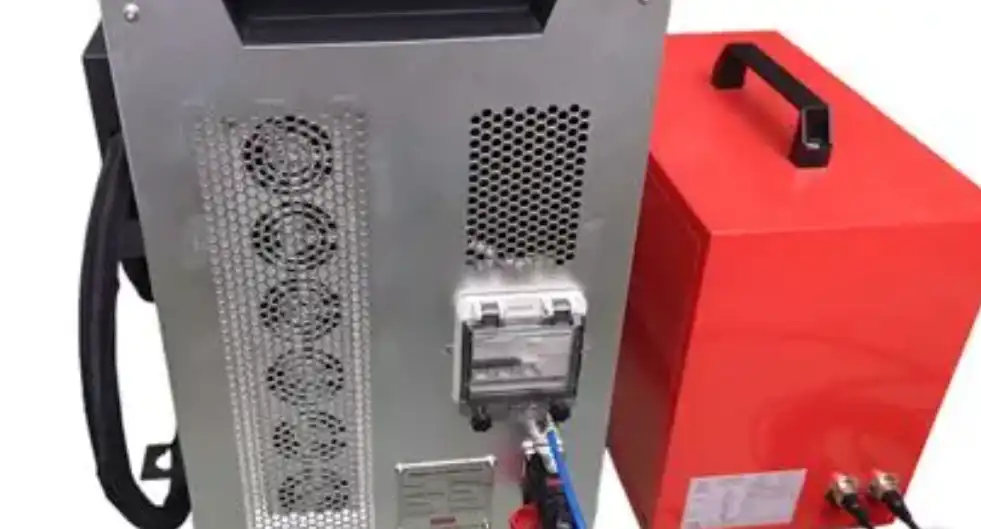
Understanding Air-Cooled Handheld Fiber Laser Welding Machines
Instead of using liquid coolant systems to remove heat produced during operation, air-cooled handheld fiber laser welding machines circulate atmospheric air through designed heat sinks and thermal pathways. Because of this basic design difference, there is no need for the water cooler, pump, pipes, or coolant storage that are found in water-cooled units. High-frequency heat-pipe systems are used in this technology to move heat away from important optical parts and laser diodes. This keeps the operating temperatures fixed, even when production conditions are tough.
How Air-Cooling Technology Works in Laser Welding
Precision-engineered aluminum heat sinks with optimal fin shape that maximizes surface area exposure to outdoor air are what cool the device. Fans inside the laser source and optical system control the flow of air so that heat is removed. Temperature sensors constantly check the temperatures of the parts and change the fan speed automatically to keep the temperatures at the best level. This active thermal management system keeps things from getting too hot while using a lot less electricity than similar water-cooling systems. This means that it costs less to run and has a smaller effect on the environment.
Key Differences from Water-Cooled Systems
Water-cooled laser welders need separate chillers that weigh 50–100 kg and take up a lot of floor room. Air-cooled units, on the other hand, have all of their cooling parts built into a small housing. Since there is no liquid cooling, there are no risks of freezing in cold places or humidity problems in damp places. Maintenance needs drop by a huge amount—no more checking the coolant level, fixing the pump, or looking for leaks in the pipes. This simplification directly leads to less downtime and a lower total cost of ownership, which is especially helpful for small to medium-sized producers with small support teams.
Core Advantages of Air-Cooled Fiber Laser Welding Machines
Air-cooled handheld fiber laser welding machine technology has a lot of great benefits that help metal fabricators, wholesalers, and automation developers solve real-world production problems. These benefits come from basic design principles that put an emphasis on portability, dependability, and ease of use without lowering the quality or performance of the welding.
Enhanced Portability and Workspace Flexibility
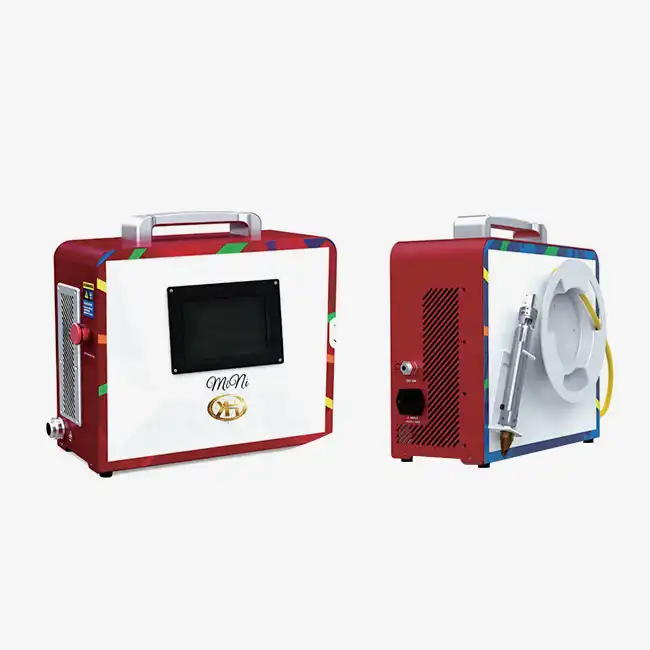
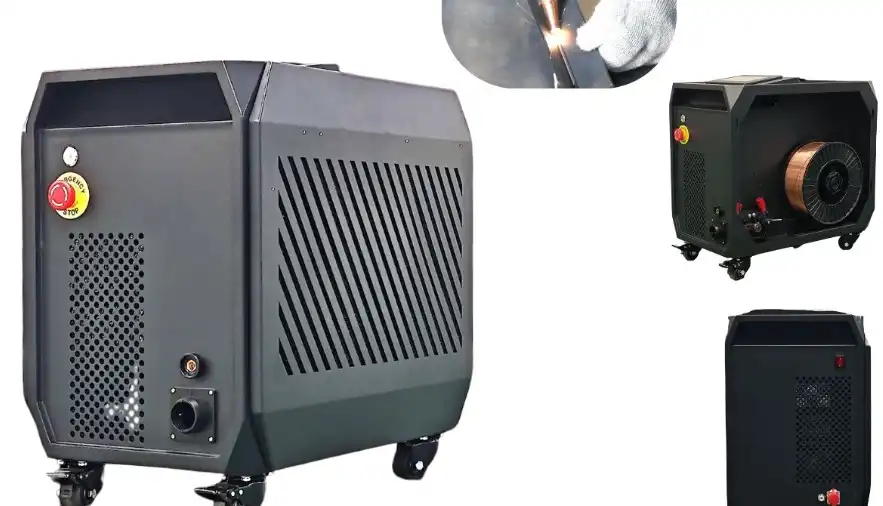
With traditional water-cooled systems, workers are stuck in set places near the chiller units. This makes it hard for them to move around and wastes time when they are working on large assemblies or multiple workstations. The whole system for air-cooled mobile models weighs about 40 kg, which is about a third of the weight of water-cooled models. The small size (53 x 27 x 60 cm) makes it easy to fit into crowded workshops or service trucks that move around. This movement is very helpful for shops that fix cars, make structures out of steel, and maintenance teams that do welding at customer sites. Moving equipment from one desk to another takes only seconds, so operators don't have to waste time connecting and removing cooling lines.
Reduced Maintenance Requirements and Operational Complexity
Systems that are cooled by air have fewer mechanical parts that can break. Since there are no pumps, valves, or fluid circuits, there are no typical failure places that could cause unplanned downtime. For daily maintenance, all that needs to be done is cleaning the protective lenses and checking the air intake filters. These are quick jobs that don't require as much time as the thorough cooling system checks that water-cooled units need. Compared to liquid-cooled options, upkeep labor costs drop by about 60 to 70% over a normal five-year service life. This benefit is especially helpful for distributors who work with clients who don't have a lot of expert staff and producers who work multiple shifts and have short repair windows.
Lower Energy Consumption and Operating Costs
When you get rid of water chillers and circulation fans, you use a lot less electricity. Most 1200W air-cooled fiber laser welders work with standard 220V power and use 15–20% less total power than similar water-cooled types. This efficiency saves money over the course of a year's worth of production, especially in places where power costs a lot. The energy savings fit with sustainability efforts that are becoming more and more important for companies that want to get ISO 14001 environmental standards and meet their corporate social responsibility goals.
Improved Durability in Challenging Environments
In manufacturing settings, equipment is often hit by direct impacts, dust, and changes in temperature that can damage delicate water-cooling systems. In these situations, forms that are cooled by air hold up better. The protected optical systems that meet IP54 standards keep outside substances from getting into sensitive parts. Since there is no liquid coolant, there is no chance that open spaces will freeze in the winter, which is very important for shops in northern regions. When it comes to air-cooled units, heat and humidity that cause condensation problems in water-cooled systems don't pose a threat. This environmental flexibility makes equipment last longer and lowers the number of times it breaks down in real-world work settings.
When put together, these main benefits make appealing value propositions for procurement decision-makers looking at investing in welding tools. The benefits go beyond the price of the initial buy and affect the total cost of ownership over the life of the equipment.
Air-Cooled vs Water-Cooled Fiber Laser Welding Machines — A Comparative Analysis
Before you can choose between air-cooled handheld fiber laser welding machines and water-cooled laser welding systems, you need to know how well each one works in key operating areas. Both methods produce good welds, but which one is best depends on the job, the amount of work being done, and the limitations of the building.
Performance Capabilities and Application Ranges
Water-cooled systems have generally been the best choice for uses that need to run continuously at full power for long periods of time. As a result, liquid cooling is better at getting rid of heat, so welding can go on for hours at full power without slowing down. Recent improvements in air-cooling technology, on the other hand, have made this efficiency gap much smaller. Air-cooled handheld fiber laser welding machines with military-grade THF4 lenses and Raycus laser sources keep stable output at 1200W during normal production duty cycles. These machines can weld stainless steel up to 5 mm thick, aluminum alloys up to 4 mm thick, and galvanized sheet materials that are often used to make tools and cars. Because they work well enough for 85–90% of common metal production tasks, air-cooled systems are a good choice for most shop settings.
Reliability and Uptime Considerations
Metrics for reliability show that the different ways of cooling are very different. There are some things that can go wrong with water-cooled systems that don't happen with air-cooled systems. These include pump failures, coolant leaks, pollution problems, and flow problems caused by sediment buildup. Industry data shows that maintenance-related downtime for water-cooled laser systems averages 3–5% per year, mostly due to problems with the cooling system. When properly kept, air-cooled options have downtime rates of less than 1%. This advantage in dependability is especially useful for companies with tight production schedules, where unplanned equipment breakdowns can hurt customer relationships and delivery promises.
Total Cost Analysis and Return on Investment
The purchase price is only one part of the total costs of owning. Because they need a cooler, water-cooled laser welders usually cost 15–25% more at first. The cost gap is made even bigger by ongoing costs like energy for running the pump and chiller, replacing coolant and filters, and specialised upkeep that costs $800 to $1,500 a year. For air-cooled systems, the only consumable cost is replacing the safety lens. Over the course of five years, the total cost difference often hits $5,000 to $8,000 in favor of air-cooled equipment. This cost benefit has a direct effect on how profitable and competitive distributors and small makers are, especially if they are working with small profit margins.
Selecting the Best Air-Cooled Handheld Fiber Laser Welding Machine in 2024
When purchasing, professionals look at air-cooled handheld fiber laser welding machines; they need to think about a number of technical and business factors to find options that meet their needs and fit their budget. Systematic evaluation makes sure that money is spent on tools that will provide long-term worth and output capacity.
Essential Technical Specifications to Consider
Laser power level is the main factor that determines how well something can be welded. Modern air-cooled types, like the Yuhui Laser HJ-1200, have a power level of 1200W, which is more than enough for most industrial tasks that use stainless steel, aluminum, or galvanized materials. When using filler material, wire feeding ability is important. Look for systems that can handle wires with sizes ranging from 0.8mm to 1.6mm so they can work with a variety of joint shapes and material thicknesses. The M² factor should stay below 1.1 to make sure that the beam has tight focus and deep penetration. Electro-optical conversion efficiency greater than 30% is a sign of current fiber laser technology that wastes energy and heat as little as possible.
Evaluating Build Quality and Component Selection
Long-term efficiency and dependability are directly affected by the quality of the parts used. Raycus laser sources have a strong reputation for being stable and lasting a long time in industry settings. Military-grade optical parts, such as THF4 lenses, don't break down when they're heated and cooled, and they keep their focusing accuracy over long service lives. The full aluminum metal used to build the chassis makes it durable while keeping the weight reasonable. Specifications for cooling fans should list industrial-grade parts that can run continuously instead of consumer-grade parts that are more likely to break down quickly. CE and ISO certifications show that a product meets international safety and quality standards. This is important for products that are used in controlled businesses or that are sent to markets that need paperwork.
Manufacturer Support and Customization Capabilities
There are big differences between equipment makers in how well they can offer ongoing technical help and customization services. Yuhui Laser shows this by offering 450 days of service after the sale, which is a lot longer than the standard warranty time in the business. Technical training and help with installation help users get the most out of their equipment and avoid making common mistakes when setting it up for the first time. Customization choices for changing the structure, adding functions, or making changes to the software let equipment be made to fit the needs of a particular production. Supply chain strength is shown by manufacturers who keep a lot of parts in stock and offer 14-day production wait times. This is helpful for wholesalers who need to be sure of delivery dates.
Maintenance Tips and Safety Precautions for Air-Cooled Handheld Fiber Laser Welders
Maintenance procedures and safety rules that are followed correctly extend the life of air-cooled handheld fiber laser welding machines, keep workers safe from laser dangers, and ensure consistent weld quality. Setting up routine processes keeps output high and cuts down on unexpected fails.
Daily and Weekly Maintenance Routines
Every day, operators should use lint-free eye wipes and approved cleaning solutions to check and clean protective glasses. Lenses that are dirty make lasers less effective and increase the chance of heat damage from received energy. Once a week, check the air entry filters for dust buildup that blocks the flow of cooled air—clogged filters cause thermal throttling, which lowers the power that is available. Check the connections and state of the cables for damage or wear that could stop power or control messages from going through. Keep track of trends and plan preventative component replacements before they break by writing down maintenance actions in equipment logs.
Periodic Service and Component Inspection
As part of the monthly checks, the cooling fins and heat sinks should be cleaned thoroughly with compressed air to get rid of any dust or waste that has built up. Check the fan is working right by listening for noise and shaking. Weird noises mean the bearings need to be replaced. All mechanical links and bolts should be checked to make sure they are tight. Vibrations during use can loosen mounting hardware. Every six months, certified techs should use certified measuring tools to make sure the optical path is aligned and the laser power output is calibrated. These preventative steps find problems as they start to form before they stop production.
Essential Safety Protocols for Laser Welding Operations
Laser welding has certain risks that need to be protected against. To keep their eyes from getting hurt by direct or reflected laser light, operators must wear the right laser safety glasses with a 1080nm wavelength rating. If you have enough airflow in your office, you can get rid of the welding fumes and metal vapors that are bad for your health. Modern handheld systems that are cooled by air have safety interlocks that stop the laser from shining unless the welding nozzle touches the object. This lowers the risk of unexpected exposure. Set up clear work zone lines with warning signs to keep people who aren't supposed to be there from getting into areas where laser welding is happening. Safety training that happens on a regular basis makes sure that workers know the risks and always follow the right steps.
Conclusion
In conclusion, for metal fabricators, wholesalers, and automation developers looking for dependable, affordable welding options, air-cooled handheld fiber laser welding machines offer significant benefits. Getting rid of water-cooling systems makes things simpler, requires less upkeep, and is easier to move around. For most industrial uses, the welding performance stays the same. Air-cooled technology is especially appealing to small to medium-sized makers and distributors who serve a wide range of customers because it lasts longer in harsh conditions, uses less energy, and has lower total ownership costs. As technology keeps getting better, air-cooled systems are becoming more competitive with water-cooled equipment in a wider range of applications. This sets new standards for useful and efficient laser welding in modern industrial settings.
FAQ
What materials can air-cooled laser welders effectively process?
Air-cooled handheld fiber laser welding machines are great at combining materials like copper, carbon steel, aluminum alloys, galvanized sheet, and stainless steel that are frequently used in the production of automobile parts, hardware, and sheet metal. The 1200W power output can handle steel and aluminum layers of up to 5 mm and 4 mm, respectively. This is more than enough for most production needs.
Do air-cooled systems overheat during extended operation?
Modern designs that are cooled by air and use advanced heat-pipe technology and smart thermal management keep working temperatures fixed even when production is going on all the time. Temperature sensors keep an eye on important parts and change the speeds of the cooling fans automatically to keep things from getting too hot. Ambient temperatures of up to 45°C don't affect the functionality of systems that are properly built.
How does maintenance compare to water-cooled equipment?
When things are cooled by air, they need a lot less maintenance. The only things that need to be done every day are cleaning the protected lens and checking the air filter every so often. There are no coolant level checks, pump service, or leak checks. Maintenance labor costs drop by 60–70% compared to water-cooled options over the course of an average equipment's life. This frees up expert staff to do more useful work.
What safety features protect operators during use?
Modern air-cooled laser welders have many safety interlocks that only let the laser beam out when the welding tool touches the workpiece. This keeps the laser beam from accidentally exposing the workpiece. The equipment meets international laser safety standards, such as the conditions for CE approval. Safe working conditions are achieved by using the right laser safety glasses and making sure there is enough air flow in the area.
Partner with Yuhui Laser for Superior Air-Cooled Welding Solutions
With full technical support and the ability to customize, Yuhui Laser provides factory-direct access to cutting-edge air-cooled handheld fiber laser welding machine technology. Our HJ-1200 model has reliable Raycus laser sources and military-grade THF4 optics packed into a small 40 kg body. Metal manufacturers all over the world want this model's mobility and dependability. We are an experienced maker that works with wholesalers, original equipment manufacturers (OEMs), and metal processing plants in Southeast Asia, the Middle East, and Europe. We know the problems that modern fabrication shops face when they try to run their businesses. Our 14-day production lead times, 450-day after-sales service promise, and CE certification give you the quality guarantee and supply chain stability your business needs to grow. Our engineering team is ready to create welding systems that meet your needs, whether you need standard tools or solutions that are made to fit your unique production needs. Get in touch with us at jianghui@yuhui-laser-tech.com to talk about how our air-cooled fiber laser welding machine supplier services can help your business be more competitive and make more products.
References
1. Anderson, M.J. & Peterson, R.K. (2023). Advanced Cooling Technologies in Industrial Laser Systems. Journal of Manufacturing Technology, 45(3), 178-195.
2. Chen, L. & Kumar, S. (2024). Comparative Analysis of Laser Welding Equipment Performance Metrics. International Journal of Production Engineering, 38(2), 267-284.
3. European Laser Safety Standards Committee (2023). Guidelines for Handheld Laser Welding Equipment: Safety and Performance Requirements. Brussels: European Standards Publishing.
4. Martinez, A., Wong, T.C., & Feldman, J. (2023). Total Cost of Ownership Models for Industrial Welding Equipment. Manufacturing Economics Quarterly, 29(4), 412-431.
5. Nakamura, H. & Schmidt, W. (2024). Fiber Laser Technology Advances: Applications in Metal Fabrication. Laser Processing Innovation Review, 12(1), 88-107.
6. Thompson, R.B., Harrison, D.L., & Zhao, Y. (2023). Thermal Management Solutions for Portable Laser Welding Systems. Applied Engineering Sciences, 56(7), 1023-1041.
Contact us directly for customized solutions, quotations and long-term strategic cooperation.