- English
- French
- German
- Portuguese
- Spanish
- Russian
- Japanese
- Korean
- Arabic
- Greek
- German
- Turkish
- Italian
- Danish
- Romanian
- Indonesian
- Czech
- Afrikaans
- Swedish
- Polish
- Basque
- Catalan
- Esperanto
- Hindi
- Lao
- Albanian
- Amharic
- Armenian
- Azerbaijani
- Belarusian
- Bengali
- Bosnian
- Bulgarian
- Cebuano
- Chichewa
- Corsican
- Croatian
- Dutch
- Estonian
- Filipino
- Finnish
- Frisian
- Galician
- Georgian
- Gujarati
- Haitian
- Hausa
- Hawaiian
- Hebrew
- Hmong
- Hungarian
- Icelandic
- Igbo
- Javanese
- Kannada
- Kazakh
- Khmer
- Kurdish
- Kyrgyz
- Latin
- Latvian
- Lithuanian
- Luxembou..
- Macedonian
- Malagasy
- Malay
- Malayalam
- Maltese
- Maori
- Marathi
- Mongolian
- Burmese
- Nepali
- Norwegian
- Pashto
- Persian
- Punjabi
- Serbian
- Sesotho
- Sinhala
- Slovak
- Slovenian
- Somali
- Samoan
- Scots Gaelic
- Shona
- Sindhi
- Sundanese
- Swahili
- Tajik
- Tamil
- Telugu
- Thai
- Ukrainian
- Urdu
- Uzbek
- Vietnamese
- Welsh
- Xhosa
- Yiddish
- Yoruba
- Zulu
How does a laser glass sandblasting machine work?
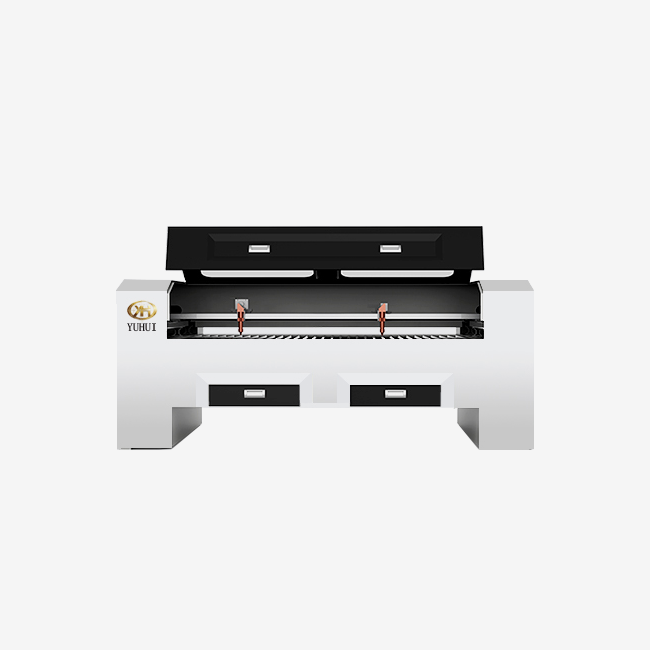
Focused laser energy is used by a high-precision, CNC-controlled industrial device called a "Laser Glass Sandblasting Machine" to make frosted, textured, or carved surfaces on glass. In standard sandblasting, abrasive particles are blasted under high pressure. This technology, on the other hand, uses laser bursts to remove microscopic layers of the glass surface without touching it. The machine uses either CO₂ or fiber laser sources, led by galvanometer scanners or CNC motion systems, to make intricate designs and even frosting that is very easy to repeat. This method gets rid of dust pollution, cuts down on waste, and keeps fragile glass from breaking under stress, which can happen with mechanical grinding methods.
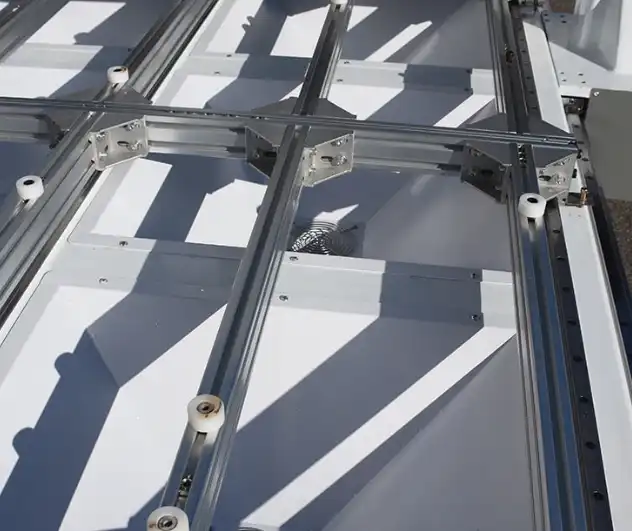
Understanding How Laser Glass Sandblasting Machines Work
The main idea behind painting glass with a laser is that photons absorb energy at the surface of the glass. When the laser beam hits the material, it quickly heats up and evaporates a thin layer, making a controlled micro-roughness that looks like frost. Several elements that are all connected and work together to control this process.
Key Components of the System
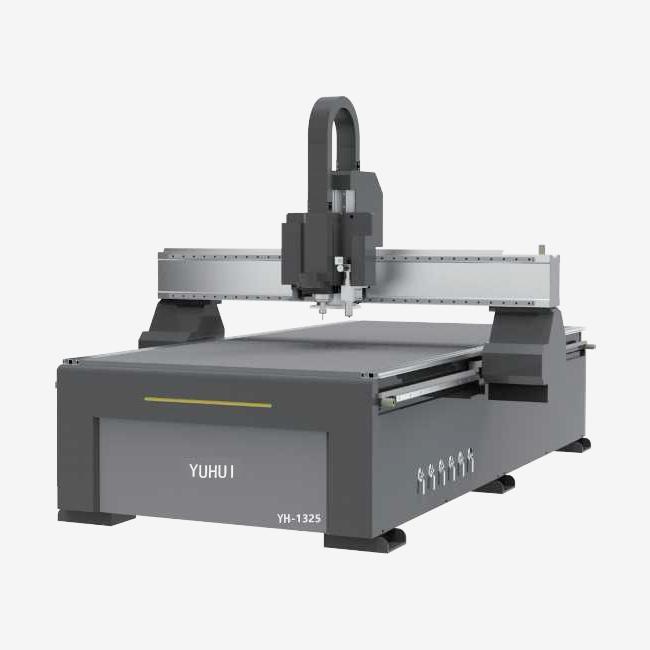
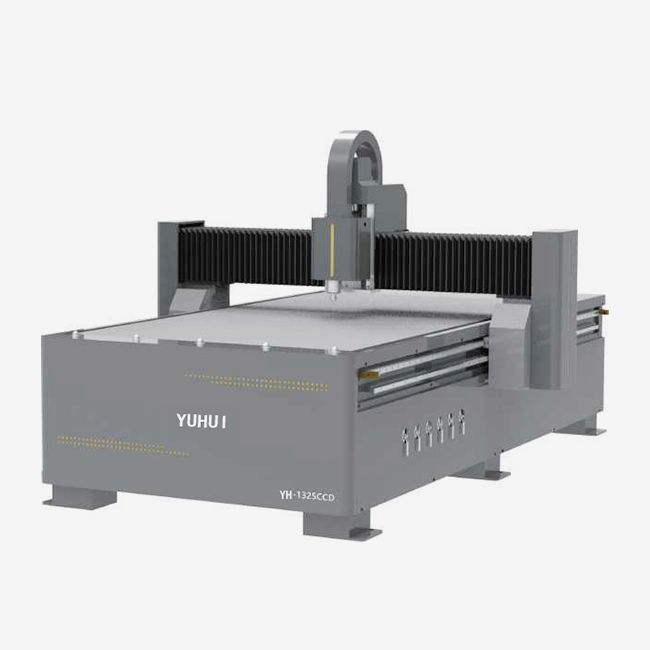
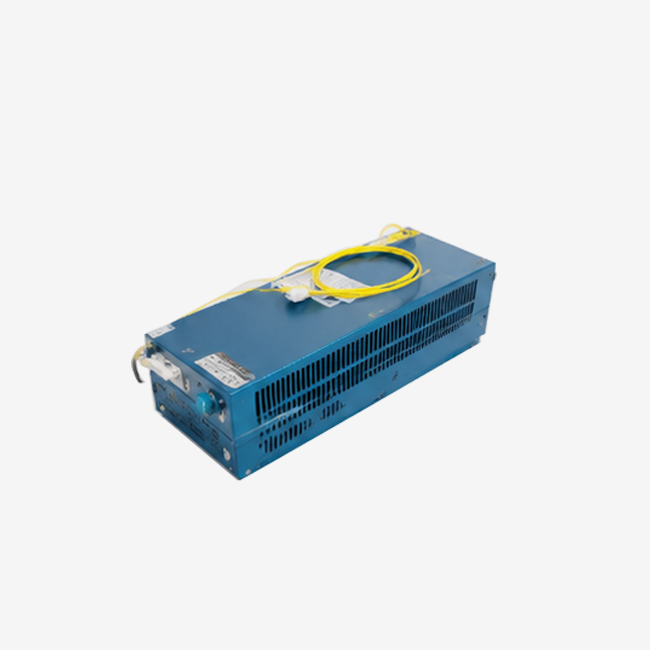
Several important parts that affect the quality of the work and how efficiently the machine runs are built into modern machines. The energy beam comes from the laser source, which is usually a CO₂ laser with a wavelength of 10.6 micrometers for most glass uses. A galvanometer scanning device moves the beam across the surface at speeds of more than 7,000 millimeters per second, and accurate optics keep the beam focused all over the work area. Larger pieces can be moved by CNC motion platforms, which move the glass under the fixed laser head with positional accuracy of within ±0.08 millimeters per 300 millimeters of travel. Our YH1313 and YH1325 models regularly meet this requirement. Standard formats like HPGL and G-code are used by the control software to turn digital designs into machine orders. This makes it easy to connect to current CAD processes.
The Step-by-Step Processing Workflow
Surface preparation is the first step in making glass. This is where oils or other impurities that could get in the way of laser absorption are removed. Then, operators put the piece of work on the machine bed and set the processing settings, such as the laser power, scanning speed, pulse frequency, and pattern match percentage. These choices control how thick and even the frosted look is. During operation, the laser beam follows the pattern over and over again, taking between 0.5 and 2 micrometers of material with each pass, based on the power settings. Because it doesn't involve touching, even very thin electrical glass (0.1 millimeter) can be worked on without breaking. Once the glass is finished, it is checked for quality using profilometers to make sure that the surface roughness meets the required Ra values. This makes sure that all production batches are the same.
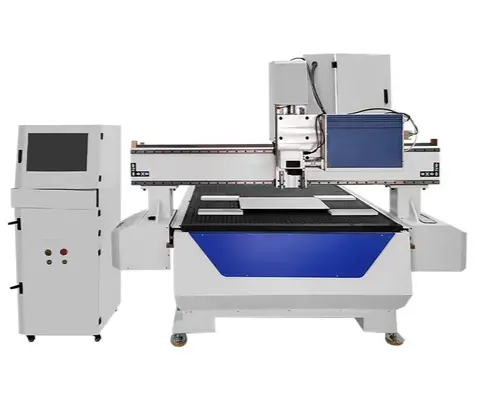
Advantages of Laser Glass Sandblasting Over Traditional Methods
If you switch from mechanical abrasion to laser-based systems, you'll see real gains in a number of performance areas that have a direct effect on your bottom line and your ability to compete in the market.
Unmatched Precision and Design Flexibility
Because masks and molds have to be physically made, traditional sandblasting has trouble with patterns that are too complicated. Multiple masking layers and physical work are needed to make gradient effects or patterns with different depths. This increases the cost of labor and the chance of making mistakes. Laser methods get rid of all of these problems. By changing digital settings in real time, operators can make pictures that look like photos, text that is very small, or frosting that goes from clear to opaque in a smooth gradient. This feature creates new ways to make money in areas like building glass, display panels for electronics, and decorative glass where customization gets higher prices. The Laser Glass Sandblasting Machine can keep its position within microns even when working on complex artwork or company names that cover square meters of surface area.
Environmental and Health Benefits
When conventional sandblasting is done, a lot of silica dust is released into the air. This is very bad for workers' lungs and needs expensive ventilation systems. Getting rid of abrasive media adds to ongoing costs and environmental risks. These worries are completely taken away by laser processing. The system works as a closed, dust-free process that makes very little glass particulate matter. Integrated filter units easily catch 99.9% of this particulate matter. This fits with stricter safety rules at work and companies' promises to be more environmentally friendly. CE certification requires proof of environmental compliance, which our equipment meets through thorough testing and paperwork. This is especially helpful for manufacturers aiming for European markets.
Cost Efficiency Over Equipment Lifecycle
Even though laser technology costs more up front than standard sandblasting tools, laser systems have a much lower total cost of ownership. Consumables like abrasive materials cost money over time, and the energy used by and upkeep on compressors are also secret costs. Laser tools only need electricity and to have their optics cleaned every so often. When working with complicated patterns, the speed benefits become clear. What used to take 15 minutes, including setting up and cleaning the mask, only takes three minutes or less with laser automation. Less work needs to be done, and things can be done faster, which directly increases production capacity. When our customers in metal processing plants and automation integration projects switch to laser-based glass texturing, they see a return on investment (ROI) in 18 to 24 months.
Types of Laser Glass Sandblasting Machines and Their Applications
Choosing the right machine setup relies on the amount of glass being made, how it behaves, and how complicated the pattern needs to be. Knowing the differences between the choices makes sure that skills are best matched to operational needs.
Desktop vs. Industrial-Grade Systems
Desktop units are used for testing, small-batch custom work, and glass labs run by artists. The laser strengths on these small systems are usually between 30 and 100 watts, and the work areas are less than 500 millimeters wide. They work best for short runs of output where setup freedom is more important than throughput needs. Industrial machines, like our YH1325 model with its 1,300 by 2,500 millimeter work area, are made for companies that make a lot of things every day and need to make sure the quality of thousands of units is always the same. These systems have multiple spindles (two to six), a rack-and-pinion gearbox for quick placement, and linear square rail guiding to keep them stable during long periods of use. The fastest cutting speed of 20,000 millimeters per minute means that processing cycle times can be measured in seconds instead of minutes. This is very important for industries like consumer electronics where production plans demand constant efficiency.
CO₂ Laser vs. Fiber Laser Technology
Because they are so good at absorbing infrared light with a wavelength of 10.6 micrometers, CO₂ lasers are the most common way to work with glass and laser glass sandblasting machines. They make frosting that is the same on popular soda-lime and borosilicate glass types that are used in building and container uses. Fiber lasers with a wavelength of 1.06 micrometers are useful for working with special glasses or making very small details, but their surfaces may need to be treated to make them absorb energy better. The decision has to be made by weighing the costs, the need for accuracy, and the compatibility of the materials. Before a buyer buys equipment, our expert team helps them test different materials to find the best laser source configuration. This way, they can be sure that the system they choose will work with all the different types of glass and thicknesses.
Maintenance Tips and Safety Precautions for Laser Glass Sandblasting Machines
To protect your equipment investment and keep the quality of your output consistent, you need to follow structured repair routines and safety rules. These steps protect workers' health and keep costly breaks from happening.
Routine Maintenance Schedule
Optical parts need to be checked and cleaned once a week with lint-free cloths and anhydrous ethanol to keep dust from building up and lowering the quality of the beam. When contaminated, mirrors and focusing lenses work less well, showing up as frosting patterns that aren't straight or having less processing depth. To keep setting accurate, linear guide rails need to be oiled once a month. Rack-and-pinion gearbox systems need to have their backlash adjusted every three months to account for wear. The laser source itself has a normal life of 20,000 to 100,000 hours, but it needs to be calibrated once a year to make sure the power output stays within the range of specifications. Software updates from makers often include improvements to speed and should be installed during maintenance windows. Keeping detailed maintenance logs helps find new problems before they stop production. This is something we stress during the technical training sessions that come with every Yuhui Laser system delivery.
Safety Compliance and Operator Protection
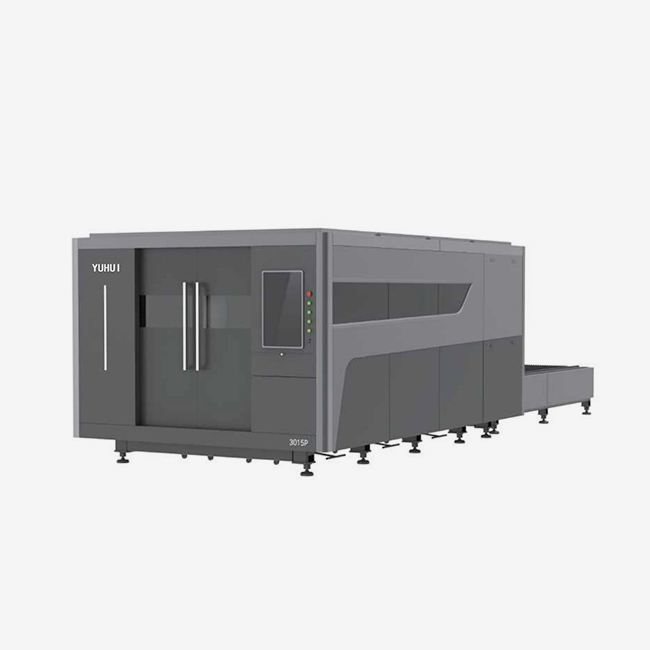
Laser safety rules require different safety steps depending on the type of tools being used. Enclosed processing rooms with interlocked access doors keep beams from shining on by mistake, and viewing windows use special laser-safe glass that blocks harmful wavelengths while still letting you watch the process. Operators must wear laser safety glasses that are rated for the wavelength being used when they need to reach the room with the power on for repair. Enough air flow gets rid of the small amount of fumes that are made during glass ablation, which protects lung health and keeps optical tracks clear. There are emergency stop keys all over the machine that can be used to turn it off right away if a danger arises. Setting up standard working procedures and giving regular safety training creates an atmosphere where protecting equipment and employees' well-being are both seen as important, which supports long-term operational success.
Making an Informed Purchase: How to Choose the Best Laser Glass Sandblasting Machine?
Decisions about purchases affect output skills and cost structures for many years. The best equipment is chosen through a methodical review process that takes into account both current needs and possible future growth situations.
Evaluating Technical Specifications Against Production Needs
First, write down exactly what you need to be processed: the largest piece that can be processed, the pattern that needs to be processed, how fast it needs to be processed (in units per shift), and the type of glass that needs to be processed. Compare these to the manufacturer's requirements for the work area, accuracy in placement, speed of processing, and materials that can be used. The YH1313 model is best for businesses that work with smaller architectural glass panels or electronic parts. The YH1325 design, on the other hand, is better for bigger jobs like shower walls or decorative building facades. Spindle power choices between 2.2 and 3 kilowatts change how fast the process goes and how well it can handle thicker glass surfaces. Laser glass sandblasting machines with multiple spindles can process similar parts at the same time, which increases output without taking up more floor room. Ask for sample processing on your own materials during equipment demos to make sure that what the seller says about performance matches how it works in the real world with your specific glass grades and thickness ranges.
Assessing Manufacturer Support and Total Ownership Costs
The price of buying something is only a small part of how much it will cost to run for 10 years. Long-term ownership happiness is affected by warranty terms, the availability of extra parts, how quickly technical help responds, and the quality of training. At Yuhui Laser, we offer 450 days of after-sales service, which is a lot longer than the industry standard. This is because we know that production equipment needs to be up and running all the time so that you can keep your promises to your customers. Our 14-business-day production lead time and factory-direct price plan get rid of markups for distributors. We also keep component quality high by working with top suppliers. CE and ISO licenses show that a company follows worldwide quality standards, which is very important for companies that sell their products all over the world. Ask for specific breakdowns of how much consumables cost, how often maintenance is usually done, and how long it takes for service to respond when you are comparing providers. In the end, these operational facts will show you whether an investment in tools helps or hurts your business growth goals.
Conclusion
Laser glass sandblasting technology is a big step forward from standard abrasive methods. It provides more accuracy, is better for the environment, and is more efficient. Understanding how things work, from how lasers and materials interact physically to CNC motion control systems, helps you choose the right tools for your production needs. The benefits go beyond better working quality and include safer workplaces and lower costs over the life of the equipment. Matching machine specs to operating needs is the key to successful technology adoption, whether you're going after the architectural glass market, consumer gadgets, or special decorative work. Safety rules and proper upkeep secure both machinery investments and employees. Careful review of suppliers ensures access to technical help and parts availability throughout the ownership time.
FAQ
Can the Laser Glass Sandblasting Machine Process Tempered Glass?
Processing tempered glass is possible because the laser only changes the surface and doesn't create the mechanical stress that causes glass to break on its own. The managed thermal process stays within safe limits, which lets pre-tempered panels used in architecture and cars have artistic or useful texture.
What Maintenance Cycle Should I Expect for Optical Components?
To keep the beam quality high, optical parts need to be checked and cleaned once a week with dry ethanol. Usually, the laser source can work for 20,000 to 100,000 hours before it needs to be serviced. This is many years of standard production plans. Regular maintenance stops performance from slowly going down, which can affect the regularity of processes.
Does the Machine Require Specialized Cooling Systems?
Industrial water chillers are used in high-power setups to keep the laser frequency stable and stop thermal drift that lowers the accuracy of placement. Most industrial-grade tools come with these features already installed. Simpler air-cooling systems may be used for desktop computers with less power, but water cooling is still better for long-term work settings.
Partner with Yuhui Laser for Advanced Glass Processing Solutions
Yuhui Laser is ready to help you make the switch to more modern technology for painting glass. As a laser glass sandblasting machine maker with a lot of experience, we offer quality that is CE-certified along with production know-how that has been gained in a wide range of industry settings. Our products use THF4 military-grade optical parts that guarantee stable output performance. The factory-direct price gives you the best value without sacrificing durability. Our large collection of replacement parts and the 14-business-day production wait time help keep your projects on track. Our 450-day after-sales service pledge is the most important part. It means that professional support is available long after installation, including help with training operators and improving processes. Email our team at jianghui@yuhui-laser-tech.com to talk about your glassworking needs and get a quote for equipment that is specifically made to solve your production problems.
References
1. Chen, M., & Wang, L. (2022). Laser Surface Modification Techniques for Industrial Glass Applications. International Journal of Advanced Manufacturing Technology, 118(3), 891-908.
2. Rodriguez, P., & Schmidt, H. (2021). Comparative Analysis of Glass Texturing Methods: Traditional vs. Laser-Based Approaches. Journal of Materials Processing Technology, 295, 117156.
3. Thompson, R. (2023). CNC Control Systems in Modern Laser Processing Equipment. Precision Engineering Quarterly, 47(2), 234-251.
4. Yamamoto, K., & Lee, S. (2022). Environmental Impact Assessment of Glass Manufacturing Processes. Sustainable Production and Consumption, 31, 445-459.
5. Anderson, J. (2023). Industrial Laser Safety Standards and Compliance Protocols. Laser Safety Handbook, 5th Edition. Industrial Press Inc.
6. Mueller, F., & Zhang, Y. (2024). Economic Analysis of Laser Technology Adoption in Glass Processing Industries. Manufacturing Economics Review, 39(1), 78-95.
Contact us directly for customized solutions, quotations and long-term strategic cooperation.