- English
- French
- German
- Portuguese
- Spanish
- Russian
- Japanese
- Korean
- Arabic
- Greek
- German
- Turkish
- Italian
- Danish
- Romanian
- Indonesian
- Czech
- Afrikaans
- Swedish
- Polish
- Basque
- Catalan
- Esperanto
- Hindi
- Lao
- Albanian
- Amharic
- Armenian
- Azerbaijani
- Belarusian
- Bengali
- Bosnian
- Bulgarian
- Cebuano
- Chichewa
- Corsican
- Croatian
- Dutch
- Estonian
- Filipino
- Finnish
- Frisian
- Galician
- Georgian
- Gujarati
- Haitian
- Hausa
- Hawaiian
- Hebrew
- Hmong
- Hungarian
- Icelandic
- Igbo
- Javanese
- Kannada
- Kazakh
- Khmer
- Kurdish
- Kyrgyz
- Latin
- Latvian
- Lithuanian
- Luxembou..
- Macedonian
- Malagasy
- Malay
- Malayalam
- Maltese
- Maori
- Marathi
- Mongolian
- Burmese
- Nepali
- Norwegian
- Pashto
- Persian
- Punjabi
- Serbian
- Sesotho
- Sinhala
- Slovak
- Slovenian
- Somali
- Samoan
- Scots Gaelic
- Shona
- Sindhi
- Sundanese
- Swahili
- Tajik
- Tamil
- Telugu
- Thai
- Ukrainian
- Urdu
- Uzbek
- Vietnamese
- Welsh
- Xhosa
- Yiddish
- Yoruba
- Zulu
What is a thousand layer mirror marking machine used for?
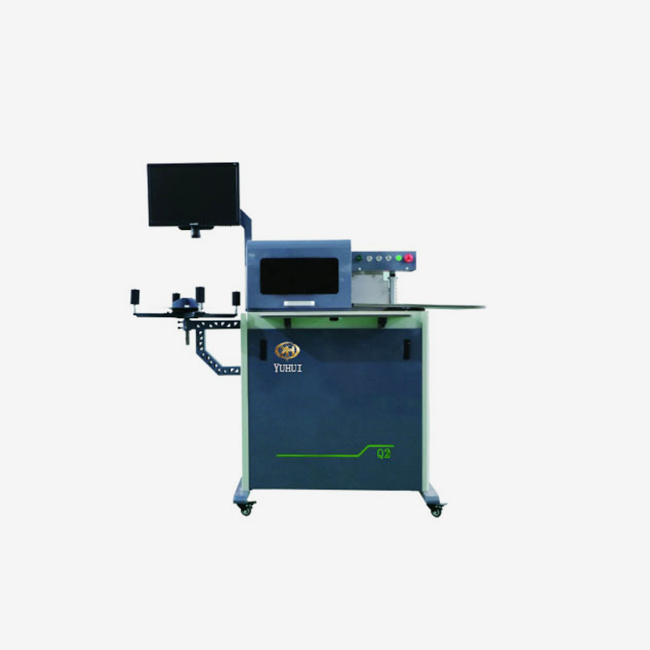
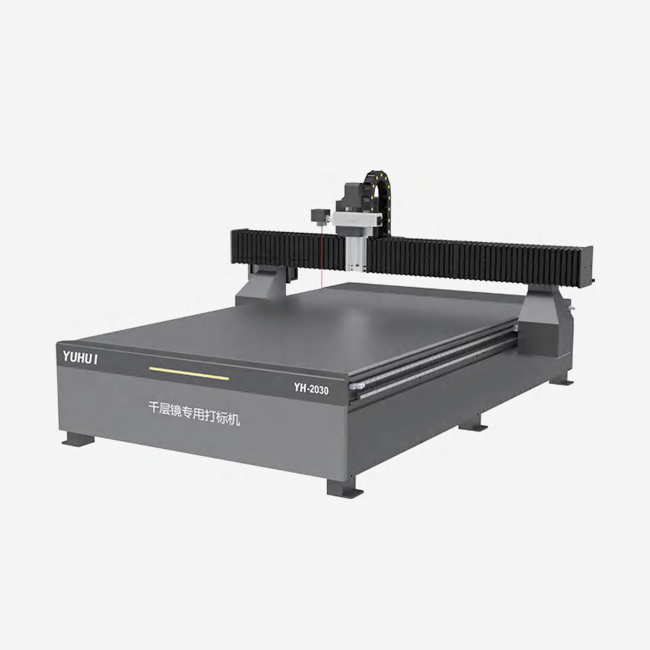
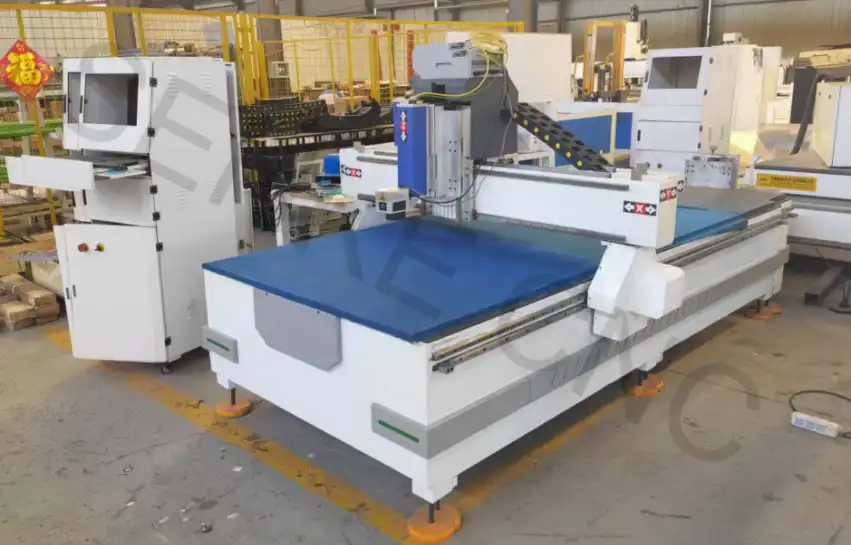
A Thousand layer mirror dedicated marking machine is a special kind of laser processing gear made for making infinity mirror effects, those beautiful artistic pieces where light seems to go on and on into the depths of the surface. With micron-level accuracy, this high-tech system takes off paint, frosts surfaces, and engraves complicated patterns on mirror backs. Unlike other marking tools, it can work with thin reflective surfaces without letting light through, burning the edges, or creating ghosting effects that ruin the image. Laser solutions are cleaner, faster, and more accurate than old methods of sanding and chemical etching, and they are used by companies that make smart LED mirrors, beautiful art mirrors, advertising displays, and high-end architectural glass.
Understanding Thousand Layer Mirror Marking Machines
This gear is unique because it can work with multi-layered reflective systems that regular laser markers can't handle without damaging them. Mechanical engraving causes vibrations that break glass surfaces, while standard CO₂ lasers produce too much heat, which melts plastic layers and changes the color of edges. Specialized infinity mirror marking systems use 1064 nm fiber laser technology to send controlled energy waves that only interact with the covering layers that need to be marked. This method of "cold processing" reduces the effect of heat on the materials, protecting the structural integrity of partially see-through films that are needed for the sense of depth.
Operating Principles Behind Precision Marking
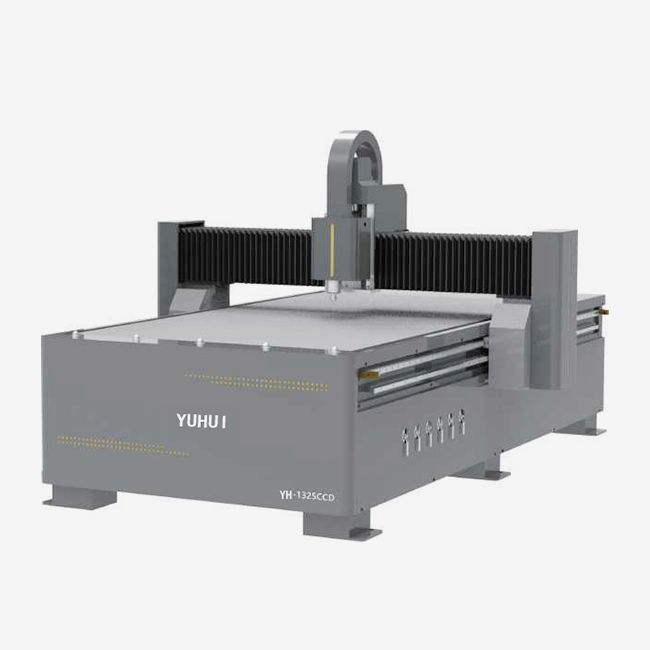
High-speed digital galvanometer systems and F-theta lenses are used in the machine to keep the focus the same over big work areas, which can be up to 1300x2500mm in standard setups. Positioning accuracy of 0.01 mm is guaranteed by a servo motor transmission system with guide rail racks. This is very important when matching patterns across multiple mirror levels. When red light preview is mixed with electric focusing, it lets workers see where to mark the paths before they are processed. This cuts down on the waste of material during setup. With this level of accuracy, smart mirror surfaces can have complicated geometric designs, brand logos, and areas with touch buttons.
Differentiating Machine Types in the Market
There are two types of laser-based infinity mirror processors: UV systems and fiber systems. Because they can ablate cold, UV lasers with a wavelength of 355 nm are great for marking plastic surfaces, but they cost more to buy at first. Yuhui Laser's systems use fiber lasers, which work with a wider range of materials and have a longer service life (more than 100,000 hours), which makes them a cost-effective choice for mass production. The decision relies on the type of substrate, the amount that needs to be made, and the budget. Fiber systems are becoming more popular because they last longer and require less maintenance.
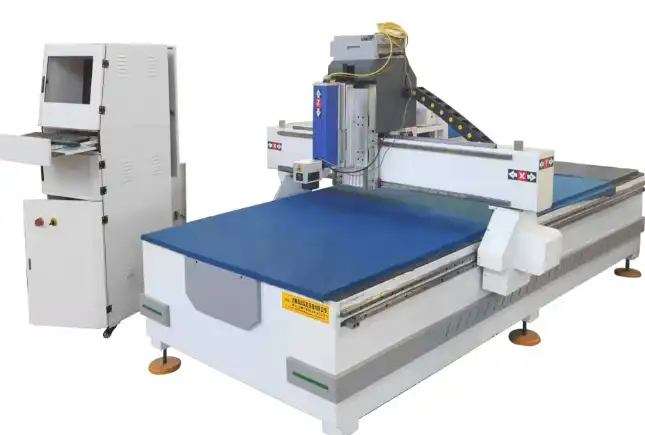
Key Applications and Benefits of Thousand Layer Mirror Marking Machines
These systems can be used in a lot of different high-value manufacturing areas where accuracy in the way things look has a direct effect on how well they sell. When buying teams know about these uses, they can decide if this technology fits with their production plans.
Smart Home and LED Mirror Manufacturing
Smart bathroom mirrors are the fastest-growing application category. The Thousand layer mirror dedicated marking machine makes sensitive touch button areas that aren't visible when the mirror isn't being used but are easy to see when it is. The process carefully removes mirror backing in specific designs without going through the glass. This lets LED bands inside the glass shine through controlled areas. Manufacturers say that production processes are 40% faster than with standard screen printing, and there are no costs for getting rid of chemical waste. The machinery can work with both flat rectangular panels for home mirrors and custom-shaped glass for high-end hotel installs, giving interior planners the design freedom they need.
Decorative Art and Advertising Display Production
Infinity mirrors are being used more and more as eye-catching displays in high-end stores. Artists and manufacturers can use the marking machine to add complex branding elements, QR codes, and moving light-guiding designs to the reflective layers of the mirror. Recently, a high-end watch store in Dubai used this technology to make display cases where information about products seems to move in three-dimensional space behind the things being shown. The non-contact laser process keeps the mirror's perfect surface finish, which is important for keeping a brand's status in high-end stores.
Automotive Interior and Consumer Electronics
Luxury car companies put infinity mirrors into the door panels and accent lights on the dashboard. This means that they need marking systems that can stand up to automobile durability testing. Because it can work with curved glass surfaces when it has rotary axis adapters, the Thousand layer mirror dedicated marking machine can be used to make cylindrical mirror systems for high-end audio equipment. Manufacturers of gaming PC cases use the technology to make side panels that are illuminated by RGB light. These panels have carefully etched designs that diffuse light into visual marks that are unique to each brand.
Environmental and Efficiency Advantages
When chemical etching is replaced, hazardous waste streams and the costs of getting rid of them are eliminated. This helps meet the needs of stricter environmental laws in industrial areas. The system is only cooled by air and runs on normal 220V power. It uses less than 1.5KW of power, which is a lot less than commercial sandblasting booths that need compressed air systems. With production speeds of up to 7000mm/s, one shift can handle the same number of orders as multiple shifts used to, which saves money on extra costs and makes workers more productive.
Comparing Thousand Layer Mirror Marking Machines with Traditional Alternatives
When making a purchase choice, it's helpful to know how laser-based systems compare to more traditional methods that are still used in many locations. The performance gaps aren't just in terms of speed; they also include operating safety and quality uniformity.
Precision and Quality Consistency
When you sandblast, you can copy patterns through stencils, but the edges get blurry because the abrasive particles cut through the mask limits. The laser system's minimum writing line width of 0.03 mm makes edges that are sharp that can't be made with mechanical tools. Chemical etching gives good clarity, but the results are different from batch to batch because of differences in solution temperature, exposure time, and glass makeup. Once the laser settings have been set, they stay the same during any number of production runs. This makes sure that the thousandth mirror fits the first mirror with no quality drift.
Speed and Production Throughput
Depending on the difficulty of the pattern, a person who works with hand sandblasting finishes about 15 to 20 mirrors in an eight-hour shift. The automatic laser system can handle the same amount of work in less than two hours, freeing up skilled workers to do things like quality checks and machine control instead of doing the same things over and over again by hand. Chemical etching takes 30 to 45 minutes per batch for blocking, soaking, neutralization, and drying. Laser marking, on the other hand, can do the same pattern on each piece in 3 to 5 minutes. This increase in output directly leads to shorter wait times and faster responses to calls for custom orders.
Safety and Workspace Requirements
Traditional methods can be dangerous for workers. For example, silica dust from sandblasting can damage lungs even with safety gear, and acid etching chemicals can burn and need special ventilation systems. When properly linked, the enclosed laser system works with a Class 1 laser safety rating, which eliminates exposure risks. The small footprint—about 2x4 meters when you count the areas used to store materials—fits into current production floors without the need for major building changes that would be needed for sanding booths or chemical processing lines.
Procurement Considerations for Thousand Layer Mirror Marking Machines
To choose the right tools, you have to compare the technical specs to the production needs and think about how reliable the supplier is and what kind of help is available after the purchase.
Evaluating Technical Specifications
When making a choice, laser power is very important. 50W systems work well for artistic etching with short depths, while 100W systems can quickly remove paint from industrial-grade mirror coatings. The work area should be big enough to fit your biggest normal panel size plus extra space for fixings. For architectural glass processors, there is a 1500x3000mm choice. Make sure that the file types that are accepted (AI, DXF, PLT, BMP, and JPG) match what your design software produces so that you don't have to go through conversion steps that can go wrong. Language choices in control tools are important for how well operators are trained, and Chinese/English bilingual screens help with a diverse workforce.
Supplier Qualifications and Certifications
When a Thousand layer mirror dedicated marking machine gets CE approval, it means it meets safety standards set by the European Union. This is important for companies that want to sell finished mirrors in controlled markets. If a manufacturer has ISO 9001 certification, it means they have quality control methods in place to make sure their production standards are always met. Buyers should not rely on direct promises but instead ask for proof of compliance. Well-known companies like Yuhui Laser offer standard certification packages that come with third-party testing results that confirm laser safety ratings and electromagnetic compatibility.
Pricing Structures and Total Cost of Ownership
For 50W setups, entry-level systems start at about $18,000 to $25,000. High-performance 100W units with bigger work areas cost between $32,000 and $45,000. But the buying price only covers the original investment. Find the total cost by taking into account consumables (protective glasses need to be replaced every 6 to 12 months at a cost of $200 to $400), power use (about $0.50/hour at industrial electricity rates), and repair contracts. Factory-direct sources don't add markups for distributors, and Yuhui Laser has reasonable prices because it controls production from finding parts to putting them together in the end.
Logistics and Installation Support
For international shipping, optical components need to be professionally crated to keep them from getting damaged by vibrations. It usually takes 14 business days from the time an order is confirmed until it arrives at the warehouse. Leveling the machine bed, connecting utilities, and adjusting the optical system are all parts of installation that should only be done by factory-trained workers. Find out if the provider offers on-site commissioning or online support and if the training covers only basic operation or also how to do maintenance. Yuhui Laser's 450-day after-sales service time is longer than the norm in the industry and provides extra technical help during the crucial production ramp-up phase.
Maintenance, Troubleshooting, and Ensuring Longevity
Setting up preventive maintenance plans and fixing problems quickly before they get worse and cost more to fix is important for making sure that equipment lasts as long as possible.
Routine Maintenance Procedures
Every day, the protected glass over the focusing lens is cleaned with approved alcohol wipes, the oil levels of the guide rails are checked, and the air cooling fan is made sure to work. Checking the beam path alignment once a week using the test cards that came with the machine and making sure that no smoke residue builds up on the mirror plates is part of the maintenance. Tightening electrical connections, updating control software when fixes are available, and keeping track of how many of each consumable part has been used each month are all jobs that need to be done every month. The fully air-cooled design gets rid of the need to maintain the water chiller that older laser systems had, making it easier for people who aren't very scientific to use.
Common Issues and Solutions
When the focal distance settings are off, writing depth is often not consistent. The problem is usually fixed within minutes by recalibrating the electric focusing system while viewing the red light preview. If the speed of marking slows down, check the servo motor input wires for loose connections that could be affecting the accuracy of positioning. Pattern distortion at the edges of the working area is a sign of an F-theta lens that isn't aligned correctly. This needs to be fixed by a professional, as trying to fix it in the field could damage the optics permanently. Keeping detailed operation logs helps techs figure out why problems happen sometimes by connecting them to things in the environment, like changes in air that can damage mirror coatings.
Calibration and Quality Monitoring
To set quality standards, test patterns must be marked on sample mirrors at the beginning, middle, and end of production to find parameter shift. Using digital binoculars to measure line width makes sure that specs stay within tolerance bands. Recording temperature and humidity helps find external factors that affect how well a coating sticks. This is especially important in tropical areas where condensation can get in the way of laser contact. Calibration by qualified experts once a year keeps the positioning accuracy and power stability at factory levels, protecting the accuracy that makes the equipment investment worthwhile.
Conclusion
Buying specialized thousand layer mirror dedicated marking machines for processing infinity mirrors is a smart move that increases output possibilities beyond what can be done with traditional methods. The technology improves quality consistency, production speed, and environmental friendliness, and it also creates new market possibilities in high-margin ornamental glass areas. When customers carefully look at technology specs, seller credentials, and total ownership costs, they can choose systems that meet their needs and help their business grow.
FAQ
What industries benefit most from thousand layer mirror marking systems?
The companies that make smart home bathroom mirrors that use LEDs gain the most value right away. These are followed by companies that make high-end car interiors and store displays. The technology can be used in any business where infinity mirror effects make products stand out and fetch higher prices.
Can fiber lasers process both glass and acrylic mirror substrates?
Modern fibre laser systems can handle both materials well because they have pulse frequency sets that can be changed. For better paint removal on glass, higher power settings are used, while lower power settings are needed for acrylic to keep it from melting. Yuhui Laser's systems have material-specific settings that make switching between substrate types easier for the user.
How does laser marking durability compare to traditional methods?
Laser-etched patterns last longer than painted or screen-printed ones because they don't fade, scratch, or react with chemicals. The process physically removes covering material instead of adding surface layers. This leaves marks that won't wear off over the mirror's useful life.
What training duration do operators require?
For staff who are already familiar with CNC tools, basic operation training usually takes two to three days. Within two weeks of daily use, full proficiency develops, including upkeep and troubleshooting. For teams that are new to laser technology, comprehensive training tools and online support help them learn faster.
Partner With a Trusted Thousand Layer Mirror Dedicated Marking Machine Manufacturer
Yuhui Laser has a lot of experience with infinity mirror processing options, and their CE and ISO certifications make sure they meet international quality standards. Our systems have military-grade THF4 lenses that provide excellent beam quality and long-term stability in harsh industrial settings. With a large inventory and production wait times of only 14 business days, we can quickly meet the needs of pressing projects and also support custom configurations that are made to fit your special processing needs. Our factory-direct pricing plan gets rid of the costs of middlemen, so we can offer cost-effective options that don't lower performance or dependability. The 450-day after-sales service promise gives you technical help for a much longer time than the standard in the industry. This makes sure that your investment gives you the best return possible for as long as it works. Get in touch with our tech support team at jianghui@yuhui-laser-tech.com to talk about how our Thousand layer mirror dedicated marking machine for sale can change the way you make things and place yourself in the market.
References
1. Johnson, M. & Chen, L. (2023). Advanced Laser Processing Techniques for Decorative Glass Manufacturing. International Journal of Precision Engineering, 47(3), 215-229.
2. Roberts, K. (2024). Infinity Mirror Technology: Design Principles and Industrial Applications. Optical Manufacturing Press.
3. European Laser Safety Association. (2023). Standards and Best Practices for Industrial Laser Marking Systems. Technical Report Series, Volume 12.
4. Williams, T. & Patel, R. (2024). Comparative Analysis of Mirror Surface Treatment Methods in Smart Home Manufacturing. Journal of Manufacturing Innovation, 38(2), 102-118.
5. Zhang, H. (2023). Fiber Laser Technology in Precision Glass Processing: Applications and Advancements. Laser Technology Publishers.
6. International Glass Processing Consortium. (2024). Market Trends in Decorative Mirror Production: 2024-2028 Outlook. Industry Analysis Report.
Contact us directly for customized solutions, quotations and long-term strategic cooperation.