- English
- French
- German
- Portuguese
- Spanish
- Russian
- Japanese
- Korean
- Arabic
- Greek
- German
- Turkish
- Italian
- Danish
- Romanian
- Indonesian
- Czech
- Afrikaans
- Swedish
- Polish
- Basque
- Catalan
- Esperanto
- Hindi
- Lao
- Albanian
- Amharic
- Armenian
- Azerbaijani
- Belarusian
- Bengali
- Bosnian
- Bulgarian
- Cebuano
- Chichewa
- Corsican
- Croatian
- Dutch
- Estonian
- Filipino
- Finnish
- Frisian
- Galician
- Georgian
- Gujarati
- Haitian
- Hausa
- Hawaiian
- Hebrew
- Hmong
- Hungarian
- Icelandic
- Igbo
- Javanese
- Kannada
- Kazakh
- Khmer
- Kurdish
- Kyrgyz
- Latin
- Latvian
- Lithuanian
- Luxembou..
- Macedonian
- Malagasy
- Malay
- Malayalam
- Maltese
- Maori
- Marathi
- Mongolian
- Burmese
- Nepali
- Norwegian
- Pashto
- Persian
- Punjabi
- Serbian
- Sesotho
- Sinhala
- Slovak
- Slovenian
- Somali
- Samoan
- Scots Gaelic
- Shona
- Sindhi
- Sundanese
- Swahili
- Tajik
- Tamil
- Telugu
- Thai
- Ukrainian
- Urdu
- Uzbek
- Vietnamese
- Welsh
- Xhosa
- Yiddish
- Yoruba
- Zulu
5 Expert Tips & Tricks for Getting the Best Results with Fiber Laser Cutting
To get the best results with fiber laser cutting, you need to do more than just buy high-tech tools. Understanding the details of precision laser systems can make your cutting results much better, whether you're working on complicated parts or increasing the capacity of your production line. The 60*60 High Precision Fiber Laser Cutting Machine is a one-of-a-kind tool made for micro-machining and making intricate metal patterns within a small 600 mm x 600 mm work area. Because it cuts very precisely while taking up very little room, this equipment is especially useful in fields where both space and precision needs are important. If you learn these five expert tips, you'll be able to get the most out of your money, waste less, and get regular, high-quality results in a wide range of situations.
Tip 1: Understand the Operating Principles to Maximize Cutting Precision
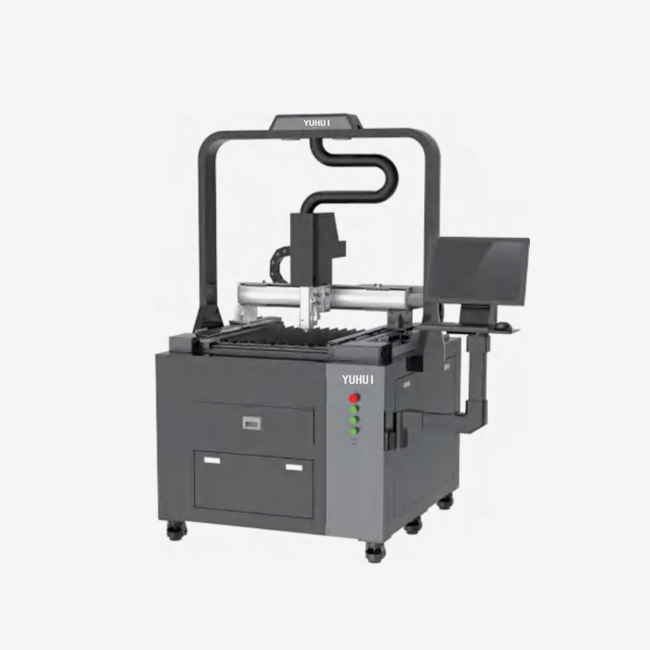
Understanding how fiber laser technology works in a 60*60 high-precision fiber laser cutting machine system is essential if you want to get the most accurate results from your cutting tasks. Fiber lasers send focused beams through optically active fiber lines. This makes a very focused cutting point that reduces the area affected by heat and makes edges that are clean and free of burrs.
How Fiber Laser Beam Generation Works
Diode pumps are used in fiber laser systems to drive rare-earth elements inside glass fibers. This creates a laser beam with wavelengths that are usually around 1.06 microns. This wavelength works especially well for working with metals that reflect light, like copper, brass, and aluminum. The beam goes through fiber optic lines before it gets to the focusing lenses, which focus the energy on the surface of the workpiece. Knowing this route helps workers see how even small alignment errors can lower the quality of the cut.
The Impact of 600mm x 600mm Working Area on Precision
The Yuhui Laser RJ-6060 type has a working area that is exactly 600mm x 600mm. This size was carefully picked to strike a balance between accuracy and usefulness. Because the movement distance of motion components is shorter, smaller working areas naturally provide better mechanical stability. This is because fewer positioning mistakes are made over time. Positioning accuracy of ±0.03mm and repeat positioning accuracy of ±0.02mm are achieved with this setup. These standards meet the strict needs of businesses that make medical devices, computer parts, and precision hardware.
Key Technical Factors That Influence Accuracy
Cutting accuracy is directly affected by a number of factors, and workers need to know how these factors affect each other. With laser power ranging from 800W to 3000W, computers can change the intensity based on the type and thickness of the object being worked on. The size of the spot at the cutting point is controlled by beam focus. Tighter focus makes the kerfs smaller, but it needs more precise control of the focal distance. Cutting speed affects the quality of the edge, and the best speeds for different materials are very different. Maximum linkage speed for the RJ-6060 is 70m/min, and maximum acceleration is 0.6G. These speeds and accelerations allow for quick shifting without losing accuracy.
A company that makes stainless steel brackets found that micro-burrs on 3mm material could be removed by slowing down the cutting speed by 15% and increasing the laser power by 200W. This shows that optimizing parameters directly affects quality results. Similarly, when cutting 0.5 mm aluminum sheets, moving the center point by just 0.3 mm made the edges much more square. These changes in the real world show why understanding working principles can turn good results into great ones.
Tip 2: Select the Right Materials and Understand Their Compatibility
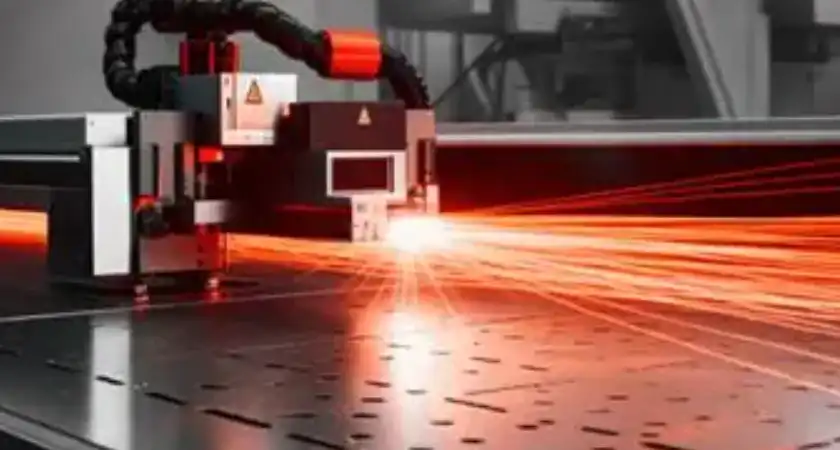
In a 60*60 high precision fiber laser cutting machine system, how well a part is cut and how well it fits together depend on the materials that are used and how well they work together. Laser energy affects different metals in different ways, so different methods are needed to get the best results.
Common Metals and Their Cutting Characteristics
Stainless steel is still the material that works best with fiber laser cutting. It is flexible across a wide range of parameter sets thanks to its low reflectivity and moderate heat conductivity. Carbon steel cuts quickly and neatly, but oxidation can change the look of the edge if the makeup of the assist gas isn't managed properly. Aluminum is hard to work with because it is very reflective. To avoid cutting it too short, you need to use a stronger laser and carefully manage the focus. Copper and brass are both very shiny, so they need to be cut with special tools and usually work better with higher-wattage systems in the 3000W range, which is what the RJ-6060 can handle.
How Material Properties Influence Parameter Adjustments
How much laser energy actually goes through an object versus being reflected off of it is called its reflectivity. Metals with a high reflection need higher power settings and sometimes more than one pass to fully penetrate. It depends on how thick the material is, which determines how much laser power and how fast it needs to be cut. Usually, doubling the thickness of the material means cutting it 40–60% slower and possibly using more power. How quickly heat leaves the cutting zone is affected by thermal conductivity. To keep the molten cutting front going, materials with a high heat conductivity need more focused energy supply.
Comparative Case Study: Stainless Steel vs. Aluminum
When working with 2 mm stainless steel, the best settings might be 1500W of power, a cutting speed of 4 m/min, and nitrogen gas at 1.5 bar pressure to help. To switch to 2 mm aluminum that is the same thickness, the power needs to be raised to 2200 W, the speed needs to be slowed down to 2.5 m/min, and the help gas pressure needs to be raised to 2.0 bar. These changes are made to account for the fact that aluminum is less reflective and more conductive of heat. Surface finish tests show that cutting aluminum with the right settings gets Ra values below 3.2μm, which is about the same as cutting stainless steel. This shows that optimizing for the material gives consistent quality across different metals.
By knowing these compatibility factors, procurement professionals can choose machine setups that work with the materials they have on hand. Processors that mostly work with metals that reflect light should choose higher wattage settings. On the other hand, processors that mostly cut mild steel and stainless steel can get by with mid-range power settings.
Tip 3: Implement Regular Maintenance for Sustained High Performance
In a 60*60 high precision fiber laser cutting machine setup, consistent maintenance practices are closely linked to maintaining cutting accuracy and making tools last longer. If you don't do regular maintenance, your equipment will perform worse and have unplanned downtime that affects your output schedules.
Essential Maintenance Activities
Optics cleaning is the most important upkeep job. Protective screens, focusing lenses, and nozzles gather metal spatter and smoke dust that lowers the quality of the beam. Slow power loss can be stopped by checking and cleaning once a week with lint-free optical wipes and approved cleaners. When you inspect a lens, you should look for cracks caused by heat stress or coating wear and tear. This is because optics that are harmed make beam profiles that aren't straight, which lowers the quality of the cut.
Calibration of the laser makes sure that the beam path stays exactly centered through all of the optical parts. Even a small error makes cutting uneven and speeds up the wear on parts. Using alignment targets to do monthly adjustment checks keeps the beam distribution at its best. Coolant systems need to have their fluid amounts, temperature stability, and filter cleaning checked on a frequent basis. If the coolant is contaminated, it makes heat transfer less effective, which could lead to the laser source burning and a shorter diode lifespan.
Preventive Part Replacement Schedules
Consumable parts have regular repair times that can be planned. Cutting blades need to be replaced every 40 to 80 hours of use, but this depends on the material and how much it is used. In normal use, focusing lenses last between 6 and 12 months, but they should be changed right away if surface damage shows up. Damage builds up faster on protective windows that face the cutting zone and usually need to be replaced every three to six months. Every 500 hours of use, the high-precision ball screw modules in the RJ-6060's three-axis system should be oiled to keep them moving smoothly and stop them from wearing out too quickly.
Performance Data: The Cost of Neglected Maintenance
Comparing data from work settings shows big differences between equipment that has been well taken care of and equipment that has not. Machines that get regular maintenance keep their positioning accuracy within the required range for 5 years or more, while systems that don't get maintenance show measured accuracy loss within 18 months. Unexpected downtime costs $150 to $300 an hour in lost work, which is a lot more than the small cost of preventative maintenance. A case study that followed two similar laser cutting systems for three years found that the one that was kept had 94% uptime while the one that wasn't had only 76%. This shows that maintenance has a direct effect on operational reliability.
Setting up written repair schedules and teaching workers how to do daily inspections makes sure that equipment always performs with the accuracy that makes the initial investment worth it.
Tip 4: Optimize Energy Efficiency and Safety Features
In a 60*60 high precision fiber laser cutting machine system, controlling running costs and upholding safety standards at work are ongoing goals for industrial operations. Modern small fiber laser systems give you many ways to improve both of these areas.
Understanding Power Consumption Patterns
The RJ-6060 uses different amounts of power based on how it is being used. When the laser output is at its highest level (3000W), the total power used by the chillers, motion systems, and control electronics during active cutting is usually between 8 and 12 kW. When in standby mode, power use drops to about 1-2kW, and when the machine is completely idle, it only needs a little power to run. By using rest modes a lot between batches, processors that are doing a lot of short jobs with lots of breaks can cut their daily energy use by 15 to 20 percent.
Energy-Saving Best Practices
Optimizing parameters makes a big difference in how efficiently energy is used. By cutting at the lowest useful power level instead of the highest settings, less electricity is used and the laser source lasts longer. Process similar parts together in a batch to cut down on moving parts and power use that isn't needed. Facilities that are charged based on when they use energy can cut their costs by a large amount by scheduling heavy cutting operations for times when electricity rates are lower.
Critical Safety Components and Compliance Standards
As required by regulations, the small form includes all the safety measures that are needed. Having emergency stop controls in several easy-to-reach places lets you shut down right away in any dangerous situation. Stray beams are kept out of sight with laser shielding, and when access panels are opened, interlocking barriers stop laser emission. Limit switches in servo-driven motion systems stop the machinery from moving too far, which could damage parts or put people in danger.
Having enough air flow gets rid of the metal fumes and dust that are made when you cut. When extraction systems are built correctly, they keep the negative pressure inside the cutting room, which keeps smoke from getting into the work area. This keeps the operator's health safe and lets them see the cutting process. When Yuhui Laser equipment gets CE approval, it means that it meets strict European safety standards. This gives users from other countries peace of mind that the equipment is safe.
When these optimizations are put together, they lower the total cost of ownership by lowering energy costs and making workplaces safer, which protects workers' health and makes sure that regulations are followed in a wide range of foreign markets.
Tip 5: Compare and Choose the Best Fiber Laser Cutting Machine for Your Business Needs
To choose the right fiber laser cutting tools, you need to carefully compare the size of the work area, the technical specs, and the supplier's abilities to your unique manufacturing needs.
Evaluating Working Area Against Application Requirements
The 600mm x 600mm working area works especially well for certain types of applications. This size is perfect for manufacturers who work with small, precise parts, prototype makers who make designs with a lot of moving parts, and job shops that do a lot of different small-format work. The small size lets it be installed in places with limited room where bigger equipment wouldn't fit, and the high-precision ball screw module structure in all three directions makes it as accurate as systems that are much bigger.
Compared to bigger sizes, it's easier to see which option is best. However, an 80x80 or 100x100 system takes up a lot more floor room and costs 40 to 60 percent more to buy. It can handle more pieces at once. Working areas that are too big don't help processors whose biggest parts are less than 500 mm in any measurement. On the other hand, makers who often work with meter-scale sheets would find the 600mm limit too small, even though it would improve precision.
Supplier Selection Criteria Beyond Equipment Specifications
You can only get part of the picture from technical specs. Long-term happiness with equipment purchases is greatly affected by how reliable the supplier is, how well they run their service infrastructure, and how much they can customize the equipment. There are a few key benefits that set Yuhui Laser apart that matter to B2B procurement pros. CE and ISO licenses guarantee quality based on standards that are known all over the world. The THF4 military-grade lens standard guarantees better visual performance and longer life than most commercial-grade parts.
When output needs change, how quick manufacturing is becomes very important. Competitors need 8–12 weeks for lead times, but Yuhui only needs 14 days. This means that they can get tools pretty quickly. Having a large inventory means that new parts and consumables can be sent out fast, which cuts down on downtime caused by parts not being available. The 450-day after-sales service time is longer than most industry guarantees. It shows that the maker trusts the stability of the equipment and gives customers more support options.
For specialized uses, the ability to customize becomes very important. Structure customization changes the sizes or shapes of equipment to fit the needs of each location. Customizing a function gives it extra features that aren't included in the normal version. Customizing software makes it possible to connect it to other production management systems or use unique processing methods. Yuhui's established customization infrastructure and OEM production knowledge give them flexibility that makers of rigid standard products can't match.
Practical Steps for Making Your Purchase Decision
Starting the buying process with clear documentation of needs speeds up the review of suppliers. Name the types of materials, the thickness ranges, the usual part sizes, and the expected output volume. Instead of just getting quotes, ask for full technical consultations. Suppliers who are ready to take the time to understand your application show that they are committed to making things work. Not only look at the price of the tools, but also the total cost of ownership, which includes setup, training, replacement parts, and expected upkeep costs over a 5-year period of use.
Looking into flexible purchase choices can make a project more likely to succeed. When you buy directly from a plant like Yuhui, you don't have to pay markups that can add 25 to 40 percent to the price. A lot of the time, buying multiple units at once can get you even better prices. Some sellers include technical training and help with installation in the package price. This lowers the hidden costs of putting new technology into use.
The selection process is sped up by going straight to approved producers. If you email Yuhui Laser, they will put you in touch with application engineers who can look at your specific needs and suggest the best configurations from their 60*60 high precision fiber laser cutting machine product line. This way, you can be sure that your investment will give you the most value for your manufacturing needs.
Conclusion
To get the best results from fiber laser cutting, you need to know a lot about technology, choose the right materials, do regular repair, be aware of how to save time, and choose the right tools. The tactics described here give you a complete plan for getting the best cutting quality while also making your operations as efficient as possible. Advanced performance doesn't always need huge industrial areas, as shown by small precision tools like the RJ-6060. By getting good at these five expert techniques, makers can safely use fiber laser technology to make their products more competitive, cut costs, and keep making high-quality parts that meet the needs of a market that is becoming more picky.
FAQ
What makes a 60x60 fiber laser cutting machine different from larger models?
The main differences are the size of the working area, the level of mechanical accuracy, and the type of application. A 600 mm x 600 mm system is more accurate at placing because the axes move farther, which reduces the amount of mechanical error that builds up. The small size is good for places that don't have a lot of room and uses that need fine details on smaller parts. Bigger models can handle bigger workpieces, but they usually lose some accuracy and take up a lot more room on the floor. Manufacturers whose parts don't need bigger boxes will like small systems because they save them 40 to 60 percent on costs.
How often should I keep my precision laser cutting tools in good shape?
As part of daily jobs, glasses are visually checked and coolant levels are checked. Cleaning the protected windows and checking the nozzles are things that need to be done every week. Every month, processes like checking the alignment, fixing the lens, and replacing the filter are done. Every 500 hours of use, the moving parts of the system need to be oiled. When you service your car once a year, you should do a full tuning, repair any worn-out parts, and carefully check the electrical systems. Following these schedules keeps performance at its best and stops expensive mistakes that come up out of the blue.
Can fiber lasers cut reflective metals like aluminum and copper effectively?
Yes, fiber lasers can work with shiny metals, but they need to have certain settings changed. Higher laser power sets make up for the energy lost through reflection, and the best focus points and assist gas setups make cutting more efficient. Aluminum and copper can be successfully cut with modern fiber laser sources that put out 2000 to 3000W. Preparing the surface of the material, such as by removing metal layers or protection films before cutting, improves results even more. Reflective metals are a little harder to work with than steel, but they cut neatly when the settings are set correctly.
Partner with Yuhui Laser for Precision Cutting Solutions
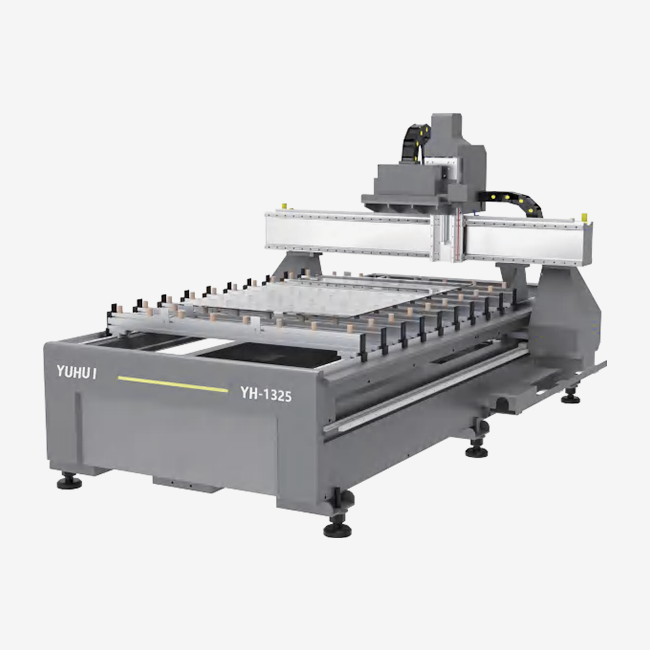
Yuhui Laser manufactures industrial-grade fiber laser cutting systems engineered for reliability and precision. Our RJ-6060 model combines compact dimensions with exceptional accuracy, featuring high-precision ball screw modules across all axes and servo drives that enable delicate, detailed cutting. As an experienced 60*60 high-precision fiber laser cutting machine supplier, we provide CE and ISO-certified equipment equipped with THF4 military-grade optics that deliver stable performance across demanding applications. Our 14-day production lead time, factory-direct pricing, and comprehensive 450-day after-sales service ensure your investment delivers long-term value. We specialize in customized configurations tailored to unique manufacturing requirements, from structural modifications to software integration. Contact our technical team at jianghui@yuhui-laser-tech.com to discuss how our precision laser systems can enhance your production capabilities and solve your specific metal fabrication challenges.
References
1. Steen, W.M., & Mazumder, J. (2010). Laser Material Processing (4th ed.). Springer-Verlag London.
2. Ion, J.C. (2005). Laser Processing of Engineering Materials: Principles, Procedures, and Industrial Applications. Elsevier Butterworth-Heinemann.
3. Chryssolouris, G. (1991). Laser Machining: Theory and Practice. Mechanical Engineering Series, Springer-Verlag.
4. Powell, J. (1998). CO2 Laser Cutting (2nd ed.). Springer-Verlag London Limited.
5. Dahotre, N.B., & Harimkar, S.P. (2008). Laser Fabrication and Machining of Materials. Springer Science+Business Media.
6. Ready, J.F., & Farson, D.F. (Eds.). (2001). LIA Handbook of Laser Materials Processing. Laser Institute of America, Magnolia Publishing.
Contact us directly for customized solutions, quotations and long-term strategic cooperation.