- English
- French
- German
- Portuguese
- Spanish
- Russian
- Japanese
- Korean
- Arabic
- Greek
- German
- Turkish
- Italian
- Danish
- Romanian
- Indonesian
- Czech
- Afrikaans
- Swedish
- Polish
- Basque
- Catalan
- Esperanto
- Hindi
- Lao
- Albanian
- Amharic
- Armenian
- Azerbaijani
- Belarusian
- Bengali
- Bosnian
- Bulgarian
- Cebuano
- Chichewa
- Corsican
- Croatian
- Dutch
- Estonian
- Filipino
- Finnish
- Frisian
- Galician
- Georgian
- Gujarati
- Haitian
- Hausa
- Hawaiian
- Hebrew
- Hmong
- Hungarian
- Icelandic
- Igbo
- Javanese
- Kannada
- Kazakh
- Khmer
- Kurdish
- Kyrgyz
- Latin
- Latvian
- Lithuanian
- Luxembou..
- Macedonian
- Malagasy
- Malay
- Malayalam
- Maltese
- Maori
- Marathi
- Mongolian
- Burmese
- Nepali
- Norwegian
- Pashto
- Persian
- Punjabi
- Serbian
- Sesotho
- Sinhala
- Slovak
- Slovenian
- Somali
- Samoan
- Scots Gaelic
- Shona
- Sindhi
- Sundanese
- Swahili
- Tajik
- Tamil
- Telugu
- Thai
- Ukrainian
- Urdu
- Uzbek
- Vietnamese
- Welsh
- Xhosa
- Yiddish
- Yoruba
- Zulu
8 Must-Know CO2 Laser Tube Troubleshooting Tricks
Every minute that your production line is stopped because of a broken laser tube costs money. The FLT Series CO₂ laser tube is now a mainstay in industry etching and cutting tasks, but even the most reliable tools have problems from time to time. When you know how to quickly find and fix common issues, you can turn expensive downtime into short maintenance breaks. These eight troubleshooting tips fix problems we've seen in thousands of real setups. They help procurement managers, technical workers, and distributors keep things running smoothly without having to wait for help from outside sources.
Understanding Common Issues with FLT Series CO₂ Laser Tubes
Carbon dioxide laser tubes are used in many industrial processes, but they can't always work properly because of a few common issues. The most common gripe is about power loss; workers say that cuts that used to be smooth are now rough or missing. This generally happens because the gas mixture is breaking down, the electrodes are wearing out, or the visual parts are dirty. Environmental factors also play a big part. For example, excessive humidity may increase the risk of condensation, insulation problems, and external component corrosion, and changes in voltage put stress on the high-voltage parts that spark the gas mixture.
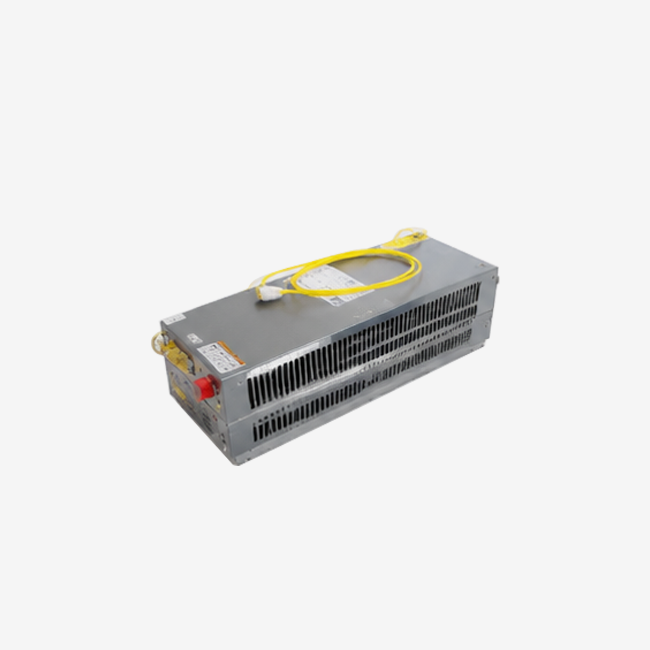
Power Output Decline Over Time
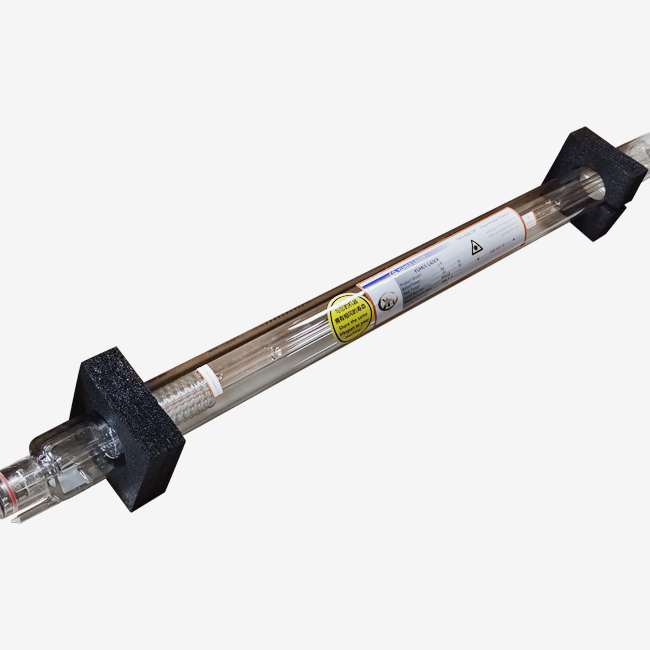
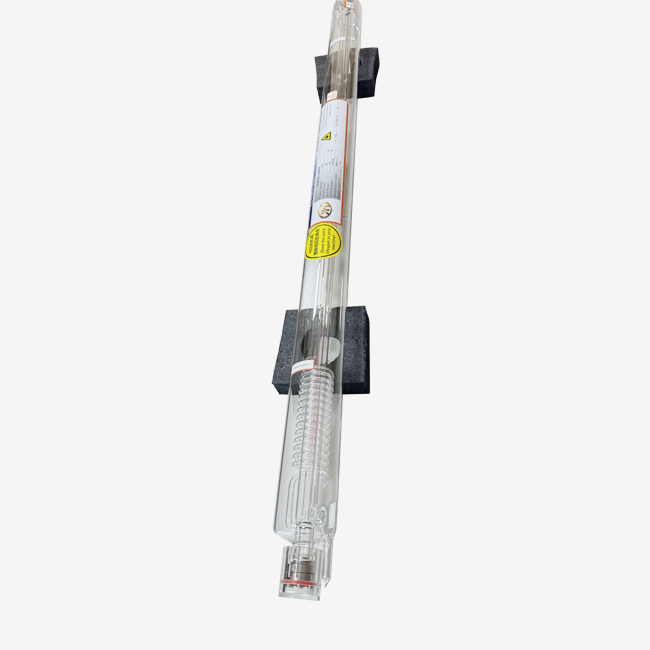
Many operators think that normal age is a sign of a problem. High-quality industrial CO₂ laser tubes can maintain relatively stable power output for several thousand operating hours under proper cooling and maintenance conditions, while lower-quality tubes may experience faster output decline. The FLT Series CO₂ laser tube has layers that protect the chemistry of the carbon dioxide, nitrogen, and helium mixture. This helps maintain stable laser performance over an extended operational lifespan under proper operating conditions. If the power does go out, check the temperature of the cooling water. Cooling water temperatures above the manufacturer's recommended range may reduce laser efficiency and shorten tube lifespan. Electrode corrosion also shows up as slow power loss. Long-term high-duty operation may gradually increase electrode wear and contribute to power instability over time.
Inconsistent Beam Quality and Cutting Results
Thermal lens effects or optics that aren't lined up right can cause carving depths that aren't even or cut lines that move around. The beam path has many mirrors and focusing lenses, and each one can get dirty or move around by itself. These problems are worst for high-precision etching tasks, where even a 0.1mm difference can show up as a flaw. We have records of situations where dust building up on the output coupler mirror cut power by 30%, but the tube itself was still fine. Failures in the cooling system can also lead to uneven results; not enough flow can cause localized heating that changes the shape of the output chamber.
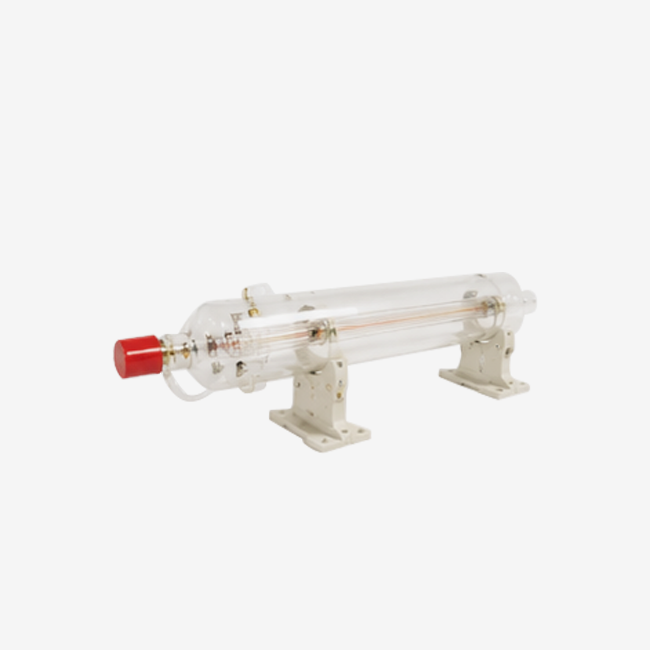
Electrical and Safety Faults
Respect and regular checks are needed for high-voltage devices. Insulation that is cracked, connections that are too loose, or water getting in can cause fires to stop and start, total shutdowns, or dangerous arcing. The power source usually works at 20–30 kV, which can find any weak spots in the wire or connector seals. Some workers don't follow the rules for grounding, which causes electromagnetic radiation that messes up control signals. When the flow of cold water goes below a certain level, safety interlocks stop the machine from working. This helps prevent overheating damage and potential tube failure.
8 Must-Know Troubleshooting Tricks for CO₂ Laser Systems
Diagnostics that work well combine organized measurements with pattern awareness that comes from experience. These ways focus on the specific types of failure we see most often, giving us steps we can take instead of just suggestions.
Measure and Calibrate Power Output Accurately
Before you assume the tube failed, check how you measured it. Every six months, laser power meters need to be calibrated, and they need to cool down properly between readings. Place the meter on the object, not at the end of the tube, to get an accurate reading of the supplied power, which includes all optical losses. When you compare readings taken at different power levels, you can see that a healthy tube keeps its output proportional across its range, while a failing unit loses too much power at higher settings. The flexible metal structure in high-quality tubes, like Yuhui's FLT Series CO₂ laser tubes, lets you fine-tune by changing the current. This way, you can usually recover 5–10% of the power loss you think you lost by calibrating correctly instead of replacing parts.
Identify and Address Electrode Degradation
During the electrical discharge that makes the laser, the electrodes wear away through sparking. Check the cathode once a month through the viewing ports on the tube when it is being used a lot. Darkening or a little roughness is a sign of early wear. Pitting or material loss are signs of advanced degradation. Severe electrode degradation or unstable starting performance may require factory servicing or tube replacement, depending on the tube design. Manufacturers of good quality, like Yuhui, offer clear repair instructions and original parts that fit the original specs. When you try to fix something with electrodes that don't work together, you lower the quality of the beam and speed up the wear on other parts by changing the way the discharge works.
Maintain Optimal Gas Pressure and Purity
For reliable performance, the CO₂-N₂-He mixture needs to be mixed in exact amounts and be completely pure. Over time, gas chemistry inside sealed tubes gradually changes because of molecular decomposition, electrode sputtering, and minor permeability effects. Monitor laser output stability and operating current regularly according to the manufacturer's maintenance recommendations. Lasers lose their effectiveness faster when they are contaminated with water or chemicals than when the pressure drops by itself. Some high-value industrial laser systems may support factory gas recharging services, depending on the tube structure and remaining component life. So they are only cost-effective for high-end tubes with a lot of electrode life left.
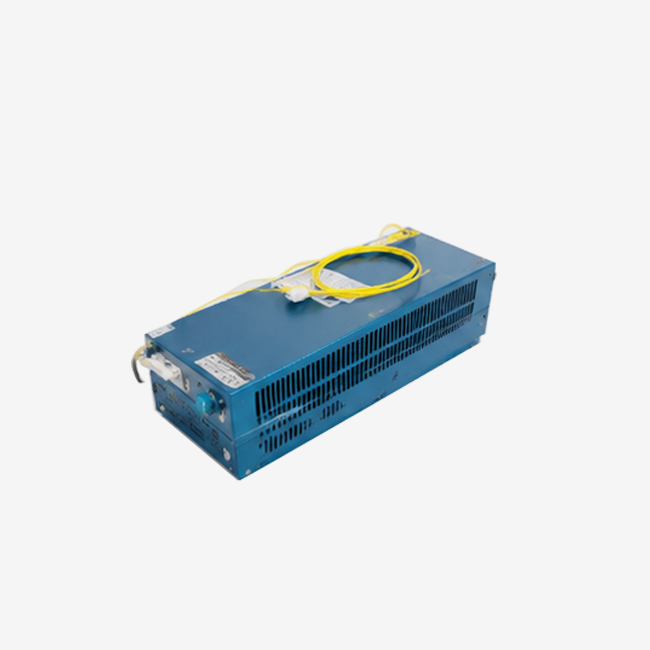
Clean Optical Components with Proper Techniques
During use, mirrors and glasses pick up dust, vaporized matter, and results of burning. Problems are found before they get worse by inspecting once a week. Only use lint-free brushes and optical-grade methanol or isopropyl alcohol. Wipe the screen in straight lines from the middle to the edges. Do not move in circles that grind bits across the surface. The output coupler, which is a partly mirrored mirror at the front of the tube, turns out to be the most important and delicate part. Even fingerprint oils weaken it by 10 to 15 percent. It is better to replace lenses that have scratches or pits than to clean them because damaged surfaces spread the beam and create hot spots that hurt parts further down the line. Quality tubes have great heat-dissipation designs that keep these important parts from getting too hot.
Diagnose and Repair Cooling System Problems
Cooling with water gets rid of waste heat that would have destroyed the tube in seconds without it. Most fatal failures are caused by inadequate flow, too high of a temperature, or tainted coolant. Use industrial chillers like CW-5000 types that are rated for your tube's thermal load to keep the inlet temperature between 15°C and 25°C. Significant temperature differences between coolant inlet and outlet may indicate insufficient cooling performance. Hot spots are caused by air bubbles in the cooling jacket. Always put the entrance at the bottom and the exit at the top, and tilt the container slightly while it's being filled to get rid of any trapped air. Scale that forms on hard water makes it harder for heat to move. To avoid this, use distilled water with rust agents and change the system every year.
Realign Beam Path for Maximum Stability
Mechanical shaking, temperature expansion, and mounting stress all move the optics out of place over time. First, use thermal paper or aligning points to make sure that the low-power beam hits the middle of each mirror. Use the fine-pitch screws to adjust the mirror mounts. Make small changes and check the whole path after each one. The cross-section of the beam should be spherical all the way through; elliptical forms show that the angles are not lined up correctly. Focus lens height changes both the size of the spot and the working depth of field. Use test cuts of different thicknesses of material to make sure you're in the right place. Professional installs include markings for important changes that make it easy to fix things after maintenance. When systems are properly designed and built, the small size and special optical lenses keep alignment drift to a minimum during normal use.
Prevent Electrical Faults Through Systematic Inspection
Visual checks done once a month catch problems as they start to form before they become major problems. Look for cracks, darkening, or tracking lines on the insulation of high-voltage cables that could mean a partial discharge. Connector housings should always be clean and dry, because silicone wetness in these places can cause catastrophic arcing. Check the real working current against the specifications. Values higher than the rated maximums speed up electrode wear and increase the chance of damage to the power source. Grounding is very important. Use a specialized meter to make sure there is less than 1 ohm of resistance between the machine frame and the building ground. Put surge protection on the power lines that come in to protect your gadgets from short-term events that can damage them even if they don't cause failures right away.
Assess Tube Condition for Replacement Decisions
An economic study tells us whether it makes more sense to fix something or replace it. Find the leftover value by comparing how well it's working now to how well it worked at the start, taking into account the cost of repairs and how long you expect it to last. But one that fails in more than one way—loss of power, unstable electricity, and cooling leaks—probably has structural damage underneath that makes replacement the better choice. At this point, the benefits of high-quality tubes for longer service life become clearest: expensive units with 1.5 times longer operating lifespans make up for a higher initial investment through a lower total cost of ownership.
How FLT Series Components Stand Out in Industrial Applications
Design choices are what separate good components from great ones. The FLT Series CO₂ laser tube method focuses on precisely making and choosing materials that have a direct effect on how easy it is to fix problems and how reliable the system is.
Engineering Features That Simplify Maintenance
Modular design lets you change individual parts without having to throw away the whole assembly. Replaceable optical components and serviceable cooling structures can help extend the economic lifespan of some industrial laser systems. When the temperature outside changes, the adjustable metal structure stays stable. It also keeps exact measurements that keep the beams aligned. Industrial-grade optical coatings on mirrors and lenses protect against damage from high-power density and contamination, which lowers the need for cleaning and replacement. These design elements don't just make the machine work better at first; they also decide whether fixes done in the field will work or need to be fixed in the factory, which increases downtime.
Support Infrastructure and Documentation Quality
Technical guides that are very detailed and include troubleshooting flowcharts and dimensional models make it possible for qualified techs to do upkeep on the equipment themselves, without the need for expensive service contracts. Yuhui Laser offers 450 days of support after the sale, which is much longer than the standard in the industry. This support includes help with installation, technical training, and quick help when problems arise. This longer service time shows that the company is confident in the quality of its products and wants to protect customers' interests. Authorized wholesalers keep a stockpile of parts with known wait times. This keeps operations that depend on sending critical parts from abroad from being held up for weeks at a time.
Best Practices for Preventive Maintenance Programs
Preventing problems with scheduled maintenance is more cost-effectively than fixing them when they happen. Adding organized processes to operations management cuts down on emergency breakdowns and makes equipment last longer.
Establishing Inspection and Service Routines
Write down rules that spell out daily, weekly, and monthly tasks with clear criteria for approval. Before starting production each day, the amount of coolant, the flow rate, and the temperature at the entrance are all checked. Every week, steps include cleaning and inspecting the optics, checking the connections visually, and making test cuts to make sure everything works right. Deep reviews are done once a month to check the state of the electrodes, compare the working parameters to baseline values, and make sure the safety interlock works. Write down what you find in maintenance logs that show how trends are changing over time. For example, a slow drop in power over months could mean a different problem than a quick drop. Multiple staff members should be taught these steps so that there isn't a mass of information that slows things down when someone isn't there.
Sourcing Genuine Parts and Qualified Consumables
Aftermarket parts are cheaper, which makes people want to buy them, but they often don't work with original parts and wear out faster. For the work function and sputtering resistance to be right, the electrode materials must exactly match the metal specs. To get the right reflection at the 10.6-micron CO₂ laser range, optical coatings need to be the right thickness and make-up. Even things that are added to the cooling system need to be checked. For example, some types of antifreeze for cars contain silicates that build up and block small openings. Working with approved providers like Yuhui makes sure that parts meet the requirements set by the original equipment manufacturer.
Conclusion
When you learn these eight fixing techniques, laser tube care goes from being a mystery to something you can handle. Knowing how to measure power, the state of the electrodes, the purity of the gas, the cleanliness of the optics, the performance of cooling, the alignment of the beam, the electrical integrity, and the cost of replacement lets you make smart choices that maximize downtime and reduce costs. Manufacturers like Yuhui make FLT Series CO₂ laser tubes that are well thought out and easy to service. Systematic inspections and weather control are used in preventive maintenance plans to find problems early on, before they stop production. For laser processing businesses to be successful, they need to work with dependable suppliers who offer original parts, technical help, and the ability to make changes.
FAQ
How often should I perform maintenance on CO₂ laser tubes?
Maintenance regularity relies on how hard the machine is being used, but there are some general rules that can be used. During busy production times, check the cooling systems and clean the sights once a week. Deep checks should be done once a month to look at the electrodes, make sure the electrical connections are correct, and compare performance factors to standard values. As part of the annual service, the cooling system is flushed, the entire optical path alignment is checked, and worn-out parts are replaced.
Can I use replacement parts from different manufacturers?
Mixed sourcing is not a good idea because of efficiency and safety risks, even if the materials are physically compatible. To keep working right, the materials used for the cooling jacket, the optical layer, and the electrode metal must all match the original designs. When parts don't work together properly, they can lower the power output, speed up wear, or even pose safety risks from electrical or heat stress. Failures caused by fake parts are usually not covered by warranties.
What signs indicate tube replacement rather than repair?
Replacement choices are based on a number of things. If the power output is less than 70% of the original, even after cleaning, aligning, and calibrating it, it means that there is basic degradation. If you can see cracks in the glass envelope or ceramic parts, they need to be replaced right away, no matter what the result is. Electrical instability, such as trouble starting, firing randomly, or high starting voltage, is a sign of electrode or power source damage that is usually too expensive to fix. Find the total cost of ownership by weighing the cost of repairs and the expected increase in service life against the cost of buying a new tube. Tubes showing severe power decline, unstable operation, or structural damage may require replacement depending on overall operating conditions.
Secure Your Production Reliability with Yuhui Laser
Yuhui Laser excels in providing industrial-grade CO₂ laser solutions that are made to work in tough production settings. As a well-known company that sells FLT Series CO₂ laser tubes, we mix quality that is CE and ISO approved with high-durability industrial optical components that keep the output stable even after years of nonstop use. We also keep the 450-day after-sales help and expert training that keep your systems running. Whether you need replacement tubes, special configurations for OEM uses, or full system integration support, our engineering team is ready to help. Please email us at jianghui@yuhui-laser-tech.com to talk about your unique needs and find out how our affordable laser tools for sale can help you make more things.
References
1. Chernov, V. N., & Soloviev, N. G. (2019). Industrial CO₂ Laser Systems: Design, Operation, and Maintenance. Moscow Technical Publishing.
2. Anderson, J. E. (2021). "Troubleshooting Gas Laser Performance Issues in Manufacturing Environments." Journal of Laser Applications, 33(4), 042-058.
3. Liu, H., & Zhang, W. (2020). Practical Guide to Laser Cutting and Engraving Equipment. Shanghai Industrial Press.
4. German Institute for Standardization. (2022). DIN EN ISO 11553: Safety of Machinery - Laser Processing Machines. Berlin: Beuth Verlag.
5. Thompson, R. L. (2018). "Predictive Maintenance Strategies for Industrial Laser Systems." Manufacturing Engineering and Technology Quarterly, 45(2), 112-129.
6. International Laser Safety Conference Proceedings. (2023). "Operational Best Practices for CO2 Laser Tube Longevity." Laser Institute of America Annual Technical Symposium, Orlando, FL.
Contact us directly for customized solutions, quotations and long-term strategic cooperation.