- English
- French
- German
- Portuguese
- Spanish
- Russian
- Japanese
- Korean
- Arabic
- Greek
- German
- Turkish
- Italian
- Danish
- Romanian
- Indonesian
- Czech
- Afrikaans
- Swedish
- Polish
- Basque
- Catalan
- Esperanto
- Hindi
- Lao
- Albanian
- Amharic
- Armenian
- Azerbaijani
- Belarusian
- Bengali
- Bosnian
- Bulgarian
- Cebuano
- Chichewa
- Corsican
- Croatian
- Dutch
- Estonian
- Filipino
- Finnish
- Frisian
- Galician
- Georgian
- Gujarati
- Haitian
- Hausa
- Hawaiian
- Hebrew
- Hmong
- Hungarian
- Icelandic
- Igbo
- Javanese
- Kannada
- Kazakh
- Khmer
- Kurdish
- Kyrgyz
- Latin
- Latvian
- Lithuanian
- Luxembou..
- Macedonian
- Malagasy
- Malay
- Malayalam
- Maltese
- Maori
- Marathi
- Mongolian
- Burmese
- Nepali
- Norwegian
- Pashto
- Persian
- Punjabi
- Serbian
- Sesotho
- Sinhala
- Slovak
- Slovenian
- Somali
- Samoan
- Scots Gaelic
- Shona
- Sindhi
- Sundanese
- Swahili
- Tajik
- Tamil
- Telugu
- Thai
- Ukrainian
- Urdu
- Uzbek
- Vietnamese
- Welsh
- Xhosa
- Yiddish
- Yoruba
- Zulu
Affordable CCD engraving and cutting machines with high precision
Manufacturers and wholesalers are always looking for cutting-edge machines that are accurate and won't break the bank. When they do, CCD engraving and cutting machines with high precision always come up as good options. Industrial-grade cameras and CNC controls are built into these automated systems. This allows real-time image recognition and contour tracing, which gets rid of the need for human error in alignment. The technology makes sure that every production run is placed accurately to within a millimeter by automatically finding registration marks on printed materials like textile patterns, flexible electronics, and signs. This directly cuts down on the costs that come from waste and extra work.
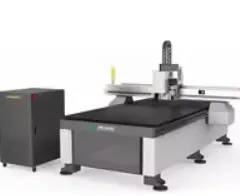
Understanding CCD Engraving and Cutting Technology
When CCD cameras were added to CNC machines, computer vision changed how things were made in factories. Instead of mindlessly following pre-programmed tracks, these machines use high-resolution cameras to "see" the real workpiece and record reference marks that help the blades or lasers move precisely. This visual feedback loop fixes issues with material distortions that happen during printing, heat transfer, or handling of the substrate, which are common issues with traditional cutting systems.
How CCD Systems Operate
When workers put printed materials on the Hoover table, the work starts. Built-in cameras look over the work surface for round or cross-shaped registration marks that are stored in the design file. Within milliseconds, advanced image processing algorithms can figure out changes in position, rotation, and scaling. The control system then changes the cutting path on the fly to make sure that the blade paths perfectly follow the printed shapes, even if the material moved during earlier stages of production.
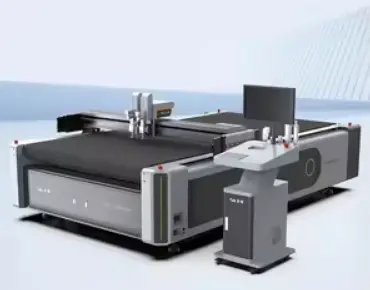
Core Technical Advantages
Using machines with CCDs gives you measurable advantages over older methods. Positioning accuracy usually ranges from ±0.02mm to ±0.08mm over big work areas, keeping tight tolerances that can't be regularly reached by hand. Recognition speed has sped up a great deal—modern DSP chips can identify multiple mark spots while the machine is moving, so screening time is cut down significantly. Software can handle surfaces that stretch, shrink, or warp, so it can work with a wider range of materials. For example, it can handle hard acrylic panels and flexible vinyl films in the same setting.
This technology works especially well when working with digitally printed graphics. Advertising sign shops that cut vehicle wraps, packaging converters that finish custom labels, and clothing manufacturers that trim sublimated sportswear all have the same problem: printed images don't always line up perfectly with the edges of the material because of issues with printer registration, heat distortion, or changes in substrate tension. This gap is filled by CCD vision, which adapts to real life instead of thinking everything is perfect.
Key Factors for Choosing Affordable and High-Precision CCD Machines
To find the right balance between cost and capability, you need to know which specifications really have an effect on the results of production. Not every manufacturer needs the highest camera resolution or the fastest recognition speed. The best choice depends on the type of material, the complexity of the graphics, and the throughput goals.
Critical Components Affecting Accuracy
Reliability in recognition is based on the resolution of the camera. Entry-level systems with 5MP sensors can easily read normal registration marks. However, 12MP to 20MP cameras are needed to see fine details on materials that are shiny or have low contrast. Lens quality is very important—industrial-grade lenses with little distortion make sure that measures are correct across the whole field of view, which stops positioning mistakes from happening from the edges to the middle.
Long-term precision is directly affected by how mechanically built something is. Aviation-grade aluminum frames and precision linear guides are used to build CCD engraving and cutting machines that keep their placing accuracy over years of continuous use. Lighter structures, on the other hand, may develop play in their moving parts, which lowers the quality of the cuts over time. When it comes to demanding applications, ball screw drive systems are better than belt drives because they offer better backlash control and positioning consistency.
Evaluating Software Capabilities
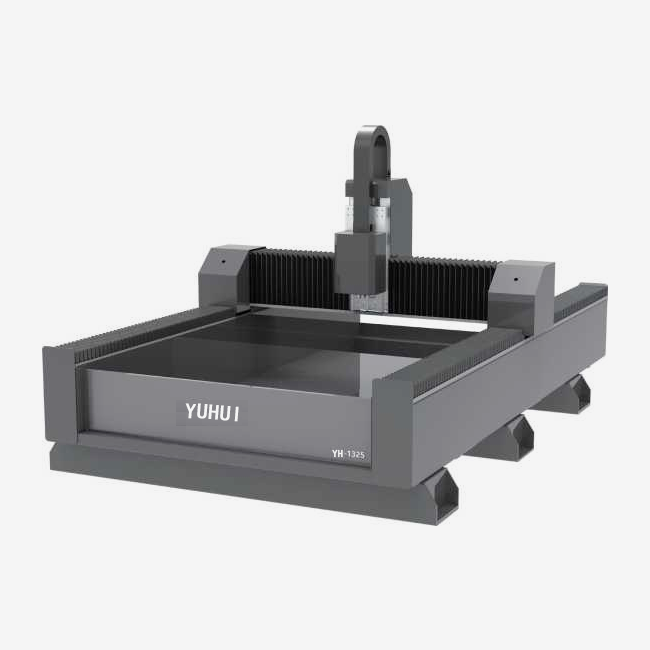
The clever control system is what sets capable machines apart from basic ones. The YH-1325CCD from Yuhui Laser is a good example of this because it has dual-system switching, which lets operators switch between flat cutting and camera-guided contour tracing without having to change the hardware. When production plans change throughout the day from standard rectangular panels to complicated printed forms, this flexibility comes in very handy.
Workflow integration is made easier by file types that are widely used in the business. Systems that handle DST, DXF, AI, and DWG formats get rid of the need to convert files, and G-code output makes it easy to work with current software for production management. Another important feature is template matching algorithms, which can instantly find the right orientation for graphics and adjust for up to 360 degrees of material movement.
Comparing Price and Performance
There are solutions that are affordable at different price points. Small businesses that work with medium-hard materials like PVC, acrylic, and KT board and have work areas of about 1300x2500mm can use entry systems that cost between $8,000 and $15,000. For tough industrial settings, machines in the middle price band ($20,000 to $40,000) have more powerful spindles, faster recognition processing, and better material handling. High-end models that cost more than $50,000 come with multiple heads, automatic loading systems, and interfaces that are ready to be integrated for use on a production line.
When procurement teams are looking at their options, they shouldn't just look at the purchase price but also the total cost of ownership. Machines that need to be calibrated often, use secret parts, or have limited technical support often cost more over their useful life than slightly more expensive options that come with full service guarantees.
Maintenance and Troubleshooting for CCD Engraving Machines
To keep accuracy, you need to take preventative care. Even tough industrial equipment needs regular maintenance to keep it working like it did when it was first bought.
Essential Maintenance Practices
How well recognition works is directly related to how clean the camera lens is. Dust on optical surfaces spreads out light, which lowers sharpness and could make it impossible to spot marks. Cleaning it once a month with dry alcohol and lint-free cloths stops it from slowly losing its effectiveness. During these checks, the security of the camera mount is checked to find any loose fasteners before they cause positioning errors caused by vibration.
Calibration checks should be done every three months or whenever the quality of the cuts starts to get worse. This step checks the real distance between the camera and the tool to make sure the system knows exactly where the cutting blade is in relation to what the camera sees. Changes in the environment, like changes in temperature or moving CCD engraving and cutting machines, can throw off these important links, so they need to be confirmed on a regular basis.
Updates to software fix new material problems and make recognition algorithms better. Manufacturers often put out fixes that make their products work better with new material types or make processing faster. Keeping systems up to date keeps them from not working with new design tools or when switching to a different material provider.
Common Issues and Solutions
If the identified marks are not aligned with the real cut lines, this is usually a sign of camera calibration drift. Most problems can be fixed by running the built-in calibration routine. However, problems that don't go away may mean that mechanical wear has occurred in motion components that need to be serviced by a professional. Power fluctuations that cause sporadic operation are often caused by bad electrical infrastructure. Stable voltage within certain ranges is needed for industrial equipment, so specialized lines with proper grounding are necessary.
Problems with recognition on shiny materials get better when the lighting is changed. Polarised filters cut down on glare from metal substrates, and LEDs whose brightness can be changed can work in a variety of production facilities with different air conditions. When working with low-contrast images or surfaces with a lot of texture, software template sensitivity settings let you fine-tune recognition limits.
Long-term investments are safe when you work with suppliers who offer OEM replacement parts and quick technical support. Generic parts may physically fit together, but they don't always have the exact specs or material requirements that make sure they stay accurate. Yuhui Laser's 450-day extended service promise is a great example of the kind of help that serious manufacturers need. Having access to engineers who know a lot about equipment keeps downtime to a minimum when problems come up out of the blue.
Procurement Guide for B2B Clients: Buying CCD Engraving and Cutting Machines
When making strategic buying decisions, it's important to weigh immediate needs against the ability to grow in the future and to use objective criteria to check the credibility of the supplier.
Evaluating Suppliers and Manufacturers
Certification of authenticity gives you a solid base of trust. When something has the CE marking, it means it meets European safety and electromagnetic compatibility standards. When something has the ISO 9001 certification, it means it is managed with systematic quality throughout the whole manufacturing process. By asking for copies of certificates with verification codes, you can get independent proof from the granting bodies, which protects you from fake documents.
Lead times and production capacity show how stable a supplier is. Established companies that keep an inventory of parts and use standard production processes can deliver equipment in a predictable amount of time. Yuhui Laser's 14-day lead time shows that they can do this. Too long of a delivery window could mean that the business is a build-to-order one that doesn't have economies of scale, and claims that are too short can sometimes mean that quality will be compromised or specifications will be changed.
Customization and OEM Opportunities
More and more, mid-sized producers and wholesalers are looking for custom solutions that fit their unique needs. Structure customization changes the size of the machine to fit the available floor space or adds special handling for different substrate forms. When functions are customized, automatic tool changers for multi-process workflows or barcode scanners that connect production data to enterprise management systems could be added.
Private labeling helps distributors build a brand presence in their region. Reputable manufacturers allow for custom labeling, localization of software interfaces, and translation of documentation, all while sticking to technical standards that guarantee consistent performance. When sellers offer open minimum order numbers and thorough technical training, these partnerships work best. This lets distributor service teams help end customers effectively.
Negotiation Strategies
Most of the time, promises to buy in bulk get better prices without lowering quality. People who want to buy more than one unit should ask for tiered quotes that show price breaks at different amounts. Payment terms are also important. Payments that are spread out over time based on production goals and final acceptance testing are better for both parties than demands for full payment up front.
Warranty coverage and support after the sale are negotiable factors that are often forgotten. Standard one-year guarantees can be extended to 18 or 24 months for bigger orders. Buyers should find out how long it takes for technical questions to be answered, whether extra parts are available, and whether service can be done on-site. Knowing the difference between service that is warrantable and service that is chargeable helps avoid arguments when problems happen.
Comparative Insights and Performance Metrics
Objective benchmarking helps fit the powers of technology to the needs of an application, rather than focusing on specifications that are too high for the job.
When cutting printed stickers, trimming heat-transferred clothing designs, or finishing UV-printed signs, CCD vision systems are the best way to handle images that need to follow contours accurately. Positioning accuracy of ±0.05 mm to ±0.08 mm is perfect for these uses, making sure that cuts land within very small gaps from printed edges. Based on the camera resolution and algorithm complexity, recognition processing adds 3 to 8 seconds per mark set. This isn't a big deal when each piece needs 2 to 15 minutes of actual cutting time.
Traditional CNC routers that don't have vision costs 30% to 50% less, but they need materials to be perfectly aligned and can't account for differences in printing. They work well for tasks where patterns line up with the edges of the material, like engraving awards, cutting standard forms from plain stock, or working with rigid materials that don't bend. Adding manual alignment makes setup take a lot longer, which takes away from the throughput benefits that their lower price suggests.
When you do the math on per-unit economics, the choice is clear. Vision system premiums may not be worth it for businesses that process less than 50 simple rectangular pieces per day, but businesses that process 200 or more complex contour-cut items per day can recoup their investment within months by cutting down on waste and labor. Material costs play a big role in this calculation—specialty substrates that are expensive make even small cuts in waste important from a financial point of view.
As Industry 4.0 principles stress automatic quality control and data-driven process optimization, more and more people are choosing to use combined CCD technology. These days' machines make production logs that connect camera pictures to cut paths. This makes audit trails that meet quality management standards in supply chains for cars, medical devices, and aircraft. Just being able to keep records makes technology fees worth it for companies that work with regulated businesses.
Conclusion
CCD engraving and cutting machines are very accurate thanks to smart camera-guided processing that gets rid of mistakes made by hand and wasteful material use. A good buying process combines technical requirements like working accuracy, camera resolution, and the freedom of the control system with practical factors like the name of the seller, support after the sale, and the total cost of ownership. Long-term accuracy is kept up by regular maintenance, and smart relationships with suppliers allow for customization to meet changing production needs. The technology is especially useful for processing printed graphics on medium-hardness materials. It offers real efficiency gains and quality improvements that make investment worthwhile for sign shops to industrial manufacturing facilities.
FAQ
What accuracy levels can CCD systems achieve compared to standard CNC machines?
Quality CCD engraving machines keep their cutting area accurate to within ±0.05mm to ±0.08mm, which is as accurate as or more accurate than regular CNC routers. The main difference is adaptive positioning. CCD systems keep these tolerances for printed graphics no matter where the material is placed, but traditional machines only keep accuracy for table coordinates. When materials move or change shape during earlier steps of the production process, CCD compensation stops errors that happen over time and that regular equipment can't handle.
Can these machines process different material types effectively?
Yes, CCD technology can work with a number of medium-hardness materials, such as PVC, acrylic, KT board, wood composites, and some fabrics. The Yuhui Laser YH-1325CCD can feed materials up to 80 mm high, and its spindle speeds can be changed from 6,000 to 24,000 RPM to accommodate materials with different levels of hardness. Software correction takes into account how different materials behave, like expanding or contracting. For best results, though, you should match the blade selection and feed rates to the properties of the base by making test cuts during the initial setup.
Partner with Yuhui Laser for Your CCD Engraving Solutions
Precision CCD engraving and cutting machines are made by Yuhui Laser. Their machines are certified by CE and ISO, which means they meet international quality standards. Our YH-1325CCD model has smart camera placement and dual-system control freedom, so it can handle everything from signs to industrial parts with an accuracy of ±0.08 mm. Manufacturing efficiency lets you keep prices low and lead times short, up to 14 days, so you can get the most out of your equipment investment.
As a well-known CCD engraving and cutting machine manufacturer, we offer full customization services that let you change the structure of the equipment, the way the software works, and the amount of processing that can be done to fit your specific needs. The extended 450-day after-sales service commitment includes technical training, installation support, and quick troubleshooting help to keep your production going. Get in touch with our tech team at jianghui@yuhui-laser-tech.com to talk about how our vision-guided processing solutions can help your facility cut down on waste and boost throughput. You can find full specs and real-world examples of how the laser works at yuhui-laser-tech.com.
References
1. Johnson, M. & Chen, L. (2023). Precision Manufacturing with Vision-Guided CNC Systems: Industrial Applications and Performance Analysis. International Journal of Advanced Manufacturing Technology.
2. Thompson, R. (2024). Comparative Study of Automated Positioning Technologies in Digital Printing Workflows. Society of Manufacturing Engineers Technical Paper Series.
3. European Committee for Standardization (2022). CNC Machine Tool Accuracy Standards: Testing and Verification Procedures, EN ISO 230-2:2022.
4. Zhang, W. et al. (2023). Image Processing Algorithms for Real-Time Material Recognition in Automated Cutting Systems. Journal of Intelligent Manufacturing Systems.
5. Industrial Automation Association (2024). Market Analysis: Adoption Trends in Vision-Integrated Processing Equipment Across Global Manufacturing Sectors. Annual Industry Report.
6. Peterson, K. (2023). Total Cost of Ownership Analysis for CNC Equipment: Maintenance, Consumables, and Operational Efficiency Factors. Production Engineering Research Council White Paper.
Contact us directly for customized solutions, quotations and long-term strategic cooperation.