- English
- French
- German
- Portuguese
- Spanish
- Russian
- Japanese
- Korean
- Arabic
- Greek
- German
- Turkish
- Italian
- Danish
- Romanian
- Indonesian
- Czech
- Afrikaans
- Swedish
- Polish
- Basque
- Catalan
- Esperanto
- Hindi
- Lao
- Albanian
- Amharic
- Armenian
- Azerbaijani
- Belarusian
- Bengali
- Bosnian
- Bulgarian
- Cebuano
- Chichewa
- Corsican
- Croatian
- Dutch
- Estonian
- Filipino
- Finnish
- Frisian
- Galician
- Georgian
- Gujarati
- Haitian
- Hausa
- Hawaiian
- Hebrew
- Hmong
- Hungarian
- Icelandic
- Igbo
- Javanese
- Kannada
- Kazakh
- Khmer
- Kurdish
- Kyrgyz
- Latin
- Latvian
- Lithuanian
- Luxembou..
- Macedonian
- Malagasy
- Malay
- Malayalam
- Maltese
- Maori
- Marathi
- Mongolian
- Burmese
- Nepali
- Norwegian
- Pashto
- Persian
- Punjabi
- Serbian
- Sesotho
- Sinhala
- Slovak
- Slovenian
- Somali
- Samoan
- Scots Gaelic
- Shona
- Sindhi
- Sundanese
- Swahili
- Tajik
- Tamil
- Telugu
- Thai
- Ukrainian
- Urdu
- Uzbek
- Vietnamese
- Welsh
- Xhosa
- Yiddish
- Yoruba
- Zulu
Intelligent High-speed cutting machines show high productivity rates
By combining cutting-edge control systems with precise engineering, intelligent high-speed cutting machines are changing how manufacturers approach metal fabrication. These machines are 30–40% more productive than regular machines because they use automated processes, smart parameter change, and uniform cutting quality. Modern intelligent high-speed cutting machines meet the high standards of accuracy and speed needed by industries. They are equipped with military-grade optical parts and high-precision industrial cameras for edge detection.
Introduction
More and more, equipment that can do both precision and throughput is needed for manufacturers to stay competitive. Businesses in the automotive, sheet metal, and hardware industries can now significantly increase productivity thanks to intelligent high-speed cutting machines, a significant advancement in fabrication technology. To get the best results on every cut, these systems use advanced motion control, real-time tracking, and automatic parameter adjustments.
For people who buy things for businesses, like buying managers, manufacturing engineers, distributors, and OEM buyers, knowing about these technological skills is important when choosing tools that will affect how much they can make and how much it costs to run. The purpose of this guide is to look at how intelligent high-speed cutting machines can be used to improve industrial efficiency, cut down on waste, and speed up work processes.
The needs of modern fabrication go beyond what can be met by manual programming and old-fashioned cutting systems. These problems can be solved by intelligent high-speed cutting machines that have adaptive control systems that can adapt to changes in the material, automatic feeding systems that cut down on the time needed for manual handling, and precision monitors that make sure the quality stays the same across production runs.
Understanding Intelligent High-Speed Cutting Machines
Intelligent high-speed cutting machines are very different from regular machines because they combine precise hardware with advanced software control. These machines use real-time data analysis to change the cutting parameters automatically in response to changes in material thickness, tool wear, and thermal expansion, all without the operator having to do anything.
Core Technologies Driving Performance
Being able to do intelligent high-speed cutting depends on a number of different tools working together. Automatic edge detection is done by high-precision industrial cameras. This allows for accurate laser positioning that fixes problems caused by uneven material positioning. This vision system cuts down on the time needed to set up and line materials, and it also cuts down on the waste that comes from mistakes in placement.
Modern motion control systems precisely balance speed by controlling the rates of acceleration and deceleration. Instead of moving at a constant speed, intelligent controls optimize motion routes to cut down on cutting time while keeping the accuracy of the dimensions. Servo drive systems with closed-loop input make sure that setting accuracy is within ±0.05mm, which is needed for a wide range of precision machining tasks.
Reliable laser protection systems constantly check the system's status to find any problems with power output, beam alignment, or temperature. When parameters move out of their ideal ranges, the system either changes how it works automatically or warns workers before quality problems happen. This keeps the system stable during production runs.
Automated Processing Capabilities
Intelligent high-speed cutting machines are great at cutting down on the amount of work that needs to be done by hand. Fully automatic rewind-type feeding mechanisms can handle materials up to 1650 mm wide and position and move the material without any help from an operator. With this technology, there are no more delays in moving materials between cuts, and the feed rates stay the same, which helps keep the quality of the cuts steady.
Ethernet-based communication makes it easy to connect to CAD/CAM systems and ERP platforms, so production data can go straight from design files to machines running the code. This digital workflow gets rid of the programming mistakes that come from entering data by hand and speeds up the setup time for job changes. This is especially helpful for manufacturers who deal with different part mixes or custom orders.
When these technologies are used together, cutting activities go from requiring operators to being able to run at high speeds for long periods of time with little control.
Comparing Intelligent High-Speed Cutting Machines to Conventional Alternatives
Knowing the real differences between intelligent high-speed cutting and standard cutting helps procurement decision-makers figure out the return on investment using performance metrics instead of marketing speak.
Productivity and Throughput Analysis
When a traditional CNC cutting system is set up, it usually runs at a constant speed that needs to be adjusted by a user whenever the properties of the material change. Intelligent high-speed cutting machines are always finding the best cutting speeds, which can be anywhere from 200 mm/s for thick materials to 1200 mm/s for thin gauges. They do this by automatically choosing the right parameters based on the type of material and its thickness. This adjustable method keeps the cutting speed at its safest level without any help from the user.
With an automated feeding system, there is no need to move the material between cuts, which takes 15 to 25 percent of the production time in operations that are fed by hand. This adds an extra 1.2 to 2 hours of cutting time over the course of an eight-hour shift, directly increasing daily output without adding more work or working longer hours.
Cutting down on setup time is another way that it boosts productivity. Positioning and programming standard systems by hand can take anywhere from 20 to 45 minutes per job, based on how complicated it is. Setup time is cut down to 5–10 minutes by intelligent high-speed cutting machines that automatically detect edges and import CAD files. This makes small-batch production more cost-effective and speeds up response times for urgent orders.
Precision and Quality Consistency
The quality of conventional cutting depends a lot on how skilled and careful the operator is when setting up and running the machine. Intelligent high-speed cutting machines keep cutting accuracy and operational stability stable by constantly monitoring and adjusting, so the same results are always achieved, no matter how experienced the operator is. This consistency cuts down on rejections and gets rid of the differences in quality that happen between shifts or operators.
High placement accuracy makes sure that the tolerances for dimensions stay within the limits set for the whole production run. When you combine precise sensors with adaptive control, you stop the dimensional drift that happens in regular systems when cutting tools wear out or when heat changes the shape of the machine.
Operational Cost Considerations
If you optimize the motion routes and cut down on idle time, you can save 12 to 18% on electricity use compared to traditional systems that run at set speeds. Instead of keeping the maximum power level constant, advanced energy management systems change how much power is delivered based on real-time cutting needs.
Depending on the complexity of the part and how well it nests, careful cutting can cut the amount of waste by 8 to 15 percent. Automated nesting software figures out the best way to arrange parts to cut down on waste, and precise cutting cuts down on the oversize allowances that less accurate equipment needs to make.
Automation cuts down on labor costs because it lets one person oversee multiple tools instead of having to focus on each one individually. Setup time is cut down and operations are computerized, which lowers the number of hours worked on each part. This is especially helpful in high-mix production settings.
Key Benefits of Intelligent High-Speed Cutting Machines for B2B Clients
The business case for intelligent high-speed cutting machines is based on changes in industrial performance that can be measured and have a direct effect on how profitable the business is and how competitive it is in the market.
Measurable Productivity Increases
Improvements in production throughput are caused by a number of factors working together. Ultra-fast cutting speeds cut cycle time for each part by a huge amount, and automatic feeding gets rid of delays that don't involve cutting. The cumulative effect usually boosts daily part output by 35–50% compared to traditional equipment that is fed by hand. This lets manufacturers keep up with rising demand without having to buy more equipment or make more floor space.
Because they take less time to set up, intelligent high-speed cutting machines can be used for smaller batches that would not be profitable with regular equipment. Because of this, manufacturers can take custom orders and act quickly on market opportunities without sacrificing efficiency.
Enhanced Quality and Consistency
Intelligent high-speed cutting machines keep setting accuracy high and operation stable over long production runs. This makes sure that the quality of the parts is always the same, which is what is needed for precision cutting. When cutting edges are clean and don't have any burrs, they don't need to be deburred again. This cuts down on handling and finishing costs and improves the look of the part.
Automated quality monitoring finds deviations before they turn into broken parts. This cuts down on the cost of scrap and stops the shipment of products that don't meet standards. Continuous process monitoring keeps records for quality management systems and meets the traceability needs of supply chains in the automotive and aerospace industries.
Operational Safety Improvements
Reliable laser protection systems and full safety interlocks keep operators from being exposed to the risks that come with cutting. With automated feeding, there is no need to move materials by hand near cutting areas, which lowers the risk of getting hurt by sharp edges or pinch points.
Predictive maintenance checks the state of parts and lets maintenance teams know about problems that are starting to happen before the equipment breaks down. This proactive method cuts down on unplanned downtime that delays output and gets rid of the safety risks that come with equipment breaking down without warning.
Long-Term Value Creation
Better energy management lowers running costs over the life of the equipment, which saves money over time and increases the return on investment. Wide material compatibility, which includes stainless steel, aluminum, carbon steel, and copper alloys, lets equipment be used in a lot of different ways, so different materials don't need their own special machines.
The economics of higher throughput, better quality, fewer labor needs, and lower operational costs are very strong. Depending on production rate and application, payback times are usually between 18 and 28 months.
Procurement Guide: Finding the Right Intelligent High-Speed Cutting Machine
When choosing the right cutting equipment, you need to compare its technical capabilities to the needs of the manufacturing process and think about the total cost of ownership, which goes beyond the initial purchase price.
Technical Specification Evaluation
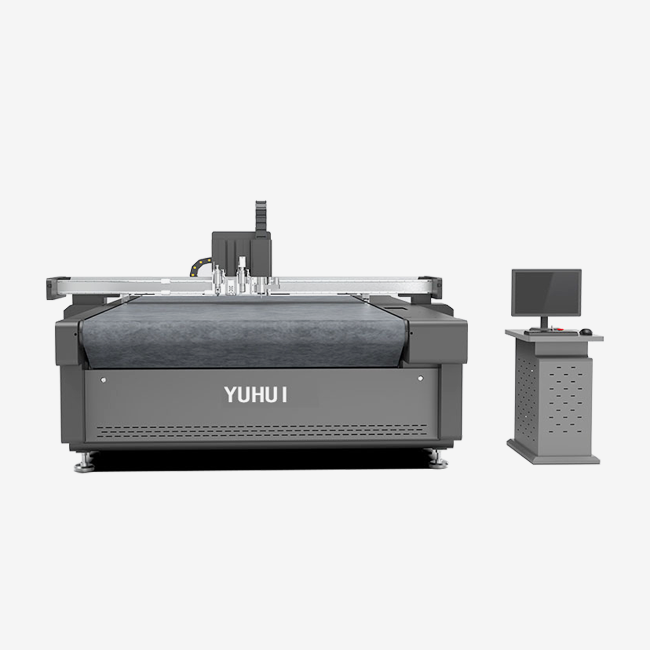
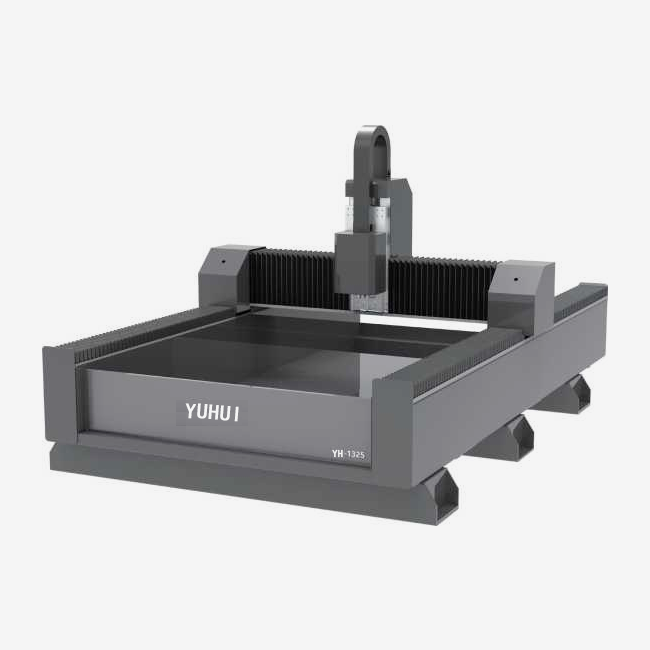
The machine's highest part size is based on the size of its working area. The YH-1625 type has a 1600x2500mm work area that can be used for making sheet metal parts, furniture parts, and car panels. For manufacturers to choose the right working area, they should look at the current part sizes along with a reasonable amount of room for future product growth.
The rated power needs, which are between 7.5KW and 11KW, must match the electrical infrastructure of the building and the cutting needs of the materials. Higher power levels are needed for cutting faster and thicker materials, but lower power systems that use less energy can work well with thinner materials.
Different types of materials can have different cutting thicknesses. Some intelligent high-speed cutting machines can handle up to 50 mm of thickness in certain materials by customizing their setups. To make sure that the equipment chosen meets the needs of the application, procurement teams should give manufacturers detailed material specifications. This way, costs won't go up for no reason.
Manufacturer Partnership Considerations
CE and ISO approval show that a product meets international quality and safety standards. This is very important for companies that sell to customers all over the world or have to follow strict rules. These licenses show that the equipment has passed strict tests for electrical safety, electromagnetic compatibility, and how well it works.
Strong customization options let equipment be changed to fit the needs of a specific manufacturing process. If a manufacturer lets you customize the structure, the functions, and the integration of intelligent automation, they can make solutions that work best for specific uses instead of making production processes adapt to the limits of standard equipment.
When you buy directly from the manufacturer, you don't have to pay the markups that distributors do. You also get genuine parts and direct access to technical support. Building connections with makers instead of middlemen gives you better long-term support and faster answers to technical questions or requests for parts.
Service and Support Infrastructure
The length and scope of after-sales service have a big effect on the total cost of ownership. Longer service periods, like 450 days of after-sales support, show that the manufacturer cares about their customers' success and lower the risk of long periods of downtime caused by unresolved technical issues. Technical training, help with installation, and ongoing upkeep advice should all be part of full support.
The production wait time impacts the schedule for projects and the planning of supplies. When manufacturers offer 14-day lead times and a large inventory, they can quickly meet pressing needs or expand their equipment. This frees up capital that would have been used for advance orders and allows for quick market reaction.
Strong logistics partnerships make sure that deliveries are made on time and that the right paperwork is filled out. This is especially important for buying things from other countries. When a manufacturer has established shipping relationships, there are fewer risks and problems with customs that can slow down the start-up of equipment.
Maintenance Best Practices and Safety Tips
For equipment to keep working well, it needs regular maintenance and strict safety rules that protect both the operators and the production line.
Routine Maintenance Protocols
Critical systems should be checked every day before production starts as part of regular inspection plans. Operators should make sure that safety interlocks work properly, listen for strange noises or vibrations during warm-up processes, and make sure that the automatic feeding systems put materials in the right place. These quick checks find problems as they start to appear before they get worse or damage equipment.
As part of weekly maintenance, optical parts need to be cleaned, laser alignment must be checked, and the cutting head's condition must be checked. Having dust and residue build up on lenses or mirrors lowers the quality of the cut and can damage parts by absorbing too much heat. Following the cleaning steps suggested by the maker keeps the system running at its best and increases the life of its parts.
As part of its monthly repair, mechanical systems like linear guides, drive belts, and motion components should be checked. Proper cleaning according to the manufacturer's instructions stops wear before it starts and keeps the accuracy of placement. By checking the state of electrical links and cables, problems can be found before they stop production.
Software and Calibration Management
Calibration checks are done on a regular basis to make sure that the positioning accuracy stays within the acceptable range as parts wear down naturally. Most manufacturers suggest doing calibration checks every three months using high-precision measuring tools to make sure that the machine's geometry and positioning are always the same. This proactive approach keeps the quality consistent and stops the accuracy from slowly getting worse over time as it happens when no one is watching.
When makers release updates for their software, they often add new features, make it run faster, or make it compatible with new CAD forms. Setting up update plans for planned breaks keeps systems up to date and keeps production from being interrupted.
Operator Safety Training
Full training programs should cover both how to do things normally and what to do in an emergency. The people who work there need to know how to properly move materials, what safety gear they need to wear, and how safety interlocks work to keep them safe from lasers or mechanical dangers.
Fire response methods and emergency stop measures need to be reviewed and practiced on a routine basis. Modern machines have many safety features, but workers still need to know what to do in strange situations and when to turn off machines to keep people from getting hurt or damaging things.
Conclusion
By combining precise hardware, adaptive control systems, and automated operation, intelligent high-speed cutting machines increase productivity by a significant margin. The combination of very fast cutting speeds, smart parameter adjustment, and consistent quality output solves the main problems that modern metal fabrication businesses face: rising throughput needs, stricter quality standards, and pressure to lower costs.
Intelligent high-speed cutting machines are good for business for more than just cutting faster. They also cut down on setup time, make better use of materials, use less energy, and require less labor. All of these things add up to a return on investment that makes buying equipment in different manufacturing situations worthwhile. To choose the right equipment, you need to carefully look at its technical specs, the manufacturer's skills, and the long-term support system that will make sure it keeps working well for as long as it lasts.
FAQ
What productivity improvement can manufacturers expect from intelligent high-speed cutting machines?
Manufacturers usually get 35–50% more parts per day than they would with manually fed traditional equipment. This is better because it cuts faster (up to 1200mm/s), feeds materials automatically so there are no delays in handling, and takes less time to set up because it automatically finds edges and processes CAD files directly. The exact change relies on the production mix and the equipment that is already in use.
How does automated edge detection improve cutting accuracy?
High-precision industrial cameras scan the position of materials and find edges with an accuracy of less than a millimeter. When the positions of materials change, the cutting lines are instantly changed to account for this. This gets rid of the time needed for hand alignment and stops scrap from mistakes in placement. During processing, the system constantly checks the position of the material, so accuracy is maintained even if the material moves a little while it's being cut.
What material thicknesses can intelligent high-speed cutting machines process effectively?
Cutting thicknesses of up to 50 mm are possible, depending on the type of material and how the machine is set up. A speed of up to mm/s can be used to cut thinner materials starting at 0.5 mm, but slower speeds are needed to keep the quality of the cut for thicker materials. Parameters that are specific to the material make speed and power work best with copper, carbon steel, stainless steel, aluminum, and other metals that are often used in manufacturing.
Partner with Yuhui Laser for Advanced Cutting Solutions
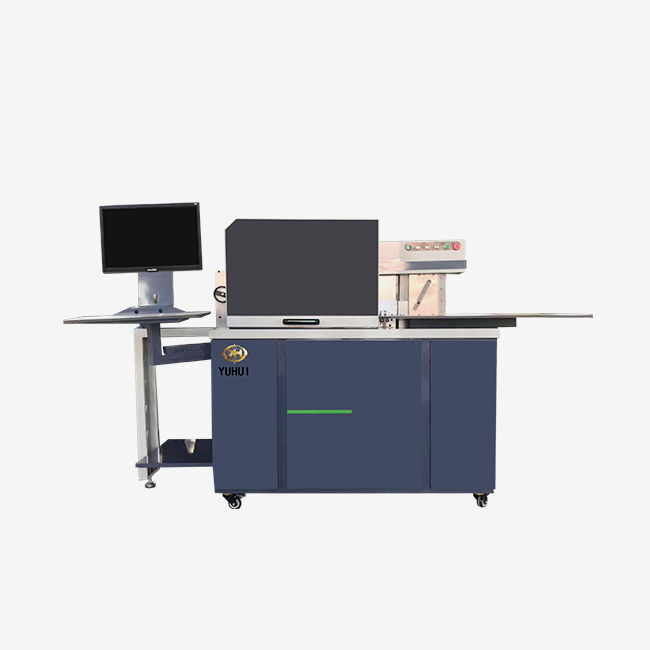
Intelligent high-speed cutting machines made by Yuhui Laser are built to work in tough industry settings. Our YH-1625 model has very fast cutting speeds, smart control systems, and very accurate positioning, which is what metal production businesses need to become more productive. Since we have been making fiber laser cutting machines for a long time and have CE and ISO certifications, we make sure that every system has THF4 military-grade lenses for consistent performance and laser protection for stable operation.
We keep a lot of inventory on hand to support 14-day production wait times. This way, we can deliver quickly when your operations need to set up tools quickly. Our 450-day after-sales service program gives you more time to get technical help, and our factory-direct pricing saves you money without lowering the quality. Our engineering team works directly with your operation to make sure that the equipment specifications are the best they can be, whether you need standard configurations or solutions that are made to fit your specific manufacturing needs.
You can email us at jianghui@yuhui-laser-tech.com to talk about how our intelligent high-speed cutting machines can help your manufacturing business. We give thorough technical advice, show you how to use our tools, and make quotes that are special to your needs and the way you want to make things.
References
1. Chen, Y., & Wang, L. (2023). "Advances in Intelligent Control Systems for Industrial Laser Cutting Applications." Journal of Manufacturing Systems, 68, 215-229.
2. Thompson, R. J. (2024). "Productivity Analysis of Automated Feeding Systems in Metal Fabrication." International Journal of Production Research, 62(4), 1203-1218.
3. Kumar, S., & Patel, M. (2023). "Comparative Performance Study of Conventional and Intelligent High-Speed Cutting Technologies." Manufacturing Technology Today, 22(3), 45-58.
4. Mueller, H., & Schmidt, K. (2024). "Energy Efficiency in Modern Laser Cutting Systems: A Technical Review." Journal of Cleaner Production, 398, 136542.
5. Rodriguez, A., & Liu, X. (2023). "Vision-Based Edge Detection Systems for Precision Manufacturing Applications." Precision Engineering, 79, 112-125.
6. Williams, D. P. (2024). "Total Cost of Ownership Analysis for Industrial Cutting Equipment: A B2B Procurement Perspective." Industrial Management & Data Systems, 124(2), 567-584.
Contact us directly for customized solutions, quotations and long-term strategic cooperation.