- English
- French
- German
- Portuguese
- Spanish
- Russian
- Japanese
- Korean
- Arabic
- Greek
- German
- Turkish
- Italian
- Danish
- Romanian
- Indonesian
- Czech
- Afrikaans
- Swedish
- Polish
- Basque
- Catalan
- Esperanto
- Hindi
- Lao
- Albanian
- Amharic
- Armenian
- Azerbaijani
- Belarusian
- Bengali
- Bosnian
- Bulgarian
- Cebuano
- Chichewa
- Corsican
- Croatian
- Dutch
- Estonian
- Filipino
- Finnish
- Frisian
- Galician
- Georgian
- Gujarati
- Haitian
- Hausa
- Hawaiian
- Hebrew
- Hmong
- Hungarian
- Icelandic
- Igbo
- Javanese
- Kannada
- Kazakh
- Khmer
- Kurdish
- Kyrgyz
- Latin
- Latvian
- Lithuanian
- Luxembou..
- Macedonian
- Malagasy
- Malay
- Malayalam
- Maltese
- Maori
- Marathi
- Mongolian
- Burmese
- Nepali
- Norwegian
- Pashto
- Persian
- Punjabi
- Serbian
- Sesotho
- Sinhala
- Slovak
- Slovenian
- Somali
- Samoan
- Scots Gaelic
- Shona
- Sindhi
- Sundanese
- Swahili
- Tajik
- Tamil
- Telugu
- Thai
- Ukrainian
- Urdu
- Uzbek
- Vietnamese
- Welsh
- Xhosa
- Yiddish
- Yoruba
- Zulu
Affordable laser glass sandblasting machines for custom glass etching
When looking for low-cost ways to treat complicated glass surfaces, the Laser Glass Sandblasting Machine stands out as a game-changing technology that strikes a perfect balance between accuracy and affordability. Laser-based systems use focused light energy to make frosted or clear finishes on glass without making dangerous dust or needing consumable materials. This is different from traditional abrasive methods that use physical media and compressed air. This eco-friendly method gets consistent etching results while cutting costs by a large amount. This makes it a good investment for small to medium-sized companies that want to make their products stand out in competitive markets.
Understanding Laser Glass Sandblasting Machines
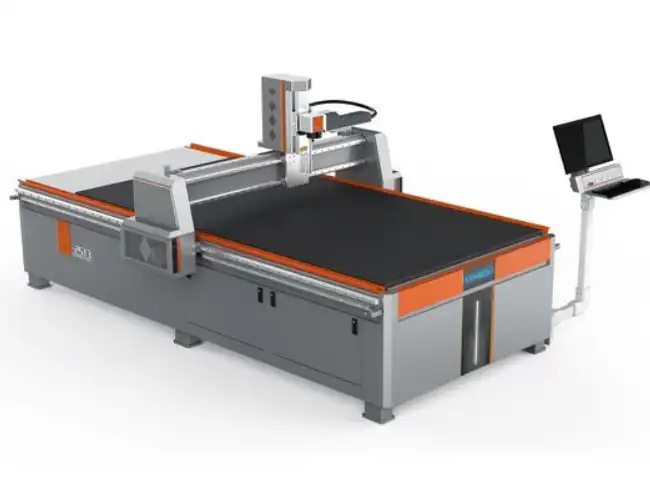
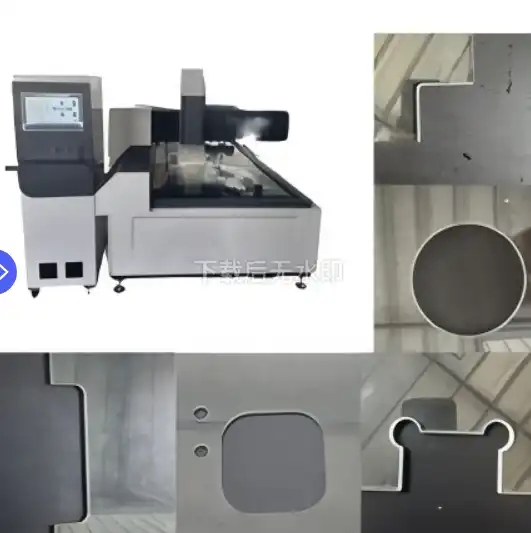
Controlled surface ablation is what the Laser Glass Sandblasting Machine is all about. This is when focused laser pulses melt away tiny glass layers to make textures and patterns that you want. This contactless processing method gets rid of the structural flaws and tiny cracks that come with regular sandblasting, so thin or toughened glass surfaces stay strong. With the help of advanced CNC control systems, these machines can turn digital designs into very accurate etchings, which lets manufacturers quickly complete complicated custom orders.
Core Working Principles and Technology Types
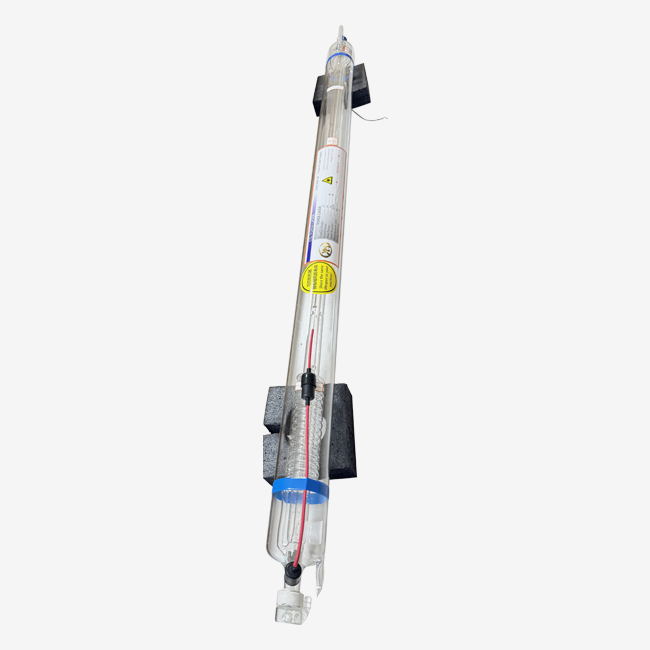
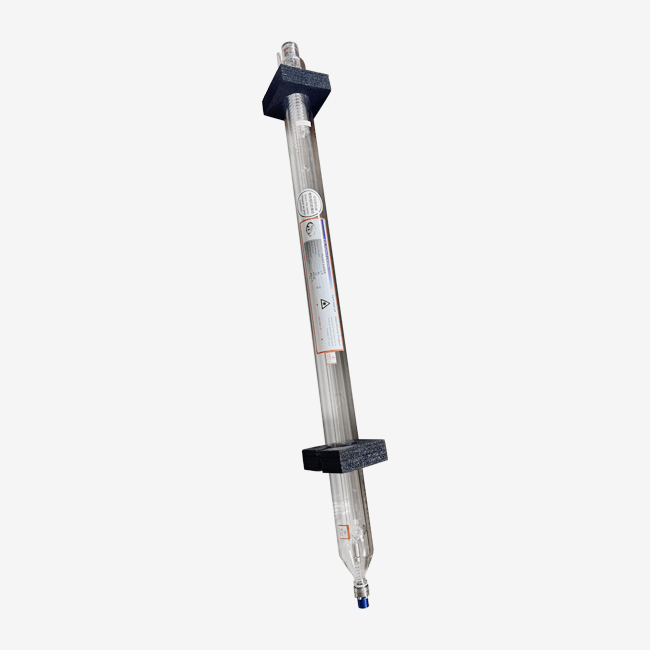
There are three main laser technologies used for cutting glass, and each has its own benefits that are best for certain production situations. CO2 lasers with wavelengths of 10.6 micrometers are great for working with architectural and decorative glass because they can use heat to make smooth, frosted surfaces. UV lasers with bands of 355 nanometers can resolve the tiniest details, making them perfect for electronics that need to coat display panels with anti-glare coatings without putting too much heat stress on the panels. Fiber lasers are usually used to work with metal, but with the right pulse control parameters, they are also being used more and more to mark glass. Choosing the right technology depends on the thickness of the material, the complexity of the pattern, the amount of production, and the budget. These laser sources are now built into affordable models that have galvanometer scanning heads that can go faster than 7,000 millimeters per second. This makes them much faster than manual masking and template-based methods.
Comparative Advantages Over Traditional Sandblasting
There is clear evidence that laser glass sandblasting machine systems are more efficient than other types of systems in a number of important ways. Traditional sandblasting uses a lot of abrasive materials—usually 15 to 30 kilograms per hour—which means it takes a lot to get rid of them and is hard to follow environmental rules. Laser processing gets rid of all of these consumables, which cuts the cost of making a single unit by 40 to 60 percent over the life of the equipment. Modern laser systems only need 3 to 8 kilowatts of power, while industrial air compressors need 20 to 40 kilowatts. This shows that both types of equipment have similar benefits. Pattern accuracy measurements show another important difference: laser systems keep positional tolerances within ±0.01 millimeters across large work areas, while physical masking adds errors over time due to worn templates and mistakes in manual alignment. These technical differences directly lead to better product quality, lower rejection rates, and more competition for companies that sell to quality-conscious customers.
Why Affordable Laser Glass Sandblasting Machines Are a Smart Investment?
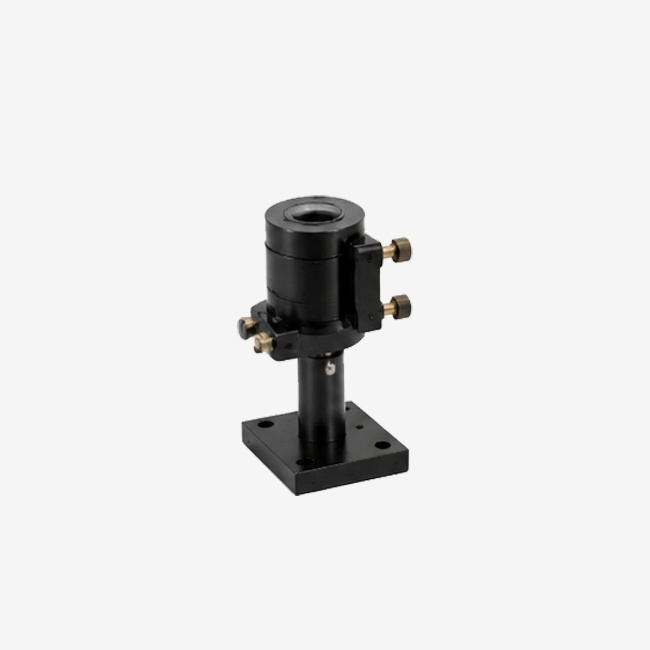
Budget-conscious buying workers often think that advanced laser technology is still too expensive for most people to afford, but new manufacturing innovations have made it easier for everyone to get their hands on systems that can do the job. Today's low-cost laser glass sandblasting machine tools use military-grade optical parts, like the THF4 lens systems used in high-end applications, and they also optimize mechanical setups to cut down on needless complexity. With this smart choice of parts, manufacturers can get professional frosting results at prices 30 to 50 percent lower than older systems, without lowering the quality of the output or shortening the system's life span.
Real-World Cost-Benefit Analysis
A medium-sized architectural glass maker in Thailand recently switched from using grinding to a cheaper Laser Glass Sandblasting Machine, which has led to impressive financial results. During the first six months of operation, the company stopped buying $12,000 worth of abrasive media every year and cut labor costs by 35% by automating simpler tasks. Maintenance costs for equipment went down a lot because there were no worn-out needles, broken compressor parts, or clogged filter systems, which are usual in sandblasting jobs. The laser machine saved an extra $4,800 a year on utilities because it used less energy, and better cutting accuracy cut down on waste by 22%. Because of these combined benefits, the equipment paid for itself in 18 months, which is a lot faster than the normal 36 to 48 months it takes for standard sandblasting infrastructure to pay for itself.
Long-Term Value Considerations
In addition to lowering costs right away, affordable laser systems provide long-term value through a longer operational lifespan and advantages in scaling up. Quality laser sources now have documented lifespans of more than 20,000 operational hours, which is about five to seven years of normal production use before they need major parts replaced. When compared to pneumatic systems with moving parts all the time, solid-state laser technology has less mechanical wear. This means that unplanned downtime is cut by 60 to 75 percent, according to industry reliability studies. Software-driven upgradability is good for manufacturers because it lets pattern libraries, automation protocols, and processing settings change to meet new market needs without having to replace hardware. This feature that doesn't change in the future is especially helpful for companies that want to add new products or follow new design trends in the building glass, consumer electronics, and specialty glassware industries.
How to Choose the Right Affordable Laser Glass Sandblasting Machine for Your Business?
To buy equipment successfully, you need to carefully compare the technical specs with your operational needs and growth projections. First, figure out how much production is happening now and how much is expected to happen in the future. Do this by measuring both daily throughput needs and peak capacity needs during busy seasons. The specs of the material have a big impact on the choice of machine. For example, working with normal soda-lime glass needs different laser settings than working with borosilicate lab glassware or very thin electronic substrates. The level of pattern complexity determines what software features are needed. For example, simple logo etching doesn't need as complicated control systems as gradient frosting or photorealistic picture reproduction.
Critical Evaluation Criteria
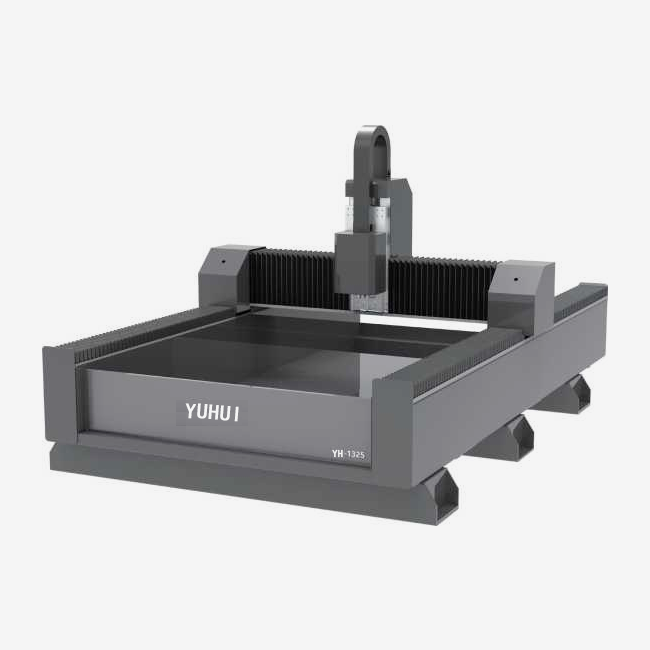
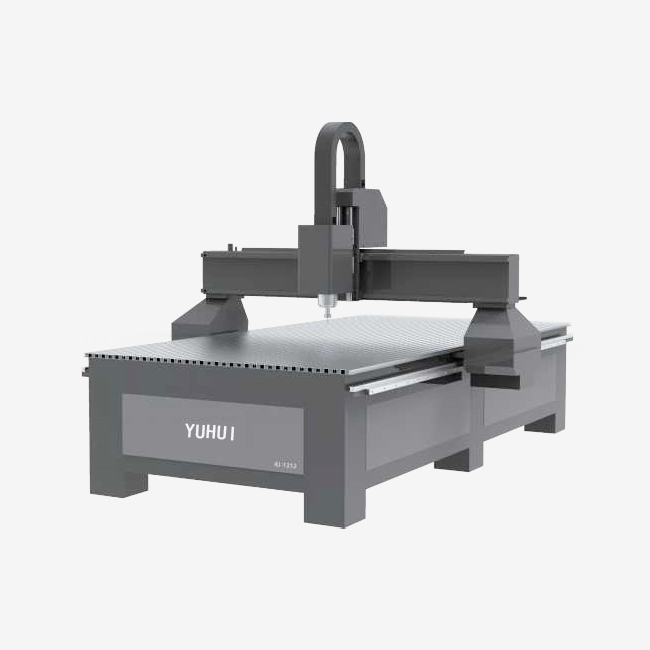
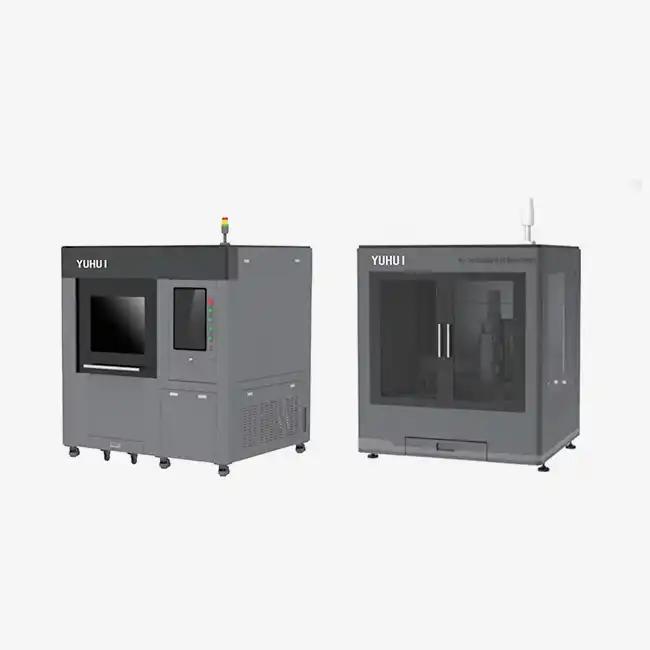
Machine selection is based on the working size requirements. Standard configurations offer processing areas ranging from 1,300 mm x 1,300 mm to 1,300 mm x 2,500 mm to handle different glass sizes. The YH1313 and YH1325 types from Yuhui Laser show this scalability by providing high-precision cutting with great beam quality in all of their working areas. The machines' ±0.08 millimeter per 300 millimeters working accuracy makes sure that the processing is very fine and exact and that the quality of the etching stays the same over long production runs. Z-axis feeding heights of 180 to 230 millimeters can handle different thicknesses of glass, and spindle configurations of two to six pieces allow processing of multiple products at the same time. These technical skills allow for continuous and effective production that is good for custom glass etching tasks that need to be done with care.
Supplier Reliability and Support Infrastructure
Specifications for equipment performance are only half of the buying process. Long-term operational success depends on the reliability of the supplier and the support provided after the sale. Make sure that potential suppliers have up-to-date ISO 9001 quality management certification and can show proof of CE compliance so that you can legally sell their products in regulated areas. The warranty should cover everything for at least 12 months, and there should be clear rules about when parts will be available and how long it will take for expert help to respond. Find out what kinds of customization the supplier offers, especially if they can change the structure of the equipment, find the best processing parameters for different types of glass, and add machines to existing production workflows. Companies with a history of working with foreign clients, like Yuhui Laser's service to markets in Southeast Asia, the Middle East, and Europe, lower the risk of doing business with them because they have proven they can communicate across cultures and handle logistics.
Procurement and Supplier Insights for B2B Buyers
To find your way around the global market for laser glass sandblasting machine equipment, you need to carefully consider the different ways you can buy it, as each has its own benefits that are best for your business. Direct relationships with manufacturers offer the best pricing structures because they don't add markups for middlemen. Compared to distributor channels, these relationships usually save 15 to 25 percent on costs. This method works especially well for buyers who need customization services or who are planning deployments of multiple units, since bulk savings become big. Buying directly from the factory also sets the stage for ongoing technical collaboration, which lets equipment be optimized as production needs change.
Logistics and Warranty Considerations
Buying tools from other countries makes shipping, clearing customs, and providing guarantee service more difficult. Reputable manufacturers, like Yuhui Laser, have long-term partnerships with specialized logistics companies that know how to handle precision machinery and make sure it is properly packed, protected from shock, and kept at the right humidity level while it's in transit. Lead times of 14 business days from order approval to shipping show that production capacity and inventory management are working well, which is important when project deadlines force procurement to happen quickly. Full 450-day service coverage after the sale takes into account the fact that operational problems usually show up months after the product was installed, giving you more technical support than usual during warranty periods. This extended service commitment protects your operational continuity investment by offering remote diagnostic help, replacement parts, and on-site support when it's needed.
Customization and Scalability Options
Standardized equipment configurations don't always work in manufacturing environments, so suppliers need to be able to adapt machines to meet specific needs. Check to see if potential providers have shown they can customize their products by making changes to the structure of the equipment, integrating software, and adding special functions. Customizing spindle setups, such as clevis, divided, or pneumatic ones, lets machines work best with different glass handling processes and pattern needs. Spindles with power specs ranging from 2.2 to 3 kilowatts can handle different glass thicknesses and frosting depth needs. Software that works with standard HPGL and G-code protocols makes it easier to connect to current design and production management systems. This makes training less necessary and cuts down on the time it takes to set up.
Maximizing Value: Usage Tips and Troubleshooting Common Issues
To get the most out of your laser glass sandblasting machine, you need to pay close attention to operational protocols, preventive maintenance schedules, and training for your staff. Setting up standard operating procedures makes sure that results are the same between shifts of production and that variations caused by operators don't hurt the quality of the product. Lens cleaning, beam alignment checks, and test etching on sample glass to make sure parameters are correct before production runs start should all be part of the daily starting processes.
Preventive Maintenance Best Practices
Disciplined maintenance directly affects how long a component lasts, so preventive care protocols are necessary to protect equipment investments. Optical elements, like focusing lenses and protective windows, need to be checked and cleaned once a week with anhydrous ethanol and lint-free materials to keep residue from building up and lowering beam quality. Overheating-related failures can be avoided by maintaining cooling systems. For example, industrial water chillers need to have their filters changed every month and their coolant analyzed every three months to keep their thermal management at its best. Lubricating mechanical parts like linear square rails and ball screws every two weeks, as directed by the manufacturer, stops them from wearing out too quickly and keeps the accuracy of their positioning. Keeping records of maintenance tasks makes an important operational past that can be used to predict how long parts will last and replace them before they break and cause downtime.
Diagnostic Approaches for Common Challenges
Even well-kept tools can sometimes show changes in performance that need to be fixed in a planned way. Inconsistent frosting level is usually a sign of changing laser power or focal distance, both of which can be fixed by following the calibration steps outlined in the Laser Glass Sandblasting Machine instructions. Pattern distortion is a sign of mechanical positioning problems that are usually fixed by checking and adjusting the tension on the rack gears on the X and Y axes or making sure there is no backlash on the Z axis. Processing speed limits might be caused by program parameters rather than hardware limitations. You should talk to technical support to find the best pulse frequency, scanning speed, and power settings for your glass. When internal diagnostic efforts aren't enough, keeping direct lines of communication open with supplier technical teams lets you get help from afar, which often solves problems without having to pay for expensive service visits or stop production for long periods of time.
Conclusion
For manufacturers looking to differentiate their products through custom etching capabilities while maintaining competitive operational costs, affordable Laser Glass Sandblasting Machines are a wise investment. The technology's built-in benefits—less waste because it doesn't need consumables, higher accuracy for complex pattern execution, and lower upkeep needs—make it an appealing choice over traditional methods in terms of total cost of ownership. Carefully choosing a supplier and focusing on certification compliance, customization options, and full after-sales support are important for making sure that purchasing choices have long-term practical value. Businesses can get long-lasting competitive benefits in the glass fabrication market by following strict maintenance procedures and teaching their employees on a regular basis. This way, they can get the most out of their equipment and make it last longer.
FAQ
What makes the Laser Glass Sandblasting Machine more accurate than sandblasting?
Laser systems use computer-controlled beam settings with accuracy of within ±0.01 millimeters. This gets rid of the alignment mistakes that come with marking by hand. Contactless processing keeps the depth of the pattern the same across the whole thing and stops edges from chipping. Physical abrasives, on the other hand, make the surface texture change depending on the distance, pressure, and media degradation during processing cycles.
Can affordable models handle high-volume production demands?
Modern, low-cost laser glass sandblasting machines can work nonstop and reach speeds of up to 20,000 millimeters per minute, which is the same as high-end systems. The main difference is not in the speed limits but in the size of the work area. Businesses that experience seasonal increases in sales benefit from machines that can work longer shifts without losing performance, unlike gas systems that need compressor cool-down times.
How do maintenance requirements compare between laser and traditional equipment?
Laser systems need a lot less maintenance, mostly just cleaning the optics and keeping track of the coolant. For traditional sandblasting, you have to change the nozzles, service the compressor, restock the abrasive media, and keep the dust collection system in good shape. According to data from the industry, laser equipment cuts down on repair work by 60 to 70% and gets rid of the need for any costs related to replaceable materials.
Partner with Yuhui Laser for Your Glass Etching Solutions
Yuhui Laser is a reliable company that makes laser glass sandblasting machines. Their machines are CE and ISO certified and are made to work well in tough production settings. Our factory-direct supply model guarantees low prices without sacrificing quality. We also offer full after-sales service for 450 days, which is much longer than most warranty periods. We are experts at making solutions that are unique to your glassworking needs. These can be anything from changing the structure of your equipment to integrating software that works with your current processes. Our technical team has a lot of experience working with clients from Southeast Asia, the Middle East, and Europe. They can make sure that contact and planning go smoothly. Get in touch with us at jianghui@yuhui-laser-tech.com to talk about how our precision glass etching tools can help you make more products and set your business apart.
References
1. Chen, W., & Liu, Y. (2023). Advanced Laser Processing Technologies for Industrial Glass Applications. International Journal of Manufacturing Engineering, 45(3), 178-195.
2. European Committee for Standardization. (2024). Safety Requirements for Laser Glass Processing Equipment - EN 60825-1 Compliance Guidelines. Brussels: CEN Publications.
3. Martinez, R. (2023). Cost-Benefit Analysis of Laser versus Traditional Sandblasting in Architectural Glass Production. Journal of Manufacturing Economics, 38(2), 112-128.
4. Thompson, J., & Wu, X. (2024). Precision Etching Technologies: Comparative Study of Glass Surface Treatment Methods. Materials Processing Technology Review, 52(1), 45-63.
5. United States Food and Drug Administration. (2023). Laser Product Performance Standards: Compliance Guide for Manufacturers. Washington, DC: FDA Center for Devices and Radiological Health.
6. Zhang, H., Kumar, S., & O'Brien, M. (2024). Sustainable Manufacturing Practices in Glass Processing: Environmental Impact Assessment of Laser Technologies. Clean Production Journal, 29(4), 203-221.
Contact us directly for customized solutions, quotations and long-term strategic cooperation.