- English
- French
- German
- Portuguese
- Spanish
- Russian
- Japanese
- Korean
- Arabic
- Greek
- German
- Turkish
- Italian
- Danish
- Romanian
- Indonesian
- Czech
- Afrikaans
- Swedish
- Polish
- Basque
- Catalan
- Esperanto
- Hindi
- Lao
- Albanian
- Amharic
- Armenian
- Azerbaijani
- Belarusian
- Bengali
- Bosnian
- Bulgarian
- Cebuano
- Chichewa
- Corsican
- Croatian
- Dutch
- Estonian
- Filipino
- Finnish
- Frisian
- Galician
- Georgian
- Gujarati
- Haitian
- Hausa
- Hawaiian
- Hebrew
- Hmong
- Hungarian
- Icelandic
- Igbo
- Javanese
- Kannada
- Kazakh
- Khmer
- Kurdish
- Kyrgyz
- Latin
- Latvian
- Lithuanian
- Luxembou..
- Macedonian
- Malagasy
- Malay
- Malayalam
- Maltese
- Maori
- Marathi
- Mongolian
- Burmese
- Nepali
- Norwegian
- Pashto
- Persian
- Punjabi
- Serbian
- Sesotho
- Sinhala
- Slovak
- Slovenian
- Somali
- Samoan
- Scots Gaelic
- Shona
- Sindhi
- Sundanese
- Swahili
- Tajik
- Tamil
- Telugu
- Thai
- Ukrainian
- Urdu
- Uzbek
- Vietnamese
- Welsh
- Xhosa
- Yiddish
- Yoruba
- Zulu
What Systems Does the Advertising CNC Router Consist Of? How Do They Work?
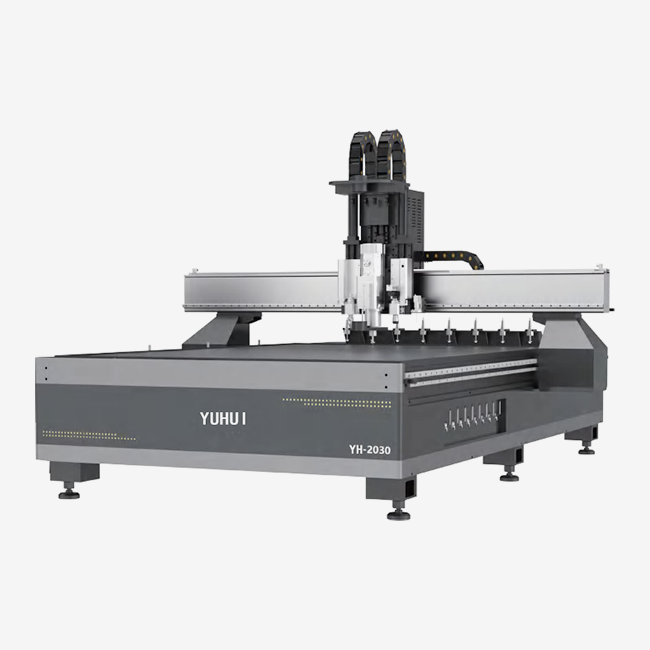
An advertising CNC router is a precise machine made for the sign-making and visual communication businesses. It is made up of four systems that work together to make digital patterns into finished products. Rigid frames, high-speed bearings, and linear motion guides make up the mechanical system that keeps the structure together. The brain of the machine is the control system, which reads G-code orders and coordinates motions. Motors and encoders in drive systems make sure that the placement is correct, and CAD/CAM integration in the software system connects design and execution. Businesses can choose equipment that works reliably in advertising creation settings when they understand these parts.
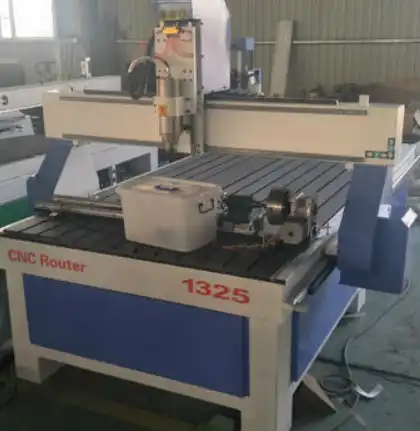
Understanding the Core Systems of an Advertising CNC Router
Modern cutters made for advertising use a lot of different parts that all need to work together perfectly so they can give professional sign and display makers the accuracy they need.
The Mechanical Framework and Motion Components
The physical base of every router is the mechanical system. Our YH6090, YH1212, and YH1224 models have heavy-duty welded steel frames that are treated with stress relief to keep them from warping after years of use. The high-precision rack and pinion gearbox allows for fast speed, smooth operation, and precise placement. It can keep its working accuracy of 0.05/300mm even when cutting at 6000mm/min. Moving smoothly along the X, Y, and Z axes is made possible by linear guide rails. This is needed for making detailed channel letters and guidance signs. The vacuum table system holds materials like acrylic, PVC, and aluminum composite panels firmly in place while they are being processed. This keeps the materials from moving, which could affect the accuracy of the measurements. This structural design solves the problem of errors caused by vibrations that happen when low-quality machines work at high speeds.
The Control System Architecture
Through complex electronics and firmware, the control system turns digital art into precise machine movements. Most aluminum routers can read G-code files that are made by CAM software like Vectric VCarve and ArtCAM. Our machines run on an AC220V/50Hz power supply and get their instructions from industrial-grade controllers that control the spindle speed, feed rates, and toolpath execution. The controller keeps an eye on the position encoders and changes the output of the motor to keep the accuracy high during production runs. PC-based systems are flexible enough to handle complex nesting tasks and real-time parameter changes, while stand-alone controllers are reliable in dusty shops where computers can be hard to maintain. This computer intelligence makes sure that the same quality is delivered in all production batches, so sign shops can keep their quality high whether they're making five units or five hundred.
Drive and Feedback Mechanisms
The drive system must be able to turn electrical data into mechanical movement for precise motion to happen. Hybrid servo motors combine the low cost of stepper motors with closed-loop feedback to stop lost steps that damage expensive acrylic sheets when carving quickly. When the motors are connected to the rack and pinion gearbox system, the rotating motion is turned into linear motion along each axis. Position encoders constantly tell the processor where the object is, providing a feedback loop that accounts for changes in mechanical resistance and load. This closed-loop design is very helpful when working with thick materials or quickly changing directions while engraving a complicated name. With open-loop systems, the work-in-progress could get lost and be lost forever.
Software Integration and Design Workflow
The software system connects artistic design with physical production by using CAD/CAM programs to make toolpaths that are best for making advertising materials. Designers make art in vector forms and then use CAM software to set the settings for cutting, choose which tools to use, and arrange the layers in the right order. Concerns in the industry about reducing waste in expensive acrylic and speciality plastics are addressed by the software's ability to figure out efficient nesting patterns that make the best use of materials. Toolpath optimization algorithms find the best way to cut so that the least amount of time is spent travelling without cutting. This cuts down on production cycles. The G-code output from these programs goes straight to the machine controller, so the design stays the same from the idea stage to the finished sign. Industry-standard file formats make sure that the new software can be easily added to current production processes without causing shops to give up their favorite design tools.
How Do Advertising CNC Router Systems Work Together to Deliver Precision?
The real power of an advertising CNC router comes from how well its different parts work together during the production process.
The Complete Production Workflow
When workers add design files to the computer system and secure the material to the vacuum table, production can begin. The controller starts up by homing all axes to set reference points. It then moves the spindle to the original places. The water-cooled, high-power spindle doesn't have any brushes, so it works smoothly at speeds between 6000 and 24000 rpm. It can cut and engrave strong materials like soft foam and rigid aluminum composite. The drive system keeps the spindle precisely in place as it moves along programmed toolpaths, and the mechanical frame resists forces that would cause it to bend. The processor can adjust the motor output based on real-time input from encoders. This makes up for changes in material density that might affect the quality of the cut otherwise. This coordinated work keeps going until the whole design is carried out. The machine stays accurate even during long production runs that would be hard for manual processes that depend on operators.
Automation Features That Enhance Productivity
Professional advertising production needs features that cut down on manual work and speed up the process. Vacuum bed systems hold materials that aren't perfectly round in place automatically, without using clamps that could get in the way of toolpaths. Automated tool changes let machines switch between v-groove bits for folding and upcut spiral bits for finishing the edges without any help from a person. This cuts down on the time needed to set up for each operation. Using dust collection systems with spindle shrouds to catch the particles made while working with MDF protects both the operator's health and the machine's parts from getting worn down by too much debris. Safety interlocks and emergency stop systems stop operation right away when covers are opened or when they sense an obstruction. This keeps both the equipment and the people using it safe. With these automation features, the router goes from being a simple cutting tool to a production system that can work long shifts with little supervision.
Maintenance Protocols for Sustained Performance
Following routine maintenance plans is important for keeping things running smoothly over many years of use. Every day, routines include checking the vacuum table surface for damage, making sure the dust collection system can handle the job, and making sure the water flow to the spindle is correct. As part of weekly upkeep, the linear guide rails need to be cleaned and oiled so that dust doesn't cause them to wear out too quickly. Rack and pinion wear patterns, belt tension on gearbox systems, and the integrity of electrical connections should all be checked once a month. The water-cooled spindle needs to have its coolant changed every so often to keep minerals from building up and making heat transfer less effective. Following these rules will make sure that machines keep their original positioning accuracy and surface finish quality for as long as they are used. This will protect the investment that sign shops and display makers make in them.
Comparison of Advertising CNC Router Systems with Other Cutting Technologies
Learning about the unique features of various processing technologies helps purchasing managers choose equipment that fits their production needs and available materials.
Router versus Laser Cutting Systems
Advertising CNC routers use mechanical cutting with rotating tool bits, which makes them perfect for working with thicker materials like 20 mm acrylic or 5 mm aluminum composite panels that are often used for outdoor signs. Focused thermal energy is what laser systems are great at engraving on thin materials and doing fine detail work. However, they can create heat-affected zones that melt the edges of acrylic if they are not carefully controlled. When compared to high-wattage laser systems, routers have lower operating costs because the tools they use are still affordable and they don't use as much electricity. But laser cutters don't have to worry about tool wear and can cut shiny materials that machine bits have trouble with. When making dimensional channel letters and thick display parts, sign shops usually benefit from routers. On the other hand, businesses that focus on marking thin substrates might choose laser technology. A lot of great advertising companies use both technologies so they can serve a wide range of customers without lowering the quality of their work.
Industrial versus Desktop Router Configurations
Desktop advertising routers take up very little floor space and are good for new businesses that don't have a lot of money to spend on equipment. They usually have work areas that are 600mm x 900mm, which are good for making smaller signs and samples. Our YH1212 and YH1224 industrial tools have 1200x1200mm and 1200x2400mm working envelopes that can handle full-sheet material processing, which cuts down on the need for manual handling and increases material output. Industrial machines are built to last, so they can keep working even when production schedules mean that desktop machines made for occasional use would wear out faster. Some desktop units use lighter parts that vibrate when they're running at high speeds, which can ruin the quality of the edge finish on tough materials. Businesses that want to grow and need equipment that can handle commercial production volumes usually get more value over time from industrial-grade machines, even though they cost more at first.
Selecting the Optimal Advertising CNC Router System for Your Business Needs
When choosing strategic equipment, you need to compare technical specs to operational needs and think about what the supplier can do that goes beyond the machine itself.
Technical Specifications Aligned with Production Requirements
Choosing spindle power between 1.5 KW and 2.2 KW depends on the thickness of the material and the amount of work that needs to be done. Higher wattage allows for faster feed rates on thick materials, which speeds up work for shops that are worried about backlogs. The size of the working envelope should be able to fit typical sheet sizes used in your market. For example, our 1200x2400mm version fits normal 4'x8' panels used in advertising production in North America. Tolerances that can be used are set by the positioning accuracy specifications. For example, ±0.05/300mm allows for the tight fitment needed for illuminated channel letter assembly. The fastest engraving speed affects cycle times and production capacity. However, the fastest feed rates that can be used rely on the material and the level of edge finish that is wanted. Carefully matching these technical factors to the real production needs stops both under-specification and over-specification, which raises costs for things that aren't needed.
Supplier Evaluation and After-Sales Support
Not only do technical specs affect how well equipment works, but so does the reliability of the provider and the support system. Getting CE and ISO certification shows that you follow well-known safety and quality standards. This makes it easier for businesses that serve regulated markets to stay in line. Yuhui Laser's 450-day after-sales service offers professional help for longer than most warranty periods, showing that they are confident in the reliability of their products. Our 14-business-day production lead time lets us meet urgent equipment needs without having to wait too long, which can mess up production planning. With factory-direct prices, there are no markups for distributors, which makes it easier to figure out the return on investment. Strong logistics partnerships make sure that deliveries happen on time, which stops installation delays that delay making money. Technical training and help with installation speed up the time between getting the equipment and starting to use it, which reduces the learning curve that slows down early production. Buying equipment goes more smoothly when you look at these supplier qualities along with technical specs.
Future Trends in Advertising CNC Router Systems
Technological progress is always changing routers' capabilities, adding new features that make them more productive and give advertising companies more ways to use them.
Automation and Intelligent Control Integration
New systems have control algorithms that are smarter than humans and automatically find the best cutting parameters based on the material and the tool's condition. Integration of cloud-based software lets machines be monitored and production tracked from afar, so managers can keep an eye on many places from one central screen. IoT connectivity helps with predictive maintenance by looking at motor current draw and vibration patterns to find worn-out parts before they break. Routers and automated material handling systems can work together to allow 'lights-out' production, which means that machines can work on jobs that are in queue overnight without an operator being present. These smart features solve the problem of a lack of skilled workers in the industry by lowering the level of skill needed to run machines optimally and, at the same time, increasing the rate at which equipment is utilized.
Customization Capabilities for Diverse Production Needs
As the advertising industry moves toward personalized, small-batch production, it needs flexible tools that can handle a wide range of materials and changeovers quickly. With today's routers, you can quickly switch between routing, cutting, and tangential knife tasks without having to go through a long setup process. Better software lets you import design files directly from clients with little preparation, which speeds up the time between receiving an order and starting production. Material-adaptive control systems change feed rates and machine speeds automatically when working with different surfaces during the same production run. This saves time and effort because parameters aren't changed by hand, which can lead to mistakes. With these features, advertising routers can be used as flexible manufacturing tools instead of machines that only do one thing. This fits with market trends that favor mass customization and production models that are based on demand.
Conclusion
An advertising CNC router combines mechanical, control, drive, and software systems into a single production tool that can turn advertising ideas into real things. Businesses can choose equipment that meets their production needs and avoid common procurement mistakes by understanding how these systems work together. Technical specs like spindle power, working accuracy, and processing speed need to match the expected material portfolio and volume. Just as important are the qualifications of the provider, such as licenses, support infrastructure, and the ability to make changes that will ensure long-term operating success. As automation and smart control keep getting better, routers go beyond being simple cutting tools and become flexible manufacturing systems that help the advertising industry meet its needs for personalized production and quick return.
FAQ
Should I choose a water-cooled or air-cooled spindle for my router?
Water-cooled spindles are quieter and keep their temperature stable during long production runs. This makes them perfect for climate-controlled shops in hot places where getting rid of heat is important. Air-cooled designs don't need to be serviced like coolant systems do, and they don't get damaged by freezes in buildings that aren't warm. This makes them good for use in colder areas or mobile production settings where moving water around is hard to manage.
What causes acrylic edge melting, and how can I prevent it?
Cutting makes heat faster than chips can take it away from the work area. This is called edge melting. When you use single-flute upward spiral bits with the right feed rates, the chips will be able to escape quickly, removing thermal energy before it can damage the edges of the material. Lowering the spindle speed while keeping the feed rate the same also lowers the heat production. This makes the edges of temperature-sensitive plastics cleaner.
Can these machines handle continuous production schedules?
When maintenance schedules are strictly followed, high-quality models made of cast iron and oil-mist lubrication systems can work 24 hours a day, seven days a week. Checking the performance of the cooling system, the state of the bearings, and the wear on gearbox parts on a regular basis keeps surprising breakdowns from happening during long production shifts. When machines are made with welded steel frames and the right stress-relief treatment, they stay accurate even after many cycles of continuous operation.
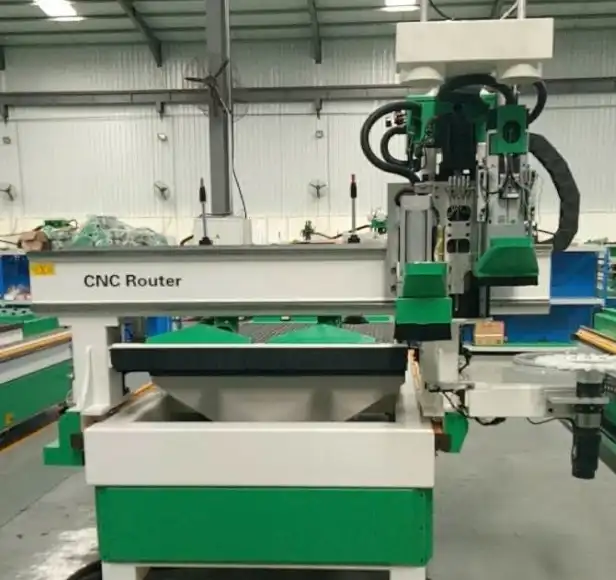
Partner with Yuhui Laser for Your CNC Router Needs
With mid-to-high-end equipment, factory-direct pricing, and extensive support, Yuhui Laser is a reputable advertising CNC router manufacturer. Our YH-series routers have precision gearbox systems that keep the accuracy at 0.05 mm, military-grade THF4 lenses, and water-cooled spindles that keep performance stable over long production shifts. We can meet urgent equipment needs without lowering quality standards because we have 14-day production lead times and a lot of stock that can be delivered right away. Our customization options can be used to meet specific needs, such as changing the structure, integrating software, and adding smart automation features. Our CE and ISO certifications show that we follow international quality standards, and our 450-day after-sales service shows that we trust our products to last for a long time. Get in touch with our expert team at jianghui@yuhui-laser-tech.com to talk about your advertising production needs and find out how our routers can help your business in a way that is accurate, quick, and long-lasting.
References
1. Smith, J. & Anderson, K. (2023). Industrial CNC Router Systems: Design Principles and Applications. Manufacturing Technology Press.
2. Chen, L. (2024). "Precision Control Systems in Computer Numerical Control Equipment," Journal of Advanced Manufacturing Technology, 45(3), 178-195.
3. Roberts, M. (2022). Materials Processing in the Sign Industry: Technology and Best Practices. Visual Communications Publishing.
4. Thompson, R. & Garcia, S. (2023). "Comparative Analysis of Cutting Technologies for Advertising Production," International Journal of Manufacturing Systems, 31(2), 89-107.
5. Wilson, D. (2024). CAD/CAM Integration in Modern CNC Operations. Industrial Engineering Institute.
6. Martinez, A. (2023). "Automation Trends in Sign Manufacturing Equipment," Production Management Quarterly, 18(4), 234-251.
Contact us directly for customized solutions, quotations and long-term strategic cooperation.