- English
- French
- German
- Portuguese
- Spanish
- Russian
- Japanese
- Korean
- Arabic
- Greek
- German
- Turkish
- Italian
- Danish
- Romanian
- Indonesian
- Czech
- Afrikaans
- Swedish
- Polish
- Basque
- Catalan
- Esperanto
- Hindi
- Lao
- Albanian
- Amharic
- Armenian
- Azerbaijani
- Belarusian
- Bengali
- Bosnian
- Bulgarian
- Cebuano
- Chichewa
- Corsican
- Croatian
- Dutch
- Estonian
- Filipino
- Finnish
- Frisian
- Galician
- Georgian
- Gujarati
- Haitian
- Hausa
- Hawaiian
- Hebrew
- Hmong
- Hungarian
- Icelandic
- Igbo
- Javanese
- Kannada
- Kazakh
- Khmer
- Kurdish
- Kyrgyz
- Latin
- Latvian
- Lithuanian
- Luxembou..
- Macedonian
- Malagasy
- Malay
- Malayalam
- Maltese
- Maori
- Marathi
- Mongolian
- Burmese
- Nepali
- Norwegian
- Pashto
- Persian
- Punjabi
- Serbian
- Sesotho
- Sinhala
- Slovak
- Slovenian
- Somali
- Samoan
- Scots Gaelic
- Shona
- Sindhi
- Sundanese
- Swahili
- Tajik
- Tamil
- Telugu
- Thai
- Ukrainian
- Urdu
- Uzbek
- Vietnamese
- Welsh
- Xhosa
- Yiddish
- Yoruba
- Zulu
Top-rated double head laser engraving & cutting machines for metalworking
When purchasing managers and engineers look for ways to make metal fabrication more efficient, they often find that a double-head laser engraving & cutting machine is the best way to get things done quickly. These high-tech systems put two synchronized laser heads on a single base. This lets them work at the same time, which doubles throughput without needing more floor room or workers. This technology changes how makers meet tight deadlines while keeping quality high and labor costs low in metalworking shops that handle large orders of things like precision aluminum casings and stainless steel auto parts.
Understanding Double-Head Laser Engraving & Cutting Machines in Metalworking
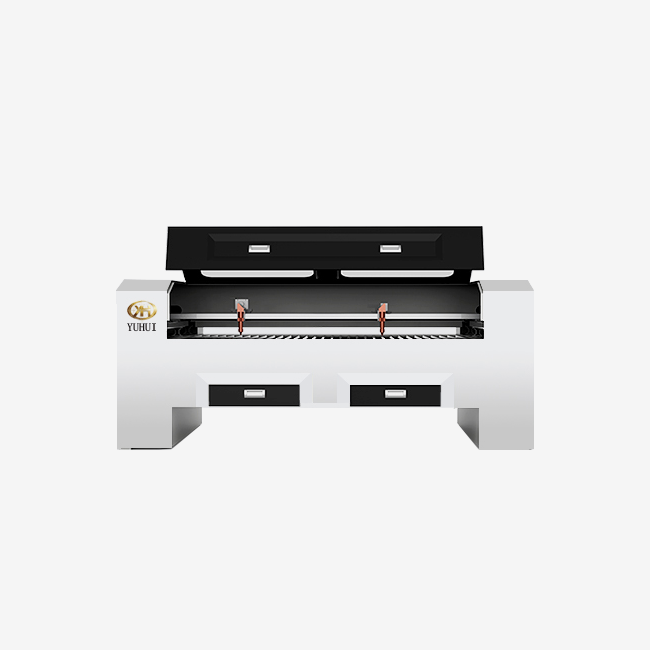
The most important thing about dual-head laser systems is that they can coordinate two separate laser sources that work perfectly in sync across a shared workspace. Instead of processing one piece at a time like traditional single-head configurations do, these machines do the same thing to two pieces at the same time, which cuts production time by almost half. This design solves one of the biggest problems that modern machining shops have to deal with: how to increase output without increasing capital costs or running costs by the same amount?

How Dual-Head Technology Works
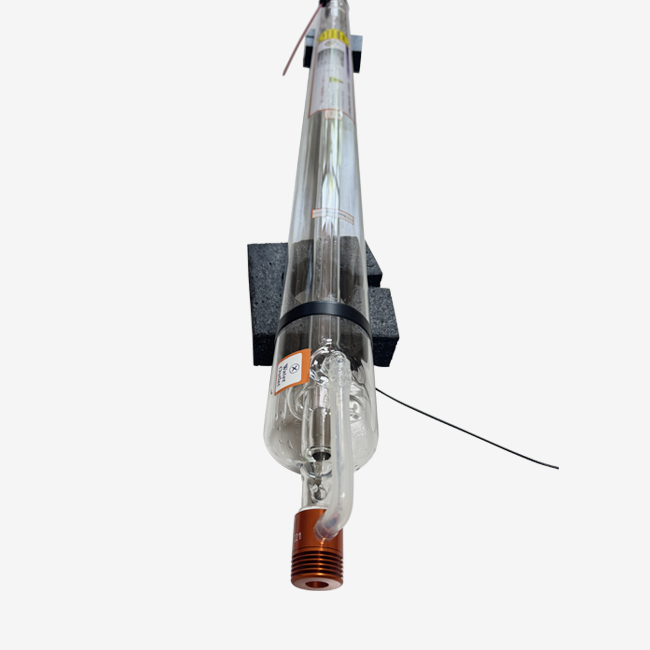
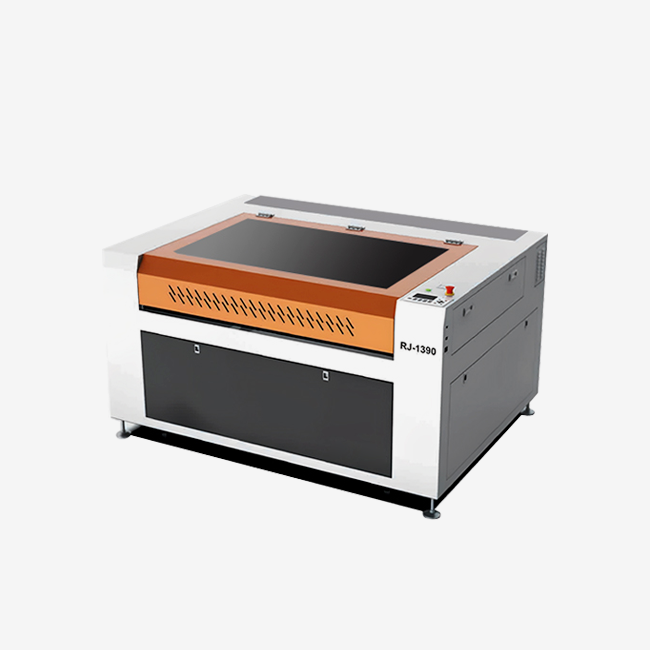
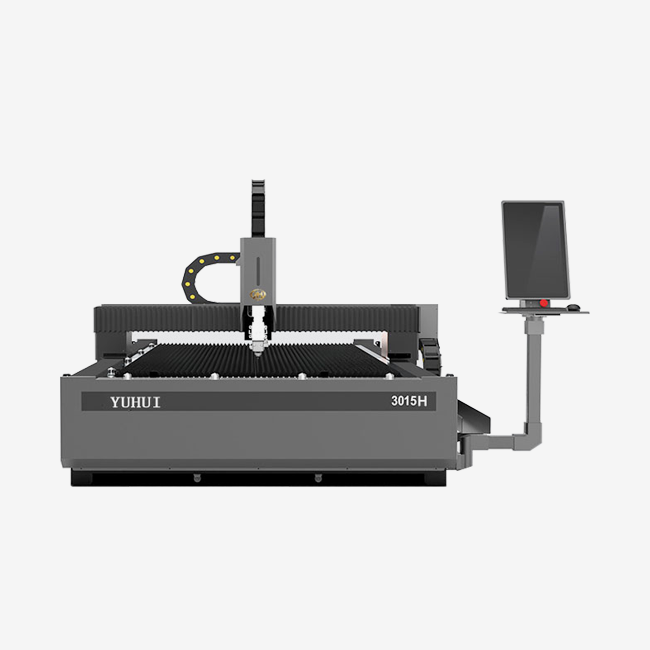
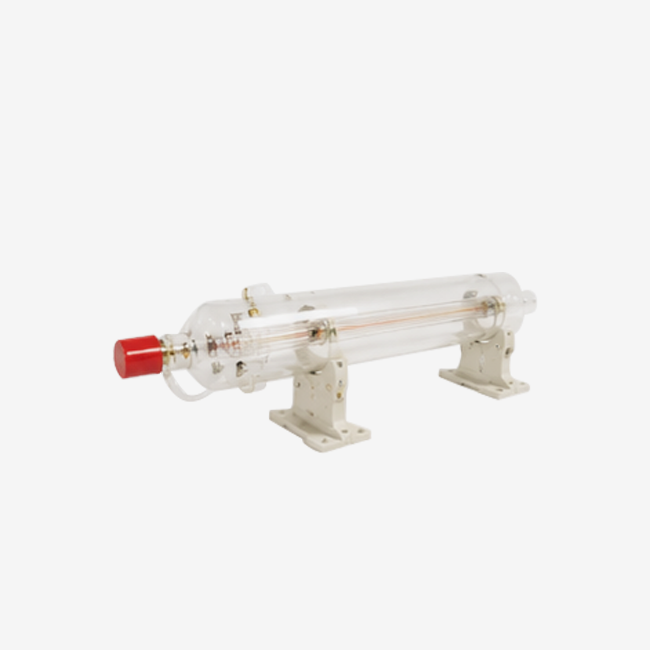
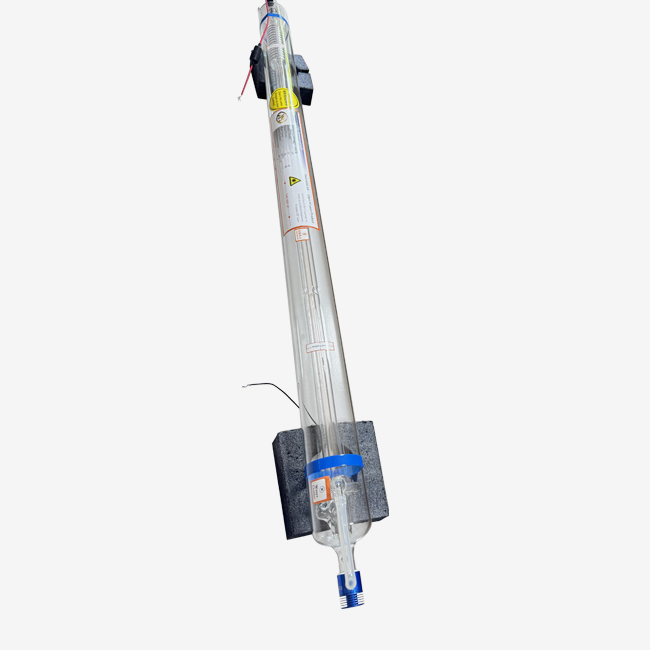
Each laser head works on its own, but they all work together thanks to a complex control system that is usually powered by fast DSP processors. Yuhui Laser's YH1390 and YH1610 models, which have work areas of 1300x900mm and 1600x1000mm, are good examples of this approach. The CO₂-sealed glass laser tubes in these systems have a frequency of 10.6 μm and can give power levels between 60 W and 150 W per head. The water-cooling system keeps the temperature stable even during long production runs. The high subdivision drivers and precision stepper motors make it possible to move the parts with an accuracy of ±0.01 mm.
Premium dual-head machines are different because they have Yongli or Reci laser tubes built in. These parts are made of mature technology that has been used in industrial settings and shown to work well. Modern production techniques make the laser tube assembly more stable and improve the quality of the beam it produces. Because engineers are paying attention to these details, producers can count on the same cutting speeds and high levels of accuracy shift after shift.
CO₂ Laser Advantages in Metal Processing
Fiber lasers are best for cutting thick steel, but CO₂ lasers are better when you need to be able to work with a variety of materials. The CO₂ laser can work with a wider range of materials, which is helpful for metal makers who work with thin-gauge stainless steel, aluminum sheets, and specialty alloys. When used with the right help gases and focus changes, the wavelength properties make it possible to handle reflective metals effectively. The carving speed is between 0 and 500 mm/s, and the cutting speed is between 0 and 100 mm/s. These speeds are fast enough for making sheet metal parts, artistic metalwork, and precise gaskets.
These machines can handle voltage sources of AC200V/110V±10% at 50Hz/60Hz, so they can work with power standards from different regions, which is useful for wholesalers who serve more than one market. The requirements for the working environment (temperature 0–45°C, humidity 5%–95% without condensation) are similar to what you'd find in a workshop, so most places don't need to have special climate control.
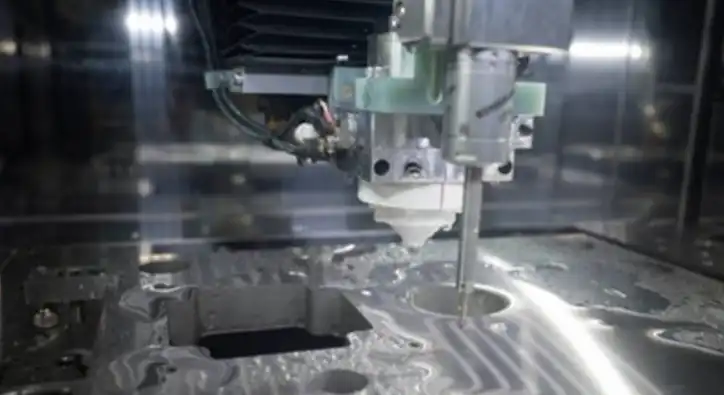
Top-Rated Double Head Laser Machines for Metalworking in 2026
To choose the best dual-head system, you need to look at more than just power specs. The most important ones are how consistent the beam quality is between heads, how precise the motion system is, how well the software works with existing CAD/CAM workflows, and how well the manufacturer's support system works. Buyers with a lot of experience know that peak performance specs that might not work in real production settings are less important than a machine's reliability over thousands of hours of use.
Evaluating Core Performance Metrics
The laser power you choose for the double-head laser engraving & cutting machine will depend on the materials you're working with and how thick they need to be. The 60W setting works with stainless steel up to 1 mm thick and aluminum up to 0.5 mm thick, making it perfect for making nameplates and emblems. With the 80W and 100W options, you can work with 1.5 mm stainless steel and 1 mm aluminum, which includes hardware parts and auto trim. The 150W design gives fabricators working with 2mm stainless steel or brass and copper metals the energy density they need for clean edges without too many heat-affected zones.
Aside from raw power, the architecture of the control system determines how flexible production can be. Yuhui's models have high-speed DSP controls that make it easy to use a wide range of file formats, such as PLT, DST, DXF, DWG, AI, and LAS files. When AutoCAD and CorelDraw export directly, there are no change steps, which can cause mistakes and slow down work. With the 0-100% laser output control and soft internal adjustment, operators can fine-tune settings for different materials without having to change the gear. This makes it easy to do mixed-batch production runs.
Quality Certifications and Manufacturing Standards
Certification marks show that equipment meets safety and performance standards for distributors and OEM buyers who work with controlled markets. CE certification shows that a product meets the safety, electromagnetic compatibility, and low voltage standards set by the European Union. The fact that a manufacturer has ISO9001 certification means that they use quality management systems during the design, production, and service phases. When bringing equipment into places with strict regulatory control, these certificates lower the technical risk and make clearing customs easier.
Yuhui Laser uses THF4 military-grade lenses in its making process. These lenses provide better beam quality and last longer than regular optical parts. This choice of parts shows that the company is aiming for the mid- to high-end market, where users value long-term dependability more than initial purchase price. The laser tubes that are made to last a long time have low failure rates and reliable performance. This means that they require less maintenance and don't break down as often, which hurts profits.
Technical Insights and Maintenance Best Practices
To get the most out of your dual-head laser systems, you need to know both the best ways to use them and how to keep them in good shape. A lot of fabricators don't realize how much regular maintenance and calibration can extend the life of their machines and keep the accuracy that directly affects the quality of the finished parts.
Power Settings and Material Optimization
To match the laser's power to the features of a material, you need to think about both the type of metal and its thickness. Because stainless steel and aluminum absorb things differently, you have to change more than just the power. You also have to change the cutting speed and the help gas. Cutting 1.5 mm stainless steel at speeds of 40 to 60 mm/s is normal for the 100W setup when it is properly focused. Because aluminum is more reflective, you might need to slow down or turn up the power to get the same edge quality.
Operators should write down the parameter combinations that work best for their specific inventory of materials. This will help create a reference database that cuts down on setup time and wasted materials. The smallest letter size that can be used—1.5 mm for Chinese characters and 1 mm for English text—sets the practical limits for engraving fine details on metal ID plates and for marking serial numbers.
Maintenance Schedules That Prevent Downtime
Water-cooling systems need to have their coolant amounts, flow rates, and filter state checked once a week. Laser tube cooling is harmed by contaminated water or low flow, which speeds up component wear and increases the risk of catastrophic failure during high-power operations. Checking the optical path once a month makes sure that the mirrors and lenses stay clean and in the right place. This keeps the beam quality high, which is what determines the cut edge finish. Every three months, the motion system is calibrated to make sure that both laser heads stay in sync across the entire working area. This keeps parts that are being worked on at the same time from having different sizes.
Quality laser tubes are made to last longer, but that only works if you follow these basic maintenance steps. If you don't do regular maintenance, you can void your warranty and turn problems that could have been avoided into costly repairs that stop production. The 450-day after-sales service period from Yuhui Laser includes technical support that walks users through troubleshooting steps and helps them tell the difference between normal wear and problems that need professional help.
How to Choose the Right Double Head Laser Machine for Your Metalworking Needs?
Systematic evaluation frameworks that match equipment capabilities to real production needs rather than theoretical specs help with purchasing choices. Buyers who carefully think about their material mix, volume patterns, quality expectations, and facility limitations before asking for quotes are the ones who have the most successful installations.
Assessing Production Volume and Material Requirements
Figure out your monthly output by adding up the number of pieces and the time it takes to handle them all. Double-head laser engraving & cutting machine dual-head setups are most useful in high-volume situations where a lot of the parts being made are the same or very similar. If your shop mostly does one-of-a-kind unique jobs with designs that change all the time, a dual-head system might not work as well as a single-head system that is more flexible and can be set up faster.
Material variety also plays a role in choosing a method. Optimized single-material setups help businesses that only work with thin-gauge stainless steel, and CO₂ laser flexibility helps businesses that work with metals, plastics, and wood. The YH1390's 1300x900mm work area fits normal sheet sizes used in metal service centers in North America. The YH1610's 1600x1000 mm work area fits European material types and makes larger parts.
Supplier Selection and Partnership Criteria
Choosing the right supplier is important for long-term happiness because it affects things like how quickly technical help responds, how easy it is to get replacement parts, and how often software updates are made available. The 14-day lead time from Yuhui Laser takes into account how quickly fabricators need to increase their capacity to meet new orders. With factory-direct pricing, there are no markups for distributors. This makes the price more competitive, especially for OEM buyers who want to order a lot of units or make changes to the design.
Ask for specifics about training classes, help with installation, and continued technical support. In order to get better at optimizing dual-head operations, you need to learn from applications engineers who have experience with metalworking problems. When suppliers give full training, the time it takes from when the equipment arrives to when it can be used for full production is cut down. This protects the return on investment timeline.
Procurement & Buying Guide for Double Head Laser Engraving & Cutting Machines
To efficiently go through the acquisition process, you need to know about the different ways you can buy something, your negotiating power, and what kind of support you can expect after the purchase. Strategic buyers weigh the original investment against the total cost of ownership, knowing that the purchase price is only one part of an equipment's long-term value.
Direct Manufacturing Relationships
Building relationships with manufacturers like Yuhui Laser gives you access to customization options that you can't get through resellers. Direct communication with engineering teams that can meet specific needs is helpful for OEM buyers who need certain frame colors, software changes, or integration with existing automation systems. The 14-business-day production schedule allows for both quick rollout and planned capacity growth that fits with the cycles of fiscal planning.
When negotiating prices, you should talk about warranty terms, the cost of spare parts, and the availability of expert help. Knowing the difference between regular wear and defects covered by the guarantee helps avoid arguments that hurt relationships and slow down the process of solving the problem. Make it clear who is responsible for shipping, who can help with customs paperwork, and who can provide installation services. This is especially important when importing equipment across foreign lines, where regulations are very different.
Evaluating Total Cost of Ownership
Figure out how much it will cost to own the equipment over its projected lifetime, which for industrial laser systems in normal production use is five to seven years. Costs that are used up quickly, like laser tubes, optical parts, coolant, and assist gases, should be included. Take into account that the Double Head Laser Engraving & Cutting Machine uses 1500W of power, but the actual amount used depends on the duty cycle and processing parameters. Use supplier advice and industry standards to estimate the amount of annual maintenance work and replacement parts that will need to be bought.
Compare these predictions to the increases in output that dual-head parallel processing makes possible. A shop that uses single-head tools eight hours a day might not need as much overtime or be able to take on more work without adding more shift covering. When you multiply these operational improvements by the amount of work that is done each year, they often make the higher prices for equipment worth it.
Conclusion
Dual-head laser printing and cutting systems are smart investments for metalworking businesses that are having trouble meeting demand and making ends meet. Through simultaneous processing, the technology makes measurable gains in productivity while maintaining the high standards of accuracy needed for applications that care a lot about quality. Careful matching of specifications, evaluation of supplier partnerships, and adherence to maintenance protocols that protect equipment performance are all things that lead to successful implementations. Fabricators who want to increase production without having to expand their facilities or pay more workers can use these machines, which are backed by mature technology and years of experience in manufacturing.
FAQ
Can both laser heads process different designs simultaneously?
Standard simultaneous dual-head setups make two workpieces with the same pattern, which is most efficient for batch production runs. Certain specialised asynchronous models with separate X-axis motion systems can work on multiple designs at the same time, but they cost more and are harder to program. For most mechanical tasks, speed is more important than design freedom, so synchronous operation is the best option.
What maintenance schedule ensures optimal performance?
Preventive maintenance includes checking the water-cooling system once a week, cleaning the optical path once a month, and calibrating the motion system every three months. The life of a laser tube is greatly increased when the cooling parameters stay within the acceptable range and the optical parts are kept free of metal splatter. Setting up written repair schedules cuts down on unexpected downtime and keeps the warranty valid.
How does dual-head technology affect operational costs?
When handling more than one thing at once, the laser uses twice as much power, but the mechanical system uses about the same amount of power as a single-head machine. Productivity gains are the most important economic factor. For example, processing twice as much in an hour cuts down on per-part labor costs and facility overhead allocation. When compared to sequential single-head processing, energy efficiency measured per finished part usually goes up.
Partner With Yuhui Laser for Your Metalworking Solutions
Yuhui Laser specializes in making dual-head laser engraving and cutting systems that are both reliable and affordable. These systems are designed for metal production businesses that need quick technical help. We make double-head laser engraving & cutting machines and sell them to distributors, OEM partners, and production sites all over North America. Our machines are CE-certified and come with cheap factory-direct prices and full 450-day after-sales service. Our engineering team is ready to talk about your unique metalworking needs, problems with materials, and goals for production volume. You can email jianghui@yuhui-laser-tech.com to get detailed specifications, application samples, and quotes that are tailored to the specific needs of your facility. Let us show you how strategic relationships with tools can lead to better manufacturing and long-term competitive benefits.
References
1. Chen, W., & Liu, X. (2023). Advanced Laser Processing Technologies for Metal Fabrication. Industrial Manufacturing Press.
2. Harrison, P. (2024). Dual-Head Laser Systems: Performance Analysis and Operational Optimization. Journal of Manufacturing Technology, 18(3), 142-167.
3. Kumar, R., & Schneider, M. (2023). CO₂ Laser Applications in Precision Metalworking. Laser Technology Institute Publications.
4. Martinez, J. (2024). Equipment Selection Strategies for Modern Metal Fabrication. Production Management Quarterly, 31(2), 88-105.
5. Stevens, A., & Wong, L. (2023). Maintenance Best Practices for Industrial Laser Systems. Equipment Reliability Journal, 12(4), 201-224.
6. Thompson, D. (2024). Cost-Benefit Analysis of Multi-Head Laser Processing Equipment. Manufacturing Economics Review, 27(1), 56-78.
Contact us directly for customized solutions, quotations and long-term strategic cooperation.