- English
- French
- German
- Portuguese
- Spanish
- Russian
- Japanese
- Korean
- Arabic
- Greek
- German
- Turkish
- Italian
- Danish
- Romanian
- Indonesian
- Czech
- Afrikaans
- Swedish
- Polish
- Basque
- Catalan
- Esperanto
- Hindi
- Lao
- Albanian
- Amharic
- Armenian
- Azerbaijani
- Belarusian
- Bengali
- Bosnian
- Bulgarian
- Cebuano
- Chichewa
- Corsican
- Croatian
- Dutch
- Estonian
- Filipino
- Finnish
- Frisian
- Galician
- Georgian
- Gujarati
- Haitian
- Hausa
- Hawaiian
- Hebrew
- Hmong
- Hungarian
- Icelandic
- Igbo
- Javanese
- Kannada
- Kazakh
- Khmer
- Kurdish
- Kyrgyz
- Latin
- Latvian
- Lithuanian
- Luxembou..
- Macedonian
- Malagasy
- Malay
- Malayalam
- Maltese
- Maori
- Marathi
- Mongolian
- Burmese
- Nepali
- Norwegian
- Pashto
- Persian
- Punjabi
- Serbian
- Sesotho
- Sinhala
- Slovak
- Slovenian
- Somali
- Samoan
- Scots Gaelic
- Shona
- Sindhi
- Sundanese
- Swahili
- Tajik
- Tamil
- Telugu
- Thai
- Ukrainian
- Urdu
- Uzbek
- Vietnamese
- Welsh
- Xhosa
- Yiddish
- Yoruba
- Zulu
Small Laser Engraving Machine Recommendation: 2026 Desktop Equipment Purchasing Guide
When manufacturers and wholesalers are looking for reliable desktop laser engravers, they have to ask themselves a very important question: Which small and medium format laser engraving machine gives industrial-grade accuracy without taking up too much floor space? In 2026, small CO2 laser systems with red-light positioning and smart control systems changed the standards for how efficiently businesses could work with wood, acrylic, glass, and coated metals. This buying guide covers technical specs, buying strategies, and operational factors to help B2B buyers feel confident in their purchases of equipment that meets their needs while also being cost-effective.
Understanding Small and Medium Format Laser Engraving Machines
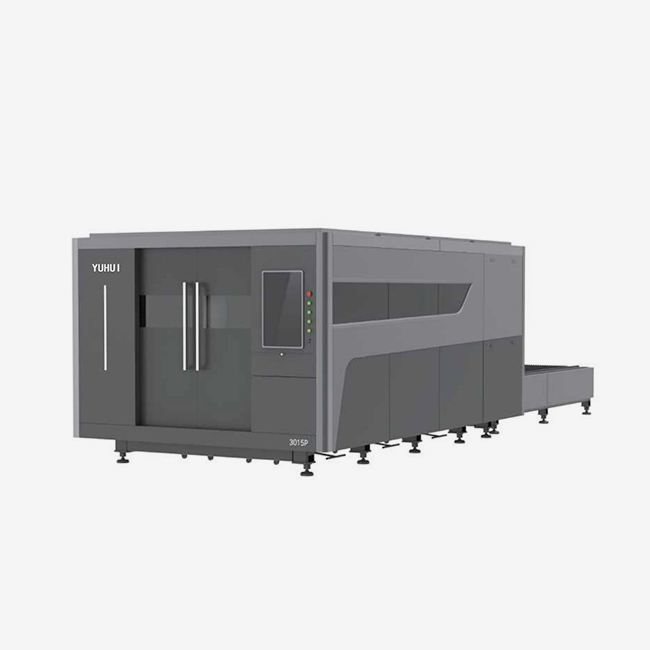
Desktop laser etching equipment is in a good spot between tools for hobbyists and large-format industrial gantries. The work areas of these machines range from 400x600mm to 1500x900mm, which makes them perfect for factories that don't have a lot of room for production. Focused laser beams are used to vaporize or ablate material surfaces with positioning accuracy of up to ±0.01 mm. This allows for permanent marking, detailed engraving, and precise cutting on a variety of substrates.
CO₂ Versus Fiber Laser Technologies
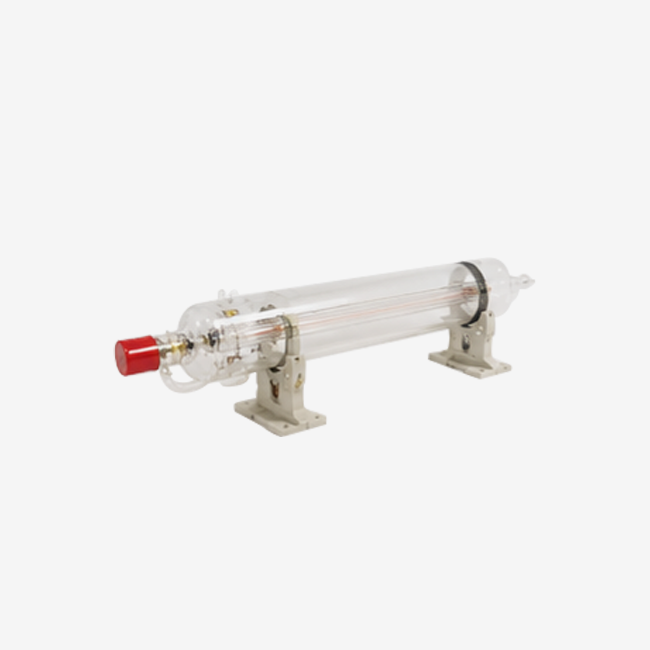
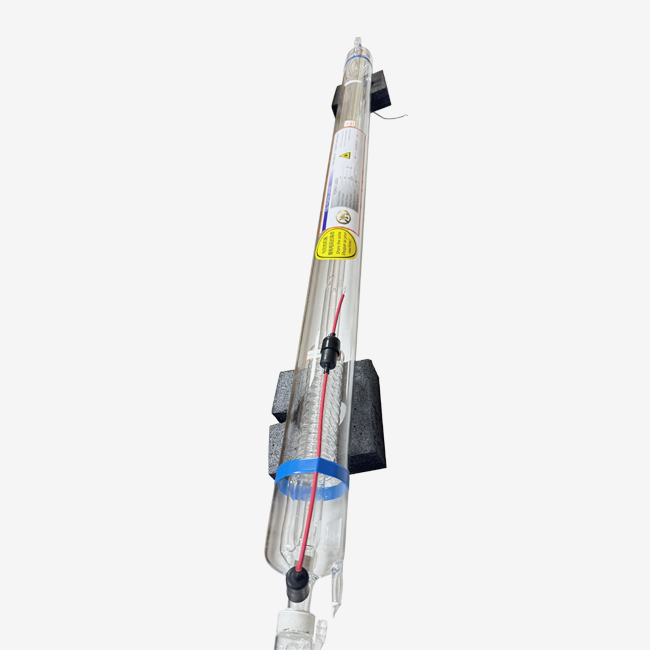
For handling nonmetallic materials, CO₂-sealed laser tubes working at a frequency of 10.6 μm are still the best choice. They are very good at etching and cutting wood, plexiglass, leather, paper, and some plastics. Fiber laser sources are good for businesses that only mark metal or work with thin sheets, but they are more expensive to buy and don't work well with many materials, so they aren't as useful in mixed-material production settings. Power levels of 60W to 150W allow CO₂ systems to do both fine surface engraving and through-cutting up to 10 mm thick in acrylic or 8 mm thick in plywood, depending on the density of the material and the laser wattage.
Working Principles and System Components
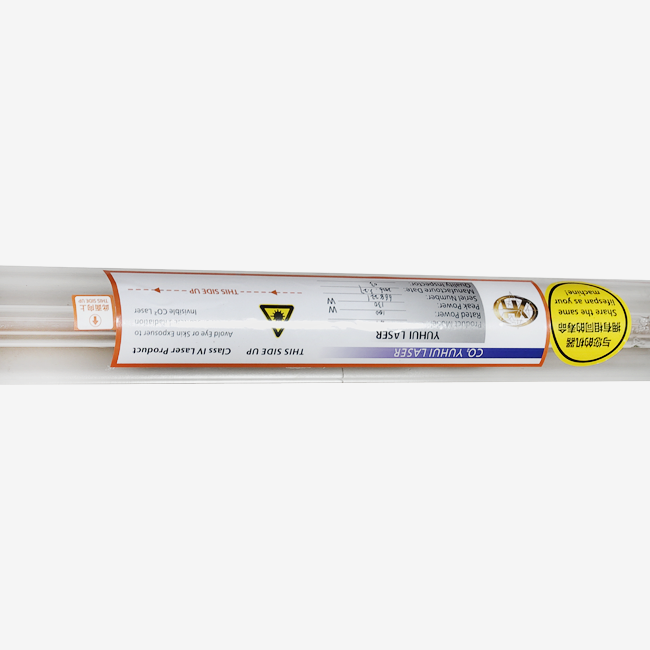
High-voltage electricity sparks the sealed gas mixture inside the tube, making a coherent light beam. This is the first step in making a laser. This beam moves through a set of precise mirrors that are attached to motion rails and are powered by stepper motors and linear guides. The RUIDA control system takes digital design files and turns them into precise motion commands. It then coordinates the movements of the X and Y axes and changes the laser power output in real time. Water cooling systems keep the machine running at the best temperature, which stops thermal warping and makes the tube last longer than 8,000 hours. The red-light positioning system, which is available, beams a crosshair onto the object so that it can be seen before the engraving starts. This keeps expensive material from being wasted because of mistakes in alignment.
Material Compatibility and Industry Applications
When the parameters are set correctly, CO₂ laser processing works especially well on wood and bamboo, leaving clean edges without charring. Acrylic strips that are up to 12 mm thick can be cut with smooth lines that don't need much work afterward. The removal of surface processes makes it possible to leave lasting marks on anodized aluminum and coated metals. Glass etching can make frosted effects that can be used on prizes, signs, and building parts. Pattern perforation and marking are done on these systems by companies that make leather goods and fabric makers, like the sealed-edge cutting that keeps synthetic fabrics from tearing.
Key Factors to Consider When Choosing a Small or Medium Format Laser Engraving Machine
When purchasing teams look at desktop laser systems, they have to compare the performance specs to the expected production volumes and material needs. Operational costs include more than just the initial investment in equipment. They also include things like energy use, replacing consumables, and maintenance schedules.
Resolution and Positioning Accuracy
The engraving resolution tells you how small of a detail you can get on your finished goods. Systems with placement accuracy of ±0.01 mm, such as the Small and Medium Format Laser Engraving Machine, can make text that is as clear as 1 mm for English characters and 1.5 mm for Chinese characters. This precision level meets the quality standards for marking electronic parts, engraving jewelry, and making high-end signs. Reaching speeds of 500mm/s has a big effect on throughput in high-volume settings. To get the best results, you should usually balance speed and power settings to keep the material from getting too hot or not cutting all the way through.
Control Systems and Software Integration
Because it is stable and works with professional design tools, the RUIDA control system has become the standard in the industry. AutoCAD and CorelDRAW processes that are already in place in most production settings can be easily integrated with equipment that supports file formats like PLT, DST, DXF, BMP, and AI. Stepless power adjustment from 0 to 100% through software interfaces lets workers fine-tune settings for different materials without having to do it by hand. This cuts down on the time needed to set up between production runs and the amount of training new employees need.
Operating Costs and Energy Efficiency
Using less than 1000W of power keeps electricity costs low, even during long work shifts. Water cooling systems need to be serviced every so often, but they work better in dusty workshops than air-cooled systems. When compared to older technology platforms, Leadshine drivers and high-performance stepper motors make positioning more accurate while making less heat and noise. This combination makes parts last longer and cuts down on the number of times that production has to be stopped for bearing replacements and belt adjustments.
Comparative Analysis: Small vs Medium Format Laser Engraving Machines
Choosing between small and medium-sized engraving platforms relies on how much floor room you have, the size of most workpieces, and your needs for future expansion. Each type of structure is designed to meet different operating needs and financial limitations.
Workspace Dimensions and Physical Footprint
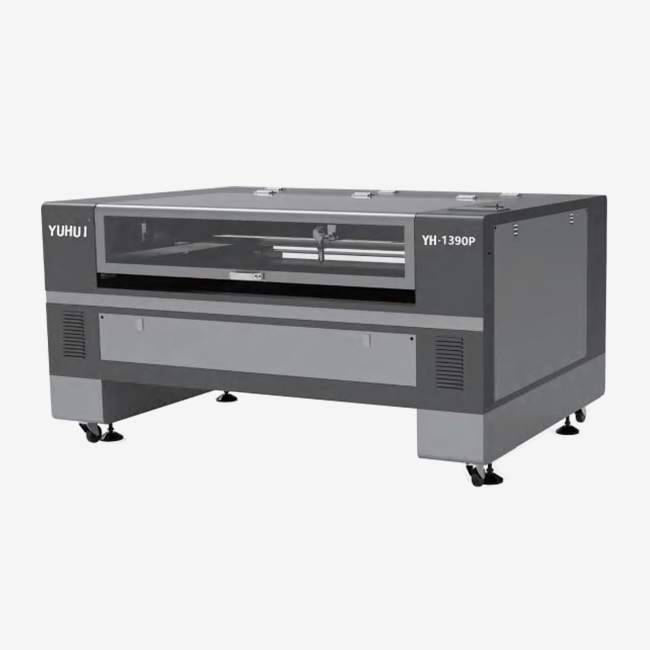
Businesses that work with smaller parts, signage, and samples can benefit from machines like the YH-6040P, which has a 600x400mm work area. The small footprint makes it possible to install in crowded shops or workshops where space is valuable. Mid-sized platforms like the YH-1390P and YH-1590P can handle workpieces up to 1500x900mm, which means they can be used to make furniture parts, big signage panels, and lots of smaller things all at the same time. The 100 mm vertical range of the manually changeable working table lets you work with materials of different thicknesses without having to change the fixtures.
Investment Structures and Financial Planning
Basic CO2 laser engravers with 60W to 80W tubes are a good way for businesses to start trying their laser cutting skills or serving niche markets. Mid-range systems with 100W to 130W tubes strike a good mix between initial cost and increased material processing abilities and faster output speeds. Premium 150W versions are made for centers that need to handle thicker materials or consistently high volumes. Manufacturers like Yuhui Laser have a 14-day production lead time, which makes project timelines more predictable. Also, factory-direct pricing gets rid of the markups that distributors add, which drive up the total cost of acquisition.
Application Suitability Across Production Scales
When speed is more important than raw output, small-format machines are the best choice for making unique gifts, cutting jewelry, making electronic marks, and making prototypes. Manufacturers of signs, furniture, packaging, and contract manufacturing companies that need consistent quality across larger workpieces use medium-format systems. The debugging-free design mindset cuts down on downtime during production changes, which is important for facilities that are working on multiple client projects at the same time. OEM buyers like that private label equipment can have its look changed and its software changed, which helps private label equipment offerings.
Procurement Insights for B2B Buyers
For the 2026 laser equipment market to work, people need to know about price structures, qualified suppliers, and the infrastructure that ensures long-term business viability.
Pricing Benchmarks and Budget Planning
Desktop CO2 laser systems have a wide range of prices depending on their power output, working area, and the quality of their parts. Beginner 60W machines with 600x400mm beds usually cost between $2,800 and $4,500, but this depends on how complex the control system is and how well the small and medium format laser engraving machine is built. Premium 150W systems with 1500x900mm working areas cost $9,500 to $13,500, while mid-range 100W units with 1000x600mm working areas cost $5,500 to $8,000. The prices shown here are factory-direct prices from Chinese companies that have CE and ISO certifications. They are much lower than the prices of rebranded equipment sold by domestic distributors in the US and Europe.
Supplier Evaluation and After-Sales Support
When technology has CE approval, it means it meets European safety and electromagnetic compatibility standards. This protects businesses that work in regulated markets legally. ISO9001 certification shows that the company follows established quality management rules during the whole manufacturing process. Manufacturers like Yuhui Laser offer 450 days of after-sales service, which is a lot longer than the norm in the industry. This time includes technical support, installation help, and replacing parts during the warranty period. When you need to bring precision optical equipment across foreign countries, you need to be sure that your shipments will arrive on time and that there will be less damage to the goods.
Custom Order Processing and OEM Capabilities
Distributors and automation integrators gain when providers let them change the framework, the functions, or the software. Private label product plans and integration into full production lines can be helped by being able to choose how equipment looks, what languages control interfaces use, and how it works. Discussions about customization usually add one to two weeks to the standard 14-day manufacturing cycle. However, this investment pays off in the form of better market positioning and lower costs for modifications made after delivery. Technical R&D support helps integrators come up with custom processing protocols for unusual materials or special application needs.
Expert Recommendations and Future Trends in Desktop Laser Engraving
The laser engraving scene in 2026 won't be marked by big changes in technology but by continuing improvements in motion control systems, cooling efficiency, and the design of the operator interface.
Top-Rated Equipment Specifications
The Yuhui YH-1390P has a working area of 1300x900mm and laser power choices ranging from 80W to 130W. It is well-suited for medium-sized production situations. The red-light positioning system takes the guesswork out of aligning the workpiece, and the automatic focal length adjustment keeps the beam diameter the same for different thicknesses of material. The AC220V/110V switchable power supply works with voltage standards from around the world without the need for extra transformers. Operating temperatures from 0°C to 45°C and resistance to humidity up to 95% make it possible to use in workshops that aren't climate-controlled, which is popular in factory operations that want to save money.
This type of equipment is very flexible when it comes to different types of materials, and it still has a small size, which is important for sites that work in expensive urban real estate markets. Reliable motion control parts and engineering that doesn't need to be fixed often mean that less technical knowledge is needed for daily tasks. This lowers the cost of training and keeps output quality steady even when operators change.
Automation Advancement and Software Development
When combined with material feed systems and finished product removal mechanisms, intelligent control systems make it possible for production workflows to be automated. Software changes to nesting algorithms figure out the best ways to order parts so that they waste the least amount of material. With cloud-based monitoring, production managers can keep an eye on machine state, maintenance schedules, and output data from afar. These changes are especially helpful for distributors who are in charge of multiple setups for different clients and contract makers who work multiple shifts and know that equipment uptime directly affects profits.
Future-Proofing Investment Decisions
When you choose equipment with a modular design architecture, you can gradually add more features without having to replace the whole system. Machines that can accept upgrades to laser tubes from 80W to 130W configurations protect initial investments and allow capacity growth that fits with the growth of the business. When third-party software ecosystems work with each other, vendors don't get locked in, which could make it harder to change operations as design needs change. As people become more concerned about saving energy and protecting the environment, water-cooled sealed tube systems are seen as a better option than older open-tube technologies that use more electricity and need petrol refills more often.
Conclusion
To choose the right small and medium format laser engraving machine, you need to carefully weigh the technical specs against your planned production needs and your budget. Some CO₂ laser systems have 60W to 150W power sources and work areas that range from 600x400mm to 1500x900mm. These systems are perfect for B2B buyers who need industrial precision without the space requirements of large-format equipment. Modern machines have RUIDA control systems, red-light positioning, and automatic focal adjustment that make it much less likely for operators to make mistakes and need to learn new skills. CE certification, ISO quality standards, and longer warranty coverage from manufacturers like Yuhui Laser lower the risk of purchasing, and factory-direct pricing keeps costs low, which is important for distributor margins and manufacturing profits.
FAQ
What distinguishes laser engraving from laser cutting in desktop systems?
Engraving uses lower power settings and faster movement speeds to remove material from surfaces without going all the way through. This leaves marks, textures, or pictures that will last forever. When you cut something, you use more power and slower speeds to vaporize it all the way through. Most desktop CO2 laser systems can do both of these things because they let you change the power output and speed through software controls instead of hardware changes.
Which materials require special safety considerations during processing?
When laser energy hits PVC and vinyl, they give off chlorine gas, which corrodes equipment and poses health risks that need special ventilation systems. Toxic fumes are made by polycarbonate and some foam materials, so activated carbon filtering is needed. CO2 lasers can't work well on metals that don't have any coverings on the outside. Instead, fiber laser technology is needed. Before working with new substrates, you should always check the material safety data sheets.
How often do laser tubes require replacement?
CO2 laser tubes that are sealed usually work for 8,000 to 10,000 hours before their power output drops below what is acceptable. Running the equipment at full power speeds up wear and tear, while running it at 60–80% capacity makes the tubes last longer. Long-term dependability is greatly improved by keeping the water cooling at the right temperature and shielding the power source from changes in voltage.
Partner with Yuhui Laser for Your Desktop Engraving Solutions
Yuhui Laser specializes in making small- and medium-format laser engraving machines that are both reliable and affordable. These machines meet the high standards of wholesalers, metal processing facilities, and OEM buyers in North America and around the world. Our YH-series equipment combines THF4 military-grade optical parts with motion systems that don't need to be debugged. It can accurately position things to within ±0.01mm in areas ranging from 600x400mm to 1500x900mm. As a qualified maker of small and medium format laser engraving machines, we keep a lot of stock on hand to meet 14-day production wait times and offer 450 days of service after the sale, which is longer than the norm in the industry. Get in touch with our expert team at jianghui@yuhui-laser-tech.com to talk about customization options, OEM programs, and purchasing options that are fit for your needs and budget. You can look at detailed specifications and request technical documents to help you evaluate equipment at yuhui-laser-tech.com.
References
1. Chen, L., & Wang, H. (2025). Industrial Laser Processing Technology: Applications and Equipment Selection. Manufacturing Technology Press.
2. Davidson, M. (2025). Desktop Laser Systems for Small Business Production. Industrial Equipment Journal, 34(2), 112-128.
3. International Laser Safety Association. (2024). CO₂ Laser Equipment Safety Standards and Best Practices. ILSA Technical Publications.
4. Kumar, R., & Thompson, J. (2025). Comparative Analysis of Laser Engraving Technologies in Manufacturing Environments. Precision Engineering Quarterly, 18(4), 245-267.
5. Rodriguez, S. (2026). B2B Procurement Guide for Laser Processing Equipment. Industrial Buyer's Reference Manual, 12th Edition.
6. Zhang, W., Liu, X., & Park, S. (2025). Advances in Motion Control Systems for Desktop Laser Machines. Journal of Manufacturing Automation, 29(3), 178-195.
Contact us directly for customized solutions, quotations and long-term strategic cooperation.