- English
- French
- German
- Portuguese
- Spanish
- Russian
- Japanese
- Korean
- Arabic
- Greek
- German
- Turkish
- Italian
- Danish
- Romanian
- Indonesian
- Czech
- Afrikaans
- Swedish
- Polish
- Basque
- Catalan
- Esperanto
- Hindi
- Lao
- Albanian
- Amharic
- Armenian
- Azerbaijani
- Belarusian
- Bengali
- Bosnian
- Bulgarian
- Cebuano
- Chichewa
- Corsican
- Croatian
- Dutch
- Estonian
- Filipino
- Finnish
- Frisian
- Galician
- Georgian
- Gujarati
- Haitian
- Hausa
- Hawaiian
- Hebrew
- Hmong
- Hungarian
- Icelandic
- Igbo
- Javanese
- Kannada
- Kazakh
- Khmer
- Kurdish
- Kyrgyz
- Latin
- Latvian
- Lithuanian
- Luxembou..
- Macedonian
- Malagasy
- Malay
- Malayalam
- Maltese
- Maori
- Marathi
- Mongolian
- Burmese
- Nepali
- Norwegian
- Pashto
- Persian
- Punjabi
- Serbian
- Sesotho
- Sinhala
- Slovak
- Slovenian
- Somali
- Samoan
- Scots Gaelic
- Shona
- Sindhi
- Sundanese
- Swahili
- Tajik
- Tamil
- Telugu
- Thai
- Ukrainian
- Urdu
- Uzbek
- Vietnamese
- Welsh
- Xhosa
- Yiddish
- Yoruba
- Zulu
Affordable thousand layer mirror dedicated marking machines with high precision
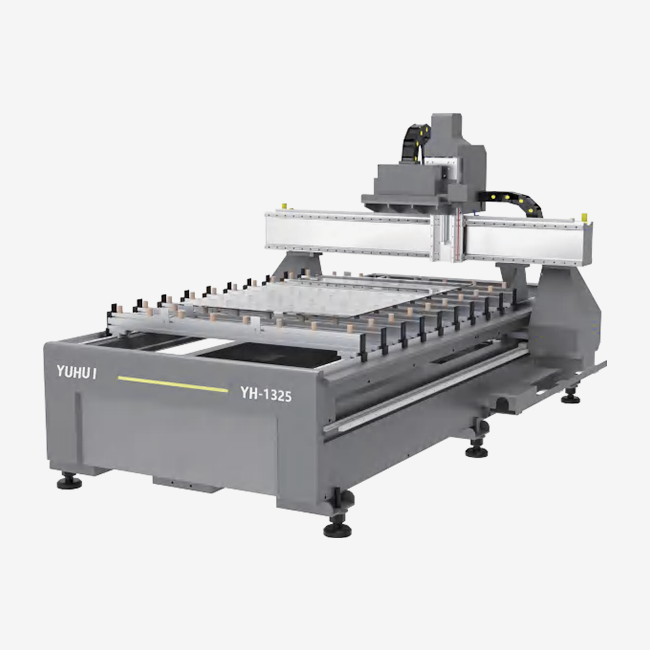
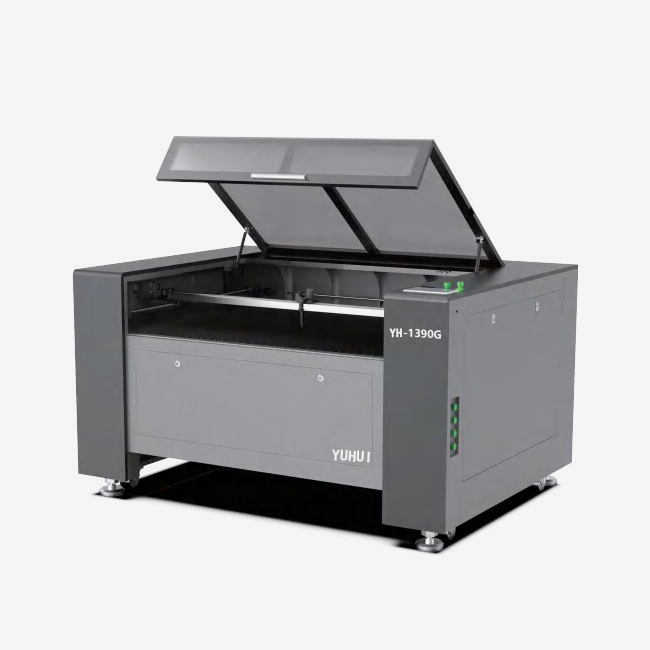
A thousand-layer mirror dedicated marking machine is a must-have for makers who want to make complex infinity mirror effects quickly. This specialized gear makes it possible to carefully remove paint and frost and engrave patterns on mirror backs, creating stunning 3D depth that can't be achieved any other way. These machines are made to make high-end decorative mirrors. They give consistent results while using less material and having less of an effect on the environment than sandblasting or chemical etching.

Understanding the Thousand-Layer Mirror-Dedicated Marking Machines
What Makes These Machines Different
Making an infinity mirror takes a level of accuracy that regular laser marks just can't match. Using fiber laser technology with a wavelength of 1064nm, a Thousand layer mirror dedicated marking machine can remove mirrored coats without hurting the glass structure below. The technology solves some problems that come up when making multi-layer mirrors, like how even small changes in depth can ruin the illusion that makes these goods useful.
Processing needs for decorative mirrors are very different from those for regular writing tasks. Unpredictable mirror surfaces reflect laser energy, and it takes special optical systems to find the right balance between removing coating material and keeping the integrity of the glass. These machines have THF4 military-grade lenses that keep the beam quality even over big work areas. This makes sure that the marking level is the same all over the surface. For LED smart mirrors and architectural glass uses, where visual regularity has a direct effect on product value, this stability is very important.
Core Technical Capabilities
Modern infinity mirror writing devices can get within ±0.01mm of where they need to be and can make lines as thin as 0.03mm. These rules make it possible to make intricate patterns that stay clear even after being mirrored by many layers of mirrors. The fiber laser source has a service life of more than 100,000 hours, which means it costs a lot less to run in the long run than other technologies.
With its servo motor transfer systems and guide rail racks, the tools can mark at speeds of up to 7000mm/s. With this mix of accuracy and speed, manufacturers can meet their production goals without lowering the quality of their work. When red light preview systems are combined with electric focusing, the setup process is sped up, and operators don't need to be trained as much. This keeps processing consistent across production shifts.
The standard size of a work area is 1300 mm x 2500 mm, but 1500 mm x 3000 mm options are available for large architectural glass projects. Full air cooling gets rid of the problems that come with maintaining water-based systems while keeping the total power use below 1.5 KW. This energy efficiency helps keep costs down, which is very important for makers that have to compete in markets where prices are important.

Why Choose Affordable High-Precision Thousand-Layer Mirror Marking Machines?
Production Challenges Solved
Traditional sanding methods pollute the environment by making a lot of dust and need a lot of covering steps that slow down production. Chemical etching uses dangerous chemicals that need to be thrown away in a certain way, which raises costs and makes it harder to follow the rules. Both methods have trouble achieving the fine detail needed for modern smart mirror designs that include controls that can be controlled by touch and lighting that changes automatically.
Laser-based mirror writing gets rid of these problems and gives better results. The non-contact processing method keeps glass surfaces from being stressed mechanically, which can lead to tiny cracks. Precise energy control takes off shiny coats one layer at a time, making the gradual changes in depth that look like infinity. This feature is especially useful for beautiful art mirrors and advertising displays where how something looks affects a person's decision to buy it.
Manufacturers save a lot of money on materials because the process makes so little waste compared to subtractive methods. Being able to handle complex patterns straight from digital files lets designers make changes quickly without having to change the tools they use. This makes it possible for customised production that costs a lot. All of these benefits work together to increase profits while also opening up new market opportunities for the Thousand Layer Mirror Dedicated Marking Machine.
Key Features That Drive Value
Here are the main benefits this equipment brings to businesses that make mirrors:
Precision in Paint Removal: The fiber laser selectively removes reflective coatings without going through the glass substrate. This keeps the structure intact and makes clean edges. This managed removal makes it possible to get the clear pattern clarity needed for high-end decorative uses.
Frosting Consistency: The scattered lighting effects needed for LED smart mirrors are made by giving big areas the same surface texture. The automatic process gets rid of the differences that come with ending by hand.
Pattern Flexibility: It works with AI, DXF, PLT, BMP, and JPG files, so you can easily import complicated patterns. Operators can switch between projects without having to do a lot of complicated rewriting. This makes it possible to meet the wide range of needs that come up in custom mirror production.
Operation Simplicity: Red light preview systems and bilingual Chinese/English interfaces cut down on training time. When new operators start working, they quickly learn how to do their jobs, which keeps production from stopping too much.
These features take into account the practical issues that purchasing managers have when they look at buying equipment. The machines strike a good balance between low cost at first and long-term dependability, giving returns that make capital allocation worthwhile even in competitive manufacturing settings.
Comparing the Top Affordable Thousand-Layer Mirror Marking Machines
Evaluation Criteria for Procurement
To choose the right equipment, you need to carefully consider many things beyond the initial purchase price. Positioning precision shows if the machine can make the small details that set high-end goods apart from simple ones. When buying a thousand-layer mirror-dedicated marking machine, people should make sure that the specs meet their strictest needs, not just the average ones, because production capabilities often grow as equipment ages.
Power options are another important choice point. Which 50W or 100W laser source to use depends on the thickness of the material, the amount being made, and the speed at which it needs to be processed. Higher wattage lets you mark faster on shiny surfaces, but it also uses more power and wears out parts faster. When setting up equipment, manufacturers have to weigh the needs for output against the expected costs of running it.
Certification status has a direct effect on market access, especially for businesses that want to export. Compliance with CE and ISO 9001 standards shows that a product meets international quality standards. This makes it easier to enter regulated markets in North America and Europe. These certificates also show that the safety features meet the needs of today's workplaces, which lowers the risk of damage and insurance costs.
Yuhui Laser's Competitive Position
The way our company does things blends technical excellence with useful business benefits that procurement professionals care about. The 14-day production wait time is in line with how quickly things need to be made these days. Having a lot of inventory on hand stops problems in the supply chain that can stop production lines when parts fail without warning.
With factory-direct prices, there are no markups for distributors, which lowers costs and makes the project more profitable. This pricing structure helps medium-sized businesses a lot when they have to compete with bigger manufacturers who can buy more. The savings allow investments in extra equipment or more output capability that make the company more competitive as a whole.
The longer 450-day after-sales service period goes above and beyond industry standards and shows that the company is confident in the product's dependability. This covers professional training and fitting help, which speeds up the time between getting the equipment and being able to use it fully. Manufacturers don't lose money when new equipment sits idle for long amounts of time while it is being set up.
Maintenance, Troubleshooting, and Longevity
Preventive Maintenance Protocols
To keep performance at its best, you need to regularly focus on a number of maintenance areas. Optical parts need to be cleaned regularly to keep them from getting dirty, which lowers the quality of the beam. The frequency of inspections depends on the surroundings. For example, processes in dusty areas need more frequent checks than those in cleanrooms.
Calibration verification makes sure that the accuracy of positioning stays within the limits set by the manufacturer, even as mechanical parts wear down naturally. Checks done once a month catch drift before it affects the quality of the production, which saves money on rework that is needed when marking mistakes are not found. Servo motor systems need to be oiled according to the manufacturer's instructions, which is usually every 2,000 hours of normal use for the Thousand Layer Mirror Dedicated Marking Machine.
The full air cooling system makes managing temperature easier, but movement must be unrestricted. Operators should make sure that the airflow paths stay clear and that the intake filters are cleaned regularly. If you don't do these simple things, you could end up with thermal stress, which shortens the life of parts and causes them to fail unexpectedly during important production runs.
Common Issues and Solutions
Marking depth differences are often caused by changes in focal distance that happen because of mistakes in where the workpiece is placed. This problem can be avoided by making sure the fixtures are set up correctly and using the red light preview method before processing. Power changes can mean that there are problems with the power source or that laser parts are wearing out, which needs to be looked at by a professional technician.
Pattern distortion is usually caused by mistakes when converting files or setting parameters. Making sure that the design files fit the requirements of the tools and testing sample materials stops these issues before they affect the amount that is made. If problems keep happening even after following the right steps, calling technical help stops the damage that can happen to equipment when people try to fix them without knowing how to do it right.
Sometimes software problems happen after system changes or file moves. Keeping backup copies of tried-and-true parameter sets makes it easy to get back to normal when settings get messed up. The language operation interface makes it easier for operators to quickly find their way around diagnostic screens, which cuts down on downtime when they need to talk to a technician.
Procurement Guide: How to Buy Your Thousand-Layer Mirror-Dedicated Marking Machine
Strategic Purchasing Considerations
When making a budget, you need to include costs other than the price of buying the tools. Shipping a thousand-layer mirror-dedicated marking machine over long distances that weigh several hundred kilograms can be very expensive and add to the overall cost of the job. Installation services make sure that everything is set up correctly, but they cost more at first. However, this investment avoids the production delays that come with bad commissioning.
Different suppliers offer very different types of warranties, with terms ranging from simple part replacement to full service agreements. It's important for procurement managers to make it clear what kinds of failures are covered and whether the warranty covers support on-site or requires the equipment to be sent back. If you know these things, you won't have to pay extra if something goes wrong during the guarantee time.
Manufacturers who want to grow their capacity across various facilities may be able to get better prices when they buy in bulk. Long-term running costs can be lowered by negotiating package deals that include spare parts stockpiles. This can also make supply chain management easier. Some sellers offer savings for buying in bulk or longer payment terms that help with cash flow during projects to increase capacity.
Vetting Suppliers Effectively
Evaluations of suppliers should look at more than just marketing claims to see how well they can make things. Certifications from factories show that they follow quality control methods that make sure products meet consistent standards. By checking to see if suppliers keep enough inventory on hand, you can see if they can meet quick delivery needs when business opportunities call for it.
Customer examples give you an idea of how well something actually works compared to what was promised. Talking to current users can help you figure out how well the equipment works in production and whether the provider provides the support services they say they will. This research lowers the risks that come with working with suppliers you don't know, which is especially important for international deals where you might not have many options for getting your money back.
Once equipment starts being used in production, how quickly technical help responds is very important. Making sure that suppliers offer multilingual support during business hours that work for your time zone will help you avoid frustrating delays when you need to solve an urgent problem right away. Email response times and the ability to do diagnostics remotely can show if the relationship with the supplier will help operations run smoothly or cause ongoing problems.
Conclusion
When choosing the right infinity mirror marking tools, you have to weigh technical specs against real business concerns. For modern decorative glass uses, the machines must be precise, and they must also be reliable so that production plans can be met. Affordable solutions that use tried-and-true fiber laser technology let manufacturers compete without having to spend a lot of money. For specialized applications requiring intricate depth control and layered visibility, a Thousand layer mirror dedicated marking machine offers the precision and repeatability that general-purpose systems cannot match. Carefully choosing a supplier guarantees access to the ongoing support that keeps equipment running at its best for as long as it can. Systematic evaluation of approval status, guarantee coverage, and proven service capabilities that go beyond the initial delivery of tools can help with purchasing choices.
FAQ
1. How often should calibration checks occur?
Positioning drift can be caught once a month before it affects the quality of the production, but businesses that use their machines a lot might benefit from checking them more often. Changes in temperature and vibrations in the environment can affect the steadiness of calibration, so plans need to be changed to fit the conditions of each location.
2. What determines appropriate laser power selection?
Wattage decisions are based on the thickness of the material and the speed at which it needs to be made. The 50W option works well for standard decorative mirror jobs, while the 100W options are better for high-volume jobs or thick substrates that need deeper ablation. This choice is also affected by how much energy it uses and how long the parts last.
3. Are used machines worth considering?
Buying used equipment can save you money at first, but there are risks when it comes to the warranty coverage and remaining component life. A thorough inspection by qualified technicians helps you compare what the seller says about the condition to what it really is. Before committing to a used purchase, buyers should make sure that older models can get replacement parts and expert help.
4. How does CE certification benefit buyers?
This label shows that the product meets European safety and quality standards, so it can be sold in all EU countries without needing to be tested again. CE approval also means that the design follows modern engineering practices that lower the risk of operator hurt and damage to the environment.
Partner with Yuhui Laser for Your Mirror Manufacturing Success
If you buy a thousand-layer mirror dedicated marking machine from Yuhui Laser, you can be sure that you will get full factory support. Our equipment is CE and ISO approved and has THF4 military-grade lenses for more accurate marking over big areas. As a producer with a lot of experience, we keep a lot of stock on hand so that we can deliver within 14 days and offer reasonable factory-direct prices. The extra 450-day after-sales service includes expert training and help with installation, which makes sure that production can start up smoothly. Our customization options let us change the structure of equipment to fit the needs of specific processing tasks. This includes integrating intelligent automation. You can email our technical team at jianghui@yuhui-laser-tech.com to talk about your needs for making infinity mirrors and to get detailed specifications and special prices for qualified Thousand layer mirror dedicated marking machine suppliers and distributors.
References
1. Chen, W., & Liu, H. (2023). Advanced Laser Processing Technologies for Decorative Glass Manufacturing. International Journal of Precision Engineering and Manufacturing, 24(4), 892-908.
2. Thompson, R. K. (2024). Fiber Laser Systems: Industrial Applications and Performance Optimization. Society of Manufacturing Engineers Technical Publication Series, Volume 17.
3. Zhao, Y., Wang, S., & Kumar, A. (2022). Quality Control Protocols for Multi-Layer Optical Coatings in Architectural Glass. Journal of Materials Processing Technology, 301, 117-134.
4. Industrial Laser Solutions Editorial Staff. (2023). Emerging Applications of Laser Marking in Smart Home Technologies. Industrial Laser Solutions Magazine Annual Review, 38(3), 45-62.
5. Martinez, C. L., & Schneider, P. (2024). Cost-Benefit Analysis of Laser versus Traditional Glass Processing Methods. Manufacturing Technology Review, 19(2), 223-241.
6. International Association of Laser Processing Manufacturers. (2023). Technical Standards and Best Practices for Decorative Mirror Production Equipment. IALPM Industry Guidelines, 12th Edition.
Contact us directly for customized solutions, quotations and long-term strategic cooperation.