- English
- French
- German
- Portuguese
- Spanish
- Russian
- Japanese
- Korean
- Arabic
- Greek
- German
- Turkish
- Italian
- Danish
- Romanian
- Indonesian
- Czech
- Afrikaans
- Swedish
- Polish
- Basque
- Catalan
- Esperanto
- Hindi
- Lao
- Albanian
- Amharic
- Armenian
- Azerbaijani
- Belarusian
- Bengali
- Bosnian
- Bulgarian
- Cebuano
- Chichewa
- Corsican
- Croatian
- Dutch
- Estonian
- Filipino
- Finnish
- Frisian
- Galician
- Georgian
- Gujarati
- Haitian
- Hausa
- Hawaiian
- Hebrew
- Hmong
- Hungarian
- Icelandic
- Igbo
- Javanese
- Kannada
- Kazakh
- Khmer
- Kurdish
- Kyrgyz
- Latin
- Latvian
- Lithuanian
- Luxembou..
- Macedonian
- Malagasy
- Malay
- Malayalam
- Maltese
- Maori
- Marathi
- Mongolian
- Burmese
- Nepali
- Norwegian
- Pashto
- Persian
- Punjabi
- Serbian
- Sesotho
- Sinhala
- Slovak
- Slovenian
- Somali
- Samoan
- Scots Gaelic
- Shona
- Sindhi
- Sundanese
- Swahili
- Tajik
- Tamil
- Telugu
- Thai
- Ukrainian
- Urdu
- Uzbek
- Vietnamese
- Welsh
- Xhosa
- Yiddish
- Yoruba
- Zulu
Beginner's Guide to Selecting a Fiber Laser Marking Machine
Choosing the right fiber laser marking machine significantly impacts your production efficiency and product traceability. These precision systems deliver permanent, high-contrast identification on metals, plastics, and engineering materials without consumables or mechanical contact. Whether you're a procurement manager evaluating suppliers or an OEM partner seeking customization, understanding the core specifications—marking speed, laser power, wavelength compatibility, and control system integration—ensures you select equipment that aligns with your operational demands and budget constraints while meeting international quality standards.
Understanding Fiber Laser Marking Machines: Key Concepts and Benefits
A ytterbium-doped fiber optic laser source working at 1064nm wavelength is used in a fiber laser marking machine to leave permanent marks on surfaces through high-energy beam interaction. Unlike traditional dot peen or inkjet methods, this non-contact technology doesn't require any tool wear or replacement costs. It also produces very high-quality beams with M² values below 1.5.
How Fiber Lasers Outperform Alternative Technologies
Compared to CO2 lasers, fiber systems are 30% more efficient at using electricity and are better at absorbing metals. The fiber-to-fiber solid design gets rid of the need for regular upkeep on optical alignment, which is a problem with lamp-pumped systems. When industrial companies that work with stainless steel parts switch from mechanical engraving to fiber laser systems, they report marking output gains of up to 40%.
Material Versatility Across Industrial Applications
These marking tools work great on a wide range of materials, such as titanium, hardened tool steels, and industrial plastics like ABS and polycarbonate. High-contrast lines are made by a controlled thermal process that either anneals, ablates, or carbonizes the material, based on its qualities. Automakers use this technology to create VIN serialization that can last for decades in harsh environments, and medical device makers use it to create FDA-compliant UDI codes that can last through multiple autoclave sterilization cycles.
Productivity Gains Through Speed and Precision
Modern galvanometer scanning devices can mark things up to 5000mm/s and are accurate to within 0.002mm. Electronics companies that mark PCB parts can finish production 35% faster than with older methods, and they can keep character heights at 0.15mm. When speed and accuracy work together, the cost of each part goes down directly, and traceability compliance goes up across all regulated industries.
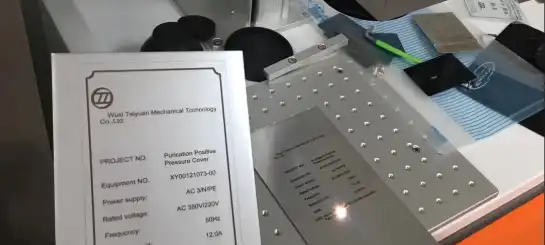
Critical Factors to Consider When Choosing a Fiber Laser Marking Machine
To choose the best equipment, you need to carefully look at the technical specs that are right for your work setting and the materials you need to use. By understanding these choice factors, you can avoid expensive mistakes where equipment capabilities don't match up with practical needs.
Production Volume and Marking Speed Requirements
Figure out how much output you need by looking at the daily part counts and the production time you have available. 20W systems may be enough for operations that mark less than 500 parts per day, but 50W systems with advanced galvanometer technology are better for high-volume electronics assembly lines that process more than 5,000 parts per hour. How fast the laser finishes complicated patterns and serial numbers is directly related to the repetition rate, which ranges from 27.7 to 62.5KHz.
Material Characteristics and Laser Power Selection
For the best mark quality on different media, you need to use a certain amount of power. From our experience working with metal manufacturing clients, we know that 20–30W systems work great with bare metals like aluminum and stainless steel. Copper, brass, and other reflective surfaces need higher power outputs of 50W or special anti-reflection isolators to keep the laser source from being damaged by back-reflection. Most of the time, engineering plastics can be marked well at lower power levels, where controlled carbonization creates high contrast without deforming the material.
Integration Requirements and Control Systems
Check to see if your process needs to work on its own or with the production line. Desktop units with easy-to-use control screens work well in job shops that need to mark a variety of things, while automated systems that can connect to a PLC are better for factories that make a lot of things. Standard file types like DXF, PLT, AI, and BMP should be supported by the control system so that it can work with design tools like AutoCAD and CorelDraw. This will cut down on conversion times that slow down production starts.
Supplier Reliability and Support Infrastructure
Total cost of ownership is affected by warranty coverage and technical support in a big way. Look for companies that offer warranties that last longer than the usual 12 months and offer quick technical support for fixing problems and installing new software. Suppliers who keep enough extra parts on hand and give full training to operators lower the risk of downtime. When production schedules depend on having the right equipment, delivery lead times are important. Manufacturers who can deliver in 14 days and have established logistics partnerships give their companies a competitive edge during capacity expansion projects for the fiber laser marking machine.
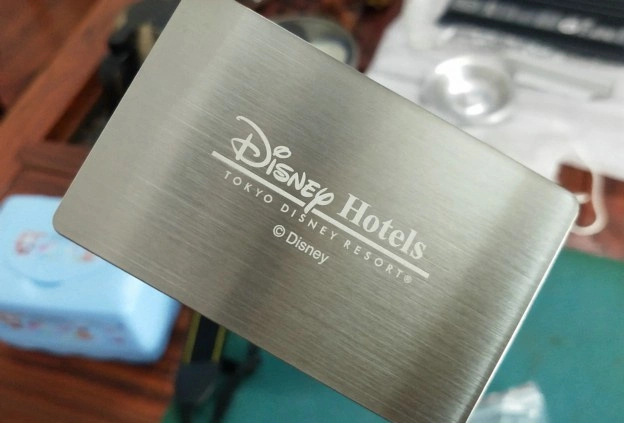
Comparing Popular Fiber Laser Marking Machine Types and Brands
The market for industrial marking equipment has a lot of different options that are set apart by their configuration, performance, and cost. Knowing these differences helps buying teams make smart choices about where to spend.
Desktop vs. Portable vs. Integrated Systems
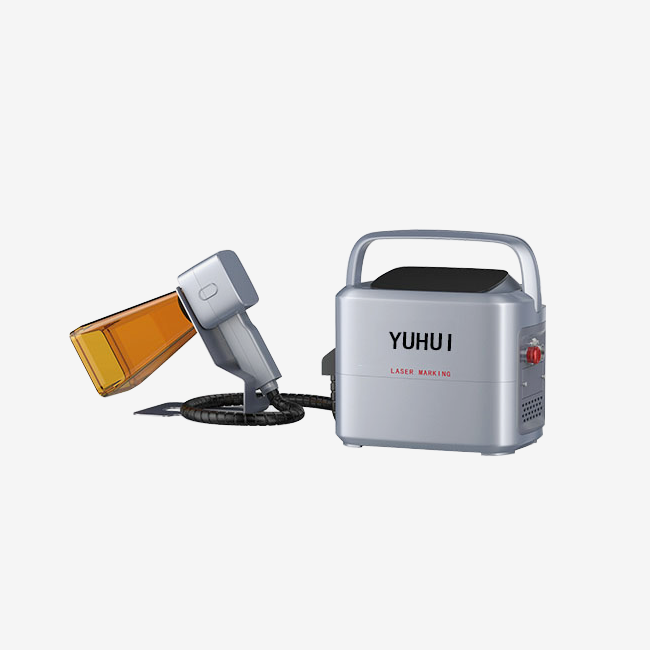
Desktop setups offer stable surfaces for precise work in controlled settings. They come with bigger marking areas (up to 200x200mm) and better specs for repeatability. Portable handheld units are useful for marking big groups or doing work in the field, but they are less accurate at finding the right place than set systems. Integrated inline systems connect directly to conveyor systems and can automatically find parts. These systems work best in continuous production settings where manual loading would slow things down.
Power Output and Application Suitability
Small and medium-sized businesses that want to save money can use basic 20W devices to mark metal and carbonize plastic. Mid-range 30W configurations offer a good balance of power and flexibility, and can work with a wider range of materials, such as coated and anodized aluminum. High-performance 50W to 100W systems are used for tough jobs that need to engrave deeply on hardened materials or process quickly in the aircraft and automobile industries, where cycle time has a direct effect on the cost of production.
Cost Considerations and Investment Planning
Prices for equipment vary on its features. For example, 20W desktop systems start at around $8000–$12000, and 50W automated systems cost between $20,000 and $35000, based on their brand and configuration. Aside from the initial investment costs, you should also figure out the total costs of ownership, which should include the energy used. For normal fiber laser marking machines, this is only about 400W, while for CO2 units, it's about 2–3kW. Because there are no inks, solvents, or new parts to buy, this method saves a lot of money compared to other writing methods. Many suppliers offer finance or leasing plans that match payment dates with when production makes money. This makes it easier to stick to a budget during growth phases.
Evaluating Brand Reputation and Technical Support
Reliability is shown by well-known manufacturers' certifications, such as ISO9001 quality management and CE safety compliance. Brands that keep dedicated technical teams and large libraries of documentation make it easier to train operators and fix problems faster. Customer reviews from related industries can tell you a lot about how well a product or service works in the real world and how quick the company is, especially when it comes to software updates and helping you improve your processes.
Maintenance, Safety, and Best Practices for Fiber Laser Marking Machines
Following the right operational procedures and preventative maintenance schedules will make sure that equipment lasts as long as possible and that safety rules are followed at work. These actions have a direct effect on the uniformity of the marking quality and the general dependability of production.
Routine Maintenance Procedures
The F-theta lens needs to be cleaned every so often with anhydrous ethanol and lint-free optical wipes to get rid of the dust that builds up and lowers the quality of the beam focus. Check the lens surface once a week in places with a lot of dust and once a month in places with little dust. Manufacturers' software updates often include better marking algorithms and new material settings, so set up a review plan every three months. Depending on the environment, cooling system filters need to be cleaned or replaced at different times. For example, filters may need to be changed every three months in climate-controlled spaces but once a month in manufacturing areas with particulate matter in the air.
Laser Safety Protocols and Protective Equipment
Class 4 lasers can hurt you, like by burning your skin or eyes, so they need to be controlled by the government and come with safety gear. Marking areas should have interlocking barriers that turn off the laser when they are touched, so that people don't get accidentally exposed. When working near open systems, operators must wear safety glasses that are approved for 1064nm range protection. Put up the right warning signs at entry points to let people know that lasers are being used. Regular safety training makes sure that employees know how to shut down in an emergency and what to do if they are accidentally exposed to something dangerous.
Environmental Optimization
Keep the temperature and humidity in the room between 15°C and 30°C and below 70% to keep optical parts from condensation and laser output stable. Too many changes in temperature lead to thermal expansion, which lowers the accuracy of measurements. Heavy machinery or trucks can cause vibrations, which can make it harder to mark precisely. So, put the equipment away from sources of vibration. Having enough airflow gets rid of the fumes that are made when plastic is carbonized. This protects the health of both the equipment and the user and follows the rules for air quality in the workplace. These protocols are essential for any fiber laser marking machine.
Emerging Trends and Future Outlook of Fiber Laser Marking Technology
Industrial marking powers are always changing as technology improves. New inventions make marking more efficient, easier to connect, and more useful in a variety of situations. Knowing about these changes helps businesses buy tools that will work in the future.
Advanced Laser Source Technology
Next-generation fiber laser marking machines have MOPA (Master Oscillator Power Amplifier) architectures that let pulse lengths be changed from nanoseconds to microseconds. This adaptability lets you add color to stainless steel by controlling oxidation and mark delicately on heat-sensitive plastics, which used to need UV lasers. Manufacturers who use MOPA systems say that they are 25% more compatible with materials than traditional Q-switched configurations. This means that they don't need as many specialized systems.
Industry 4.0 Integration and Smart Manufacturing
More and more modern marking systems are connected to the internet of things (IoT), which lets you watch production in real time and get tips for planned repairs. Data logging in the cloud keeps track of the marking parameters for each part, which helps with quality checks and traceability rules. Automation of serial number generation tied to business databases is made possible by integration with MES (Manufacturing Execution Systems). This gets rid of mistakes caused by entering data by hand. Vision systems check the quality of the mark right after it has been processed, and they automatically throw away any parts that aren't right before they are put together.
Expanding Application Horizons
Laser marking is used to identify cells and keep track of quality in the solar panel and battery manufacturing industries, which use renewable energy. Companies that make wearable electronics use micro-marking to keep sensitive circuits safe while serializing tiny parts. More and more, 3D-printed metal parts are being marked so that they can be tracked. Fiber lasers work well with the surface properties of powder bed fusion. These new uses for the technology show how well it can adapt to changing industrial environments.
Conclusion
To choose the right fiber laser marking system, you have to weigh the technical specs against the needs of the production, the properties of the materials, and your budget. Give more weight to suppliers that have a track record of being reliable by showing this through quality certifications, full warranty coverage, and quick technical support. The fiber laser marking machine built-in benefits—no consumables, low upkeep, and very long-lasting markings—make it a great investment in a wide range of industrial industries. By carefully looking at the things this guide talks about, buying teams can be sure they're choosing equipment that meets compliance and tracking requirements and also makes operations more efficient.
FAQ
1. What materials can fiber laser systems mark effectively?
Fiber lasers are great for working with metals like copper, titanium, stainless steel, and harder tool steels by annealing, ablation, and deep carving. A controlled carbonization process is also used to mark industrial plastics like ABS, polycarbonate, and polyamide. Depending on how well they absorb light at 1064nm wavelength, some covered surfaces and hybrid materials work well.
2. How does fiber laser marking compare to traditional engraving methods?
Fiber laser systems can work on things 40–60% faster than mechanical engraving, and they don't need to change tools or pay for their wear and tear. The non-contact process keeps the material from changing shape or being stressed, which is especially important for parts with thin walls. When used in harsh environments for more than 20 years, marks don't fade or wear off as quickly as ink-based systems do. This means that they can still be read.
3. What maintenance does a fiber laser marking machine require?
Compared to other technologies, a fiber laser marking machine does not need as much maintenance. Once a month, use the right optical cleaning tools to clean the F-theta lens. Every three months, run software updates and check the calibration every six months. The sealed fiber laser source works for about 100,000 hours without needing to be aligned, have gas refilled, or have lamps replaced, which is what CO2 or lamp-pumped systems need to do.
Partner With Yuhui Laser for Your Industrial Marking Solutions
Precision fiber laser marking machines made by Shandong Yuhui Laser Technology have military-grade THF4 lenses and ±0.002mm accuracy, giving your production the dependability it needs. Our CE and ISO-certified systems come with the best guarantee in the business—450 days of full technical support—and 14-day shipping lead times that keep your projects on track. We have been making fiber laser marking machines for a long time and can customize software interfaces, machine designs, and special material handling needs for OEMs. Email our engineering team at jianghui@yuhui-laser-tech.com to talk about your marking needs and get special instructions that are made for your production setting. You can look at our whole line of products at yuhui-laser-tech.com and learn how factory-direct pricing gives you the best value without sacrificing quality or support.
References
1. Dahotre, N.B. and Harimkar, S.P. (2008). Laser Fabrication and Machining of Materials. Springer Science & Business Media, New York.
2. Ion, J.C. (2005). Laser Processing of Engineering Materials: Principles, Procedure and Industrial Application. Elsevier Butterworth-Heinemann, Oxford.
3. Steen, W.M. and Mazumder, J. (2010). Laser Material Processing, Fourth Edition. Springer-Verlag, London.
4. Migliore, L. (2016). Laser Materials Processing. CRC Press, Boca Raton.
5. Ready, J.F. and Farson, D.F. (2001). LIA Handbook of Laser Materials Processing. Laser Institute of America, Orlando.
6. Chryssolouris, G. (1991). Laser Machining: Theory and Practice. Springer-Verlag, New York.
Contact us directly for customized solutions, quotations and long-term strategic cooperation.