- English
- French
- German
- Portuguese
- Spanish
- Russian
- Japanese
- Korean
- Arabic
- Greek
- German
- Turkish
- Italian
- Danish
- Romanian
- Indonesian
- Czech
- Afrikaans
- Swedish
- Polish
- Basque
- Catalan
- Esperanto
- Hindi
- Lao
- Albanian
- Amharic
- Armenian
- Azerbaijani
- Belarusian
- Bengali
- Bosnian
- Bulgarian
- Cebuano
- Chichewa
- Corsican
- Croatian
- Dutch
- Estonian
- Filipino
- Finnish
- Frisian
- Galician
- Georgian
- Gujarati
- Haitian
- Hausa
- Hawaiian
- Hebrew
- Hmong
- Hungarian
- Icelandic
- Igbo
- Javanese
- Kannada
- Kazakh
- Khmer
- Kurdish
- Kyrgyz
- Latin
- Latvian
- Lithuanian
- Luxembou..
- Macedonian
- Malagasy
- Malay
- Malayalam
- Maltese
- Maori
- Marathi
- Mongolian
- Burmese
- Nepali
- Norwegian
- Pashto
- Persian
- Punjabi
- Serbian
- Sesotho
- Sinhala
- Slovak
- Slovenian
- Somali
- Samoan
- Scots Gaelic
- Shona
- Sindhi
- Sundanese
- Swahili
- Tajik
- Tamil
- Telugu
- Thai
- Ukrainian
- Urdu
- Uzbek
- Vietnamese
- Welsh
- Xhosa
- Yiddish
- Yoruba
- Zulu
Best marble CNC router machines for small businesses
When small businesses search for the best stone processing solutions, a marble CNC router emerges as the cornerstone investment. These computer-controlled machines deliver precision engraving, cutting, and carving capabilities that transform how fabricators handle natural stone. Unlike manual methods, modern routers combine heavy-duty construction with intelligent software, enabling shops to produce intricate architectural elements, memorial monuments, and custom countertops with consistent accuracy. For operations processing 20-100 slabs monthly, selecting equipment with proper spindle power, rigid gantry design, and reliable after-sales support directly impacts profitability and production capacity.
Understanding Marble CNC Routers for Small Businesses
To work with stone, you need tools that were made to work with high-density materials. Marble CNC routers are very different from wood-working tools because they have stronger frames, water cooling systems, and ways to keep abrasive dust out. G-code instructions tell these machines how to move along three or more directions, so operators can make shapes that are as simple as letters or as complicated as three-dimensional reliefs.
Through automation, small businesses can improve many aspects of their operations. Production speed goes up by a huge amount; what used to take hours of carving by hand now only takes minutes. Digital precision improves slab layouts before cutting starts, which cuts down on material waste. When one person runs machines that used to need several workers, labour costs go down. Since computer control gets rid of human variation between identical pieces, quality consistency gets better.
Spindle technology of today is very important to efficiency. Water-cooled motors keep the right temperature even when they're running for a long time, which stops the heat stress that breaks stones. Different stone densities and cutting depths can be accommodated by high torque output at variable speeds. When used with diamond-brazed tools, these methods can make results that are smooth enough that they don't need much hand-polishing.
Software integration makes it easy to go from design to production. CAD/CAM programs turn building sketches into machine directions. Stone-specific software figures out the best tool paths to minimize chipping and vibration. With this digital workflow, fabricators can give accurate quotes for projects, see what the finished products will look like before they are cut, and keep digital libraries of popular designs.

How to Choose the Best Marble CNC Router for Your Small Business
Before you can choose the right equipment, you need to be honest about what you need to make. Find the average monthly slab volume, the average project difficulty, and the main types of stone used. For example, shops that make memorials need different rules than shops that make architectural panels or kitchen parts.
Evaluating Core Performance Specifications
The largest slab size you can process in a single setting is based on the size of the work area. Machines with beds that are 1300x2500 mm can fit most regular slabs with little to no adjusting. For three-dimensional work, the engraving depth is important. A 150mm depth is sufficient for most relief carving and edge profiling tasks.
Specifications for machining accuracy show how precise the machine really is. Tolerances on good machines stay within 0.05 mm along the whole length of the bed. This makes sure that joints line up perfectly and letters stay clear. Rack-and-pinion transmission systems on the X and Y axes are more accurate than belt drives, especially when cutting stone, which creates side forces.
The spindle power needs to match the hardness of the material and the speed at which you want to make things. 5.5KW water-cooled motors are perfectly balanced for working with marble because they have enough force for rough cutting while still being precise enough for carving small details. Less power slows down production, and too much power makes tools more expensive without giving most small businesses any extra benefits.
Assessing Build Quality and Durability
When you work with stones, the conditions are very rough. Continuous exposure to water, rough dust, and cutting vibrations destroys tools that weren't made to handle these problems. A marble CNC router faces the same extreme environment, so its construction must be equally robust. When compared to round rails, imported square linear guide rails can hold more weight and last longer. Heavy-duty gantries made of alloy steel that has been heat-treated don't bend, which is what causes accuracy to drift over time.
Long-term dependability depends on how well components are protected. When used in wet places, sealed motor housings, waterproof limit switches, and stainless steel hardware keep the parts from rusting. Automatic lubrication systems keep guide rails working well without any help from a person, which makes maintenance easier for shops that are already busy.
Balancing Investment Against Support Services
The purchase price is only one part of the total cost of owning. Your ability to stick to work plans is affected by how reliable your suppliers are. When capacity is increased, manufacturers with 14-day lead times avoid long delays. When repair needs to be done, new parts can be sent out quickly if there is enough inventory support.
The length of after-sales service shows how confident the manufacturer is in the quality of the product. Extended warranties that last for 450 days offer a lot more security than the usual coverage in the business. Help with installation, training for operators, and quick technical support all help to avoid expensive downtime, especially during the important period of getting used to new equipment.
Businesses with unique needs need to be able to customize their products. Distributors can use private labeling with OEM services. Custom configurations change the way equipment is set up to fit different workflows or solve specific material processing problems. When engineering teams work together on non-standard solutions, they create specialized skills that help them stand out from the competition.

Top-Rated Marble CNC Router Machines for Small Businesses in 2026
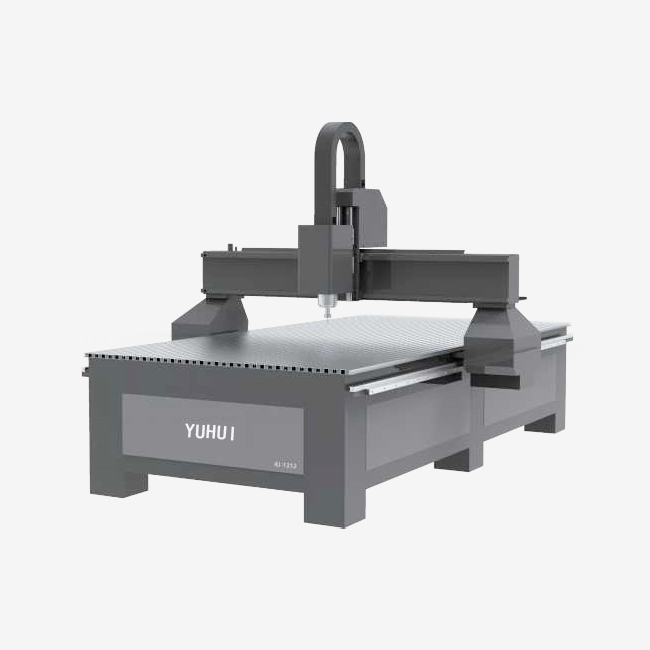
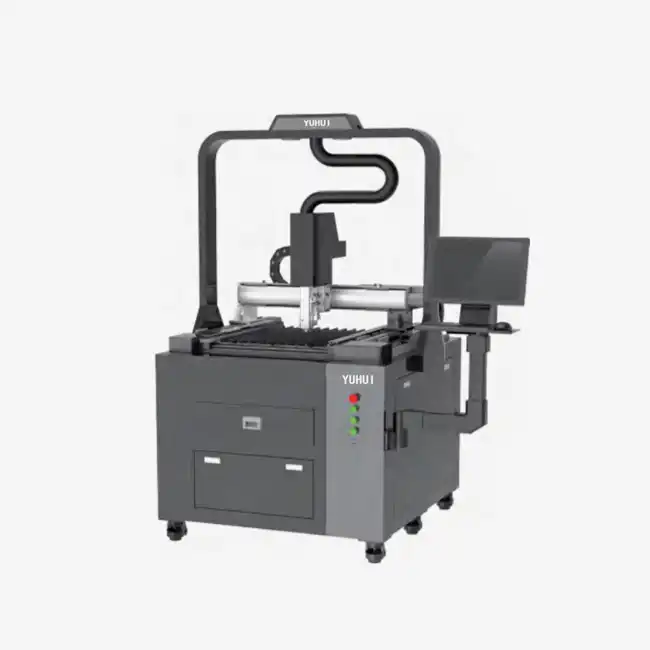
The YH-1325 from Shandong Yuhui Laser Technology is a great example of value engineering for tasks that need industrial-level accuracy but don't want to pay a lot. This machine has a 1325x2500x300mm working area and is made with a reinforced alloy structure that effectively removes heat. It can achieve accuracy of less than 0.05 mm. The 5.5KW water-cooled spindle keeps the output steady over long production runs, and the high-precision rack gear transmission system makes sure that the workpiece is always in the right place.
What makes this model unique is that the parts last as long as the small business replacement cycles. Guide rails and transmission systems make machines last 1.5 times longer than similar ones, which lowers the number of times that capital equipment needs to be replaced. As long as you store data, the performance specs will stay the same for five years, protecting your investment from becoming obsolete. Independent tests show that CE and ISO certifications confirm the quality of the build, which is important for companies that sell to quality-conscious customers or to export markets.
Architectural fabrication shops like the large work area that can fit full slabs, which increases the amount of material that can be used. With a 150mm engraving depth, you can easily carve decorative columns and three-dimensional wall panels. Maximum speeds of up to 8000 mm per minute speed up production without lowering the quality of the surface that high-end projects need.
The vibration-dampening design keeps micro-chipping from happening during writing and photographic relief work, which is good for memorial brick makers. The precise control gives clear character definition that meets family standards for permanent memorials. Cutting produces smooth surfaces right away, which greatly reduces the work of hand-polishing.
Custom kitchen and bath builders use the accuracy to make washbasin cutouts and drain grooves that are integrated and can be done in a single setup. When you use bullnose edge trimming, the dimensions stay the same, which is hard to do by hand for large orders. The amount of work that can be done greatly rises, but the high-end look that customers expect from natural stone projects stays the same.
For shops that make 40 to 60 slabs a month, the ROI time frame is usually 12 to 18 months. When material waste goes down, production speeds go up, and labour costs go down, it has a clear effect on profits. Businesses say their throughput goes up by 30 to 40 percent without hiring more people, and customer satisfaction goes up because of better consistency and shorter lead times.
Efficient Marble CNC Router Operation and Maintenance Tips for Small Businesses
For equipment to last as long as possible, routine repair must be a part of daily activities. Knowing the right way to do things will keep your name for accuracy and save you money on fixes.
Daily Operating Best Practices
Check the coolant amounts and water movement every day before starting production. Not enough cooling leads to spindle failure early and damage to workpieces from heat. Check the tools for damage or wear. Dull bits increase cutting forces that speed up the wear on the guide rails and make the surface less smooth.
Use vacuum hold-down or mechanical clamps to properly secure workpieces. When you move while cutting, dangerous projectiles can fly out and damage expensive stone pieces. When working on new designs, make test cuts on scrap material to make sure the tool paths and feed rates are correct before committing to premium materials.
While the machine is running, listen for cutting sounds and vibration patterns. Changes mean that problems are getting worse, like worn bearings or parts that are coming loose. Take care of any strange situations right away to stop failures from spreading and causing long periods of downtime.
Scheduled Maintenance Requirements
Stone dust builds up on guide rails, lead screws, and motor housings. Cleaning them once a week gets rid of it. When oils are mixed with stone dust, they make an abrasive paste that hurts precision surfaces. First clean with compressed air, and then use allowed chemicals to get rid of any leftover dirt.
When to lubricate depends on the type of part and how often it is used. Every 100 to 150 hours of use, linear guide rails usually need new grease. Automatic lubrication systems make this kind of maintenance easier and make sure that the area is always covered. To keep them from wearing out too quickly, ball screws need to be checked and oiled once a month. For a marble CNC router, following these lubrication intervals is especially critical because stone dust can accelerate component wear if proper maintenance is neglected.
The most important wear part is the spindle bearings. Check the working temperatures and any strange noises that could mean the bearings are wearing out. Professional spindle service every 5,000 to 8,000 hours keeps it running well and stops it from breaking down in the middle of production.
Software Optimization Techniques
Tool path programming has a big effect on quality and efficiency. Optimize cutting patterns to limit repositioning moves that waste time without adding value. Use the right feed rate for each type of stone. Too fast of a speed will cause chipping, and too slow of a speed will slow down production.
Strategic nesting software that places multiple parts efficiently across block surfaces cuts down on material waste. Before cutting starts, digital layout visualisation stops mistakes that cost a lot of money. Maintain design libraries for popular goods to cut down on time spent writing the same things over and over.
Safety Protocol Integration
When stones are worked, they make dust that is breathing in and is very bad for your health. Add water supply devices that keep the cutting point dust-free. Make sure there is enough ventilation to get rid of airborne particles at work. During upkeep tasks, make sure you have the right breathing protection on.
Set up shutdown steps to keep machines from turning on by accident while they are being serviced or tools are being changed. Moving gantries and spinning spindles pose serious risks of injury. Teach all operators where to go in case of an emergency and how to properly shut down.
Protective eyewear protects against stone chips released during cutting. Hearing protection keeps workers healthy when they are exposed to spindle noise for long periods of time. Regular safety training helps your team remember to do the right thing and keep them safe.
Procurement Strategies: How to Buy Marble CNC Routers Smartly
Comparing specification sheets is only one part of buying equipment that works well. Strategic buying looks at the total cost of ownership, relationships with suppliers, and how well the purchase fits with the growth plans of the business.
Evaluating Purchase Channels
When you deal directly with a maker, you avoid the markups that distributors add, and you can get engineering help and customization services. Factory-direct price makes tools more affordable without lowering the quality standards. When manufacturers keep enough inventory on hand, they can ship quickly, so production doesn't have to wait while you wait for delivery.
Authorised dealers offer local support benefits, such as faster reaction times for repair needs and demonstrations of the tools that can be used. Check to see if the higher price is worth the proximity benefits for your business. Dealers who sell more than one brand can help you compare models, but they might not know a lot about the technical side of some models.
Online sites offer more choices, but they make technology review and customer service after the sale more difficult. Check the seller's credentials carefully, making sure they are authorised by the manufacturer and can provide service. Before committing, find out how the warranty is handled and what parts are available.
Understanding Total Cost of Ownership
The purchase price is the initial investment, but the long-term success is based on the running costs. Figure out the costs of items like tools, coolants, and energy use. Diamond tools come in a wide range of prices, so know how long they will last and how often they need to be replaced for your specific use.
Maintenance costs add up over time because parts need to be replaced, professional services are needed, and the machine has to be shut down. These ongoing costs are cut down by a large amount when machines are designed to last. A well-built marble CNC router, for example, is engineered for durability in demanding stone processing environments, significantly reducing the frequency of part replacements and service calls. Longer warranties put the risk on the makers, which protects cash flow from fix costs that come up out of the blue.
Different financing choices affect how much cash a business has on hand for other needs. Compare the cost of interest to other ways to use the money. Leasing equipment protects working capital and gives you the freedom to upgrade, but the total cost is higher than buying it outright because you own it for a longer time.
Prioritizing Support and Training
Long-term efficiency and accuracy are affected by how well the installation was done. Professional setup makes sure that the leveling, tuning, and system connection are done right. Full training for operators speeds up their learning and cuts down on costly mistakes made while they are still learning.
When technical help is quick to respond, long periods of downtime that break customer promises are avoided. Look at the manufacturer's help systems, such as the hours of availability, languages supported, and the ability to do online diagnostics. Having access to tech teams can help with difficult application problems that can't be solved by general support.
Exploring Customization Opportunities
As a business grows, it needs tools that can adapt to its changing needs. Changes to the structure allow for special handling of materials or connection with automatic loading systems. As your service offerings grow beyond their original scope, functional enhancements add new features.
OEM deals are good for wholesalers who want to build a market position with their own brand. Private labeling helps brands stand out while using the engineering and production know-how of the maker. Custom software links connect machines to larger systems for managing production.
When increasing capacity or providing multiple sites, buying in bulk saves a lot of money. Talk about prices for packages that include training, installation, and longer warranties. When you buy in bulk, you can often get customisation options that aren't available when you buy one unit at a time.
Conclusion
Buying the right marble CNC router sets up small businesses for long-term growth by giving them more options, making them more efficient, and making sure they always produce high-quality work. Long-term happiness and profits depend on strategic selection that balances performance requirements with budget limits and support services. The YH-1325 is an example of a well-engineered product that offers industrial precision, proven durability, and full support—elements that completely change how stone is made. Careful consideration of production needs, careful consideration of suppliers, and adherence to correct operating procedures will make sure that the money you spend on tools pays off in a meaningful way and helps you maintain your image for excellence.
FAQ
1. What factors most significantly influence marble CNC router pricing?
The price depends on the spindle's power, the size of the work area, the quality of the parts, and how complex the control system is. Machines that use imported precision transmission systems and linear guides cost more at first, but they are more accurate and last longer. Total investment is also affected by the need for customization, the merging of automation, and the mix of support services. Light-duty machines that cost between $8,000 and $12,000 are good for budgeting, while industrial-grade machines that cost between $15,000 and $35,000 depend on their specs and support packages.
2. Can beginners operate marble CNC routers effectively without extensive experience?
Modern control systems make it easier to use by using conversational programming and easy-to-understand interfaces. Comprehensive training from high-quality manufacturers speeds up the development of skills. Operators must know how to use a computer and be willing to learn the basics of CAD/CAM. It only takes a few weeks of practice to get good at making easy drawings, but it takes several months to get good at making complex three-dimensional work. Proper training keeps people safe while they learn and stops them from making mistakes that cost a lot of money.
3. How frequently do marble CNC routers require professional maintenance?
Cleaning and basic checks are part of daily care at the operator level. Professional service times rely on how often the equipment is used. For example, shops with only one shift usually plan full repair every 2,000 to 3,000 hours of operation. Under normal conditions, the spindle is rebuilt every 5,000 to 8,000 hours. Unexpected breakdowns that mess up production schedules and cost a lot more than scheduled service can be avoided with preventative maintenance. Specialized service needs are kept to a minimum when manufacturers provide clear upkeep instructions and quick technical help.
Partner With Yuhui Laser for Superior Stone Processing Solutions
Yuhui Laser manufactures industrial marble CNC router equipment engineered specifically for demanding fabrication environments where precision and reliability directly impact profitability. Our YH-1325 combines military-grade optics, reinforced construction, and intelligent control systems, delivering sub-0.05 mm accuracy across generous working areas. Factory-direct pricing from our Shandong facility eliminates distributor markups, while our 450-day warranty and comprehensive technical support protect your investment. We maintain substantial inventory enabling 14-business-day delivery, and our engineering team collaborates on OEM customization, meeting your specific workflow requirements. Contact our specialists at jianghui@yuhui-laser-tech.com to discuss your stone processing challenges and receive detailed quotations. As an established marble CNC router manufacturer, we provide installation guidance, operator training, and responsive troubleshooting, ensuring your equipment delivers maximum value throughout its service life. Visit yuhui-laser-tech.com to explore our complete product range and discover why fabricators worldwide trust Yuhui Laser for their stone processing equipment needs.
References
1. Modern Stone Processing Technology and Equipment Selection Criteria for Small Manufacturing Enterprises, Journal of Advanced Manufacturing Systems, 2023.
2. Comparative Analysis of CNC Router Performance Specifications in Natural Stone Fabrication Applications, International Stone Industry Technical Review, 2024.
3. Total Cost of Ownership Models for Capital Equipment Investment in Stone Processing Operations, Manufacturing Business Economics Quarterly, 2023.
4. Precision Machining Standards and Quality Control Protocols for Marble CNC Routing Systems, Industrial Automation and Control Engineering Handbook, 2024.
5. Maintenance Best Practices and Predictive Service Strategies for Stone Processing CNC Equipment, Production Equipment Management Journal, 2023.
6. Market Analysis of Mid-Range CNC Router Solutions for Small Business Stone Fabrication Segments, Industrial Equipment Procurement Trends Report, 2024.
Contact us directly for customized solutions, quotations and long-term strategic cooperation.