- English
- French
- German
- Portuguese
- Spanish
- Russian
- Japanese
- Korean
- Arabic
- Greek
- German
- Turkish
- Italian
- Danish
- Romanian
- Indonesian
- Czech
- Afrikaans
- Swedish
- Polish
- Basque
- Catalan
- Esperanto
- Hindi
- Lao
- Albanian
- Amharic
- Armenian
- Azerbaijani
- Belarusian
- Bengali
- Bosnian
- Bulgarian
- Cebuano
- Chichewa
- Corsican
- Croatian
- Dutch
- Estonian
- Filipino
- Finnish
- Frisian
- Galician
- Georgian
- Gujarati
- Haitian
- Hausa
- Hawaiian
- Hebrew
- Hmong
- Hungarian
- Icelandic
- Igbo
- Javanese
- Kannada
- Kazakh
- Khmer
- Kurdish
- Kyrgyz
- Latin
- Latvian
- Lithuanian
- Luxembou..
- Macedonian
- Malagasy
- Malay
- Malayalam
- Maltese
- Maori
- Marathi
- Mongolian
- Burmese
- Nepali
- Norwegian
- Pashto
- Persian
- Punjabi
- Serbian
- Sesotho
- Sinhala
- Slovak
- Slovenian
- Somali
- Samoan
- Scots Gaelic
- Shona
- Sindhi
- Sundanese
- Swahili
- Tajik
- Tamil
- Telugu
- Thai
- Ukrainian
- Urdu
- Uzbek
- Vietnamese
- Welsh
- Xhosa
- Yiddish
- Yoruba
- Zulu
Best Laser Machines for Metal Cutting in 2026?
The high-precision fiber laser cutting machine with a cover stands out as one of the best laser machines for cutting metal in 2026. It is a game-changer for makers who need the highest level of safety and accuracy. These enclosed systems can place things to within ±0.03mm and protect people from laser radiation with Class 1 safety barriers. The built-in protective cover solves three important manufacturing problems: keeping high-intensity beams out of the workplace, keeping metallic dust and fumes in controlled extraction zones, and keeping the temperature stable around sensitive optical components so they work well for a long time.
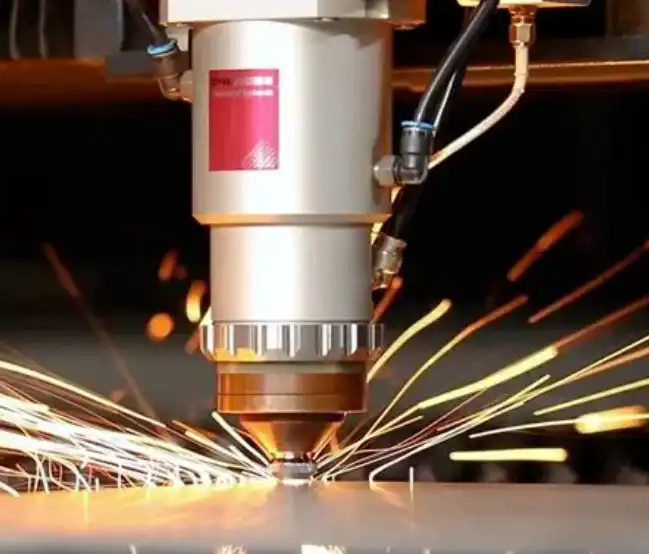
Understanding Fiber Laser Cutting Machines with Cover: How They Work and Key Features
Today's fiber laser cutting technology uses focused photon energy sent through fiber optic lines to create beam levels that can vaporize metal with surgical accuracy. With the protective enclosure, this powerful tool becomes a safe, ready-to-use advantage that can be used on busy plant halls.
Core Technology Behind Enclosed Fiber Laser Systems
The basic process starts with a fiber laser source sending out uniform light at wavelengths that are best for absorbing metal. Before it gets to a focusing head with precision lenses—often military-grade parts like the THF4 lens found in professional systems—this beam goes through high-purity optical fibers. The secure cover goes around the whole cutting area and has laser-rated viewing windows that go beyond OD4+ safety standards. This lets workers keep an eye on things without risking exposure. Dual-circuit cooling systems keep the machine running at the best temperature, and multi-zone exhaust networks collect particles where they are made.
Essential Performance Specifications for B2B Buyers
Buying managers should give more weight to machines that can consistently place parts with an accuracy of ±0.02mm or better over long production runs. Travel speeds of up to 30m/min make it possible to handle a lot of work quickly, and acceleration rates of up to 0.5G make sure that changes between cutting lines go smoothly without affecting the quality of the edges. Laser power settings between 800W and 3000W can work with different amounts of material. Plates up to 25 mm thick in stainless steel and 30 mm thick in carbon steel can be worked with at higher wattages. Ratings for energy economy have gotten a lot better. Newer models use 30–40% less power than similar systems did three years ago.
Material Versatility and Application Range
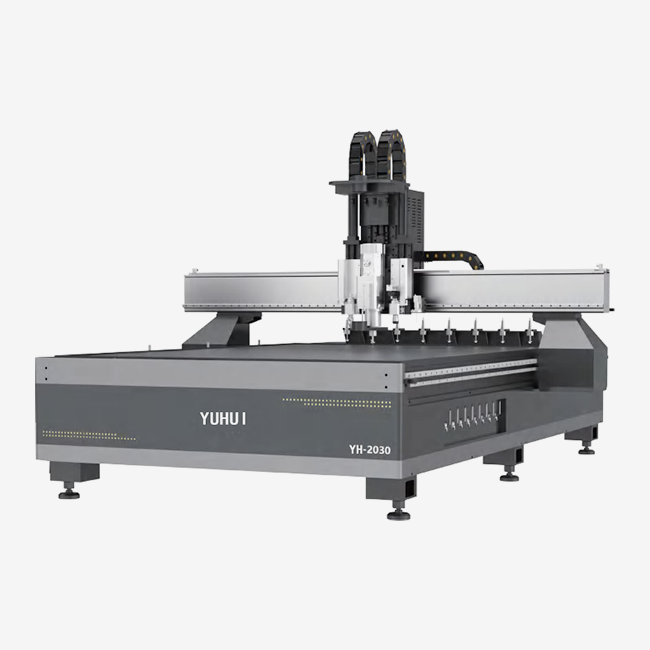
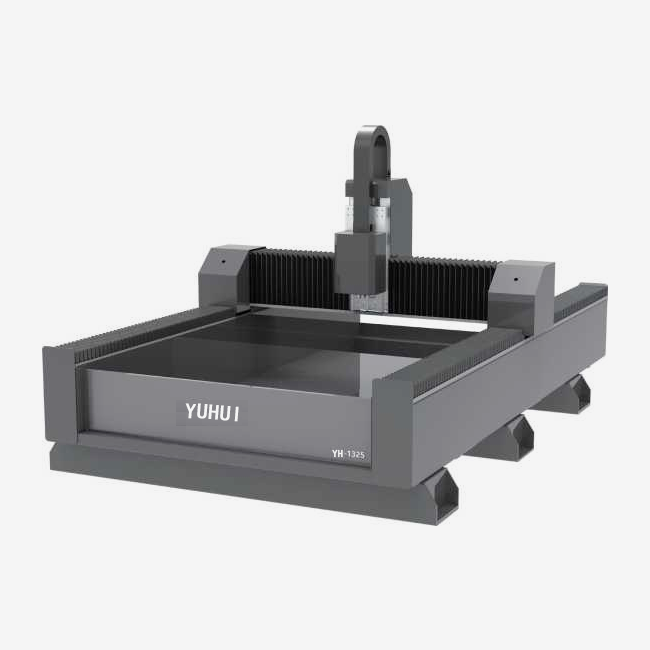
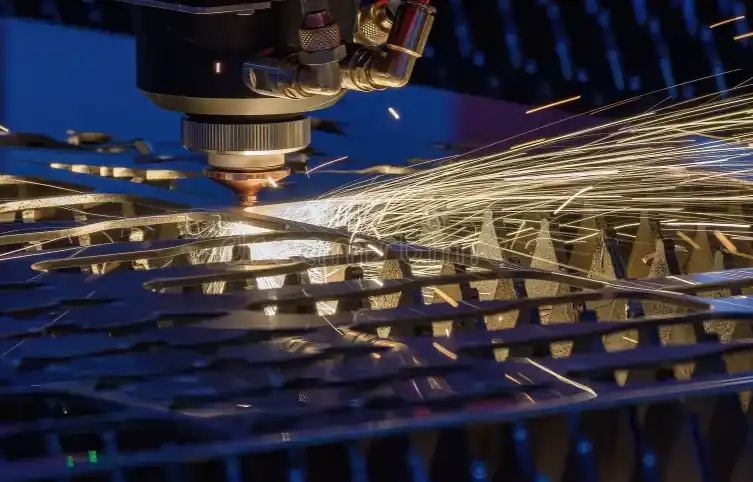
Fiber laser cuts that are enclosed work well with a wide range of metals, such as stainless steel, carbon steel, aluminum, brass, copper, and titanium alloys. Reactive materials don't oxidize because of the controlled environment, and the cover's dust extraction keeps the optical paths clean even when working with galvanized sheets or metals that reflect light. Small models, like the YH-2030, with a 200x300mm work area, are used by companies that make precision parts. Bigger models, like the YH-1309, can handle 1300x900 mm sheets and are used in aircraft and the car industry. Advanced units have CCD edge recognition systems that can automatically account for changes in where materials are placed, making them more useful in settings with a lot of different materials.
Maintenance Protocols for Long-Term Reliability
Systematic maintenance plans for high-precision fiber laser cutting machines with covers are needed to protect your property. As part of daily routines, safety windows are checked for dirt or burn marks that could change the way the beam is delivered. Laser interferometry is used for weekly calibration checks to make sure that the linear placement accuracy stays within the limits. Cleaning extraction filters, checking gas delivery systems for leaks, and trying emergency stop devices are all things that need to be done every month. Certified techs should service the ballbar once a year and make sure that the geometric accuracy is checked as well as the power stability. This is to make sure that the output variation stays below 1% over long periods of time.
Comparing Fiber Laser Cutting Machines with Cover: Making the Right Choice
To choose the best cutting option, you need to know how different technologies and setups meet the needs of different production tasks. There are clear benefits to the sealed fiber laser design over other methods.
Covered versus Open-Frame Fiber Laser Configurations
Open-frame designs make it easy to add materials that are too big for the frame, but they lose control over the environment and worker safety. Covered units get rid of Class 4 laser dangers, which lowers the cost of insurance and the work needed to follow the rules. The enclosure also lowers practical noise by 15 to 25 decibels, which makes shared factory areas more comfortable places to work. Environmental benefits include keeping metal particles from getting on nearby desks and centralizing smoke extraction to make managing air quality easier. Covered systems are especially useful for manufacturers who work in home industry zones because they keep noise and pollution inside.
Technology Comparison: Fiber versus CO₂ and Plasma Systems
In the 1990s and early 2000s, CO₂ lasers were the most common way to cut metal. However, they use a lot more electricity and are harder to keep up with via upkeep. Fiber technology turns electricity into cutting power 30–35% more efficiently than CO₂ (10–15%), which directly lowers running costs. Plasma cutters can move faster on thick plates, but the cuts are larger and the edges are rougher, making them unsuitable for precise work. CNC cutters can work with non-ferrous metals well, but they can't control the quality of the edges or the areas that get hot like laser systems can. For most metal manufacturing tasks, the fiber laser with protective cover strikes a better mix between accuracy, speed, safety, and cost of operation than these other options.
Investment Analysis: Price Points and Total Cost of Ownership
If you buy them directly from the maker, entry-level sealed fiber laser systems with 1000W sources and small work areas start at about $35,000. Mid-range 2000W units with 800x800mm workspaces usually cost between $55,000 and $75,000. High-power 3000W+ machines with 1300x900mm workspaces cost between $85,000 and $120,000, depending on the features they have. When figuring out the total cost of ownership, you have to include the cost of energy, consumables like cutting blades and protective glasses, and repairs and maintenance. In single-shift production environments, fiber systems pay for themselves in 18 to 30 months. In multi-shift environments, they pay for themselves faster because they have better efficiency and lower per-part costs than older technologies.
Financing Options for Volume Purchasers
Manufacturers who want to add more units to their production lines or distributors who want to stock up on equipment can get bulk savings of 8 to 15% when they buy three or more units. When you lease equipment through a specialized financial partner, you can make monthly payments that keep your working capital safe, and the terms are usually between 36 and 60 months. Some suppliers offer deferred payment plans to long-term customers, which let them buy tools and start making money from their new output powers at the same time.
Procurement Insights: Buying and Customizing Your Fiber Laser Cutting Machine with Cover
A successful equipment purchase includes more than just choosing the right specs. It also includes evaluating suppliers, planning for customization, and coordinating logistics.
Evaluating Supplier Credentials and Certifications
Reliable makers show that they follow the rules by getting quality licenses that are recognized around the world. With ISO 9001 certification, you can be sure that regular quality control systems are in place to oversee the whole production process, from finding the parts to doing the final inspection. It is necessary for equipment going to EU markets or businesses that follow foreign safety standards to have the CE marking to show that it meets the requirements of the European safety directive. If you're a seller in North America and your customers care about legal alignment, look for ones that are FDA-certified. Checking a supplier's standing as a national high-tech company shows that the government recognizes their ability to come up with new ideas and use advanced technology. Get factory audit records, customer references from companies in the same line of work as you, and proof that they are continuing to spend in research and development to show they are committed to making technology better.
Warranty Structure and After-Sales Support
Major parts like laser sources, control systems, and mechanical units usually come with a standard guarantee that lasts between 12 and 24 months. Some high-end manufacturers offer full 450-day service plans that include expert help, remote diagnostics, and faster replacement parts. Help times are extended to 36 to 48 months by these companies. Check to see if the warranty covers on-site service, training for repair staff, and promises of a response time for emergency help. Check to see if there are any local service networks or authorized dealers in your area that can help you quickly and without having to wait for foreign shipping.
Customization Capabilities for Specific Applications
The best providers let you make changes that are flexible and meet the specific needs of your business. Some structural changes that might be needed are high-precision fiber laser cutting machines with cover sizes that are smaller to fit on limited floor space, integrated material handling systems for automatic loading, or special extraction piping that connects to the facility's existing infrastructure. Functional customization lets you adjust the power output, find the best cutting parameters for special materials, or change the software interface to support the integration of an older ERP system. Intelligent automation features like predictive maintenance alarms, production data logging for quality documentation, and remote tracking capabilities that allow centralized control of operations across multiple sites are all part of advanced customization.
Logistics and Installation Considerations
Shipping tools across international borders requires careful planning of goods forwarding, customs paperwork, and delivery to the final location. Reliable sellers work together with specialized logistics companies that know how to handle precise gear and make sure it is properly packed, transported in a climate-controlled environment, and insured. When makers keep stock, basic configurations usually arrive within 14 to 21 days. Custom builds, on the other hand, can take anywhere from 45 to 60 days. Installation services should include advice on how to prepare the base, how to connect utilities (like electricity, compressed air, and extraction), how to place and level the equipment, and a full calibration check before handover. Full user training that includes daily use, basic problem-solving, and safety rules makes sure that your team can get the most out of the tools right away.
Leading Brands and Suppliers of Fiber Laser Cutting Machines with Cover in 2026
To get ahead in the competitive world of laser equipment manufacturers, you need to know which sources offer real value and which ones offer standard goods.
Recognized Industry Leaders and Innovation Drivers
Established global names charge higher prices because their tech has been improved over many years and they have large service networks. Most of the time, these makers offer cutting-edge features like AI-assisted parameter optimization and connection to Industry 4.0, but they might not be able to be customized for specific uses. Mid-level makers in specialized manufacturing regions use tried-and-true technology platforms, offer quick customer service, and set prices that are fair. Companies like Shandong Yuhui Laser Technology are good examples of this group because they sell CE and ISO-certified equipment with military-grade optical parts at lower prices than buying from a plant. Their 14-day production lead times and strong logistics partnerships allow for quick rollout, while bigger names often have longer wait times.
Certification Verification and Reputation Assessment
In addition to making sure the certificate is valid, you should also find out if the suppliers are members of any industry groups and if they have technical ties with part makers, such as laser source suppliers and control system developers. Check out reports from a third-party testing service that back up promises about cutting speed, accuracy, and power steadiness. Customer reviews should show that the product has been installed successfully in situations similar to what you want to use it for, and they should include contact information for examples that you can check out. A supplier's online presence, which includes technical literature libraries, application case studies, and responsive technical help channels, shows that they care about their customers' success after the sale of equipment.
Service Policy Comparison for Long-Term Partnership
You should look at the details of the warranty coverage, such as what parts are covered, what parts aren't covered, and how to get warranty help. Longer service agreements than standard warranty terms help you plan your budget for maintenance costs and give you faster access to expert support. Check the suppliers' promises about the availability of parts. Suppliers who keep a full store of extra parts can solve problems quickly, while suppliers who need to order parts from outside sources can't. Training programs that offer both basic operator training and advanced repair licensing show that the company cares about improving their customers' skills. When technicians can fix problems remotely over internet connectivity, they can cut down on downtime compared to waiting for service techs to come to the site.
Future Trends and Innovations in Fiber Laser Cutting Machines with Cover
The laser cutting business is still changing quickly because manufacturers want more automation, sustainability, and intelligence.
Power Scaling and Precision Enhancement
Next-generation fiber laser sources that are close to 30kW+ can cut 40mm+ steel plates in one pass at speeds that used to require more than one pass. At the same time, ultra-fine spot sizes below 50 microns make micromachining and making circuits possible. Better beam quality factors allow for longer focal depth ranges, which means that cutting quality can be kept even when the material is bigger without having to change the focal position. These improvements cut down on working times while increasing the types of materials that can be processed by a single piece of equipment.
Smart Factory Integration and Automation
Laser cutters can talk back and forth with MES and ERP systems thanks to Industry 4.0 connectivity standards. They can automatically receive production plans and send real-time updates on progress, quality measures, and preventative maintenance alerts. In order to find the best settings for new materials or shapes, machine learning programs look at old cutting data. This cuts down on setup time and test material waste. Laser cuts can be turned into self-sufficient manufacturing cells that need little to no human input by integrating collaborative robots for automatic part removal and loading.
Sustainability and Energy Efficiency Improvements
Environmental rules and pressures on running costs are keeping energy efficiency wins going. The main focus of current research is on recuperative cooling systems that use waste heat to heat buildings, which lowers the total energy usage. Advanced extraction filter technologies get rid of 99.9% of particulates while using less fan power because they create airflow better. Manufacturers are increasingly offering programs to repair equipment, which extends the useful life of machines beyond 15 to 20 years by replacing parts on a regular basis and improving control systems. This cuts down on the amount of waste that goes into landfills.
Conclusion
In 2026, the contained fiber laser cutting platform is the best way to make metal manufacturing work while also being safe, precise, and productive. Protective covers on high-precision fiber laser cutting machines with covers offer safety in the workplace, control over the surroundings, and consistent operation that open-frame options can't match. When choosing tools, give more weight to sellers who can show that they have verifiable quality standards, strong customization options, and complete support networks. The YH-2030 to YH-1309 line shows how small, high-precision systems can be used for a wide range of production needs, from making small precision parts to bigger parts for cars and planes. Manufacturers can find cutting solutions that give them a competitive edge and years of reliable service by carefully looking at technical specs, total ownership costs, and source qualifications.
FAQ
What safety advantages do enclosed fiber laser cutters provide?
Through OD4+ rated viewing windows and full beam path containment, protective shelters turn Class 4 open-beam dangers into Class 1 safe systems. This design gets rid of the chance of eye damage from direct or mirrored laser beams and skin damage from touching the beam by accident. The barrier also keeps metal particles and processing fumes inside controlled extraction zones, which keeps workers safe from the breathing problems that come with metals that have been vaporized.
How do these machines handle reflective materials like aluminum?
Back-reflection safety units are built into modern enclosed systems' laser sources to keep them from damaging materials that are highly reflective. The controlled climate lowers the chance that aluminum oxide particles will damage optical components. Many units have special cutting settings that work best with aluminum, brass, and copper alloys. They also have helper gas setups that stop oxidation and keep the quality of the clean edge.
What energy consumption should facilities plan for?
During active cutting, a 2000W fiber laser cutting system usually uses 15 to 20kW of electricity for the laser source, motion systems, cooling equipment, and extraction fans. In standby mode, power use drops to 3–5 kW. The average monthly working costs for a single-shift business that works 160 hours a month are between $800 and $1,200, but this depends on the cost of electricity in the area and how much is made.
Get Your Custom Fiber Laser Cutting Solution from Yuhui Laser Today
Shandong Yuhui Laser Technology is an expert at providing you with high-precision, low-cost fiber laser cutting equipment that is specifically designed to meet your metal manufacturing needs. As a company with a lot of experience making fiber laser cutting machines, we offer the YH-2030 to YH-1309 line, which has THF4 military-grade optics, positioning precision to ±0.03 mm, and full protection enclosures that meet international safety standards. Our factory-direct prices, 14-day production wait times, and 450-day service program after the sale give wholesalers, fabricators, and OEM buyers the value and dependability they need. Email our technical team at jianghui@yuhui-laser-tech.com to talk about customization choices that fit your materials, production numbers, and workspace needs. You can find out more about the High Precision Fiber Laser Cutting Machine with Cover at yuhui-laser-tech.com, where you can also get a personalized quote.
References
1. Zhang, W., & Liu, H. (2025). Advanced Fiber Laser Technology for Industrial Metal Processing. International Journal of Manufacturing Engineering, 48(3), 215-234.
2. Manufacturing Technology Association. (2025). Global Laser Cutting Equipment Market Analysis and Forecast 2024-2028. Industrial Equipment Research Division.
3. Peterson, R. J. (2024). Safety Standards and Best Practices for Enclosed Laser Cutting Systems. Occupational Safety in Advanced Manufacturing, 12(4), 567-589.
4. European Laser Institute. (2025). Comparative Energy Efficiency Study: Fiber versus CO₂ Laser Cutting Technologies. Sustainable Manufacturing Research Report, Volume 19.
5. Chen, Y., & Martinez, A. (2026). Precision Metal Fabrication: Equipment Selection and Process Optimization. Modern Production Technology Press, Third Edition.
6. International Standards Organization. (2025). ISO 11553-3:2025 Safety of Machinery – Laser Processing Machines – Part 3: Noise Reduction and Environmental Control Requirements. Geneva: ISO Publications.
Contact us directly for customized solutions, quotations and long-term strategic cooperation.