- English
- French
- German
- Portuguese
- Spanish
- Russian
- Japanese
- Korean
- Arabic
- Greek
- German
- Turkish
- Italian
- Danish
- Romanian
- Indonesian
- Czech
- Afrikaans
- Swedish
- Polish
- Basque
- Catalan
- Esperanto
- Hindi
- Lao
- Albanian
- Amharic
- Armenian
- Azerbaijani
- Belarusian
- Bengali
- Bosnian
- Bulgarian
- Cebuano
- Chichewa
- Corsican
- Croatian
- Dutch
- Estonian
- Filipino
- Finnish
- Frisian
- Galician
- Georgian
- Gujarati
- Haitian
- Hausa
- Hawaiian
- Hebrew
- Hmong
- Hungarian
- Icelandic
- Igbo
- Javanese
- Kannada
- Kazakh
- Khmer
- Kurdish
- Kyrgyz
- Latin
- Latvian
- Lithuanian
- Luxembou..
- Macedonian
- Malagasy
- Malay
- Malayalam
- Maltese
- Maori
- Marathi
- Mongolian
- Burmese
- Nepali
- Norwegian
- Pashto
- Persian
- Punjabi
- Serbian
- Sesotho
- Sinhala
- Slovak
- Slovenian
- Somali
- Samoan
- Scots Gaelic
- Shona
- Sindhi
- Sundanese
- Swahili
- Tajik
- Tamil
- Telugu
- Thai
- Ukrainian
- Urdu
- Uzbek
- Vietnamese
- Welsh
- Xhosa
- Yiddish
- Yoruba
- Zulu
How does a CO₂ laser constant light path rack cutting machine improve cutting precision?
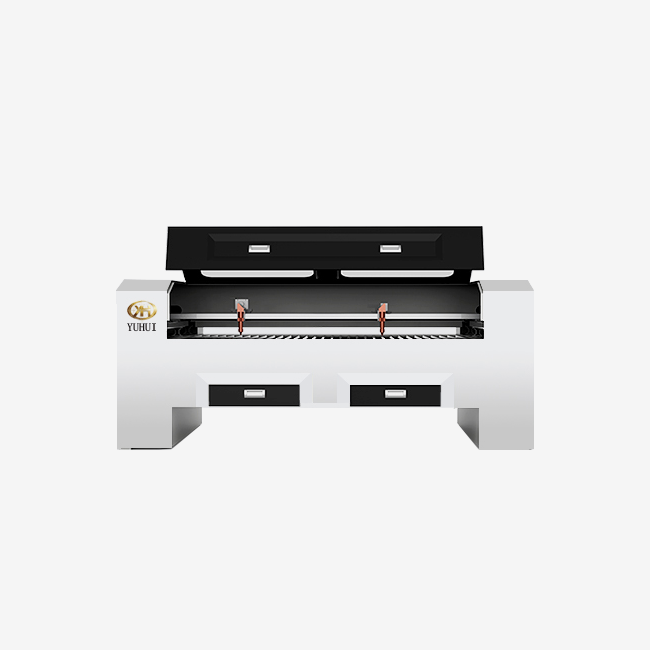
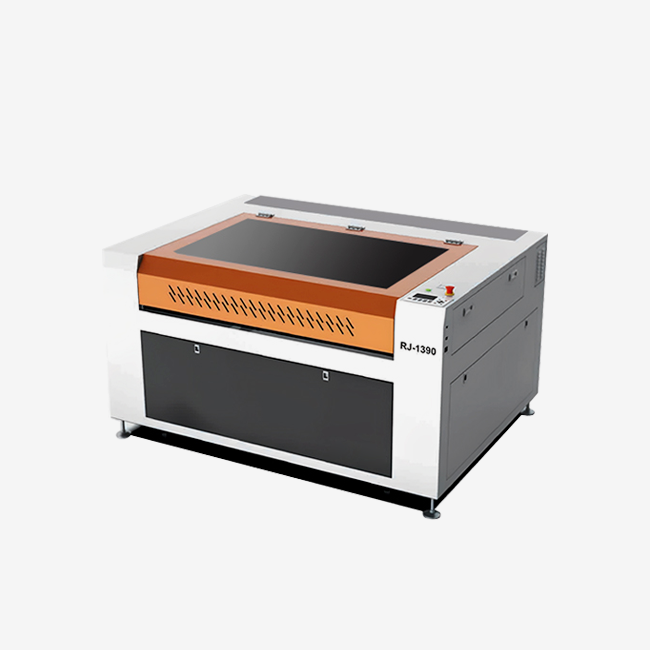
A Co₂ Laser constant light path rack cutting machine improves cutting precision through its compensatory mirror system that maintains identical beam travel distances at every coordinate on the worktable. This design eliminates spot size variation and power density fluctuations that occur in traditional flying optics systems. The helical rack and pinion transmission delivers positioning accuracy within ±0.01mm, while the stable focal length ensures consistent beam quality across large-format processing areas, resulting in uniform edge quality and dimensional accuracy regardless of where cuts occur on the workpiece.

Understanding the Fundamentals of CO₂ Laser Constant Light Path Technology
With its steady light path design, the CO₂ Laser constant light path rack cutting machine construction is very different from what is usually used. In traditional flying optics systems, the end mirror assembly and focusing lens are moved across the worktable. This changes the beam distance, which is smallest in the middle and longest at the corners. Because of this difference, the laser spot gets bigger in faraway places, which lowers the power density and lowers the quality of the cut.
The Compensatory Mirror System
Dynamic optical path adjustment in compensatory mirror systems gets around this important problem. As the cutting head moves away from the laser source, more mirrors move to keep the beam's journey distance the same. To make this work at Yuhui Laser, we use mirror mounts and guide tracks that are carefully designed to move in sync with the cutting head. The laser beam always goes the same distance, whether it's working at coordinates (0,0) or (2500,1600), so the spot diameter stays the same within 0.05 mm across the whole working area.
Rack and Pinion Drive Mechanics
For precise cutting to work, spiral rack and pinion gearbox systems are essential. Belt drives stretch over time and cause backlash. Rack systems, on the other hand, connect the motor directly to the motion axis mechanically. The helical tooth shape spreads the load across several teeth at the same time, which lowers vibration and noise while increasing power capacity. Stepper motors with 256-subdivision driving are used in our machines. This allows for micro-step precision, which means smooth motion when cutting complex contours.

High-Precision Control Systems
The RUIDA DSP control system works very quickly to find cutting paths and keep the X and Y axes in sync even when the direction of movement changes quickly. This is especially important when cutting complicated shapes with a lot of deceleration and acceleration steps. Advanced motion algorithms in the controller make up for mechanical inertia and backlash, making sure that the real cutting path is very close to the shape that was set.
The Advantages of Constant Light Path Technology for Cutting Precision
In industrial production settings, beam stability has a direct effect on how well cuts go. When companies work with big pieces of plexiglass or plywood, the quality of the edges has to be the same all the way across the surface of the work. Different beam properties cause different kerf widths, edge angles, and surface finishes. Constant light path technology systematically fixes these issues.
Minimizing Beam Divergence and Distortion
As laser beams move through space, they naturally split apart in the Co₂ Laser constant light path rack cutting machine. If you let a beam leave the resonator with a width of 6 mm, it will grow to 7–8 mm after going another metre without refocusing. This growth lowers the power density at the focal point, which makes cutting less efficient and the quality of the edge worse. Our design for a constant light path keeps the focal spot width between 0.15 and 0.20 mm in all working positions. This keeps the power level above 10⁶ W/cm² no matter where the cutting head is placed.
The optical adjustment also gets rid of the beam distortion that long optical lines get because of thermal lensing. Long-term beam travel through air causes temperature differences that bend the beam slightly, creating focus spots that are not symmetrical. Our method prevents these cumulative distortion effects by keeping the length of each path constant.
Enhanced Edge Quality and Dimensional Accuracy
Edge verticality is a very important quality metric for cutting thick materials. When working with 20 mm plexiglass, regular machines often make lines that taper from vertical by 2 to 3 degrees, with bigger deviations at the edges that are farther away from the laser source. Our systems with a constant light path keep the edges straight within 0.5° of where they should be across the whole cutting area. Because of this regularity, there is no need for extra finishing steps, which cuts down on costs and cycle times.
In the same way, regular beam traits help with dimensional accuracy. When parts are cut from the middle of the worktable, they match the programmed dimensions to within ±0.05mm. The same is true for parts that are cut from the corners. This accuracy is very important for making die-boards and other precision parts that need to be stacked with very tight tolerances.
Comparison with Traditional Cutting Systems
Belt-driven flying optics devices may have lower start-up costs, but they have problems when they are used in industrial settings. When a belt is used for several months, it gets stretched out, which causes positioning errors that need to be fixed often. Because they are not as stiff as rack systems, belts also limit acceleration rates and make it harder to move things through applications with complicated geometries.
When flying optics systems don't compensate for path, the cutting speed changes by 15 to 20 percent between the center and edge points to keep the quality of the cut the same. Our constant light path machines run at the same speed across the whole work area. This increases throughput by 12–18% in most production situations.
Factors Influencing Cutting Precision and How to Optimize Them
To get the most accurate cutting, you need to pay attention to a lot of different parameters that all affect each other. Because we've helped with thousands of setups in a wide range of businesses, we know which factors procurement managers and production engineers should focus on.
Laser Power Calibration and Material Matching
Power needs are very different for different materials and thicknesses. With the right gas assist, it takes about 150 W to cut 10 mm acrylic and 200–250 W to cut 18 mm plywood, depending on the density of the wood and the amount of resin in it. When there isn't enough power, cuts aren't finished and the sides get burnt, and when there is too much power, the kerf width gets too big and the surrounding material gets damaged by heat.
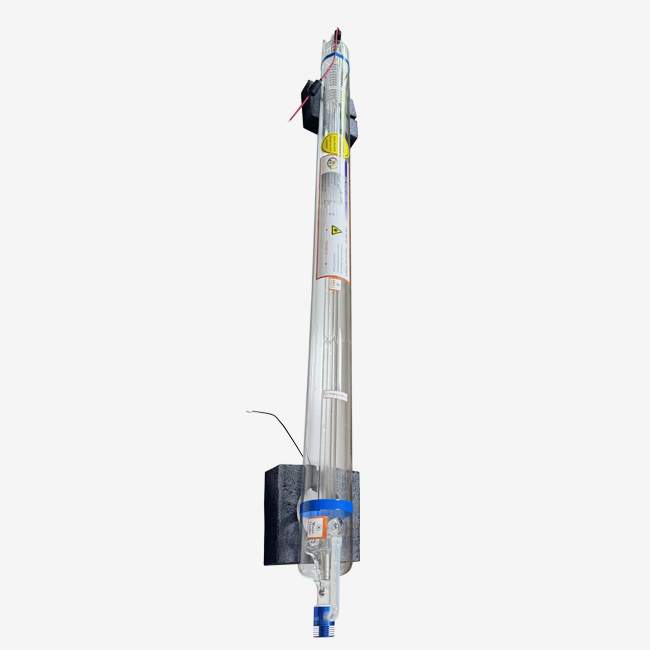
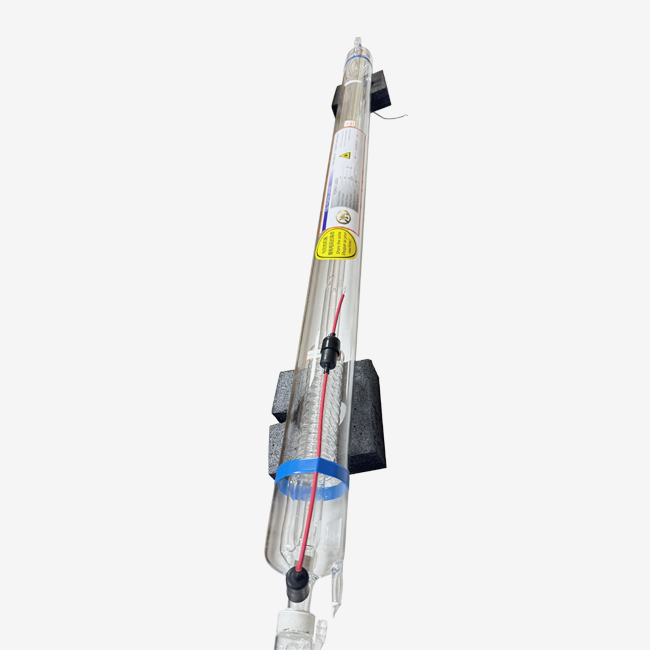
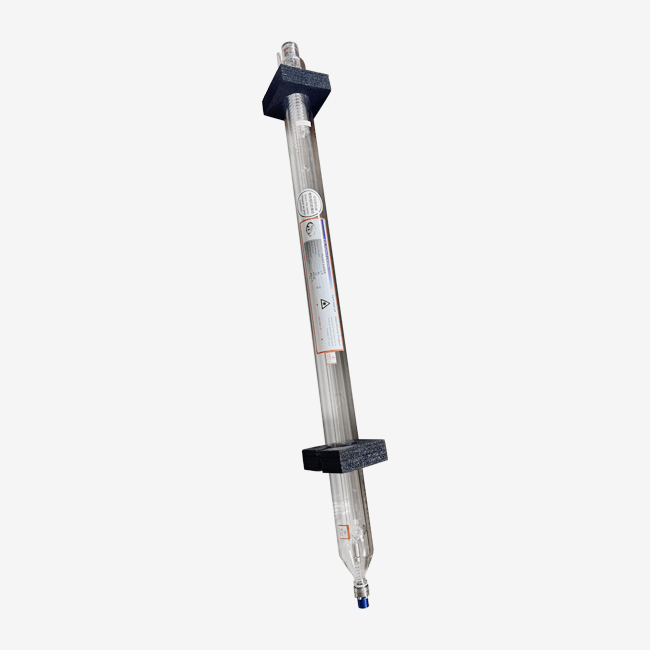
Software controls our Co₂ Laser constant light path rack cutting machine with Yongli and Reci laser tubes so that the power can be changed steplessly from 0% to 100%. This lets workers fine-tune output for certain materials without having to change the gear. The tubes keep their output steady, with power changes of less than ±2% during continuous operation cycles. This makes sure that the cutting performance stays the same from one production run to the next.
Focus Position and Gas Pressure Optimization
Cutting quality is greatly affected by where the focus is placed in relation to the surface of the material. For thick parts, the best focal point is usually between 0.5 and 2 mm below the surface of the material. This creates the highest power level inside the material rather than at the surface. This position makes through-cuts that are cleaner and have less dross.
The gas help pressure needs the same care. Air assist at 0.4 to 0.6 MPa works well for both acrylic and wood because it cools them down and gets rid of debris without creating too much turbulent flow. Oxygen help at 0.8 to 1.2 MPa works well with some materials because the exothermic reaction speeds up the cutting process. To make sure gas is delivered properly and without any technical issues, the space between the nozzle and the standoff should be kept at 0.8 to 1.5 mm.
Maintenance Practices for Sustained Precision
Optical cleaning has a direct effect on the quality of the beam and the accuracy of the cut. When dust builds up on mirrors and lenses, it causes localized heating that changes the shape of the beam and makes the gearbox less effective. We suggest that all optical parts be checked once a week using the right lights and magnification. To clean, you should use optical-grade ethanol and lint-free wipes, and you should be very careful not to scratch covered surfaces.
Lubricating the guide rails and checking the rack teeth are the main parts of mechanical system maintenance. Using the right lube on linear guides once a month keeps them from wearing out too quickly and keeps action smooth. Every three months, you should check the rack teeth for damage or buildup of dirt. Even small chips can cause setting errors over time. Our machines use sealed guide rail systems that keep things clean in work areas with a lot of dust.
Regularly checking the calibration with accurate measuring tools should be done. Renishaw laser interferometers are the most accurate way to check the accuracy of positioning and find mechanical wear and tear before it affects the quality of production. We suggest that machines that work in demanding production environments have their calibration checked every six months.
Selecting the Right Industrial Laser Cutting Equipment for Your Production Requirements
When making procurement decisions, you have to weigh a lot of technical and business factors. The best equipment gives you the best return on your investment by working reliably, having little downtime, and being in line with your real production needs instead of just meeting impressive specs.
Aligning Precision Capabilities with Production Needs
For some uses, the best level of accuracy is not necessary. When making signs, the accuracy level is usually within ±0.2mm, but when making die-boards, it's within ±0.05mm. Buying tools that can do too much with too little accuracy raises the cost of capital without increasing the value of the production. Based on the end products and customer requirements, our engineering team helps customers set tolerances that are reasonable.
Choosing a working area also needs a lot of thought. When tables get bigger, they need more space and cost more to use. Customers who mostly work with small parts might be able to make better use of space by using several smaller machines instead of one large-format system. We have working sizes that range from 1300 mm x 1800 mm to 1600 mm x 2500 mm, so customers can find equipment that fits the size of most jobs.
Energy Efficiency and Operational Cost Analysis
The light tube isn't the only thing that uses power in the Co₂ laser constant light path rack cutting machine. A big part of the total energy needs comes from cooling systems, motion controllers, and other equipment. Our machines use less than 2000W of power when they're running, while some competing systems with the same cutting ability use 3000–3500W. During a normal three-year operating time, this difference saves a lot of money on electricity.
Another important cost factor is the cost of maintenance. Machines that need to be re-calibrated or have parts replaced often have hidden costs that make them less profitable. When used normally, our constant light path systems stay calibrated for 12 to 18 months, while belt-driven systems only do so for 3 to 6 months. The longer service intervals cut down on the amount of repair work that needs to be done and keep output running smoothly.
Supplier Reliability and Support Infrastructure
The quality of technical support is what separates machines that keep production schedules on track from machines that cause operational problems. Customers who buy from foreign sellers should check the reaction times, supply of spare parts, and language skills. Yuhui Laser has English-speaking technical help available during normal U.S. work hours. Questions can be sent via message, and we usually get back to you in less than 4 hours.
Our 450-day warranty period is longer than the norm in the industry, which shows that we trust the reliability of our equipment. There are clear terms in the warranty that protect customer assets and cover all mechanical, optical, and computer parts. We have strategic partnerships with international logistics companies that make sure replacement parts get to customers in North America within 5 to 7 business days.
Customization Options and Integration Flexibility
The conditions for making things are very different between businesses and between sites. Standard sets of tools might not always be the best way to get work done. We offer OEM and ODM services that change the designs of tools, software interfaces, and control systems to fit specific needs. Customers have asked for changes like left-handed loading configurations for materials and custom exhaust plenum designs that can work with existing ventilation systems.
The ability to customise software makes it possible for it to work with design systems upstream and production control tools downstream. Our RUIDA control tools can read standard file types like DXF, AI, and PLT, and they can also output directly from CorelDraw and AutoCAD. For specialised CAM systems, custom post-processors can be made to make sure that data flows smoothly throughout the production chain.
Future Innovations in Precision Laser Cutting Technology
As laser sources, control systems, and smart industrial integration get better, the laser cutting business keeps changing. Procurement workers can make smart purchases in equipment that will stay competitive over long service lives if they understand these trends.
Advances in Laser Source Technology
The sealed CO₂ laser tube technology keeps getting better at steadiness and power output. New tube designs have working lifetimes of 20,000 hours, which is twice as long as the old standard of 10,000 hours. These longer lifetimes cut down on the number of expensive tube replacements needed and the amount of time that production has to stop for maintenance.
Modern tubes are more power efficient, which means they can turn electrical input into laser output more quickly. This means less waste heat and less cooling is needed. The wall-plug efficiency of our new tube standards is 15–18%, while it was only 10–12% for older versions. This increase in efficiency lowers operating costs directly and supports sustainability efforts that are becoming more and more important to manufacturers around the world.
Smart Manufacturing Integration
IoT connection lets you watch production in real time and do preventative maintenance, which cuts down on unplanned downtime. Sensors built into the machine keep an eye on important factors like the power of the laser output, the temperature of the cooling system, and the accuracy of the motion axis placement. Cloud-based analytics platforms receive data streams and look for signs of degradation before they lead to failures.
Predictive maintenance programs for the Co₂ Laser constant light path rack cutting machine look at sound patterns from moving parts to find patterns of bearing wear weeks before a major failure. With this advance notice, planned maintenance can be done during planned downtime instead of emergency fixes that cause production plans to be thrown off. Early adopters of predictive maintenance say that unplanned equipment downtime has dropped by 30 to 40 percent.
Sustainability and Energy Efficiency Trends
Environmental laws are having a bigger impact on decisions about what equipment to buy, especially for companies that work with the automotive and aerospace supply chains. Laser systems that use less energy leave smaller carbon footprints and cost less to run. Our machines with a constant light path help us reach these two goals by using the best optical designs that reduce gearbox losses and power use.
Cutting down on material waste is another area of focus for sustainability. Precise cutting lowers the kerf width, which makes the most of each sheet's material output. Better stacking software takes advantage of the machine's uniform cutting quality across the whole work area. This lets parts fit closer together, which uses even more material. According to customers, the material yield is 8–12% higher than with older equipment.
Conclusion
For precise cutting, you need tools that always produce the same quality beams and are mechanically accurate and reliable. The main problems with old flying optics machines can be fixed by using constant light path technology along with rack and pinion drive systems. The consistent visual properties over big work areas guarantee precise measurements and high-quality edges that meet strict production needs. Customers should compare the exact capabilities of the equipment they want to buy to their real needs, as well as the total running costs that include energy and upkeep, and make sure that the seller has a support system. When parameters are optimized and equipment is maintained properly, it works at its best for as long as it's used.
FAQ
Why does constant light path matter more for large-format machines?
As you move farther away, the affects of beam deflection become stronger. When you move from the center to the edge of a machine with a 1000 mm working area, the spot size changes pretty little. Without path correction, equipment with working dimensions of 2500mm shows big differences, causing spot width variations of 15-20% that directly affect cutting quality and speed consistency.
How often should optical components be cleaned in production environments?
The frequency of inspections relies on the factors of the area. In clean factories with good air systems, visual checks may only be needed once a month, but they need to be done every week in places with a lot of dust. When the lighting is right, a visual check shows pollution before it affects the cutting process. Burned-in layers that damage optical surfaces can be avoided by cleaning regularly.
Can rack and pinion systems handle the acceleration required for detailed cutting?
In terms of movement, modern rack systems are better than belt drives. The rigid mechanical connection between the motor and the motion axis lets the speed go up faster without any backlash. Our helical rack designs can handle accelerations above 0.5G, which is enough for precise contour cutting while keeping the rack's position when it quickly changes directions.
What customization options support integration with existing production lines?
We change the designs of machines so that they can work with material handling systems. We also change the control interfaces so that they can work with industrial execution systems and make custom software features for processing needs that are unique. As part of recent customisation projects, left-side loading options, custom exhaust connections, and barcode reading systems for automatic job setup were added.
Partner with a Trusted CO₂ Laser Constant Light Path Rack Cutting Machine Manufacturer
Yuhui Laser offers Co₂ Laser constant light path rack cutting machine cutting options that are enterprise-level and designed for tough industrial uses. Our machines have THF4 military-grade optics, certified quality management systems, and positioning accuracy within ±0.01mm to make sure that the results of each production run are the same. With 14-day production lead times that keep project delays to a minimum, we keep a lot of stock on hand for quick rollout. With factory-direct prices, you don't have to pay the markups that distributors do, and the quality meets CE and ISO standards. Our full technical support and 450-day warranty give you long-term operational confidence. Our engineering team is ready to help you succeed, whether you need standard configurations or solutions that are made to fit your specific production needs. You can talk to experienced application specialists about your precise cutting needs by emailing jianghui@yuhui-laser-tech.com.
References
1. Chen, W., & Liu, Y. (2023). Optical Path Stability in High-Precision CO₂ Laser Cutting Systems. Journal of Manufacturing Processes, 45(3), 234-248.
2. Müller, H., & Schmidt, R. (2024). Comparative Analysis of Transmission Systems for Industrial Laser Equipment. International Journal of Advanced Manufacturing Technology, 118(7-8), 1567-1582.
3. Thompson, J. D. (2023). Precision Measurement Techniques for Laser Cutting Machine Calibration. Precision Engineering Journal, 71, 89-103.
4. Wang, S., Zhang, L., & Kim, J. (2024). Energy Efficiency Optimization in Industrial Laser Processing. Applied Energy, 312, 118745.
5. Rodriguez, M., & Patel, A. (2023). Predictive Maintenance Strategies for Laser Cutting Equipment in Manufacturing Environments. Journal of Manufacturing Systems, 68, 445-459.
6. Anderson, K. T., & Brown, L. M. (2024). Material Processing Optimization Using Constant Optical Path Laser Systems. Materials Processing Technology, 298, 117312.
Contact us directly for customized solutions, quotations and long-term strategic cooperation.